The Best Way to Clean Enoki Mushrooms Before Hot Pot
Enoki mushrooms have a delicate, springy texture that works beautifully in hot pot. Their slender stems absorb broth quickly, while the tiny caps add a subtle sweetness. Because they grow in tightly packed clusters, though, dirt and loose growing material can hide between the stems. A proper rinse removes debris without ruining their texture.
Most retail enoki arrives sealed in a plastic sleeve with a loose base attached. It is a cultivated mushroom, so it is not packed with soil like a field-grown variety. Even so, packaging fragments, condensation, and fragments of the growing substrate can remain inside. Washing is therefore less about removing heavy dirt and more about making sure the mushrooms are clean before they enter your broth.
Australian shoppers will often find enoki in the refrigerated produce section of Woolworths or Coles, usually in a punnet or wrapped sleeve. Asian supermarkets around Cabramatta in Sydney, Box Hill in Melbourne, and Haymarket offer several brands and pack sizes. Here, shoppers use the term “use-by date,” and chilled food should generally stay at 5°C or below.
The best method is straightforward: inspect the pack, trim the woody base, separate the clusters, and rinse them quickly under cold running water. Avoid soaking or using hot water, as both can make the stems waterlogged. A brief rinse followed by thorough cooking gives you clean mushrooms that still have the texture diners expect.
Why enoki needs a careful rinse
Fresh enoki should look pale cream or white, with firm, narrow stems and compact caps. A little natural slipperiness is normal, but the mushrooms should not feel mushy, wet, or unusually slimy. Brown stems, an expired use-by date, a damaged sleeve, or a sour smell are good reasons to discard the entire pack.
Rinsing also helps remove small pieces of the fibrous base that may be hiding where the clusters meet. Leaving these behind can give the finished broth a slightly bitter or muddy note. The goal is to clean the mushrooms while preserving their tightly packed form, not to scrub each individual stem.
Check the package before washing
Begin by reading the label. Some Australian brands state that the mushrooms are ready to cook, while others recommend washing them first. In either case, follow the packaging instructions and inspect the mushrooms before opening the sleeve. Check for pooled liquid, torn plastic, or sections that have started to discolour.
Keep the mushrooms refrigerated until you are ready to prepare them, especially during a hot Australian summer. If they have travelled in a delivery bag or been left near the stove, put them back into the fridge promptly. Chilled mushrooms added to a properly heated broth will cook more evenly than mushrooms that have begun to warm in their packaging.
Trim the base and loosen the clusters
Use a sharp knife to cut away the thick, fibrous root base where all the stems join. Do not cut deeply into the edible stems, as this creates loose fragments and can reduce the amount of mushroom in each cluster. A small slice is enough to remove the tough portion.
After trimming, gently pull the enoki apart by hand. Separate large bunches into smaller clusters so every stem has contact with the broth. Avoid washing or soaking the mushrooms in a bowl before the final rinse. Standing water can lodge between the stems and encourage them to absorb too much moisture.
Use a quick cold-water rinse
Hold each cluster beneath clean, cold running water and gently swish it for about ten seconds. Move the stems through the stream so water reaches the bases and any loose material falls away. Keep the water cold, since hot water can begin cooking the delicate caps and make the stems lose their bite.
Do not use soap, detergent, bleach, or strong vinegar. Ordinary cold tap water and gentle movement are sufficient. Once the mushrooms look clean, place them in a colander or strainer and let them drain for a moment. A clean paper towel can then pat away excess surface water.
Preserve the texture during cooking
Add enoki only after the hot pot broth is hot enough to produce a lively simmer. This is particularly important with frozen soup bases, which must be heated according to the brand instructions and brought to a full boil before delicate ingredients are added. Enoki cooks quickly and usually needs only a few minutes in a properly heated pot.
A practical kitchen equipment review can also help when choosing a suitable pot and utensils for home cooking. Look for a vessel that heats evenly and leaves enough room to stir without crushing the mushrooms. Wide pots are useful for separating batches and removing stems that remain tough.
An Australian home hot pot checklist
For the wider meal, MoneyCome Mart’s selection of restaurant-style hot pot ingredients includes broths, noodles, sauces, and prepared items that suit a home setup. Australian cooks often say they will “chuck them in” once the pot is bubbling, but checking the mushrooms first still matters.
Use this preparation sequence before cooking:
- Check the use-by date and inspect the sealed pack.
- Trim only the fibrous base and separate the clusters by hand.
- Rinse briefly under cold running water, then drain well.
- Bring the broth to a lively simmer before adding the mushrooms.
Keep these points in mind at the table:
- Add small batches so the mushrooms cook evenly.
- Stir gently after the stems begin to soften.
- Keep the broth simmering rather than letting it settle.
- Remove any stems that remain excessively tough or slimy.
With a quick rinse and a short time in hot broth, the enoki stays clean, springy, and ready to absorb the flavour of the meal.
Best Sellers
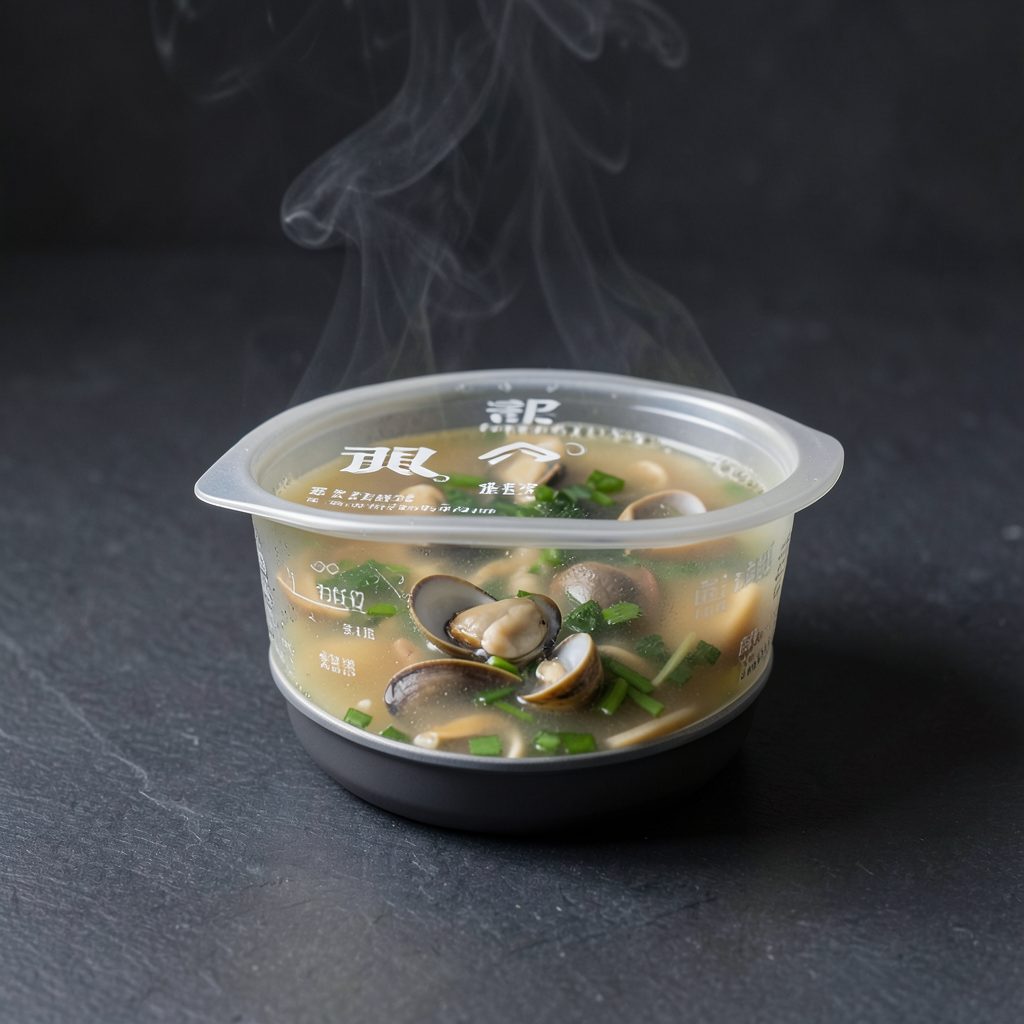
蛤?! Clam Soup Base —卜卜蜆
NT$ —
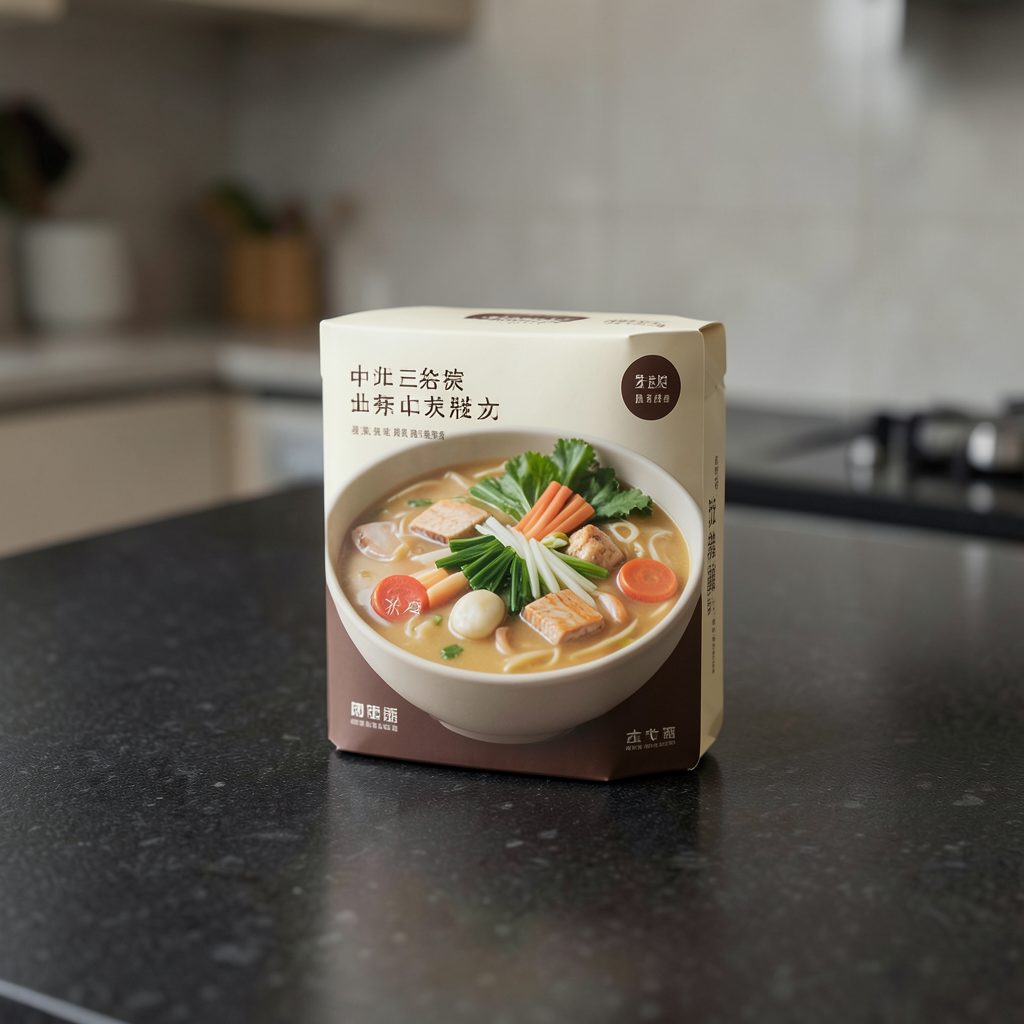
本事滿足鍋物 Personal Pot Base
NT$ —
蛤?! Dry Noodles
NT$ —
Signature Sauce
NT$ —
New Arrivals
蛤?! Golden Clam Broth — New Batch
NT$ —
Radish Cake —蘿蔔糕精神
NT$ —
Duo Soup Base Set
NT$ —
Hot Pot Essentials Bundle
NT$ —
About 蛤?! Huh Pot
蛤?! Huh Pot is a Cantonese-style hot pot brand known for its signature clam-based broth —卜卜蜆 — made with rich old-hen stock and generous portions of fresh clams. The brand also encompasses 本事滿足鍋物, a personal hot pot concept, bringing the same depth of flavor to individual servings.
Through MoneyCome Mart, these restaurant-quality soup bases, dry noodles, radish cakes, and signature sauces are available for home delivery across Taiwan. Restaurant locations in Taipei's Da'an District, Civic Boulevard, and Taichung's Gongyi Road also welcome guests for dine-in, with online reservations available.