The Best Way to Clean a Divided Hot Pot Pot After Use
A divided hot pot brings two broths to the table at once, making it easy to serve different spice levels, ingredients, or dietary preferences. The same divider that keeps the flavors separate, however, can trap oil, starch, and food particles along narrow seams.
Proper cleaning is simple when handled in the right order. Let the cookware cool, remove detachable parts, loosen residue with warm water, and use gentle tools around the center divider. This protects the pot’s coating while keeping it fresh for the next home hot pot meal.
Why divided pots need careful cleaning
The divider creates extra edges where broth foam, chili oil, noodles, and small pieces of seafood can collect. Starchy ingredients such as noodles or turnip cakes may leave a sticky film if the pot is rinsed only once. Fat from meat and rich soup bases can also cling to the surface as the pot cools.
Avoid treating the cookware like a single flat pan. Scrubbing forcefully across the divider may damage its finish or push residue into the seam. A few minutes of soaking is usually safer and more effective than using abrasive pads.
Cool the pot and separate its parts
Turn off the heat source and unplug the appliance before cleaning. Allow the pot to cool until it is warm rather than hot. Pouring cold water into a very hot metal or coated pot can cause thermal shock, while handling it immediately creates a burn risk.
Remove the lid, separator insert if detachable, rack, and other removable pieces. Keep the electrical heating base away from the sink. Never immerse an electric base, power cord, or control panel in water; wipe those areas with a barely damp cloth and dry them immediately.
If broth remains, strain it before disposal so solid food does not block the drain. Greasy soup can be left to cool and solidify, then transferred to household waste rather than poured directly into plumbing.
Loosen residue before washing
Fill each compartment with warm water and a small amount of mild dish soap. Let the pot sit for 10 to 20 minutes. This softens cooked-on protein, oil, and starch without requiring aggressive scraping. Use separate water if one side held a particularly spicy or strongly flavored broth.
Clean the divider and its corners with a soft sponge, microfiber cloth, or soft-bristled brush. Cotton swabs or a narrow bottle brush can help reach the upper seam. For stubborn patches, apply a paste made from baking soda and water, leave it for several minutes, and wipe gently.
Do not use steel wool, metal scrapers, scouring powder, or harsh oven cleaner. These can scratch stainless steel, strip nonstick coatings, or create tiny areas where food residue collects. Never mix bleach with vinegar, ammonia, or other cleaners.
Choose the right cleaning method
The safest approach depends on the material, coating, and design of the divided cooker. Always follow the manufacturer’s care instructions, especially if the product includes an electrical heating unit or a removable nonstick insert.
| Pot area or material | Recommended method | Avoid |
|---|---|---|
| Stainless steel interior | Warm soapy water, soft sponge, and a baking soda paste for stains | Steel wool and chlorine bleach |
| Nonstick interior | Short soak and a soft sponge or silicone brush | Metal utensils and abrasive scrubbers |
| Divider seam | Soft toothbrush or narrow brush with diluted dish soap | Knives and forceful scraping |
| Glass lid | Warm water, mild soap, and a soft cloth | Sudden temperature changes |
| Electrical heating base | Unplugged damp-cloth wipe, followed by a dry cloth | Submerging or rinsing under a tap |
After washing, rinse away all soap, paying special attention to the center partition and handles. Soap left in a seam can affect the flavor of the next broth. Dry the cookware with a clean towel, then let it air-dry fully before storing.
Remove odors and protect the finish
Chili, garlic, fermented bean paste, and seafood broth can leave lingering aromas. Once the pot is clean, wipe the interior with a solution of equal parts water and white vinegar, provided the manufacturer permits it. Rinse thoroughly afterward and never combine vinegar with bleach or other chemical cleaners.
For a coated pot, avoid leaving acidic solutions in contact with the surface for long periods. A short wipe is enough. If a smell remains, wash again with mild soap and allow the open pot to dry in a well-ventilated place.
Inspect the interior before putting it away. If the coating is blistered, peeling, or deeply scratched, stop using abrasive methods and consider replacing the insert. For storage, place a soft cloth between stacked pieces so lids and dividers do not rub against the cooking surface.
Make cleanup part of the meal routine
A small amount of preparation before serving makes the final wash faster. Keep a heatproof bowl nearby for scraps, use serving utensils for each broth, and avoid overfilling the compartments. Removing floating solids while the soup is still warm prevents them from drying onto the surface.
These habits are especially useful when serving a complete Cantonese hot pot spread with soup bases, clam broth, sauces, noodles, and prepared sides. For example, learning why gluten-free turnip cakes work well in allergy-aware meals can help you plan ingredients that are easy to serve and remove without leaving excess crumbs.
- Strain leftover broth before emptying the pot.
- Soak the interior promptly instead of letting residue dry.
- Use soft tools around the divider and corners.
- Keep the electrical base completely dry.
- Store the pot only after every part is clean and fully dry.
Keep the next hot pot easy to enjoy
A divided cooker should be cleaned after every use, even when the broth appears clear. Oils and starches can form an invisible film that becomes harder to remove later, while trapped moisture can lead to odors.
Pair careful cookware care with reliable ingredients and sensible storage. When ordering frozen soup bases or prepared hot pot foods for delivery, review the store return policy and follow cold-chain handling directions when your order arrives. Then clean the pot while it is still warm after the meal, so your next restaurant-style dinner at home starts with cookware that is fresh, safe, and ready to use.
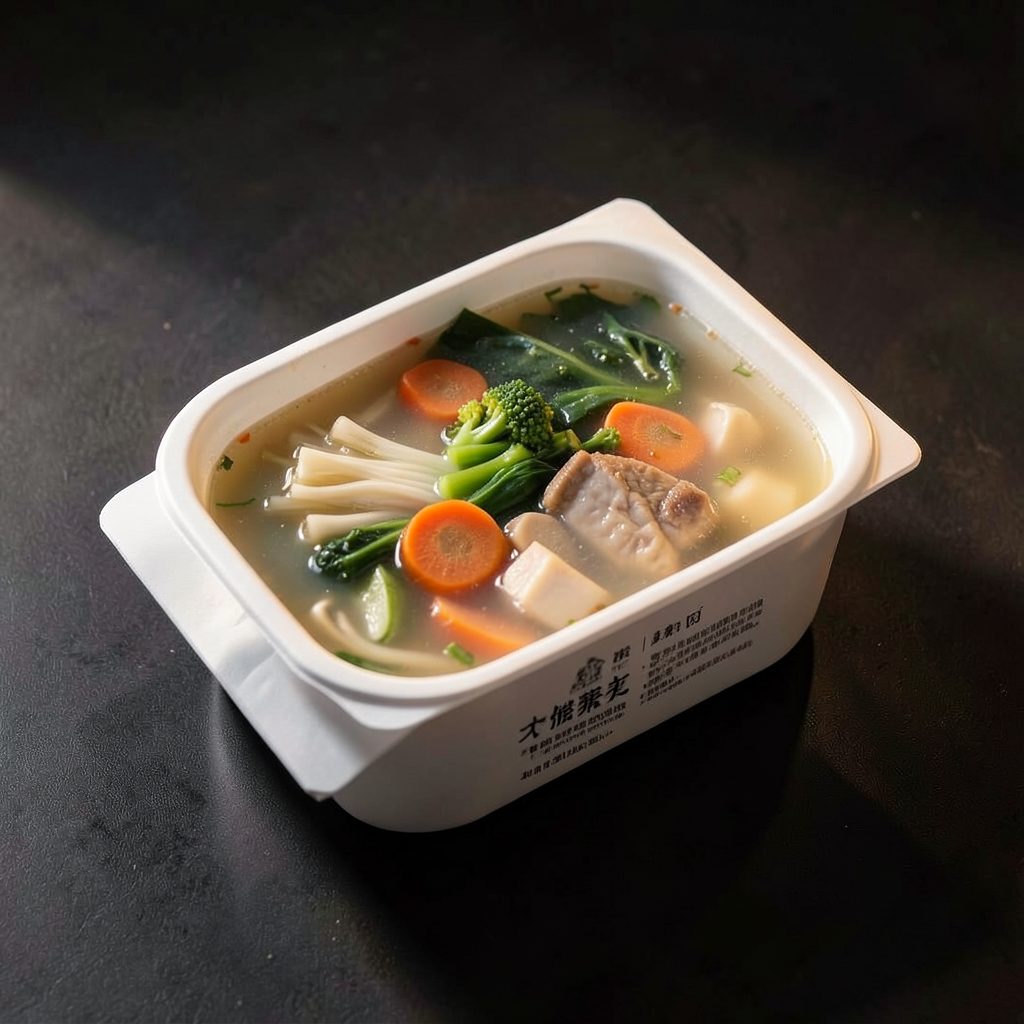
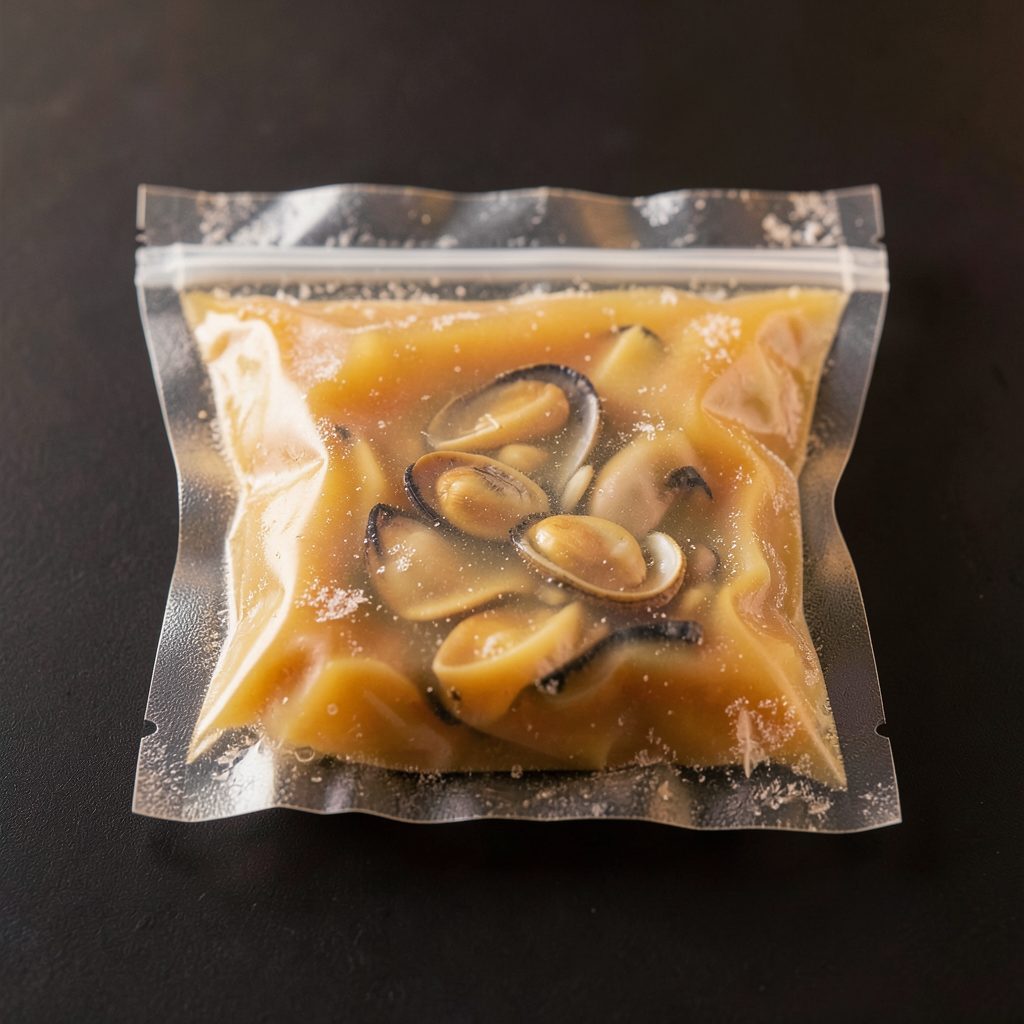
Best Sellers
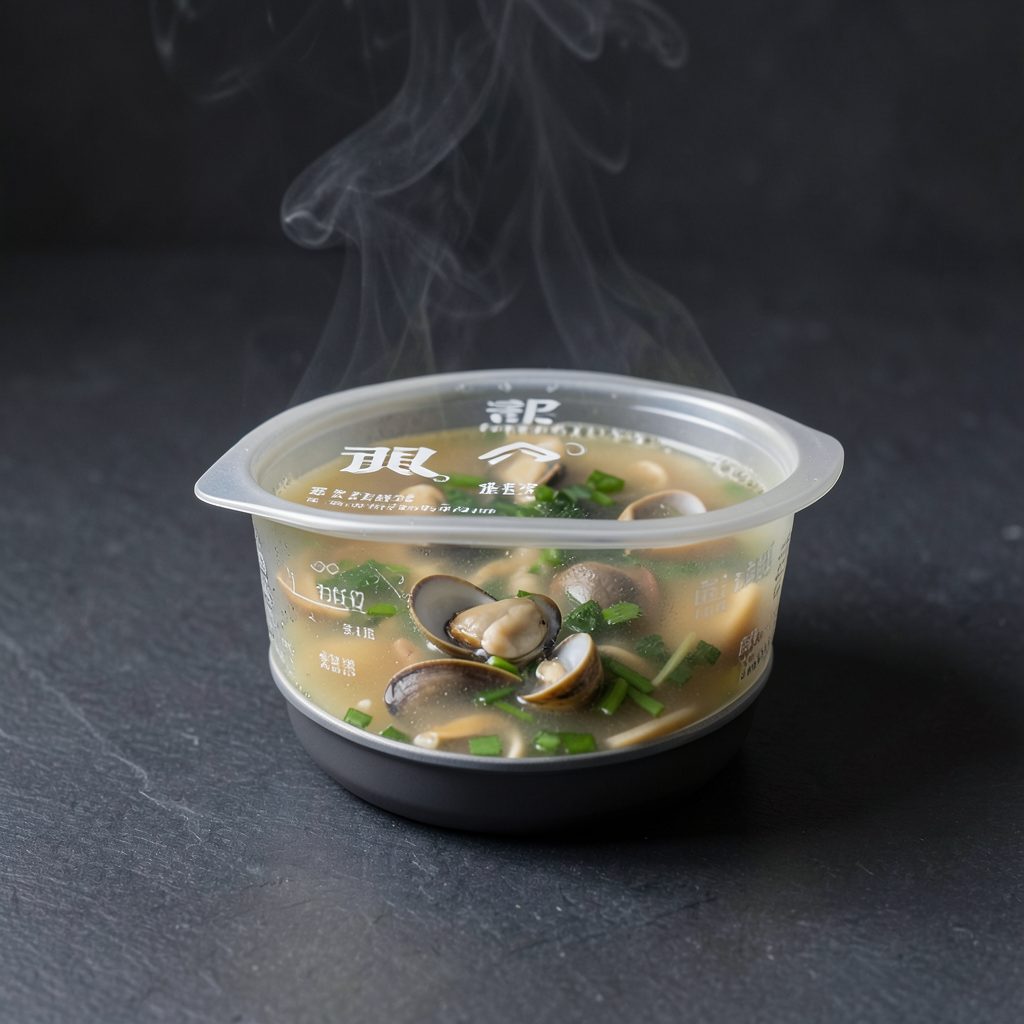
蛤?! Clam Soup Base —卜卜蜆
NT$ —
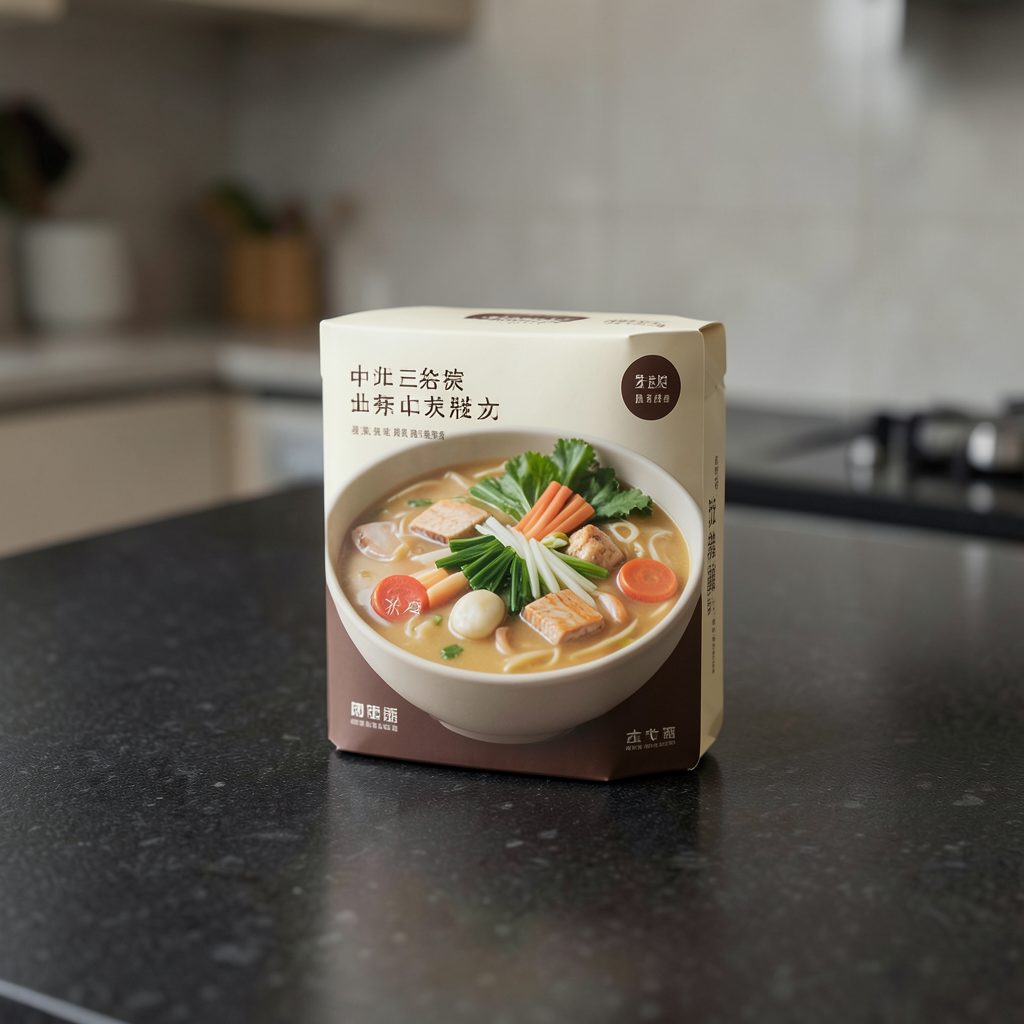
本事滿足鍋物 Personal Pot Base
NT$ —
蛤?! Dry Noodles
NT$ —
Signature Sauce
NT$ —
New Arrivals
蛤?! Golden Clam Broth — New Batch
NT$ —
Radish Cake —蘿蔔糕精神
NT$ —
Duo Soup Base Set
NT$ —
Hot Pot Essentials Bundle
NT$ —
About 蛤?! Huh Pot
蛤?! Huh Pot is a Cantonese-style hot pot brand known for its signature clam-based broth —卜卜蜆 — made with rich old-hen stock and generous portions of fresh clams. The brand also encompasses 本事滿足鍋物, a personal hot pot concept, bringing the same depth of flavor to individual servings.
Through MoneyCome Mart, these restaurant-quality soup bases, dry noodles, radish cakes, and signature sauces are available for home delivery across Taiwan. Restaurant locations in Taipei's Da'an District, Civic Boulevard, and Taichung's Gongyi Road also welcome guests for dine-in, with online reservations available.