The best vegetables to cook in a mild soup base
A mild hot pot soup base gives vegetables room to show their natural sweetness, fragrance, and texture. Without heavy chili or intense spices, delicate ingredients can gently flavor the broth while absorbing its savory depth.
This style of hot pot is especially convenient at home. With cold-chain delivery from MoneyCome Mart, you can keep frozen soup bases, fresh-frozen ingredients, noodles, sauces, and prepared Cantonese hot pot foods ready for an easy shared meal.
The best choices include crisp greens, sweet root vegetables, tender mushrooms, and ingredients that can handle longer simmering. A thoughtful mix creates contrast in every serving and keeps a mild broth interesting from the first ladle to the last.
Why mild broth suits fresh vegetables
A gentle soup base highlights subtle flavors that can disappear in a strongly seasoned broth. Napa cabbage becomes sweet, corn adds a mellow richness, and mushrooms contribute savory notes without overpowering the soup. This makes mild broth a flexible choice for diners with different spice preferences.
It also gives you more control over seasoning. Start with a Cantonese-style base, then adjust the finished bowl with dipping sauce, scallions, sesame oil, or a small amount of chili. For a lighter meal, these low-sodium hot pot tips can help you balance flavor while keeping the vegetables prominent.
Leafy greens for sweetness and freshness
Napa cabbage is one of the most reliable vegetables for a mild soup base. Its thick white ribs need a few minutes to soften, while the leafy sections cook quickly and release gentle sweetness into the broth. Cut the cabbage into manageable pieces so guests can lift it easily with chopsticks.
Baby bok choy, choy sum, and spinach bring a fresh green flavor. Add bok choy near the middle of cooking, but wait until the final minute or two for spinach and other delicate leaves. This keeps them bright and prevents them from becoming waterlogged.
For a fuller vegetable platter, try romaine hearts or chrysanthemum greens. Their slightly herbal character adds variety, although chrysanthemum greens are best added in small handfuls because their aroma can become pronounced.
Roots and firm vegetables for texture
Daikon radish is excellent in a mild broth because it absorbs the soup while contributing a clean, lightly sweet flavor. Thin half-moons cook faster, while thick chunks become tender and deeply seasoned after a longer simmer. Carrots work in a similar way and add color to the pot.
Sweet corn, pumpkin, and winter squash bring natural sweetness and a soft, comforting texture. Corn rounds can simmer for several minutes without falling apart. Pumpkin and squash should be added carefully so they soften without breaking into the broth.
Lotus root offers a pleasant crunch and an attractive appearance. Slice it thinly and rinse away excess starch before cooking. If you prefer a more filling vegetable selection, add small portions of potato, taro, or sweet potato, giving them extra time before quicker-cooking ingredients.
Mushrooms and other savory choices
Mushrooms are valuable in a mild soup because they provide umami without requiring a strongly seasoned stock. Shiitake has a rich, woodsy flavor, while enoki cooks quickly and adds delicate strands to each bite. King oyster mushrooms remain pleasantly firm and can be sliced into thick pieces.
Shimeji mushrooms, oyster mushrooms, and fresh white mushrooms also work well. Trim the ends, separate the clusters, and wipe away visible dirt. Avoid crowding the pot with too many varieties at once, since a mild base benefits from clear, layered flavors.
Tomatoes are another useful addition. Their gentle acidity can brighten a creamy or savory broth, especially when cut into wedges and simmered briefly. For a more substantial vegetable combination, pair tomatoes with napa cabbage, mushrooms, and tofu.
How each vegetable behaves in the pot
Cooking time depends on slice thickness and personal preference, but the guide below provides a practical starting point. Add firm vegetables first, then follow with leafy greens and delicate mushrooms.
| Vegetable | Texture in mild broth | Approximate cooking time | Best pairing |
|---|---|---|---|
| Napa cabbage | Soft, juicy, sweet | 4–6 minutes | Mushrooms and tofu |
| Daikon | Tender and broth-soaked | 8–12 minutes | Corn and beef slices |
| Carrot | Firm-tender and sweet | 6–9 minutes | Napa cabbage and noodles |
| Lotus root | Crisp to tender | 4–7 minutes | Shiitake and pork |
| Baby bok choy | Tender with a slight crunch | 2–4 minutes | Fish balls and tofu |
| Enoki mushrooms | Silky and delicate | 1–2 minutes | Bok choy and seafood |
| Pumpkin | Soft and creamy | 7–10 minutes | Corn and leafy greens |
| Tomato | Juicy and bright | 2–4 minutes | Mushrooms and dumplings |
The order matters when several people are sharing one pot. Begin with ingredients that need time to soften, then add vegetables that cook quickly as the broth continues to simmer. This prevents greens from overcooking while the roots remain firm.
Build a balanced vegetable platter
A well-planned selection usually combines one ingredient from each texture group. Choose a sweet vegetable, a leafy green, a mushroom, and a firm ingredient for contrast. This approach keeps the meal varied without requiring a large number of separate items.
Use these practical combinations when preparing a home hot pot:
- Napa cabbage, daikon, shiitake mushrooms, and tofu for a gentle, savory bowl
- Baby bok choy, corn, king oyster mushrooms, and noodles for contrasting textures
- Pumpkin, spinach, enoki mushrooms, and sliced fish for a soft and delicate meal
- Lotus root, carrot, tomato, and napa cabbage for color, crunch, and sweetness
Wash and cut vegetables before the soup begins to simmer. Arrange them on separate plates by cooking time, and use small batches so the broth returns to a steady temperature quickly. This is particularly helpful when serving a family or preparing several ingredients from a MoneyCome Mart bundle.
A mild base also pairs well with turnip cakes, dumplings, seafood, and thinly sliced meat. Add these items according to their cooking needs, while allowing the vegetables to remain visible and easy to serve.
Choose a frozen soup base, prepare a colorful vegetable platter, and turn your kitchen into a relaxed Cantonese hot pot experience. Browse MoneyCome Mart’s home-delivery selection and stock up on the ingredients that will make your next shared meal warm, balanced, and easy to prepare.
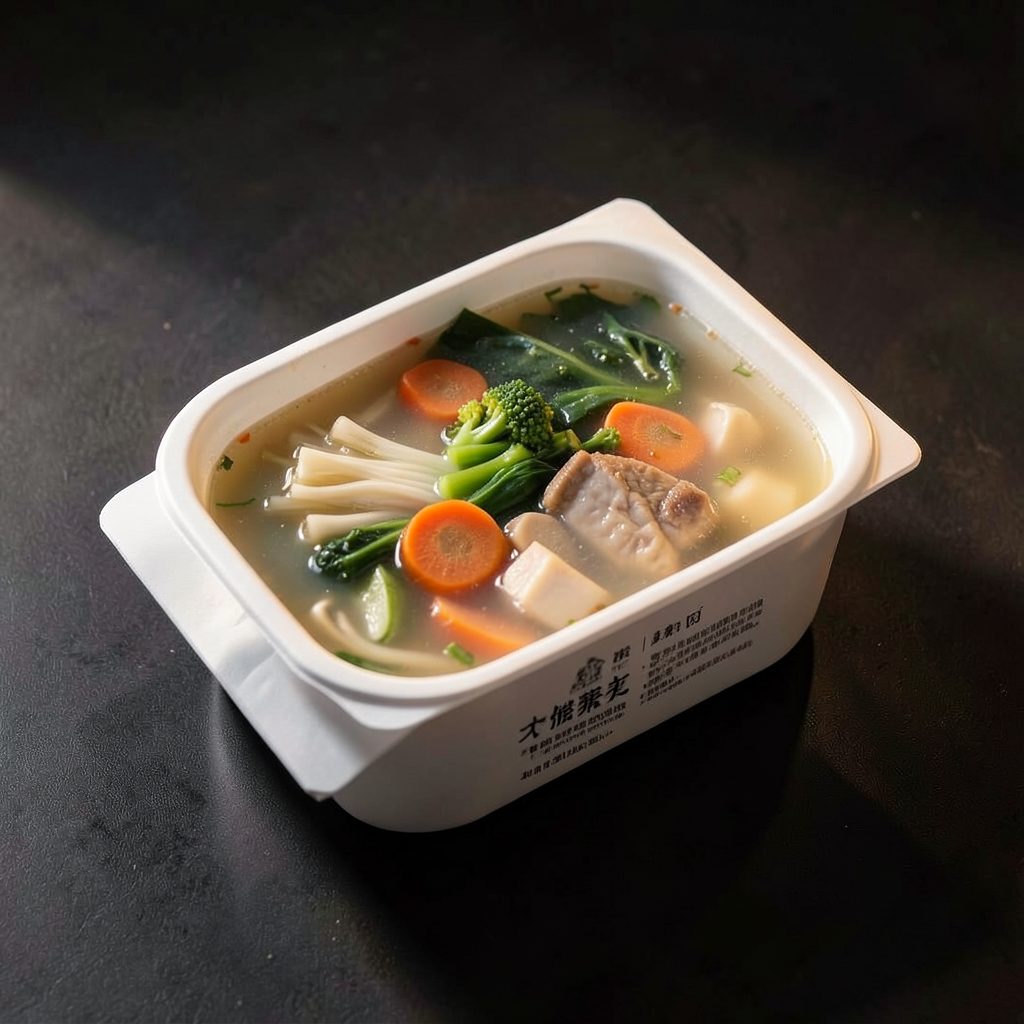
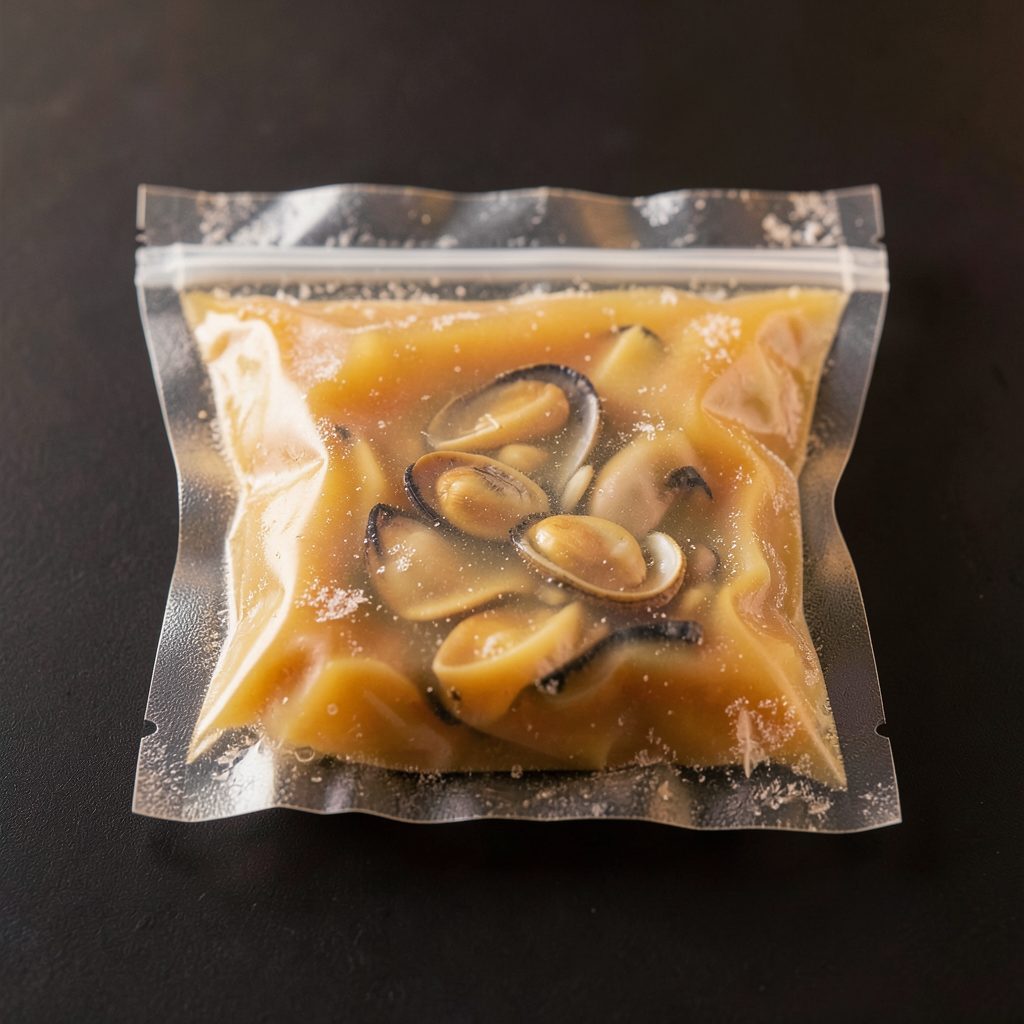
Best Sellers
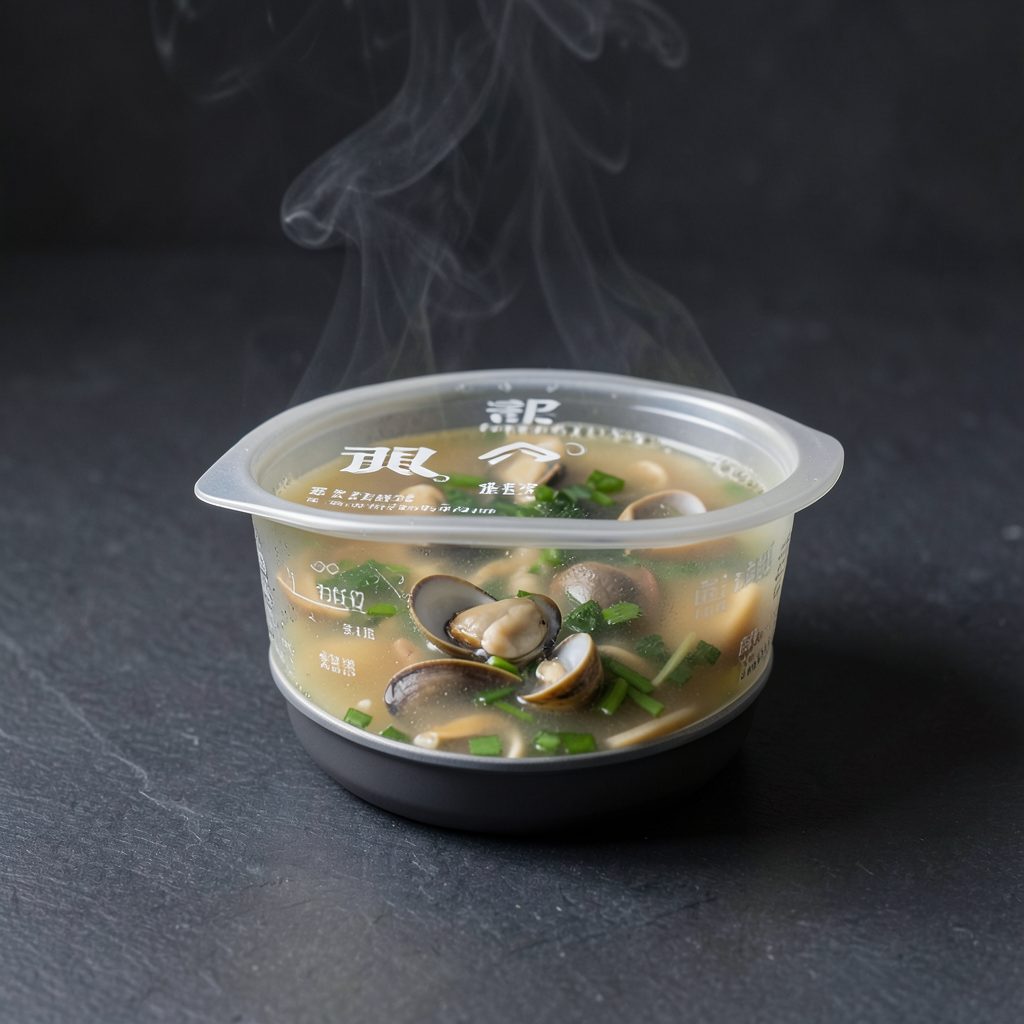
蛤?! Clam Soup Base —卜卜蜆
NT$ —
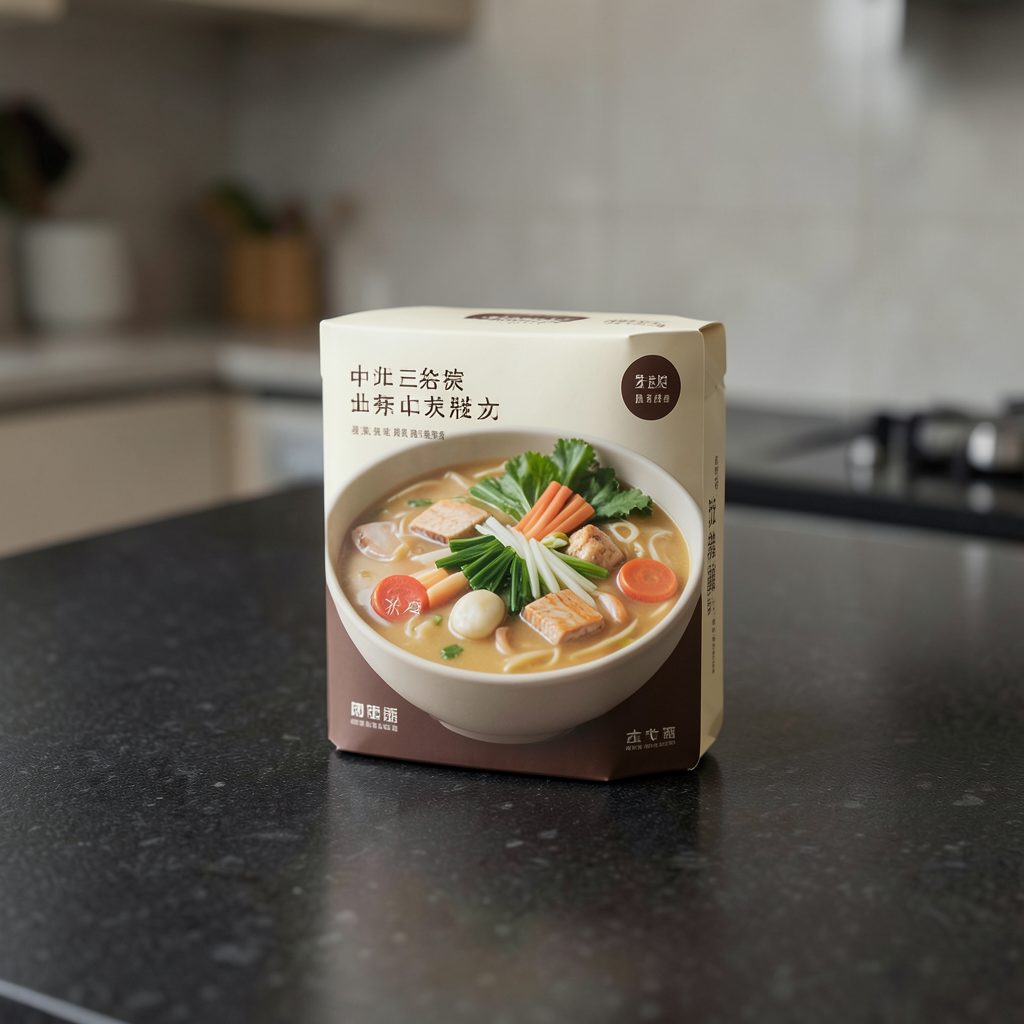
本事滿足鍋物 Personal Pot Base
NT$ —
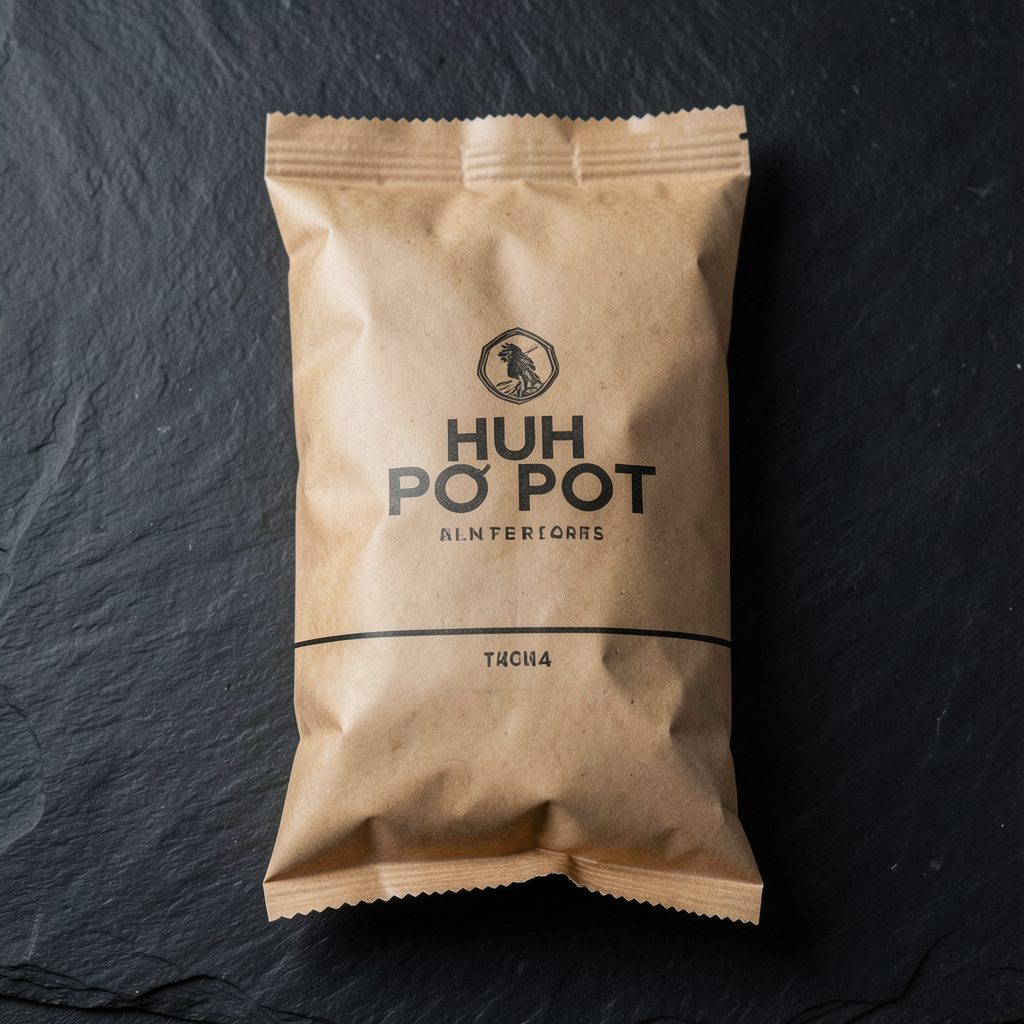
蛤?! Dry Noodles
NT$ —
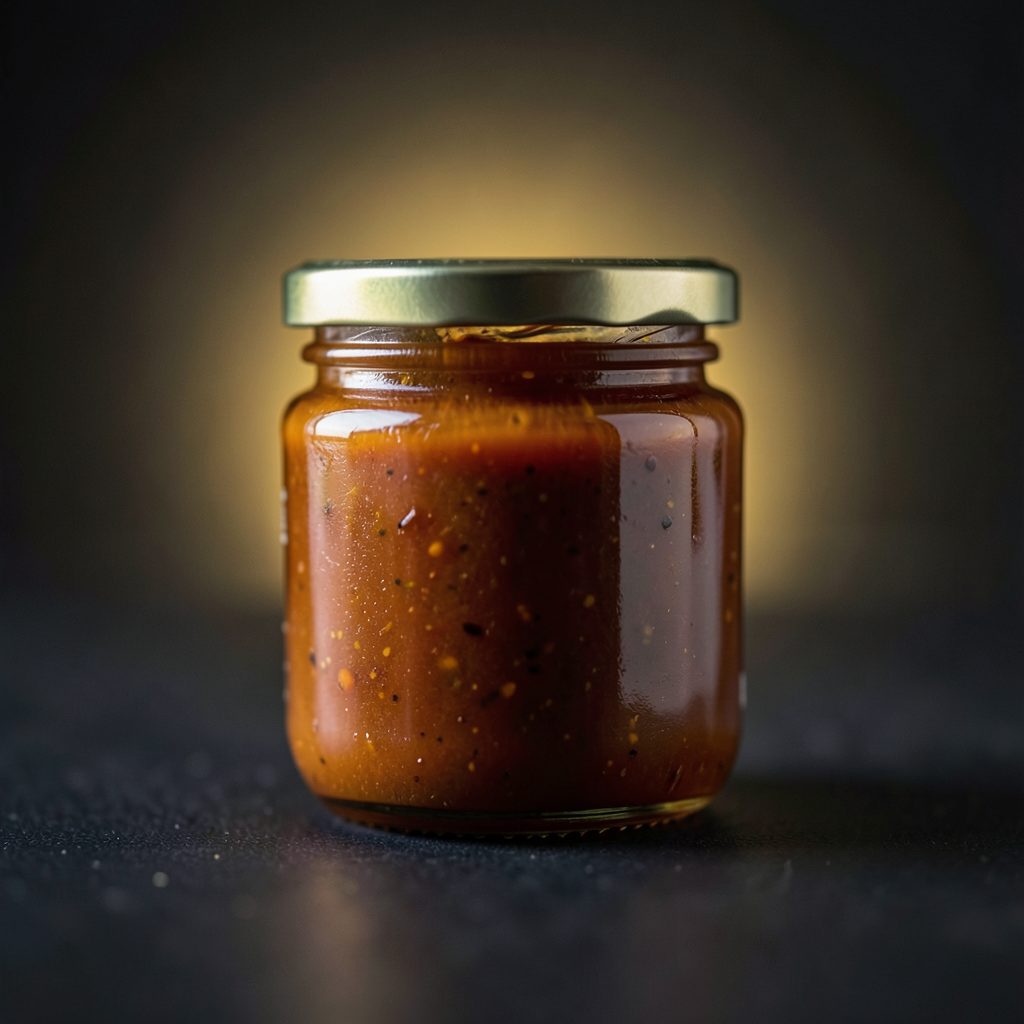
Signature Sauce
NT$ —
New Arrivals
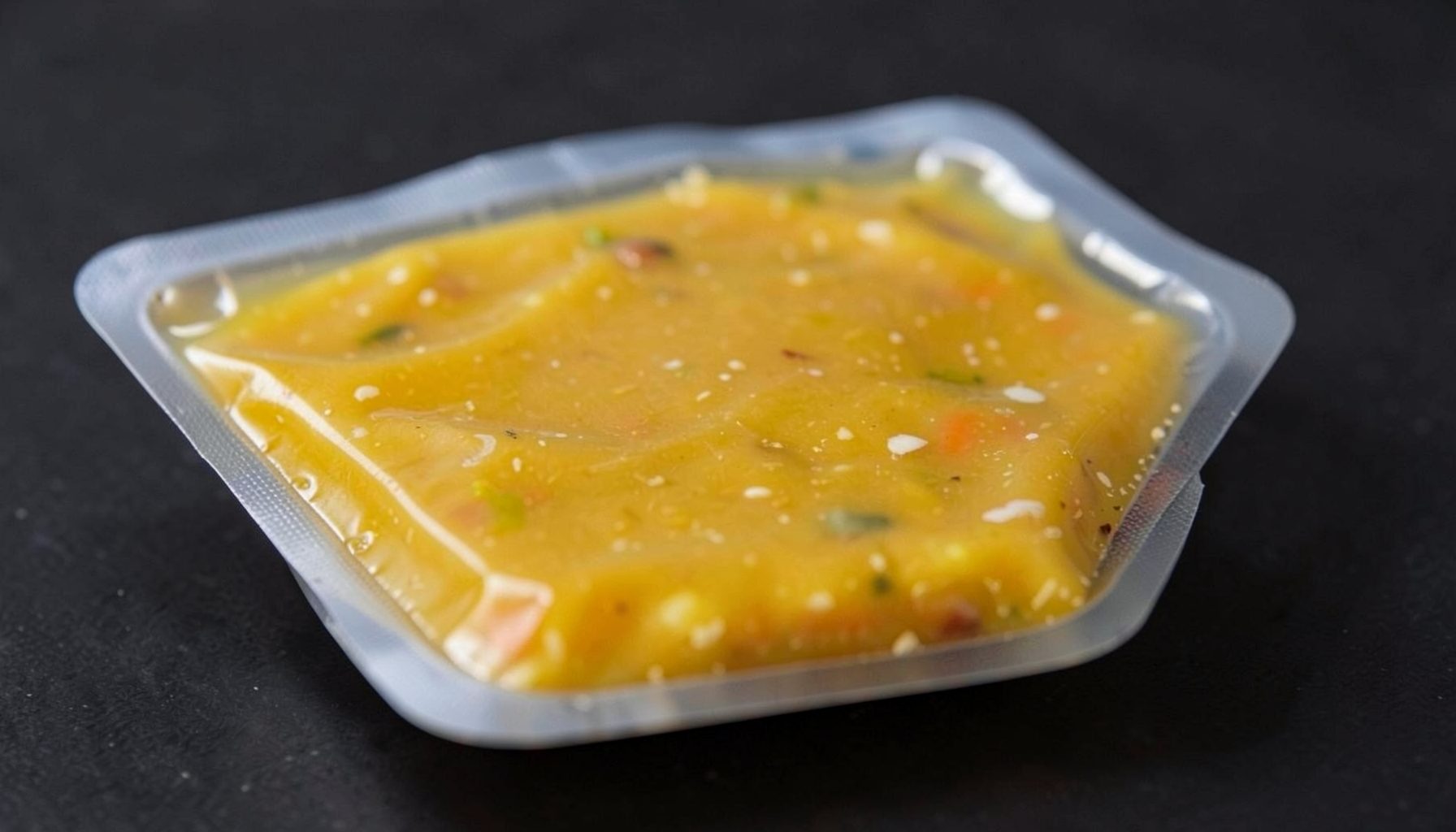
蛤?! Golden Clam Broth — New Batch
NT$ —

Radish Cake —蘿蔔糕精神
NT$ —
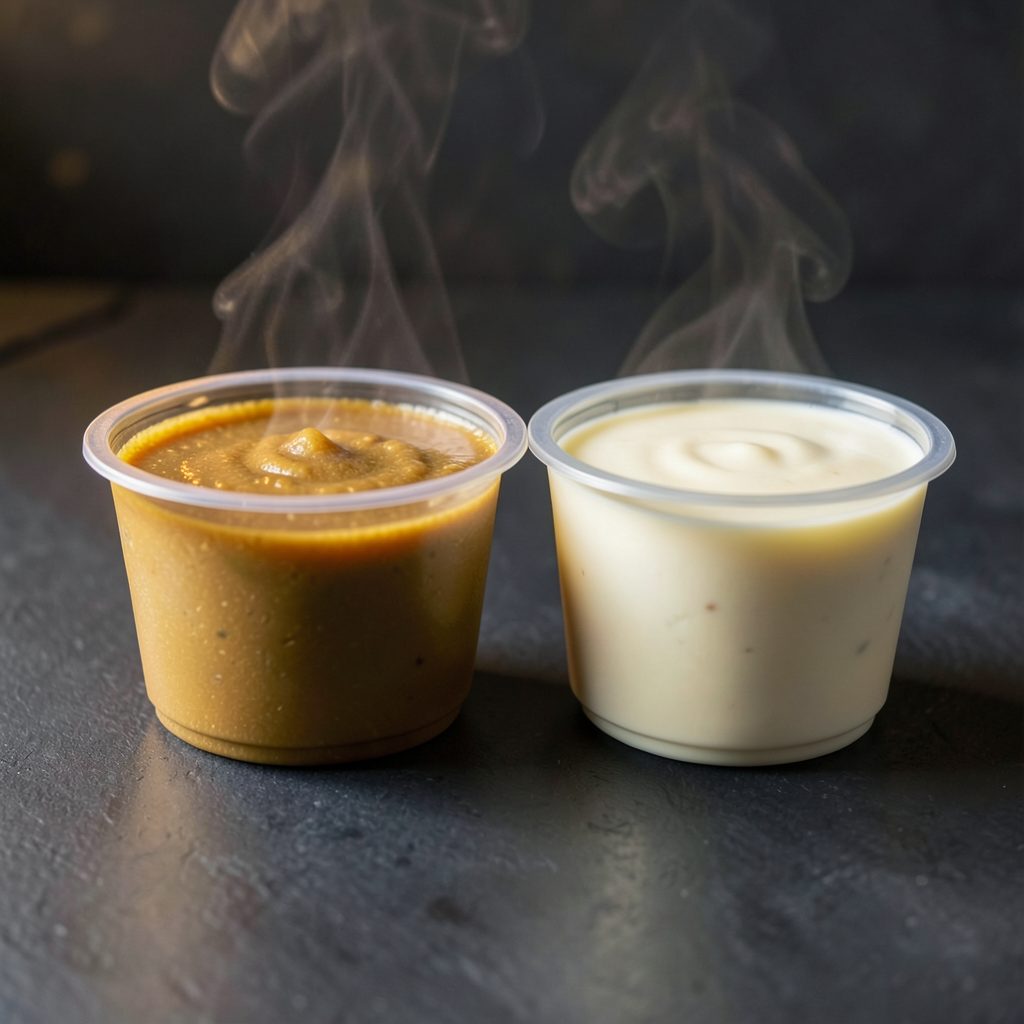
Duo Soup Base Set
NT$ —
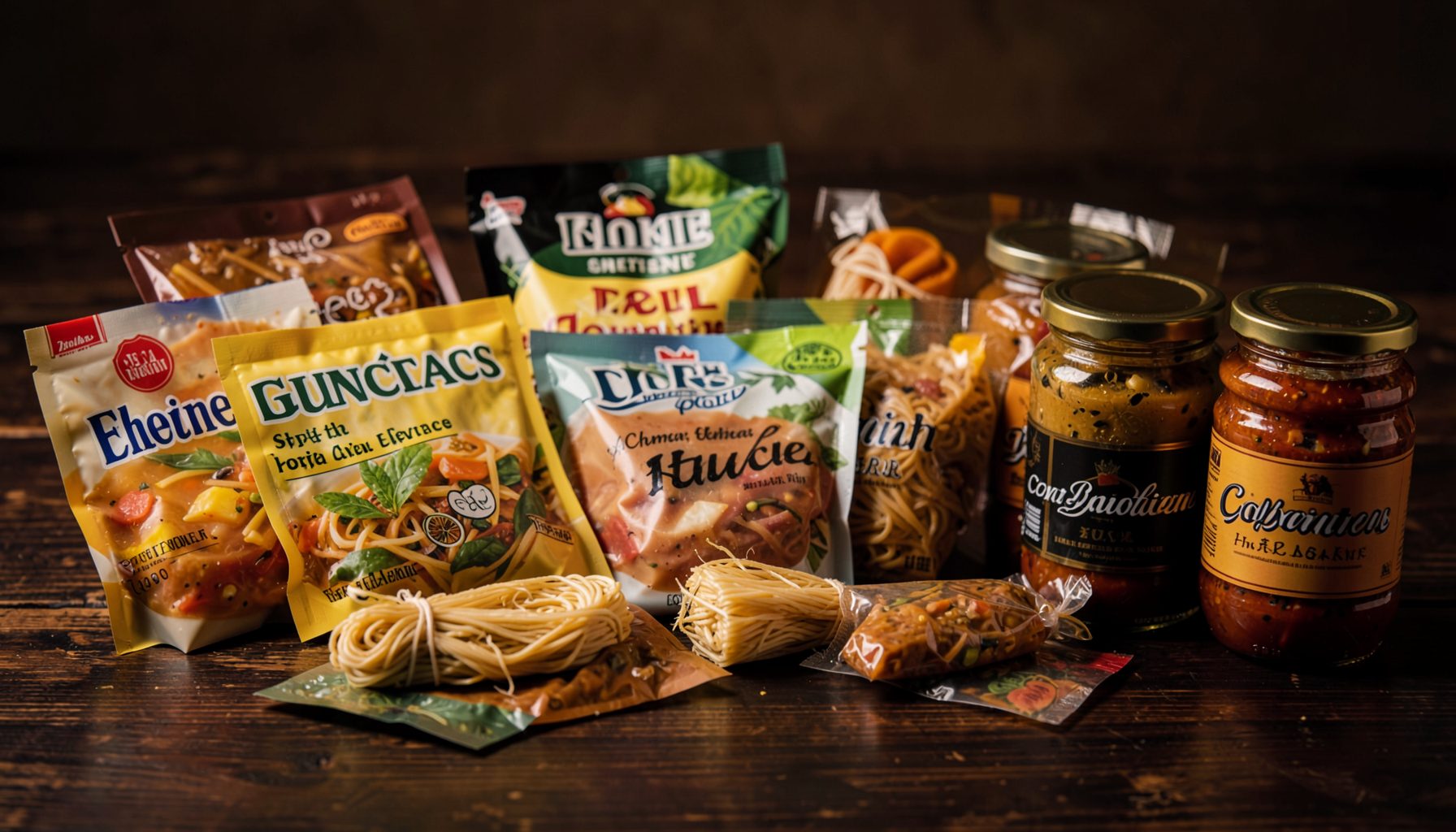
Hot Pot Essentials Bundle
NT$ —
About 蛤?! Huh Pot
蛤?! Huh Pot is a Cantonese-style hot pot brand known for its signature clam-based broth —卜卜蜆 — made with rich old-hen stock and generous portions of fresh clams. The brand also encompasses 本事滿足鍋物, a personal hot pot concept, bringing the same depth of flavor to individual servings.
Through MoneyCome Mart, these restaurant-quality soup bases, dry noodles, radish cakes, and signature sauces are available for home delivery across Taiwan. Restaurant locations in Taipei's Da'an District, Civic Boulevard, and Taichung's Gongyi Road also welcome guests for dine-in, with online reservations available.