The Best Time to Add Noodles to Your Hot Pot to Avoid Mushiness
A bubbling hot pot brings together rich broth, vegetables, seafood, meat, and noodles in one shared meal. Yet noodles can quickly lose their texture when they spend too long in boiling soup. The right timing keeps them springy, flavorful, and enjoyable from the first bite to the last.
Noodle variety, thickness, cooking method, and serving pace all affect the result. Fresh noodles may need only a brief dip, while dried noodles often require more time to soften. Managing these details also prevents noodles from absorbing too much broth and leaving the pot cloudy or overly starchy.
Why noodle timing matters
Noodles continue cooking as long as they remain in hot liquid, even when the heat is reduced. A portion that seems perfectly tender after two minutes may become soft and broken after another five. This is especially common with thin wheat noodles, rice vermicelli, and pre-cooked noodles.
Adding noodles near the end of the meal is usually the safest approach. Once the meat and vegetables are nearly finished, the broth is fully seasoned and ready to flavor the noodles without requiring a long simmer. Cook only the amount you plan to eat immediately, then add a fresh portion for the next round.
Match the timing to the noodle type
Dried noodles generally need more preparation than fresh or pre-cooked varieties. Some should be soaked first, while others can go directly into the hot pot. Reading the package directions gives you a useful starting point, but the broth’s temperature and the number of ingredients in the pot can change the cooking speed.
Fresh alkaline noodles, udon, and pulled wheat noodles often need one to three minutes. Glass noodles may soften in two to four minutes, depending on their thickness. Instant noodles can cook very quickly, so add them when you are ready to serve rather than placing the entire package into the pot at once.
Prepare the broth before adding noodles
Keep the soup at a steady simmer before the noodles enter. A vigorous boil can break delicate strands, scatter starch through the broth, and cause the liquid to reduce too quickly. A gentle but active simmer provides enough heat for cooking without creating excessive movement.
If the pot contains many ingredients, move them toward the sides before adding noodles to the center. This creates room for the strands to cook evenly and makes stirring easier. Cantonese-style soup bases and clam broths can deliver deep flavor, so noodles often need less time in the pot to absorb a satisfying taste.
Use a simple timing guide
The best time to add noodles depends on whether they are raw, soaked, fresh, or already cooked. The following guide helps you estimate the ideal window while keeping a close eye on texture.
| Noodle type | Preparation before cooking | Typical hot pot time | Best texture cue |
|---|---|---|---|
| Fresh wheat noodles | None | 1–3 minutes | Springy and smooth |
| Udon | None or brief rinse | 2–4 minutes | Soft center with gentle resistance |
| Glass noodles | Soak if package advises | 2–4 minutes | Translucent and slippery |
| Dried rice noodles | Soak or parboil | 1–3 minutes after softening | Tender but still firm |
| Instant noodles | None | 1–2 minutes | Flexible with a slight bite |
| Fresh egg noodles | None | 1–2 minutes | Firm, springy strands |
Use the guide as a starting point rather than a strict rule. Remove one strand with chopsticks and taste it before serving the whole portion. If it still has a firm core, cook for another 20 to 30 seconds and check again.
Keep portions small and separate
Adding a large bundle of noodles can lower the broth temperature and make the strands stick together. Small portions cook faster and allow everyone at the table to receive noodles at their preferred level of tenderness. A wire basket, noodle strainer, or slotted spoon makes portion control much easier.
For a relaxed home meal, place noodles into individual bowls after cooking instead of leaving them in the communal pot. This preserves the texture and keeps them from absorbing all the soup. If you are serving several varieties, cook each type separately because thin noodles may become mushy while thicker noodles are still firm.
Quality ingredients also make a difference. Products from the Huh Pot collection are designed around convenient hot pot preparation, making it easier to coordinate soup, sauces, and prepared ingredients at home.
Protect the broth and texture
Noodles release starch as they cook, particularly when they are added dry. If the broth becomes too thick or cloudy, add a small amount of hot water or unsalted stock. Avoid adding cold water, which can interrupt the simmer and extend cooking time.
Taste the broth before and after cooking noodles. Dried noodles may absorb salt and seasoning, while instant noodle packets can make a Cantonese soup base overly salty. It is usually better to season the soup gradually and adjust it after the noodles are cooked.
Build a smoother hot pot routine
A few small habits make noodle service more consistent:
- Keep uncooked noodles chilled until the moment they are needed.
- Cook one or two servings at a time instead of emptying the package into the pot.
- Set a timer for thin noodles, then taste before extending the cooking time.
- Lift noodles out promptly with chopsticks or a strainer.
- Serve cooked noodles immediately with dipping sauce or a small ladle of broth.
When noodles are part of the final course, let the meat and vegetables finish first. The broth will have developed a fuller flavor, and the remaining ingredients will no longer compete for cooking space. This sequence also makes it easier to control portions and avoid a pot full of over-soft strands.
For restaurant-quality texture at home, treat noodles as a quick-cooking finishing ingredient rather than a foundation that simmers throughout the meal. Select the right variety, prepare the broth at a steady simmer, and cook only what can be eaten immediately. Browse MoneyCome Mart’s hot pot ingredients and arrange a convenient home meal across Taiwan with noodles served at their best.
Best Sellers
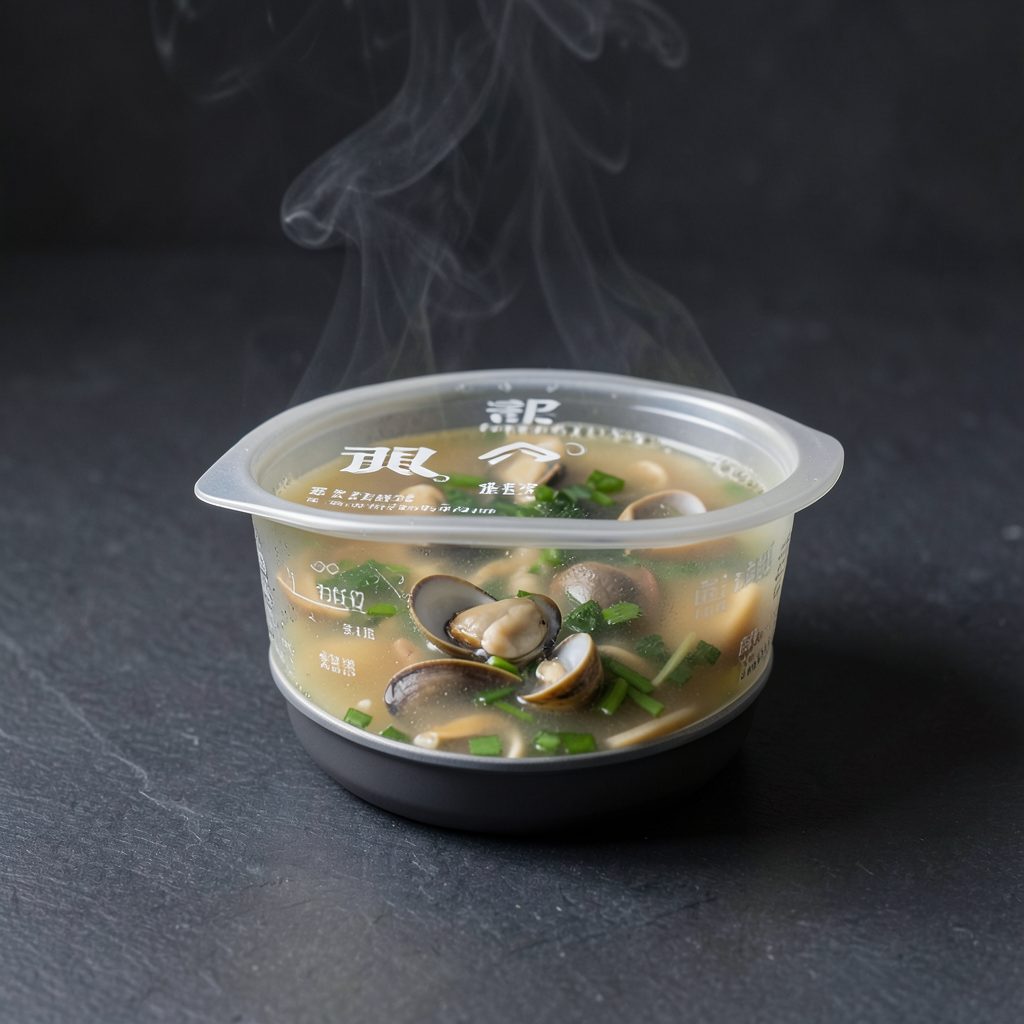
蛤?! Clam Soup Base —卜卜蜆
NT$ —
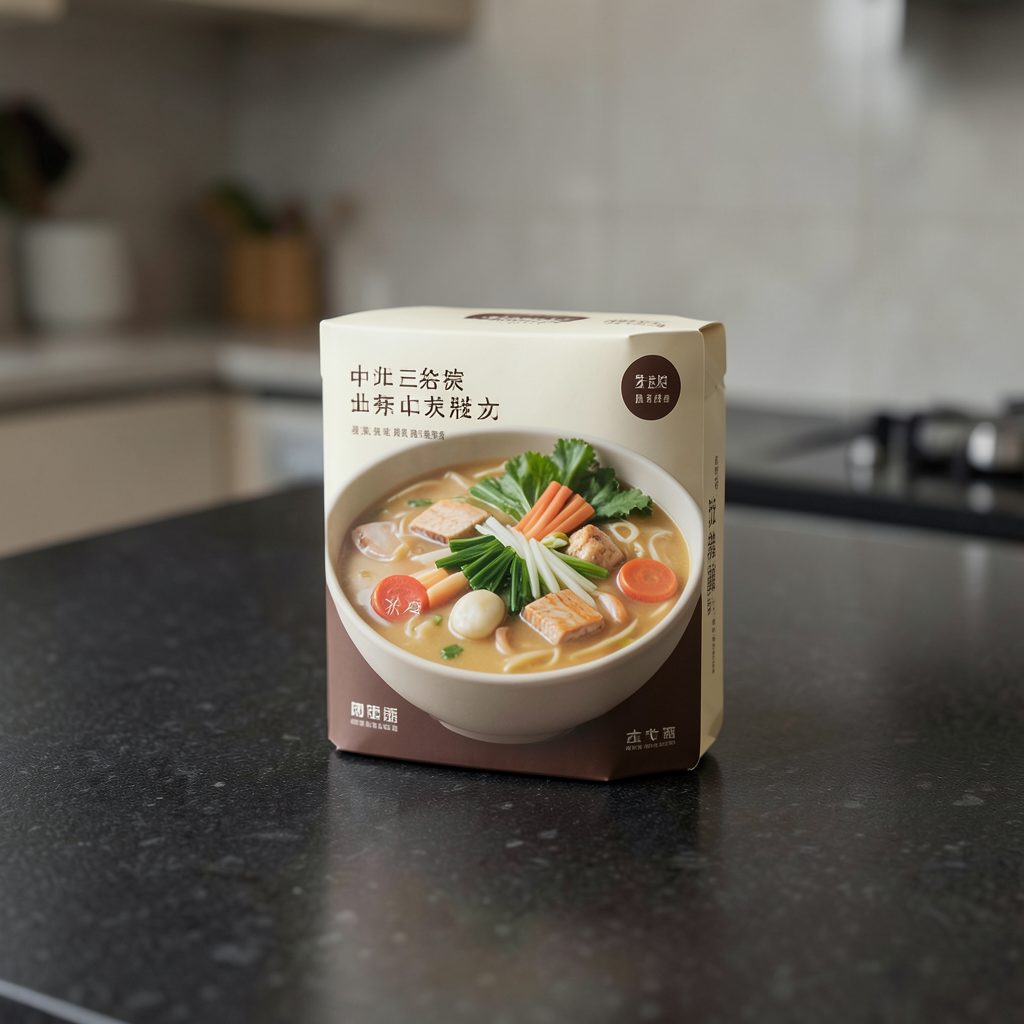
本事滿足鍋物 Personal Pot Base
NT$ —
蛤?! Dry Noodles
NT$ —
Signature Sauce
NT$ —
New Arrivals
蛤?! Golden Clam Broth — New Batch
NT$ —
Radish Cake —蘿蔔糕精神
NT$ —
Duo Soup Base Set
NT$ —
Hot Pot Essentials Bundle
NT$ —
About 蛤?! Huh Pot
蛤?! Huh Pot is a Cantonese-style hot pot brand known for its signature clam-based broth —卜卜蜆 — made with rich old-hen stock and generous portions of fresh clams. The brand also encompasses 本事滿足鍋物, a personal hot pot concept, bringing the same depth of flavor to individual servings.
Through MoneyCome Mart, these restaurant-quality soup bases, dry noodles, radish cakes, and signature sauces are available for home delivery across Taiwan. Restaurant locations in Taipei's Da'an District, Civic Boulevard, and Taichung's Gongyi Road also welcome guests for dine-in, with online reservations available.