The best leafy greens to finish a hot pot at home
Hot pot has become a fixture of casual dining in Australia, with friends gathering around a bubbling pot on a chilly Sydney evening or a temperate Brisbane arvo. While meat slices and seafood tend to steal the spotlight, the final moments of a hot pot meal are arguably the most satisfying when a handful of leafy greens hits the broth. These quick-wilting vegetables soak up the residual umami, brighten the pot visually, and give the meal a clean, refreshing finish that balances the richness of everything that came before.
Finding the right greens in Australia is easier than ever. Asian grocers in Hurstville, Chatswood, and Box Hill stock almost every Cantonese staple, and many of these same vendors now ship frozen soup bases and prepared ingredients direct to your door. Before you chuck any leaves into the pot, it helps to understand why timing is everything and which varieties pair best with which broth.
Why late-stage greens make or break a pot
The Cantonese approach to hot pot treats leafy greens as a final flourish rather than a filler ingredient. Drop them in too early and the leaves turn to mush, the stems lose their snap, and the broth becomes cloudy from overcooked starches and oxalates. Add them in the last 60 to 90 seconds of cooking and they hold their colour, keep a gentle bite, and absorb only the surface flavour of the broth.
For home cooks in Melbourne adapting to the city's famously unpredictable weather, this timing principle also keeps the pot from cooling down too quickly. A handful of greens added at the end releases enough steam to keep everything bubbling without diluting the base. The result is a pot that tastes brighter and feels lighter heading into dessert.
Water spinach — the classic finisher
Water spinach, known as kōng xīn cài in Mandarin and kang kong across most Asian grocers in Australia, is the undisputed champion of the late-stage finish. Its hollow stems wilt in roughly 20 seconds while the leaves need only 5 to 8 seconds, making it ideal for diners who like to pace themselves around the table. The mild, slightly grassy flavour is the perfect carrier for a briny, clam-based broth, since it does not compete with the seafood and instead lets the mineral notes shine. Anyone working with a restaurant-quality clam base will appreciate this pairing guide, which walks through why water spinach and clam broth were made for each other.
Look for bunches with crisp, bright-green leaves and firm stems at your local Asian grocer or the wider-leafed choi sum alternative at Woolworths in season. Trim the stems into 5 cm batons so they cook evenly, then separate them from the leaves and add the stems about 15 seconds before the leaves.
Gai lan and baby bok choy for a hearty bite
Chinese broccoli, or gai lan, brings a thicker stem and a faintly bitter, mineral edge that cuts through heavier pork-bone or satay-style broths. Baby bok choy, with its pale bulbs and dark spoon-shaped leaves, wilts even faster and adds a juicy crunch. Both are widely available at Coles under the Asian greens label, though specialty markets tend to carry fresher, less woody stems.
Add the stems first, give them 30 to 45 seconds in the bubbling broth, then drop the leaves for a final 10-second dip. The contrast between tender stem and silky leaf is what makes these varieties so popular for the final round of the meal.
Delicate leaves: English spinach and cos lettuce
For an ultra-light finish, English spinach and cos lettuce are pantry staples that almost every Australian household already has on hand. A small handful of baby spinach leaves needs barely 10 seconds in the broth, while a few whole cos leaves torn at the table will wilt into silky ribbons in roughly 15 seconds. These mild greens add a subtle sweetness that pairs particularly well with a clean chicken or mushroom base, and they are forgiving for first-time hot pot hosts who tend to overcook everything in the pot.
Cos lettuce also doubles as a wrap for thicker dipping sauces, giving diners a built-in vessel for the final bites of seafood or tofu.
Chrysanthemum greens and other aromatics
Chrysanthemum greens, sold as tong ho or crown daisy at most Asian grocers in Brisbane's Sunnybank and Sydney's Cabramatta, bring a floral, slightly bitter note that balances a richer broth beautifully. They look like lacy, pale-green leaves and wilt in about 20 seconds. Mustard greens and amaranth leaves offer similar aromatics but with a sharper peppery edge, ideal for cutting through a spicy mala-style pot if you are cooking one at home.
These varieties are not always stocked in mainstream supermarkets, so planning a quick trip to a specialty grocer or ordering them ahead through an online Asian pantry keeps the meal stress-free.
Pairing your greens with the right broth
The broth you start with shapes how the greens taste at the end. A clear, well-seasoned base lets the vegetables speak for themselves, while a heavier broth calls for sturdier greens that can stand up to the weight. A well-prepared pot makes the greens pop, and seasoning the pot water before any ingredients go in lifts the whole meal. Finish with a light drizzle of sesame oil or a dash of soy in the dipping sauce and the greens become the highlight rather than an afterthought, even at a casual Sunday arvo gathering with mates.
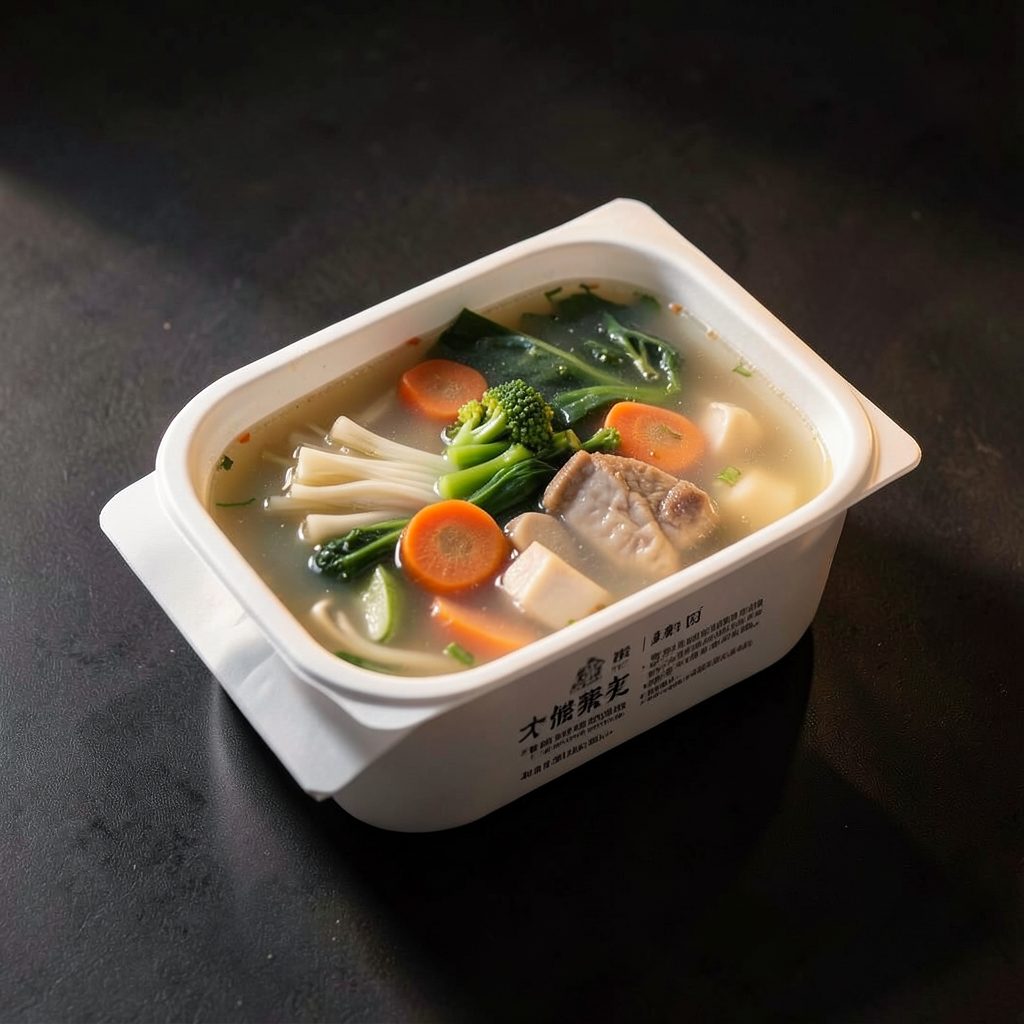
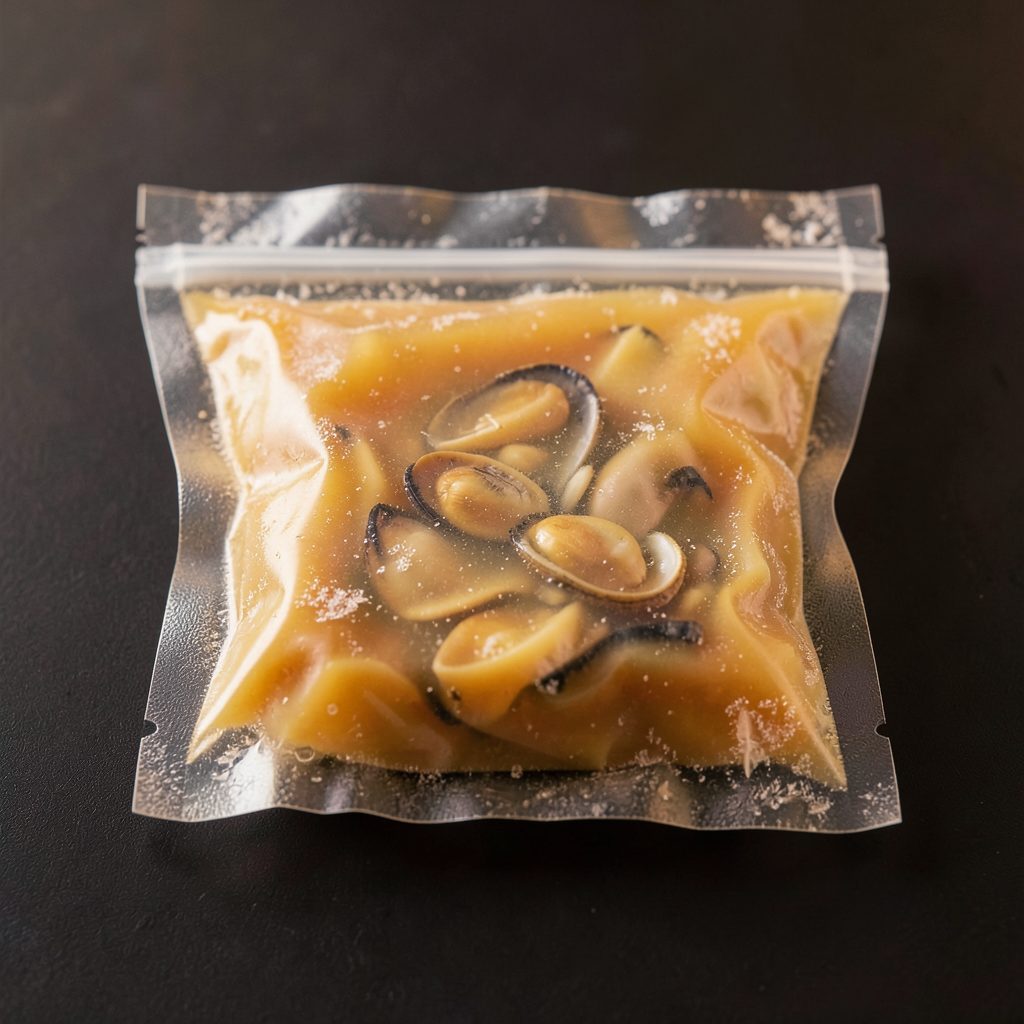
Best Sellers
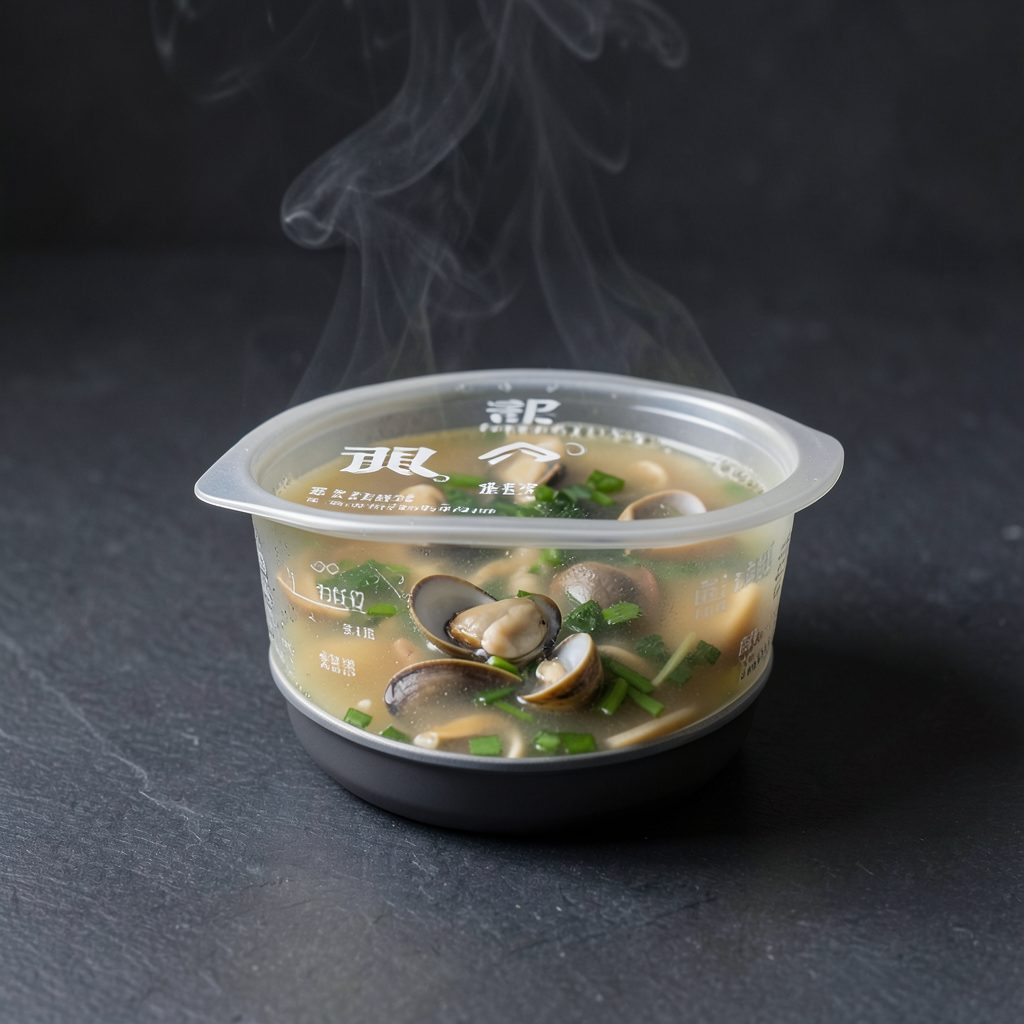
蛤?! Clam Soup Base —卜卜蜆
NT$ —
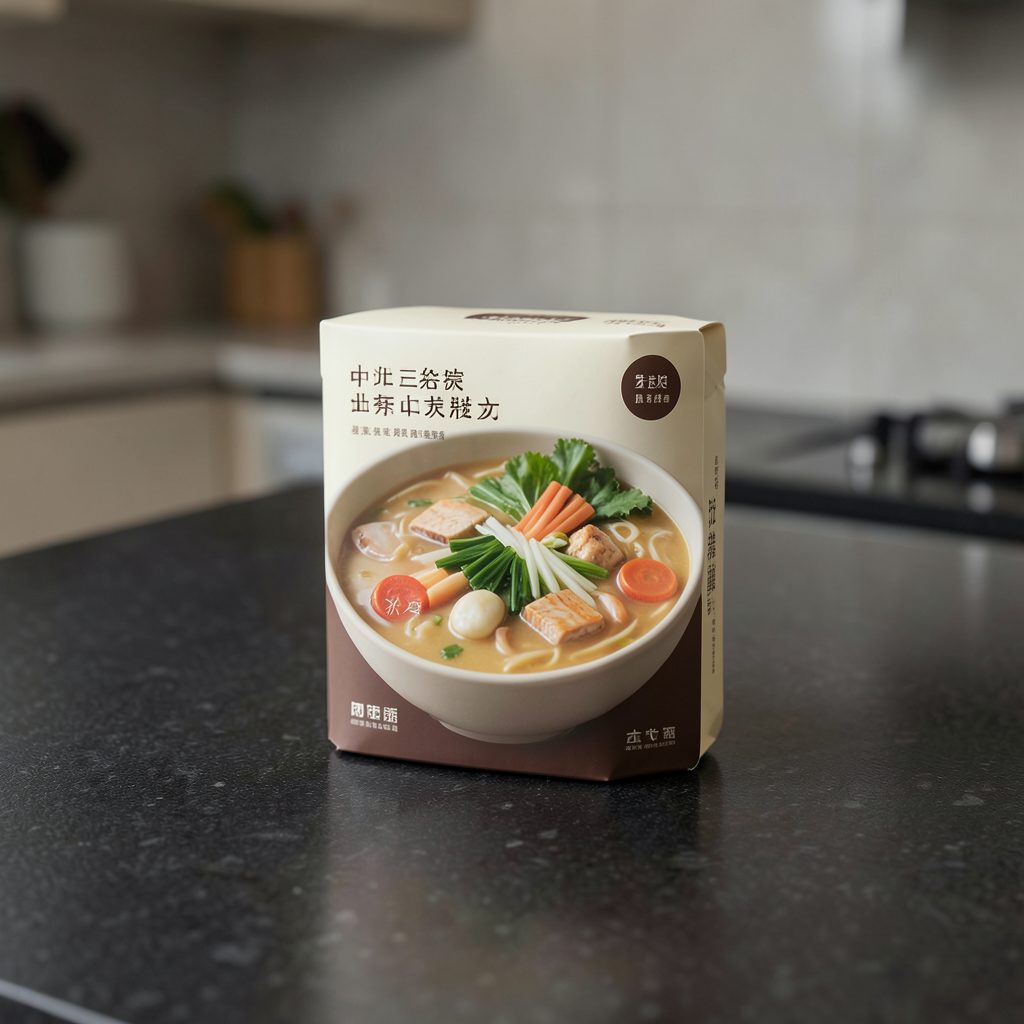
本事滿足鍋物 Personal Pot Base
NT$ —
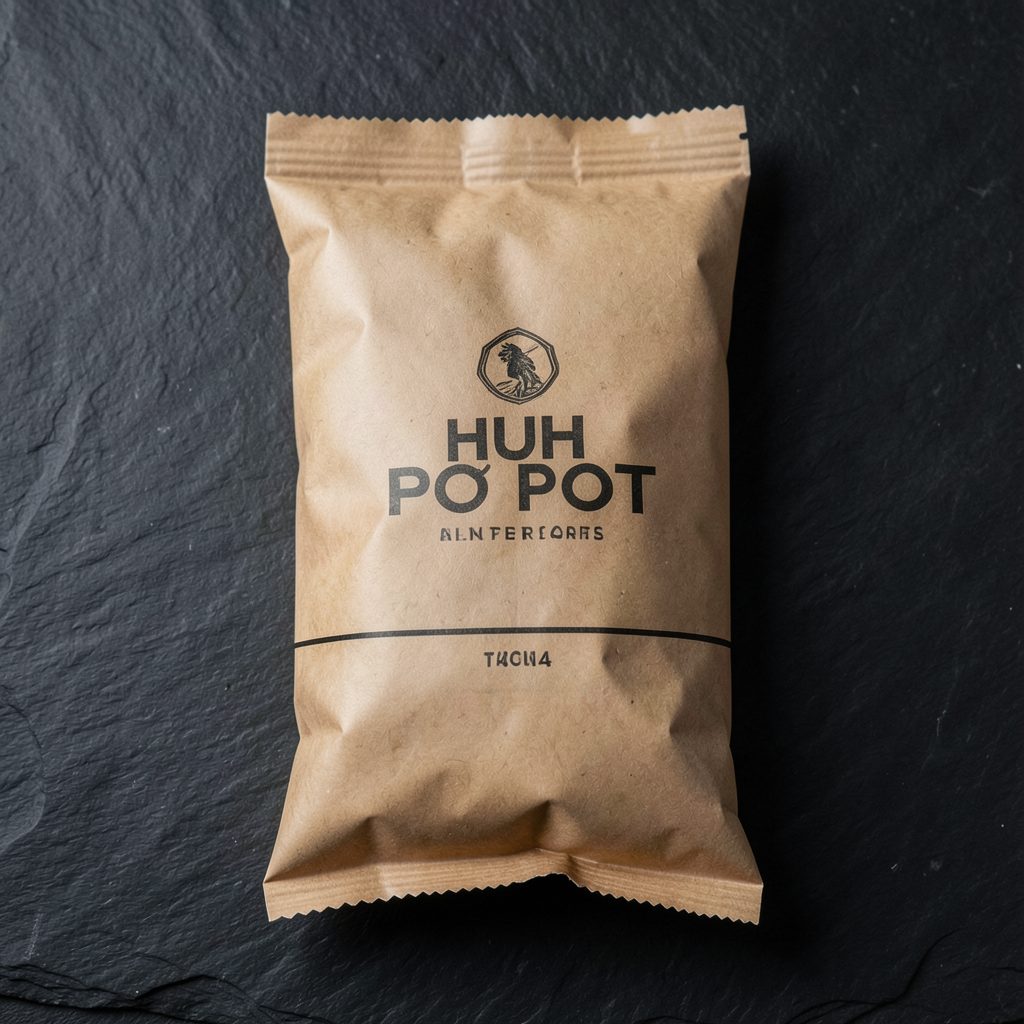
蛤?! Dry Noodles
NT$ —
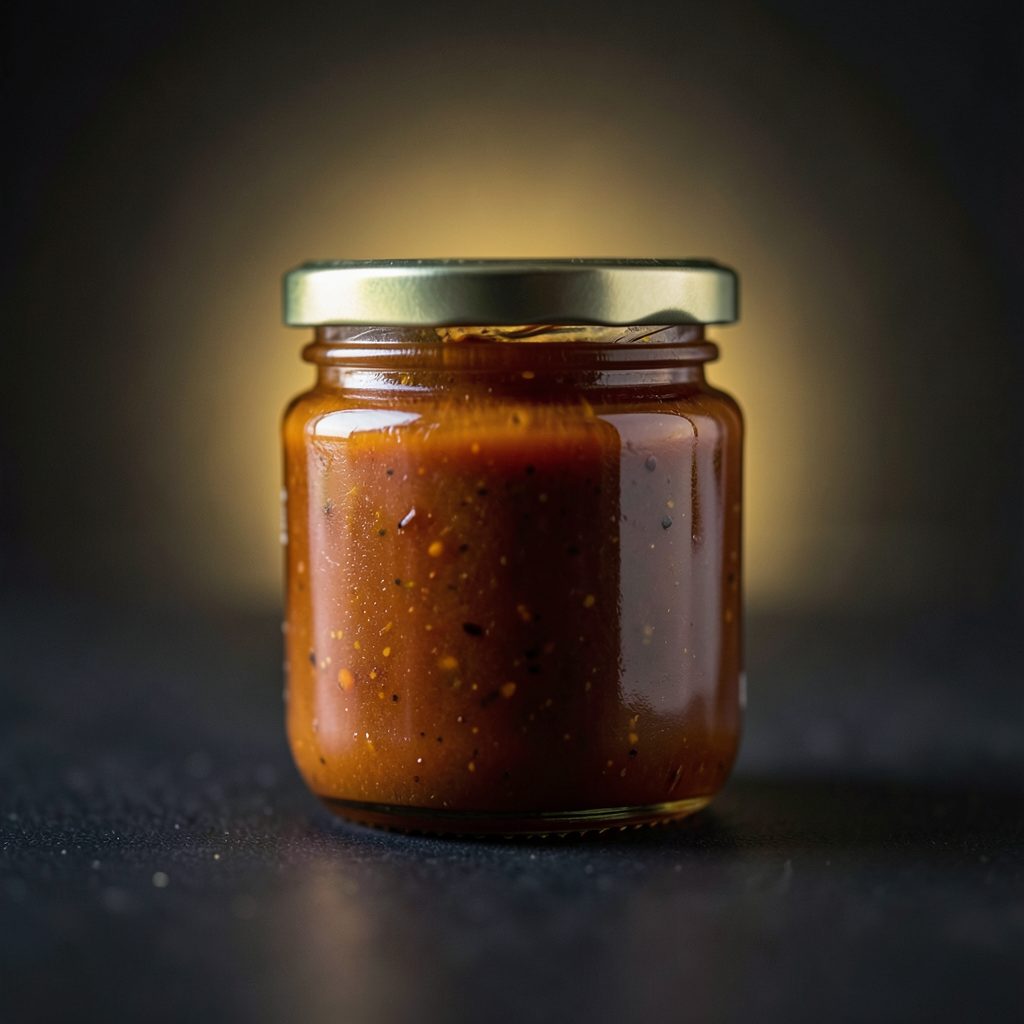
Signature Sauce
NT$ —
New Arrivals
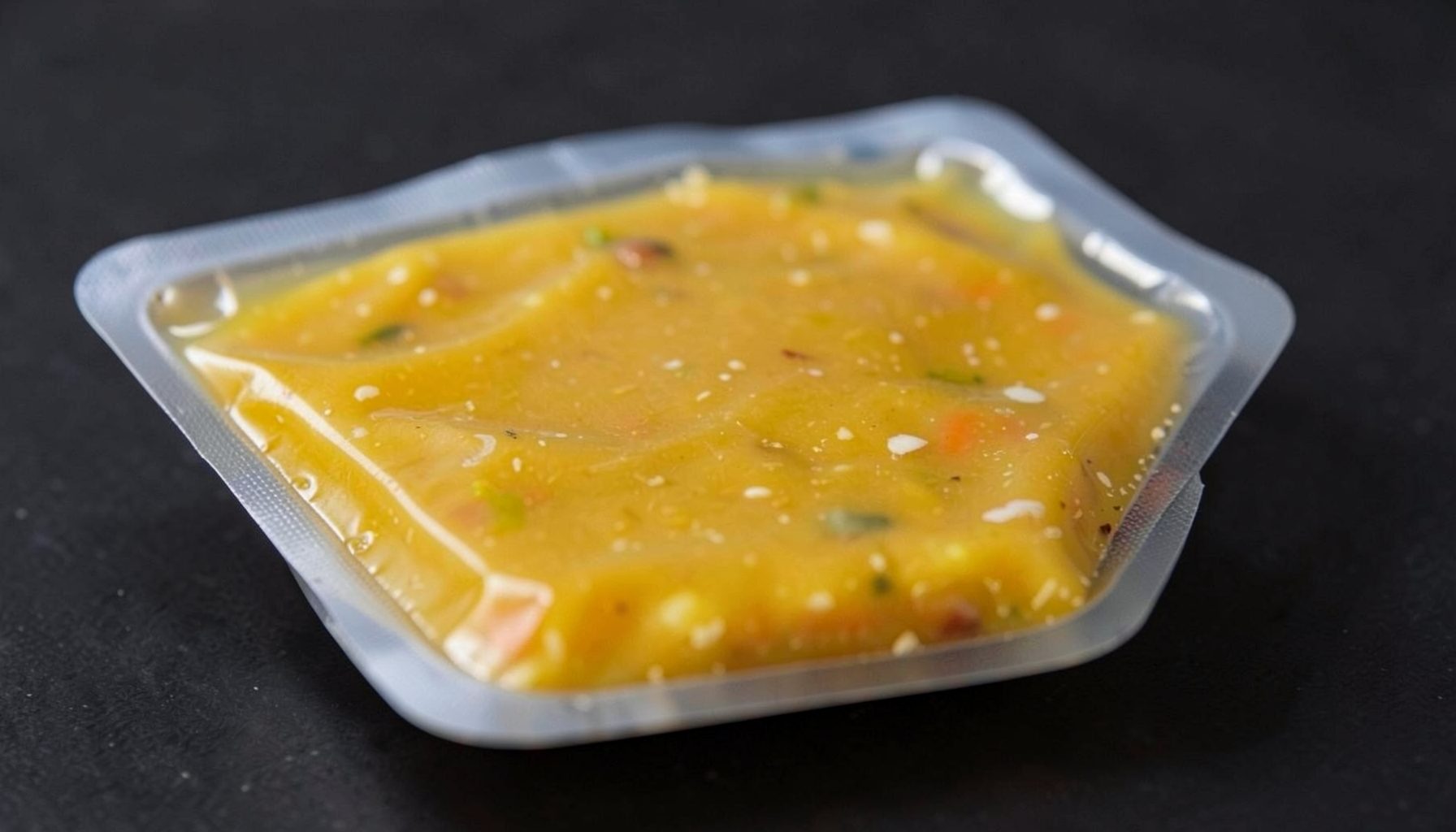
蛤?! Golden Clam Broth — New Batch
NT$ —

Radish Cake —蘿蔔糕精神
NT$ —
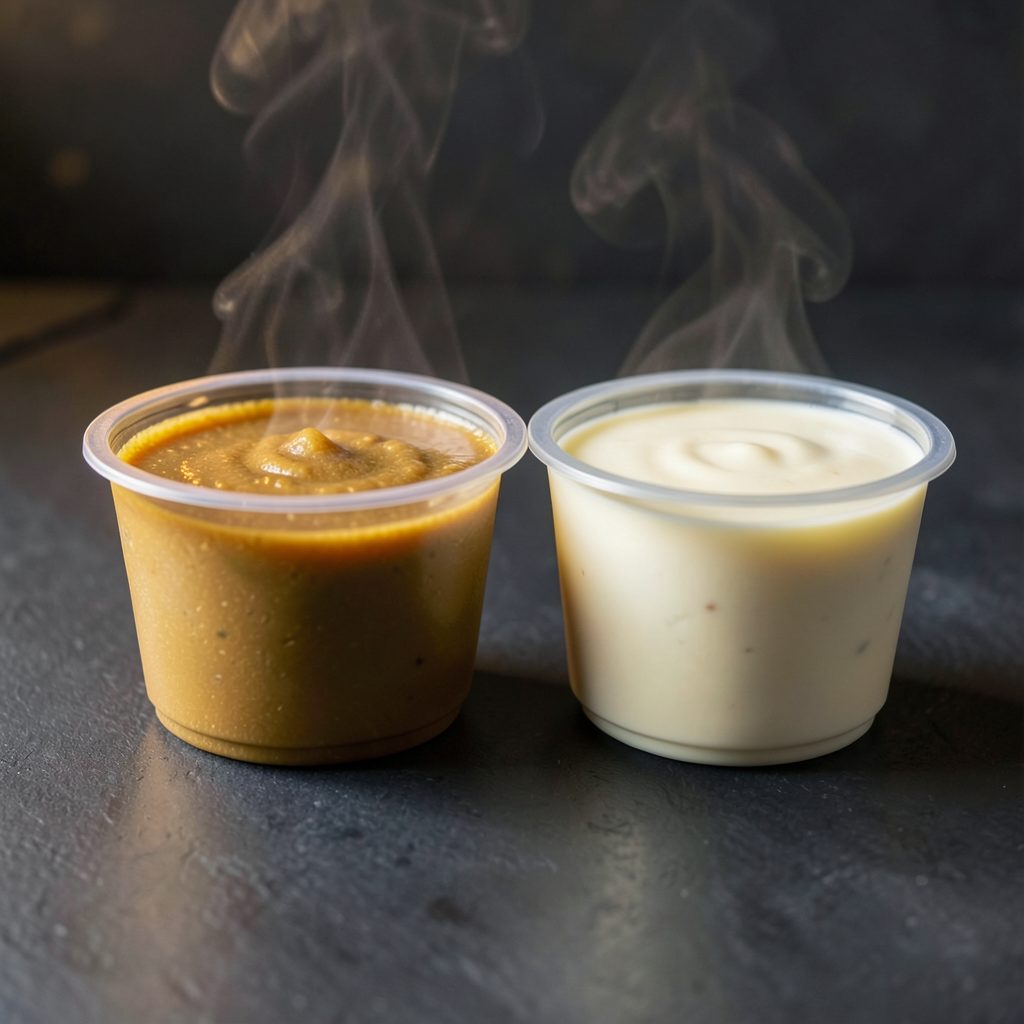
Duo Soup Base Set
NT$ —

Hot Pot Essentials Bundle
NT$ —
About 蛤?! Huh Pot
蛤?! Huh Pot is a Cantonese-style hot pot brand known for its signature clam-based broth —卜卜蜆 — made with rich old-hen stock and generous portions of fresh clams. The brand also encompasses 本事滿足鍋物, a personal hot pot concept, bringing the same depth of flavor to individual servings.
Through MoneyCome Mart, these restaurant-quality soup bases, dry noodles, radish cakes, and signature sauces are available for home delivery across Taiwan. Restaurant locations in Taipei's Da'an District, Civic Boulevard, and Taichung's Gongyi Road also welcome guests for dine-in, with online reservations available.