Hardy Greens That Stand Up to a Rich Hot Pot Broth
As the chill sets in across Melbourne and Hobart, many households are rediscovering the comfort of a bubbling pot on the dining table. Hot pot has long been a social ritual in Chinese dining culture, and the Australian appetite for it keeps growing, especially when a premium broth can be delivered straight to the front door. Hardy greens are the backbone of this meal, turning a simple simmer into a balanced, textural feast. Choosing the right leaves means the difference between a pot of vibrant vegetables and a sad, wilted mush at the bottom of the broth.
The trick lies in selecting varieties that can handle sustained heat without disintegrating. Delicate butter lettuce or baby spinach will collapse within seconds, while robust stems and broad leaves keep their snap through multiple rounds of cooking. With a concentrated clam broth or spicy mala base, these greens absorb flavor while contributing fiber, iron, and a welcome bitter edge that cuts through the richness of the soup.
The role of sturdy leaves in a simmering cauldron
A hot pot broth is an aggressive environment. Temperatures hover near a rolling boil, and diners are constantly fishing ingredients in and out with chopsticks or slotted spoons. Greens that lack structural integrity turn the pot cloudy and muddy the flavor of the soup. The best candidates are those with thick petioles, fibrous ribs, or hollow stems that act like little channels for the broth.
Australians shopping at suburban greengrocers or the famous Sydney Markets at Flemington will notice that Asian vegetables are increasingly well-stocked year-round. Imported bunches arrive fresh from local distributors, meaning the leaves you buy on a Saturday morning in Parramatta or Brunswick can be in the pot that evening. Look for bunches with perky, upright stems and leaves that look hydrated rather than limp.
Chinese broccoli and its brassica cousins
Gai lan, also called Chinese broccoli, is a staple for good reason. The thick, pale green stems have a slight crunch even after a minute in boiling liquid, and the dark leaves carry a subtle mustardy note. Choy sum is a close relative with slightly thinner stems and yellow flowers when fully mature, while baby bok choy offers a milder flavor and elegant shape. All three belong to the brassica family and stand up beautifully to the heat of a simmering base.
For anyone sourcing ingredients locally, a quick stop at a Chinese supermarket in Chatswood or a trip to the Adelaide Central Market will reveal several varieties stacked in the refrigerated section. Choose bunches where the stems look firm and the leaf tips are free from yellowing. A light rinse and a trim of the very bottom of the stem is all the prep needed before they hit the pot.
Water spinach and the hollow-stemmed champions
Ong choy, known as kangkung in much of Southeast Asia, is a hollow-stemmed green that has become a fixture in many Australian pantries, particularly in suburbs with large Vietnamese or Chinese communities like Cabramatta or Springvale. The tubular stems cook in seconds and offer a satisfying crunch, while the arrow-shaped leaves soften just enough to soak up broth. It is practically made for hot pot, where the hollow channels fill with seasoned liquid and deliver a burst of flavor in every bite.
A handful of ong choy added near the end of the meal keeps the pot lively when other ingredients have started to weigh things down. Because the stems are hollow, they cool quickly enough to eat straight from the ladle, making them a favorite for less patient diners hovering over the steam.
Mustard greens and peppery punch
For those who want a bit of heat and complexity, gai choy or pickled mustard greens bring a peppery, almost radish-like bite that contrasts with fatty beef slices or rich dumplings. These leaves hold their texture well, and the stems develop a pleasant chewiness during a brief simmer. Winter is peak season for mustard greens in Australia, aligning perfectly with the months when a hot pot feels most necessary.
Pairing these robust greens with a high-quality broth makes the whole spread feel restaurant-grade. The store carries a frozen clam broth and other soup bases that travel well in insulated packaging from the kitchen to the family table, and the 蛤?! Huh Pot range offers a convenient way to recreate that wok-hei flavor at home without spending hours on preparation.
Prep tricks for greens that stay bright and crisp
Timing is everything when cooking leafy vegetables in a shared pot. Drop stems in first since they need the longest exposure, then add leaves a minute later. A quick dunk rather than a long soak keeps the chlorophyll vivid and the texture firm. Some cooks prefer to blanch greens separately in a small pot of salted water before plating, ensuring the communal broth stays clear and intensely flavored.
For a finishing touch, drizzle the cooked greens with a little sesame oil or a splash of soy sauce right before eating. Australians partial to a bit of crunch can top the lot with fried shallots or a few drops of chilli oil from the local servo mart. When the weather turns cold and the family gathers around the table, a pot of simmering broth loaded with sturdy greens turns an ordinary weeknight into something memorable, and stocking the pantry with essentials through local Asian grocers keeps the menu flexible all season long.
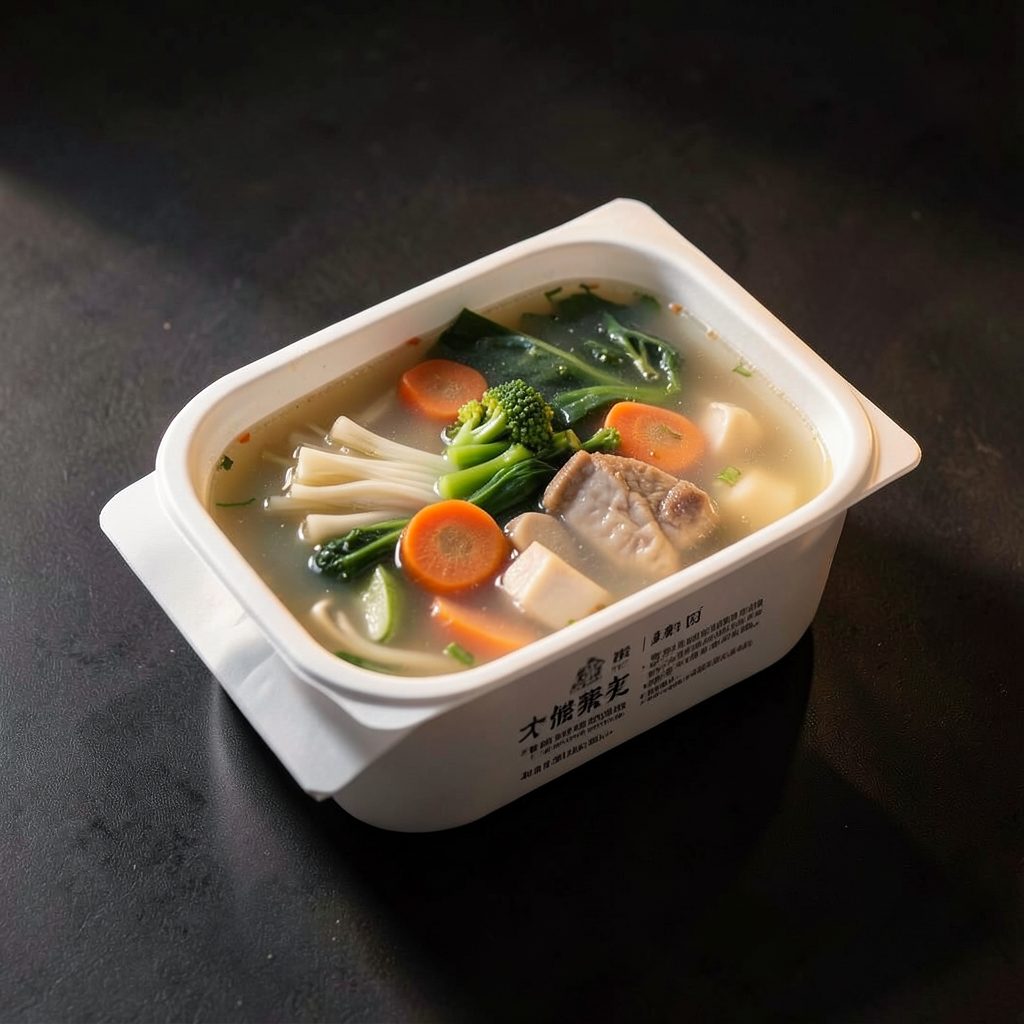
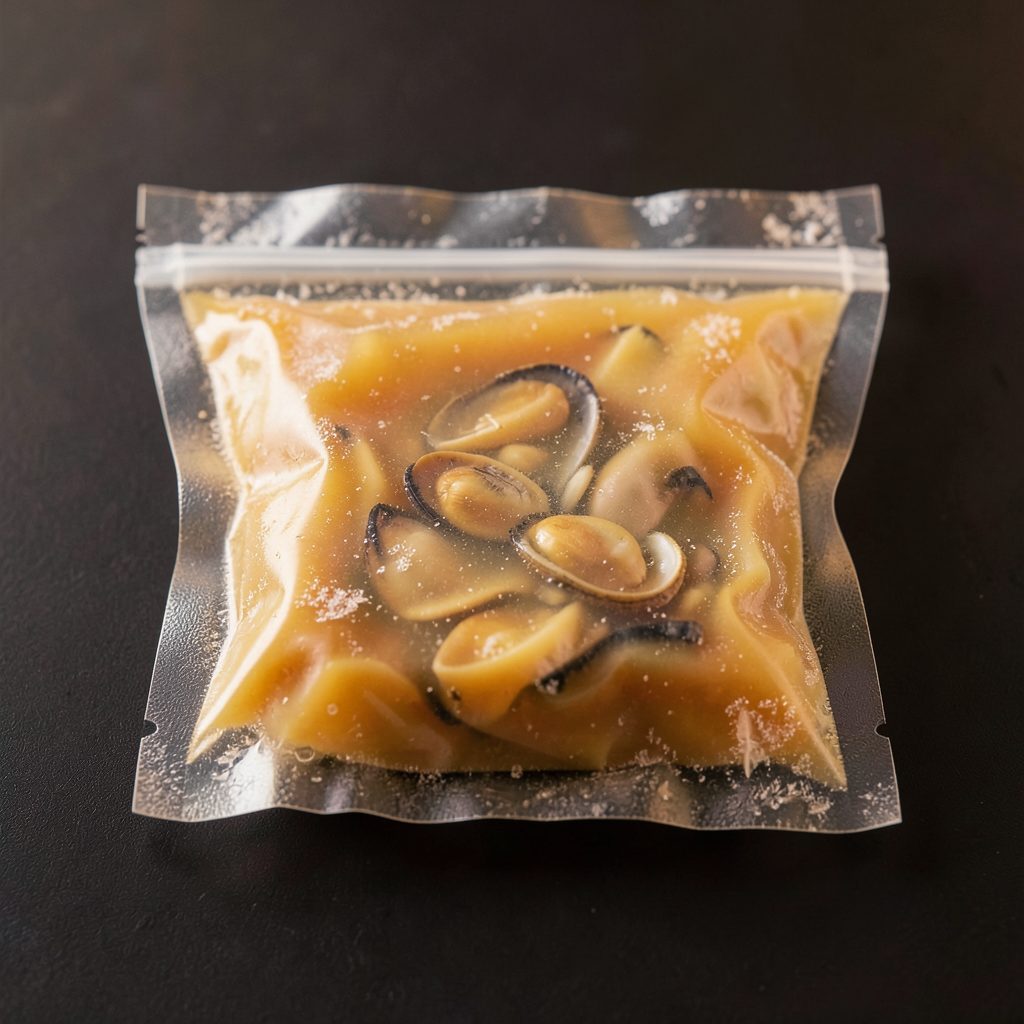
Best Sellers
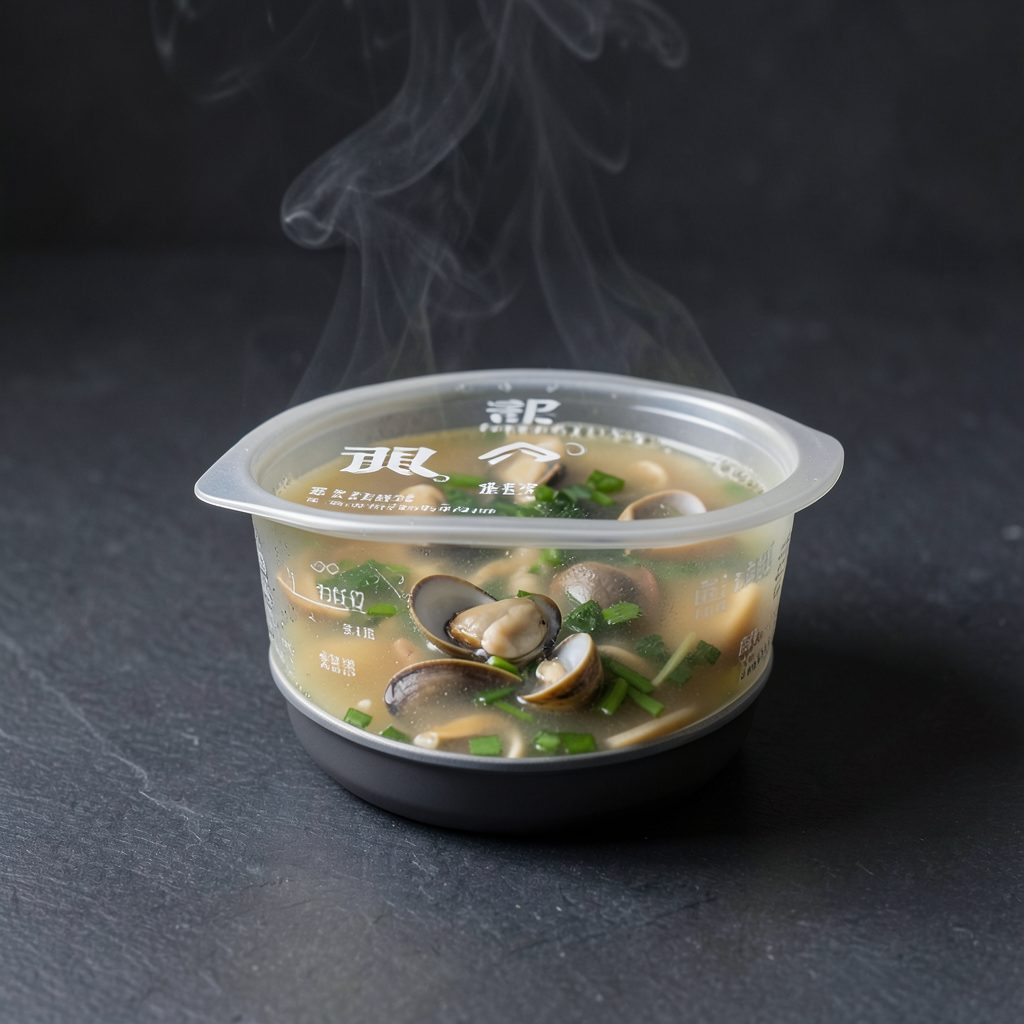
蛤?! Clam Soup Base —卜卜蜆
NT$ —
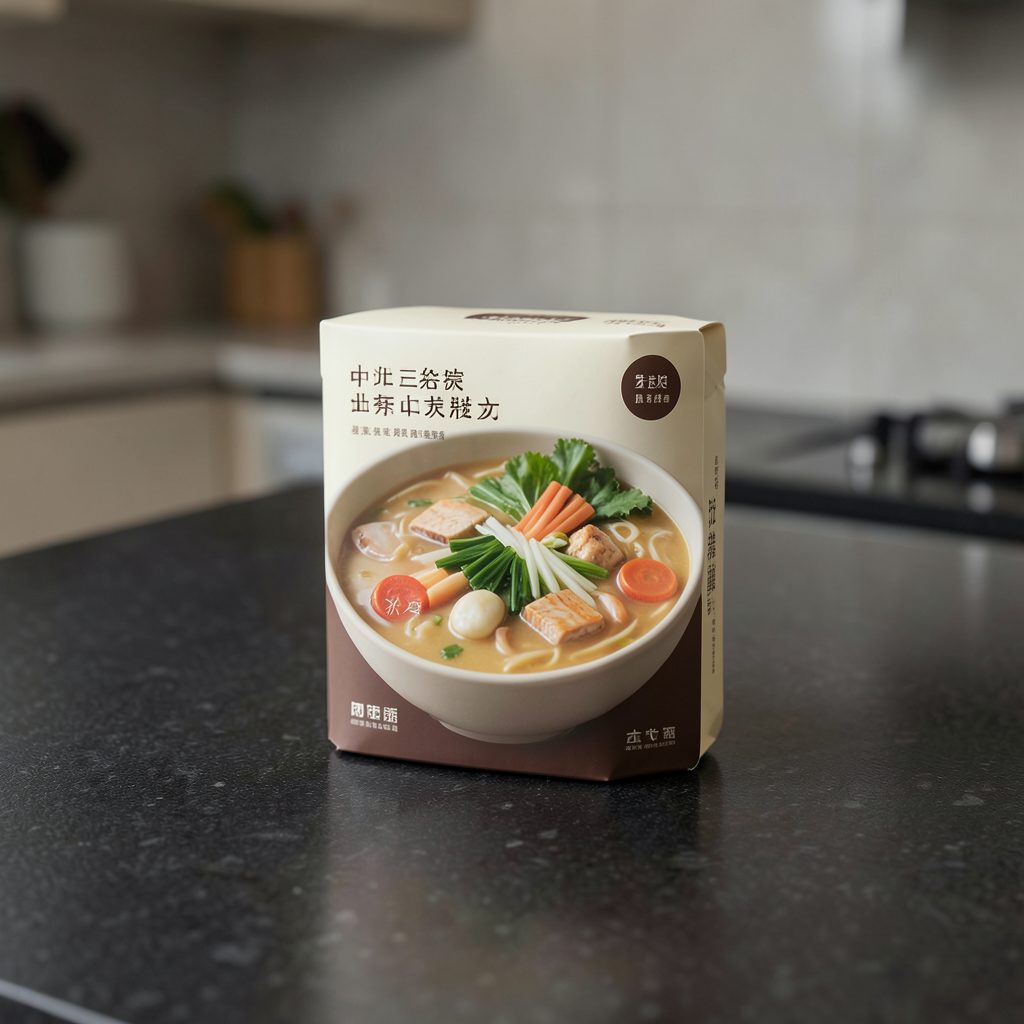
本事滿足鍋物 Personal Pot Base
NT$ —
蛤?! Dry Noodles
NT$ —
Signature Sauce
NT$ —
New Arrivals
蛤?! Golden Clam Broth — New Batch
NT$ —

Radish Cake —蘿蔔糕精神
NT$ —
Duo Soup Base Set
NT$ —
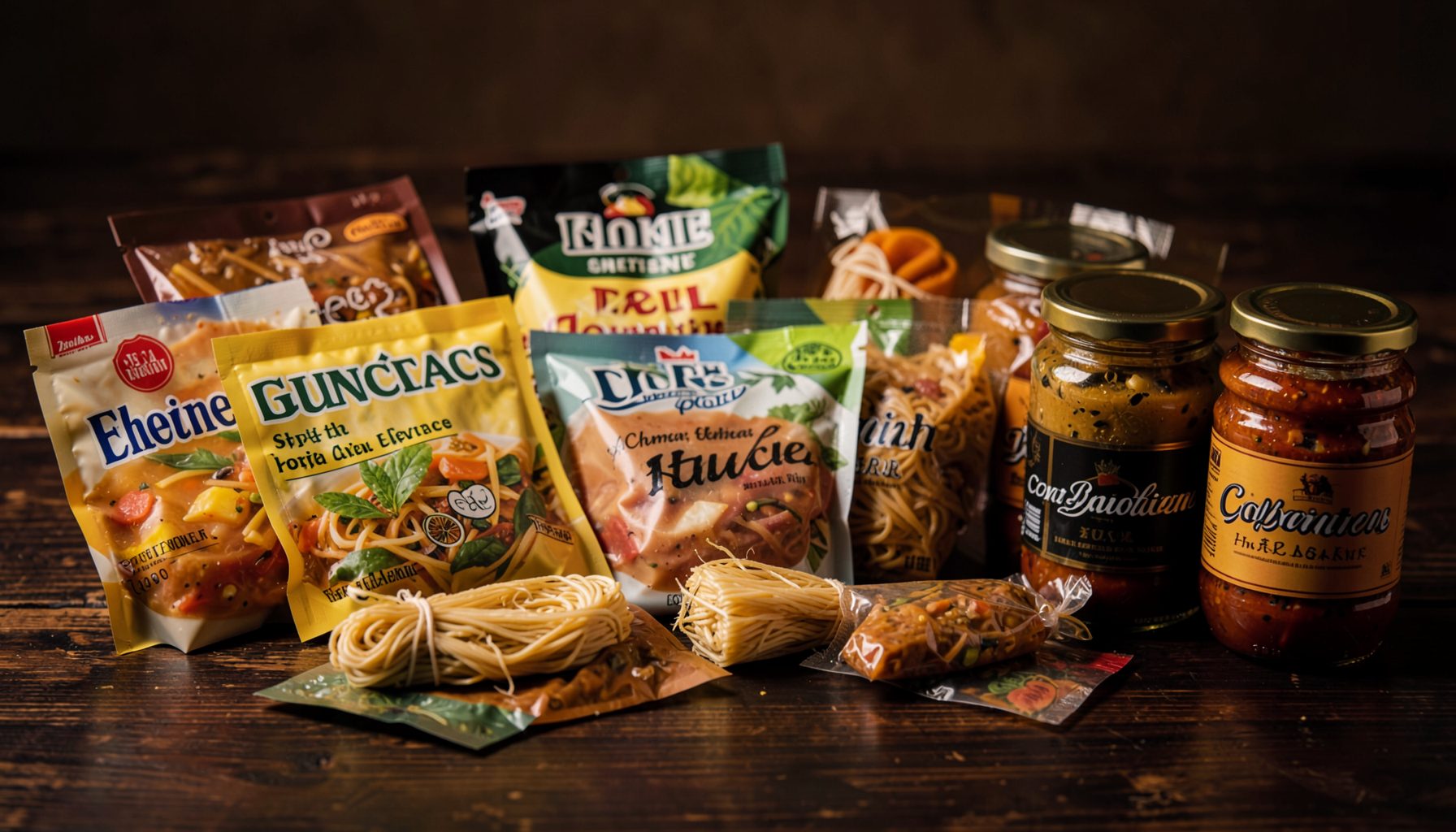
Hot Pot Essentials Bundle
NT$ —
About 蛤?! Huh Pot
蛤?! Huh Pot is a Cantonese-style hot pot brand known for its signature clam-based broth —卜卜蜆 — made with rich old-hen stock and generous portions of fresh clams. The brand also encompasses 本事滿足鍋物, a personal hot pot concept, bringing the same depth of flavor to individual servings.
Through MoneyCome Mart, these restaurant-quality soup bases, dry noodles, radish cakes, and signature sauces are available for home delivery across Taiwan. Restaurant locations in Taipei's Da'an District, Civic Boulevard, and Taichung's Gongyi Road also welcome guests for dine-in, with online reservations available.