Choosing the Best Cut of Beef for Quick-Cook Hot Pot
A steaming pot of broth bubbling away in the middle of the dining table has become a familiar sight in Australian homes, especially during the cooler months when families in Melbourne, Sydney and Brisbane gather around shared meals. Cantonese-style hot pot, in particular, brings a restaurant experience indoors, letting diners cook thinly sliced ingredients in seconds. While the broth carries the soul of the dish, the meat often decides whether the meal feels satisfying or forgettable, which is why selecting the right cut matters.
For a quick-cook hot pot, the rule is simple: thin slices, high tenderness, enough fat to stay juicy when briefly swished through bubbling liquid. Sourcing beef that meets these standards in Australia is easier than ever, thanks to premium local producers and a growing selection of pre-sliced products available online for home delivery across the country.
Why the cut decides the meal
Hot pot cooking is essentially flash-cooking. A slice that takes more than a minute to tenderise will turn tough and chewy, even if the cut is excellent when prepared as a steak. Thinly sliced beef, usually between 1.5 and 3 millimetres, allows the muscle fibres to relax quickly in hot broth, creating that melt-in-the-mouth texture diners crave.
Tougher cuts like chuck or round benefit from slicing against the grain, but they still require longer cooking times, making them less suited to the rapid swishing that defines a quick-cook pot. A balance between tenderness, flavour and the ability to absorb broth without falling apart is what makes a cut ideal for the pot.
Cuts that suit quick-cook hot pot
Several cuts rise above the rest when sliced thin and cooked briefly. Australian grass-fed beef, in particular, brings a distinctive mineral note that pairs beautifully with light Cantonese broths and seafood-based liquids.
Brisket and ribeye offer the highest marble content, which keeps each slice succulent through a brief dip in hot broth. Leaner alternatives like tenderloin still perform well, especially when paired with a richer soup that adds back the moisture lost during cooking.
For a more traditional Cantonese experience, thinly sliced beef shank provides deep beefy flavour and softens quickly when the broth is kept at a rolling simmer.
Marble score and grain to look for
Marble score measures the intramuscular fat woven through the meat. Higher scores produce softer, juicier slices that complement rich, slow-simmered broths. Australian beef typically carries a marble score between 1 and 3 for grass-fed varieties, while grain-fed offerings from producers in the Hunter Valley and Margaret River can reach 4 and beyond.
Equally important is the grain. Look for slices where the muscle fibres run in long, continuous lines. Short, broken grains tend to fall apart in the pot and can leave a gritty texture in the broth, dragging down the experience.
Slicing fresh or buying pre-sliced
For home cooks willing to invest a few extra minutes, slicing beef yourself offers control over thickness and freshness. Pop a trimmed cut into the freezer for 30 to 45 minutes until firm but not solid, then slice across the grain with a sharp knife. This technique works particularly well with brisket and eye round, two cuts that respond well to careful knife work.
Many Australian hot pot enthusiasts prefer pre-sliced options for convenience, especially during busy weeknights or when hosting guests around a summer Christmas gathering. Online stores specialising in Asian ingredients now ship vacuum-packed slices directly to doorsteps, sealed and chilled to preserve texture, so the meat arrives ready to plate.
Pairing with Cantonese broths
A rich, fatty cut like brisket holds its own against a heavy bone broth, while a leaner tenderloin slice shines in a light clam or herbal consommé. Cantonese-style broths, often built on dried scallops, pork bones and a touch of rock sugar, create a gentle backdrop that lets premium beef take centre stage.
If you enjoy building layered flavours, start the pot with a seafood broth and add sliced beef only in the final minutes. This approach prevents the meat from overcooking and keeps the broth clear, a technique often appreciated in family-style meals during long Australian evenings.
Cuts and where to source them in Australia
Australians are spoiled for choice when it comes to beef, with several reliable options for sourcing hot pot slices across the country. The two lists below cover the most popular cuts and the best places to find them:
Cuts that perform well in quick-cook hot pot
- Beef shank, with its rich connective tissue that softens quickly in broth
- Brisket, offering marbling that keeps slices juicy through a brief cook
- Ribeye, prized for buttery finish and high marble score
- Tenderloin, ideal for diners wanting lean, delicate texture
Sources trusted by Australian home cooks
- Independent butchers in suburbs like Cabramatta, Box Hill and Hurstville
- Major supermarket chains such as Woolworths and Coles, which stock pre-sliced stir-fry beef
- Asian grocers in Brisbane's Sunnybank or Melbourne's Footscray, often carrying thinly sliced packs
- Online hot pot retailers that ship cold-chain ready packs nationwide, supported by a clear delivery policy
When ordering online, it pays to review how the product is packaged and shipped. Cold-chain handling gives confidence that the slices will arrive in the same condition they left the warehouse, ready for the table without any rush to the freezer.
Serving suggestions and dipping sauces
Once the meat is plated, arrange the slices in a single layer on a chilled plate or shallow bowl to keep them from warming up before cooking. A small mound of finely sliced scallions or a sprinkle of white pepper over the top adds visual appeal.
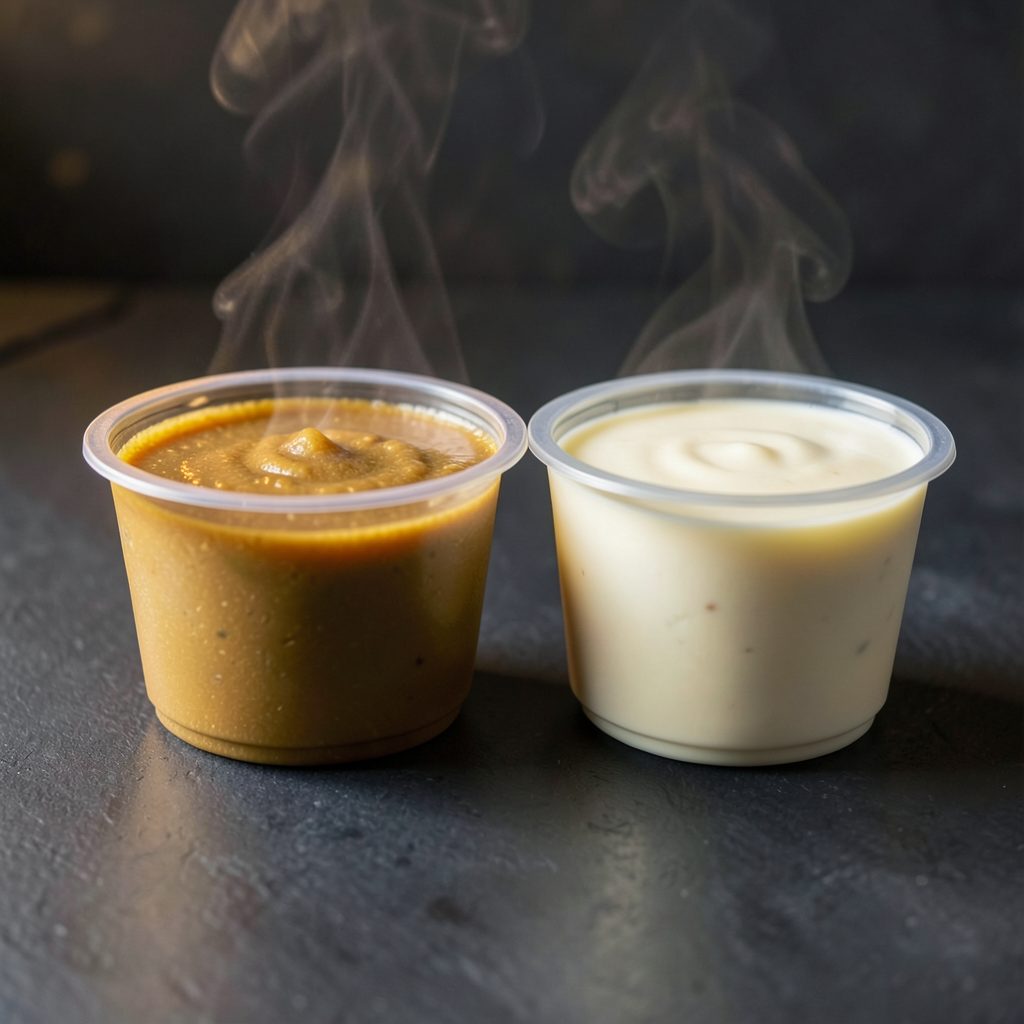
Dipping sauces complete the experience. A classic sesame paste blended with soy and a dash of Chinkiang vinegar works beautifully with brisket, while a lighter soy and coriander combination pairs well with leaner cuts. Serve the sauces in small individual dishes so each diner can customise their bite, turning an ordinary weeknight into a memorable shared meal reminiscent of gatherings across Cantonese teahouses and modern Australian homes alike.
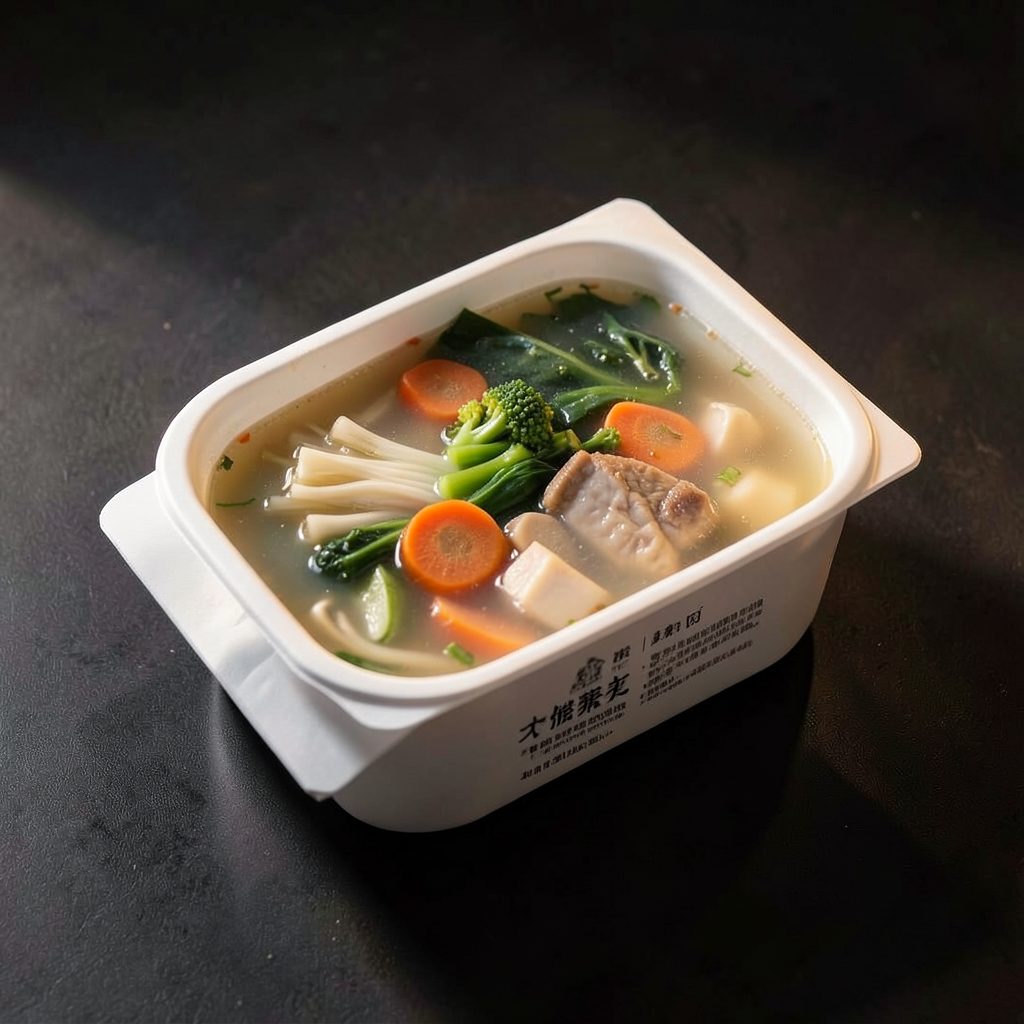
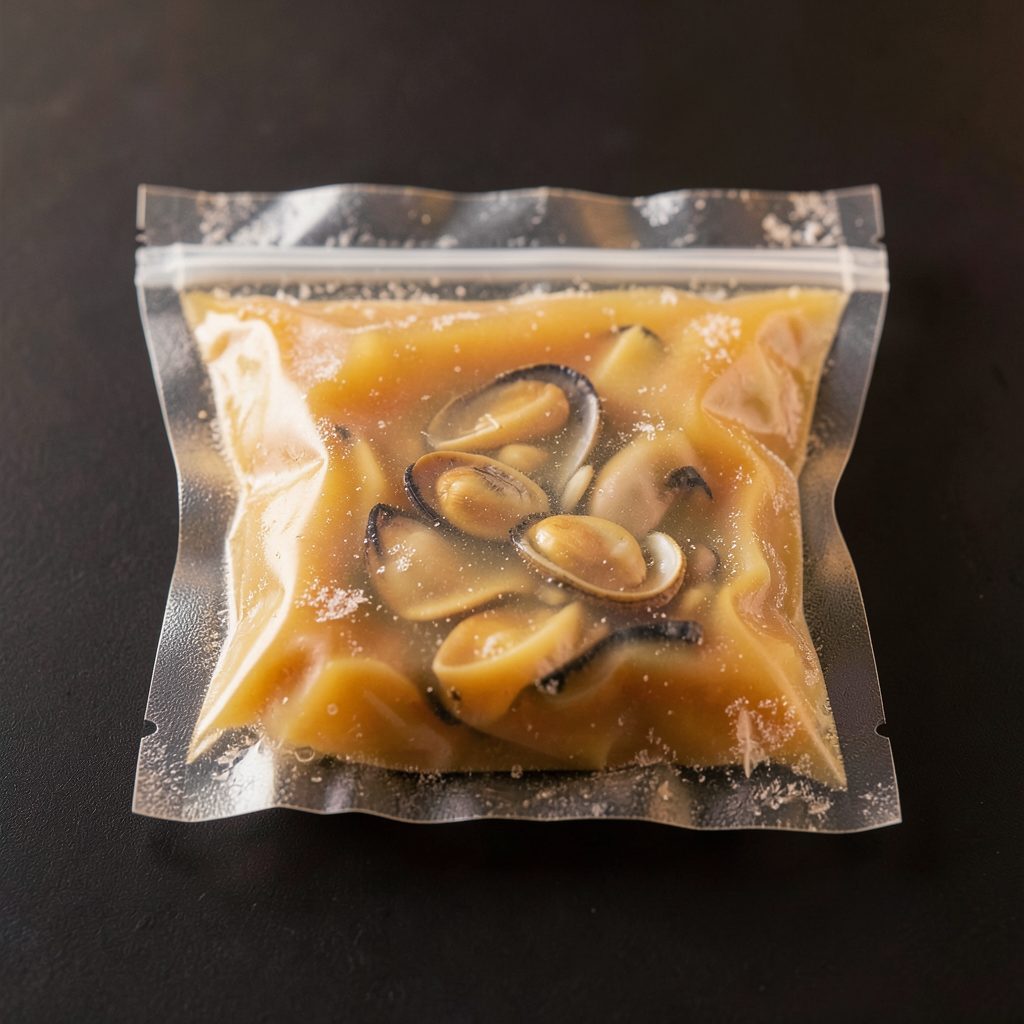
Best Sellers
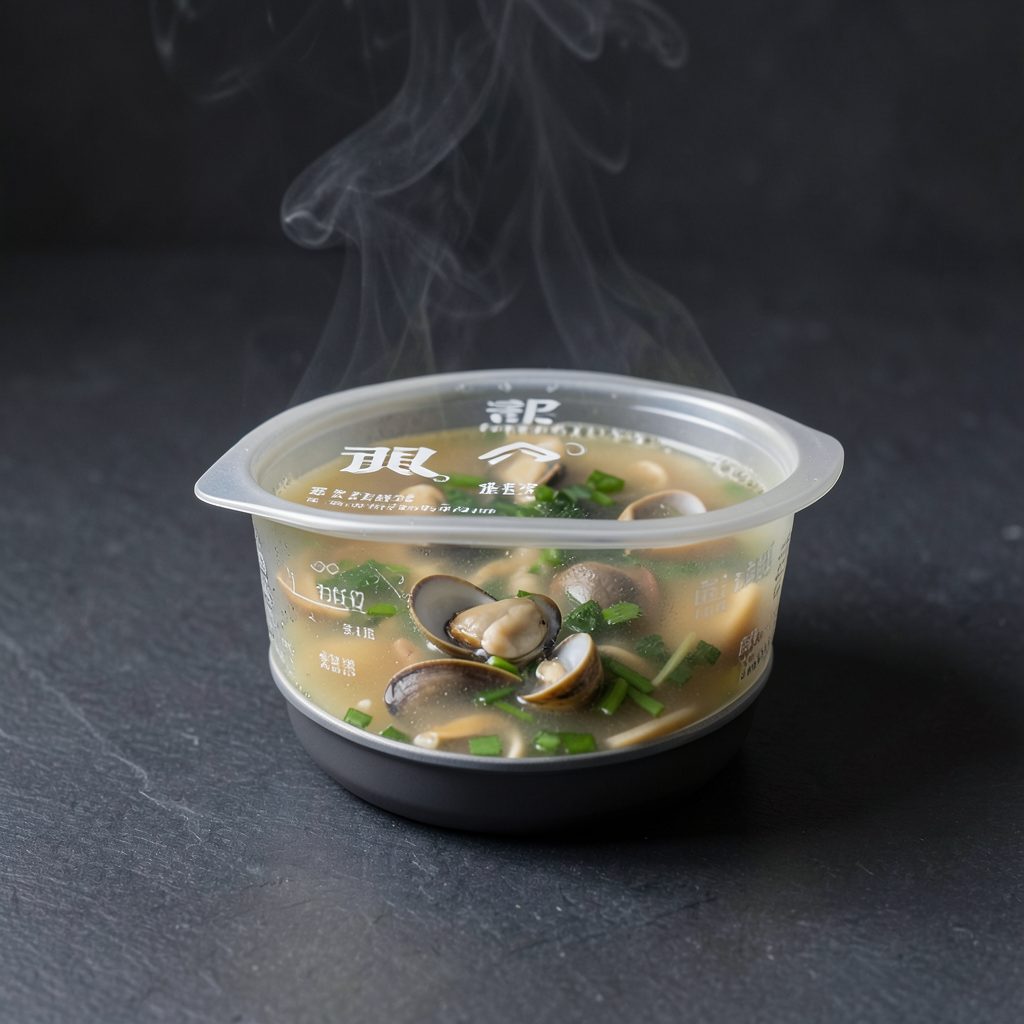
蛤?! Clam Soup Base —卜卜蜆
NT$ —
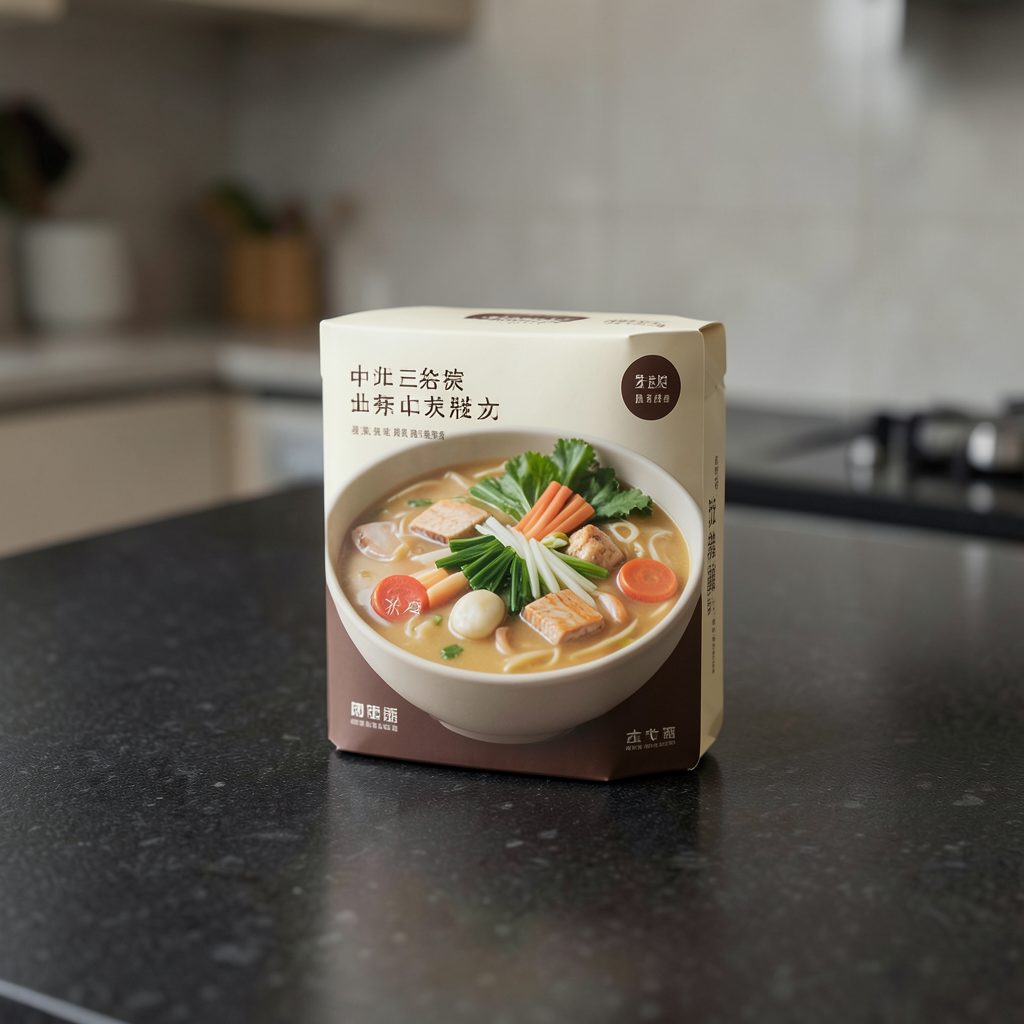
本事滿足鍋物 Personal Pot Base
NT$ —
蛤?! Dry Noodles
NT$ —
Signature Sauce
NT$ —
New Arrivals
蛤?! Golden Clam Broth — New Batch
NT$ —
Radish Cake —蘿蔔糕精神
NT$ —
Duo Soup Base Set
NT$ —
Hot Pot Essentials Bundle
NT$ —
About 蛤?! Huh Pot
蛤?! Huh Pot is a Cantonese-style hot pot brand known for its signature clam-based broth —卜卜蜆 — made with rich old-hen stock and generous portions of fresh clams. The brand also encompasses 本事滿足鍋物, a personal hot pot concept, bringing the same depth of flavor to individual servings.
Through MoneyCome Mart, these restaurant-quality soup bases, dry noodles, radish cakes, and signature sauces are available for home delivery across Taiwan. Restaurant locations in Taipei's Da'an District, Civic Boulevard, and Taichung's Gongyi Road also welcome guests for dine-in, with online reservations available.