Building layers of flavor in a Cantonese hot pot
A memorable Cantonese hot pot begins with a soup base that develops gradually in the pot. The broth should support seafood, meat, vegetables, noodles, and sauces without overpowering them. That balance comes from adding flavors in an intentional order rather than treating every ingredient as a single seasoning.
Frozen soup bases make this process practical at home. They provide a carefully prepared foundation, while fresh aromatics, stock, seafood, and dipping sauces let each household adjust the final character. With cold-chain delivery from MoneyCome Mart, restaurant-style hot pot flavors can be ready with minimal preparation across Taiwan.
The key is to think in layers: a savory foundation first, aromatic ingredients next, and finishing touches only after the broth has warmed and tasted of the foods cooking in it. This approach creates depth while keeping the soup clear and lively.
Start with a well-rounded foundation
A frozen Cantonese broth usually contains the concentrated flavors that take the longest to develop. Depending on the style, it may bring seafood sweetness, chicken richness, mushroom savoriness, or the gentle sweetness of vegetables. Thaw or heat the base according to its instructions before making major adjustments.
Taste the broth once it is hot but before adding raw ingredients. At this stage, assess its saltiness, richness, and aroma. A base that tastes slightly concentrated may become perfectly balanced after vegetables and seafood release water into the pot.
Dilute carefully with water, unsalted stock, or a mild clam broth. Adding liquid gradually is safer than trying to correct a thin soup later. For a deeper Cantonese profile, this broth guide offers a useful framework for combining frozen soup bases with additional ingredients.
Build aromatic depth in stages
Aromatics create the first noticeable lift in a hot pot. Sliced ginger, scallions, garlic, white pepper, dried mushrooms, and coriander stems can add fragrance without making the broth heavy. Begin with ingredients that need time to infuse, such as ginger slices and mushroom stems.
Use delicate herbs later. Scallion greens and coriander lose their freshness if boiled for too long, so they work best as a final garnish or as an optional addition at the table. A small amount of toasted sesame oil can also enhance the aroma, but it should be added near the end rather than used as the main cooking fat.
Dried seafood, dried scallops, or a modest amount of dried shrimp can supply extra umami. These ingredients are powerful, so use them sparingly and taste before adding soy sauce or salt. Layering works because each element has space to remain recognizable.
Balance savory, sweet, and umami notes
A balanced hot pot soup has several flavor directions working together. Salt brings definition, natural sweetness softens the edges, and umami gives the broth length. If one quality dominates, the soup can become tiring after several rounds of cooking.
Clams, corn, napa cabbage, daikon, and onions release subtle sweetness as they simmer. Mushrooms, tofu, seafood, and prepared meatballs contribute savory depth. Add these ingredients in stages and let the broth absorb their character before making final seasoning decisions.
A small amount of light soy sauce can sharpen an under-seasoned broth, while white pepper adds warmth without the strong heat of chili. Rice wine may brighten a seafood-based soup, but too much can distract from the ingredients. Make adjustments in teaspoons, not large pours.
Let the ingredients become part of the broth
The first ingredients placed into the pot influence everything that follows. Vegetables and mushrooms are useful early additions because they season the liquid gently. Thinly sliced meat and seafood should enter later, when diners are ready to eat, so they retain their texture and do not cloud the broth excessively.
Clam broth is especially useful when serving prawns, fish, squid, or shellfish. Its briny character can make a mild soup base feel more complete. For a richer meal, turnip cakes, noodles, and prepared Cantonese ingredients absorb the surrounding flavors and give the broth a satisfying finish.
Keep a ladle nearby to remove foam and excess oil. Replenish the pot with hot water or reserved unsalted broth instead of cold liquid, which can interrupt the simmer and dilute the flavor unevenly. Small corrections throughout the meal keep the soup steady.
Compare common layering approaches
Different soup bases call for different flavor-building strategies. A delicate seafood broth needs restraint, while a rich mushroom or chicken base can support stronger aromatics and more substantial ingredients.
| Soup base style | Best early additions | Ideal finishing notes | Ingredients to add cautiously |
|---|---|---|---|
| Seafood or clam | Ginger, scallion whites, napa cabbage | White pepper, coriander, a little rice wine | Heavy chili, dark soy sauce |
| Mushroom | Dried mushrooms, garlic, daikon | Sesame oil, scallion greens | Excessive salt, strong seafood seasoning |
| Chicken or herbal | Ginger, corn, onion | White pepper, leafy greens | Very sweet sauces |
| Mild vegetable | Mushrooms, tofu, cabbage | Light soy sauce, fried garlic | Large amounts of oil |
At MoneyCome Mart, frozen soup bases, sauces, noodles, and prepared ingredients can be combined according to the mood of the meal. A mild base may suit a family gathering, while a concentrated seafood broth can anchor a more elaborate spread.
Finish with sauces and fresh accents
Dipping sauce should complement the broth rather than compete with it. A Cantonese-style sauce may combine soy sauce, sesame oil, garlic, scallion, chili, or coriander. Each diner can adjust the mixture independently, allowing the shared soup to remain balanced.
Fresh herbs, sliced chili, fried shallots, and toasted sesame seeds bring contrast at the table. Add them to individual bowls or dipping dishes instead of the main pot when you want the broth to stay clean and versatile.
A practical layering checklist:
- Heat the frozen soup base before judging its seasoning.
- Add sturdy aromatics and vegetables before delicate herbs.
- Introduce seafood, meat, and noodles in small batches.
- Taste after each major ingredient changes the broth.
- Use dipping sauces and fresh garnishes for personal adjustments.
The best hot pot experience develops over time. Begin with a reliable Cantonese foundation, build fragrance gradually, and allow each ingredient to contribute its own sweetness, savoriness, or texture. Explore MoneyCome Mart’s cold-chain hot pot selection to create a layered soup base and a convenient restaurant-quality meal at home.
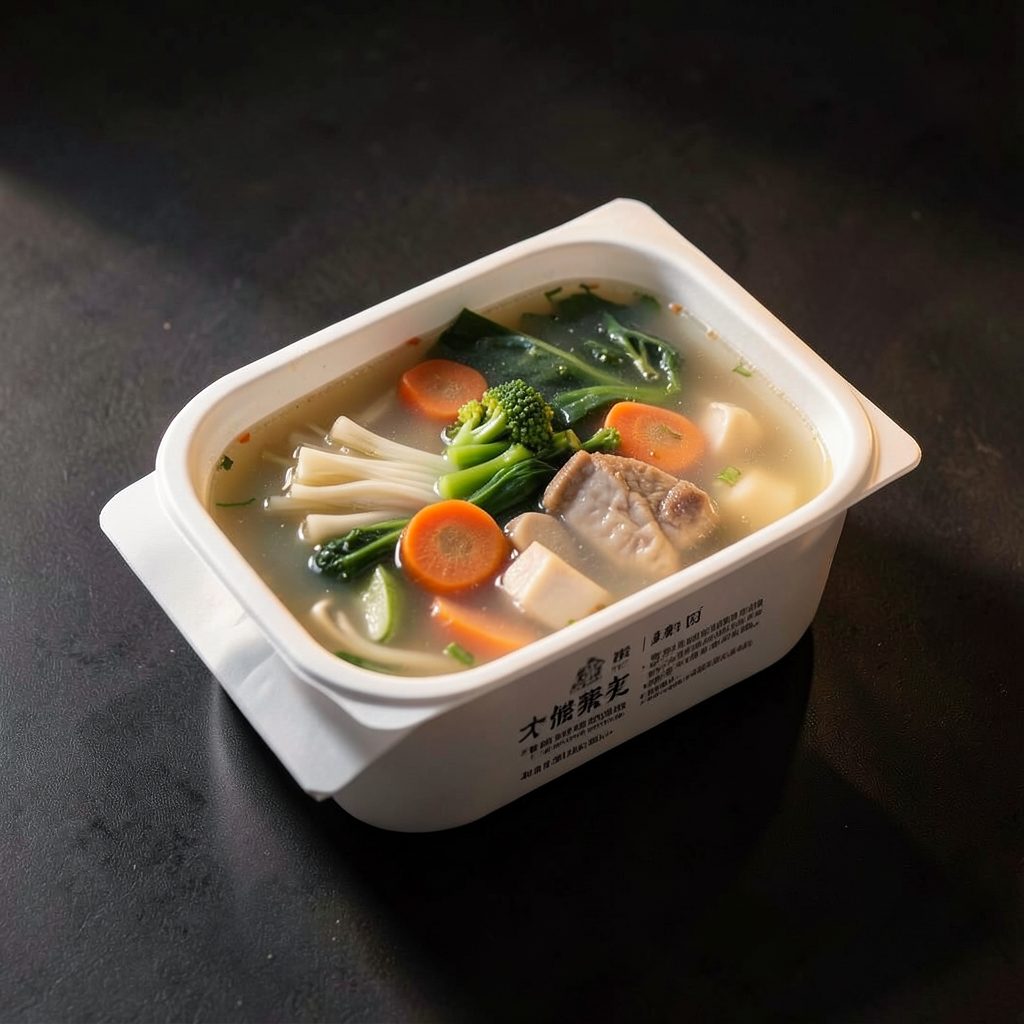
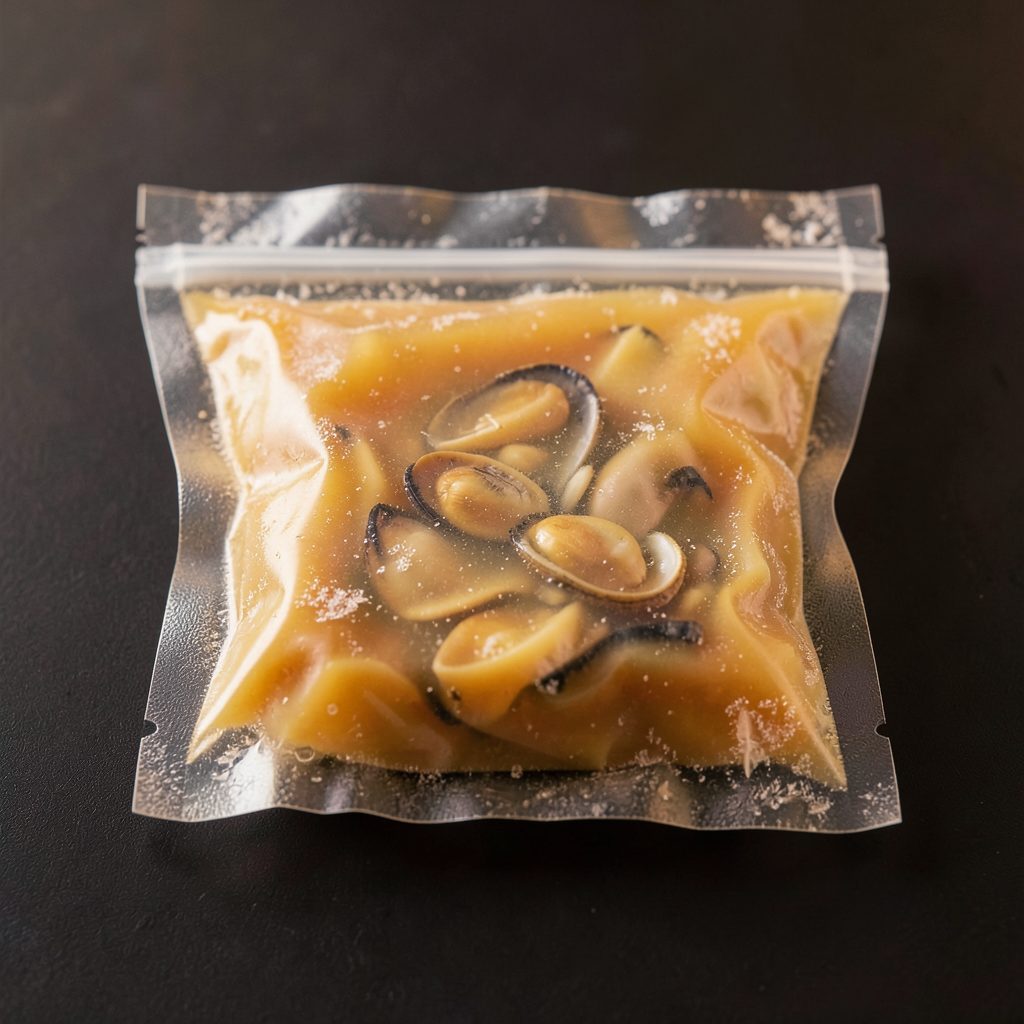
Best Sellers
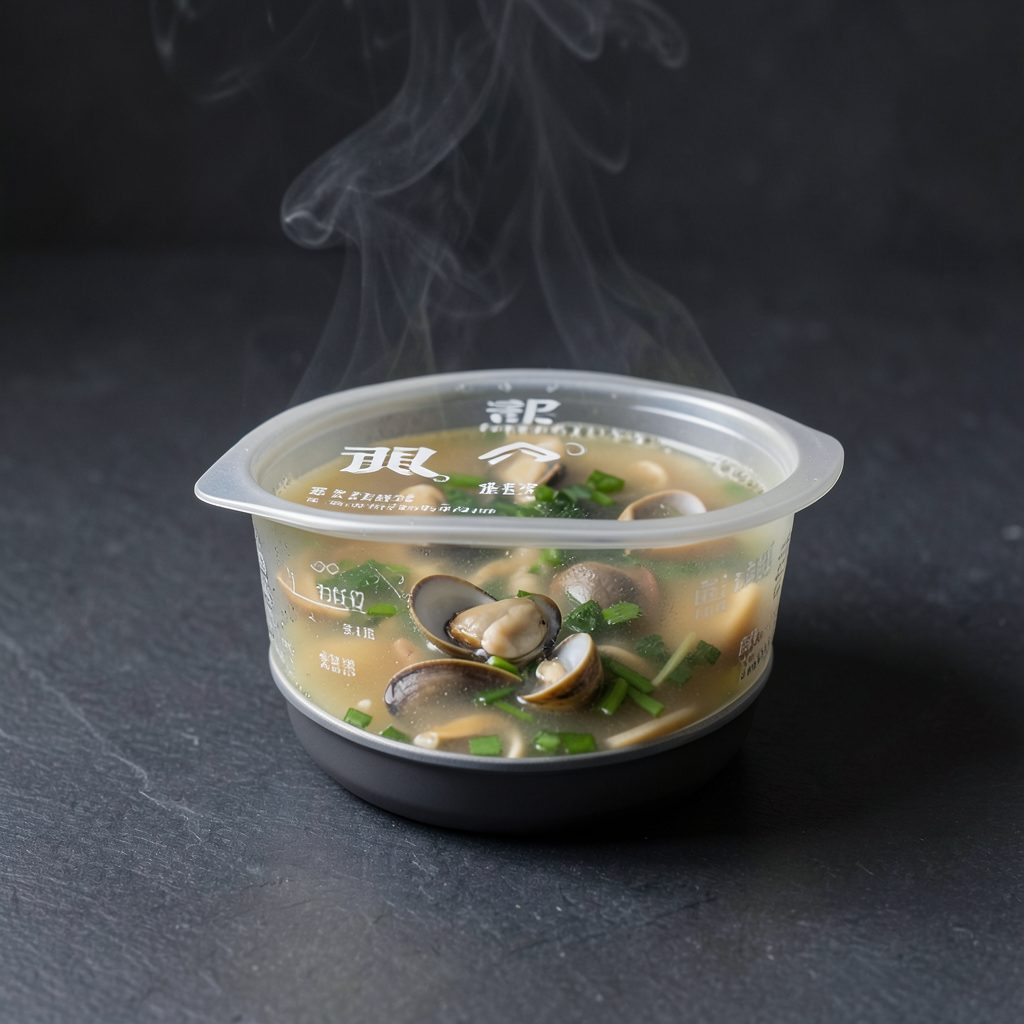
蛤?! Clam Soup Base —卜卜蜆
NT$ —
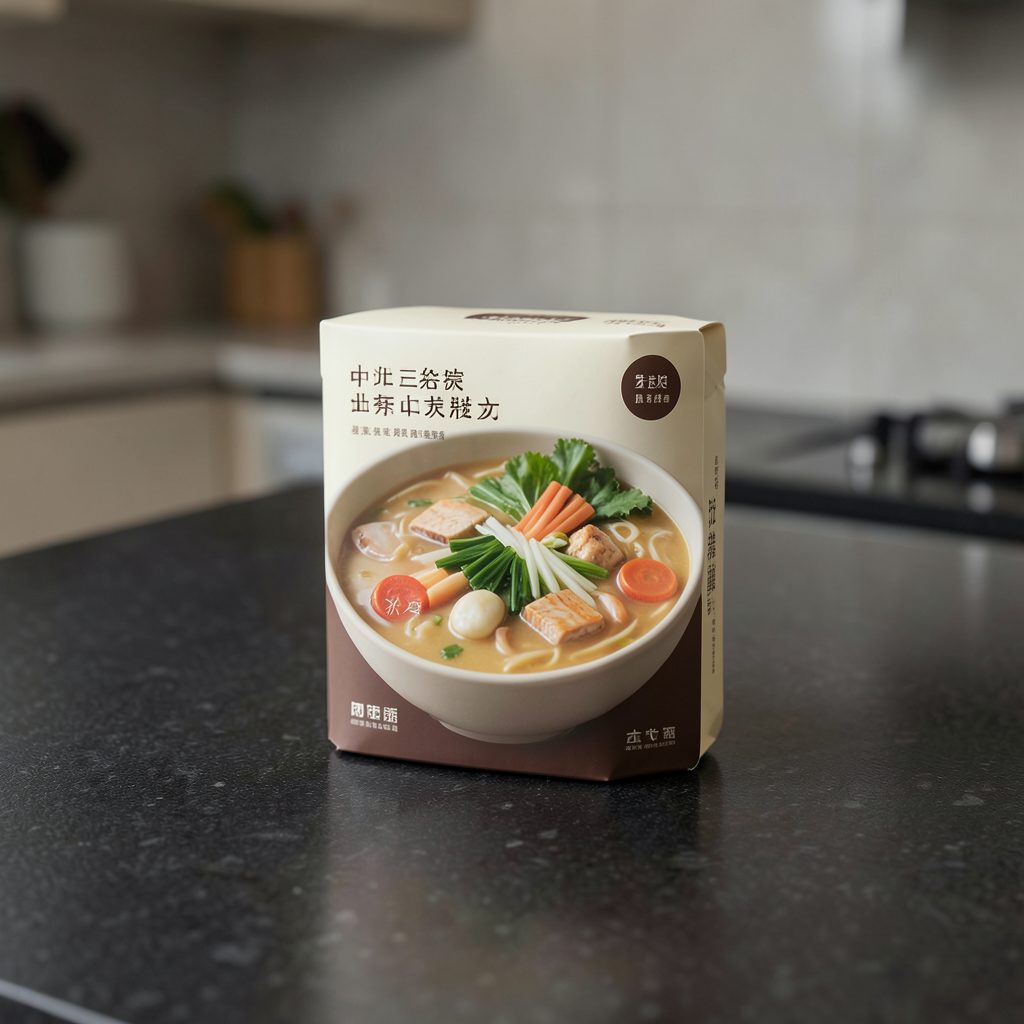
本事滿足鍋物 Personal Pot Base
NT$ —
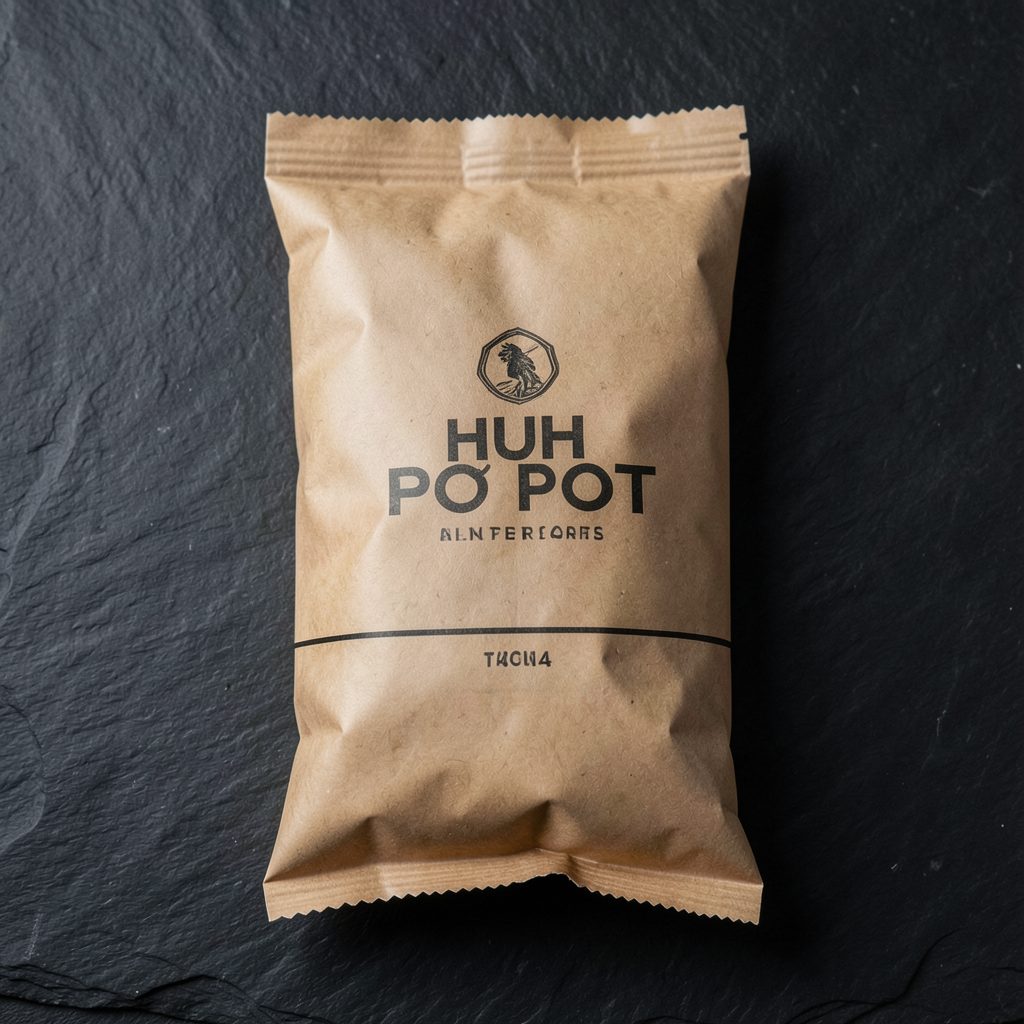
蛤?! Dry Noodles
NT$ —
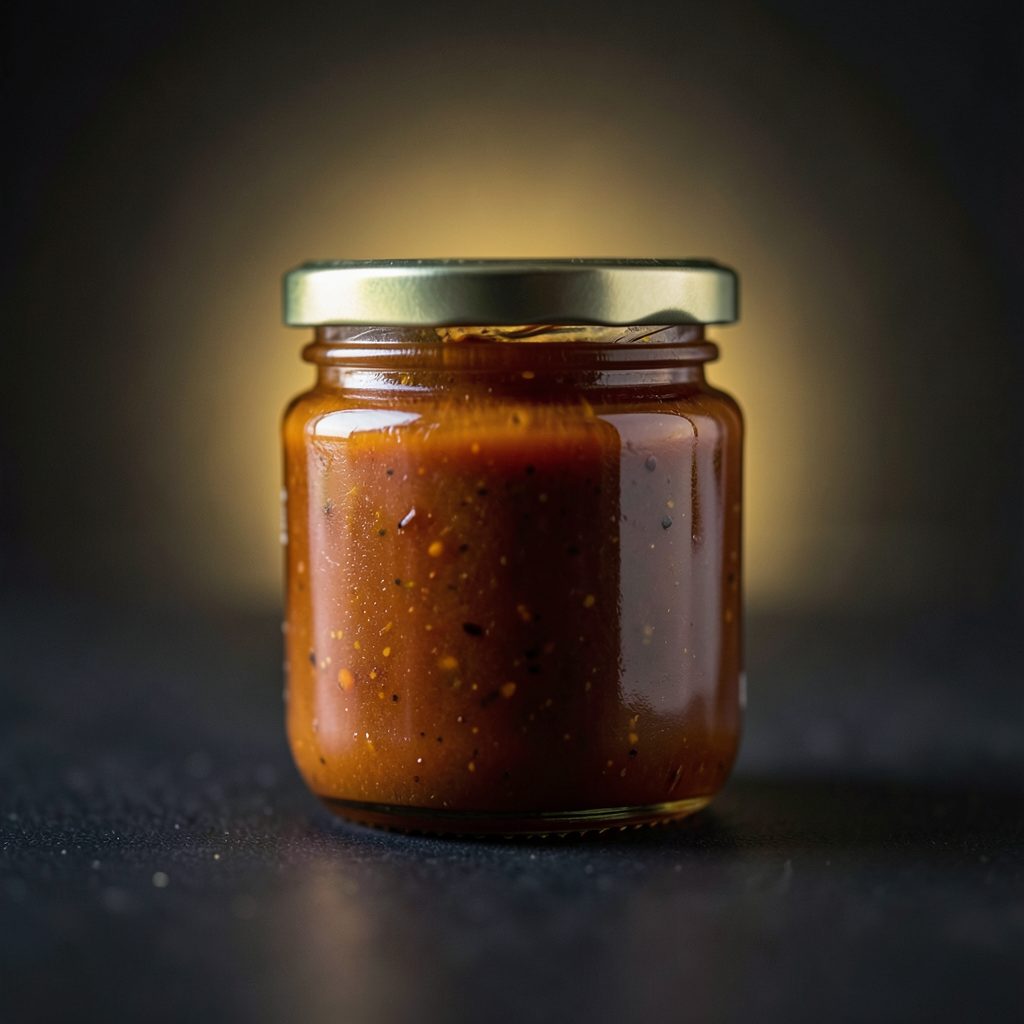
Signature Sauce
NT$ —
New Arrivals
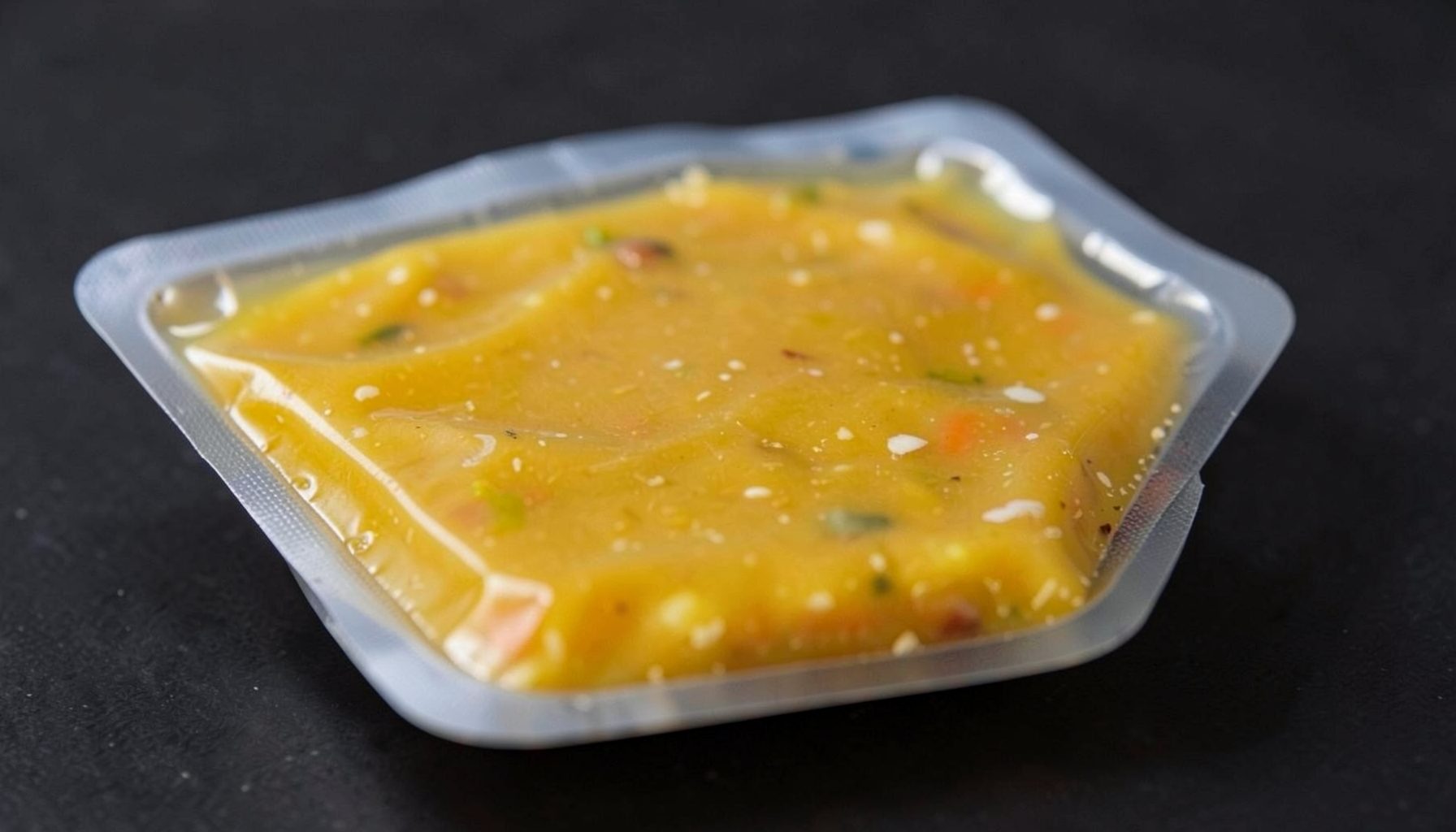
蛤?! Golden Clam Broth — New Batch
NT$ —
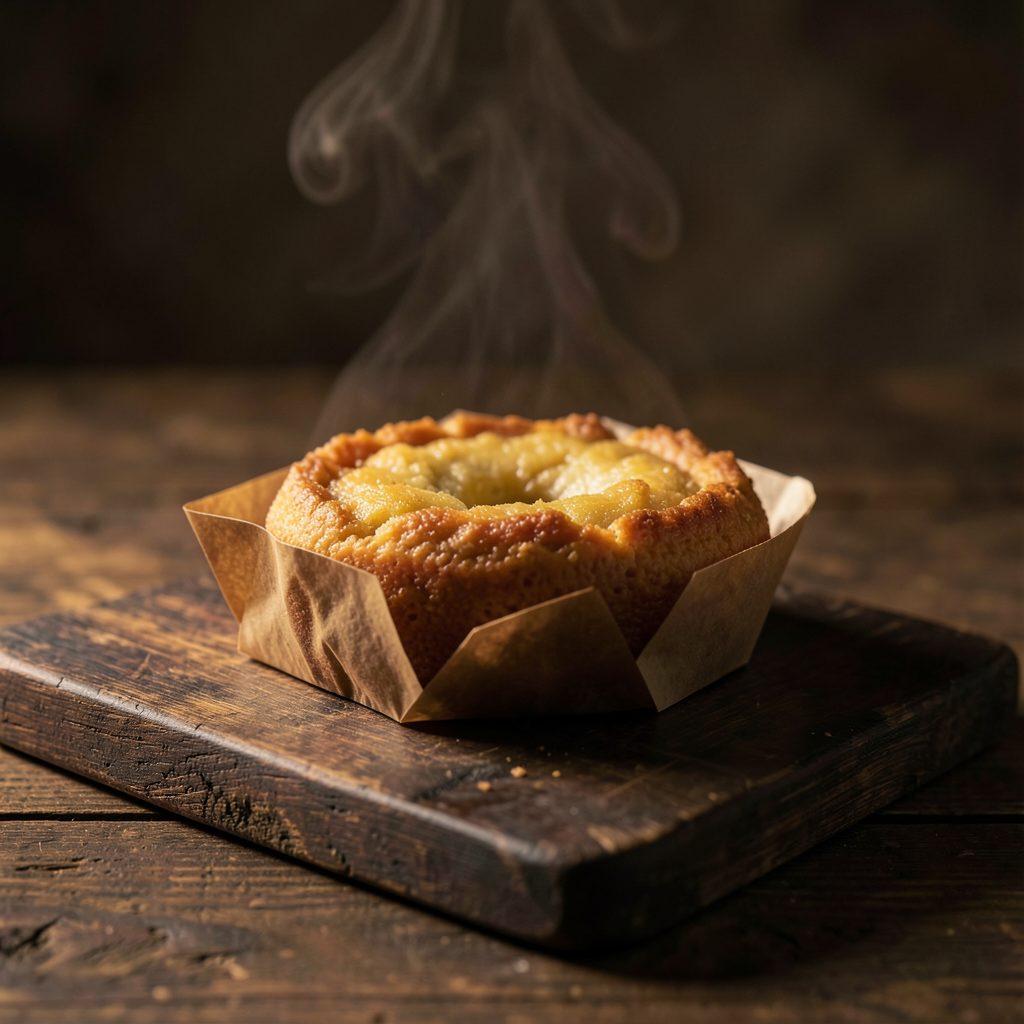
Radish Cake —蘿蔔糕精神
NT$ —
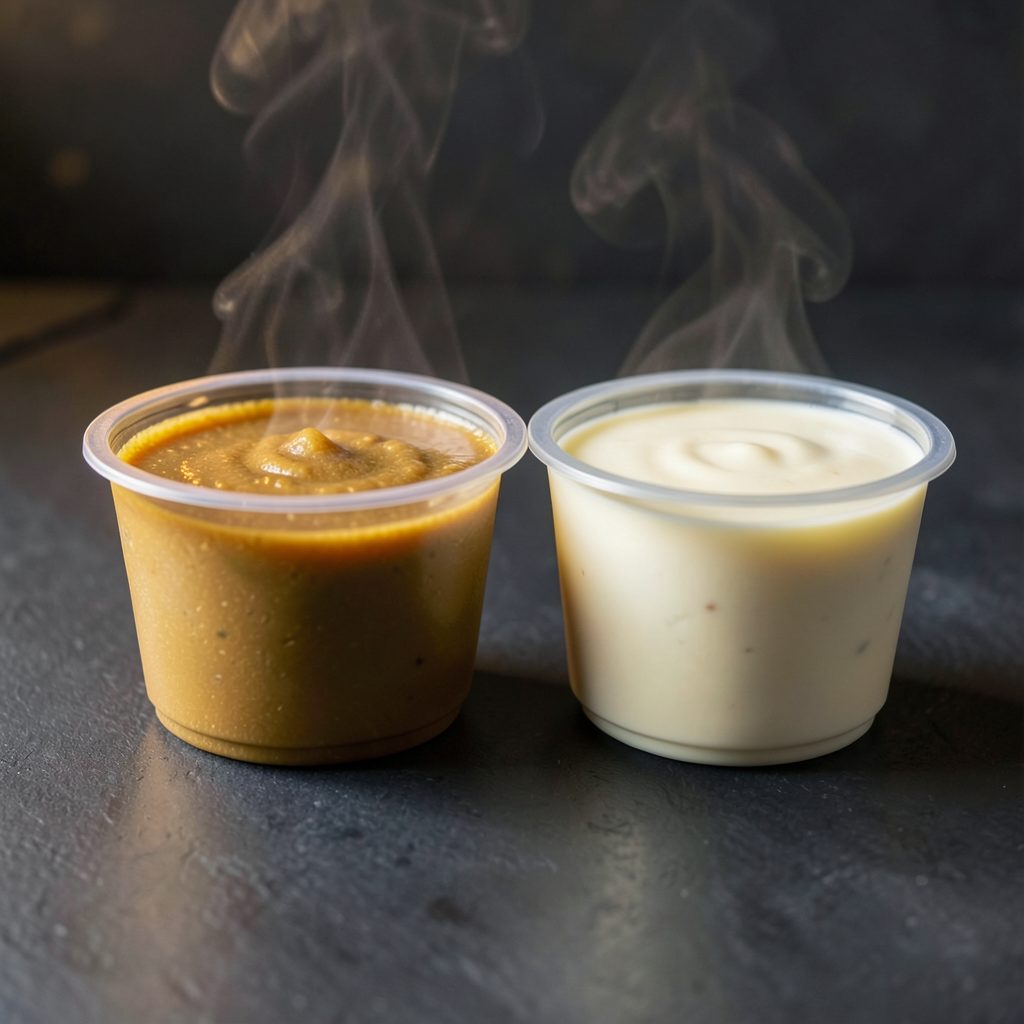
Duo Soup Base Set
NT$ —
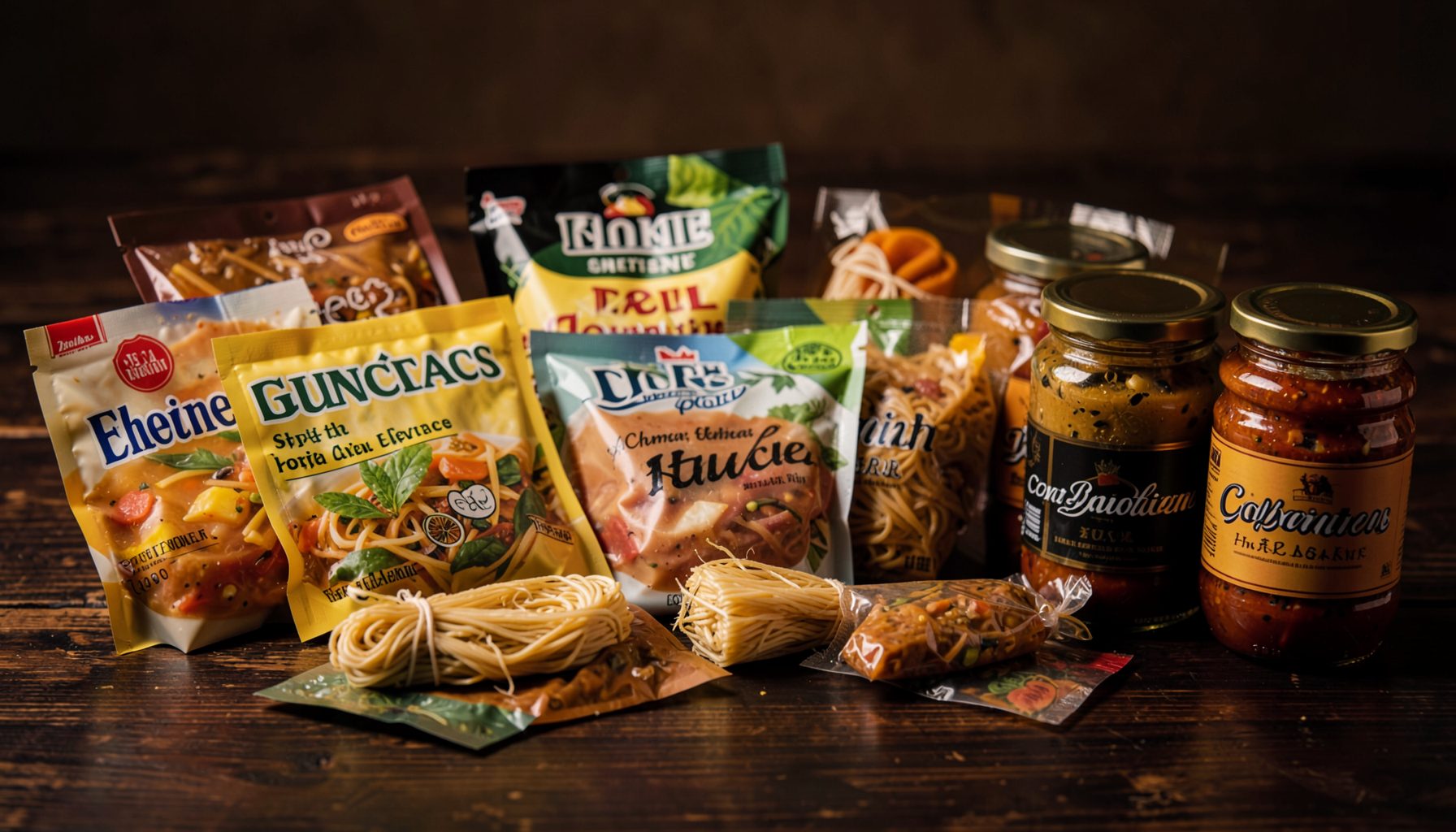
Hot Pot Essentials Bundle
NT$ —
About 蛤?! Huh Pot
蛤?! Huh Pot is a Cantonese-style hot pot brand known for its signature clam-based broth —卜卜蜆 — made with rich old-hen stock and generous portions of fresh clams. The brand also encompasses 本事滿足鍋物, a personal hot pot concept, bringing the same depth of flavor to individual servings.
Through MoneyCome Mart, these restaurant-quality soup bases, dry noodles, radish cakes, and signature sauces are available for home delivery across Taiwan. Restaurant locations in Taipei's Da'an District, Civic Boulevard, and Taichung's Gongyi Road also welcome guests for dine-in, with online reservations available.