Pairing wine and beer with Cantonese hot pot broths
Cantonese hot pot is built around a shared simmering broth, fresh ingredients, and a gradual layering of flavor. That makes beverage pairing slightly different from pairing wine or beer with a finished dish. The drink must work with the soup base, seafood, meat, noodles, dipping sauces, and the changing richness of the pot.
The best matches bring freshness, control saltiness, or echo the broth’s aromatics without overpowering delicate ingredients. A crisp white wine can sharpen a clam broth, while a cold lager can refresh the palate after fatty beef, dumplings, or turnip cake.
At home, prepared soup bases make it easy to explore these combinations without spending hours building stock. With cold-chain delivery and restaurant-style flavors, MoneyCome Mart provides a practical starting point for Cantonese hot pot nights across Taiwan.
Start with the broth’s strongest flavor
Before opening a bottle, identify the dominant character of the soup. Is it briny and seafood-forward, gently sweet, herbal, spicy, creamy, or deeply savory? The answer matters more than whether the meal includes chicken, beef, or shellfish, because every ingredient absorbs some of the broth as it cooks.
Acidity is especially useful with rich soup and fatty ingredients. Dry wines and crisp beers refresh the mouth, while lightly aromatic wines can complement ginger, scallion, dried seafood, and Chinese herbs. Avoid heavily oaked wines or very bitter beers when the broth is delicate; their strong flavors can make the soup taste thin or metallic.
Seafood and clam broths
A clam broth calls for drinks with brightness and mineral character. Sauvignon Blanc, Albariño, Muscadet, and dry Riesling are strong choices because their acidity cuts through seafood richness while their citrus and saline notes reinforce the broth’s natural freshness. A chilled sparkling wine also works well when the meal includes prawns, fish slices, tofu, and leafy greens.
For beer, choose a pilsner, Japanese-style lager, or wheat beer with moderate bitterness. These styles cleanse the palate without masking clam, shrimp, or scallop flavors. A Belgian witbier can suit a broth with ginger and citrus-like aromatics, but keep the pour cold and avoid strongly spiced versions.
Herbal, savory, and richer soup bases
Cantonese-style herbal or mushroom broths pair well with wines that have subtle fruit and a smooth texture. Dry Chenin Blanc, unoaked Chardonnay, and Pinot Gris can handle earthy mushrooms, pork, chicken, and fish balls while retaining enough acidity for dipping sauces. For a darker, more savory broth, a light Pinot Noir can work if the meal includes beef, mushrooms, and soy-based seasonings.
Lager remains a reliable option for rich broths. Amber lager adds gentle malt sweetness to balance salt and spice, while a brown ale can accompany beef, fried turnip cakes, and roasted ingredients. Keep highly roasted or aggressively bitter beers away from delicate herbal soup, since their toasted flavors may dominate the pot.
A quick pairing guide
Use this chart as a starting point, then adjust for the ingredients and sauces on the table. Sweet chili sauce, sesame sauce, fermented bean curd, and garlic-heavy dips can make a pairing taste fuller and more intense than the broth alone.
| Broth or meal profile | Wine pairing | Beer pairing | Why it works |
|---|---|---|---|
| Clam, seafood, or clear broth | Sauvignon Blanc or dry Riesling | Pilsner or wheat beer | Acidity and carbonation refresh seafood flavors |
| Mushroom or herbal broth | Unoaked Chardonnay or Chenin Blanc | Helles or amber lager | Soft fruit and malt complement earthy aromas |
| Spicy or peppery broth | Off-dry Riesling or sparkling wine | Lager or pale ale | Chill, sweetness, and bubbles ease heat |
| Beef and savory broth | Light Pinot Noir or Gamay | Amber lager or brown ale | Fruit and malt balance umami and richness |
| Chicken, vegetable, or gentle broth | Pinot Gris or sparkling wine | Blonde ale or light lager | Clean flavors preserve the broth’s delicacy |
| Noodles, dumplings, and fried sides | Dry rosé or Grüner Veltliner | Saison or pilsner | Brightness cuts starch, oil, and salty sauces |
Match heat with freshness
Spicy broth and chili-based dipping sauces benefit from low-tannin wines. Tannin can intensify the sensation of heat, so Cabernet Sauvignon and heavily oaked reds are usually poor choices for a fiery pot. Off-dry Riesling, lightly sweet Chenin Blanc, and sparkling wine provide acidity and a small amount of sweetness that can soften chili burn.
Beer drinkers should favor clean lagers over high-bitterness IPAs. Hops can make chili taste sharper, especially when the broth contains Sichuan pepper, dried chilies, or chili oil. A pale ale with restrained bitterness may still work with grilled or fried items, but it should not overpower the soup.
Keep the meal easy to serve
Hot pot is a slow meal, so serving temperature and pacing matter. Keep white wine and sparkling wine chilled in an ice bucket, and pour smaller glasses so the drink stays fresh. Beer should be served cold but not so icy that its aroma disappears. If the table includes several broths, begin with the lightest wine or beer and move toward fuller styles as the meal develops.
Convenience also protects the quality of the pairing. Follow the store’s common preparation guidance for thawing, heating, and serving soup bases so the broth reaches the intended concentration. Over-reducing a frozen base can increase saltiness and make a previously balanced wine seem flat.
Build a balanced drinks menu
A small selection is usually better than a crowded bar. Choose one refreshing option for seafood and vegetables, one fuller drink for meat and rich ingredients, and a nonalcoholic alternative such as sparkling water, tea, or citrus soda. This gives guests flexibility without competing flavors across the table.
MoneyCome Mart’s Cantonese hot pot story reflects the appeal of bringing restaurant-style soup and prepared ingredients into the home. Pairing those products with carefully chosen drinks makes the meal feel considered while keeping preparation simple.
Practical pairing choices for your next pot
- Select dry, high-acid white wine for clam, seafood, and clear broths.
- Use lager, pilsner, or wheat beer when the table includes many sauces and mixed ingredients.
- Choose off-dry Riesling or sparkling wine for spicy soup and chili-based dips.
- Serve light red wine or amber beer with beef, mushrooms, and deeply savory broth.
- Keep a chilled nonalcoholic drink available to reset the palate between bites.
Open with a crisp bottle or clean lager, then let the broth guide the second pour. Add a MoneyCome Mart soup base, noodles, seafood, vegetables, and prepared sides to create a Cantonese hot pot pairing night that is easy to cook and rewarding to share.
Best Sellers
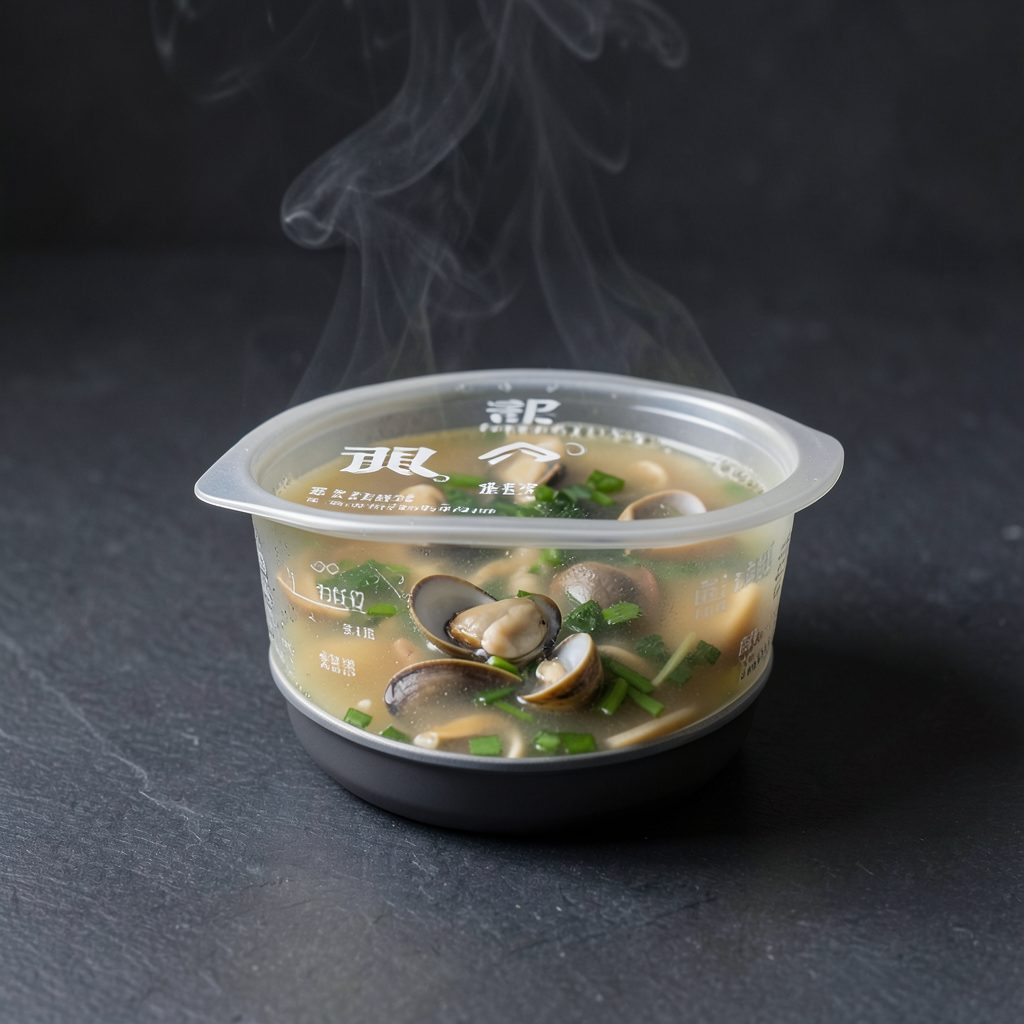
蛤?! Clam Soup Base —卜卜蜆
NT$ —
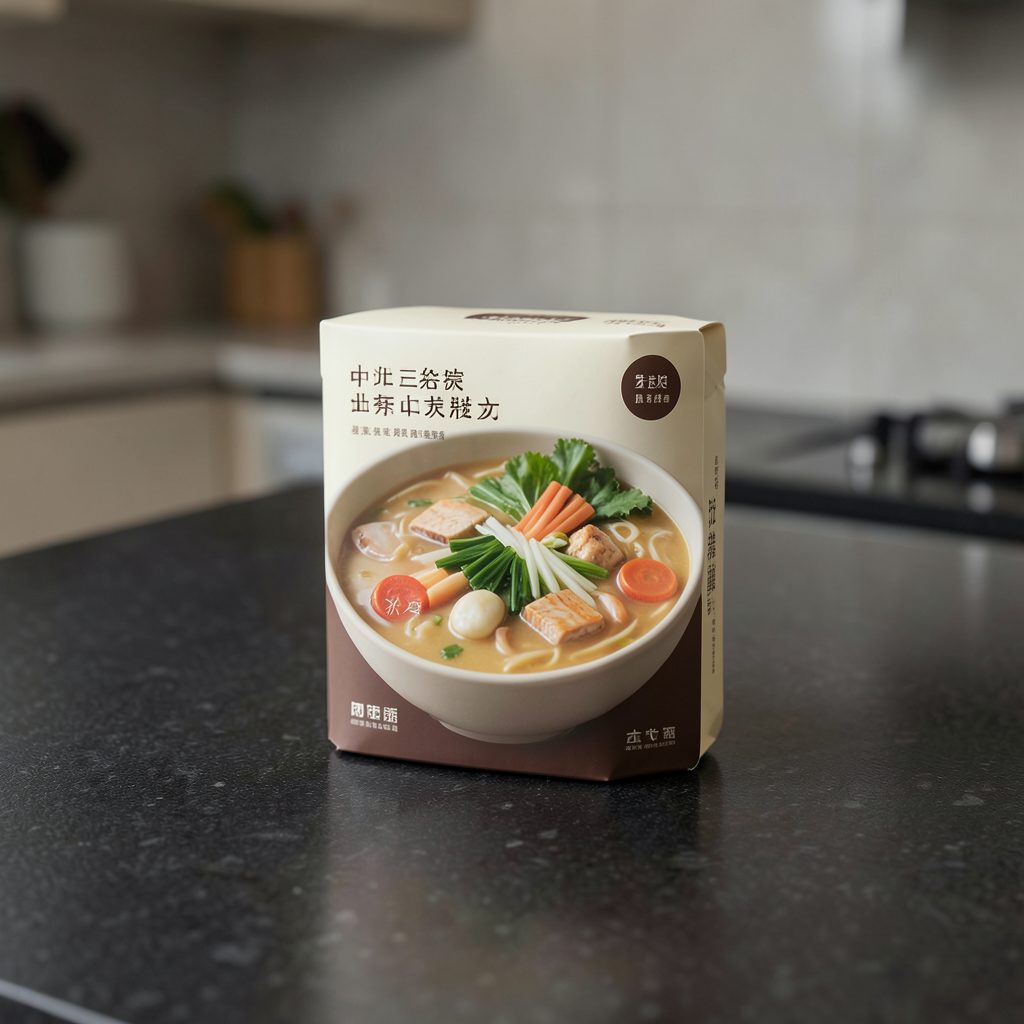
本事滿足鍋物 Personal Pot Base
NT$ —
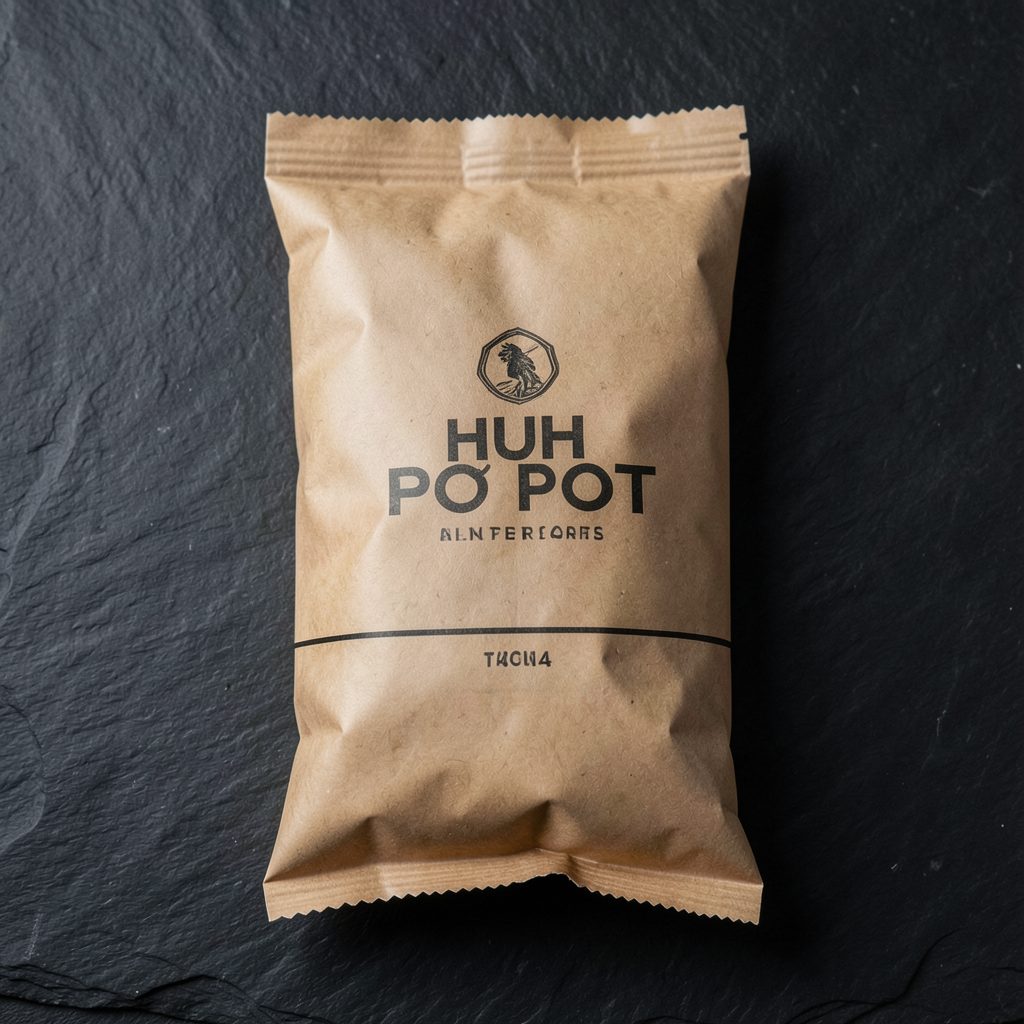
蛤?! Dry Noodles
NT$ —
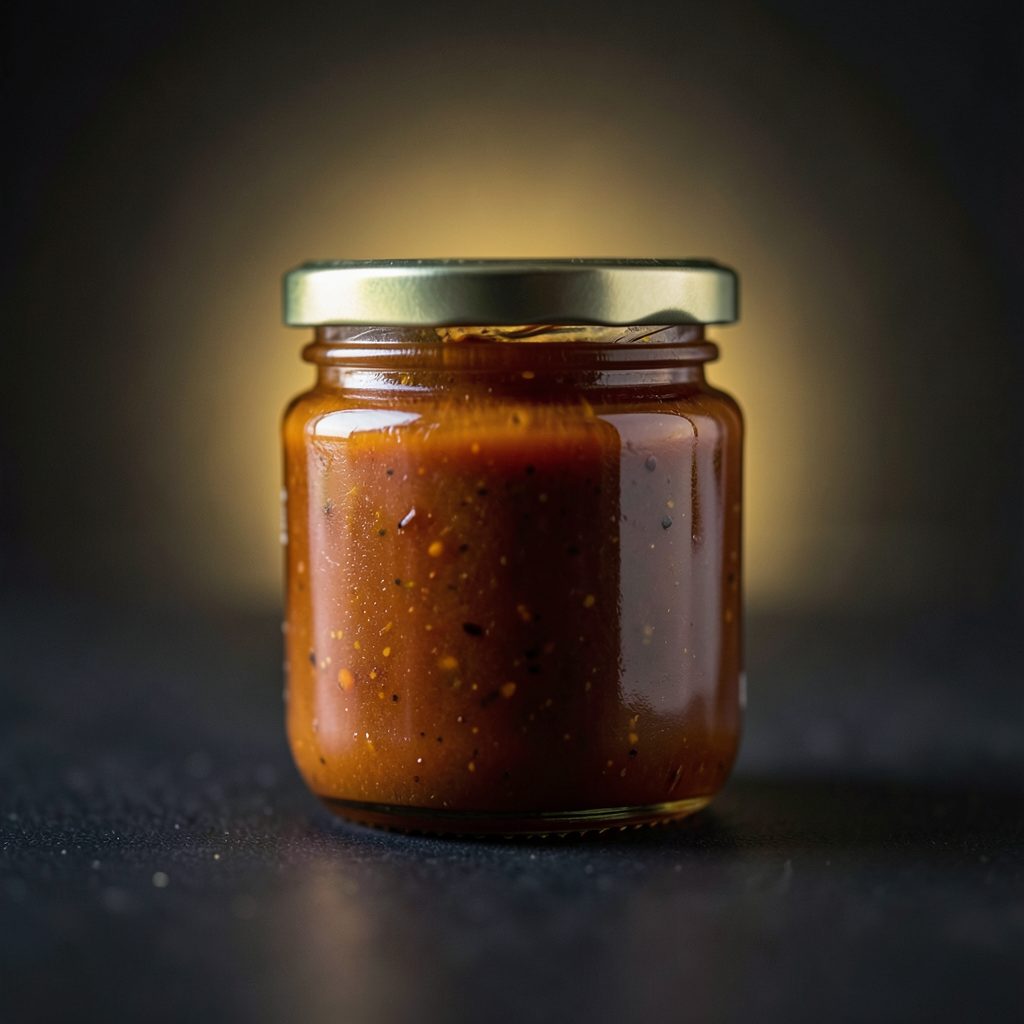
Signature Sauce
NT$ —
New Arrivals
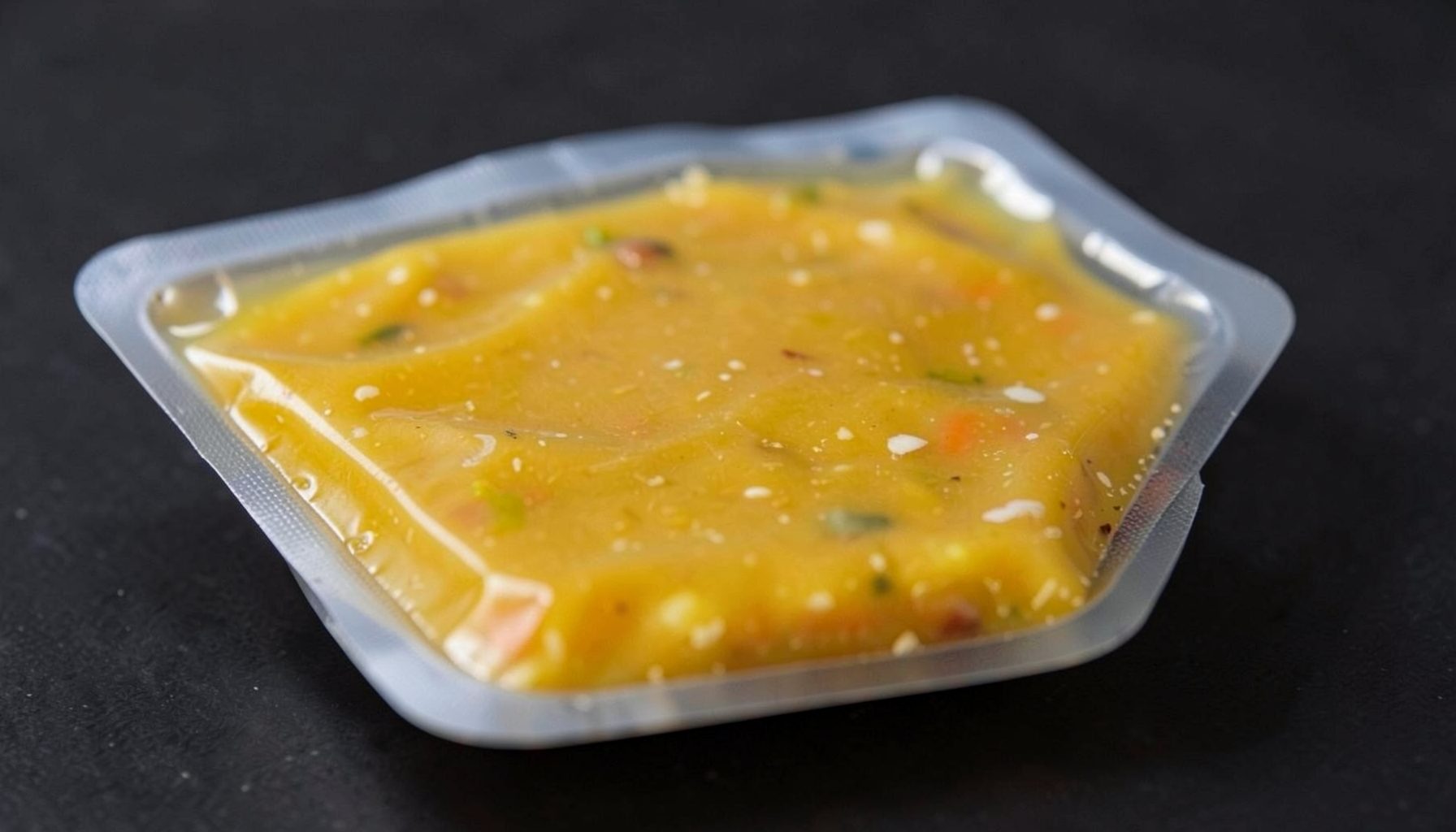
蛤?! Golden Clam Broth — New Batch
NT$ —
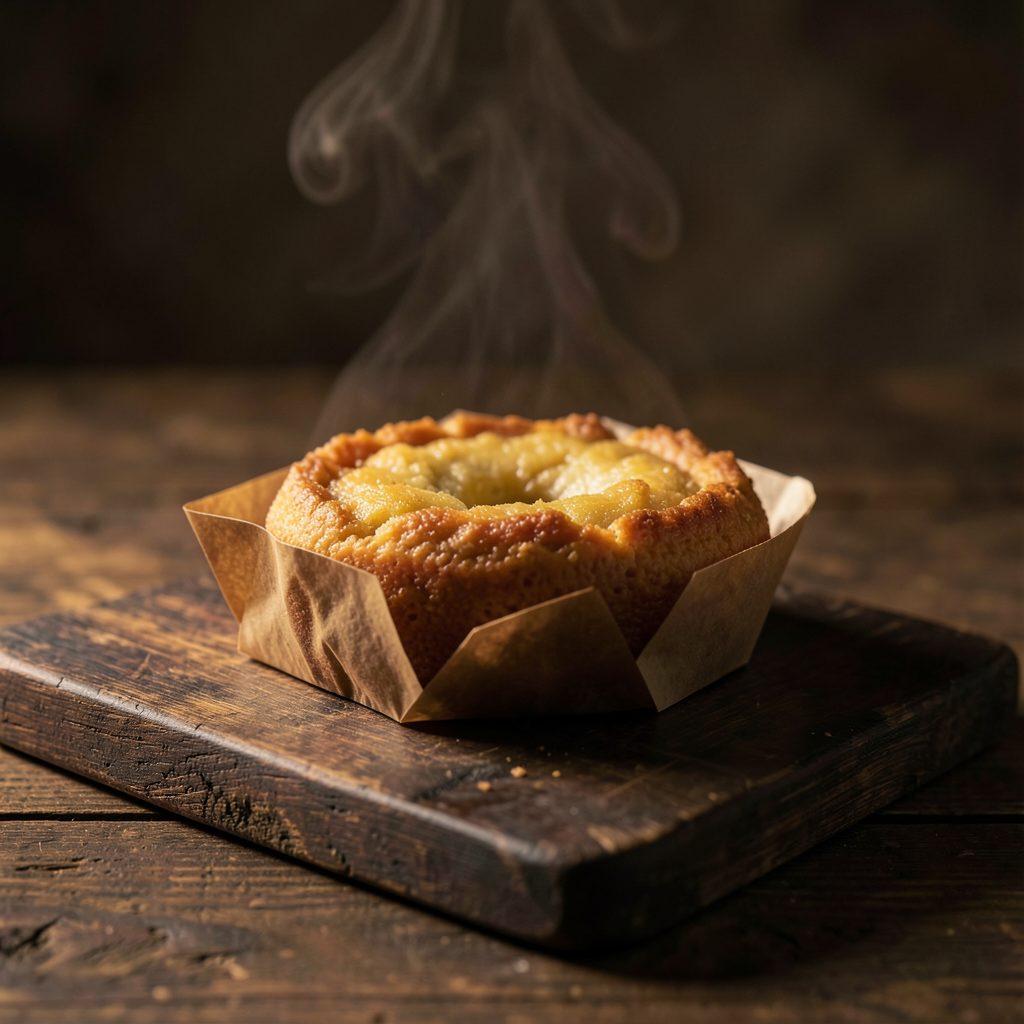
Radish Cake —蘿蔔糕精神
NT$ —
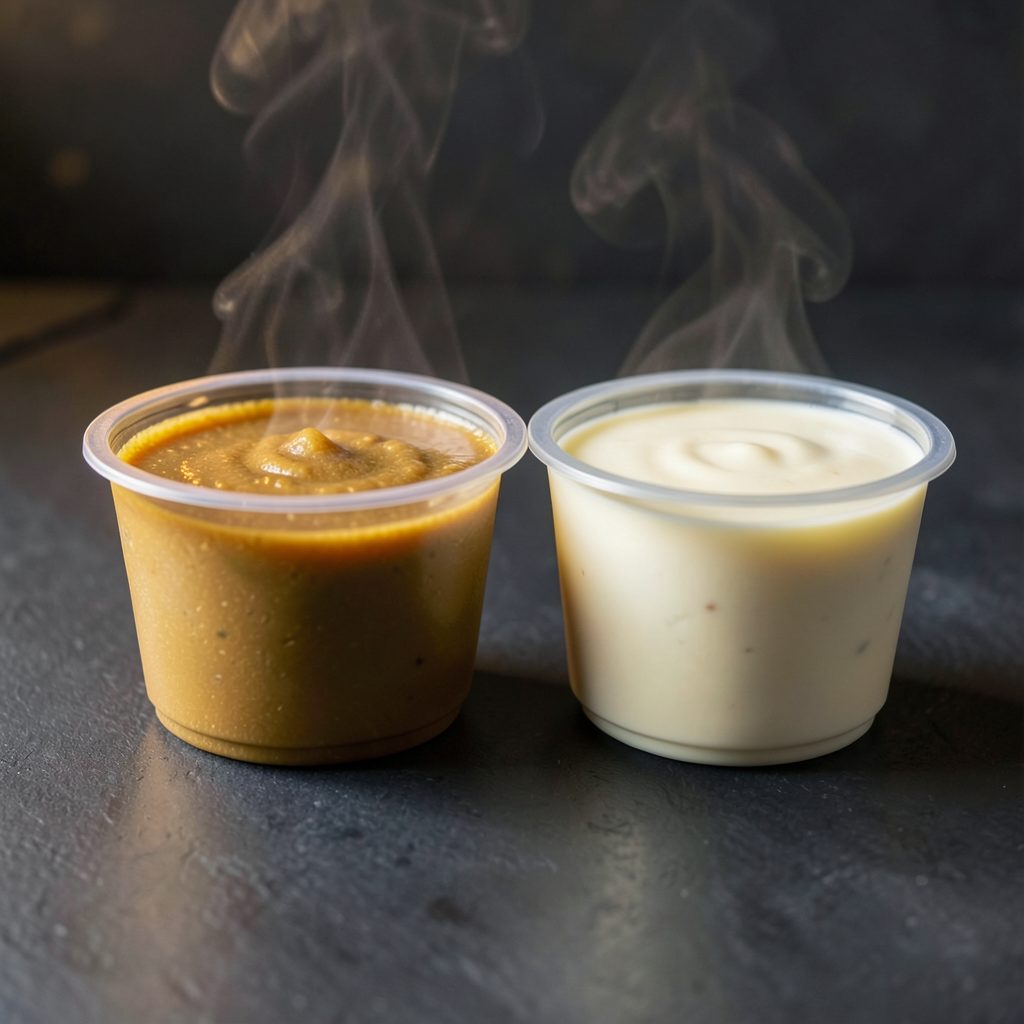
Duo Soup Base Set
NT$ —
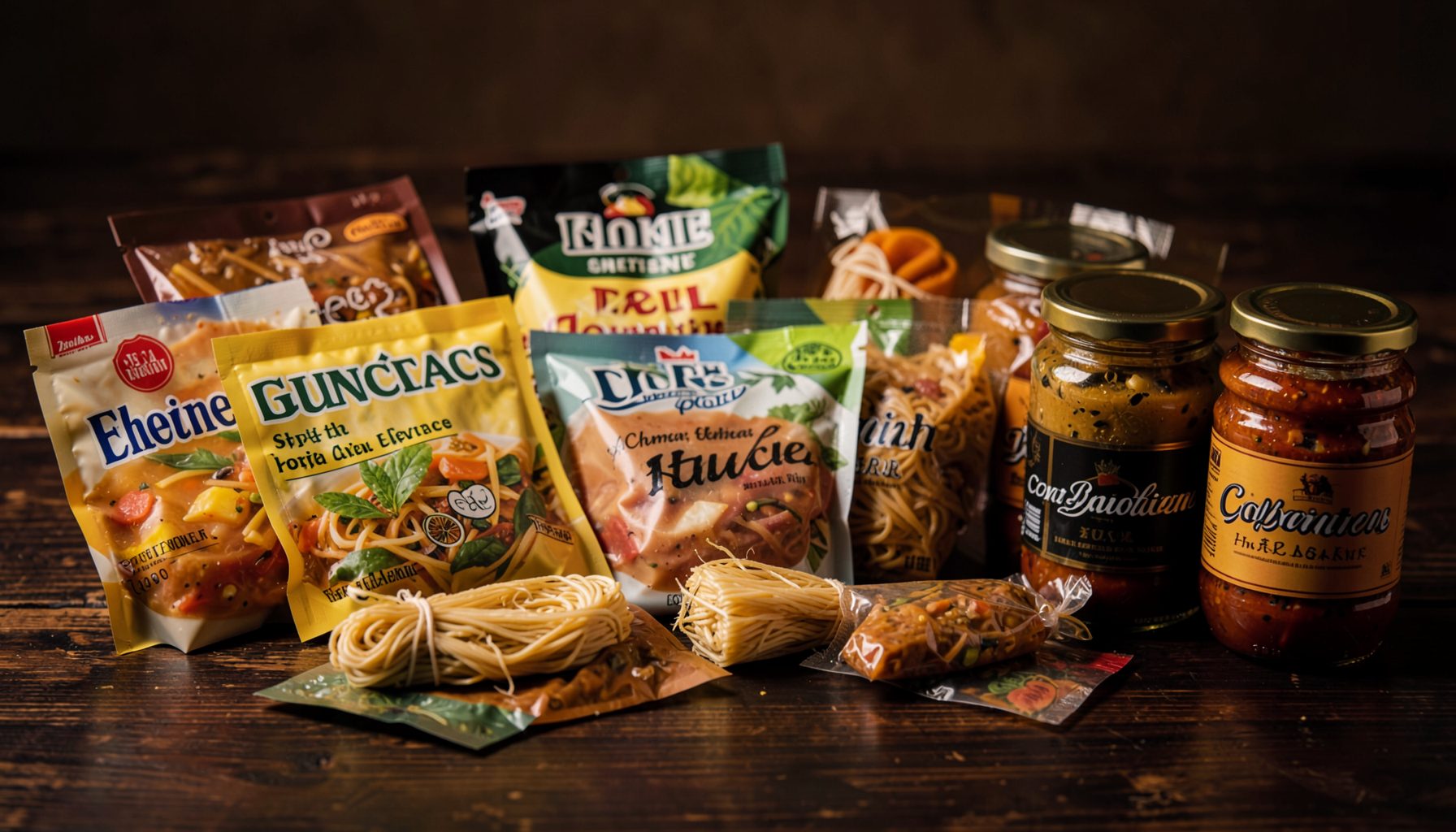
Hot Pot Essentials Bundle
NT$ —
About 蛤?! Huh Pot
蛤?! Huh Pot is a Cantonese-style hot pot brand known for its signature clam-based broth —卜卜蜆 — made with rich old-hen stock and generous portions of fresh clams. The brand also encompasses 本事滿足鍋物, a personal hot pot concept, bringing the same depth of flavor to individual servings.
Through MoneyCome Mart, these restaurant-quality soup bases, dry noodles, radish cakes, and signature sauces are available for home delivery across Taiwan. Restaurant locations in Taipei's Da'an District, Civic Boulevard, and Taichung's Gongyi Road also welcome guests for dine-in, with online reservations available.