A Simple Guide to Cooking Frozen Meatballs in Hot Pot Soup
A Cantonese hot pot at home can turn a packet of frozen meatballs and a rich soup base into a complete, comforting meal. MoneyCome Mart soup bases are designed to bring restaurant-style flavour to the kitchen with minimal preparation, making them useful for a quick weeknight dinner or a shared weekend meal.
The method is straightforward: prepare the broth, add the meatballs at the right stage, cook them until piping hot, and serve with noodles, vegetables, dipping sauces, or other hot pot ingredients. The same approach works with beef, pork, chicken, seafood, or mixed meatballs, although cooking times may vary by size and product instructions.
Choose the right soup base
Select a broth that matches the flavour of the meatballs. A clam broth can add a clean seafood note to pork or fish balls, while a richer Cantonese soup base works well with beef, chicken, and vegetable ingredients. If the meatballs contain strong seasoning, choose a milder broth so the flavours remain balanced.
Pour the soup base into a wide pot and dilute it according to the package directions. If it is concentrated, adding too little water can make the broth overly salty as it reduces. Taste only after the base has heated, since cold broth does not fully reveal its aroma or seasoning.
Prepare the frozen ingredients
Keep the meatballs frozen until you are ready to cook them. There is usually no need to thaw them first, and placing them straight into the simmering soup helps them retain their shape. Separate any pieces that are stuck together before adding them to the pot.
Check the packaging for cooking instructions, allergens, and storage information. In Australia, packaged food labels must clearly identify allergens such as wheat, soy, sesame, egg, milk, and crustaceans. This matters when serving guests, particularly if you are combining meatballs with sauces, noodles, or dumplings.
Cook the meatballs gently
Bring the soup base to a full boil, then reduce the heat to a steady simmer. Add the frozen meatballs one at a time so the temperature does not drop sharply and the pieces do not clump together. Stir carefully with a slotted spoon during the first few minutes.
Small meatballs may take around 8–12 minutes, while larger stuffed or seafood-filled pieces can require 12–18 minutes. Follow the product directions whenever they differ. A meatball is ready when it is heated through in the centre, firm but springy, and steaming hot rather than cool or icy inside.
Check temperature and texture
For extra assurance, cut the largest meatball in half before serving. The centre should be hot throughout, with no frozen core or raw-looking filling. A food thermometer is useful when cooking mixed products; aim for at least 75°C in the centre when reheating or cooking meat-based ingredients, consistent with common Australian food-safety guidance.
Avoid boiling the meatballs aggressively for the entire cooking time. Vigorous bubbling can split delicate seafood balls and make the outer layer tough. A gentle simmer keeps the broth clear and gives the meatballs time to absorb the Cantonese seasoning.
Build a complete hot pot meal
Once the meatballs are cooked, add ingredients according to their cooking time. Leafy greens, thinly sliced mushrooms, and tofu can usually follow immediately. Noodles, turnip cakes, and thicker vegetables may need a few extra minutes, so add them earlier and keep the pot at a gentle simmer.
Place cooked portions into individual bowls with a little broth, or let everyone serve themselves from the pot using clean chopsticks or tongs. A shared hot pot suits Sydney dinner gatherings, Melbourne winter evenings, and relaxed family meals where dishes can stay warm at the table.
Adapt the meal for Australian kitchens
An induction cooktop is common in Australian homes and heats a hot pot quickly, so begin on medium-high and reduce the setting once the broth boils. Use a stable, wide-based saucepan or electric hot pot rather than an overcrowded small pot. For Brisbane or other warmer areas, keep unused ingredients refrigerated and bring them out in small batches.
Local supermarkets often stock bok choy, wombok, enoki mushrooms, tofu, udon, and rice noodles, all of which pair easily with Cantonese broth. If you are planning a larger gathering, arrange ingredients and serving equipment before guests arrive; a practical delivery timing guide can also help with coordinating a food order or event schedule.
Store leftovers safely
If the soup will not be eaten immediately, separate the broth and cooked ingredients where possible. Cool leftovers promptly in shallow containers, refrigerate them at 5°C or below, and use them within a safe timeframe. Do not leave the pot at room temperature for several hours, especially during an Australian summer.
Reheat only the amount you plan to eat, bringing the broth and meatballs back to a thorough simmer. Avoid repeatedly cooling and reheating the same batch, as this affects both texture and food safety. For product-specific storage details, the store’s frequently asked questions page can provide useful guidance.
Practical tips for better results
Use these habits to make frozen meatballs cook evenly and keep the soup tasting fresh:
- Preheat the broth before adding any frozen meatballs.
- Cook meatballs in batches if the pot is crowded.
- Keep the heat at a gentle simmer after the broth boils.
- Check the largest piece in the centre before serving.
- Add noodles and leafy vegetables near the end to prevent overcooking.
- Use clean utensils for raw, frozen, and cooked ingredients.
- Refrigerate leftovers promptly in shallow containers.
A Cantonese soup base does most of the flavour work, while careful timing protects the texture of the meatballs. With a few fresh vegetables, noodles, and dipping sauces, frozen ingredients can become a convenient hot pot meal suited to everyday Australian cooking.
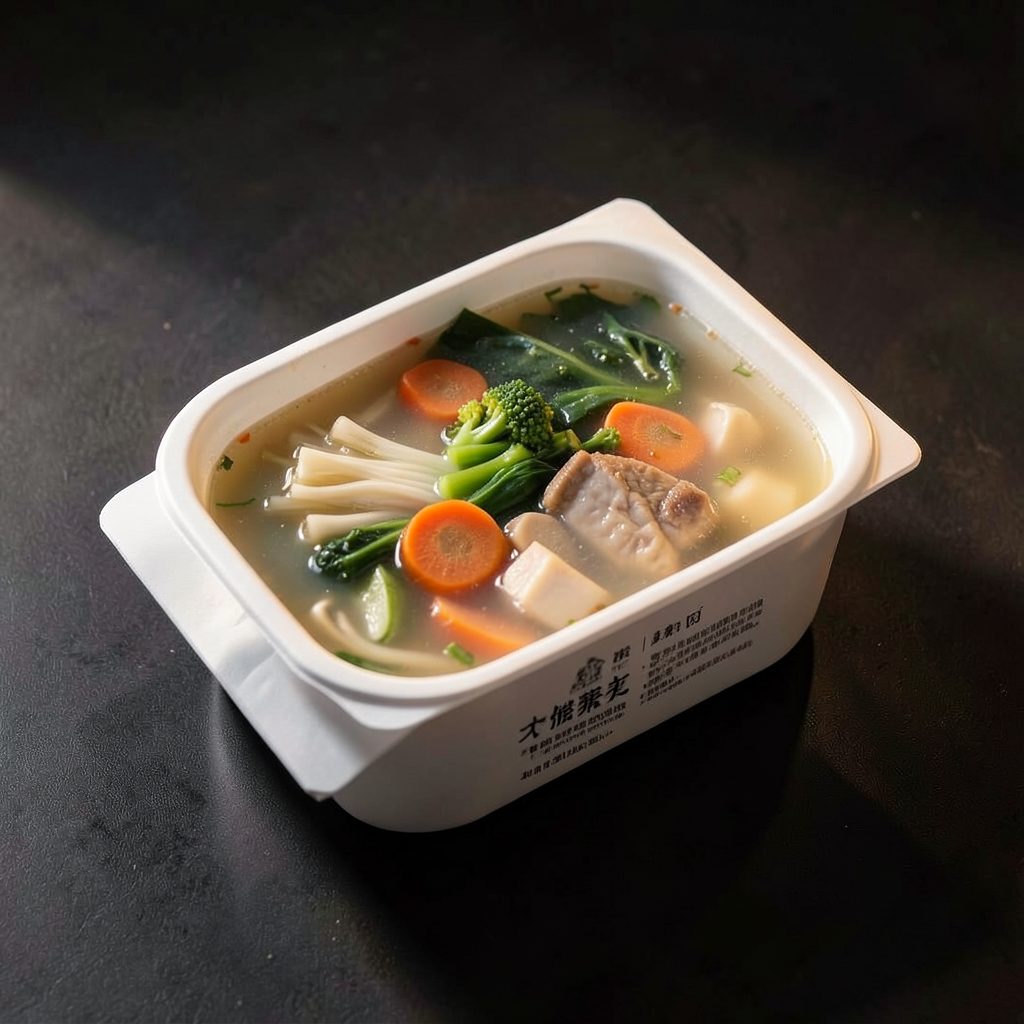
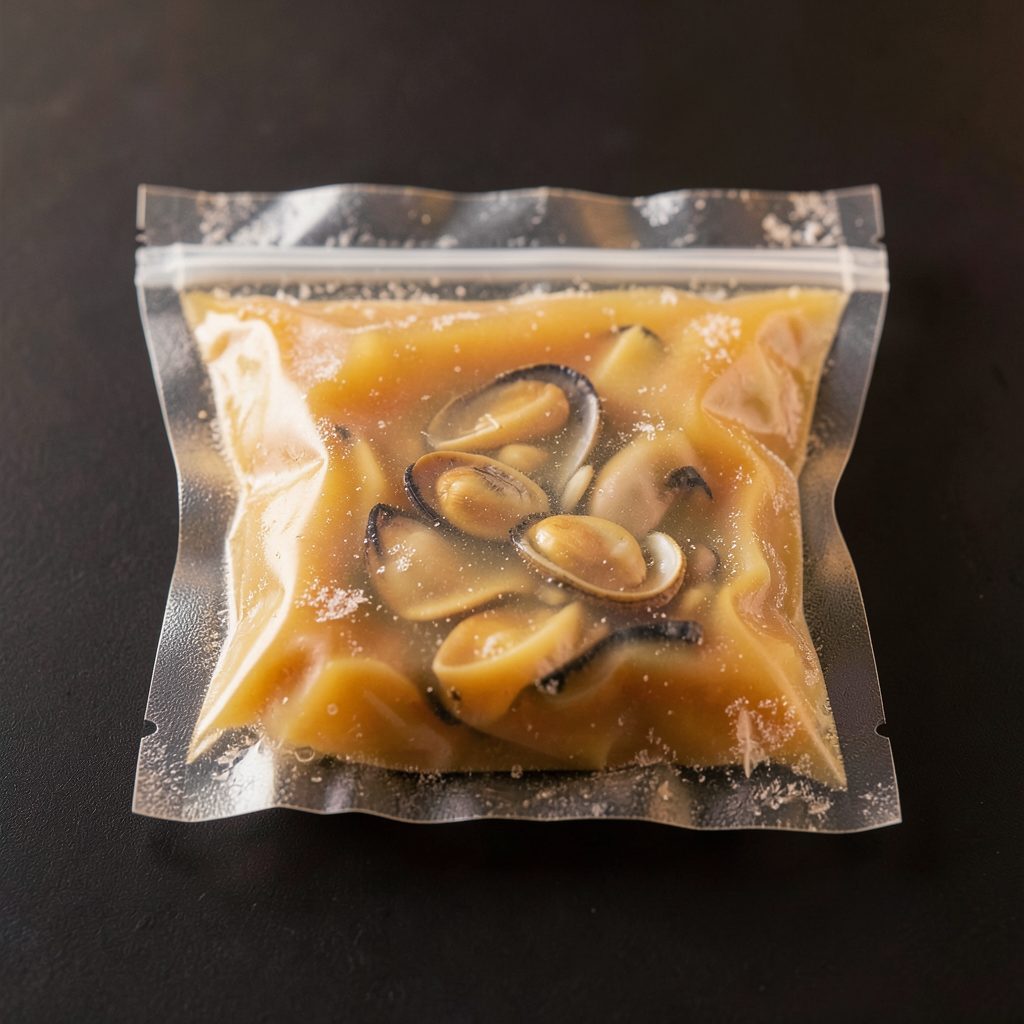
Best Sellers
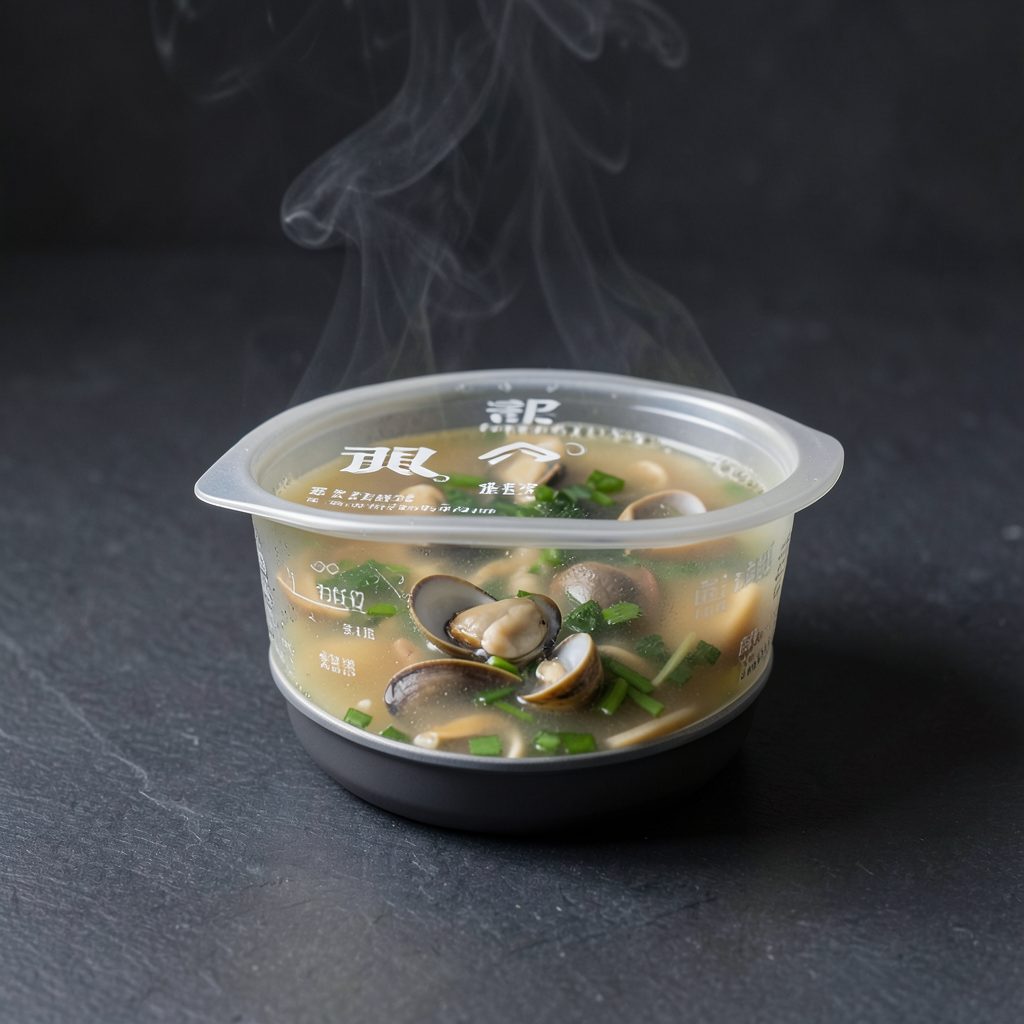
蛤?! Clam Soup Base —卜卜蜆
NT$ —
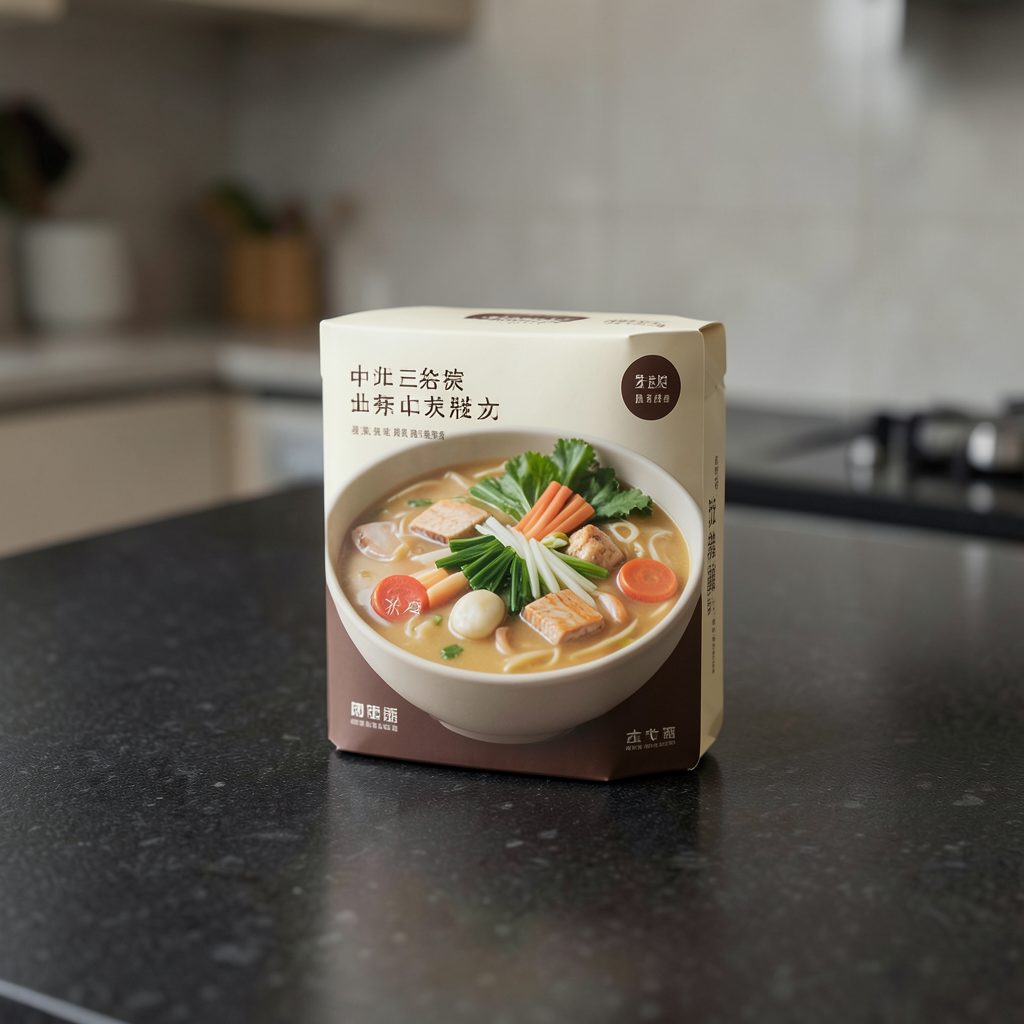
本事滿足鍋物 Personal Pot Base
NT$ —
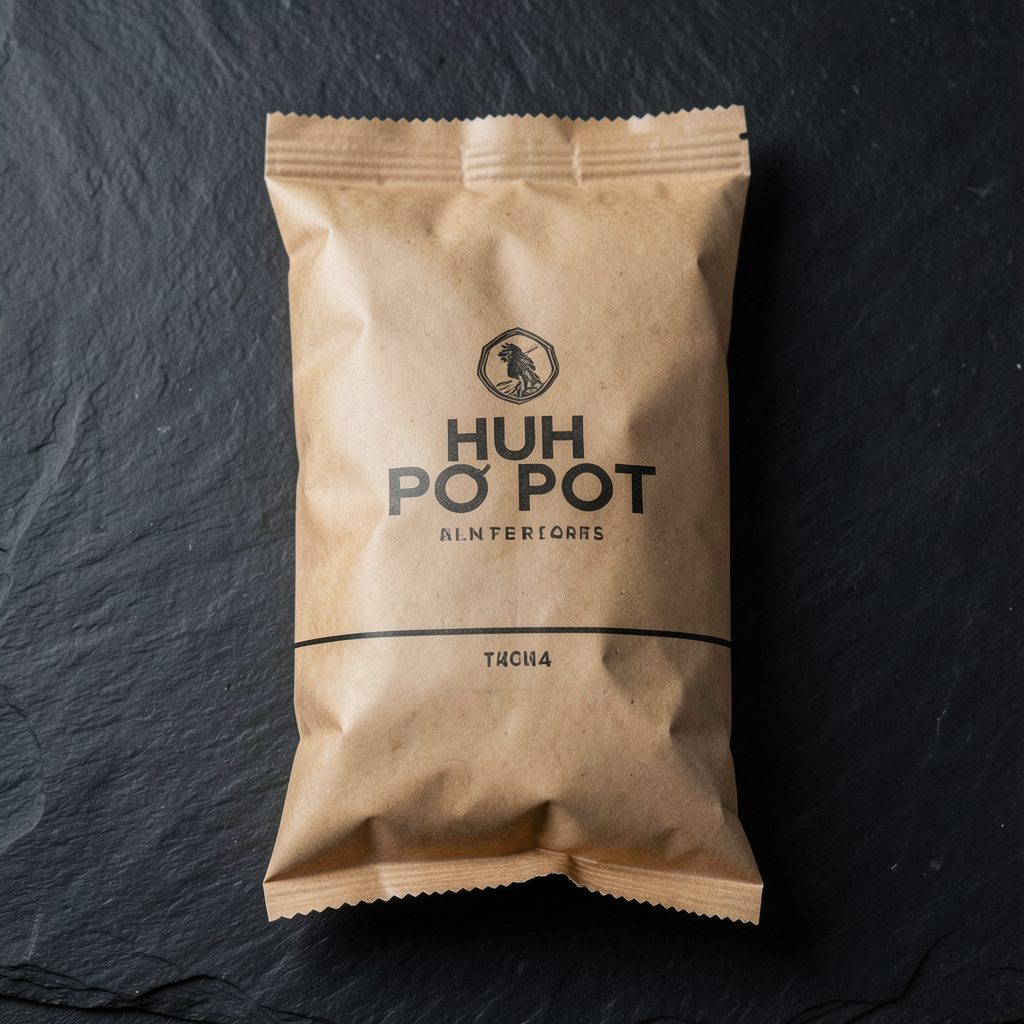
蛤?! Dry Noodles
NT$ —
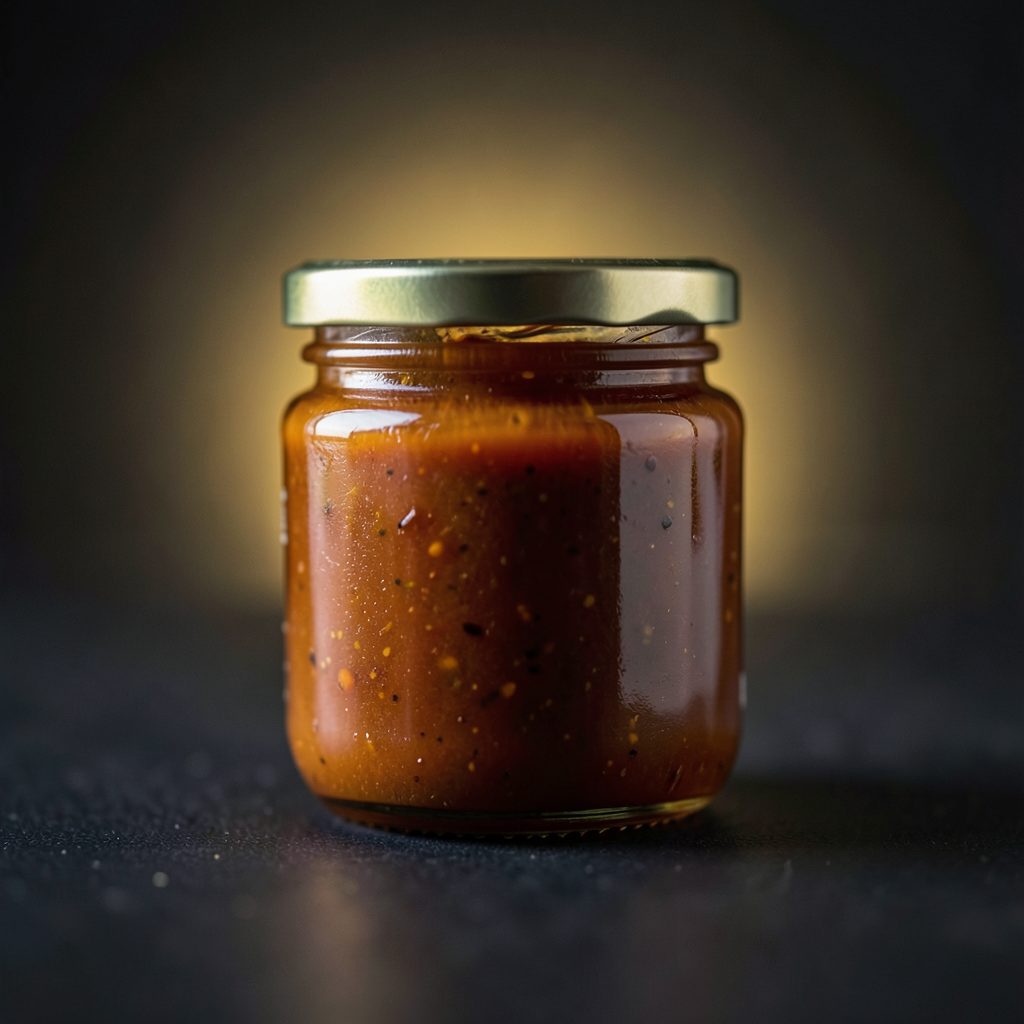
Signature Sauce
NT$ —
New Arrivals
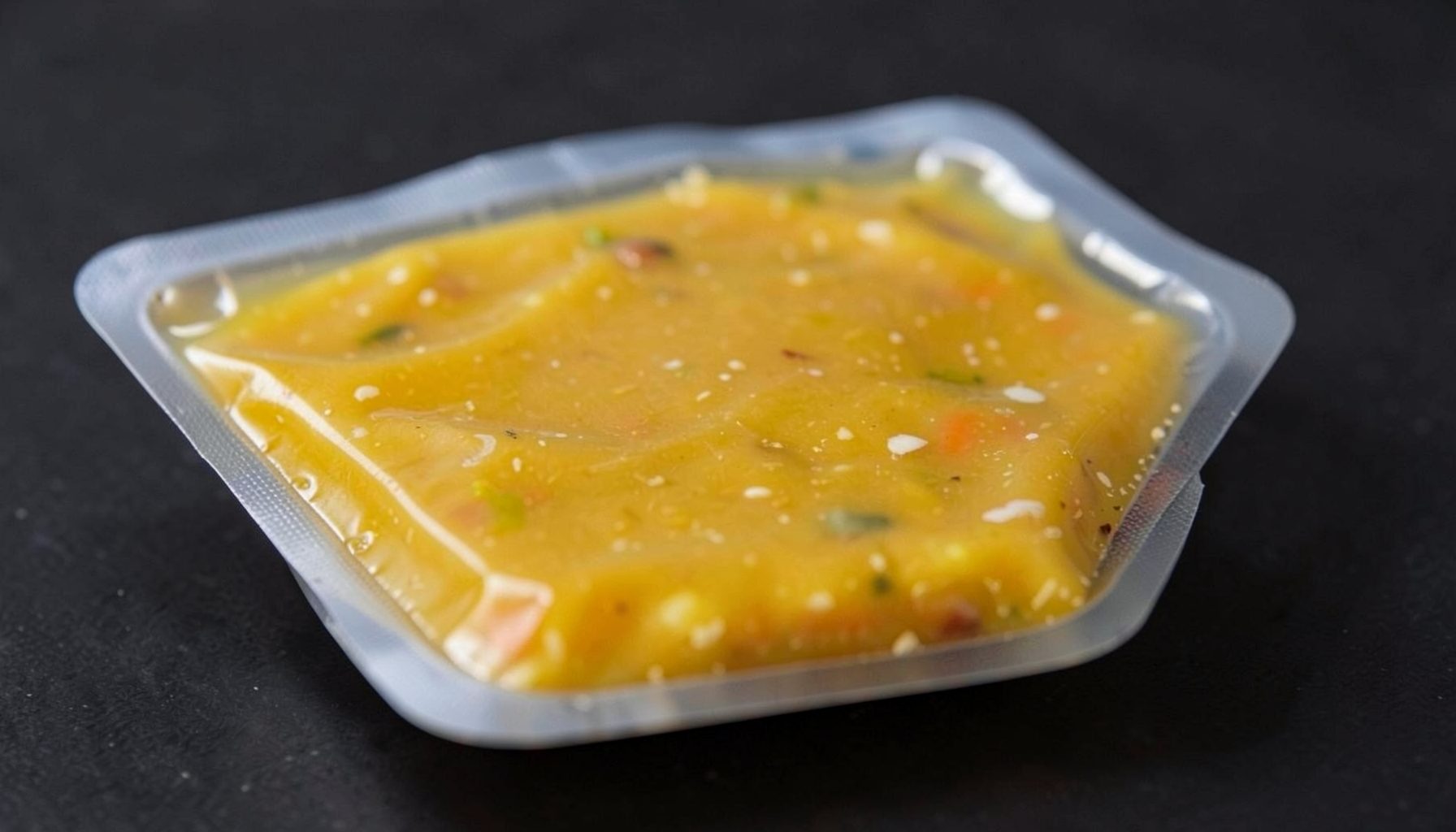
蛤?! Golden Clam Broth — New Batch
NT$ —
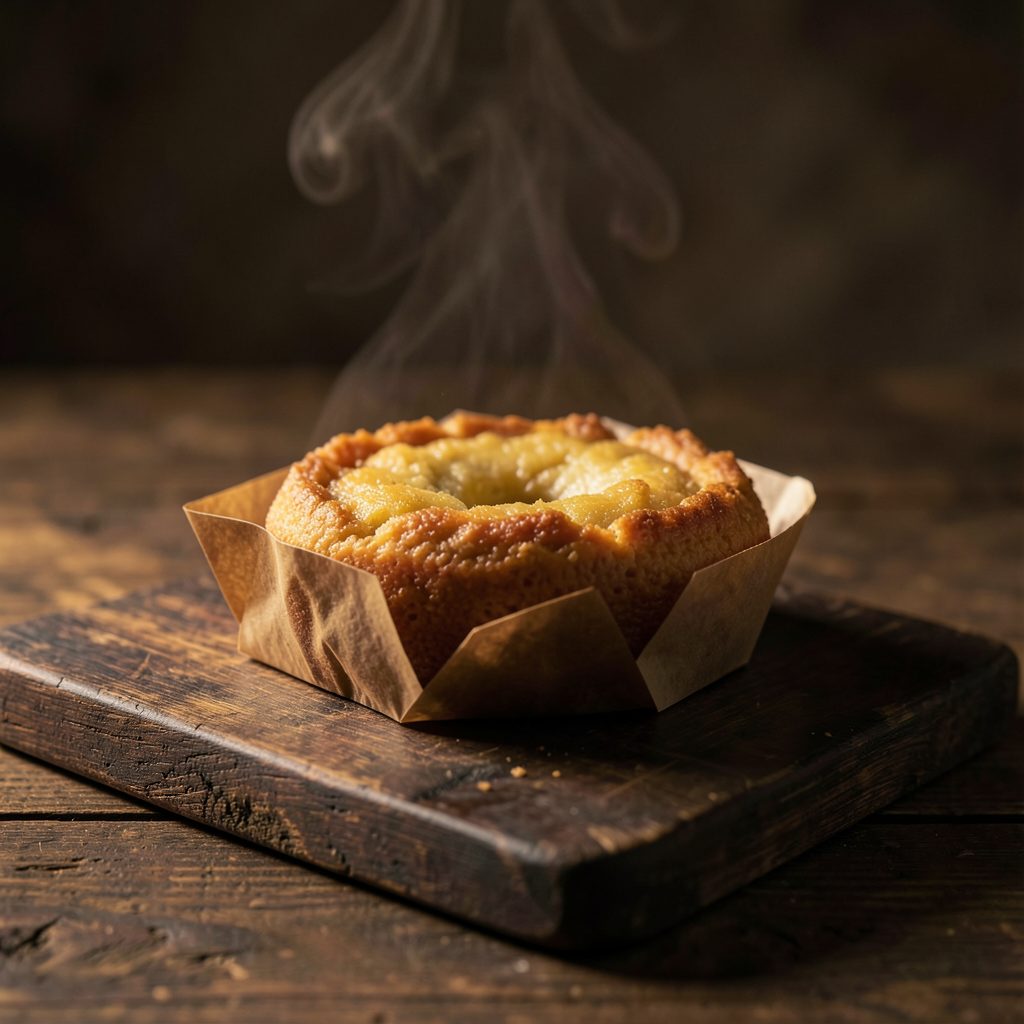
Radish Cake —蘿蔔糕精神
NT$ —
Duo Soup Base Set
NT$ —
Hot Pot Essentials Bundle
NT$ —
About 蛤?! Huh Pot
蛤?! Huh Pot is a Cantonese-style hot pot brand known for its signature clam-based broth —卜卜蜆 — made with rich old-hen stock and generous portions of fresh clams. The brand also encompasses 本事滿足鍋物, a personal hot pot concept, bringing the same depth of flavor to individual servings.
Through MoneyCome Mart, these restaurant-quality soup bases, dry noodles, radish cakes, and signature sauces are available for home delivery across Taiwan. Restaurant locations in Taipei's Da'an District, Civic Boulevard, and Taichung's Gongyi Road also welcome guests for dine-in, with online reservations available.