How to Use a Cantonese Soup Base to Braise Pork Belly
A Cantonese hot pot soup base can become the foundation of a rich, aromatic pork belly braise. Rather than starting with many separate spices, you use the concentrated broth to season the meat as it slowly cooks, creating tender slices with savoury depth and a glossy finish.
This method suits Australian home kitchens, whether you are cooking for a family dinner in Melbourne, preparing a winter meal in Canberra, or hosting friends in Sydney. With a pot, a few fresh ingredients and a chilled delivery from MoneyCome Mart, restaurant-style flavour is achievable without complicated preparation.
Choose A Suitable Soup Base
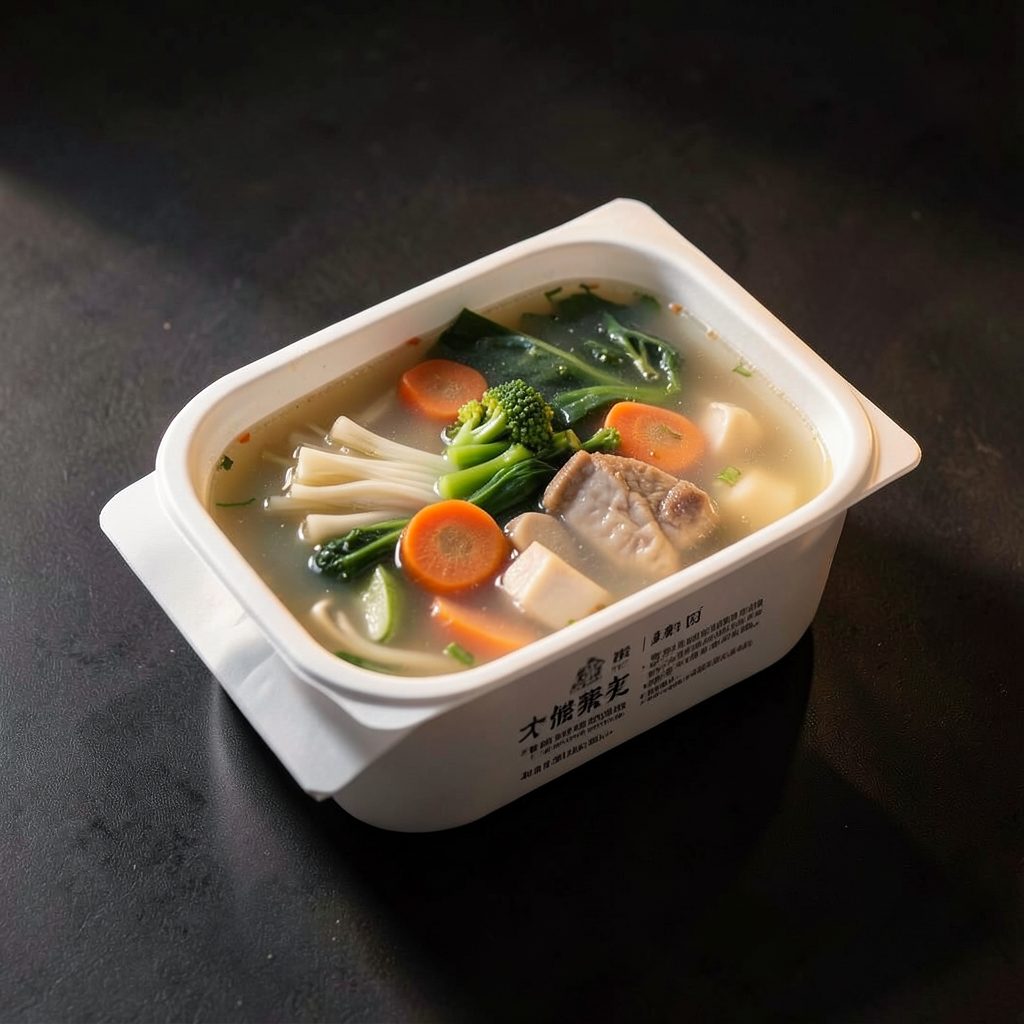
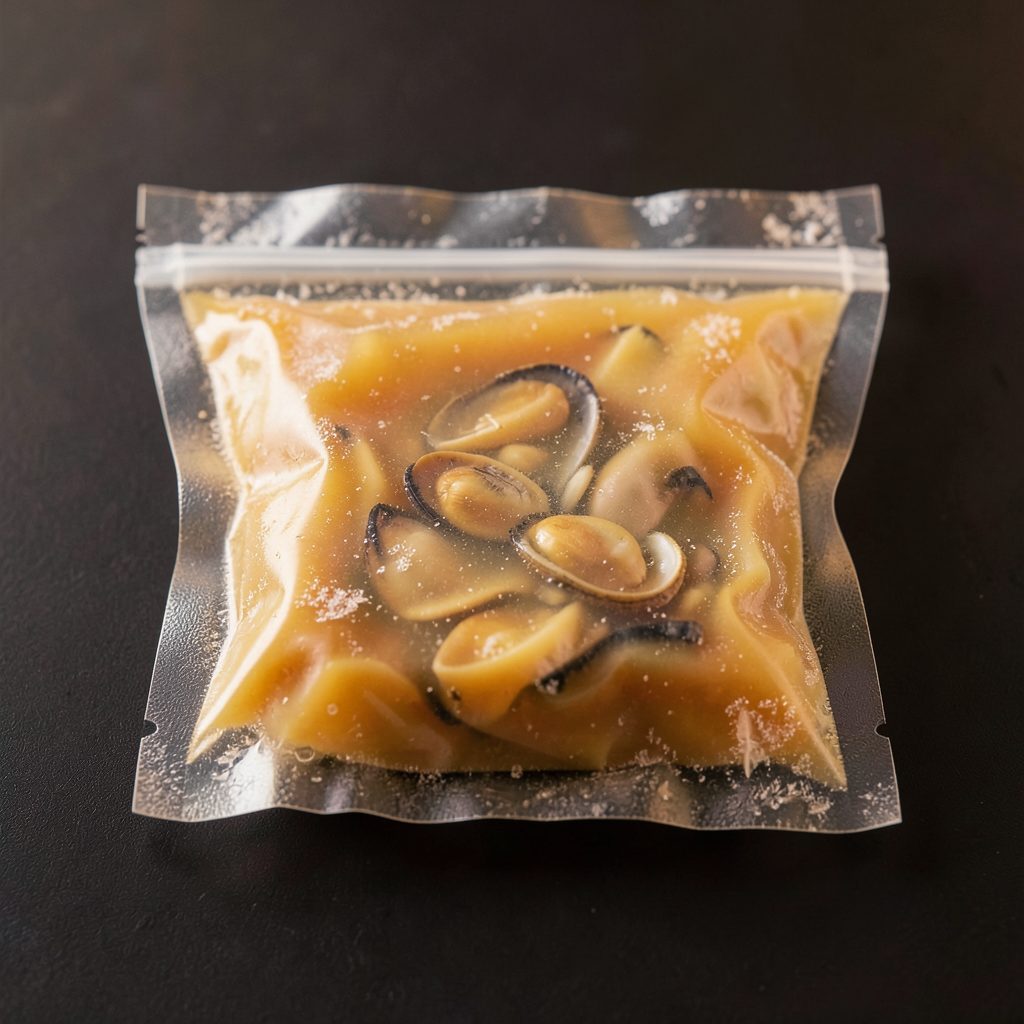
Select a soup base with savoury, herbal or clam-broth notes rather than a strongly spicy base unless you want heat to dominate the pork. The 蛤?! Huh Pot range includes Cantonese hot pot products designed for convenient home cooking, making these broths a practical starting point for a braising liquid.
Read the package directions before cooking, especially for dilution, salt levels and allergens. Some bases may contain seafood, soy, sesame, wheat or other ingredients that need to be declared under Australian food labelling rules. If you are cooking for guests, keep the original packaging available so everyone can check the ingredients.
Prepare The Pork Belly
Choose a piece of skin-on or skinless pork belly, depending on your preference. Skin-on pork gives the sauce extra body, while skinless pieces are easier to slice and tend to absorb seasoning more quickly. Cut the meat into large cubes, around four to five centimetres wide, so it remains substantial after a long simmer.
Blanch the pork in boiling water for three to five minutes, then drain and rinse it. This removes excess impurities and produces a cleaner braising liquid. Pat the pieces dry before browning; moisture on the surface can prevent caramelisation and cause oil to spit.
Build The Aromatic Base
Warm a heavy pot or Dutch oven with a small amount of neutral oil. A durable casserole is useful for maintaining steady heat; a sturdy Dutch oven can move from stovetop to oven when your recipe calls for slow, even cooking. Brown the pork in batches until several sides are golden, then transfer it to a plate.
Add sliced ginger, garlic, spring onion and a small piece of cinnamon or star anise if these flavours suit your soup base. Cook briefly until fragrant. Pour in the prepared broth, scraping the browned pieces from the base of the pot. These caramelised bits add savoury complexity to the finished sauce.
Simmer Until Tender
Return the pork to the pot and add enough soup base to come halfway or two-thirds up the meat. Bring the liquid to a gentle simmer, then reduce the heat to low. Cover and cook for about 60 to 90 minutes, turning the pieces occasionally. The pork is ready when a chopstick or small knife slides into the meat with little resistance.
You can also transfer the covered pot to an oven set at approximately 150°C. This is useful when you want to prepare side dishes or tidy the kitchen while dinner cooks. Keep the liquid at a gentle simmer rather than a rapid boil, as aggressive bubbling can make the outside of the pork tough before the centre becomes tender.
Balance The Braising Sauce
Taste the liquid near the end of cooking. A soup base may already contain salt, so add soy sauce carefully and only after the pork has softened. A small amount of brown sugar can round out salty or herbal flavours, while Shaoxing wine, rice wine or a splash of black vinegar can add fragrance and brightness.
If the sauce is too thin, remove the lid for the final 15 to 20 minutes and let it reduce. For a glossy finish, lift out the pork, simmer the liquid until it lightly coats a spoon, then return the meat to the pot. Avoid adding cornflour too early, as extended cooking can make a thickened sauce lose its smooth texture.
Ingredients And Equipment Checklist
The recipe is flexible, but a few additions make the braise more balanced and easier to manage. Australian supermarkets commonly stock pork belly, ginger, garlic, spring onions and Chinese cooking wine, while Asian grocers often offer a wider selection of soup bases and noodles.
Keep these essentials ready before you start:
- Pork belly, cut into large cubes
- Cantonese soup base, diluted as directed
- Ginger, garlic and spring onion
- Heavy pot, Dutch oven or deep saucepan
For a mild family meal, use less of the concentrated base and extend it with water. For a fuller flavour, replace some of the water with unsalted chicken stock, taking care not to make the final sauce overly salty.
Serve Safely And Store Well
Serve the braised pork with steamed rice, blanched choy sum, bok choy or wheat noodles. Turnip cakes and other prepared Cantonese ingredients can also make the meal feel like a home hot pot spread. In cooler parts of Australia, the dish is especially satisfying with extra broth spooned over rice on a chilly evening.
Cool leftovers promptly and refrigerate them in shallow containers. Food Standards Australia New Zealand recommends keeping potentially hazardous food out of the temperature danger zone and reheating leftovers until steaming hot. Use refrigerated pork within a few days, or freeze it with some sauce in an airtight container. The flavour often deepens overnight, making the braise convenient for weekday lunches or relaxed weekend meals.
Best Sellers
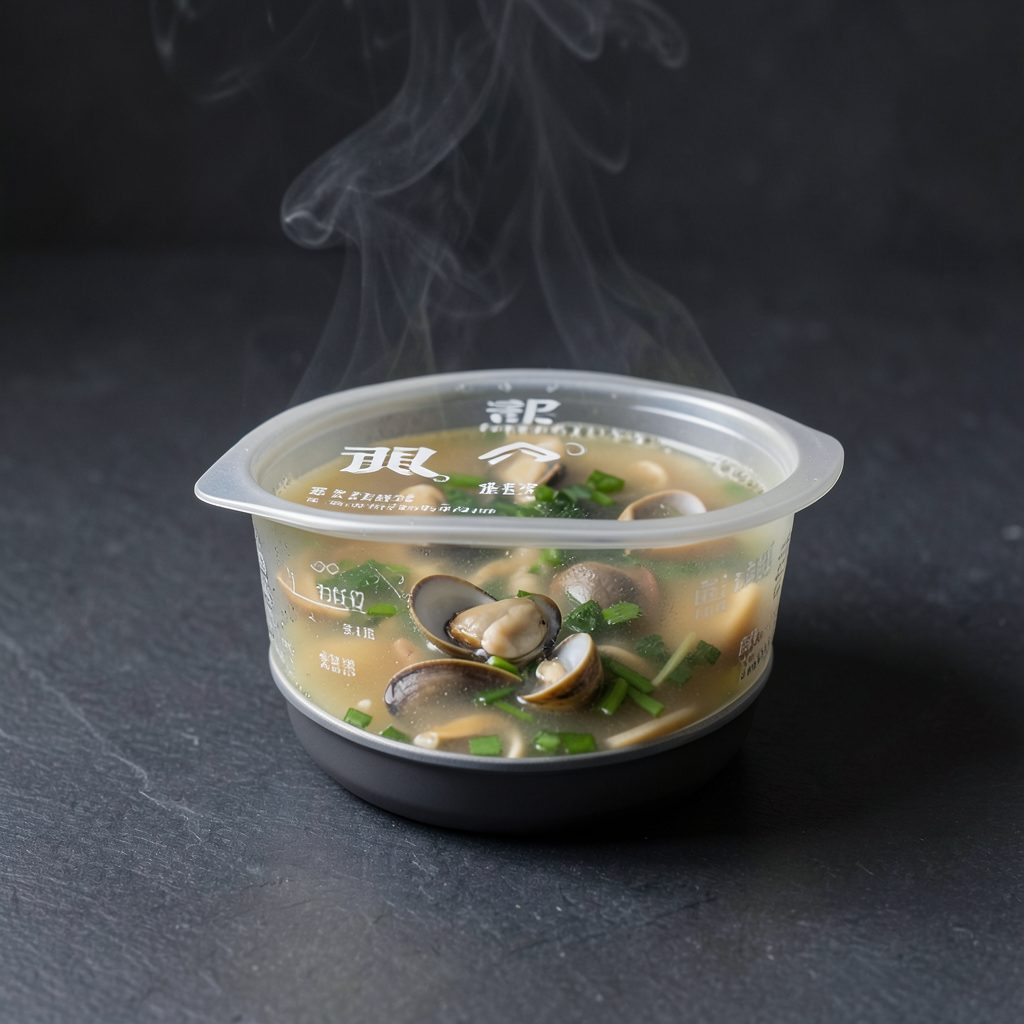
蛤?! Clam Soup Base —卜卜蜆
NT$ —
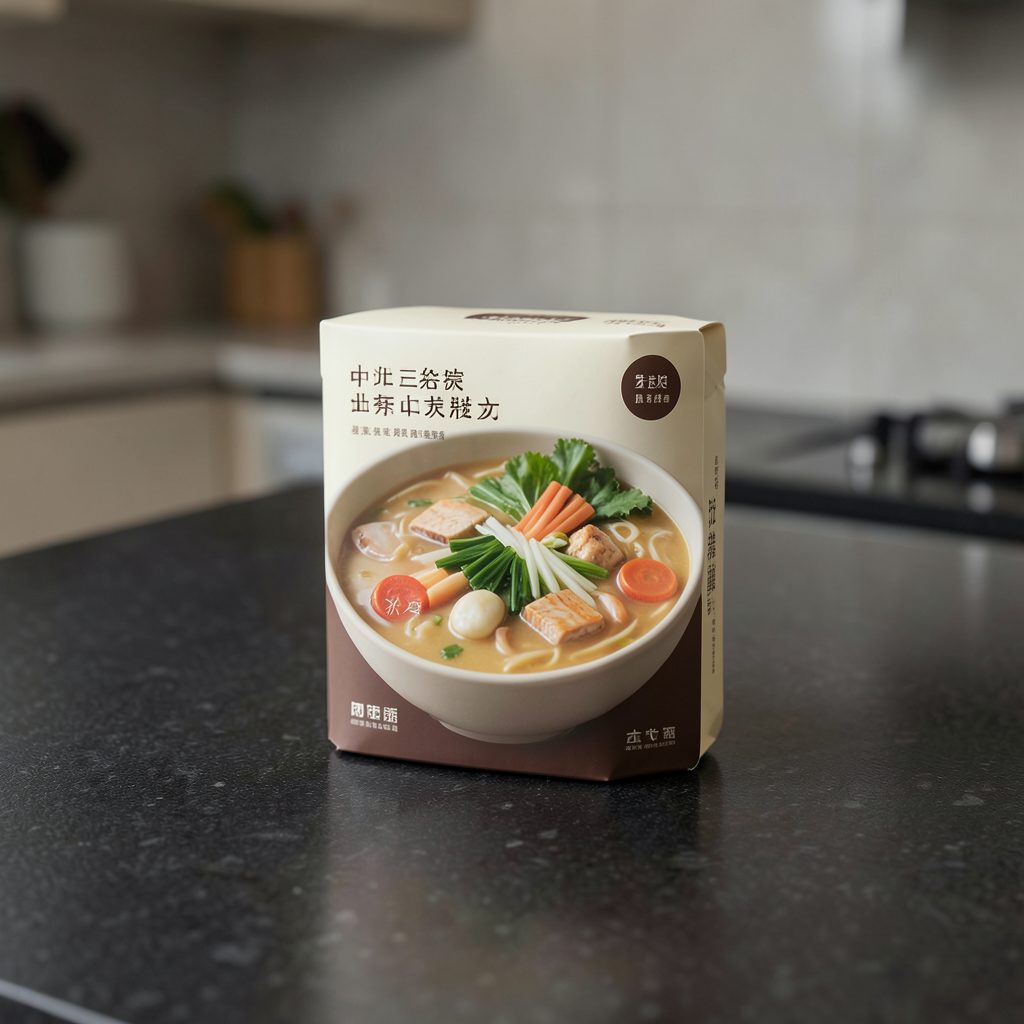
本事滿足鍋物 Personal Pot Base
NT$ —
蛤?! Dry Noodles
NT$ —
Signature Sauce
NT$ —
New Arrivals
蛤?! Golden Clam Broth — New Batch
NT$ —
Radish Cake —蘿蔔糕精神
NT$ —
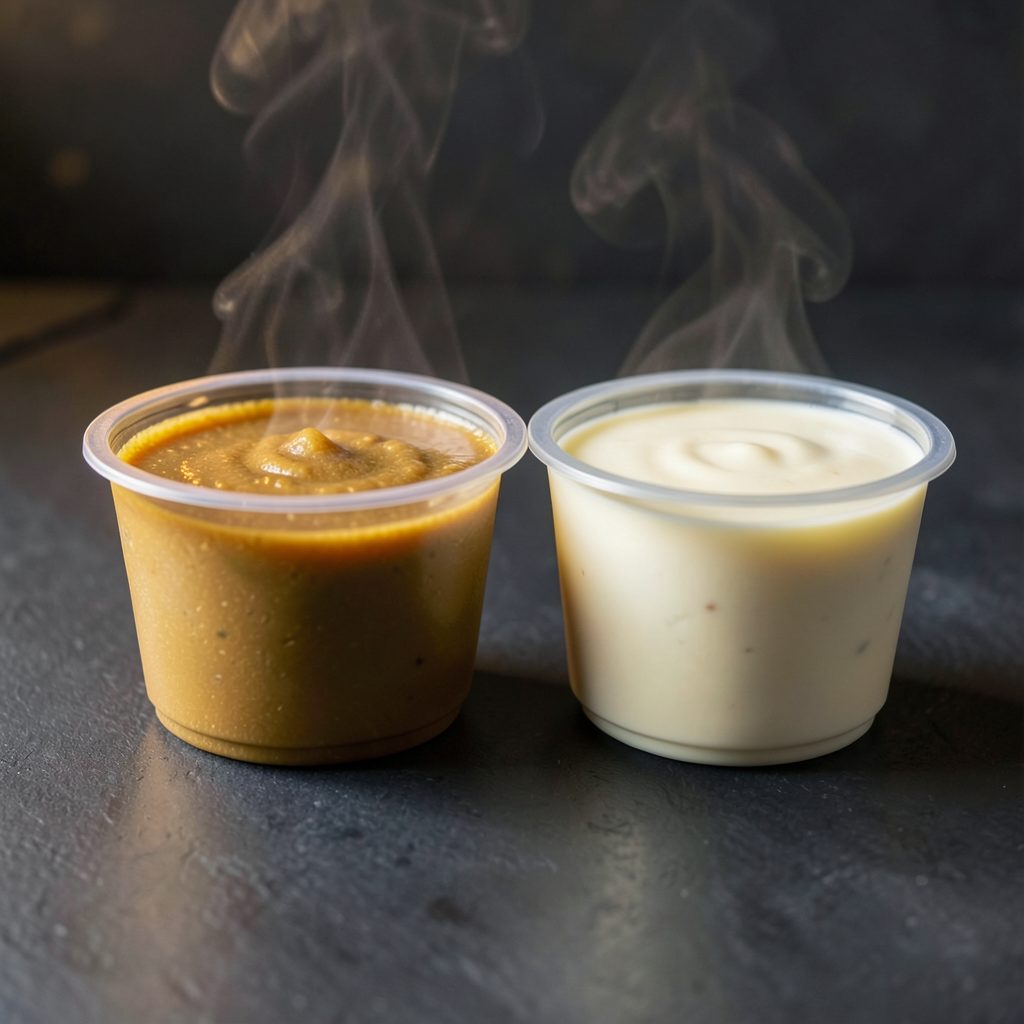
Duo Soup Base Set
NT$ —
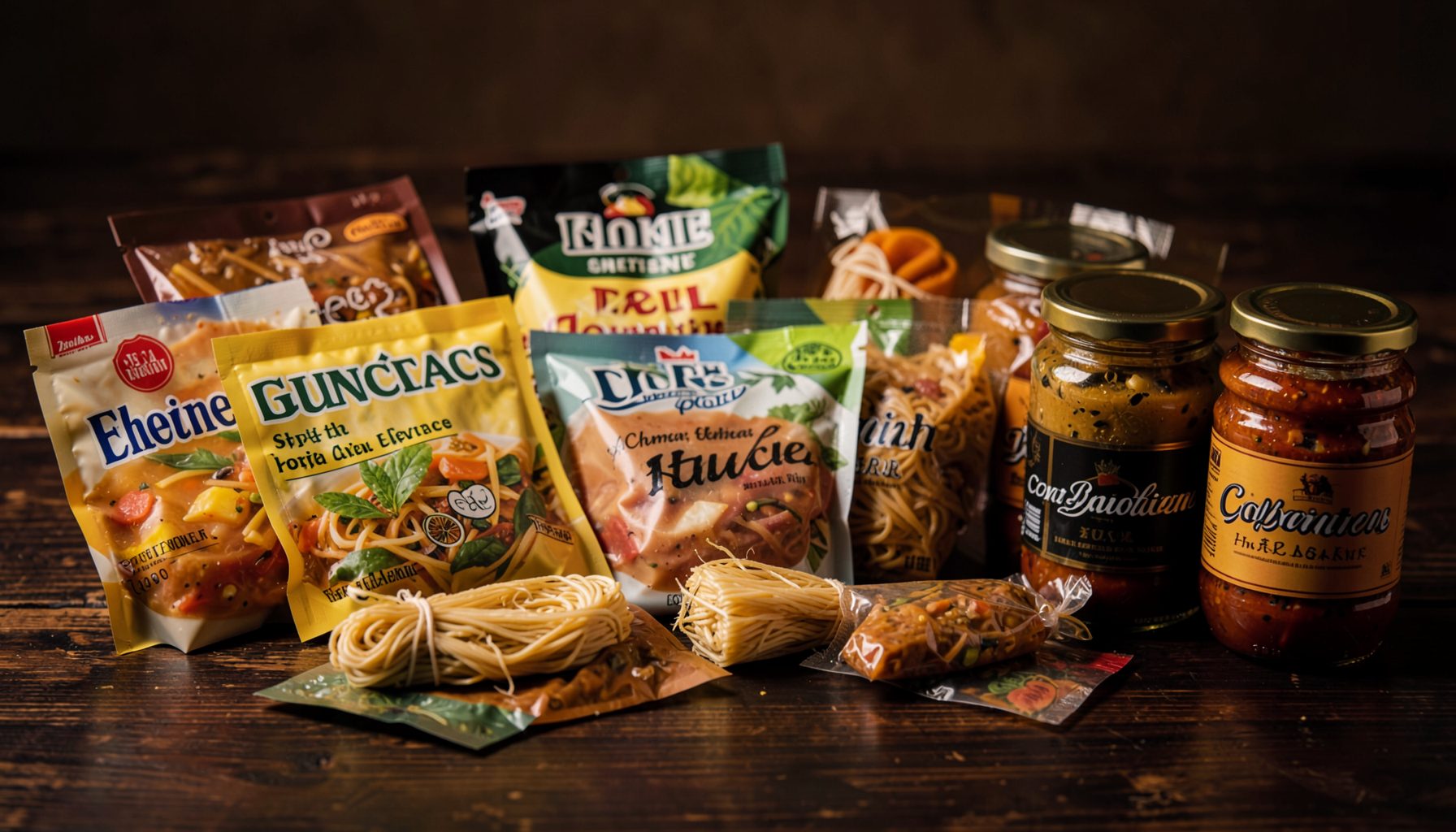
Hot Pot Essentials Bundle
NT$ —
About 蛤?! Huh Pot
蛤?! Huh Pot is a Cantonese-style hot pot brand known for its signature clam-based broth —卜卜蜆 — made with rich old-hen stock and generous portions of fresh clams. The brand also encompasses 本事滿足鍋物, a personal hot pot concept, bringing the same depth of flavor to individual servings.
Through MoneyCome Mart, these restaurant-quality soup bases, dry noodles, radish cakes, and signature sauces are available for home delivery across Taiwan. Restaurant locations in Taipei's Da'an District, Civic Boulevard, and Taichung's Gongyi Road also welcome guests for dine-in, with online reservations available.