How to Turn Sauce Packets into a Roasted Vegetable Glaze
Australians have always had a soft spot for big, caramelised trays of oven-roasted vegetables, from classic Sunday lamb roasts in suburban Melbourne to weeknight dinners in Perth apartments. Adding a glossy Asian-inspired finish is a simple way to lift humble carrots, pumpkin, and broccoli into something memorable. Cantonese-style sauce packets, designed to flavour hot pot broths, are surprisingly effective when brushed across vegetables during the last stretch of roasting. They bring a balance of savoury depth, gentle sweetness, and aromatic spice that plain olive oil and salt rarely achieve.
These concentrated pouches were developed for one job, but their blend of soy, fermented aromatics, and sugar makes them equally useful in the oven. For home cooks in Sydney and Brisbane who already keep a few Asian condiments on hand, treating a sauce packet as a finishing glaze is an easy upgrade. The trick lies in knowing which vegetables hold up to high heat, how to thin the sauce so it brushes on evenly, and when in the cooking window to apply it for maximum shine.
The Umami Edge That Makes Sauces Glaze Ready
A good Cantonese glaze needs three things working together: salt, sugar, and aromatics. Most hot pot sauce packets already hit these notes, with fermented bean paste, garlic, ginger, and a touch of rock sugar built into the recipe. When exposed to dry oven heat, the sugars caramelise, the proteins brown, and the surface of each vegetable turns tacky and glossy. This is the same Maillard reaction that gives a properly seared steak its crust, only translated onto pumpkin wedges or cauliflower florets.
The viscosity matters more than people realise. A packet straight from the pouch can be too thick to brush and may scorch before the vegetables are cooked through. Loosening it with a small amount of neutral oil, rice wine, or even a splash of warm water turns it into a brushable coating that clings without pooling. From the sauce packet range, almost any variety that lists soy, garlic, or chilli will caramelise beautifully when given a chance.
Best Australian Vegetables for High-Heat Roasting
Australia's seasonal calendar shapes what ends up in the roasting tin. Autumn in Adelaide and Hobart brings dense pumpkins, sweet potatoes, and beetroot that can handle 220°C without turning to mush. Spring offers asparagus, baby carrots, and sugar snap peas, which only need a brief roast and a quick glaze at the end. Choosing vegetables cut to similar sizes ensures they finish cooking at the same moment, so no piece is left raw or burnt.
Local farmers markets in places like Paddy's Markets in Sydney or the Queen Victoria Market in Melbourne make it easy to pick up just-picked produce that holds its colour and sweetness. Waxy potatoes, red capsicum, and broccolini are particularly good at absorbing glaze because their surfaces have small ridges and curves. Avoid very watery vegetables like fresh tomatoes or zucchini unless they are halved and seeded first, as excess moisture can wash the glaze off before it sets.
Preparing the Glaze for Brushing and Drizzling
Once a sauce packet is opened, give it a quick stir, then transfer about three tablespoons into a small bowl. Add one to two teaspoons of a neutral oil such as canola or grapeseed, and stir until the consistency resembles warm honey. For a sharper finish, a teaspoon of rice vinegar or a pinch of white pepper can be whisked in. The goal is a coating that flows off the brush in a thin ribbon, not a thick paste that sits on top of the vegetable.
A few quick adjustments fit common flavour profiles:
- Add half a teaspoon of honey or brown sugar for a sweeter glaze.
- Stir in chilli flakes or a few drops of chilli oil for more heat.
- Mix in a pinch of ground cumin or smoked paprika for a smoky note.
Tasting the glaze raw is essential. If it is too salty, balance it with a touch of honey or brown sugar. If it is too sweet, a splash of soy sauce or a few drops of fish sauce can pull it back. Australian home cooks used to measuring by feel rather than scales will find this step forgiving, since the vegetables themselves absorb the flavour once roasting begins.
The Caramelisation Window: When to Brush
Glaze applied too early tends to burn long before the inside of the vegetable softens. The reliable approach is to roast vegetables dry with oil, salt, and pepper for most of their cooking time, then brush on the glaze during the final six to eight minutes. During this window, oven heat is hot enough to set the sugars without charring them, and the vegetables are already close to tender.
A second thin layer brushed on right after pulling the tray from the oven adds extra gloss and a final hit of aroma. Letting the tray rest for two minutes before serving lets the glaze firm up slightly, giving each piece that just-polished look often seen on restaurant plates. This timing trick is the same one used in commercial kitchens across Chatswood and Box Hill, where chefs serve glossy roasted sides alongside traditional mains.
Oven Temperatures and Tray Setups Worth Knowing
A hot oven is non-negotiable. Anything below 200°C will steam the vegetables rather than roast them, leaving the glaze sticky but pale. Setting the oven to 220°C fan-forced, the standard for most Australian built-in units, encourages browning. Spreading vegetables in a single layer across a lined tray is equally important, as overcrowding traps steam and prevents the edges from crisping.
For uneven vegetables like cauliflower or broccoli, roasting cut-side down on parchment paper creates a flat surface that catches glaze and turns deeply golden. A second smaller tray works better than cramming everything onto one, and rotating the tray halfway through ensures even heat exposure. These small adjustments are the sort of detail that separates an average tray from one worthy of a holiday spread.
Pairings and Serving Ideas for the Modern Australian Table
Glazed vegetables slide into plenty of local menus beyond the usual Sunday roast. They work well tucked into wraps with grilled chicken, scattered across a grain bowl with brown rice and quinoa, or served cold as part of a summer picnic platter alongside grilled prawns. For a casual weeknight, pairing them with steamed fish and jasmine rice keeps the meal light but full-flavoured.
A few combinations worth trying:
- Pumpkin glazed with satay-style sauce, served with roast chicken and a rocket salad.
- Broccolini brushed with chilli-garlic glaze, finished with toasted sesame seeds.
- Carrots and red onion roasted with a honey-soy glaze, scattered with crushed peanuts.
- Cauliflower florets coated in black bean glaze, served alongside grilled lamb cutlets.
Storing Leftover Glaze and Roasted Vegetables
Any leftover glaze should be refrigerated in a sealed jar and used within four days, in line with standard Australian food safety guidance on condiment storage. Because the glaze has already been heated once, it is safest to bring it briefly to a simmer before brushing it onto a fresh batch of vegetables. Leftover roasted vegetables keep well in an airtight container in the fridge for up to three days and can be revived in a hot oven for five minutes to bring back their glossy finish.
Freezing is possible but less rewarding, as thawed vegetables lose their crisp edges. For cooks in Darwin or Cairns dealing with humid pantries, keeping opened sauce packets in the fridge from the start extends their life and keeps the oils inside stable. A little planning goes a long way toward turning a single sachet into several memorable meals.
Best Sellers
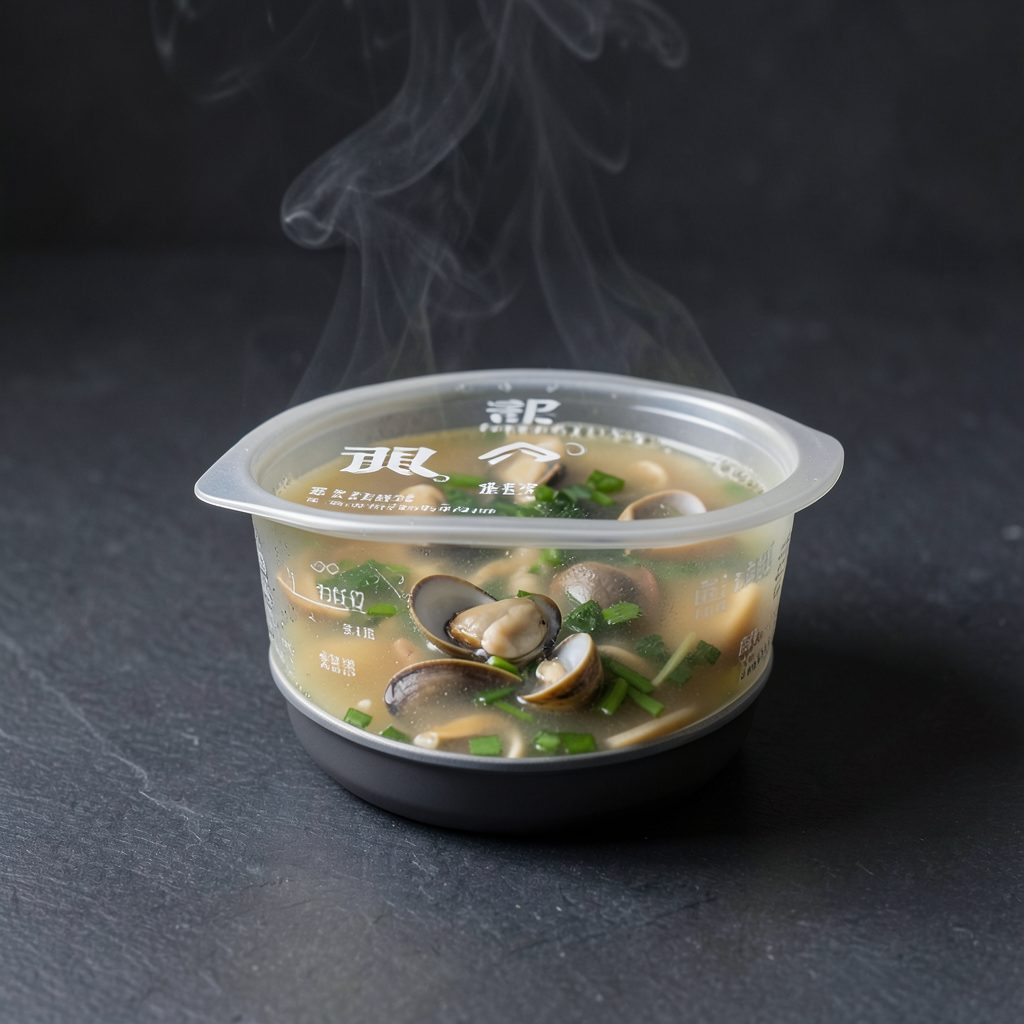
蛤?! Clam Soup Base —卜卜蜆
NT$ —
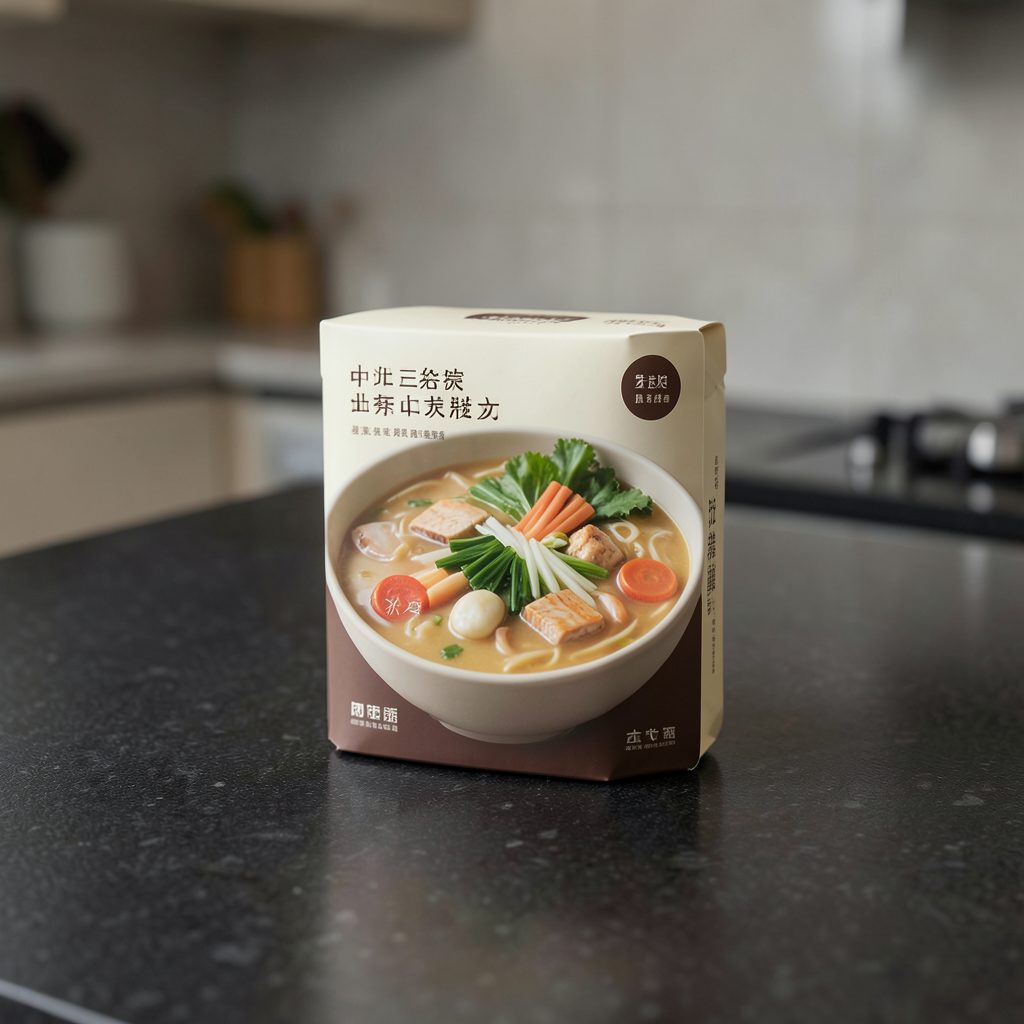
本事滿足鍋物 Personal Pot Base
NT$ —
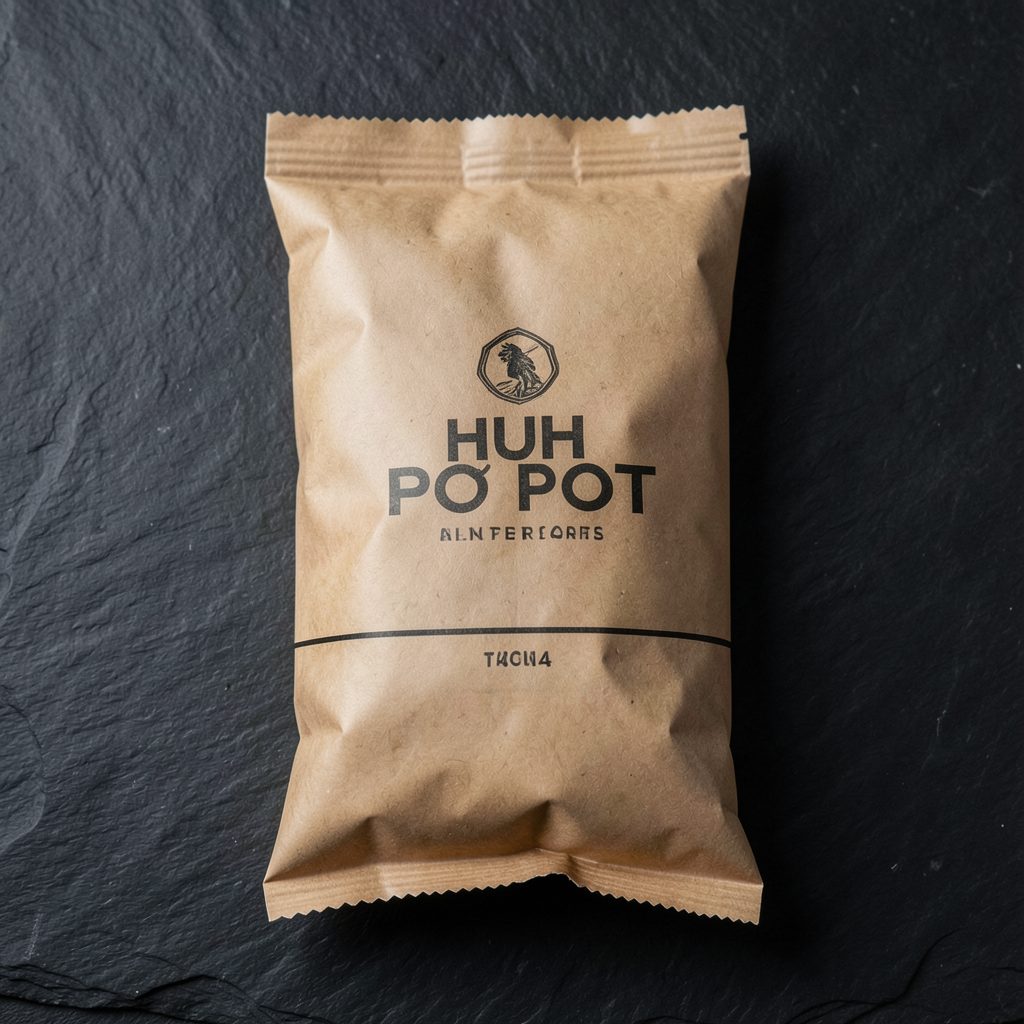
蛤?! Dry Noodles
NT$ —
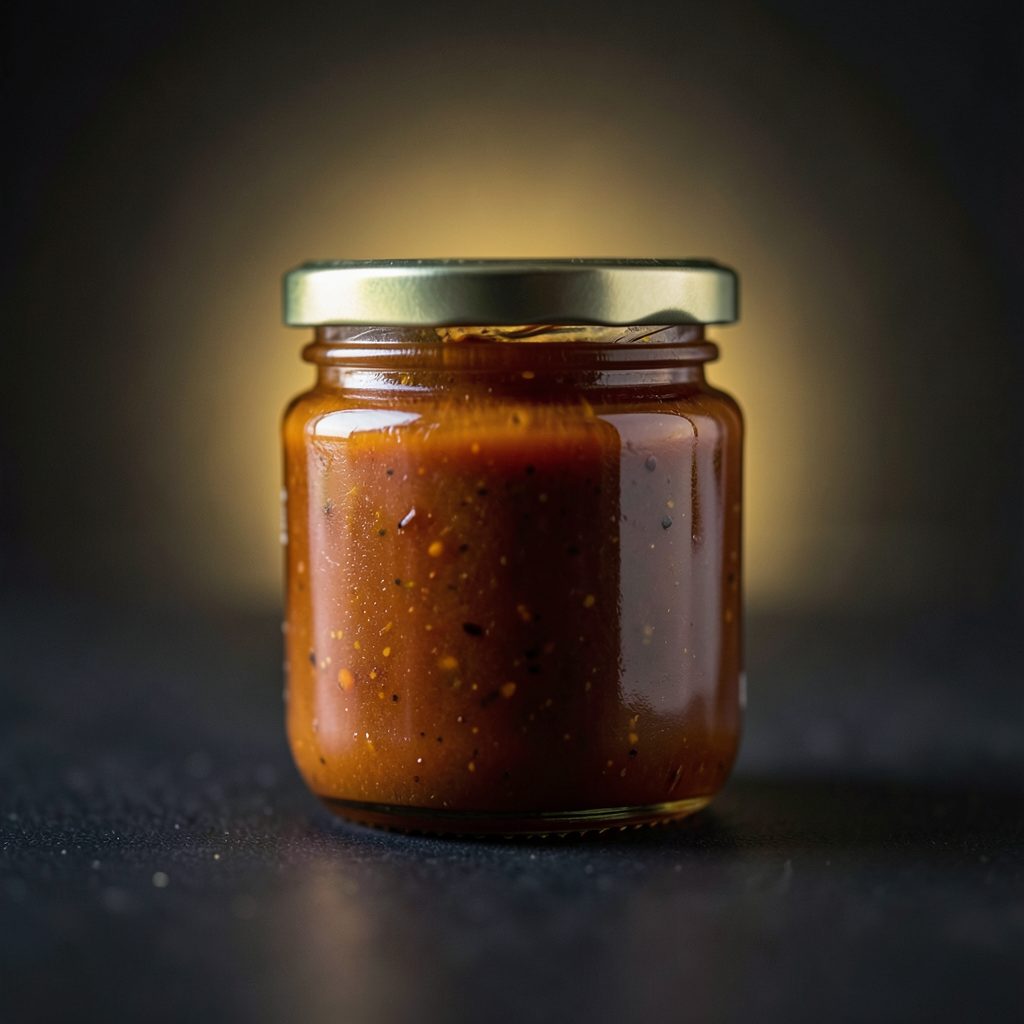
Signature Sauce
NT$ —
New Arrivals
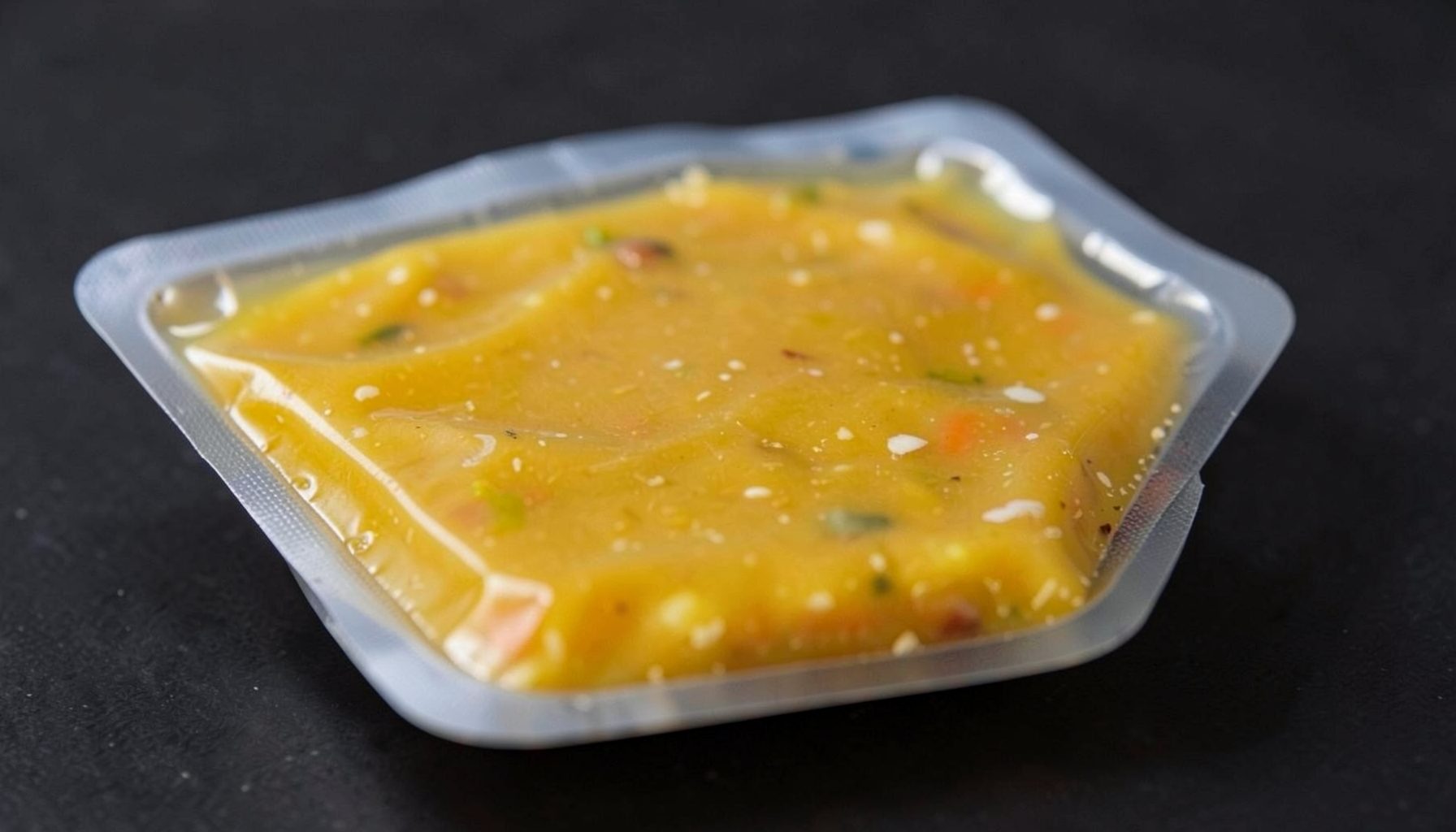
蛤?! Golden Clam Broth — New Batch
NT$ —
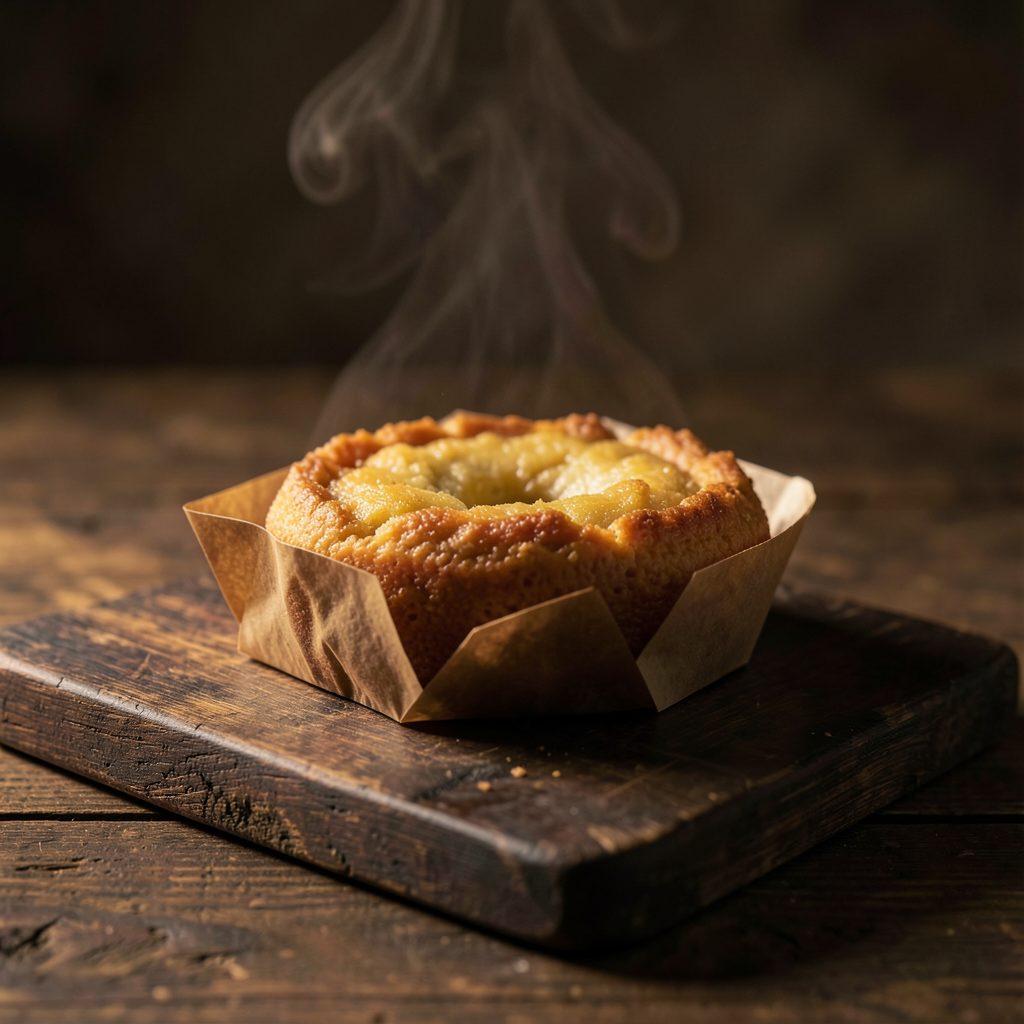
Radish Cake —蘿蔔糕精神
NT$ —
Duo Soup Base Set
NT$ —
Hot Pot Essentials Bundle
NT$ —
About 蛤?! Huh Pot
蛤?! Huh Pot is a Cantonese-style hot pot brand known for its signature clam-based broth —卜卜蜆 — made with rich old-hen stock and generous portions of fresh clams. The brand also encompasses 本事滿足鍋物, a personal hot pot concept, bringing the same depth of flavor to individual servings.
Through MoneyCome Mart, these restaurant-quality soup bases, dry noodles, radish cakes, and signature sauces are available for home delivery across Taiwan. Restaurant locations in Taipei's Da'an District, Civic Boulevard, and Taichung's Gongyi Road also welcome guests for dine-in, with online reservations available.