Turn Our Hot Pot Noodles into a Chilled Sesame Dip
When the mercury pushes past forty in a Melbourne January or Sydney finally breaks into a sticky thirty-five, few things hit the spot like a bowl of cold sesame noodles. The dish traces its roots back to northern China, where wheat noodles are dressed in a glossy, nutty sauce and served chilled to beat the summer heat. Australians have adopted this tradition with gusto, and chances are you've spotted sesame-dressed noodle salads at your local sushi train, a suburban yum cha joint, or even the deli section of Woolworths.
Our hot pot noodles might be designed for bubbling broth, but their springy texture holds up beautifully once chilled. By giving the strands a quick rinse under cold water, you stop the cooking process and lock in that satisfying chew. From there, a well-balanced sesame sauce turns a packet from our freezer into something entirely new: a refreshing side for a barbie or a light dinner after a long arvo at the beach.
Choosing the right noodle variety
Our range includes thin egg noodles, thicker wheat varieties, and a few rice-based options that all behave slightly differently once chilled. Thinner strands tend to clump faster but soak up more flavour, making them ideal when you want every bite coated in sauce. Thicker wheat noodles, like those bundled in our signature packs, keep their bounce even after an ice bath and stay separate on the fork. Both work, but the choice depends on whether you want a fork-twirl experience or a chopstick-friendly pile.
If you're new to our range, the about us page walks through how each brand sources and processes its noodles, so you can pick the one that matches your texture preference. For a cold dip, lean toward the springier wheat noodles because they survive refrigeration without turning mushy, which matters when you're prepping ahead for guests in Brisbane's relentless humidity.
Building a sauce that actually tastes like something
A good sesame sauce is more than peanut butter thinned with water. The real backbone is Chinese toasted sesame paste, which has a deeper, smokier profile than Middle Eastern tahini. Combine it with light soy, Chinkiang black vinegar for that tart edge, a touch of sugar, minced garlic, and a splash of hot water until it loosens into a pourable consistency. Some home cooks stir in a teaspoon of chilli oil for warmth, while others add a spoon of our house broth concentrate for an umami boost.
Speaking of umami, if you want to deepen the savoury notes without adding more soy, the team's clam broth guide explains how a teaspoon of concentrated clam essence can anchor a sauce. We tested it with sesame dressing during a humid Gold Coast weekend, and the result tasted closer to what you'd get at a dedicated Shanghainese spot in Cabramatta than anything from a jar.
Putting the dish together
Cook your chosen noodles in rapidly boiling water for a minute or two less than the packet suggests, since they'll soften further once dressed. Drain immediately and rinse under cold running water, tossing with your hands to wash away every trace of starch. This step is non-negotiable; skip it and you'll end up with a gummy, sticky mass rather than glossy individual strands.
While the noodles chill in a bowl of iced water, whisk your sauce until smooth. Taste and adjust with more vinegar if it's flat, more sugar if it's sharp, more sesame paste if it's thin. Drain the noodles thoroughly, pat them dry with a clean tea towel, then tumble them into the sauce and mix gently so each strand gets coated. Garnish with sliced cucumber, spring onion, and a sprinkle of toasted sesame seeds. The whole process takes about fifteen minutes from packet to plate.
Making it work for an Australian table
Cold sesame noodles slot into Aussie entertaining in ways you might not expect. They're perfect alongside grilled prawns at a Christmas arvo barbie in December, where the mercury can easily hit thirty-eight and a hot side dish would wilt on the tray. They also travel well in a chilly bin to a picnic at Cottesloe Beach or a family gathering in the Adelaide Hills, staying safe and tasty for hours as long as they sit on ice.
For a complete spread, pair the noodle dish with sliced roast duck from your local Asian grocer, char siu pork from the nearest Chinatown, or a simple cucumber and smashed avocado salad for a lighter touch. Many Woolworths and Coles locations now stock Asian-style accompaniments like pickled carrot, edamame, and crispy fried shallots that can be tossed through the noodles just before serving. A few drops of sesame oil over the top right at the table give the dish that glossy, restaurant-style finish.
Keeping it fresh and safe
Because the dish is served cold, food safety matters more than it would with a hot meal. Cooked noodles should not sit at room temperature for more than two hours, less if your kitchen is already warm from the oven or summer sun. Store any leftovers in an airtight container in the fridge and eat within twenty-four hours for the best texture. The sauce actually improves overnight as the flavours meld, so making a double batch of dressing is fair game.
If you're prepping for a gathering, hold the noodles and sauce separately in the fridge, then combine them no more than thirty minutes before serving. This prevents the noodles from soaking up too much sauce and going heavy. A final toss with a splash of cold water brings back the silky slip if they've tightened up in the chiller. Serve straight from the fridge, and don't be surprised when your mates ask for the recipe before they've finished their first plate.
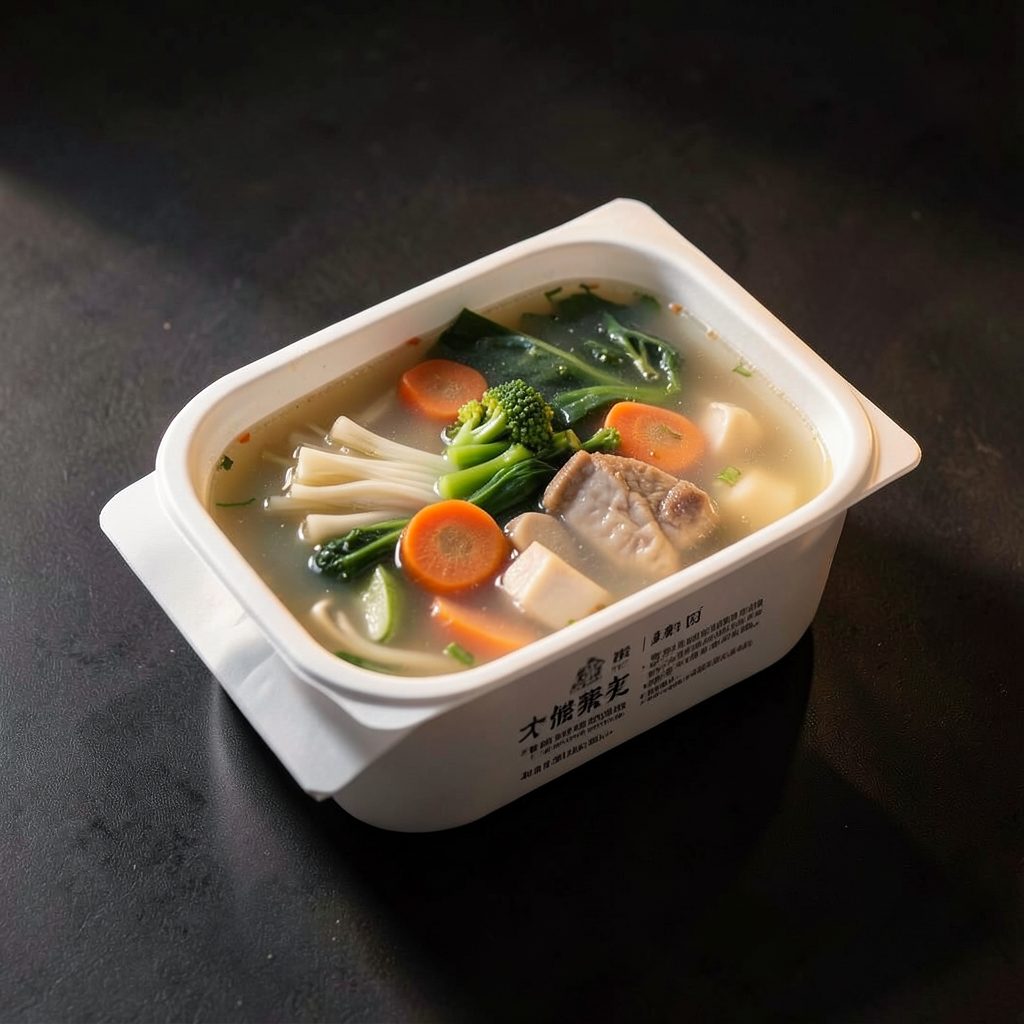
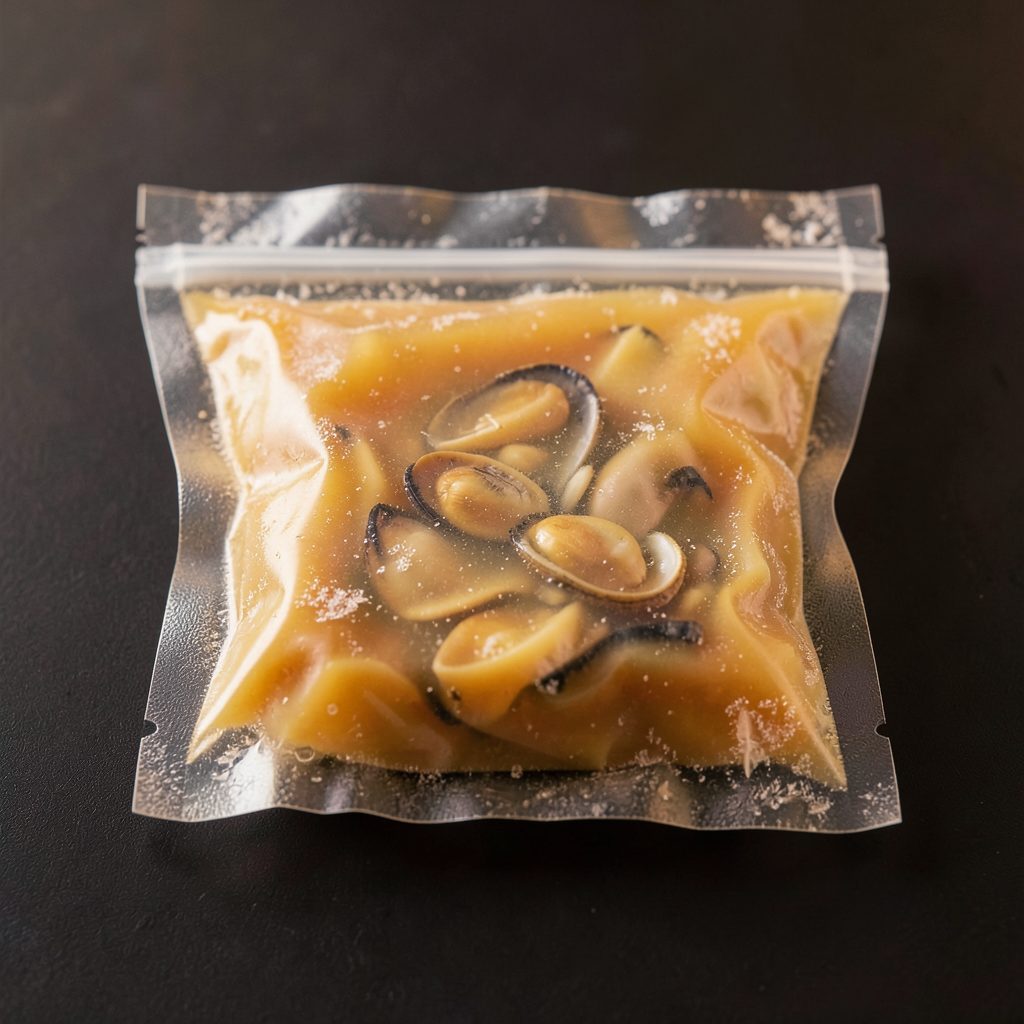
Best Sellers
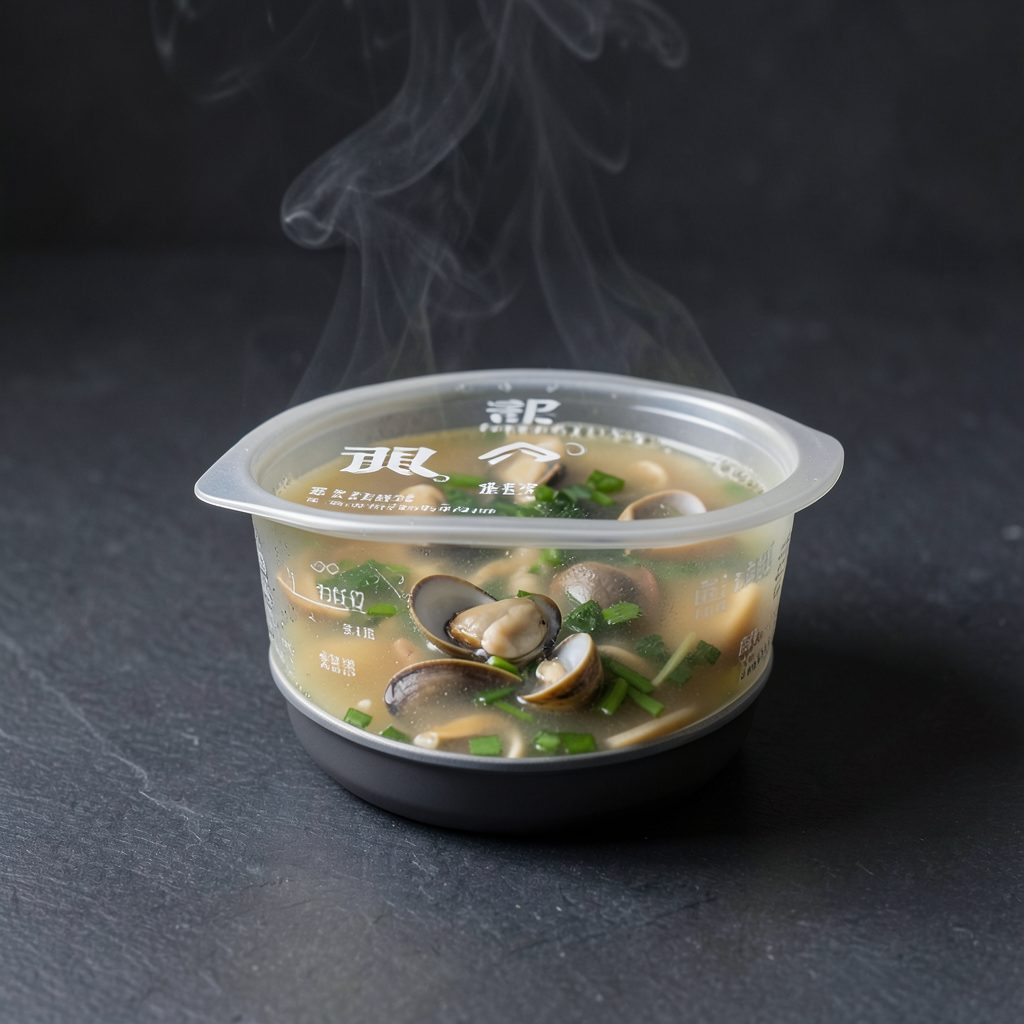
蛤?! Clam Soup Base —卜卜蜆
NT$ —
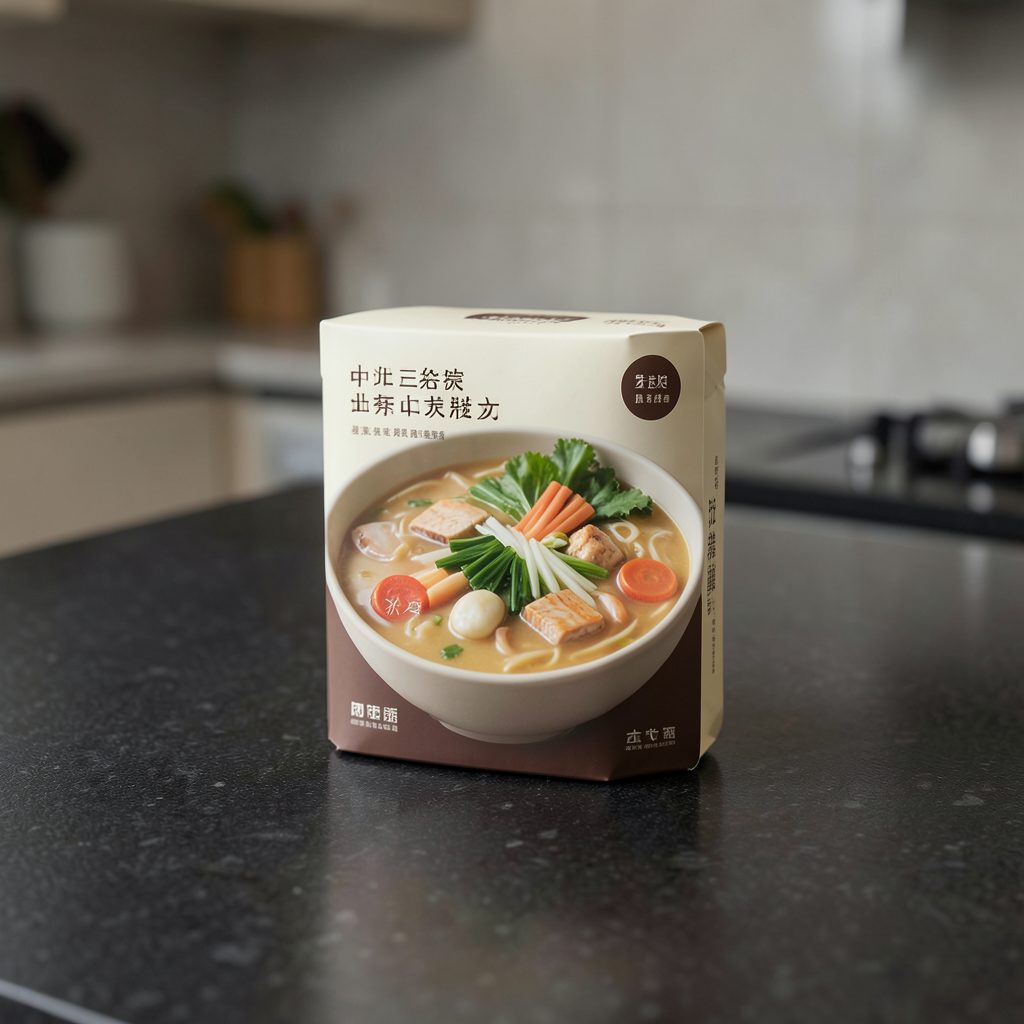
本事滿足鍋物 Personal Pot Base
NT$ —
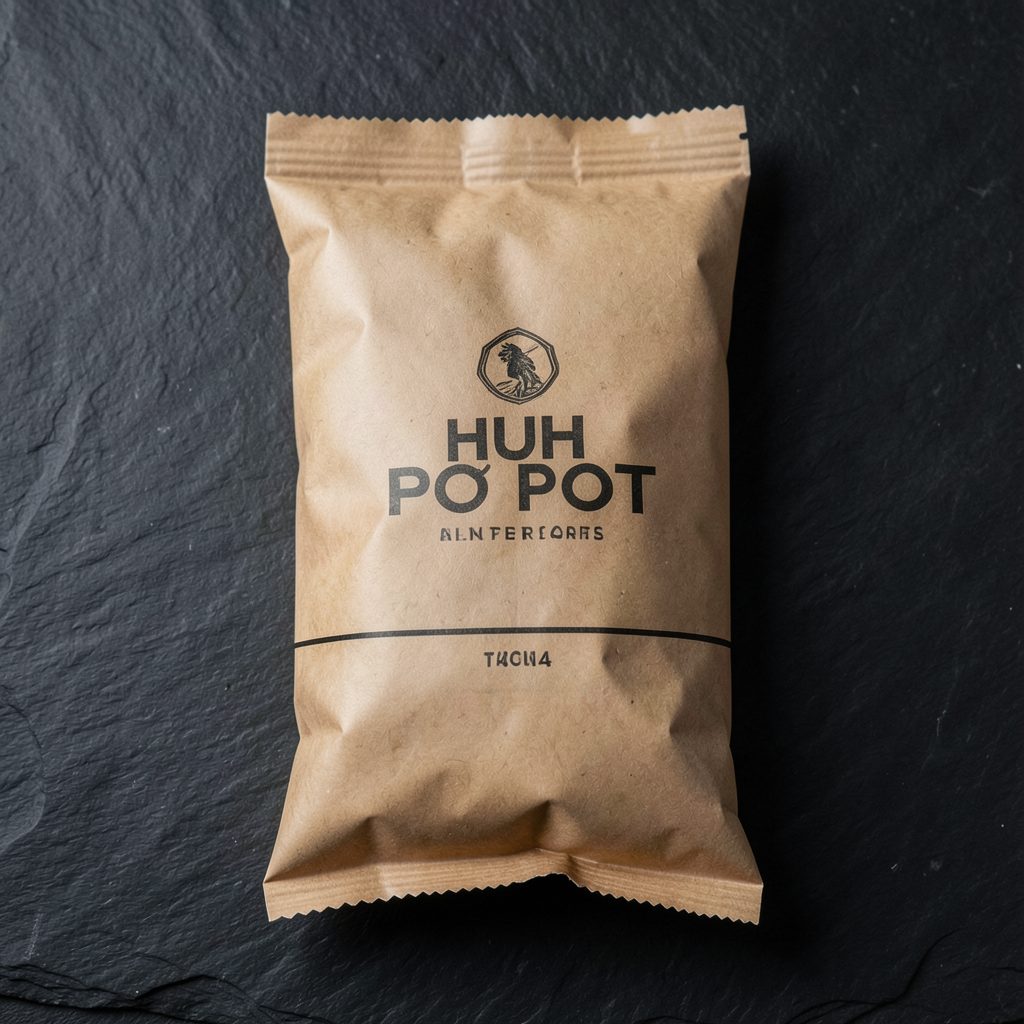
蛤?! Dry Noodles
NT$ —
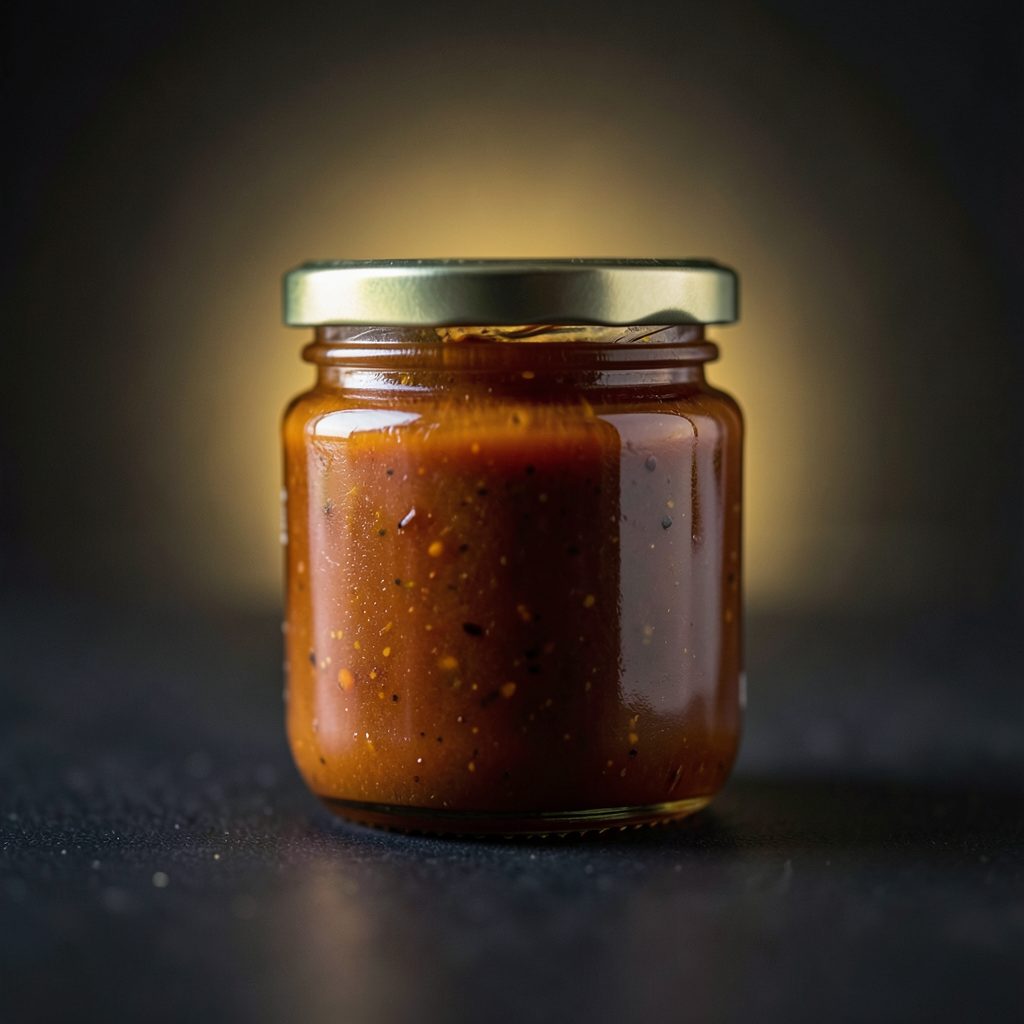
Signature Sauce
NT$ —
New Arrivals
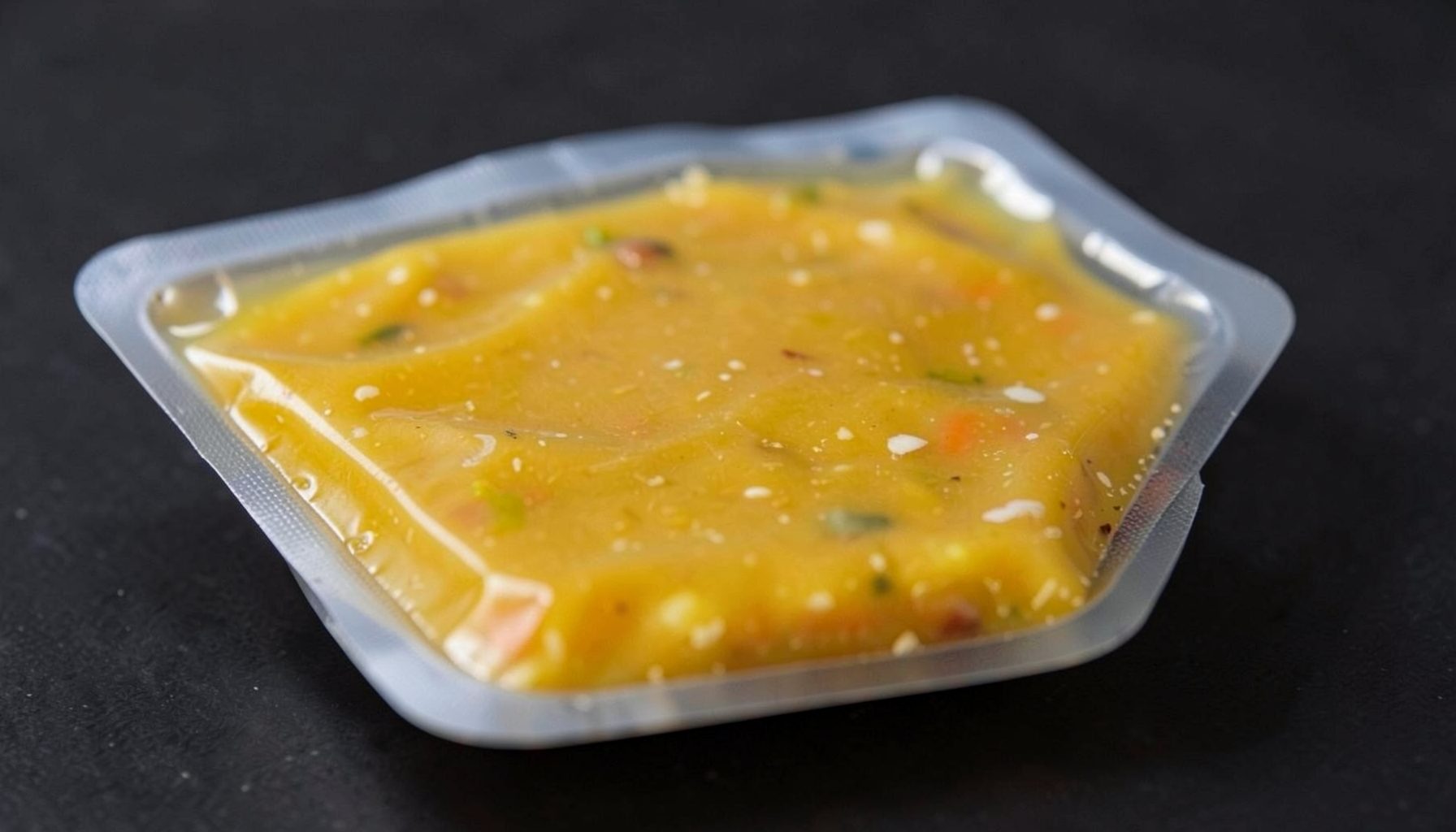
蛤?! Golden Clam Broth — New Batch
NT$ —
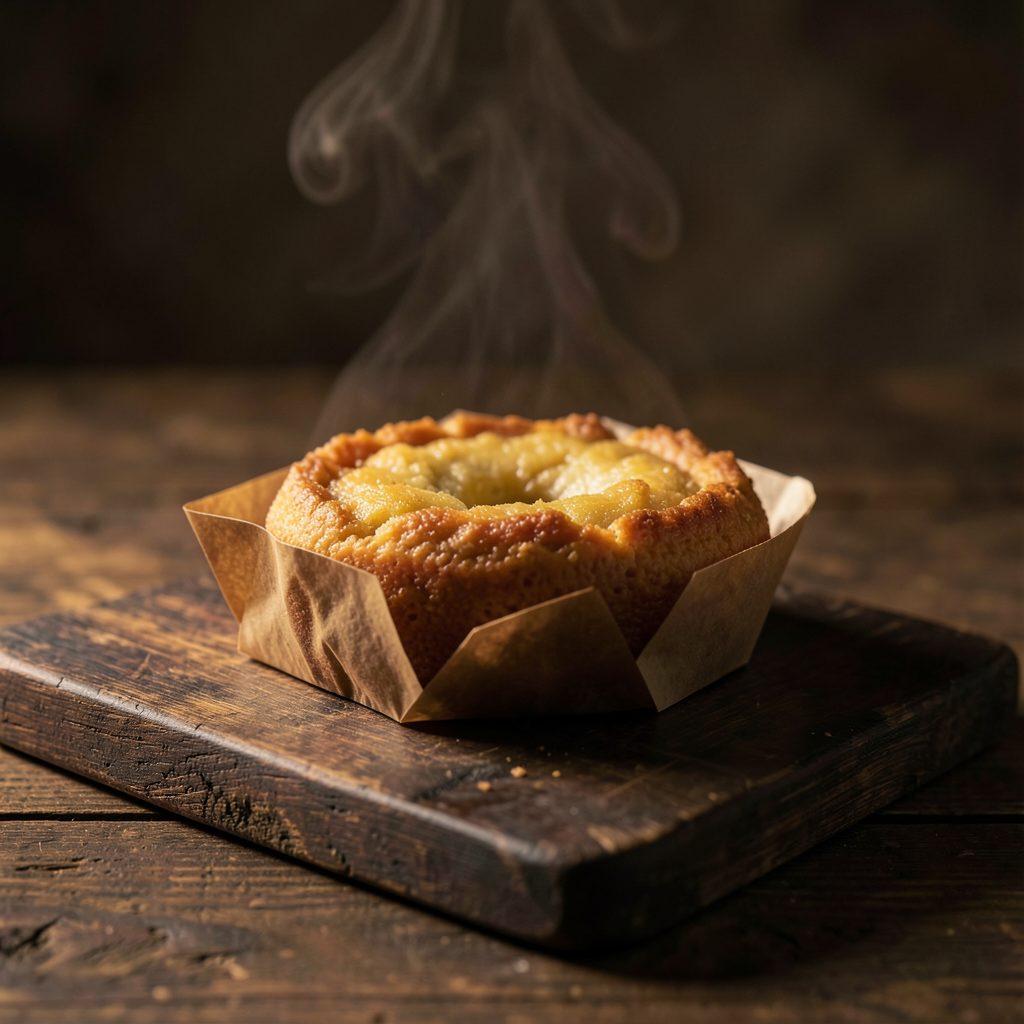
Radish Cake —蘿蔔糕精神
NT$ —
Duo Soup Base Set
NT$ —
Hot Pot Essentials Bundle
NT$ —
About 蛤?! Huh Pot
蛤?! Huh Pot is a Cantonese-style hot pot brand known for its signature clam-based broth —卜卜蜆 — made with rich old-hen stock and generous portions of fresh clams. The brand also encompasses 本事滿足鍋物, a personal hot pot concept, bringing the same depth of flavor to individual servings.
Through MoneyCome Mart, these restaurant-quality soup bases, dry noodles, radish cakes, and signature sauces are available for home delivery across Taiwan. Restaurant locations in Taipei's Da'an District, Civic Boulevard, and Taichung's Gongyi Road also welcome guests for dine-in, with online reservations available.