How to Use Frozen Soup Bases in a Slow Cooker
A Cantonese hot pot at home can be much easier than it looks when the broth is already prepared. Frozen soup bases provide a concentrated foundation of savoury flavour, so your slow cooker can gently develop the stock while you prepare vegetables, noodles and dipping sauces.
This method suits relaxed Australian meals, from a winter gathering in Melbourne to a weekend dinner in Brisbane. Start with a frozen Cantonese broth, add fresh ingredients in stages, and keep the finished soup hot enough for safe serving. The result is a practical slow cooker hot pot with restaurant-style depth and very little preparation.
Choose the right soup base
Frozen soup bases are usually portioned for convenient preparation, but check the package directions before adding water. A clam broth brings a briny, delicate flavour that works well with prawns, fish, tofu and leafy greens. A richer base can support beef, lamb, mushrooms and dumplings.
If the base is solidly frozen, place it in the slow cooker with the recommended amount of water or stock and use the high setting briefly to help it melt. You can also thaw it overnight in the refrigerator, which gives the cooker a quicker start and makes it easier to check the final concentration.
For a broad selection of Cantonese hot pot ingredients, browse MoneyCome Mart and look for soup bases, sauces, noodles and prepared sides that can be cooked together.
Build the broth before adding food
Begin with aromatics that complement the frozen broth rather than overpowering it. Sliced ginger, spring onion, garlic, white pepper and a few dried shiitake mushrooms are useful additions. Avoid salting at this stage, because the soup base may already contain seasoning and the broth will become more concentrated as it cooks.
Set the slow cooker to low and allow the broth to heat for around two hours, or until it is steaming consistently. Stir once the frozen block has melted. If the flavour is too strong, add boiling water; if it tastes light, let it cook uncovered for a short time or add a small amount of soy sauce near the end.
Add ingredients in cooking order
Slow cooking is ideal for firm ingredients that benefit from time in the broth. Add daikon, carrot, corn, pumpkin, chicken pieces or beef meatballs early enough for them to become tender. Cut everything into similar-sized pieces so the meal cooks evenly.
Delicate ingredients should go in later. Add prawns, sliced fish, tofu, cabbage, bok choy and fresh mushrooms during the final 20 to 30 minutes. Noodles, leafy greens and thinly sliced meat may need only a few minutes, particularly if guests are cooking them at the table from the hot broth.
For an Australian shopping list, look for wombok, Chinese broccoli, enoki mushrooms and thinly sliced beef at an Asian grocer in Sydney or Melbourne. Supermarkets such as Woolworths and Coles may also carry rice noodles, tofu and hot pot-style dumplings.
Make it a complete hot pot meal
A slow cooker can hold the broth at the centre of the meal while side plates offer variety. Arrange noodles, turnip cake, fish balls, sliced meat, vegetables and seafood separately so diners can choose what enters the pot. This approach also prevents delicate food from becoming overcooked while everyone is eating.
Use heatproof serving bowls and place the cooker on a stable, uncluttered bench. In Australia, an outdoor barbecue area or covered patio can be a practical setting for a group meal, but protect the slow cooker from wind, rain and direct sun. Keep an extension cord away from spills and high-traffic areas.
Finish the broth with sauces and aromatics
A dipping sauce can be as simple as soy sauce, sesame oil, chopped spring onion and fresh chilli. For a brighter Cantonese profile, add coriander, rice vinegar or a little grated ginger. Offer sauces separately so guests can adjust the salt, heat and acidity to suit their preferences.
Sesame oil is best treated as a finishing ingredient rather than something cooked for hours. This guide to finishing with sesame oil explains how a few drops can add aroma without masking the seafood or meat in the broth.
Keep the meal safe and leftovers useful
Frozen soup bases should remain properly chilled or frozen until use. Thaw them in the refrigerator rather than on the kitchen bench, and never place frozen food into a slow cooker without enough liquid to prevent scorching. Once the broth is hot, keep it visibly steaming and avoid leaving cooked meat or seafood at room temperature for extended periods.
Use a food thermometer for larger pieces of chicken or meat, aiming for safe internal temperatures according to Australian food-safety guidance. Refrigerate leftovers promptly in shallow containers and reheat the broth until piping hot. Noodles and leafy vegetables are usually better stored separately, as they can become soft after sitting in the soup.
For a relaxed Sunday lunch in Perth, Adelaide or Canberra, prepare the broth in the morning, arrange the ingredients just before serving, and let diners add food in small batches. This preserves texture and turns a convenient frozen soup base into a warm, interactive meal.
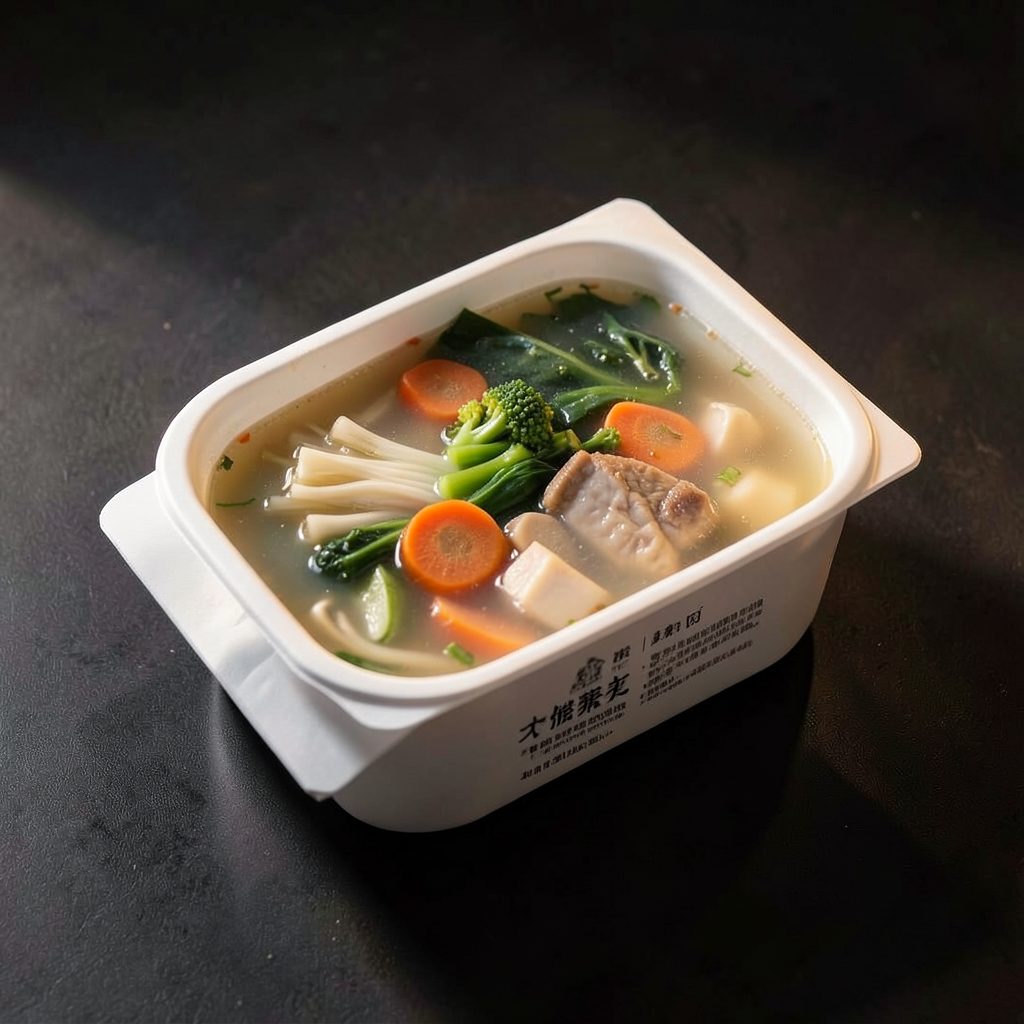
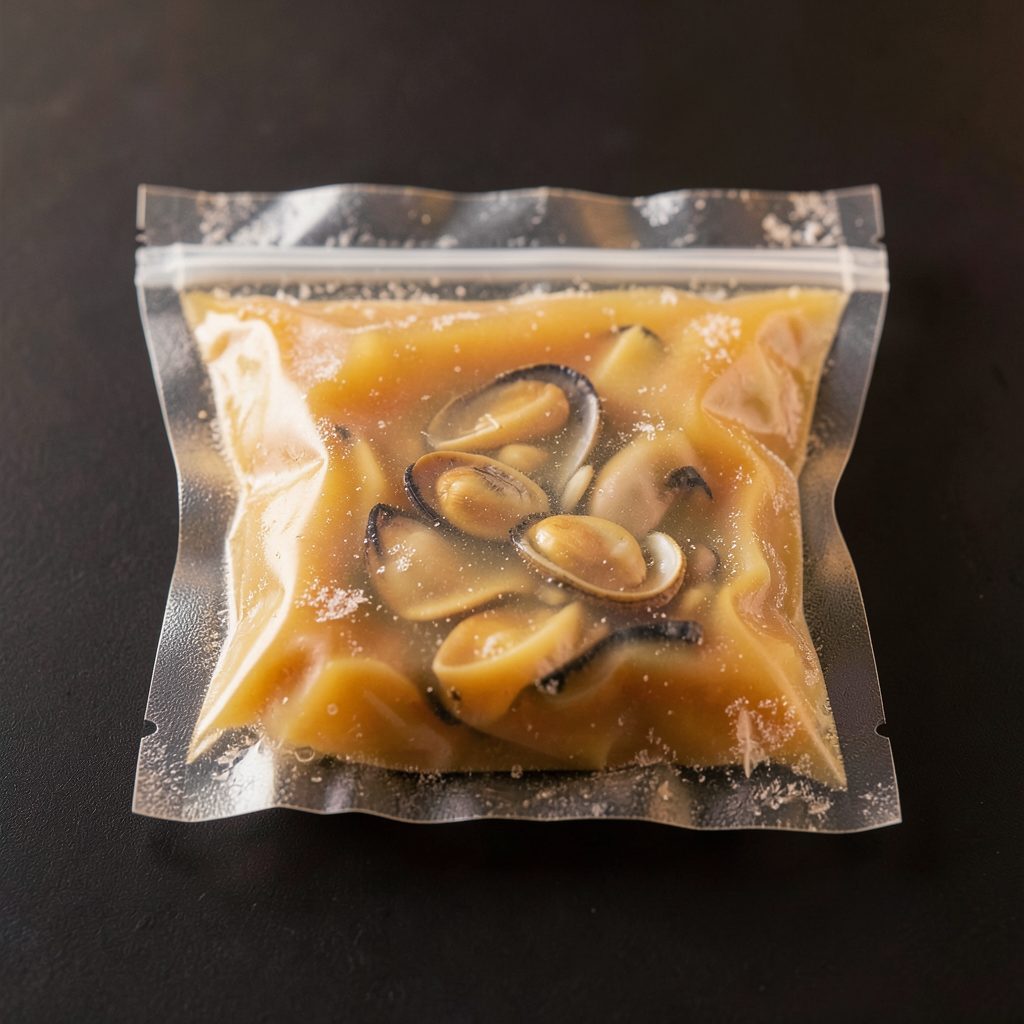
Best Sellers
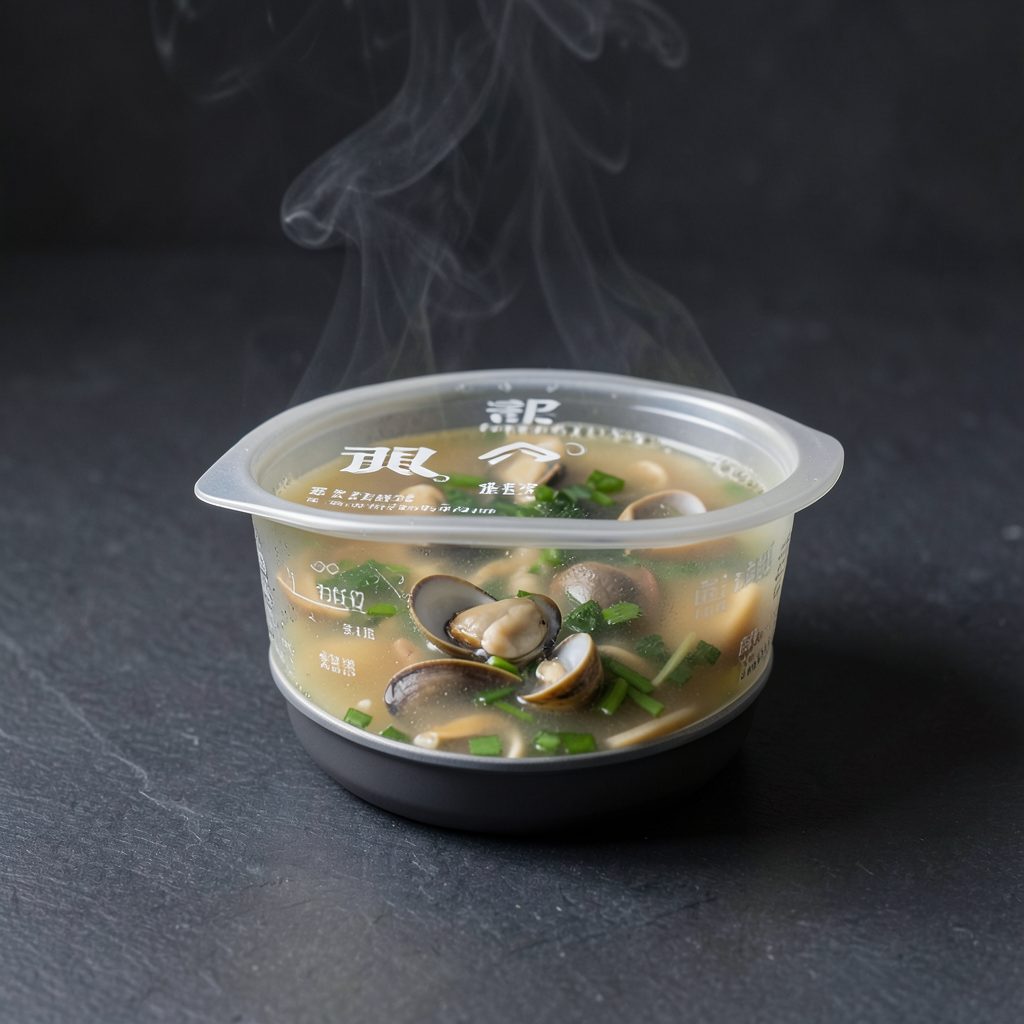
蛤?! Clam Soup Base —卜卜蜆
NT$ —
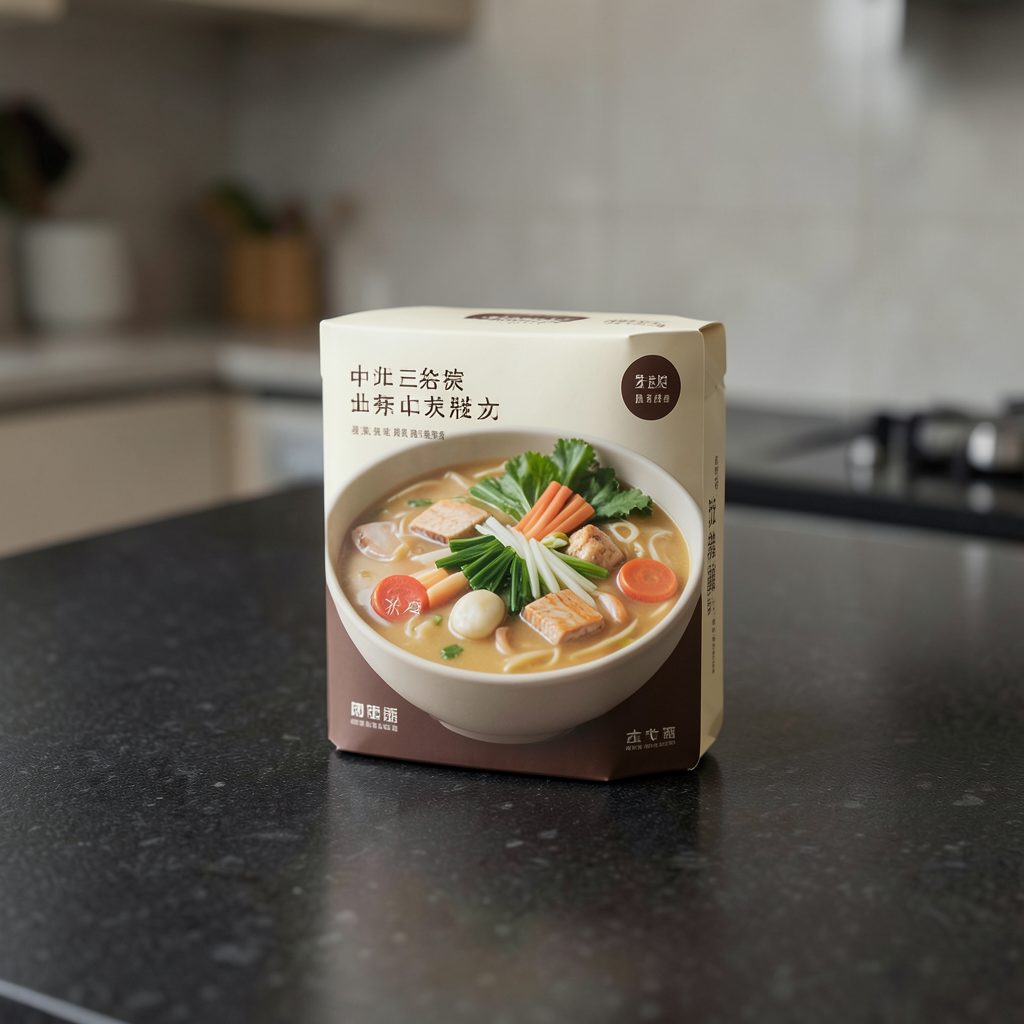
本事滿足鍋物 Personal Pot Base
NT$ —
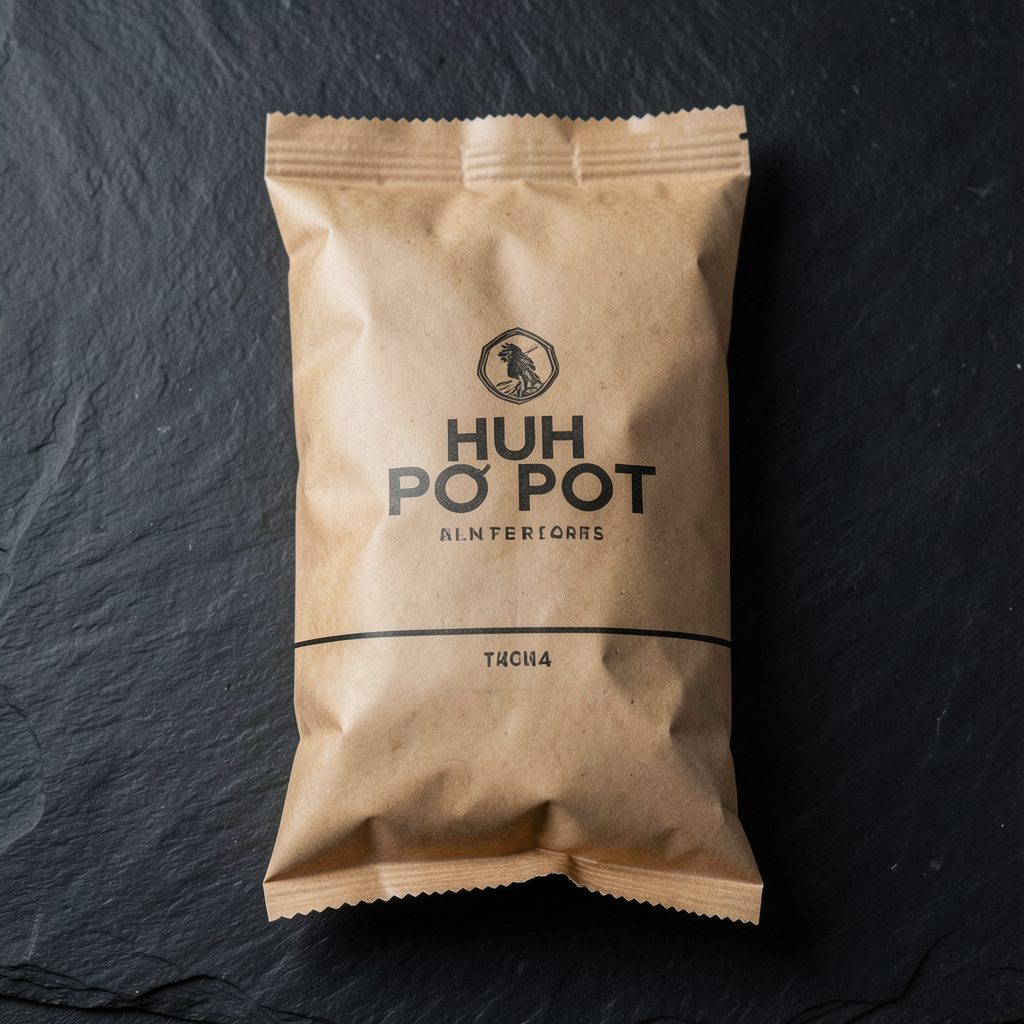
蛤?! Dry Noodles
NT$ —
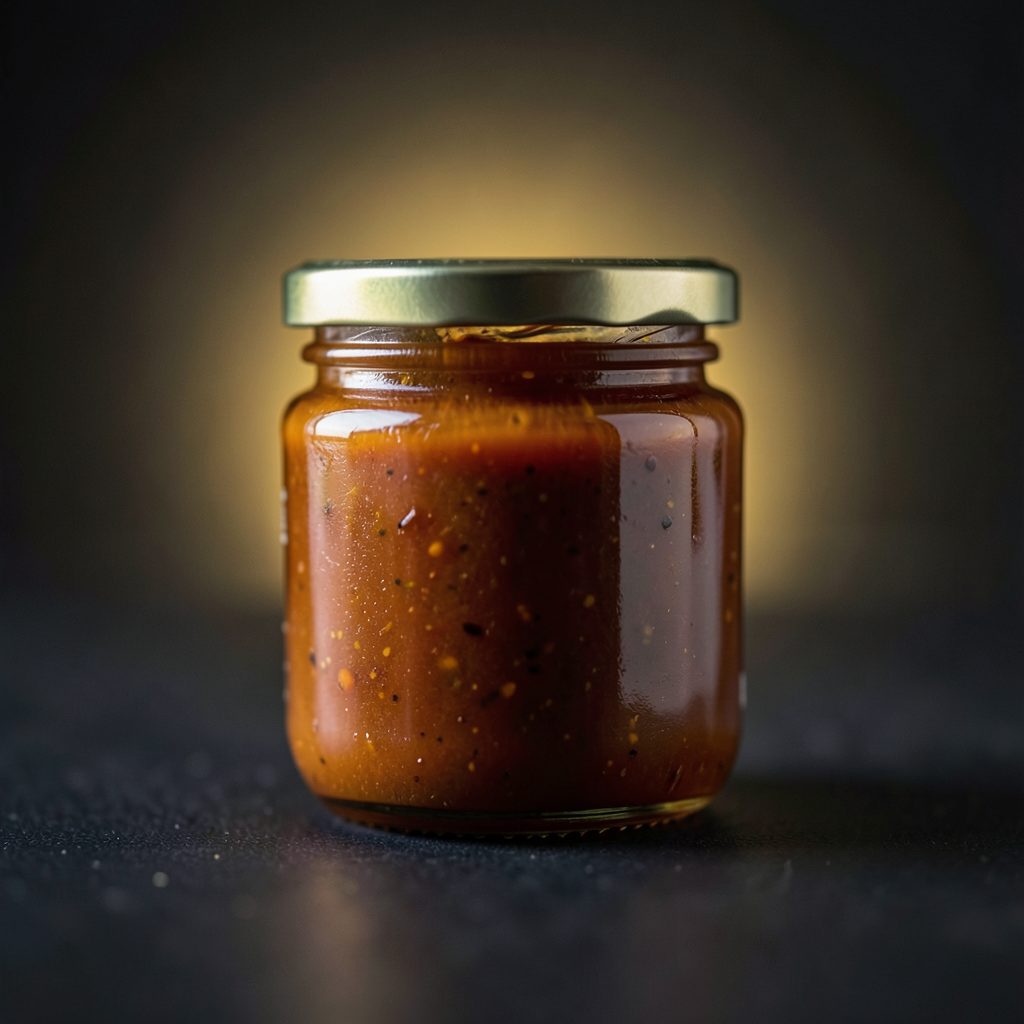
Signature Sauce
NT$ —
New Arrivals
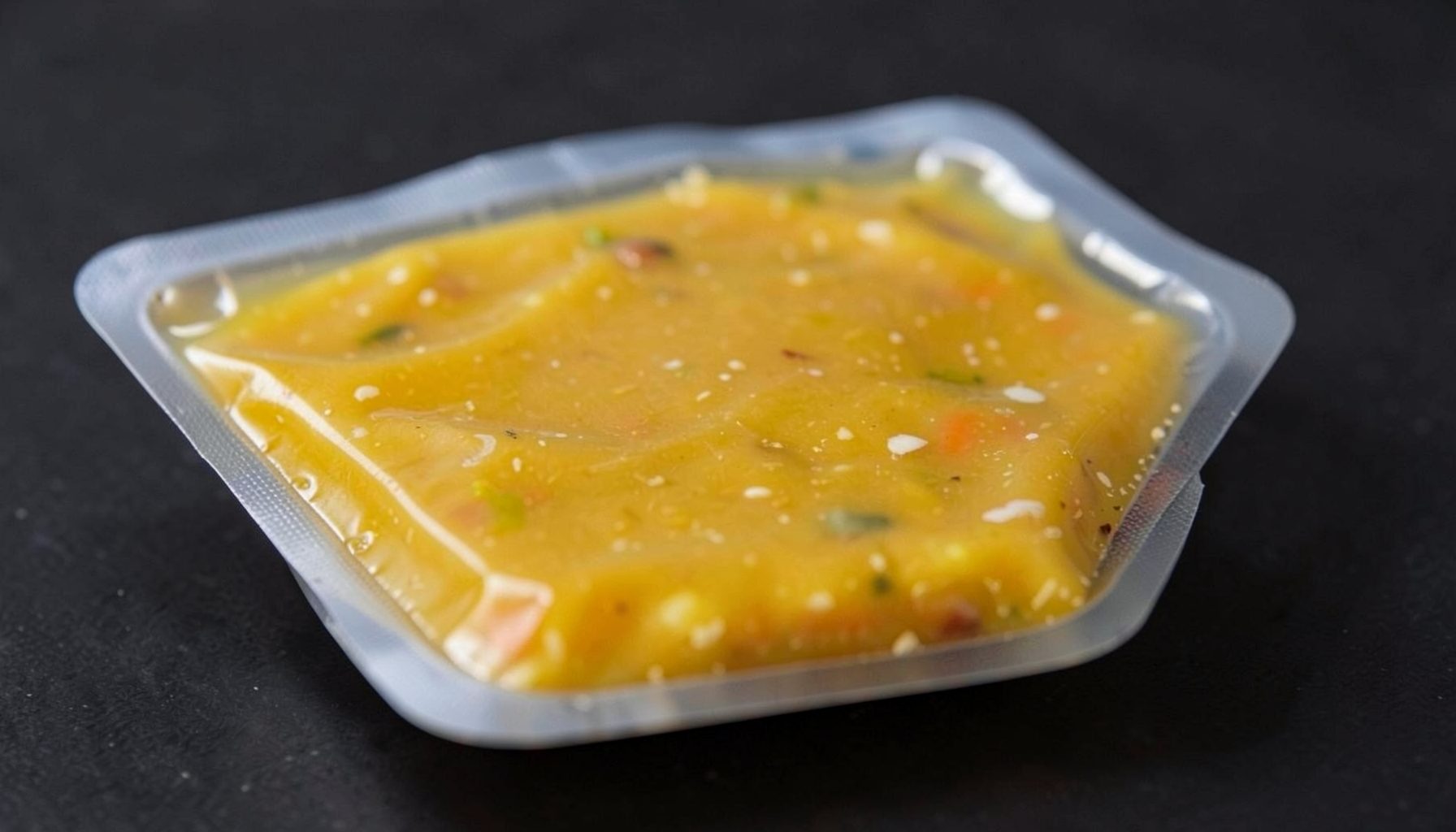
蛤?! Golden Clam Broth — New Batch
NT$ —
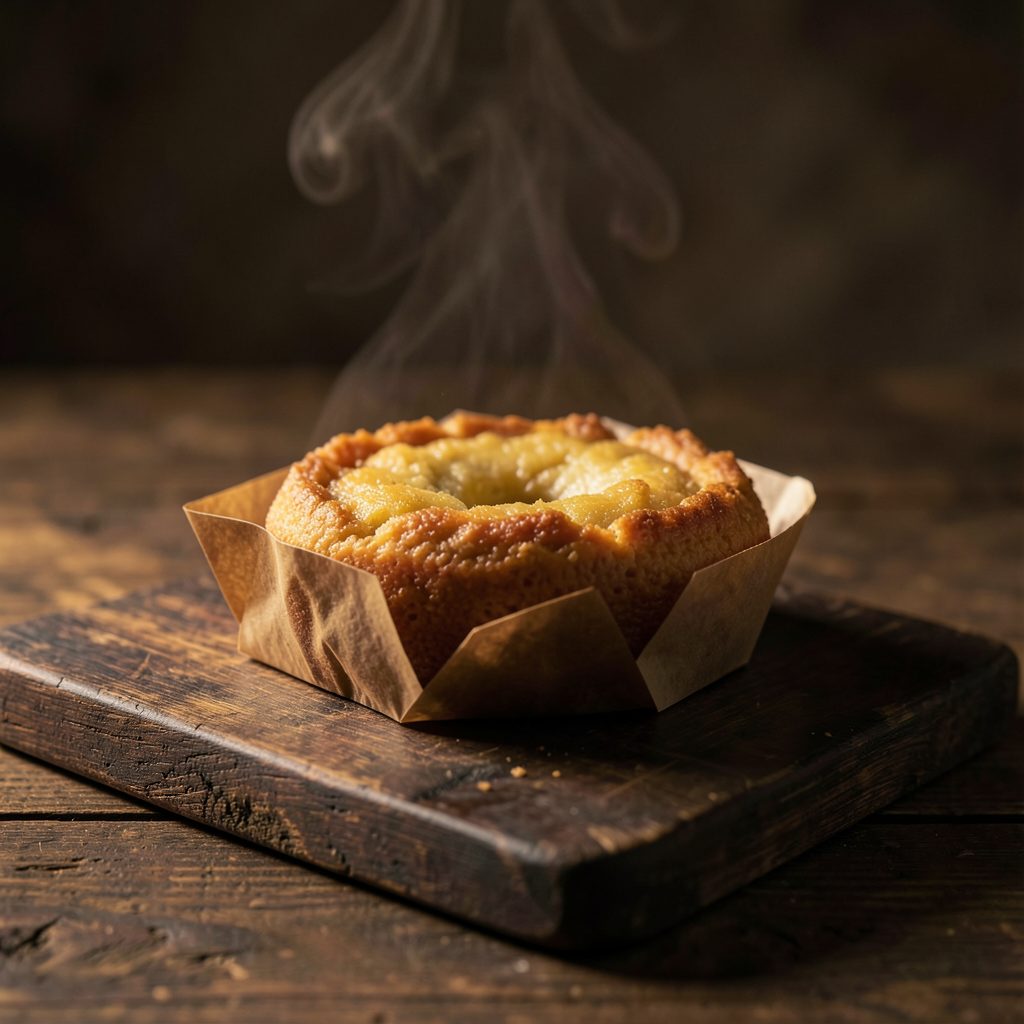
Radish Cake —蘿蔔糕精神
NT$ —
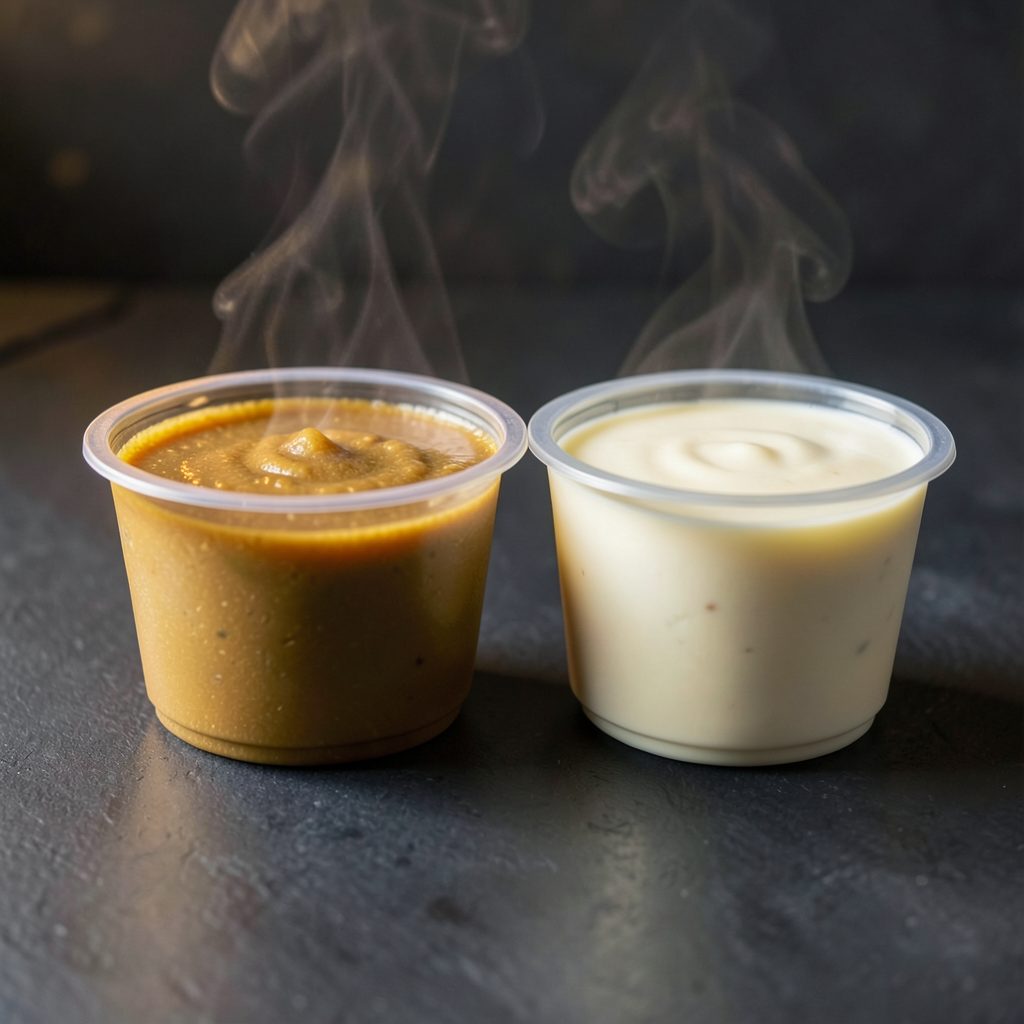
Duo Soup Base Set
NT$ —
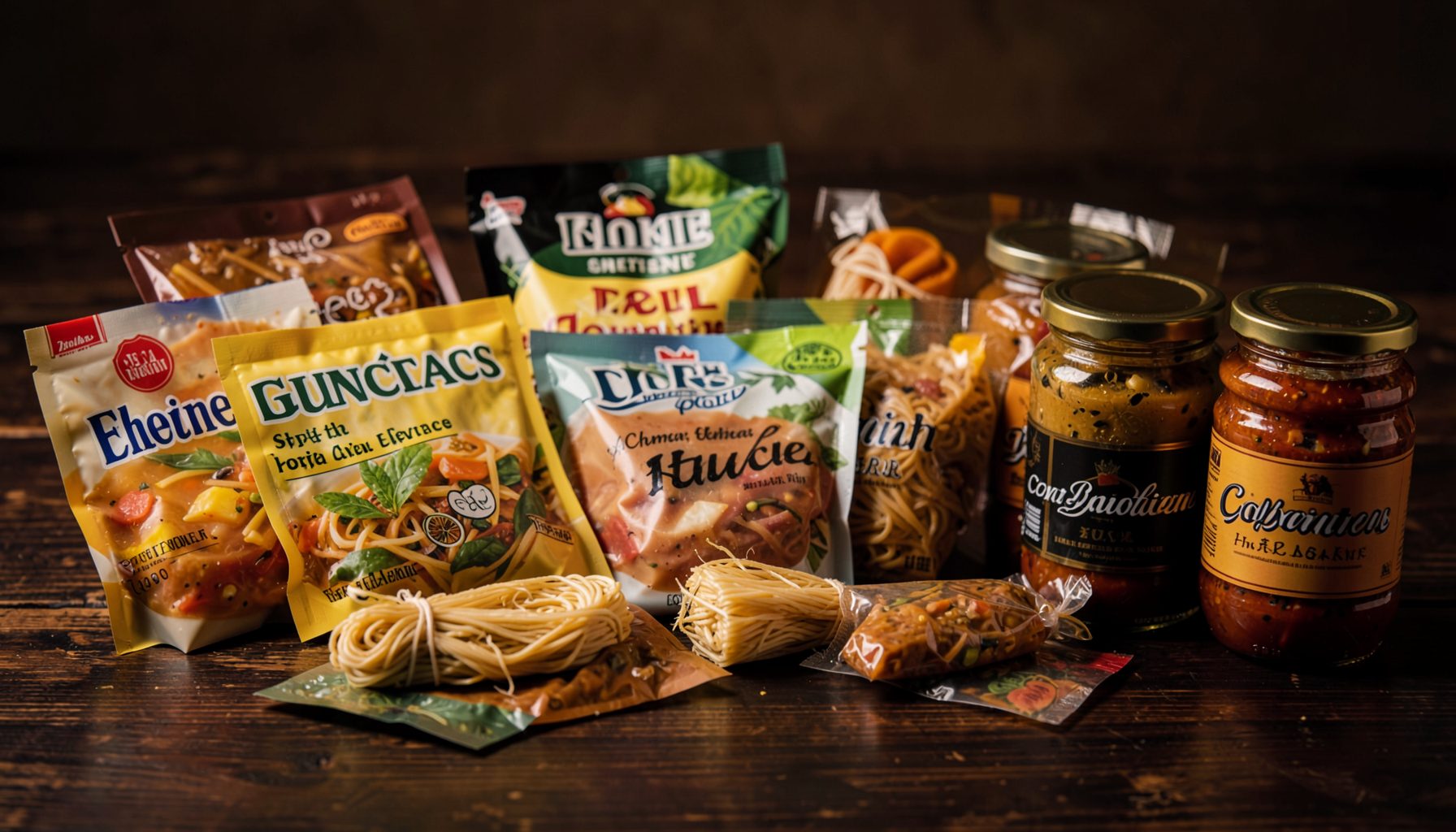
Hot Pot Essentials Bundle
NT$ —
About 蛤?! Huh Pot
蛤?! Huh Pot is a Cantonese-style hot pot brand known for its signature clam-based broth —卜卜蜆 — made with rich old-hen stock and generous portions of fresh clams. The brand also encompasses 本事滿足鍋物, a personal hot pot concept, bringing the same depth of flavor to individual servings.
Through MoneyCome Mart, these restaurant-quality soup bases, dry noodles, radish cakes, and signature sauces are available for home delivery across Taiwan. Restaurant locations in Taipei's Da'an District, Civic Boulevard, and Taichung's Gongyi Road also welcome guests for dine-in, with online reservations available.