How to Use Our Dipping Sauces as a Salad Dressing Base
A good dipping sauce can do far more than accompany hot pot ingredients. With a small adjustment, it becomes a balanced salad dressing that adds savoury depth, gentle heat, sweetness, and aroma to everyday vegetables. MoneyCome Mart sauces make this easy when you want restaurant-style flavour without preparing a dressing from scratch. Learn more about Turnip Cake Dipping Sauces That Go Beyond Soy Sauce 9430.
This approach suits Australian home cooking, where quick meals, packed lunches, and fresh salads are common throughout the year. Whether you are serving a crisp side in Sydney, preparing dinner during a warm Melbourne evening, or assembling lunch in a Brisbane apartment, a concentrated sauce can become the starting point for a flexible salad dressing.
Choose A Sauce With A Clear Flavour
Begin by identifying the main character of the dipping sauce. A soy-based sauce usually brings salt and umami, while a chilli sauce adds heat and fragrance. Sesame, garlic, vinegar, or fermented notes can each guide the rest of the dressing. Taste a small amount before mixing it with salad ingredients, as concentrated sauces may need extra liquid.
For a fresh leafy salad, use a sauce with savoury or lightly spicy notes. It can work well with lettuce, cucumber, cabbage, carrot, bean sprouts, and spring onion. Richer sauces pair nicely with roasted pumpkin, mushrooms, tofu, chicken, or noodles. For more ideas about pairing sauces with familiar hot pot ingredients, explore this sauce pairing guide.
Build A Balanced Dressing
A reliable dressing formula combines the dipping sauce with an acidic ingredient, a little oil, and, if needed, a touch of sweetness. Start with two tablespoons of sauce, one tablespoon of rice vinegar or lime juice, and one tablespoon of neutral oil or sesame oil. Whisk until smooth, then adjust according to taste.
If the mixture is too salty, add water, unsalted stock, or extra lime juice. If it tastes sharp, balance it with a small amount of honey, brown sugar, or maple syrup. A teaspoon of grated ginger, minced garlic, or finely sliced chilli can add freshness. The finished dressing should taste slightly stronger than you expect because crisp vegetables will dilute it.
Match The Dressing To The Salad
Crunchy vegetables benefit from a dressing with enough acidity to keep the salad lively. Try shredded wombok, carrot, cucumber, and radish with a soy-and-sesame base. Add toasted peanuts or cashews for texture, provided they are suitable for everyone being served. This style makes a practical side dish for a weekend barbecue or a simple rice-based dinner.
For a more substantial bowl, combine the sauce dressing with cold noodles, blanched greens, edamame, shredded chicken, or thinly sliced beef. Toss the dressing through the noodles while they are cool, then add the vegetables just before serving. A small amount of fried shallot or sesame seed gives the bowl a pleasing contrast without requiring complicated preparation.
Adjust For Australian Kitchens
Australian produce varies by season and region, so the same dressing can be used with different ingredients throughout the year. In summer, pair it with tomatoes, cucumber, cos lettuce, avocado, and grilled prawns. During cooler months, use it with roasted sweet potato, broccolini, cabbage, or warm grains. Local farmers’ market vegetables are especially useful because their freshness lets a simple sauce stand out.
For work lunches, keep the dressing in a separate leakproof container and add it just before eating. This prevents leafy greens from becoming soft, an important detail when lunch is carried to an office in Sydney, Perth, or Canberra. If you are preparing food for children or guests who prefer mild flavours, dilute the sauce and leave chilli oil or fresh chilli as an optional addition.
Store And Serve Safely
Follow the storage instructions on the product label, particularly when the sauce has been opened. Refrigerate sauces that require chilling and use clean utensils each time. If you mix a dressing in advance, store it in a sealed container and keep it cold. Do not leave a prepared salad sitting in the sun or in a warm car while travelling.
Australian food labelling rules require packaged foods to declare regulated allergens, including ingredients such as soy, sesame, wheat, peanuts, tree nuts, fish, shellfish, milk, and egg when present. Check the label carefully before serving guests with allergies, especially if combining sauces with noodles, seafood, or prepared ingredients. For information about ordering, storage, and product handling, the delivery FAQ provides useful guidance.
When ready to serve, shake or whisk the dressing again because oil and liquid naturally separate. Drizzle lightly first, toss the salad, and add more only if needed. This keeps delicate greens crisp while allowing the dipping sauce to provide a measured layer of Cantonese-inspired flavour.
Best Sellers
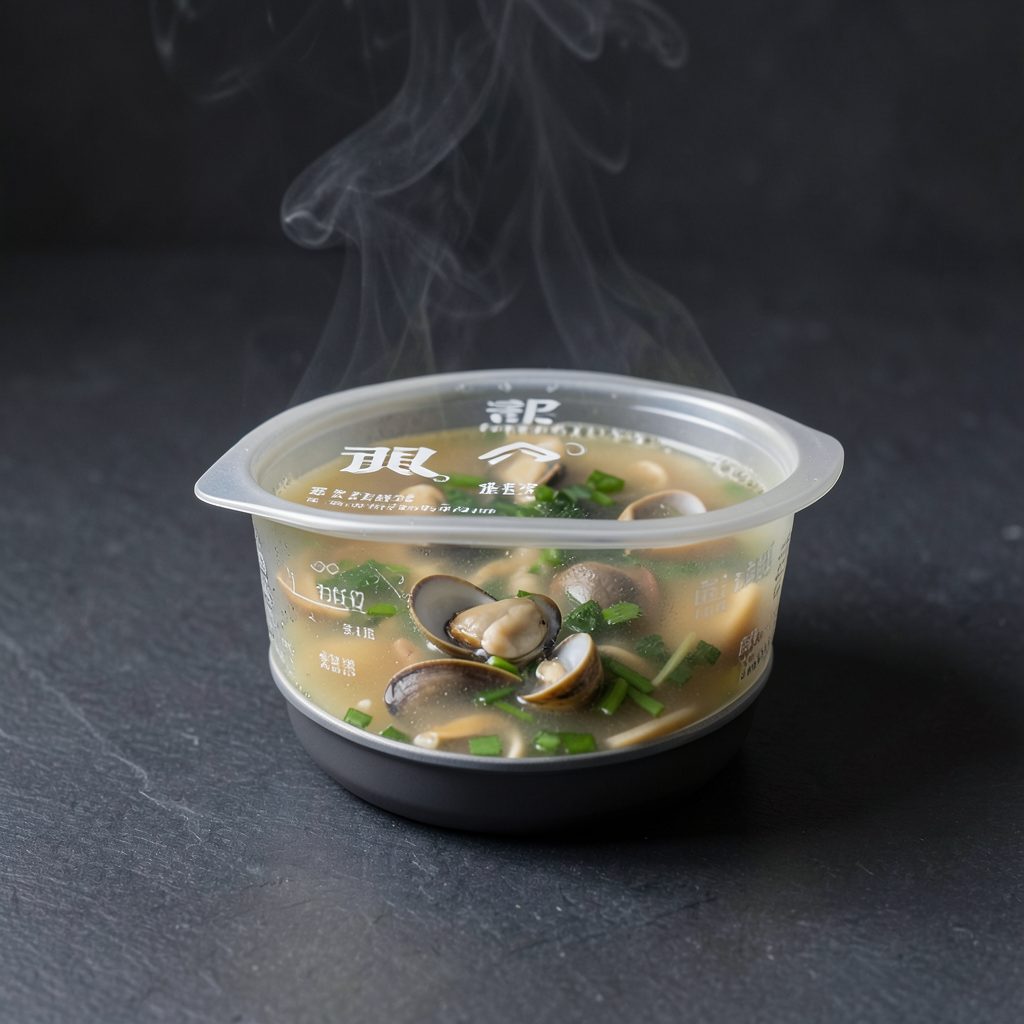
蛤?! Clam Soup Base —卜卜蜆
NT$ —
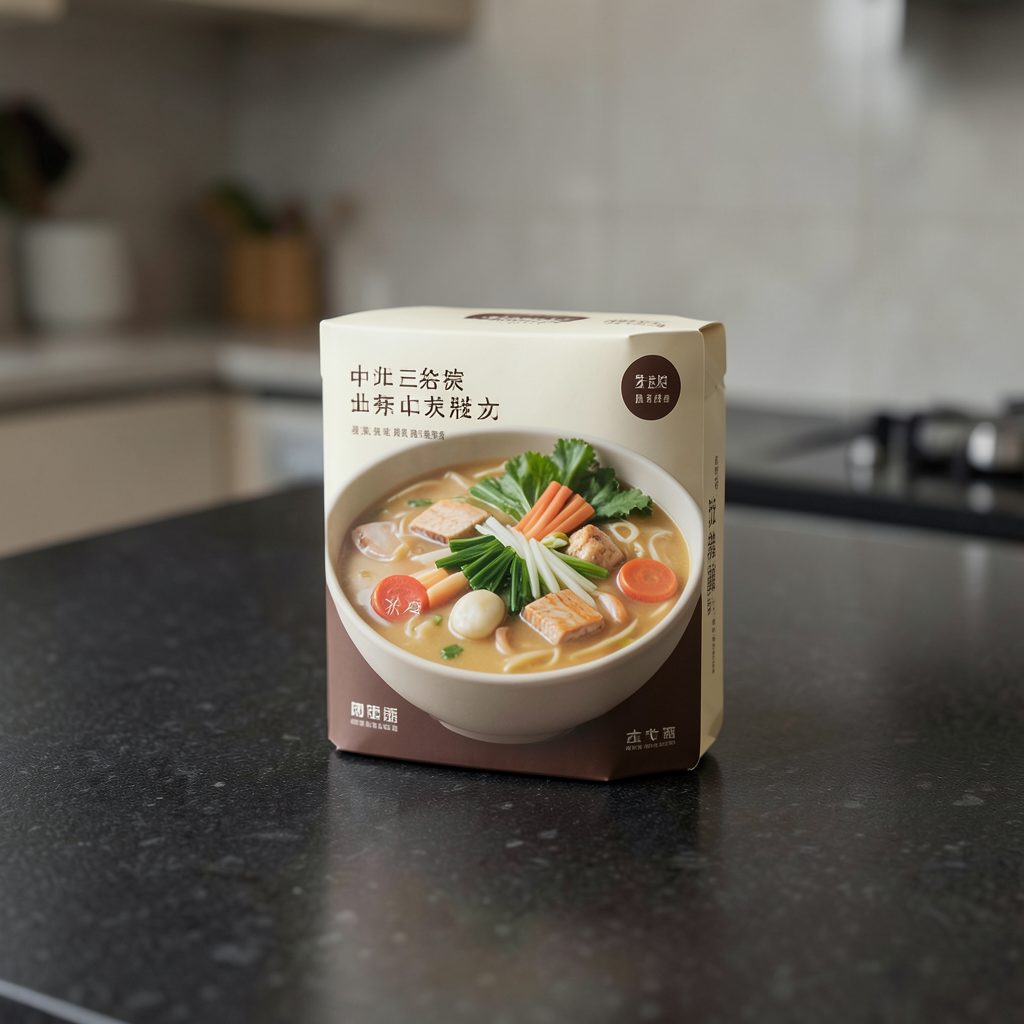
本事滿足鍋物 Personal Pot Base
NT$ —
蛤?! Dry Noodles
NT$ —
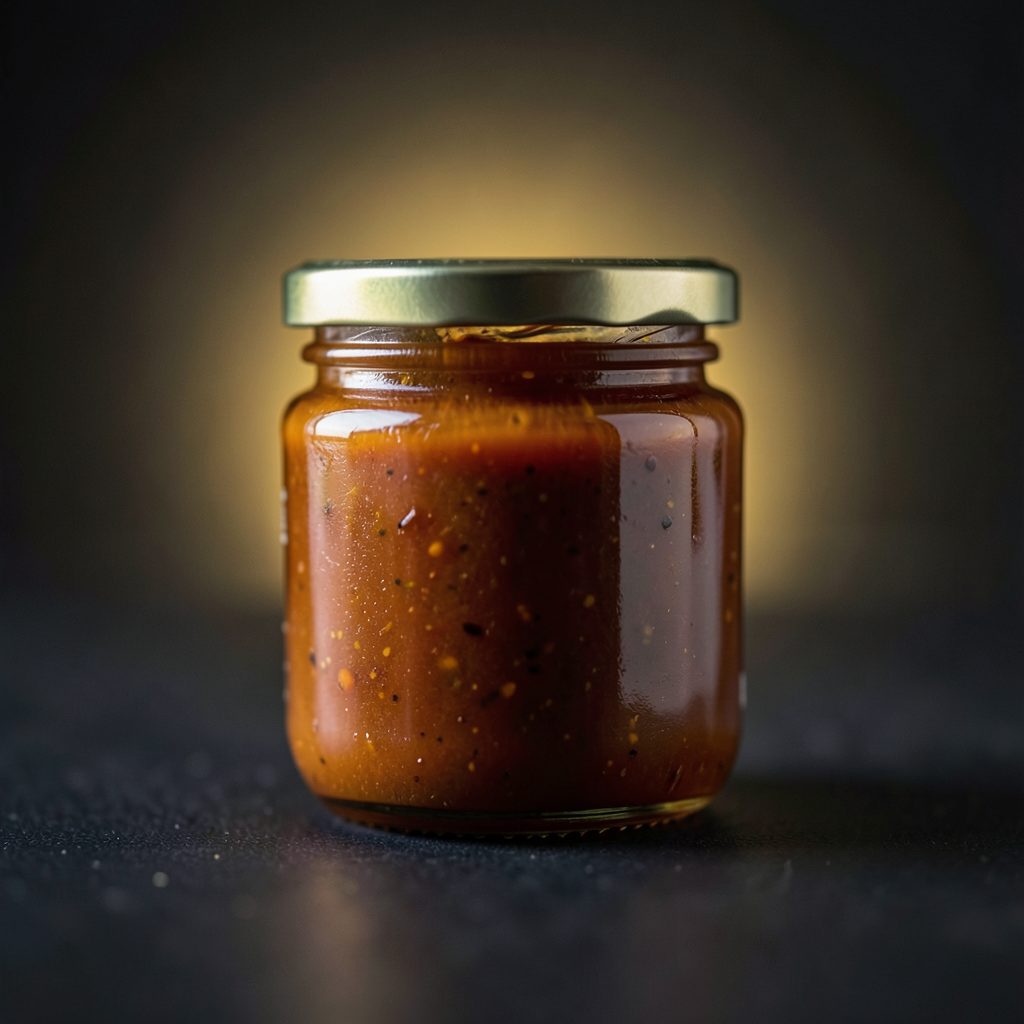
Signature Sauce
NT$ —
New Arrivals
蛤?! Golden Clam Broth — New Batch
NT$ —
Radish Cake —蘿蔔糕精神
NT$ —
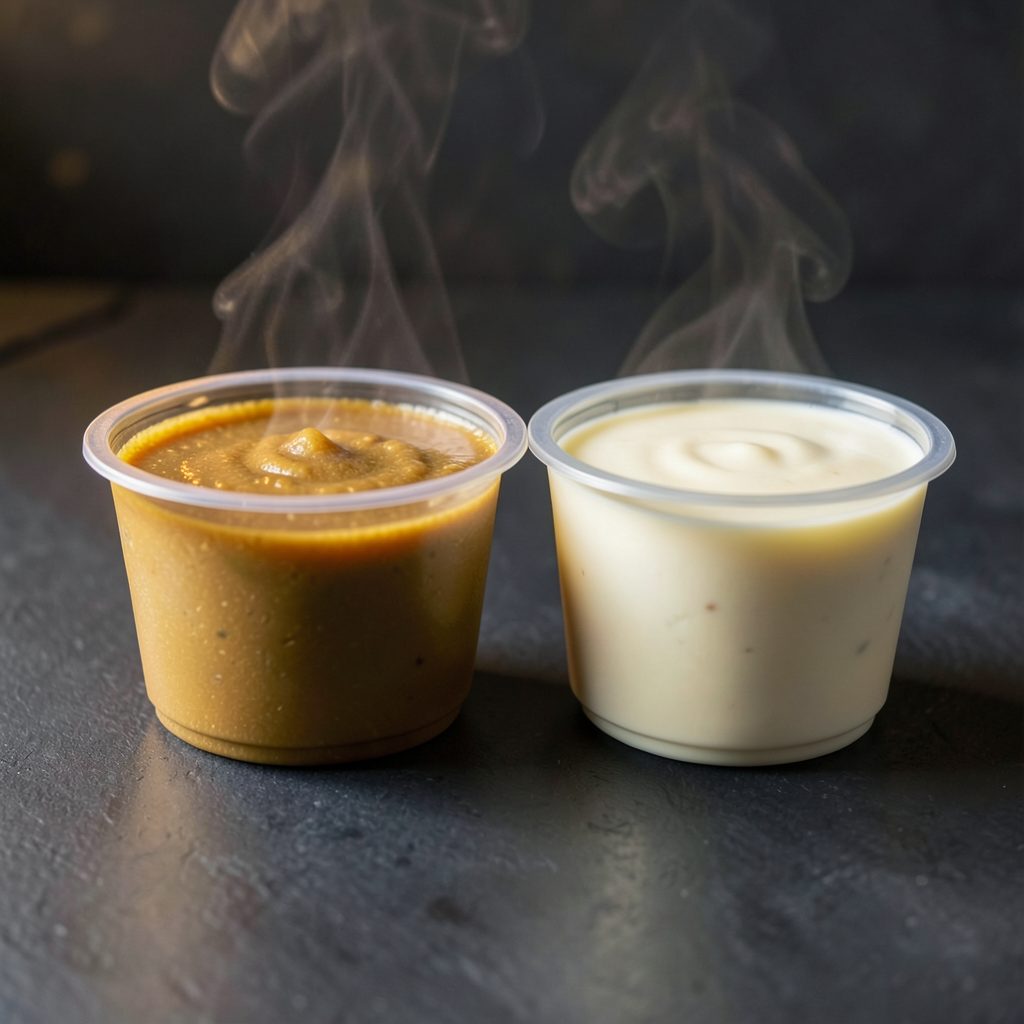
Duo Soup Base Set
NT$ —
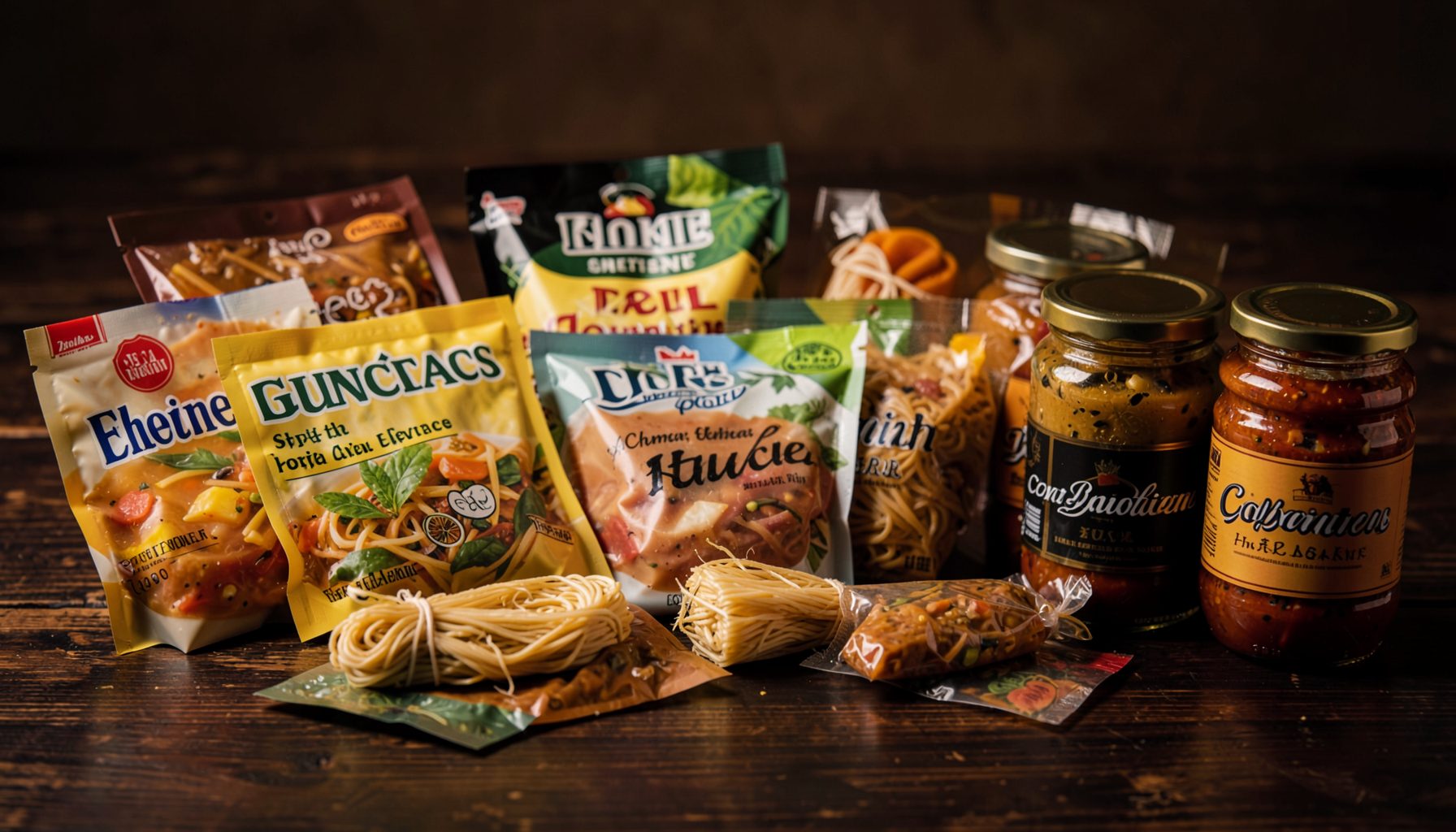
Hot Pot Essentials Bundle
NT$ —
About 蛤?! Huh Pot
蛤?! Huh Pot is a Cantonese-style hot pot brand known for its signature clam-based broth —卜卜蜆 — made with rich old-hen stock and generous portions of fresh clams. The brand also encompasses 本事滿足鍋物, a personal hot pot concept, bringing the same depth of flavor to individual servings.
Through MoneyCome Mart, these restaurant-quality soup bases, dry noodles, radish cakes, and signature sauces are available for home delivery across Taiwan. Restaurant locations in Taipei's Da'an District, Civic Boulevard, and Taichung's Gongyi Road also welcome guests for dine-in, with online reservations available.