Repurpose Cantonese dipping sauces into versatile salad dressings
Many home cooks treat a bottle of dipping sauce as a single-purpose condiment, reserved for hot pot nights. A few minutes of curiosity reveals how versatile these concentrated flavour boosters can be. Whisked into a bowl of leaves, the same balance of salt, sweetness, acidity and heat that lifts a slice of poached chicken lifts a pile of rocket, radicchio or butter lettuce.
Australian kitchens already juggle Korean, Vietnamese, Italian, Thai and Chinese traditions in a single week. Reusing one well-made sauce fits how households in Sydney, Melbourne and Adelaide shop: a couple of hero ingredients, fewer half-empty jars, and less waste. The Australian palate has grown comfortable with bolder profiles, so dressing salads with a punchy sauce feels natural rather than experimental.
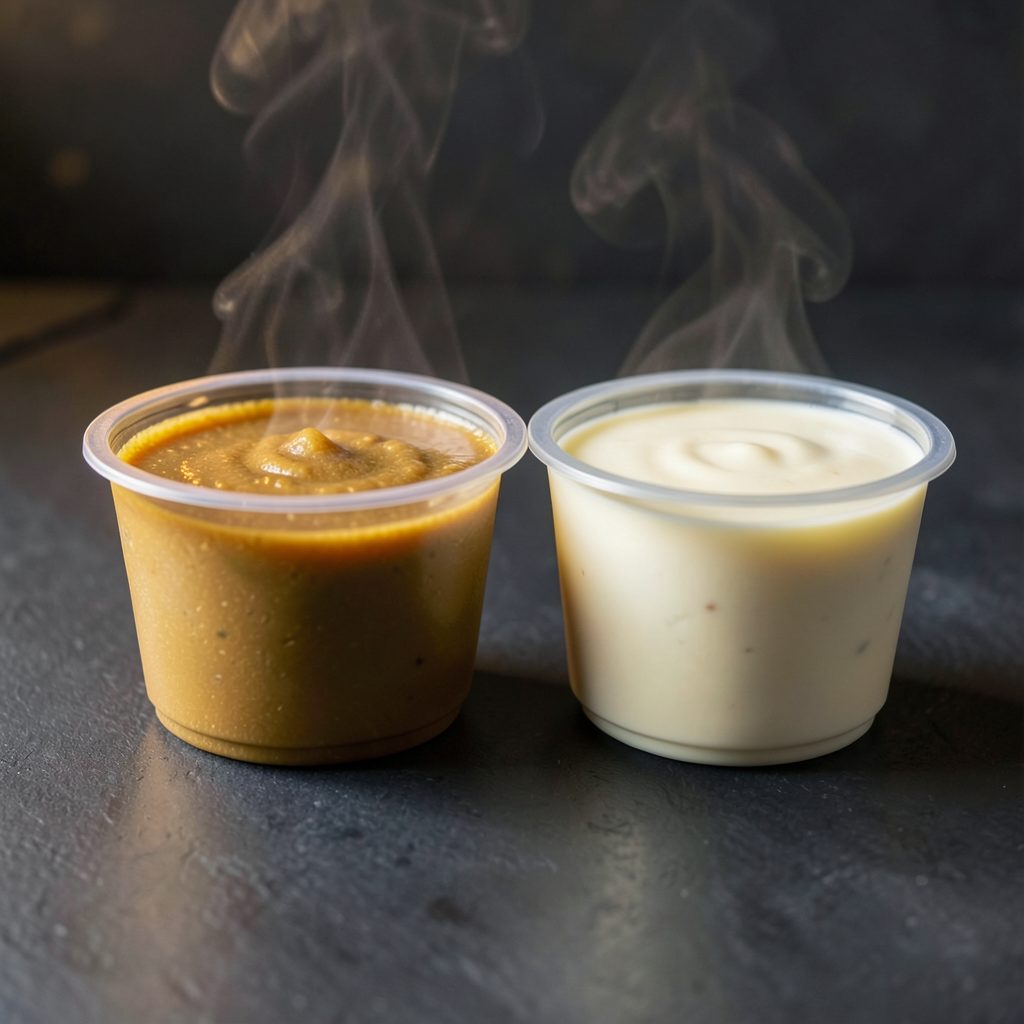
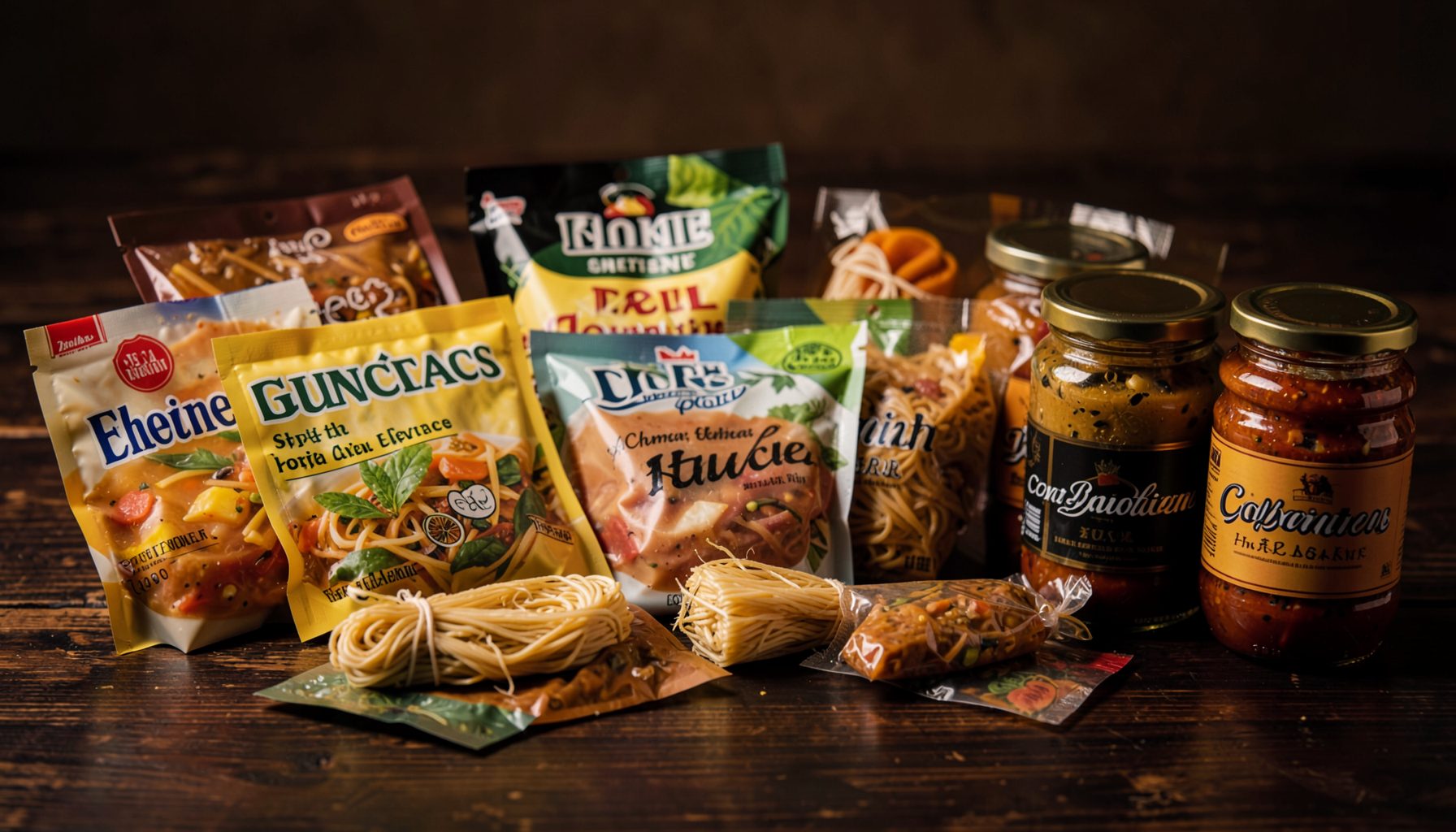
MoneyCome Mart ships its Cantonese hot pot sauces cold-chain, ready to spoon straight into a broth. The 蛤?! Huh Pot and 本事滿足鍋物 ranges combine fermented soybeans, chillies, garlic, sesame and citrus in measured balance. Those built-in layers let home cooks skip the scratch dressing entirely and still finish a salad with a restaurant-style edge.
This guide covers how these sauces are built, which Australian produce they suit, a quick mixing method, regional twists, and the storage notes every household should follow.
What makes a Cantonese dipping sauce useful beyond the pot
Cantonese dipping sauces are designed for balance. A sesame-soy blend brings umami from fermented soybeans, gentle sweetness from sugar, body from sesame paste, and brightness from rice vinegar or citrus zest. Chilli oil variations add capsaicin warmth, while a scallion-ginger sauce layers fresh aromatics over a salty base. Each element performs a clear role: salt seasons, sugar rounds, acid lifts, fat carries.
When applied to a salad, those roles translate almost one-to-one. The greens stand in for the protein, and the dressing must still season, round, lift and carry. A sauce that already includes rice vinegar, black vinegar or calamansi removes the need for a separate squeeze of lemon. A sauce with sesame paste or chilli oil already emulsifies on contact with moisture from the leaves, saving time without sacrificing flavour.
Matching sauces with Australian salad staples
Australia grows a wide range of salad-friendly produce year-round. Sweet baby spinach from Victoria, heirloom tomatoes from the Adelaide Hills, butter lettuce from Western Australia's Swan Valley, and Persian cucumbers from Queensland farms all sit on the same shelf at a typical Coles or Woolworths. Choosing the right sauce for the right green is the most important step.
Sturdy, bitter leaves like rocket, kale and radicchio need a richer sauce with sesame paste, chilli crisp or fermented black bean. The fat content softens bitterness and clings to ridged textures. Delicate leaves like butter lettuce, mignonette and baby spinach pair better with a cleaner sauce built around rice vinegar, soy and a touch of ginger. Crunchy add-ins like toasted sesame, crushed peanuts or fried shallots bring the texture that gentle leaves need. One small amount of dipping sauce unifies the whole bowl, which is why cooks from Newtown to Fitzroy have been quietly doing this for years.
Building the dressing in a jar or bowl
Start with about two tablespoons of sauce per 100 grams of leaves, then adjust by eye. If the leaves look glossy but not dripping, the ratio is roughly right. If pools gather at the bottom of the bowl, the dressing is too heavy, and a squeeze of lime or a splash of warm water brings it back into balance.
For a creamier finish suited to noodle or grain bowls, whisk in a little tahini, a teaspoon of honey, or a splash of warm water. For a vinaigrette-style finish, thin the sauce with rice vinegar or a touch of warm stock. A useful trick borrowed from professional kitchens is to dress the leaves first, then build toppings on top, which keeps proteins and crunchy elements crisp.
For those who enjoy flavour experiments, exploring additional sauce ideas from our tofu and tempeh opens more creative pathways beyond salads.
Seasonal twists from Hobart to Brisbane
Australia's climate shifts sharply between Hobart and Sydney, and between Brisbane and Adelaide. Summer salads call for cooling ingredients, while winter salads welcome warmth and density. A chilli-laden sauce suits a December gathering in Brisbane, when rocket, watermelon, cucumber and mint dominate the table.
In cooler Hobart or Canberra kitchens, a sesame-based sauce lifted with grated ginger suits salads of roasted sweet potato, lentils, kale and toasted seeds. Spring rounds out the season in coastal Victoria and South Australia, when asparagus, peas, broad beans and baby lettuces appear at local stalls. A lighter soy-citrus sauce with a touch of calamansi complements these gentle flavours, while a richer black bean sauce would crush their subtlety. A small jam jar and thirty seconds of shaking produces a stable, uniform dressing that travels well to a desk lunch in Brisbane or a picnic in the Adelaide Hills.
Storage, labelling and the Food Standards Code
Australia operates under the Australia New Zealand Food Standards Code, administered by Food Standards Australia New Zealand. Any homemade dressing kept longer than 24 hours should be refrigerated, covered, and used within three to five days. Commercial sauces with intact seals carry the original label.
For homemade dressings, date the jar and label it. Store dressings in clean glass jars with airtight lids at the front of the fridge where the temperature stays stable. Avoid the door, where temperature fluctuates most. Dressings with raw garlic, fresh herbs or chilli pastes should be used within three days for best flavour. Cross-contamination also matters: use clean utensils every time, and never put a licked or dipped spoon back into the jar.
For broader guidance on reusing condiments in safe, smart ways, this reuse guide offers helpful context that complements these sauce-focused ideas.
Practical tips for building your own dressing rotation
- Keep two sauce styles on hand, one for delicate leaves and one for sturdy greens.
- Mix dressings in a small jar rather than the salad bowl, keeping leaves dry until serving.
- Taste the sauce with a leaf rather than a spoon, since the leaf is what the dressing will coat.
- Adjust acidity with rice vinegar or lime juice rather than bottled juice, which can leave a metallic aftertaste.
- Add toasted nuts or seeds at the very end to preserve their texture and aroma.
- Refrigerate dressings made with raw garlic or fresh herbs within two hours of preparation.
- Label jars with the date prepared so older dressings get used first.
Best Sellers
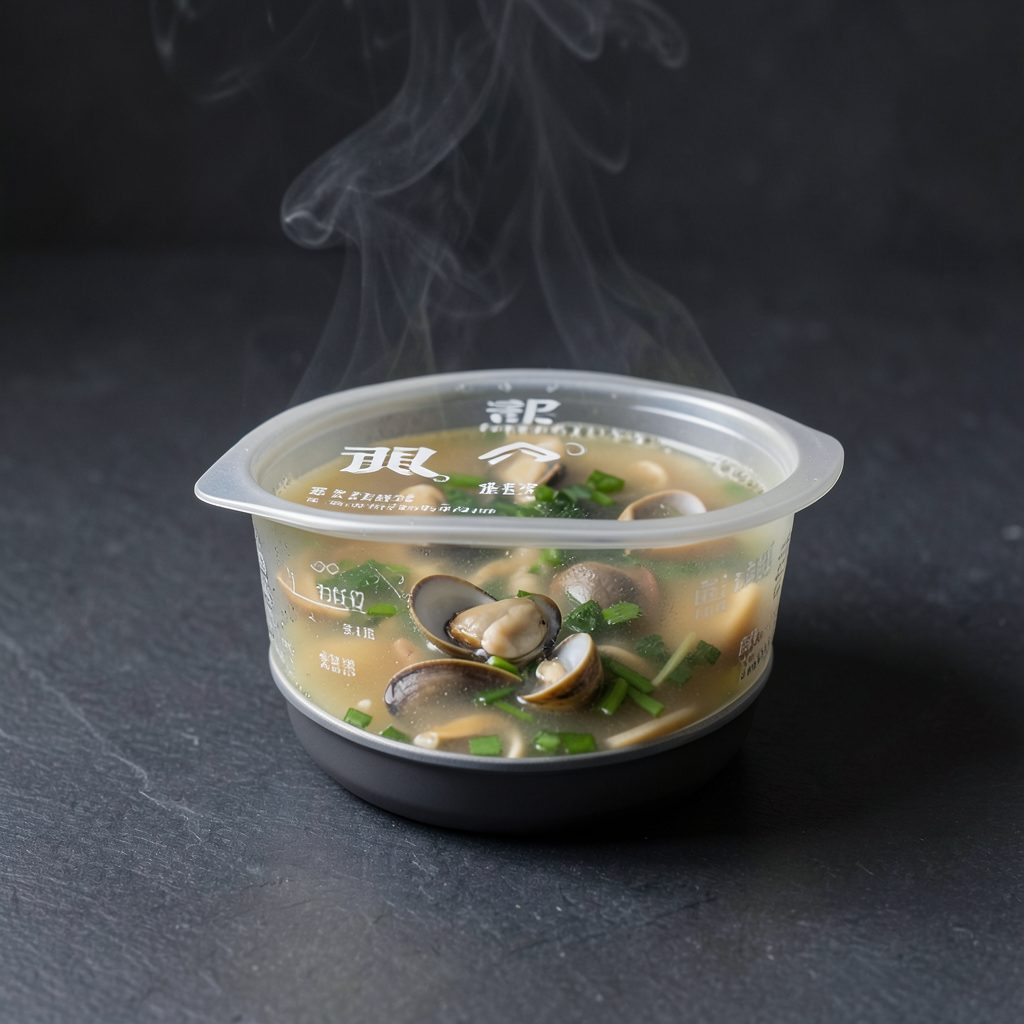
蛤?! Clam Soup Base —卜卜蜆
NT$ —
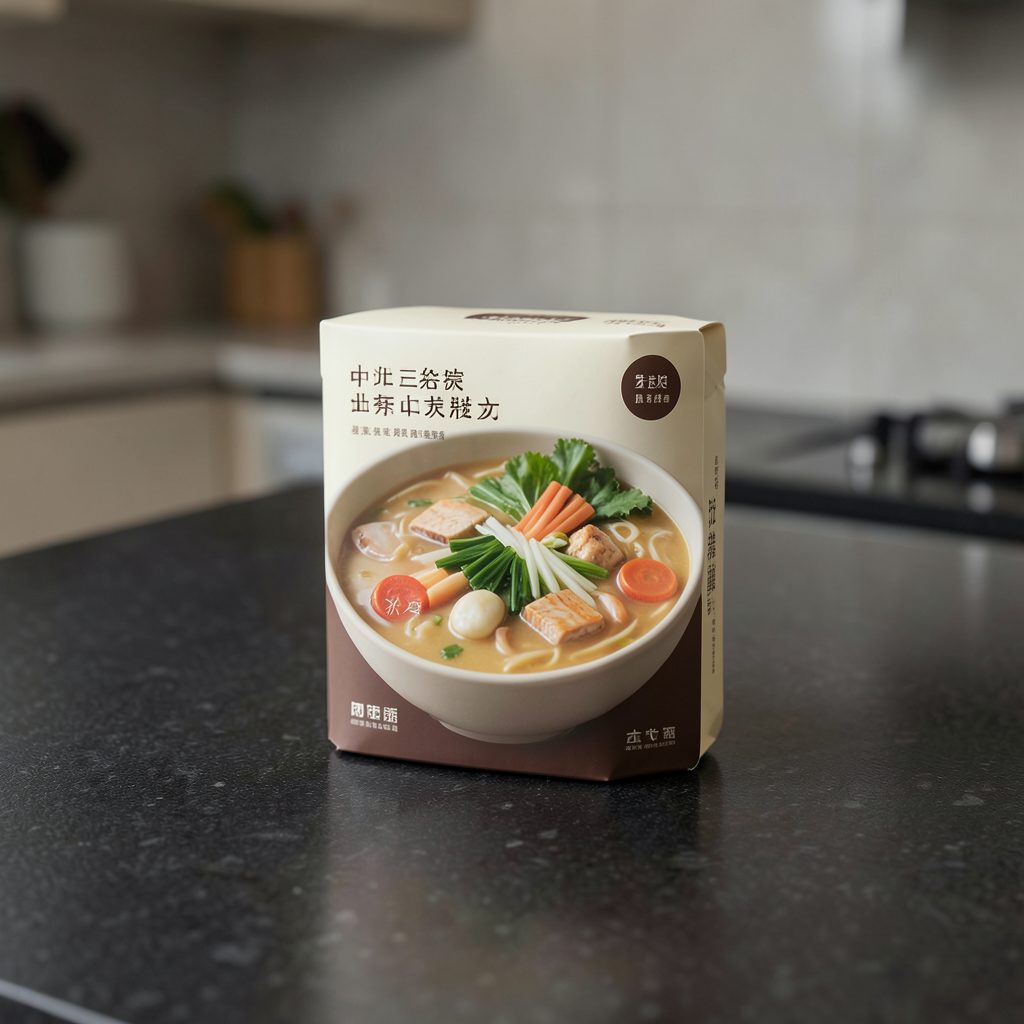
本事滿足鍋物 Personal Pot Base
NT$ —
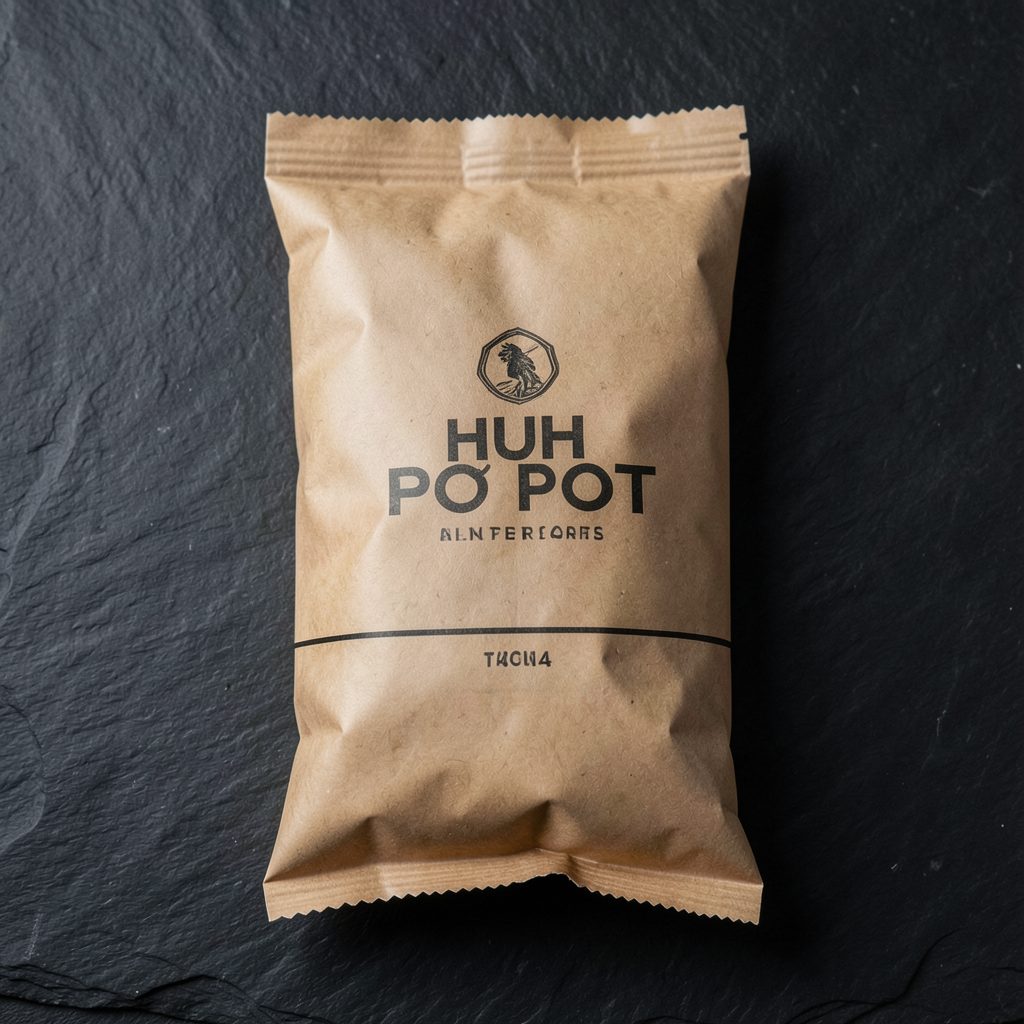
蛤?! Dry Noodles
NT$ —
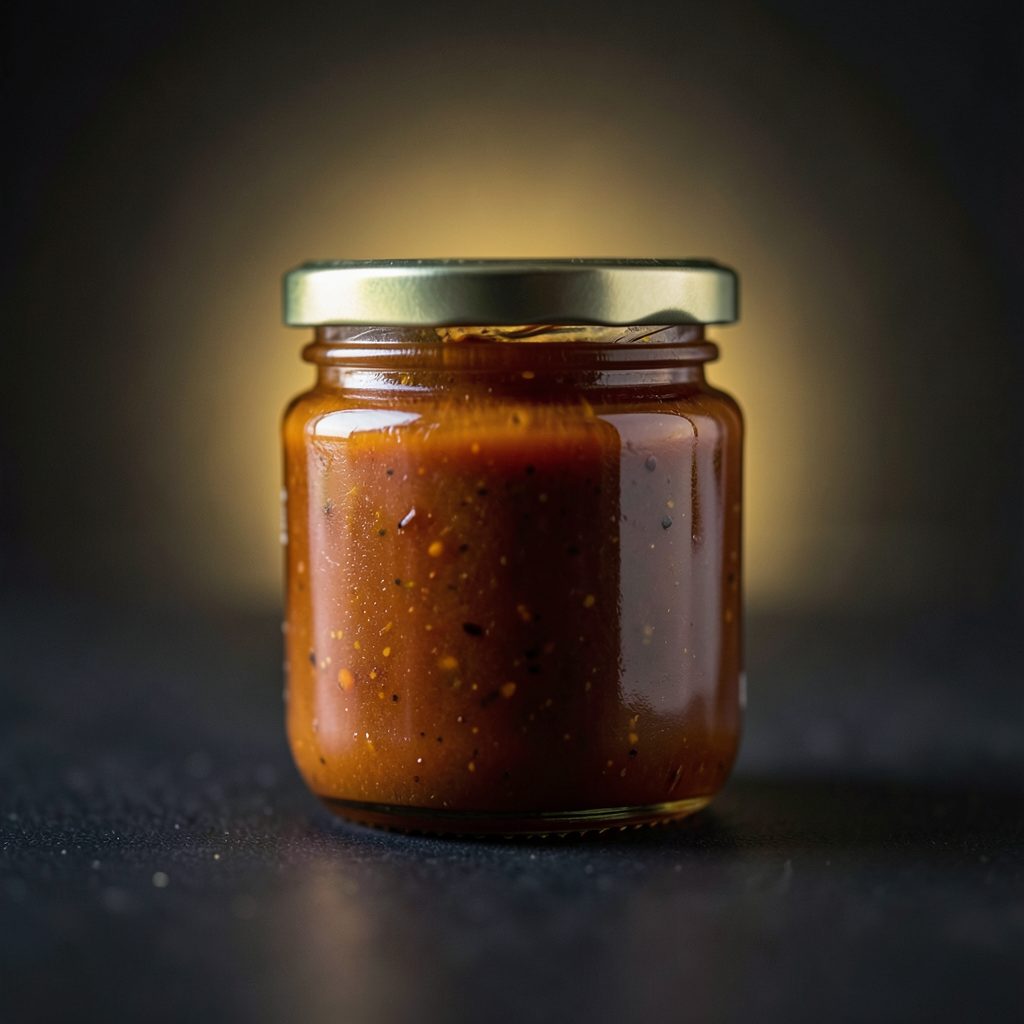
Signature Sauce
NT$ —
New Arrivals
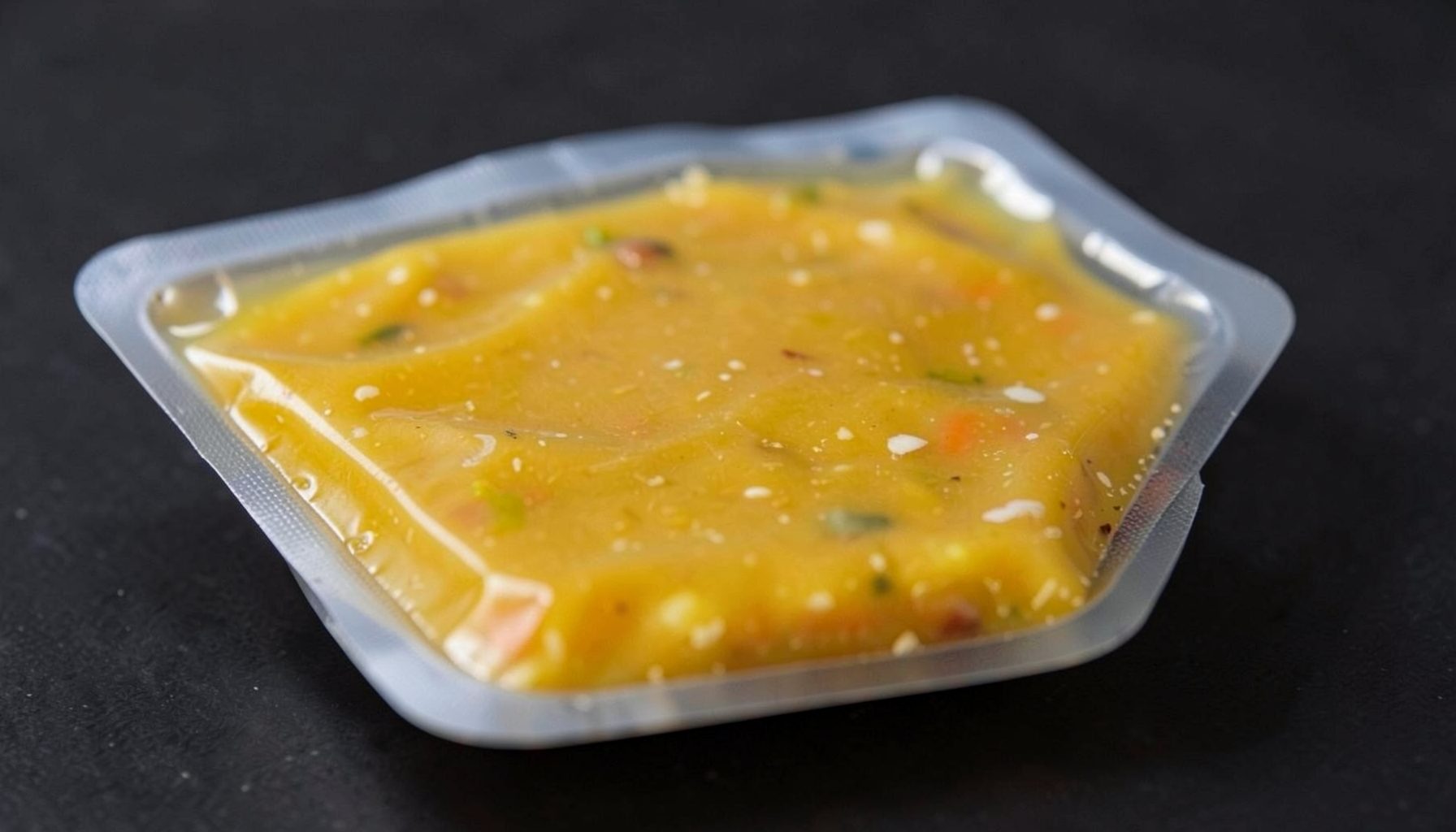
蛤?! Golden Clam Broth — New Batch
NT$ —
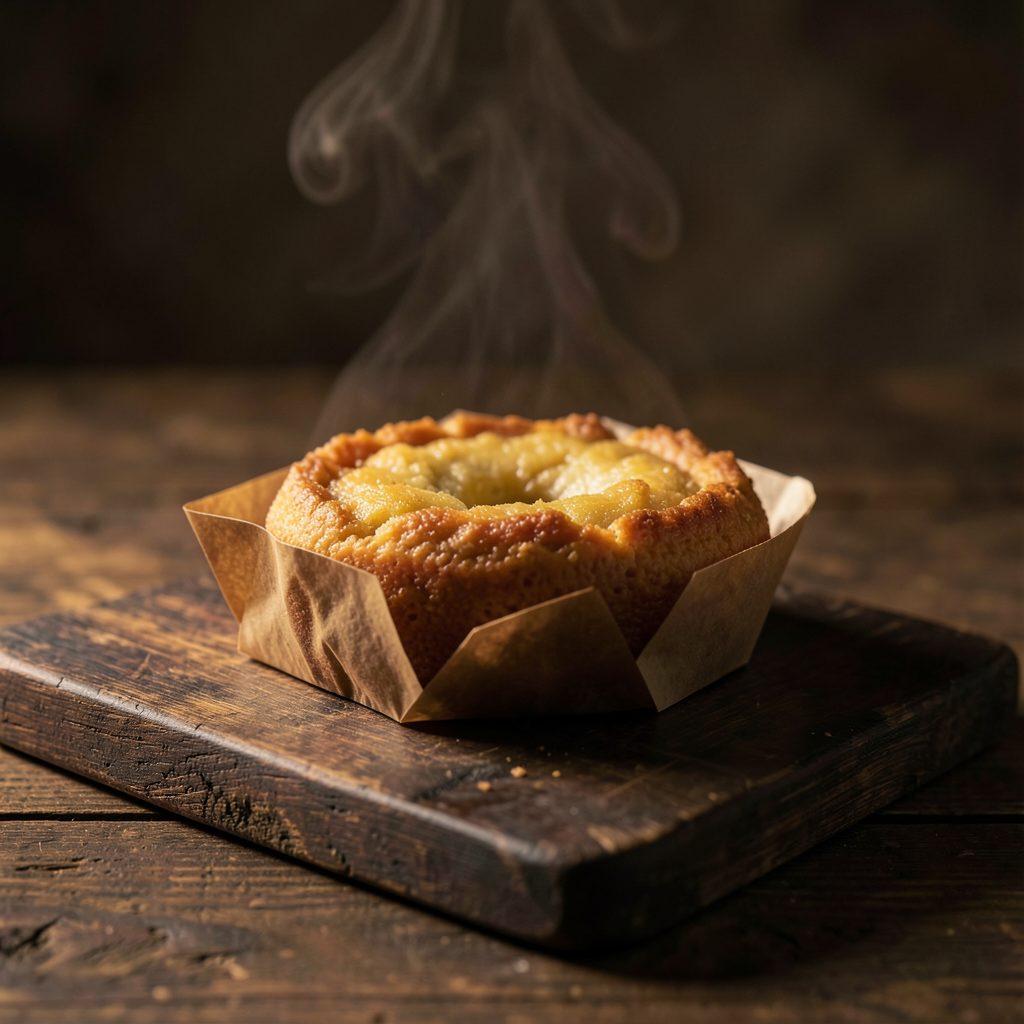
Radish Cake —蘿蔔糕精神
NT$ —
Duo Soup Base Set
NT$ —
Hot Pot Essentials Bundle
NT$ —
About 蛤?! Huh Pot
蛤?! Huh Pot is a Cantonese-style hot pot brand known for its signature clam-based broth —卜卜蜆 — made with rich old-hen stock and generous portions of fresh clams. The brand also encompasses 本事滿足鍋物, a personal hot pot concept, bringing the same depth of flavor to individual servings.
Through MoneyCome Mart, these restaurant-quality soup bases, dry noodles, radish cakes, and signature sauces are available for home delivery across Taiwan. Restaurant locations in Taipei's Da'an District, Civic Boulevard, and Taichung's Gongyi Road also welcome guests for dine-in, with online reservations available.