Steaming Fish Fillets with Clam Broth the Cantonese Way
Steaming is one of the gentlest ways to cook a delicate fish fillet, and when the steaming liquid is swapped for a rich Cantonese clam broth, the dish takes on a briny sweetness that plain water can never deliver. For Australian home cooks who love the clean flavours of the South China Sea, this technique turns a quick weeknight dinner into something that feels like a sit-down meal in a yum cha house.
Ready-made broths have reshaped how busy households approach Asian cooking. In suburbs from Chatswood in Sydney to Box Hill in Melbourne and Sunnybank in Brisbane, shoppers now reach for frozen soup bases rather than spending hours simmering pork bones. A pouch of clam broth lets you focus on the fish and the aromatics, which is exactly where the dish comes alive.
Before you begin, it is worth checking the brand's FAQ for storage and reheating notes. Once that is clear, the rest of the process is forgiving, even for beginners, and works in a standard Australian kitchen with either a wok and a bamboo rack or a multi-tier electric steamer.
Choosing the Right Fish
Australian fish counters offer several varieties that behave beautifully under steam. Barramundi, farmed widely in the tropical north and sold across the country, has a firm yet flaky texture that holds its shape on the plate. Wild snapper, abundant off Western Australia and South Australia, carries a slightly sweet flavour that pairs well with shellfish. Flathead from the southern coasts and coral trout from Queensland are other dependable choices. Look for fillets cut to an even thickness, ideally between 1.5 and 2 centimetres, so they cook at the same rate.
Under Food Standards Australia New Zealand rules, fresh fish sold at retail must carry a clear country-of-origin label. This makes it easy to favour local catch or responsibly farmed options, which is helpful for shoppers who care about provenance and carbon miles.
Preparing the Clam Broth Base
The broth arrives concentrated, so it usually needs a small amount of water to loosen it without diluting the flavour. A good starting point is roughly 200 millilitres of broth to 100 millilitres of water for a small dish serving two. Add a few slices of ginger, two whole spring onions bent into the liquid, and a splash of shaoxing wine. A pinch of ground white pepper deepens the maritime notes.
Australia maintains strict biosecurity controls on imported live shellfish, which is why most home cooks rely on cooked or frozen products rather than trying to source live Asian clams. A commercially prepared broth sidesteps that concern entirely while still delivering the sweet, minerally taste that defines the dish.
Setting Up Your Steamer
A traditional carbon steel wok with a metal or bamboo rack remains the most popular tool, and almost every Australian kitchen has a wok tucked away. Pour two to three centimetres of water into the wok, place the rack inside, and bring the water to a rolling boil before adding the plate of fish. The plate should sit above the waterline, not in it.
If you own a multi-tier electric steamer, the process is even easier. Set the timer once the water reaches a vigorous boil, and the appliance does the rest. Lining the plate with a few cabbage leaves or carrot slices prevents the delicate flesh from sticking and adds a subtle sweetness as the vegetables soften.
Timing and Heat
Place the seasoned fish onto the plate, scatter a few extra ginger matchsticks on top, and lower it into the steamer. Cover with a tight-fitting lid and cook over high heat. A 1.5 centimetre fillet needs roughly six to seven minutes, while a thicker 2 centimetre cut may need nine. The flesh is ready when it turns opaque and flakes easily when pressed with chopsticks.
Avoid lifting the lid during cooking, as the drop in temperature will extend the steaming time and leave the fish watery. If you are cooking vegetables in a second tier, start them five minutes earlier so everything finishes together.
Finishing Touches and Serving
Once the fish is out, carefully pour off the steaming liquid and replace it with a small ladle of the fresh clam broth, reheated until just simmering. Drizzle with a thin stream of light soy sauce and a few drops of sesame oil, then scatter finely sliced spring onion over the top. For a restaurant-style flourish, heat a tablespoon of peanut oil until it shimmers and pour it over the garnish so it sizzles on contact.
Serve immediately with a bowl of jasmine rice and a side of blanched choy sum. The meal pairs naturally with a pot of Chinese tea, and those curious about how leaf quality is shaped by careful timing may enjoy learning about the continuous tea harvest at Thowra Estate. A light oolong works particularly well with the briny broth.
Practical Pointers for a Flawless Result
- Pat the fish dry with paper towel before seasoning so the flesh steams rather than simmers.
- Always bring the steaming water to a full boil before adding the fish to the rack.
- Keep aromatics simple, as too much ginger or wine will mask the sweetness of the broth.
- Use a wide, shallow plate so the steam circulates evenly around the fillet.
- Test for doneness at the thickest point with a chopstick rather than cutting into the flesh.
- Reserve a little extra broth to spoon over the fish just before serving for an extra hit of umami.
- Save any leftover broth for the next day's noodle soup or congee base.
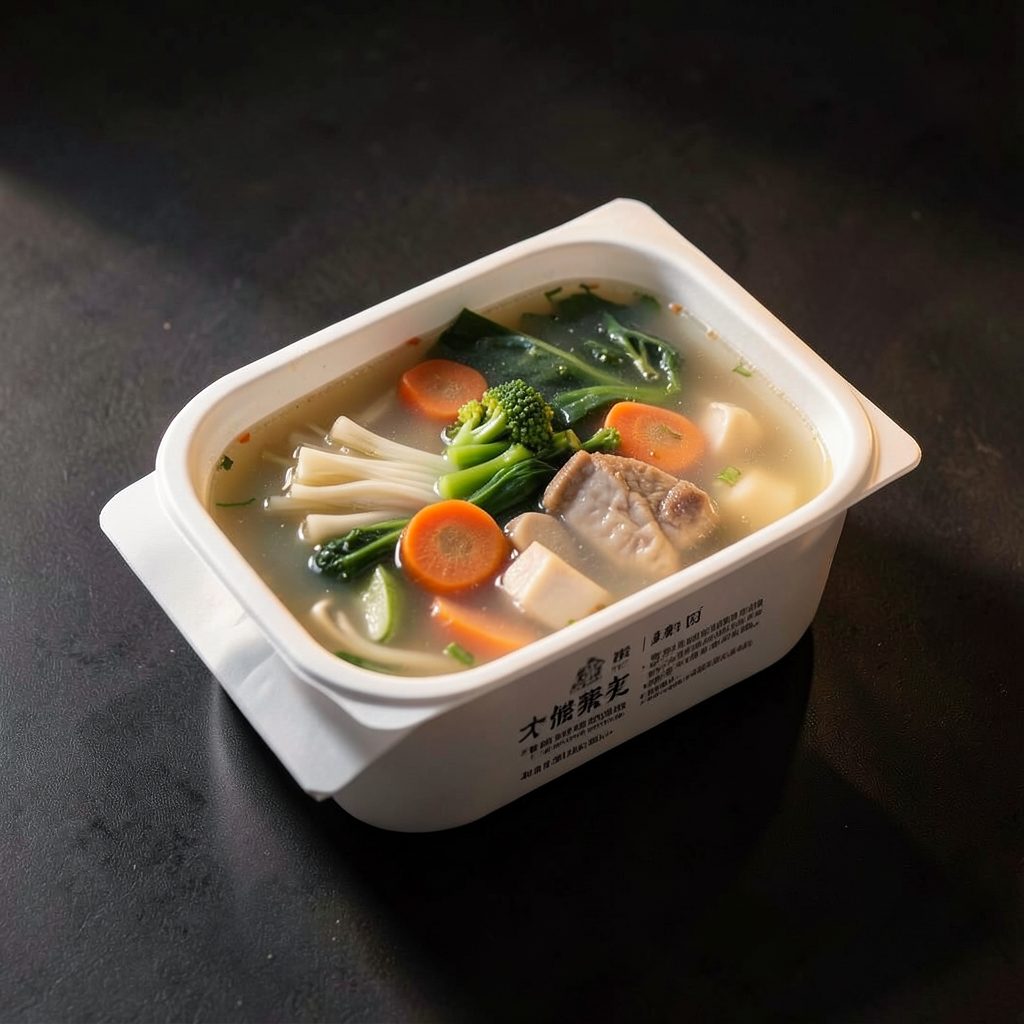
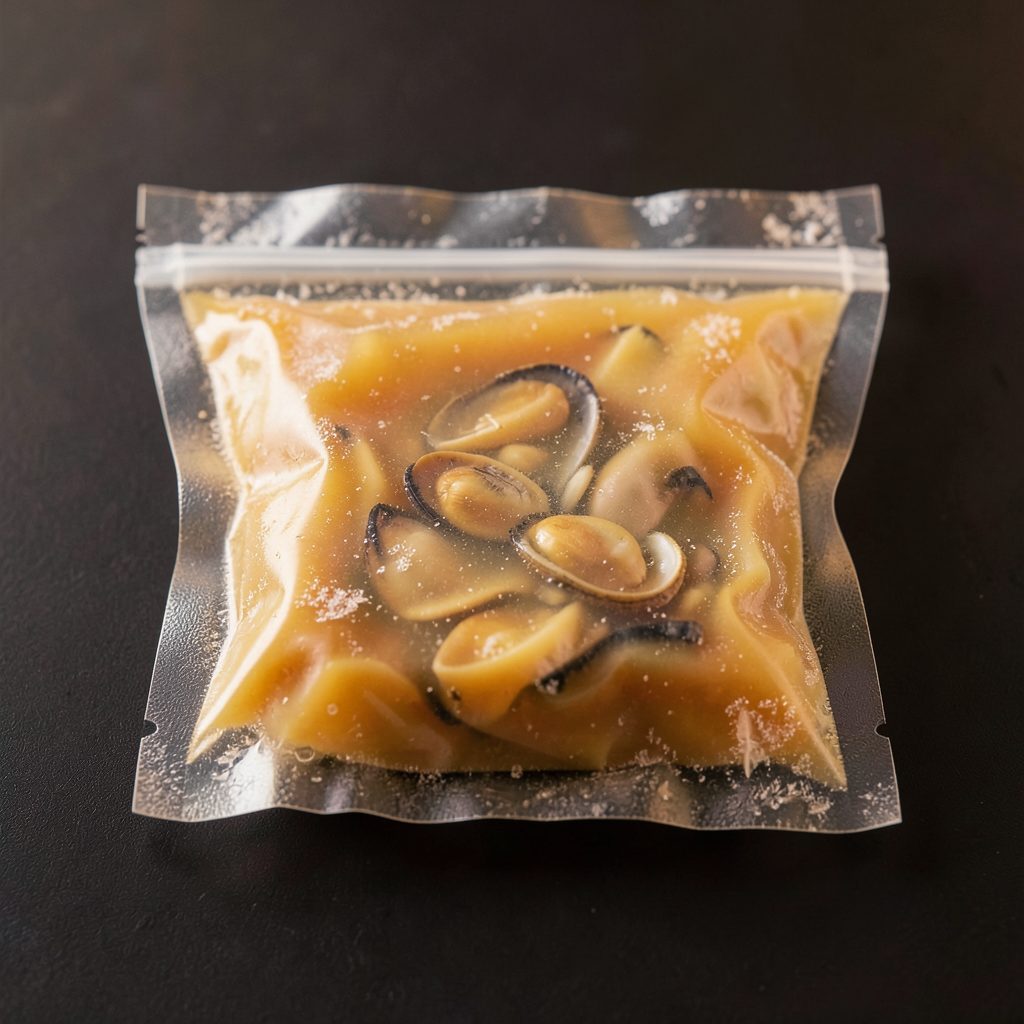
Best Sellers
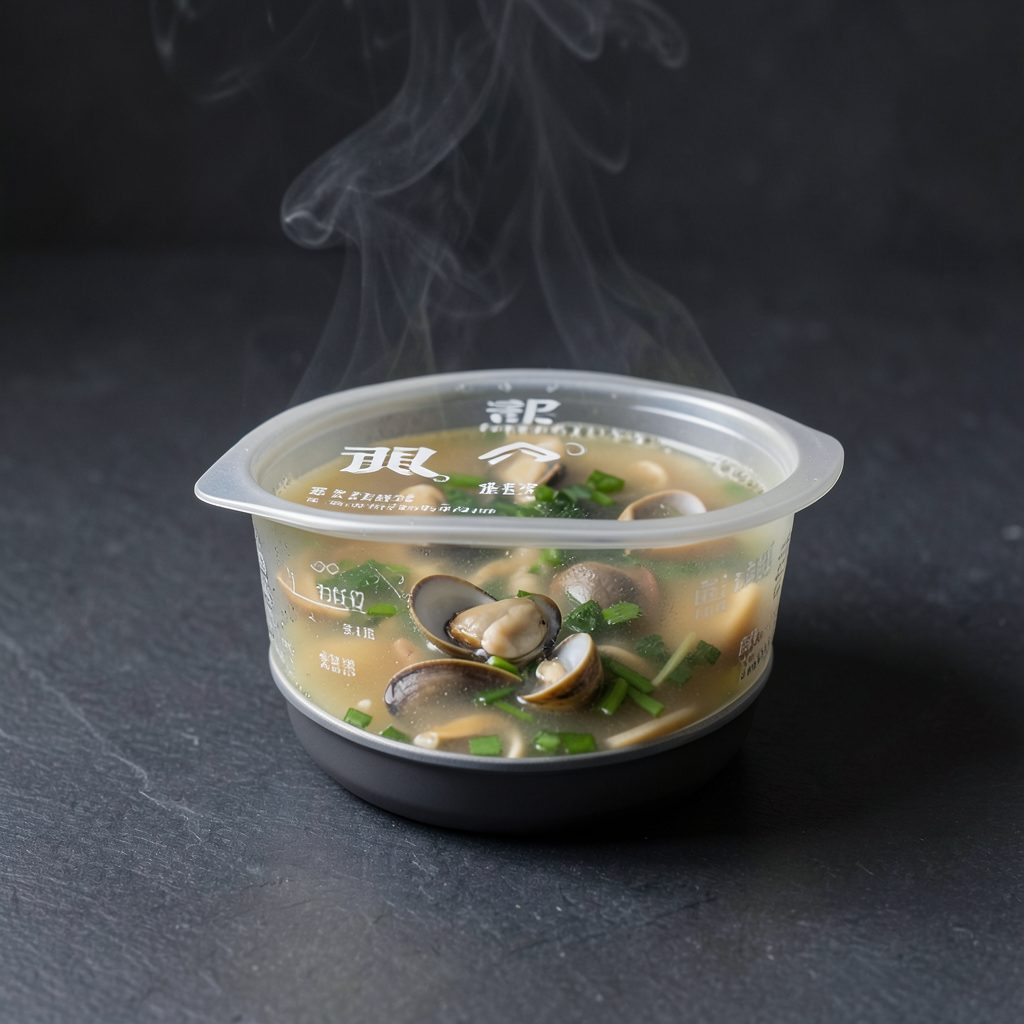
蛤?! Clam Soup Base —卜卜蜆
NT$ —
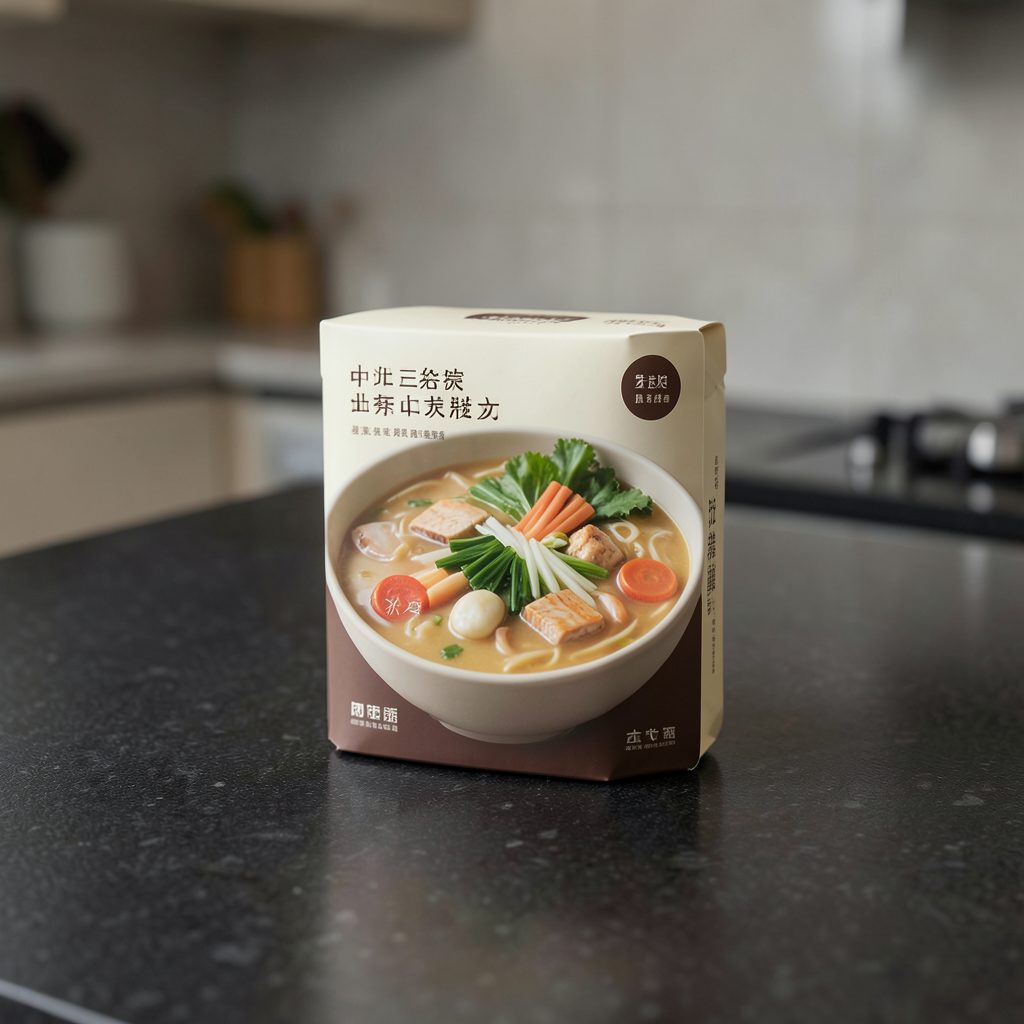
本事滿足鍋物 Personal Pot Base
NT$ —
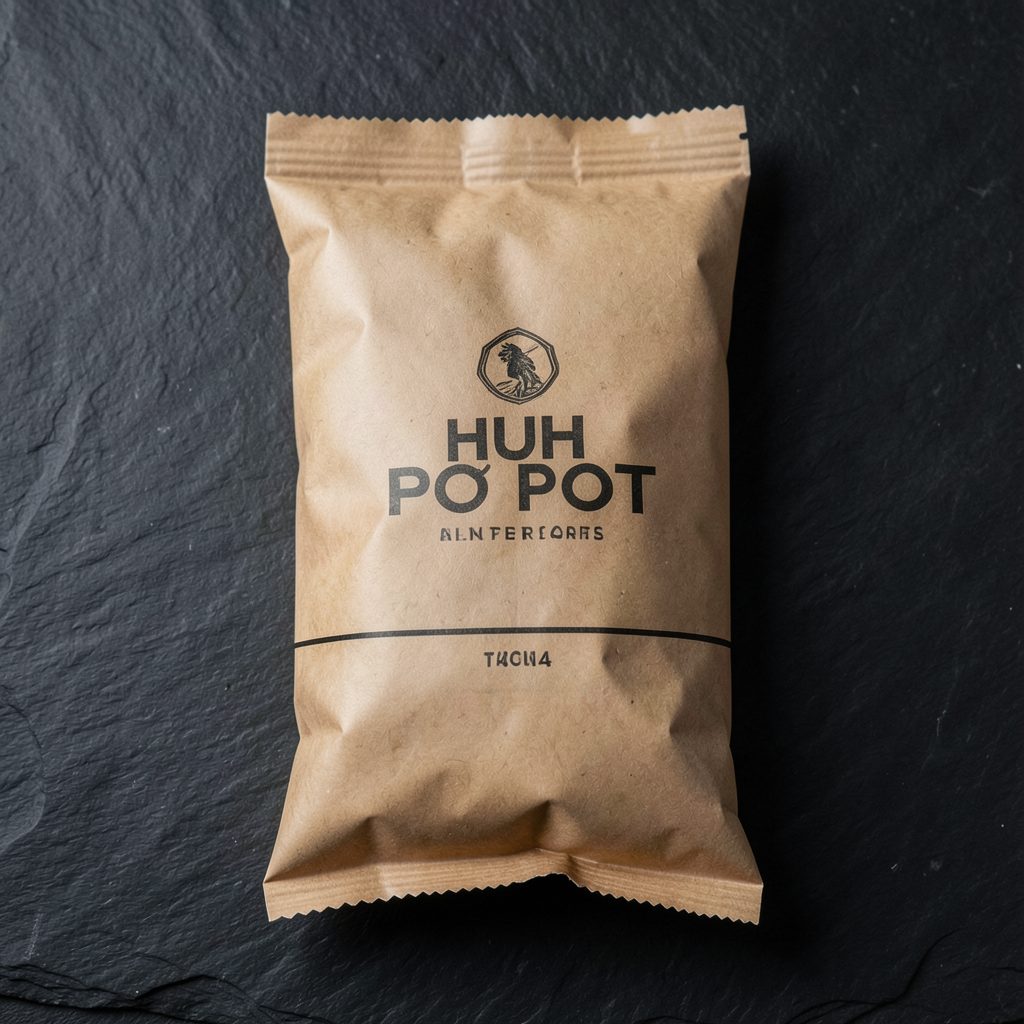
蛤?! Dry Noodles
NT$ —
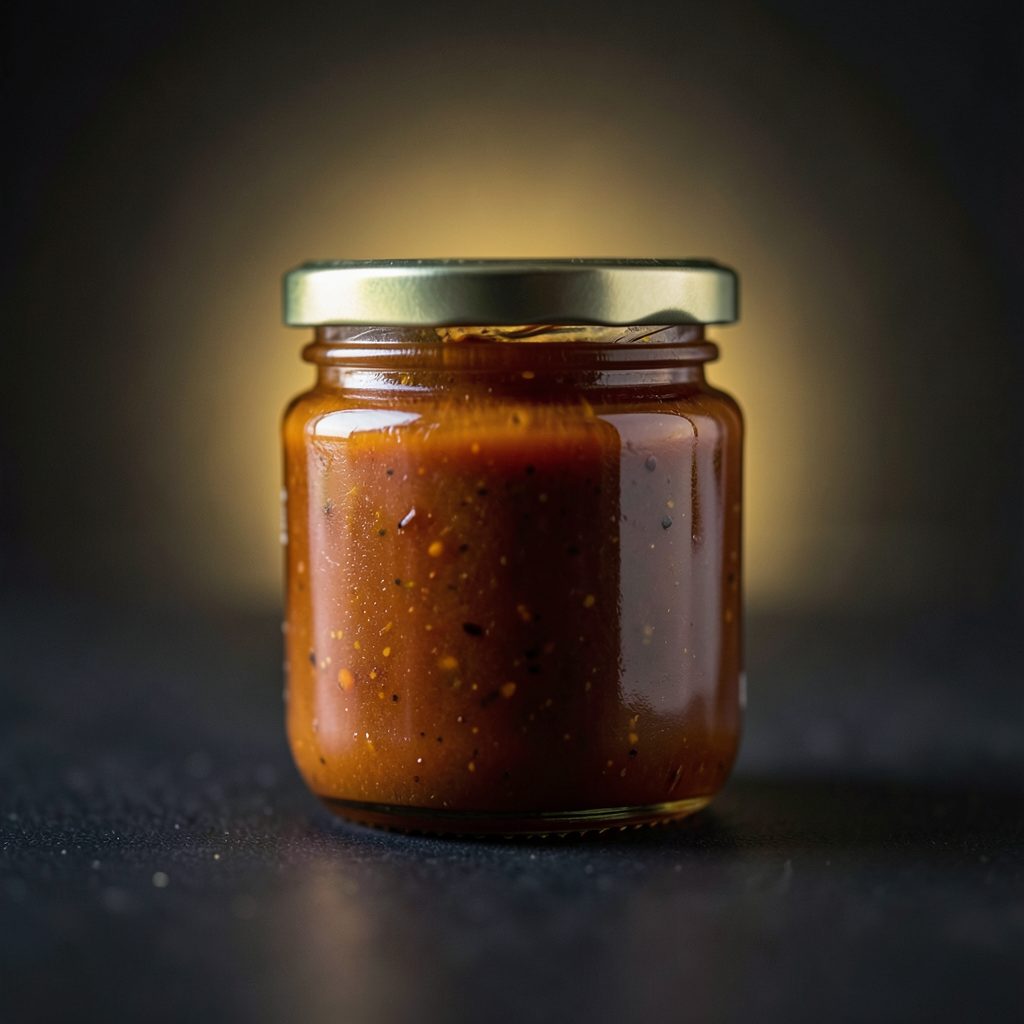
Signature Sauce
NT$ —
New Arrivals
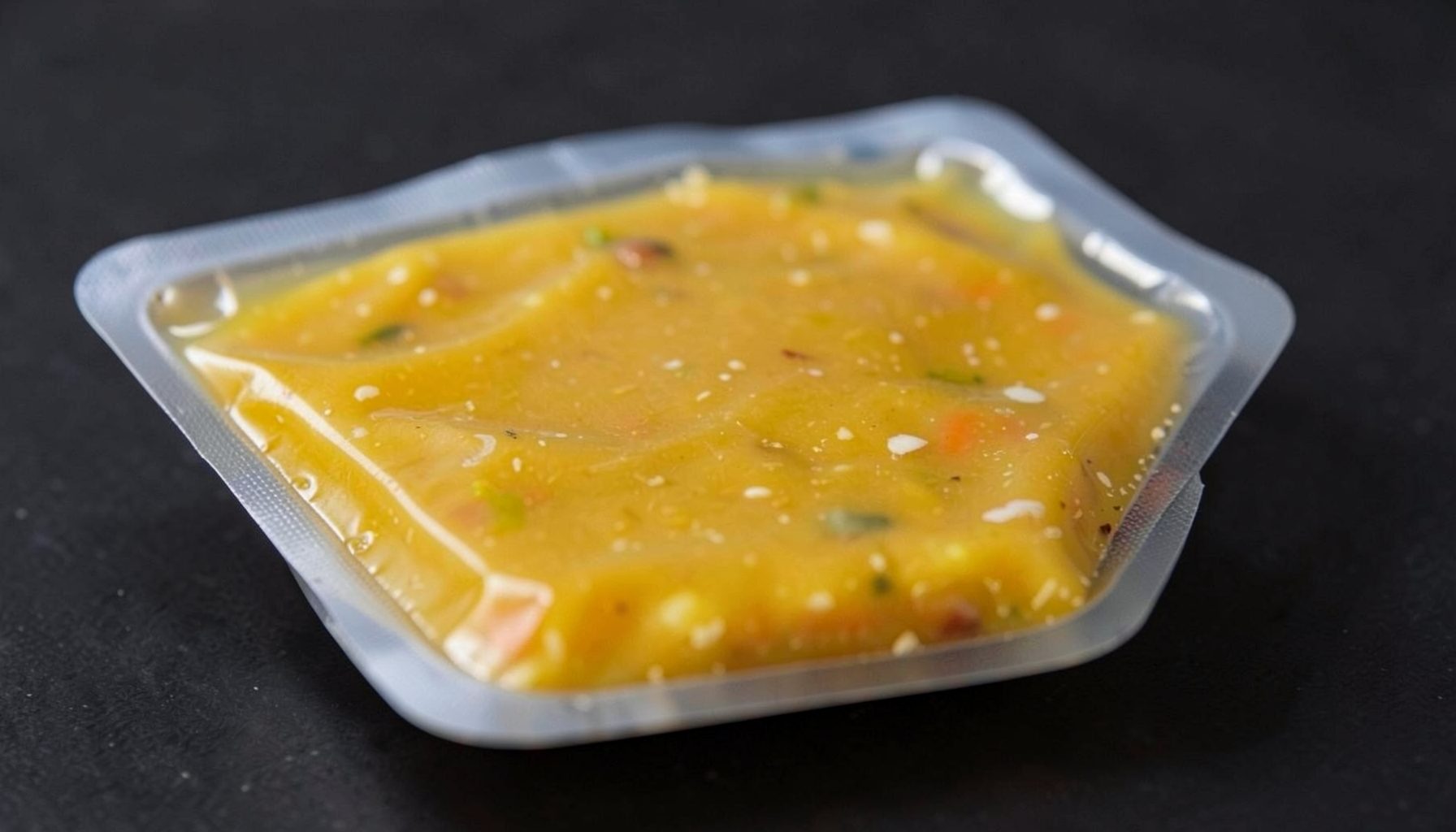
蛤?! Golden Clam Broth — New Batch
NT$ —
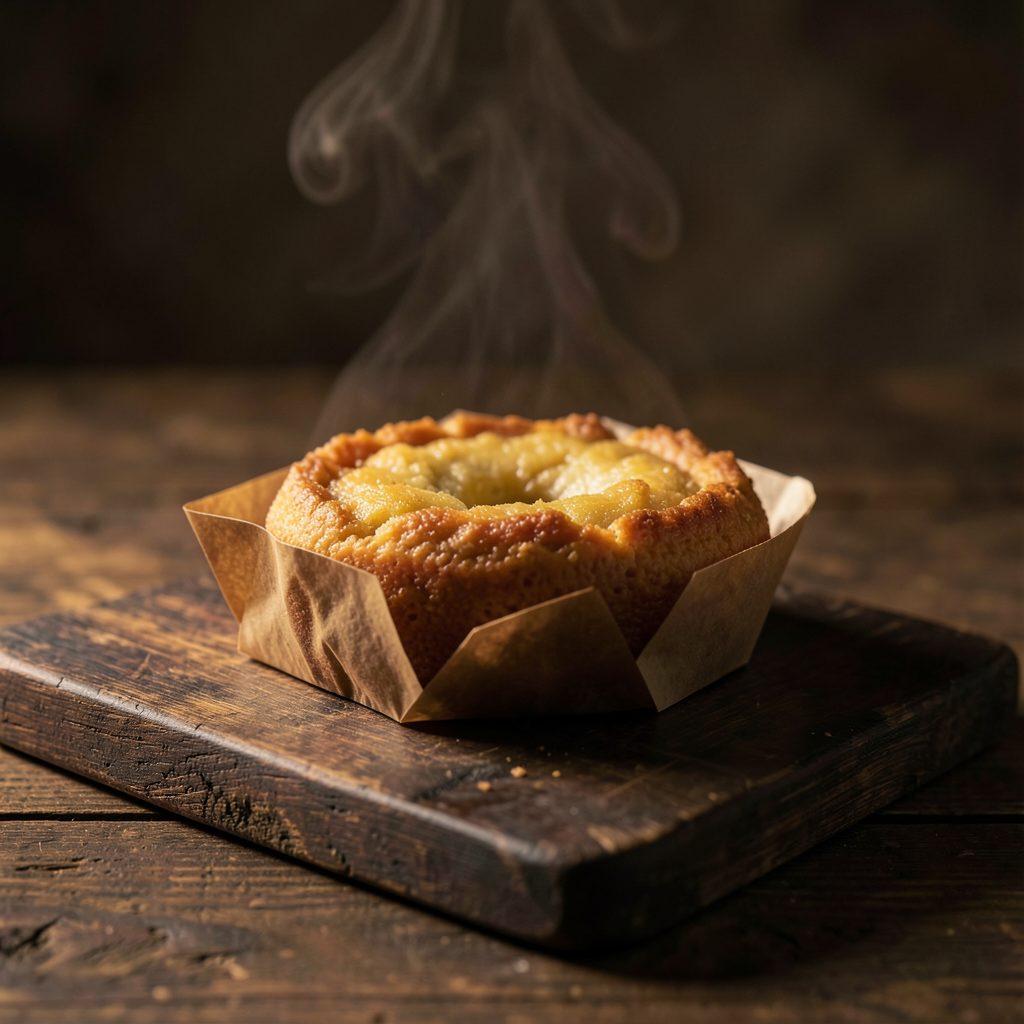
Radish Cake —蘿蔔糕精神
NT$ —
Duo Soup Base Set
NT$ —
Hot Pot Essentials Bundle
NT$ —
About 蛤?! Huh Pot
蛤?! Huh Pot is a Cantonese-style hot pot brand known for its signature clam-based broth —卜卜蜆 — made with rich old-hen stock and generous portions of fresh clams. The brand also encompasses 本事滿足鍋物, a personal hot pot concept, bringing the same depth of flavor to individual servings.
Through MoneyCome Mart, these restaurant-quality soup bases, dry noodles, radish cakes, and signature sauces are available for home delivery across Taiwan. Restaurant locations in Taipei's Da'an District, Civic Boulevard, and Taichung's Gongyi Road also welcome guests for dine-in, with online reservations available.