Clam Broth Rice And Quinoa For Easy Home Cooking
A good cooking liquid can turn an everyday grain into the centerpiece of a meal. MoneyCome Mart’s clam broth brings a savory seafood character to rice and quinoa, helping you create a restaurant-style side dish with very little preparation.
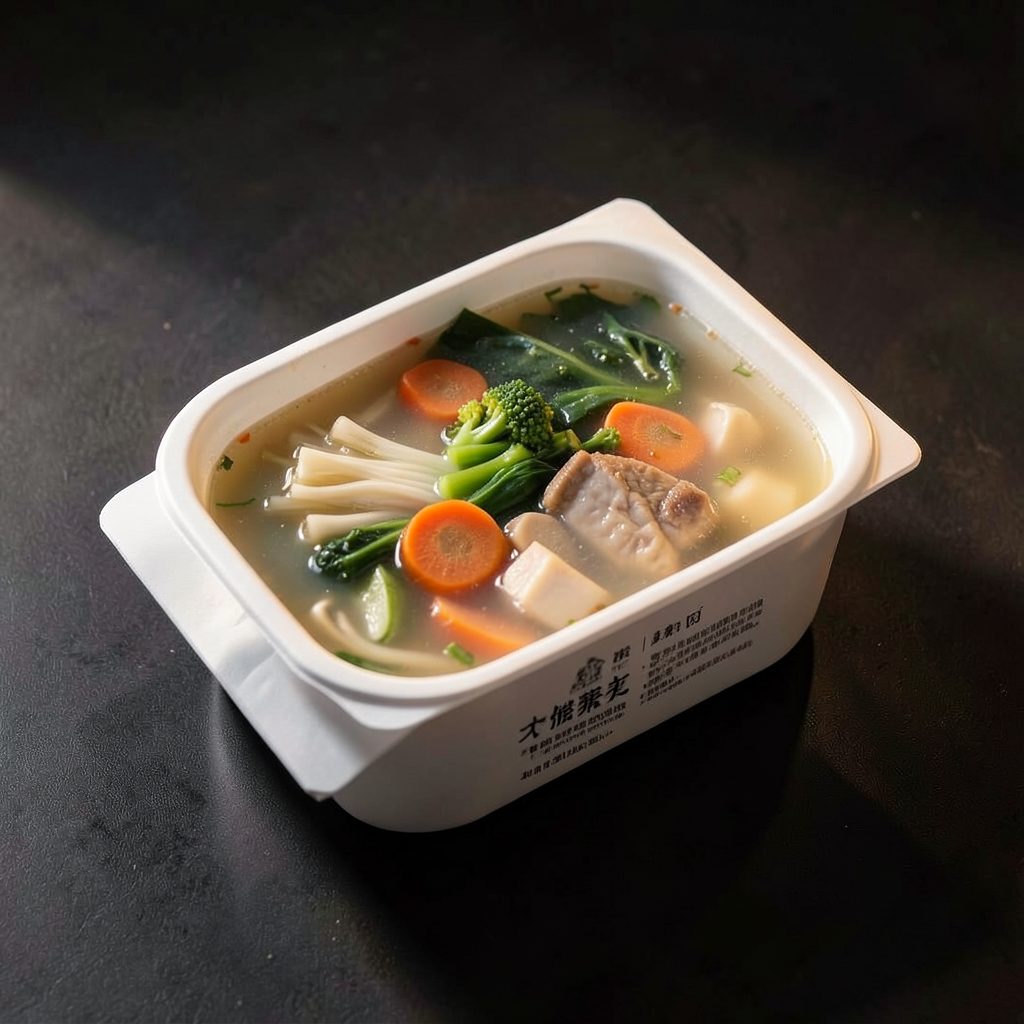
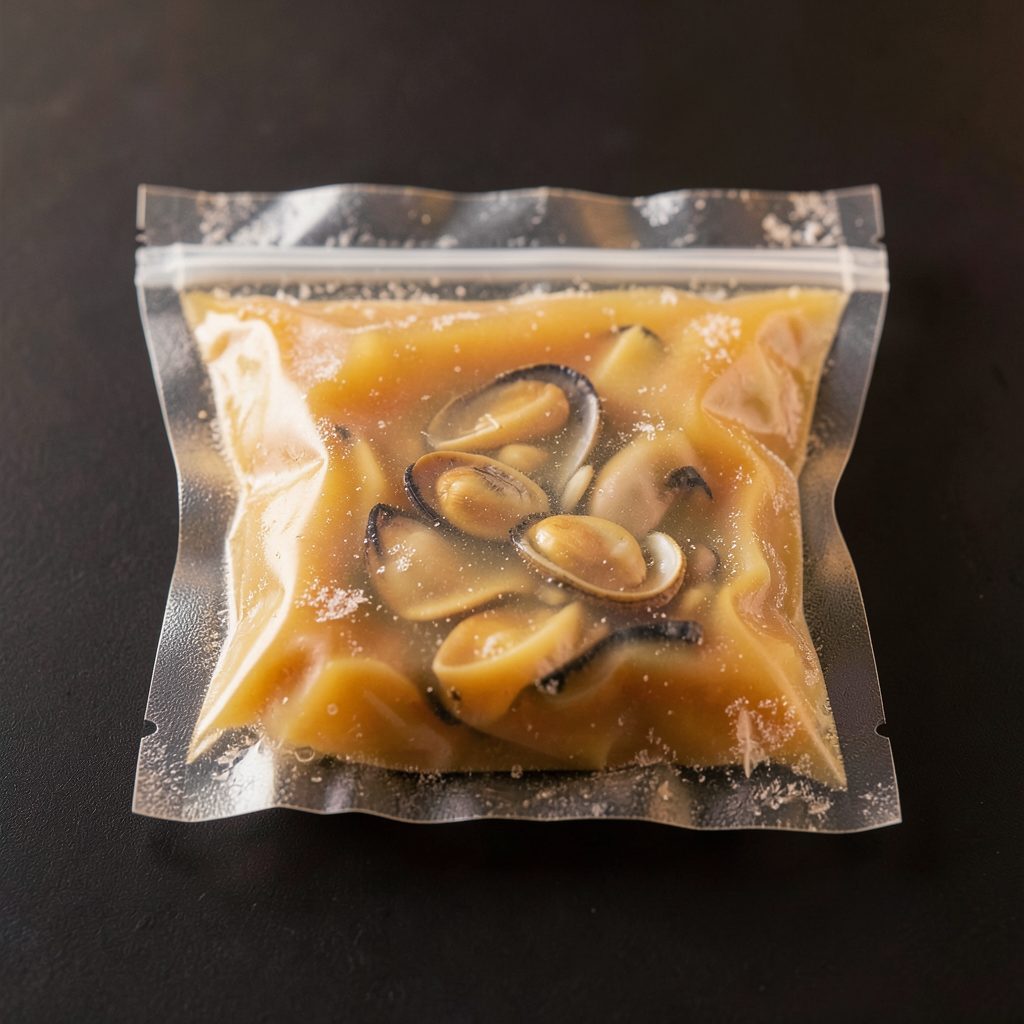
The broth works especially well when you want depth without building a separate stock. Its briny aroma pairs with white rice, brown rice, quinoa, mushrooms, leafy greens, tofu, and other hot pot ingredients. Use it as a complete liquid, or dilute it with water when the flavor is concentrated.
This approach also reflects the role of shellfish broths in Cantonese dining. For a closer look at the culinary background behind this style of soup, explore the Cantonese hot pot history before planning your next meal.
Choose A Suitable Grain
White rice is the easiest place to start because its mild flavor allows the clam broth to stand out. Jasmine rice gives the finished dish a fragrant profile, while short-grain rice creates a softer, slightly stickier texture. Brown rice can also work, though it needs more liquid and a longer cooking time.
Quinoa absorbs seafood flavor quickly and becomes a useful base for warm bowls or meal prep. Rinse it thoroughly under cold water before cooking to remove its natural coating, which can taste bitter. Tri-color quinoa adds visual appeal, while white quinoa tends to produce the lightest texture.
Dilute The Broth Before Cooking
Check whether the clam broth is ready to use or concentrated. If it tastes strongly seasoned straight from the package, combine it with water before adding it to the grain. A practical starting point is half broth and half water, followed by an adjustment at the next batch.
Avoid adding salt at the beginning. Clam broth can contain enough seasoning to flavor the entire dish, and evaporation makes that taste more intense. You can add a small amount of salt after cooking, but it is much harder to correct an overly salty pot.
Adjust The Liquid And Timing
For one cup of uncooked white rice, begin with approximately 1.1 to 1.25 cups of total liquid, depending on the rice variety and your cooker. For quinoa, use about 1.75 to 2 cups of liquid per cup of grain. These amounts are starting points because broth thickness, cookware, and rinsing can change the result.
Bring the liquid to a gentle simmer, then cover the pot and cook according to the grain’s usual method. Once the heat is turned off, allow the rice or quinoa to rest for 5 to 10 minutes before fluffing. This resting period redistributes moisture and helps prevent a wet bottom layer.
Match The Method To The Grain
| Grain | Total Liquid Per Cup | Approximate Cooking Time | Best Additions |
|---|---|---|---|
| White rice | 1.1–1.25 cups | 15–20 minutes | Scallions, ginger, mushrooms |
| Jasmine rice | 1–1.15 cups | 12–18 minutes | Cilantro, sesame oil, bok choy |
| Brown rice | 1.75–2 cups | 35–45 minutes | Corn, carrots, shiitake mushrooms |
| White quinoa | 1.75–2 cups | 15–20 minutes | Spinach, tofu, roasted vegetables |
| Tri-color quinoa | 1.75–2 cups | 18–22 minutes | Edamame, cabbage, chili flakes |
A rice cooker makes the process especially convenient: add the rinsed grain, broth mixture, and selected aromatics, then start the regular cycle. On the stovetop, use a heavy saucepan with a tight-fitting lid so steam stays inside. For quinoa, wait until the small spiral-shaped germ separates from the seed before fluffing.
Build Layers Of Flavor
Clam broth already provides a seafood foundation, so a few simple ingredients are enough. Add thin slices of ginger, crushed garlic, scallions, or dried mushrooms before cooking. These aromatics complement the shellfish taste without covering it.
For a complete meal, stir in cooked shrimp, shredded chicken, tofu, corn, peas, or blanched greens after the grain is finished. Fresh herbs, toasted sesame seeds, white pepper, or a few drops of sesame oil can be added at the table. Keep chili oil and strong sauces separate if diners prefer different levels of heat.
Keep Texture And Seasoning Balanced
If the rice turns out too firm, add one or two tablespoons of hot water, cover the pot, and steam it over low heat for several minutes. If it is too soft, spread it on a wide plate so excess steam can escape. Quinoa benefits from the same resting and aeration process.
Taste the finished grain only after it has rested. The broth’s saltiness becomes clearer as the surface moisture settles. A squeeze of lemon or a small splash of rice vinegar can brighten the dish, while unsalted vegetables help balance a stronger seafood profile.
Make Each Batch More Reliable
Use these practical habits when preparing clam broth grains at home:
- Rinse rice or quinoa before measuring the cooking liquid.
- Dilute concentrated broth and leave out extra salt until serving.
- Add delicate seafood or leafy greens after the grain has cooked.
- Rest covered rice or quinoa before fluffing with a fork.
- Refrigerate leftovers promptly and reheat them with a splash of water.
MoneyCome Mart’s cold-chain delivery makes it easy to keep Cantonese hot pot ingredients available for quick meals, whether you are preparing a simple broth grain bowl or a larger home hot pot spread. Browse the clam broth and complementary ingredients, then bring a savory seafood finish to your next rice or quinoa dish.
Best Sellers
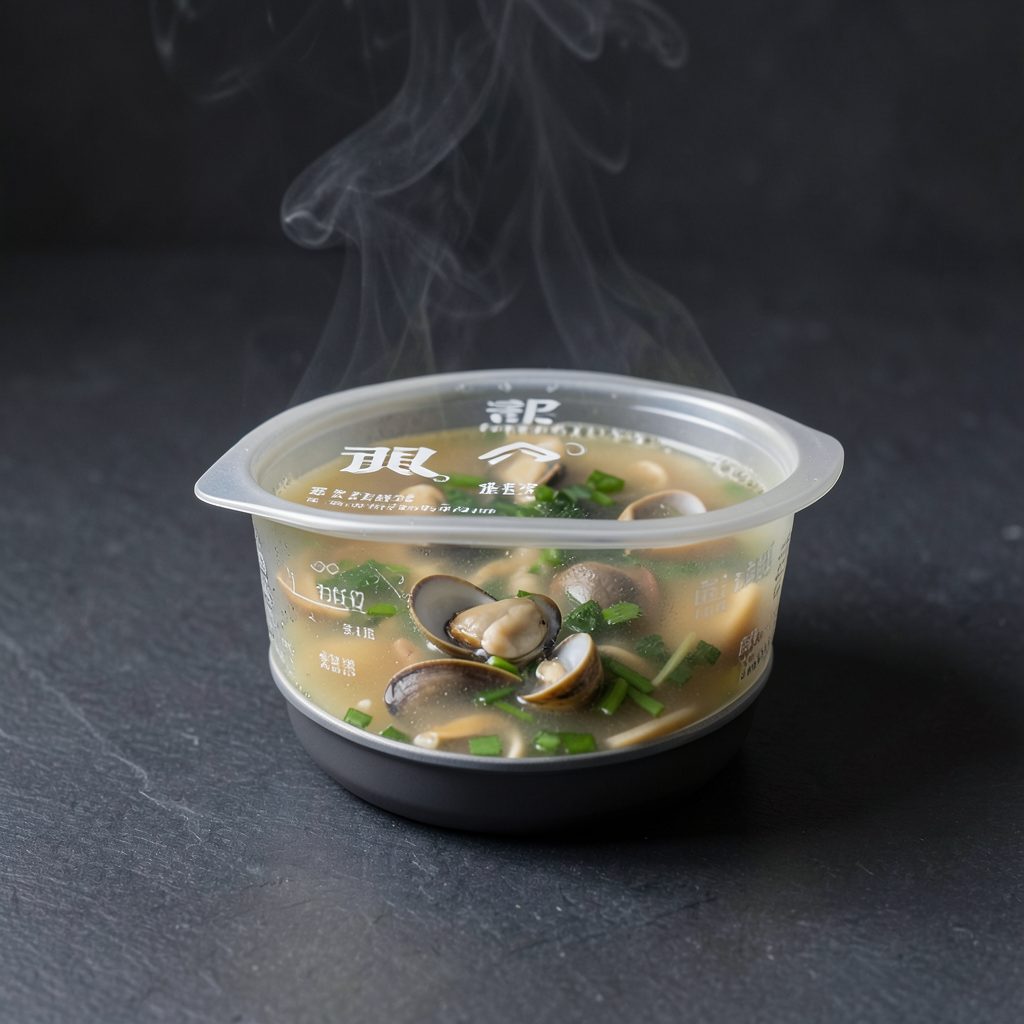
蛤?! Clam Soup Base —卜卜蜆
NT$ —
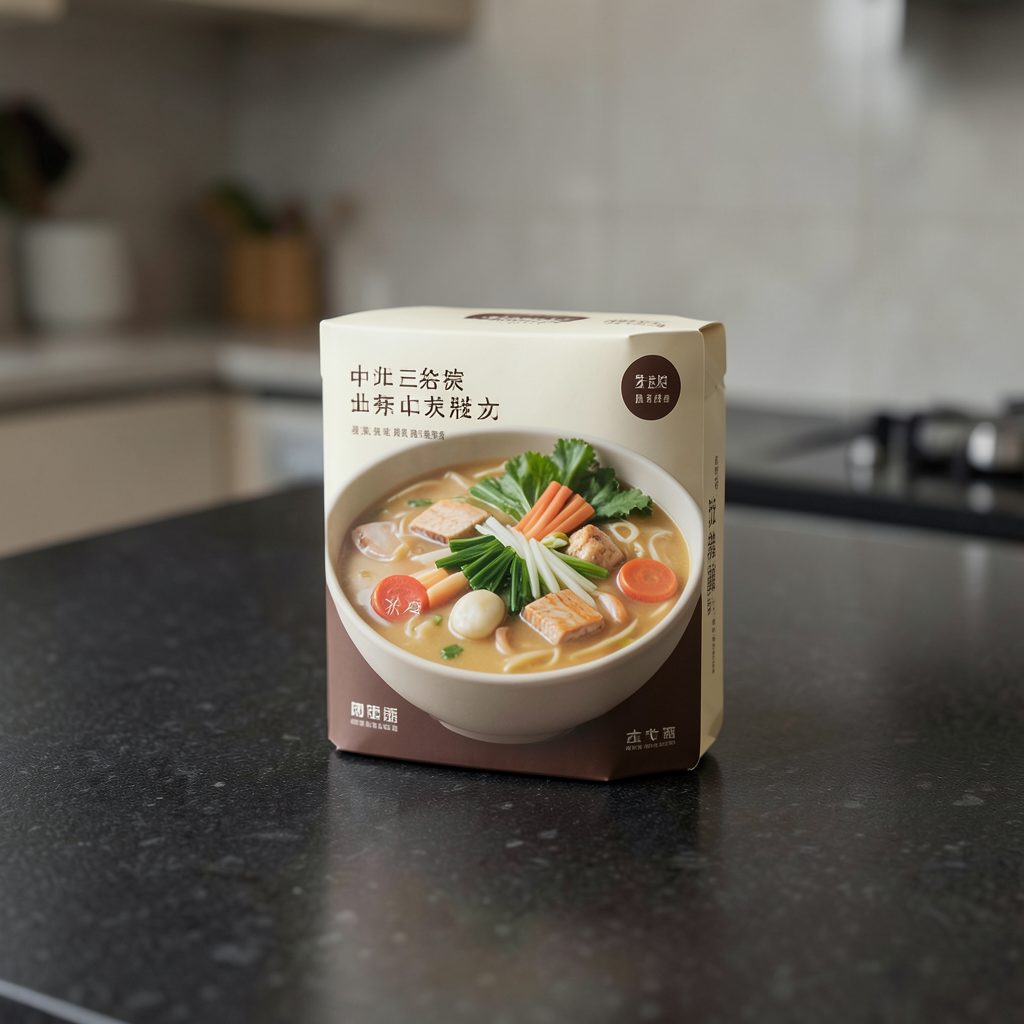
本事滿足鍋物 Personal Pot Base
NT$ —
蛤?! Dry Noodles
NT$ —
Signature Sauce
NT$ —
New Arrivals
蛤?! Golden Clam Broth — New Batch
NT$ —
Radish Cake —蘿蔔糕精神
NT$ —
Duo Soup Base Set
NT$ —
Hot Pot Essentials Bundle
NT$ —
About 蛤?! Huh Pot
蛤?! Huh Pot is a Cantonese-style hot pot brand known for its signature clam-based broth —卜卜蜆 — made with rich old-hen stock and generous portions of fresh clams. The brand also encompasses 本事滿足鍋物, a personal hot pot concept, bringing the same depth of flavor to individual servings.
Through MoneyCome Mart, these restaurant-quality soup bases, dry noodles, radish cakes, and signature sauces are available for home delivery across Taiwan. Restaurant locations in Taipei's Da'an District, Civic Boulevard, and Taichung's Gongyi Road also welcome guests for dine-in, with online reservations available.