Turn turnip cakes into a crispy snack the easy way
Turnip cakes arrive at your kitchen dense, soft, and a little shy on the plate. With the right pan, a splash of oil, and a few minutes of patience, that same slice transforms into something entirely different: a crackling golden crust wrapped around a tender, steaming centre. For Australians who grew up grabbing these cakes at yum cha or picking them up from a suburban Asian grocer, the move from soft to crisp is the difference between a side dish and the main event.
If you order frozen turnip cakes from MoneyCome Mart, the work is already half done for you. Each cake is portioned, vacuum-sealed, and shipped cold so the texture stays intact. All you need is a heavy skillet, a thin film of neutral oil, and the kind of patience Sydney home cooks learn after one too many soggy attempts.
Pick the right cake for the pan
Not all turnip cakes behave the same under heat. Dense, daikon-heavy loaves hold their shape when sliced thin and fried hard, giving you a chewier bite. Looser, rice-flour-leaning versions crisp faster but can fall apart if you flip them too early. Read the label on each pack, since Australian food standards under the ACCC require clear weight, ingredient, and allergen declarations, which makes it easier to know exactly what you are working with.
A thicker slice, around one and a half centimetres, gives you the best contrast: hot steamy middle, shattery edge. Anything thinner turns into a cracker before the centre warms through, and anything thicker stays pale in the middle while the outside burns. If your cake is freshly thawed, pat it dry with paper towel before it hits the oil. Surface moisture is the enemy of crisp.
Prep the slices before frying
A dry surface is non-negotiable. After slicing, lay the pieces on a clean tea towel or a sheet of paper towel for ten minutes while you heat the pan. Cold slices straight from the fridge also tend to stick, so let them sit on the bench for five minutes first. In Brisbane's humid summer afternoons, a quick pass under a fan helps the surface dry even faster.
Season lightly at this stage if your cake is plain. A pinch of white pepper, a scatter of finely sliced spring onion, or a brush of sesame oil on one face gives the crust a flavour boost the moment it hits the heat. Skip heavy marinades though, since turnip cake already carries enough moisture on its own, and too much liquid will steam rather than sear.
Master the pan-fry
Use a well-seasoned cast-iron or heavy stainless skillet. Cast iron holds steady heat, which suits the long, patient sear these cakes need. Pour enough neutral oil, peanut, grapeseed, or rice bran, to coat the base by about two millimetres, then bring it to medium heat. Test with the edge of a slice; if it sizzles immediately, you are ready.
Lay the slices in flat, leaving space between them. Resist the urge to nudge them for the first three to four minutes. The crust forms on its own if you leave it alone, and any movement breaks that bond before it sets. Flip once when the underside looks deeply golden, then press down gently with a spatula for an even finish on the second side. Total cooking time sits around six to eight minutes, depending on thickness. Drain on a wire rack rather than paper towel so steam escapes and the bottom stays crisp.
Try an oven or air fryer instead
If you prefer a hands-off approach, an oven set to 220 degrees Celsius works, though it takes longer to build the same shatter. Brush the slices with oil on both sides, lay them on a rack over a tray, and roast for roughly eighteen minutes, flipping halfway. The result is a drier, more uniform crisp, ideal for Melbourne-style weekend platters where everything has to be ready at once.
An air fryer shortens the job considerably. Eight minutes at 200 degrees, flipped once, gives you a golden face and a soft pillow inside. The basket circulates heat around the edges, so you do not need to press the slices flat. Cook in a single layer to avoid steaming, and do not overcrowd the basket, since doing two small batches beats one crowded round every time.
Pick sauces and sides that lift the cake
Turnip cake on its own is good. Turnip cake with the right dip is the reason you keep coming back. Classic options include sweetened soy, chilli oil with black vinegar, or a quick hoisin-garlic mix. A squeeze of lemon and a spoon of Kewpie mayo also works for those who like the cake as a snack rather than a side.
Pairing matters too. In colder Australian months, a small bowl of clam broth alongside fried turnip cake turns the snack into a light meal. During warmer evenings in Perth or Adelaide, a fresh cucumber salad with a splash of black vinegar keeps things bright and balances the richness of the pan-fry. A pot of jasmine tea, served hot or cold, finishes the plate.
Serve it as a snack or a centrepiece
For casual entertaining, slice the cakes into bite-sized rectangles, skewer them with short bamboo picks, and set them out with three small dipping bowls. They disappear fast, so plan for at least two slices per person if other food is light. If you want something more substantial, serve the cakes over a bed of blanched gai lan with a drizzle of oyster sauce, the way many Melbourne yum cha restaurants plate their dim sum.
Leftover fried slices reheat well in a dry pan over medium heat for two minutes a side. Avoid the microwave, which turns the crust rubbery. If you have cooked more than you need, store them in an airtight container in the fridge for up to two days, though they lose their crunch after the first reheating.
Buy smart and store well
If you live outside Sydney and Melbourne, finding high-quality turnip cakes in local supermarkets can be hit and miss. The Asian freezer aisle at Coles or Woolworths usually carries a Cantonese-style option, but the daikon content is often lower, and the cakes lean towards rice flour. Specialty Asian grocers in Chatswood, Box Hill, and Sunnybank stock better versions, though prices climb quickly once you add postage for cold-chain delivery.
Ordering direct from a specialist hot pot store keeps things simple. Packs arrive frozen, the soup bases and turnip cakes travel together, and you avoid the guesswork of guessing which brand delivers consistent flavour. Stock up on a few extra packs during cooler months; a freezer full of turnip cakes means a crisp snack is never more than ten minutes away.
Dip ideas worth trying
- Sweet soy with grated ginger
- Chilli oil, black vinegar, and a touch of sugar
- Hoisin mixed with crushed garlic and sesame oil
- Kewpie mayo with a squeeze of lemon
Equipment that makes a difference
- A heavy cast-iron or stainless steel skillet
- A wide, flat spatula for clean flips
- A wire cooling rack to keep the crust crisp after frying
- An instant-read thermometer if you use the oven route
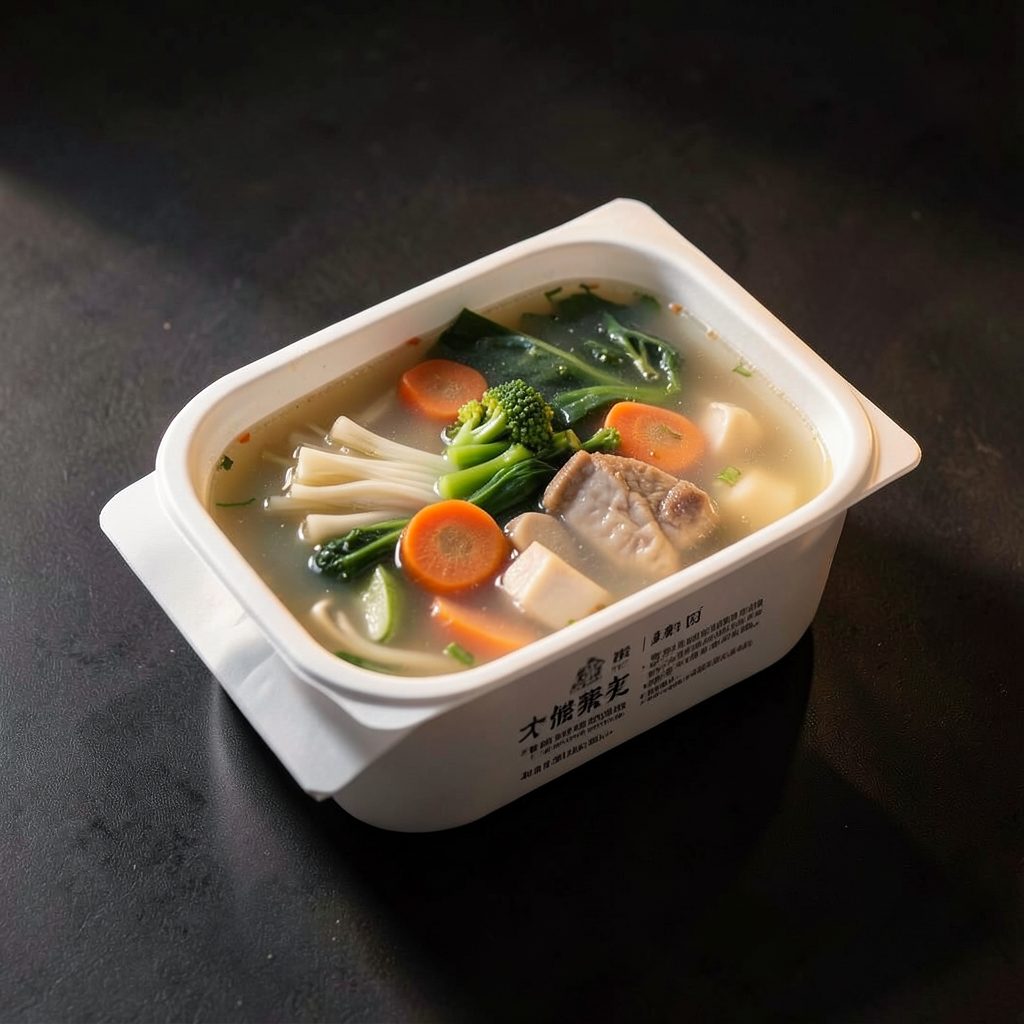
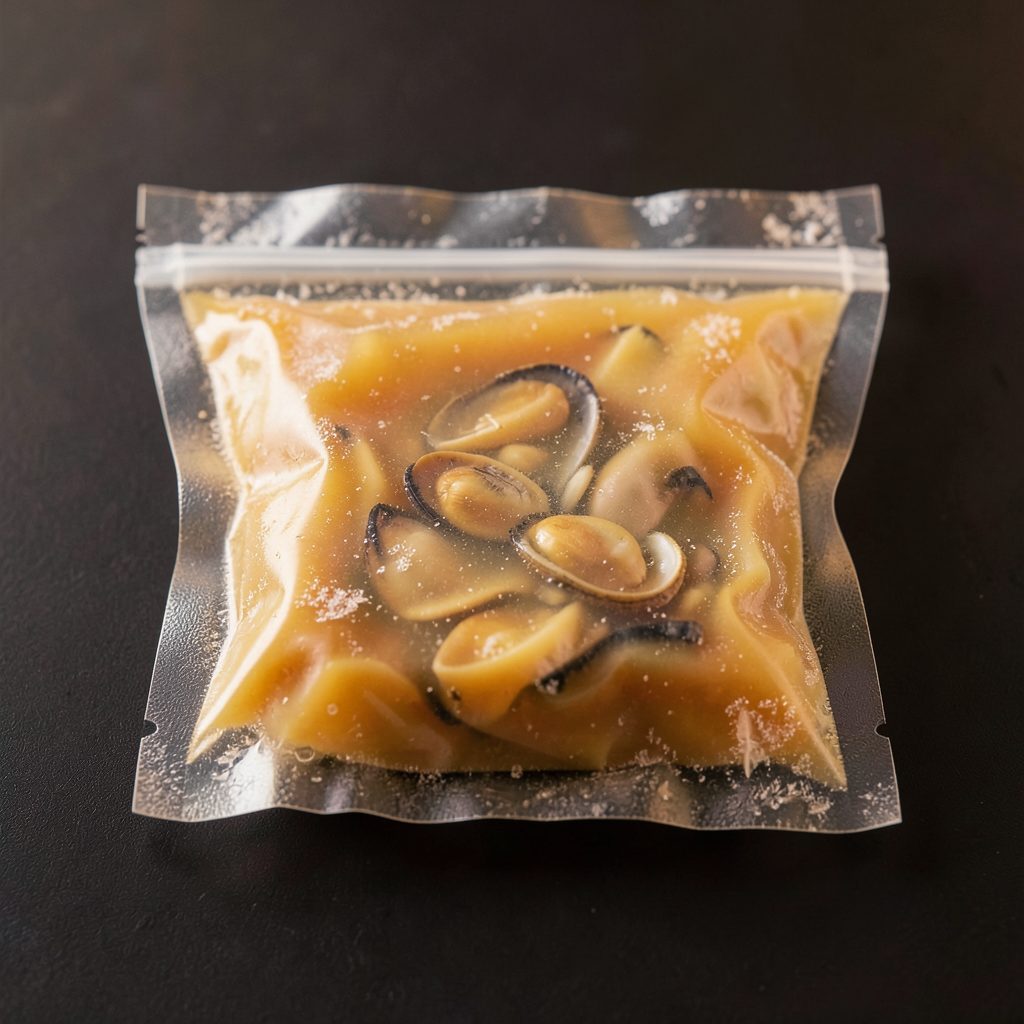
Best Sellers
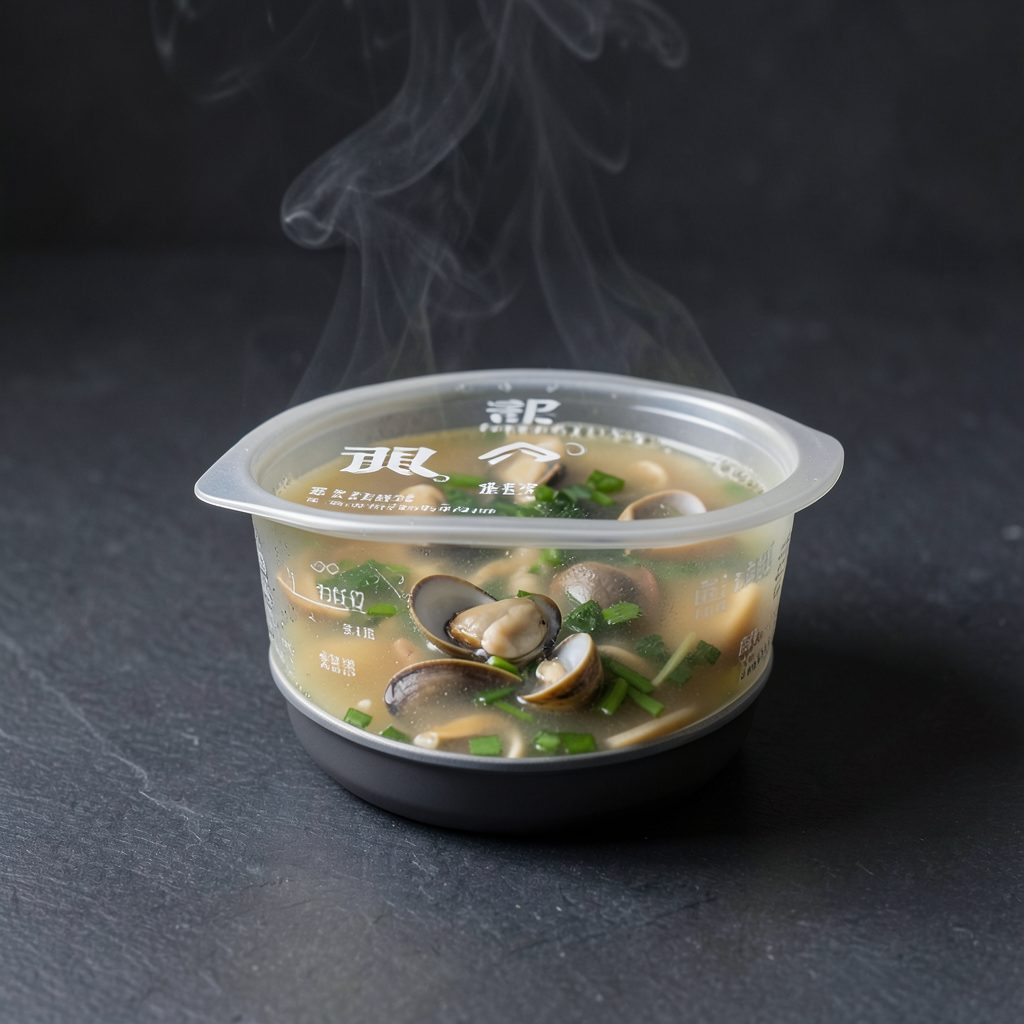
蛤?! Clam Soup Base —卜卜蜆
NT$ —
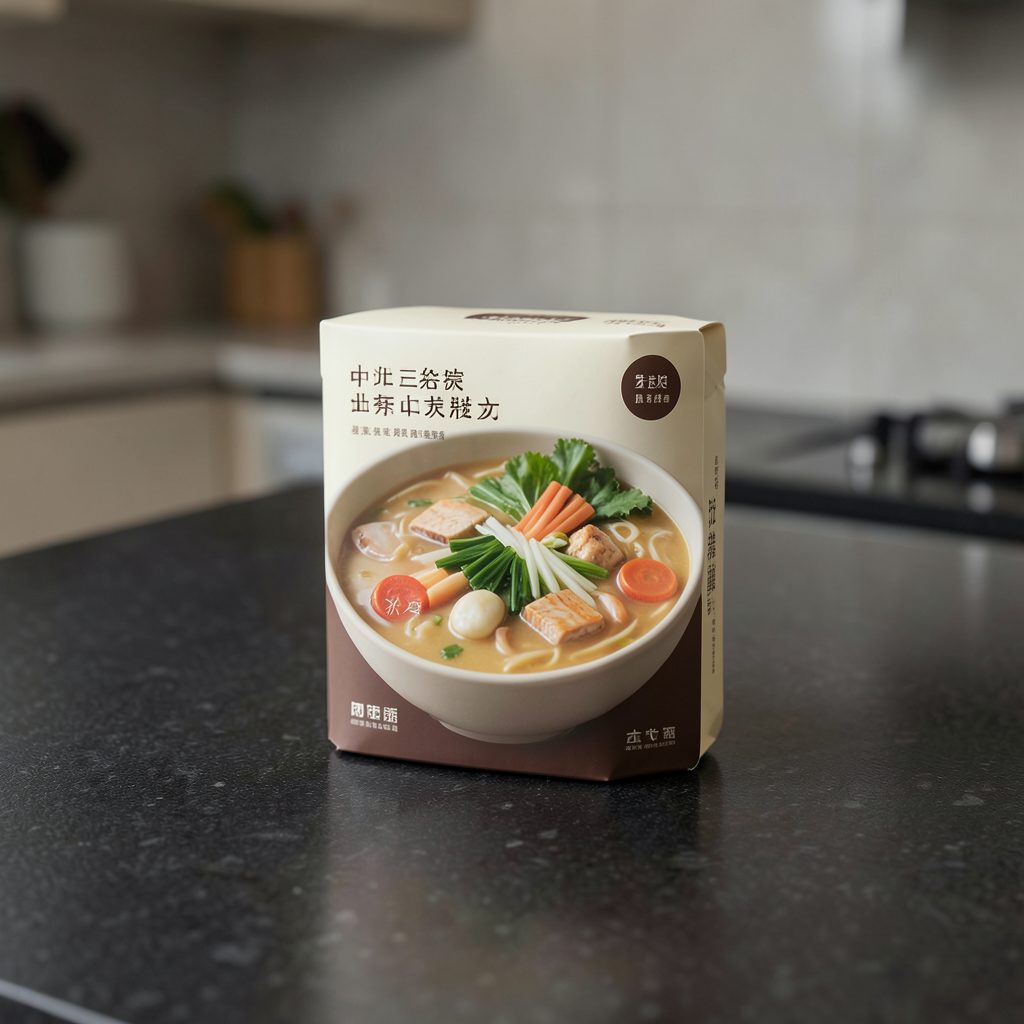
本事滿足鍋物 Personal Pot Base
NT$ —
蛤?! Dry Noodles
NT$ —
Signature Sauce
NT$ —
New Arrivals
蛤?! Golden Clam Broth — New Batch
NT$ —
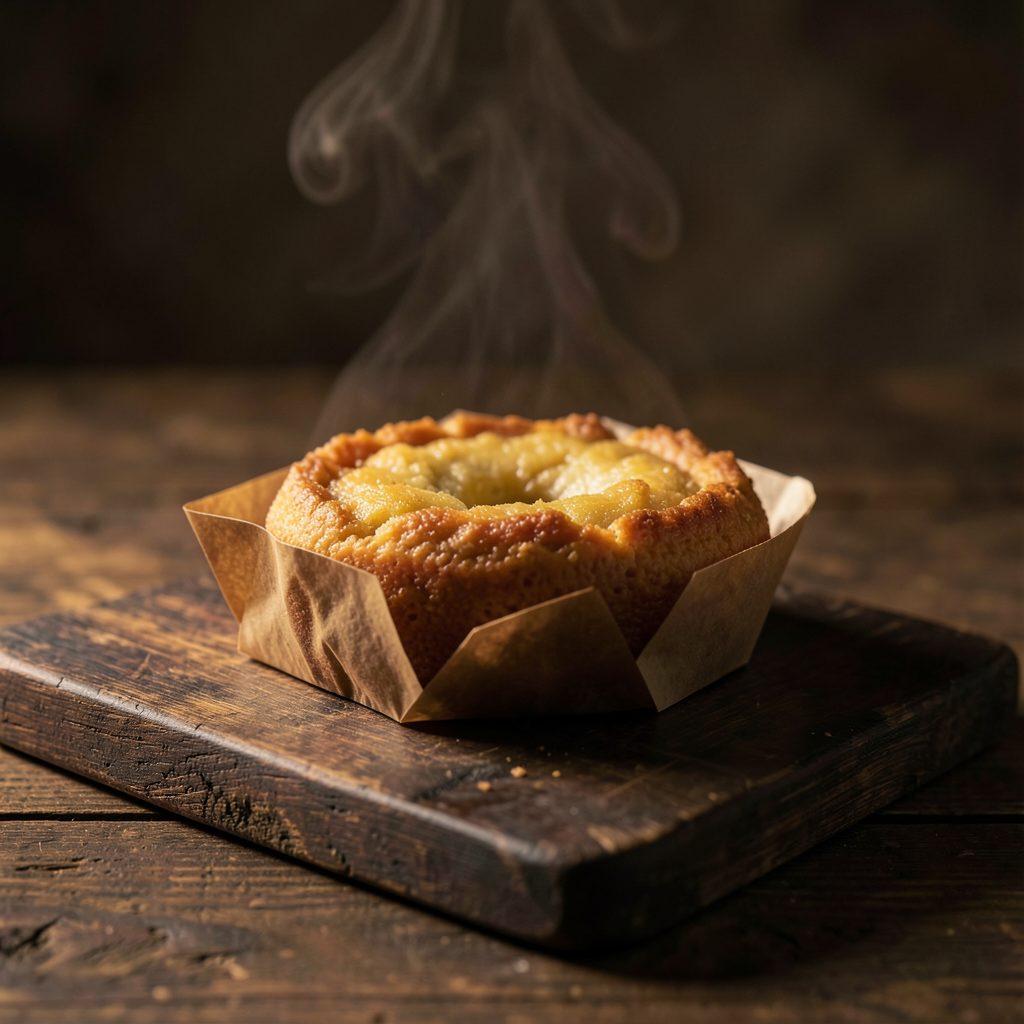
Radish Cake —蘿蔔糕精神
NT$ —
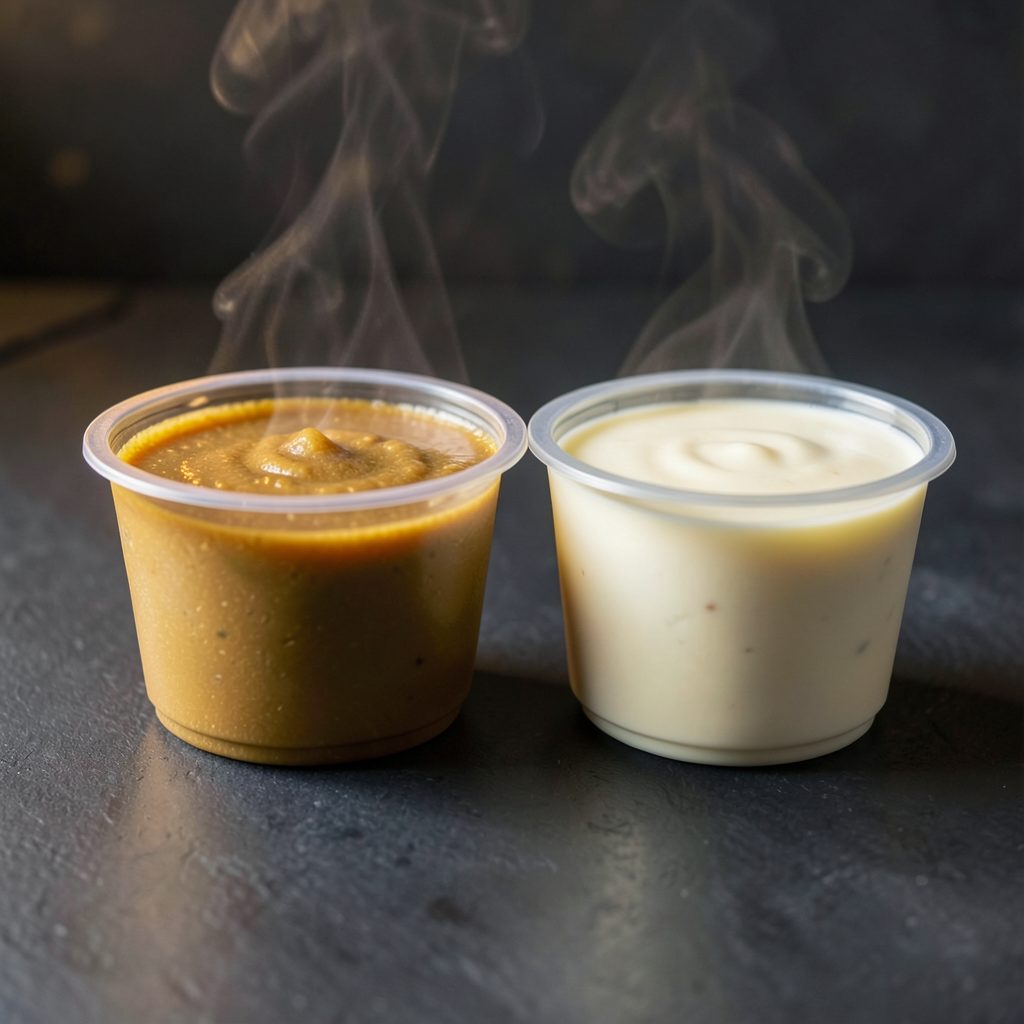
Duo Soup Base Set
NT$ —
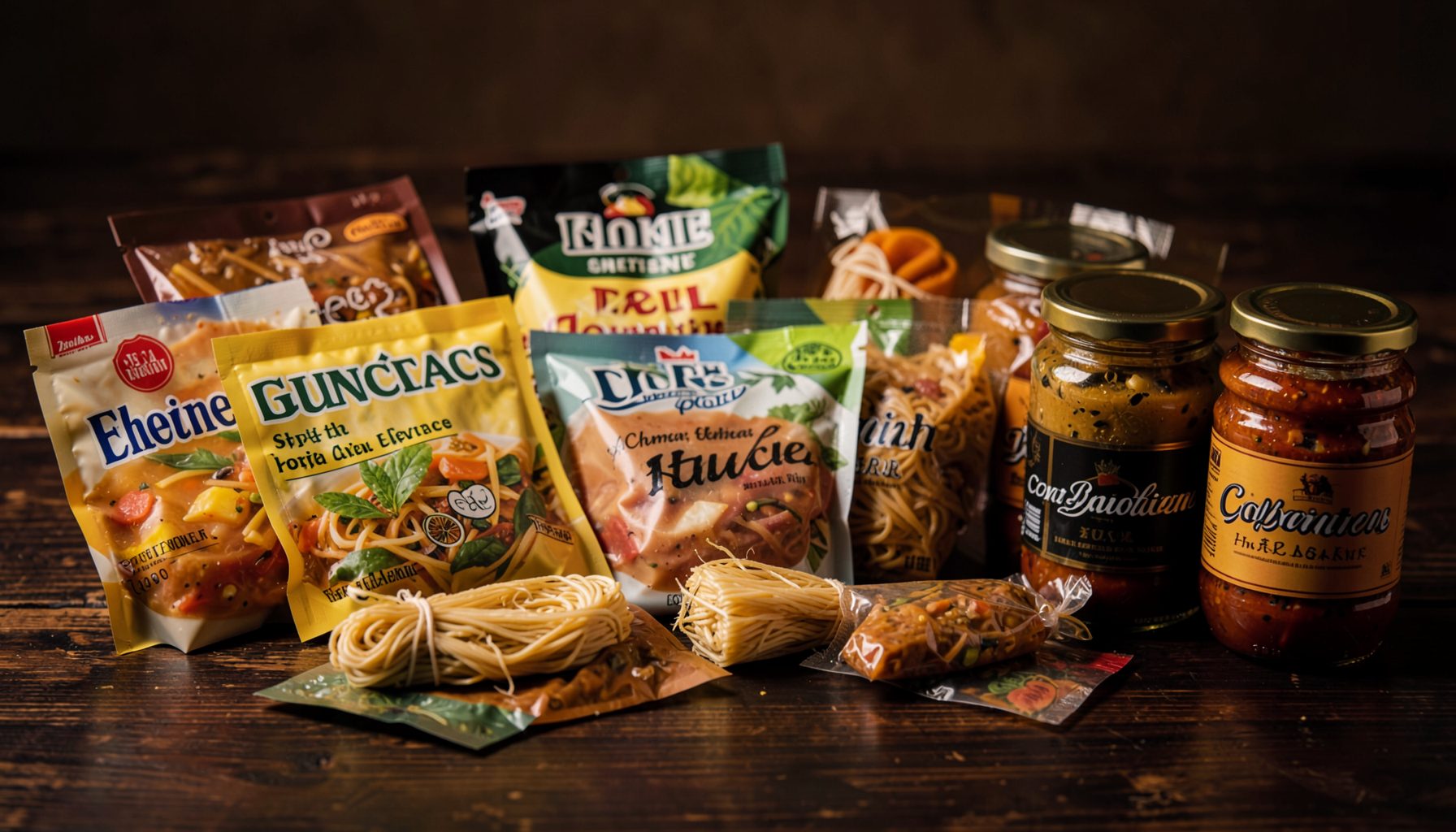
Hot Pot Essentials Bundle
NT$ —
About 蛤?! Huh Pot
蛤?! Huh Pot is a Cantonese-style hot pot brand known for its signature clam-based broth —卜卜蜆 — made with rich old-hen stock and generous portions of fresh clams. The brand also encompasses 本事滿足鍋物, a personal hot pot concept, bringing the same depth of flavor to individual servings.
Through MoneyCome Mart, these restaurant-quality soup bases, dry noodles, radish cakes, and signature sauces are available for home delivery across Taiwan. Restaurant locations in Taipei's Da'an District, Civic Boulevard, and Taichung's Gongyi Road also welcome guests for dine-in, with online reservations available.