How to Turn Leftover Hot Pot Broth into Next-Day Noodle Soup
A hot pot meal often leaves behind the most flavorful part: a broth enriched with vegetables, seafood, meat, and dipping sauces. Rather than discard it, transform the remaining soup into a quick noodle dish with a few fresh ingredients and careful reheating.
The key is to treat yesterday’s broth as a concentrated base, not a finished soup. Its flavor may be deeper and saltier after sitting overnight, so adding water, fresh aromatics, and noodles helps restore balance.
This approach works with Cantonese-style soup bases, clam broth, mushroom stock, and spicy hot pot soup. With the right preparation, leftovers can become a completely different meal that tastes intentional rather than recycled.
Start with safe storage
Let the broth cool briefly after the meal, then transfer it to a shallow, covered container. Refrigerate it within two hours, or sooner if the room is warm. Strain out small pieces of food that may become unpleasant overnight, especially seafood shells, leafy greens, and thinly sliced meat.
Use refrigerated broth within one to two days. Before serving, bring it to a full simmer and keep it hot while adding the new ingredients. If the broth smells sour, looks unusually cloudy, or has been left at room temperature for several hours, discard it instead of trying to rescue it.
If you expect leftovers, store the broth separately from cooked noodles and delicate ingredients. This keeps the texture cleaner and makes the next day’s preparation much faster.
Choose noodles that suit the soup
Thin wheat noodles, ramen, rice noodles, udon, and Taiwanese-style vermicelli can all work well. Select based on the broth’s strength: delicate rice noodles suit clam or vegetable stock, while chewy udon and wheat noodles can stand up to spicy or heavily seasoned soup.
Cook noodles separately when possible, particularly if you plan to save another portion. Noodles release starch into the broth and may absorb most of the liquid overnight. Boil them until just tender, drain them, and place them in the serving bowl before ladling over the hot soup.
For a one-pot method, add fresh noodles only after the broth has returned to a simmer. Follow the package timing closely and avoid overcooking, since residual heat will continue softening them.
Balance the broth before reheating
Start by tasting a small spoonful of the cold broth. Add water or unsalted stock gradually, usually between one-quarter and one-half cup per serving, until the flavor is rich but not overwhelming. A splash of rice wine can brighten a seafood-based soup, while a little sesame oil can round out a vegetarian or mushroom broth.
Fresh aromatics make the leftover soup taste newly prepared. Try sliced ginger, scallions, garlic, cilantro stems, white pepper, or a small amount of chili oil. Avoid adding soy sauce immediately; hot pot broth often contains seasoning from dipping sauces, and extra salt can quickly dominate the bowl.
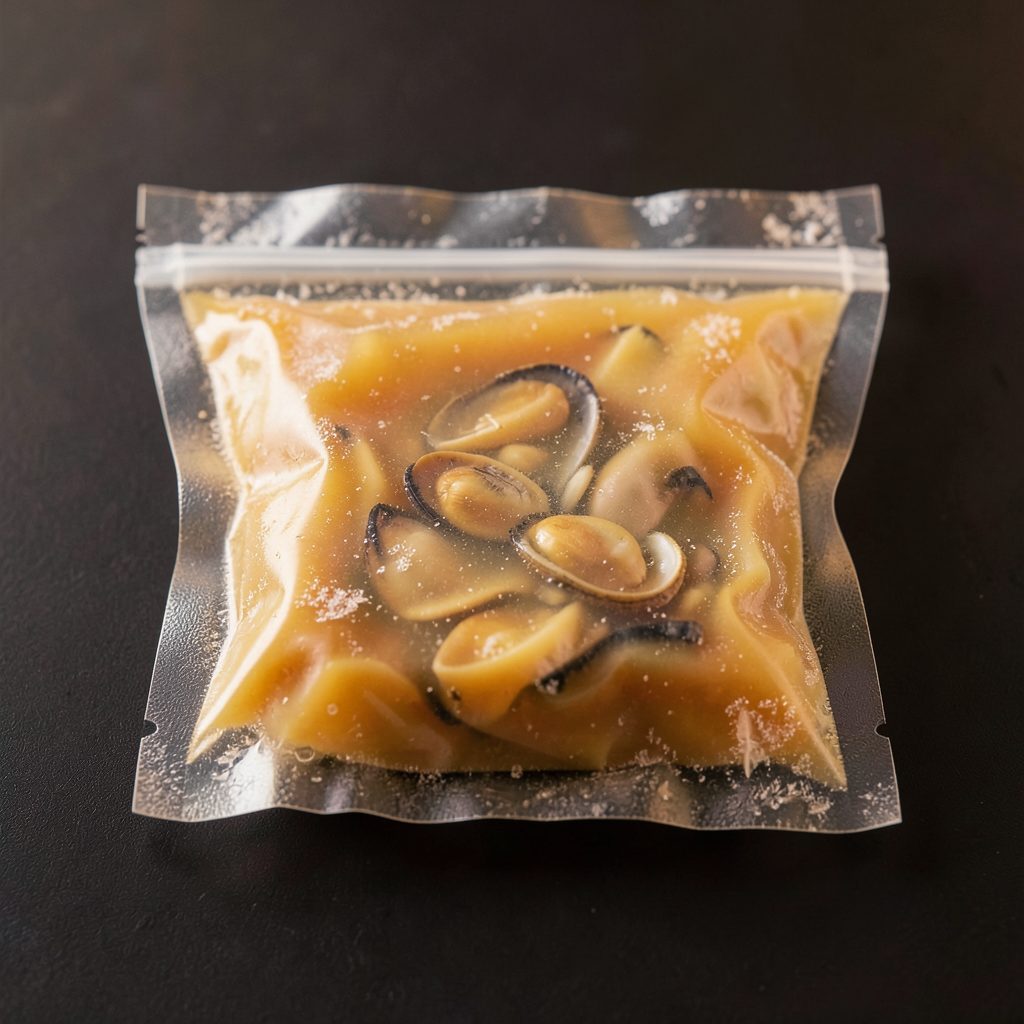
For home cooks who want to recreate that restaurant-style depth, Cantonese hot pot flavors offer a useful starting point, especially when paired with fresh noodles and vegetables. Frozen soup bases can also be portioned for a future meal instead of opening a full package at once.
Match ingredients to the broth
Different soup bases benefit from different additions. A clam or seafood broth needs gentle ingredients, while a spicy beef or mala-style soup can support stronger flavors. Use leftovers selectively so the bowl has contrast in color, texture, and taste.
| Leftover broth | Noodles that fit | Fresh additions | Finishing touch |
|---|---|---|---|
| Clam or seafood broth | Rice noodles or thin wheat noodles | Napa cabbage, tofu, mushrooms | Scallions and white pepper |
| Mushroom or vegetable broth | Udon or ramen | Corn, bok choy, bean sprouts | Sesame oil |
| Spicy broth | Wheat noodles or sweet potato noodles | Fish balls, tofu, cabbage | Chili crisp and cilantro |
| Herbal chicken broth | Vermicelli or egg noodles | Shredded chicken, spinach, bamboo shoots | Fried garlic |
| Creamy or rich broth | Udon or thick wheat noodles | Corn, mushrooms, soft-boiled egg | Black pepper |
Use one or two fresh vegetables rather than filling the pot with every available leftover. Napa cabbage, bok choy, spinach, mushrooms, bean sprouts, and corn cook quickly and add useful texture.
Protein can be added in small portions. Sliced cooked meat should be heated thoroughly, while tofu, fish balls, dumplings, and other prepared hot pot items should simmer until steaming hot in the center.
Build layers of texture
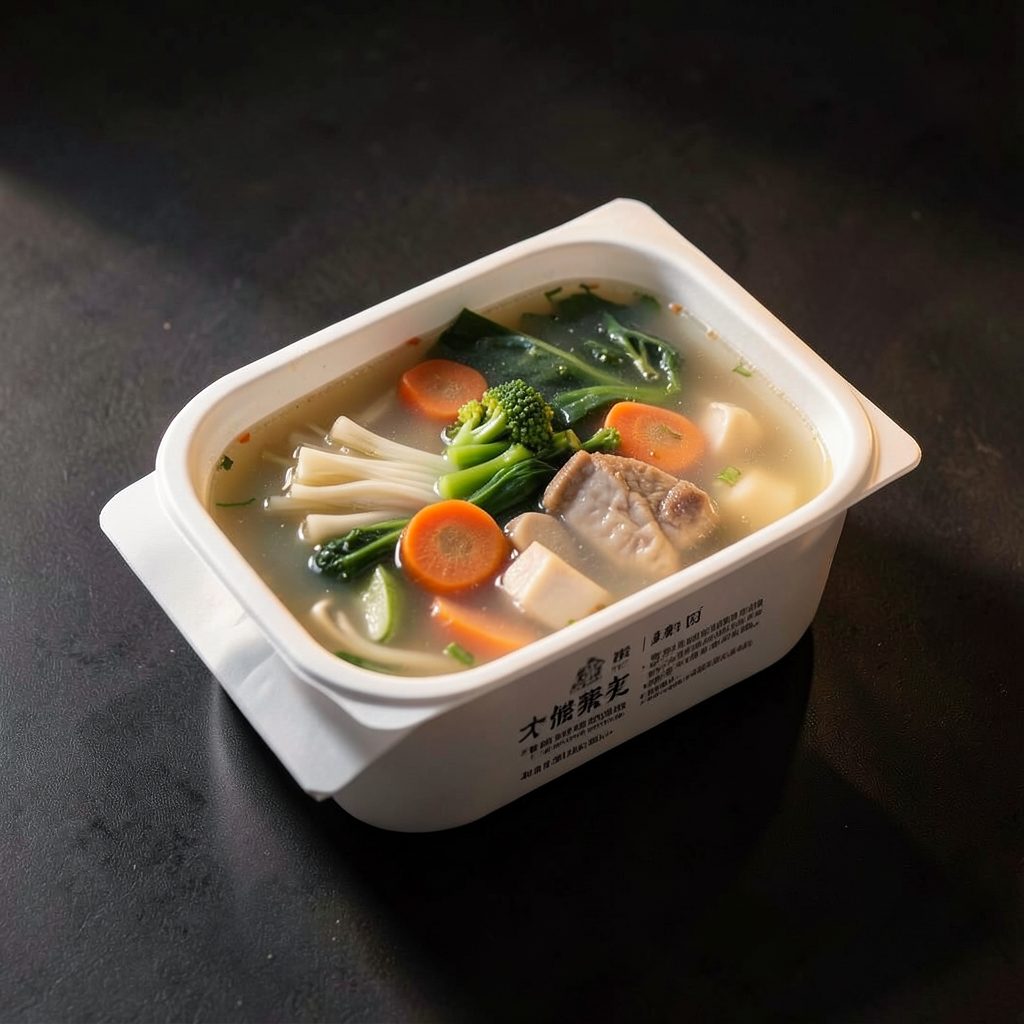
Begin by simmering firm ingredients such as carrots, daikon, corn, or mushrooms. Add tofu and fish balls next, then leafy vegetables near the end. This order prevents delicate ingredients from becoming mushy while giving the broth time to absorb fresh flavors.
Place cooked noodles in a deep bowl and arrange the toppings over them. Pour the simmering broth into the bowl rather than boiling the noodles in it when you want a clearer soup. The hot liquid will warm the noodles and preserve a more balanced texture.
A soft-boiled egg, shredded nori, toasted sesame seeds, fried shallots, or chopped scallions can make the finished dish feel distinct from the original hot pot. A small spoonful of pickled vegetables also adds acidity that cuts through a rich broth.
Make the next bowl feel new
Think of the leftover soup as a base for a different flavor profile. A few carefully chosen additions can shift it toward a light seafood noodle soup, a spicy comfort bowl, or a hearty vegetable meal.
- Add ginger, rice wine, and scallions to brighten clam or chicken broth.
- Use chili oil, garlic, and cilantro with a spicy soup base.
- Stir in miso only after reducing the heat, so its flavor stays rounded.
- Add leafy greens at the end for color and a fresh finish.
- Serve with a small dish of vinegar or chili sauce for adjustment at the table.
Keep garnishes separate if you are preparing several servings. This lets each person adjust spice, acidity, and salt without changing the entire pot.
A well-handled leftover broth can become a practical next-day lunch with the character of a freshly cooked noodle soup. Store it promptly, dilute it thoughtfully, choose noodles that hold their shape, and finish with ingredients that bring contrast. Stock your freezer with quality soup bases and prepared hot pot favorites from MoneyCome Mart, then turn the next leftover meal into a warm, satisfying bowl at home.
Best Sellers
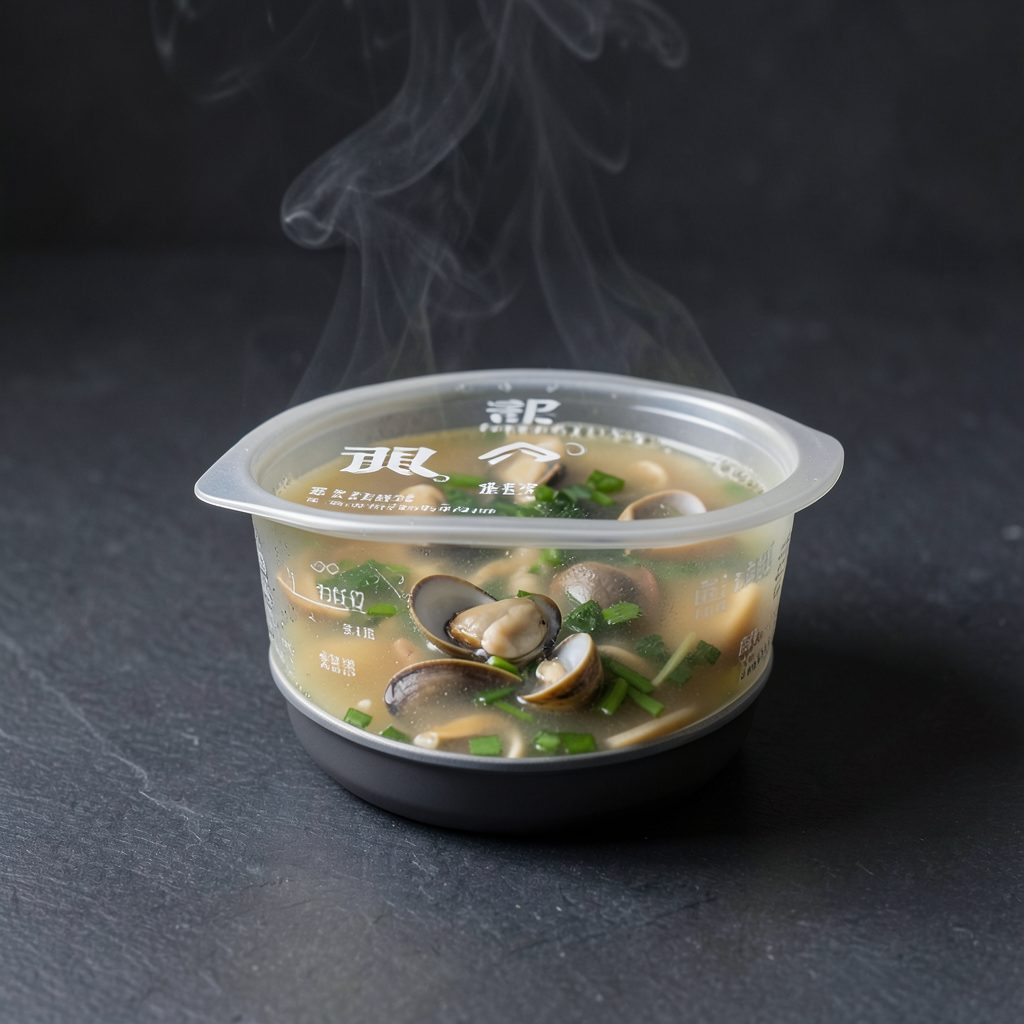
蛤?! Clam Soup Base —卜卜蜆
NT$ —
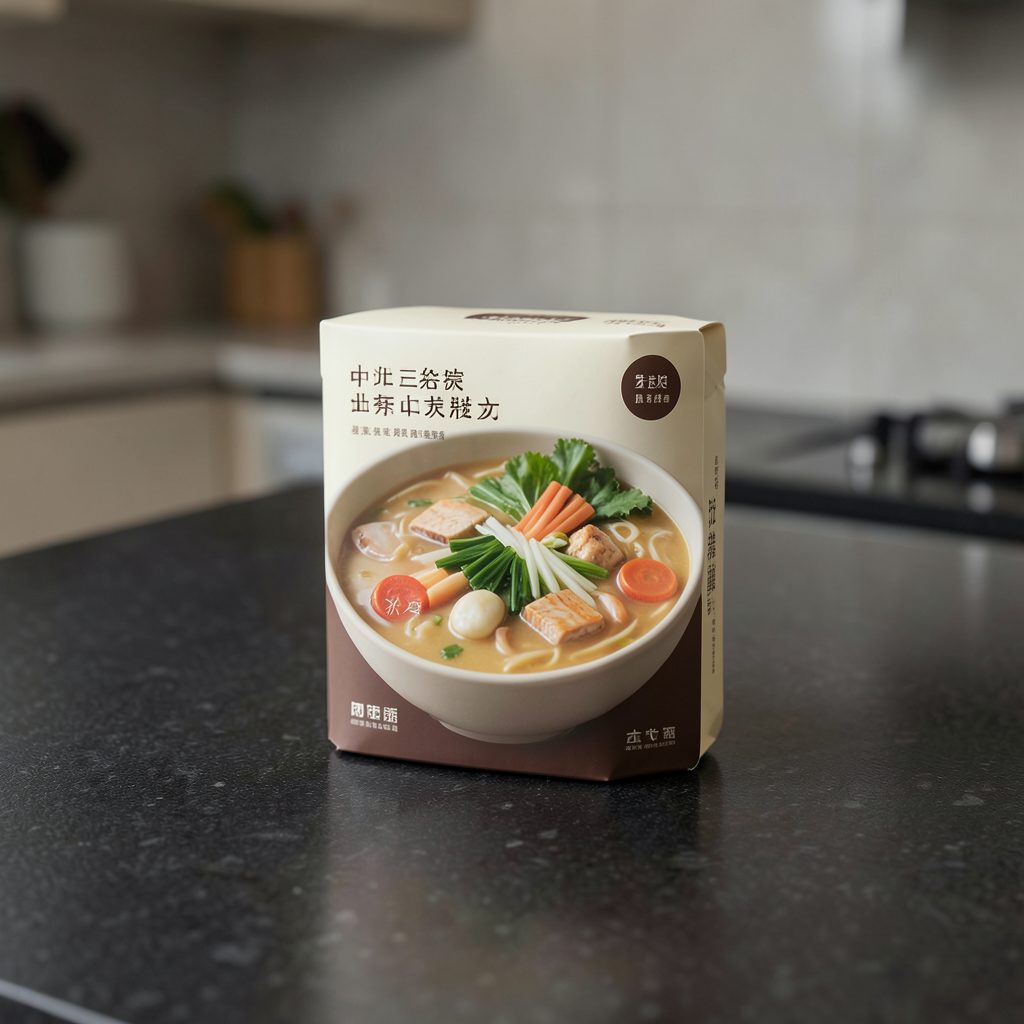
本事滿足鍋物 Personal Pot Base
NT$ —
蛤?! Dry Noodles
NT$ —
Signature Sauce
NT$ —
New Arrivals
蛤?! Golden Clam Broth — New Batch
NT$ —

Radish Cake —蘿蔔糕精神
NT$ —
Duo Soup Base Set
NT$ —
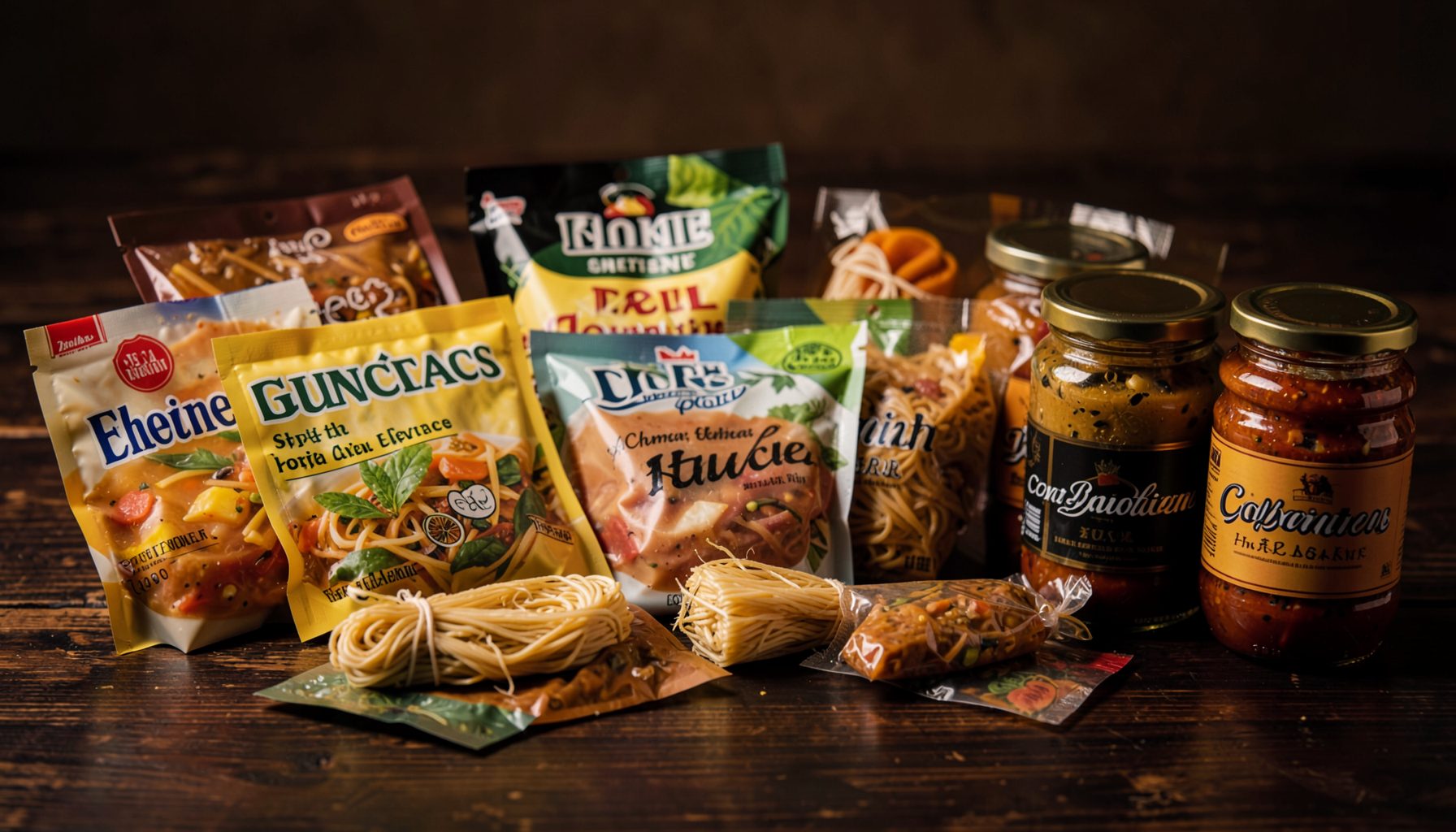
Hot Pot Essentials Bundle
NT$ —
About 蛤?! Huh Pot
蛤?! Huh Pot is a Cantonese-style hot pot brand known for its signature clam-based broth —卜卜蜆 — made with rich old-hen stock and generous portions of fresh clams. The brand also encompasses 本事滿足鍋物, a personal hot pot concept, bringing the same depth of flavor to individual servings.
Through MoneyCome Mart, these restaurant-quality soup bases, dry noodles, radish cakes, and signature sauces are available for home delivery across Taiwan. Restaurant locations in Taipei's Da'an District, Civic Boulevard, and Taichung's Gongyi Road also welcome guests for dine-in, with online reservations available.