Turn One Hot Pot Kit Into a Multi-Course Meal
A hot pot kit is usually treated as a complete dinner: heat the soup, add ingredients and let everyone cook at the table. With a little planning, the same base can create several distinct courses, giving a family meal or casual gathering the rhythm of a restaurant service without filling the kitchen with extra cookware.
This approach suits Australian homes particularly well. It works for a winter night in Melbourne, a relaxed Sydney dinner with friends, or a Queensland gathering where the pot can sit outside under cover. The key is to divide the kit into stages, reserve the best ingredients for later and adjust the broth as its flavour develops.
Begin With A Flexible Broth
Start by preparing only part of the soup base if the kit allows it. A small quantity can become a light opening broth for dumplings, tofu or mushrooms, while the remaining base stays concentrated for the main hot pot course. If the kit is designed as a single portion, prepare it normally and remove some broth before adding raw meat or seafood.
Cantonese-style soup bases often have enough savoury depth to support several flavours. You can serve the first broth with sliced spring onion, coriander, fried shallots or a few drops of sesame oil. For Australian tastes, keep chilli oil on the side so children and guests who prefer milder food can enjoy the same course.
Serve A Light Opening Course
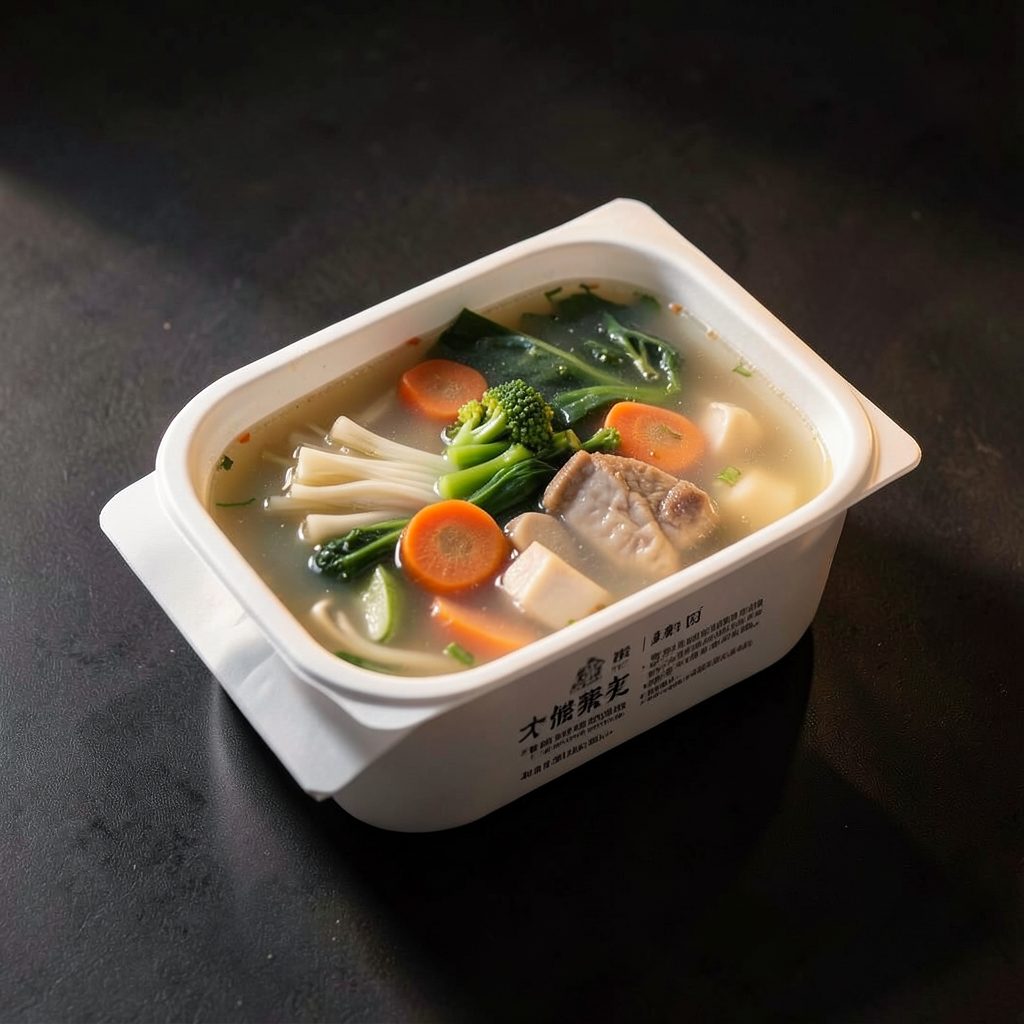
Use the first portion as a small soup course rather than filling everyone’s bowl. Add a few enoki mushrooms, silken tofu cubes, leafy greens or thin rice noodles. These ingredients cook quickly and keep the opening dish delicate, leaving room for the richer ingredients that follow.
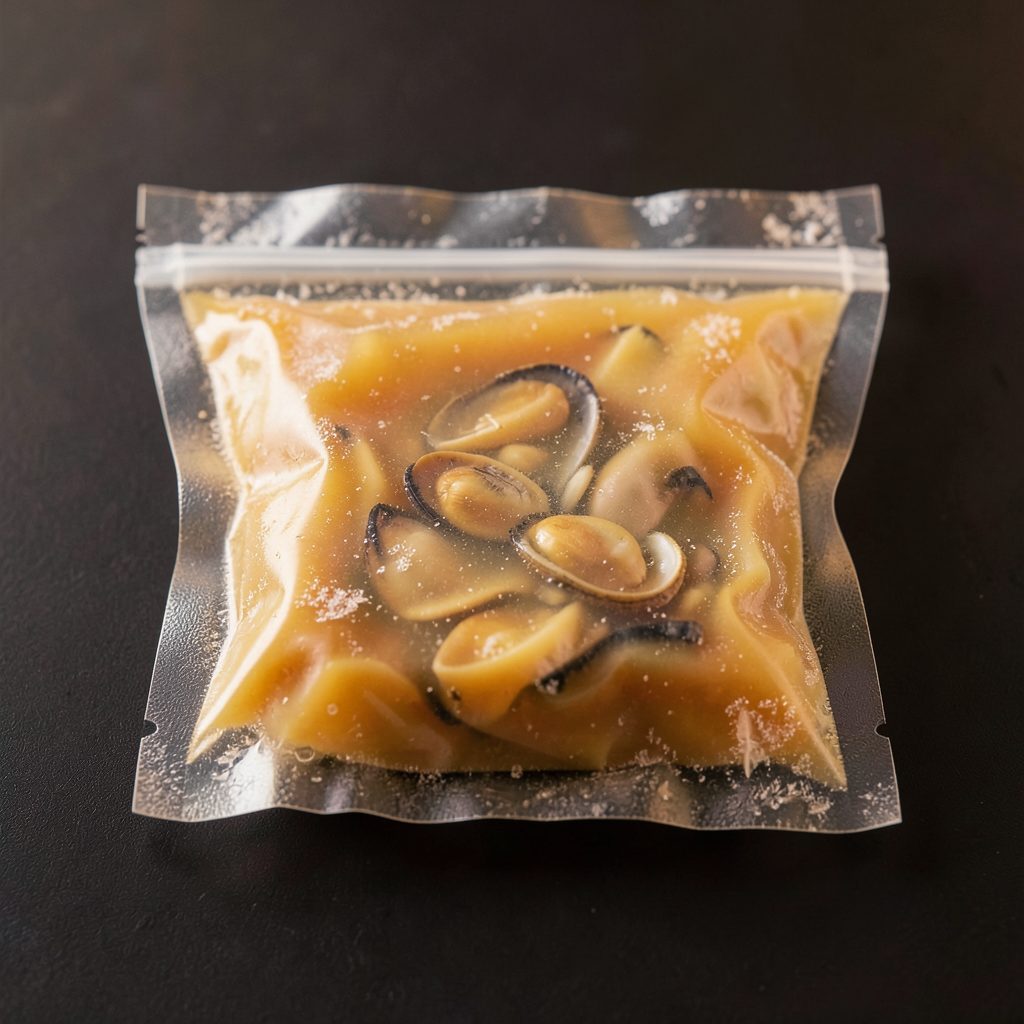
A small bowl of clam broth can also stand alone as a seafood starter. Strain it carefully if shell fragments are present, and serve it with toasted sourdough or crisp wonton strips for a local touch. The combination feels familiar to Australian diners while still preserving the Cantonese character of the meal.
Build A Shared Noodle Course
Once the opening soup has been served, bring the remaining broth back to a steady simmer and add noodles. Wheat noodles, rice vermicelli and sweet potato noodles each change the texture of the meal, so choose one style for the middle course instead of adding everything at once. Browse hot pot products when choosing soup bases, noodles and prepared ingredients that can work across several servings.
Add vegetables before the noodles if they need extra cooking time. Chinese cabbage, daikon, corn, pumpkin and mushrooms are easy to find at large Australian supermarkets, while Asian grocers in Melbourne’s Box Hill or Sydney’s Chatswood often offer a wider range of leafy greens and fresh noodles. Drain the noodles into individual bowls and spoon over broth for a comforting, almost ramen-like course.
Save Premium Ingredients For Later
Reserve prawns, sliced beef, lamb, scallops and other prized ingredients for the main shared course. Cooking them after the broth has absorbed flavour from vegetables and noodles creates a deeper base, while serving them later makes the meal feel more generous. Keep raw ingredients chilled until needed and use separate utensils for uncooked seafood and meat.
For an Australian gathering, this staged approach is useful when guests arrive at different times. Rather than cooking a large quantity at once, add small batches to the pot. It suits a long lunch, a dinner after a beach day or a weekend meal where people are happy to graze and talk.
Turn The Pot Into A Dipping Course
After the noodle course, refresh the table with individual dipping sauces. A simple combination of soy sauce, sesame paste, black vinegar, garlic and sliced chilli gives each guest control over the flavour. Peanut sauce, satay-style sauce or a sweet soy mixture can add variety for diners who want something richer.
This is also the right time to introduce firmer ingredients such as fish balls, tofu puffs, turnip cake and stuffed bean curd. Their textures stand up well to longer cooking, and they absorb the seasoned broth. Cut larger prepared items into bite-sized pieces so guests can sample several flavours without turning the table into a full plate of leftovers.
Add A Crispy Interlude
A hot pot meal benefits from one course with a different texture. Pan-fry turnip cakes, dumplings or leftover noodles in a separate skillet while the pot simmers. Serve them with a small dipping dish made from soy, vinegar and chilli. This crisp course breaks up the soft textures of broth, noodles and poached ingredients.
The method is practical in Australian kitchens because a standard electric frypan or barbecue side burner can handle the task. In warmer regions such as Brisbane or Perth, cooking the crispy items outdoors can reduce heat indoors. Keep the hot pot covered between courses, especially during summer entertaining.
Finish With A Flavoured Final Bowl
The last course should use the broth at its fullest. Add the final vegetables, tofu or a small amount of rice, then taste before seasoning. The liquid may already be salty after cooking seafood, sauces and prepared ingredients, so dilute with water or unsalted stock rather than adding more soy immediately.
For a fuller finish, stir in beaten egg, cooked rice or a small handful of noodles. A few drops of sesame oil and chopped spring onion can make the final bowl feel complete. The meal’s progression reflects the food philosophy behind the brand story, where convenient preparation is paired with restaurant-style Cantonese flavours.
Plan Portions And Food Safety
For four adults, divide the kit into an opening broth, a noodle course, a shared protein course and a final bowl. Set aside sauces and garnishes before cooking so the table stays organised. If guests include vegetarians, use a separate pot or cook their ingredients first in uncontaminated broth.
Thaw frozen ingredients in the refrigerator, never on the bench, and keep the pot simmering rather than lukewarm. Discard broth that has sat at room temperature for an extended period, and refrigerate suitable leftovers promptly. With these simple controls, one hot pot kit can become a paced, generous meal rather than a single crowded cooking session.
Best Sellers
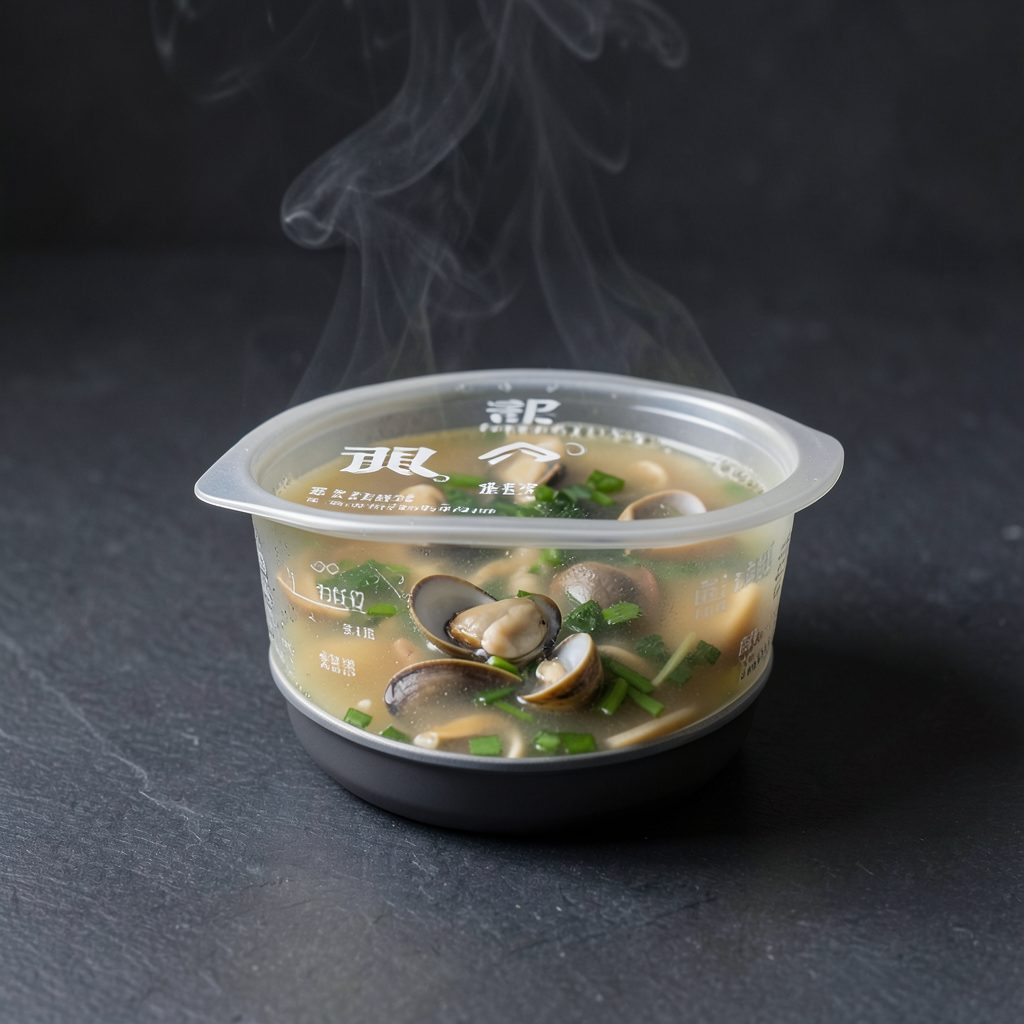
蛤?! Clam Soup Base —卜卜蜆
NT$ —
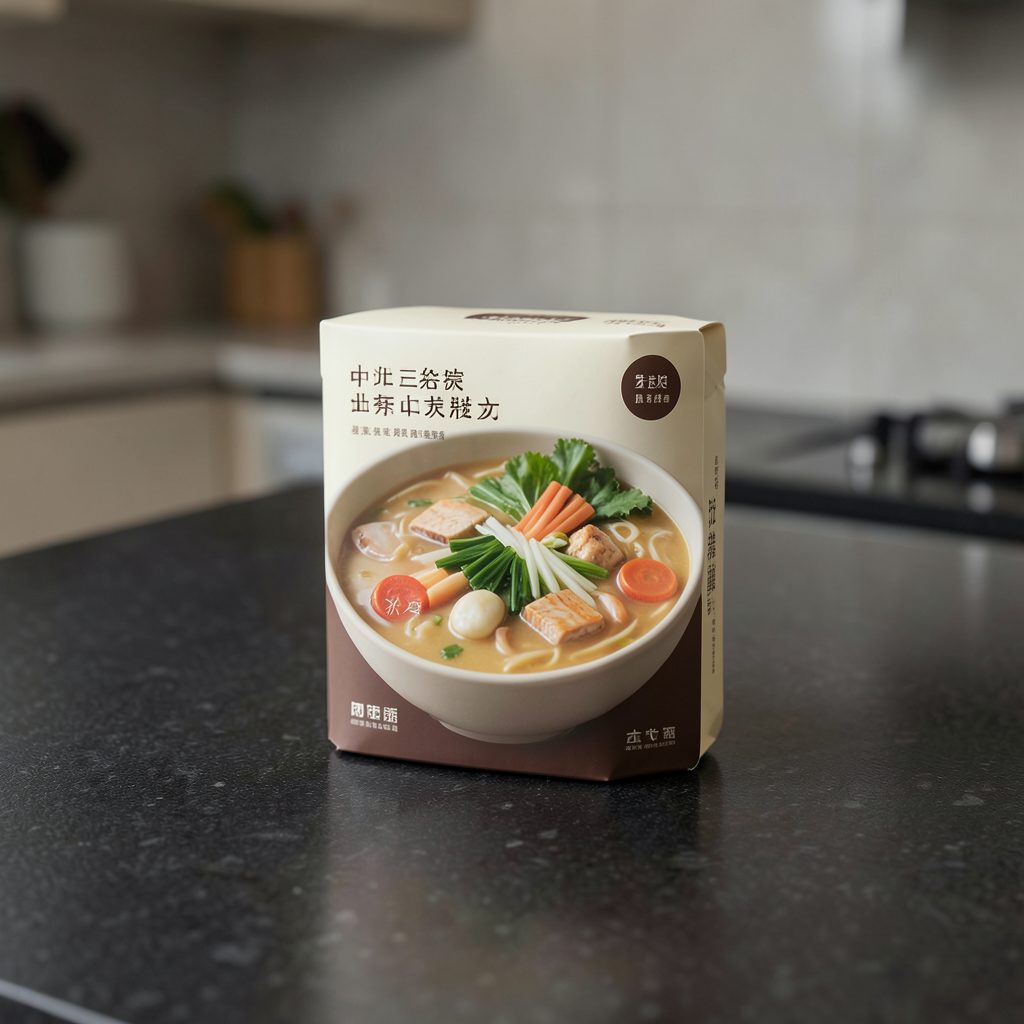
本事滿足鍋物 Personal Pot Base
NT$ —
蛤?! Dry Noodles
NT$ —
Signature Sauce
NT$ —
New Arrivals
蛤?! Golden Clam Broth — New Batch
NT$ —
Radish Cake —蘿蔔糕精神
NT$ —
Duo Soup Base Set
NT$ —
Hot Pot Essentials Bundle
NT$ —
About 蛤?! Huh Pot
蛤?! Huh Pot is a Cantonese-style hot pot brand known for its signature clam-based broth —卜卜蜆 — made with rich old-hen stock and generous portions of fresh clams. The brand also encompasses 本事滿足鍋物, a personal hot pot concept, bringing the same depth of flavor to individual servings.
Through MoneyCome Mart, these restaurant-quality soup bases, dry noodles, radish cakes, and signature sauces are available for home delivery across Taiwan. Restaurant locations in Taipei's Da'an District, Civic Boulevard, and Taichung's Gongyi Road also welcome guests for dine-in, with online reservations available.