How to Know When Your Turnip Cake Is Ready to Serve
A good turnip cake is one of those quietly satisfying dishes that many Australian home cooks underestimate. Whether you pick one up from a freezer aisle or have it delivered frozen from a specialist retailer, the loaf-like block of shredded daikon and rice flour holds plenty of promise. The trick lies in recognising the moment it shifts from cold and dense to hot, springy, and aromatic without tipping into a dry or rubbery texture.
Cooking it well depends on reading signals rather than relying on a timer. Pan-frying creates a golden crust outside while the centre stays soft, steaming gives an even custard-like result throughout, and boiling is the gentlest option of all. Knowing which indicators to watch for will give you the confidence to serve a turnip cake that is properly cooked through every time.
Understanding the Starting Texture
Fresh or fully thawed turnip cake is pale, slightly translucent, and firm to the touch when pressed. The cut sides should look smooth with visible strands of daikon radish running through the body. If the block bends gently rather than cracking when you flex it, the rice flour binder is intact and the cake is ready for the pan or steamer.
In a typical Australian kitchen, humidity affects how the surface feels before cooking. On a humid Brisbane arvo or a wet Sydney morning, the outside of a thawed cake may feel slightly tacky. This is normal and does not mean it has spoiled. Pat it dry with a clean tea towel before cooking, since excess moisture will cause splattering and stop the crust from forming.
Visual Cues That Signal Doneness
Colour is one of the most reliable indicators during pan-frying. The exposed faces of the slices should shift from pale ivory to a deep, even golden brown, with small flecks of caramelisation appearing around the edges. The sides will turn opaque and slightly puffed, indicating that heat has penetrated the centre. Any chalky or whitish patches mean the slice needs more time on the heat.
When steaming, the cues are subtler. The surface moves from translucent to a uniform milky white, and the loaf holds its shape cleanly when lifted. A properly cooked steamed cake pulls away from the dish with only a gentle nudge, leaving a thin layer of rice residue behind. If the cake collapses or oozes liquid when tipped out, it has not finished setting.
The Knife Test and Internal Check
The most reliable method for confirming doneness is to insert a knife or skewer into the thickest part of the cake. For a steamed loaf, a thin wooden skewer should emerge clean or with only a soft smear of starchy residue. Any runny, milky liquid clinging to the blade indicates that the rice flour has not fully gelatinised and the cake needs another ten minutes of steaming.
For pan-fried slices, cut one in half across the middle once both sides are golden. The interior should feel warm throughout, with no cool spots or translucent jelly-like pockets. The daikon strands should look soft and integrated rather than raw and crunchy. If the centre feels only lukewarm, return the slices to the pan over low heat with a splash of water and cover for a couple of minutes to finish gently.
Sound and Feel During Pan-Frying
Listen to the pan as the slices cook. The initial sizzle when the cake hits the oil should be lively and sharp, indicating that the surface is hot enough to sear. As the crust forms, the sound will quieten to a soft, steady hum. If the oil goes silent too early, the heat is too low and the cake will absorb grease rather than brown.
Press the top of each slice lightly with a spatula after the first side has cooked for three or four minutes. A properly cooked slice feels firm and springs back gently, leaving only a faint impression of your finger. If the cake feels squishy or leaves a clear dent, the inside is still cool and raw. Flip once the crust releases easily from the pan and sounds crisp when tapped.
Steaming and Boiling Methods
Steaming is the traditional method and works beautifully for full blocks that you plan to slice and pan-fry later. Place the cake on parchment over simmering water, cover, and steam for thirty to forty minutes depending on thickness. The block is ready when it feels noticeably heavier in the tongs and a skewer inserted in the centre comes out clean.
Boiling suits thinner slices or dumplings stuffed with turnip cake mixture. Drop the pieces into rapidly boiling water and watch for them to float to the surface, then leave them for another two to three minutes. Floating is a reliable cue that the rice starch has cooked through, since raw batter is denser and stays submerged.
Common Mistakes and Storage After Cooking
The most frequent error is cutting slices too thick, which leaves the centre undercooked while the outside burns. Aim for pieces around one centimetre thick so heat moves through evenly. Another mistake is pressing down on the slices with the spatula, which squeezes out moisture and leaves the cake dense and dry. Patience and gentle handling produce a lighter result, which is why turnip cake features prominently in yum cha menus across Melbourne's Box Hill and Sydney's Cabramatta.
For leftovers, cool the cake fully before sealing it in an airtight container. In warmer parts of the country, refrigerate within two hours and consume within three days, or freeze for longer storage. Reheat slices in a dry pan over medium heat until the crust returns, which is the best way to recapture that just-cooked texture.
If you want restaurant-style results at home, premium turnip cake selections are a sensible starting point, since the quality of the daikon and the rice flour ratio determine much of how the cake behaves in the pan.
Best Sellers
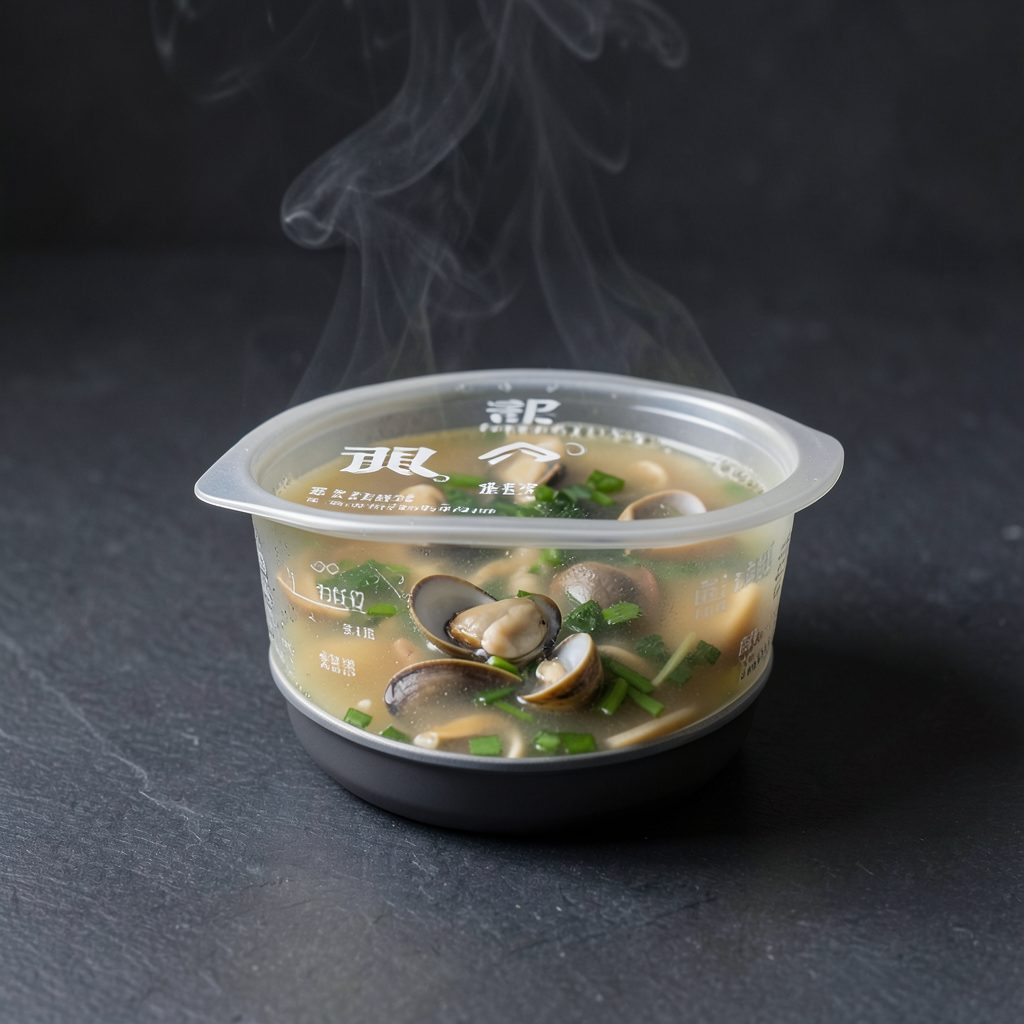
蛤?! Clam Soup Base —卜卜蜆
NT$ —
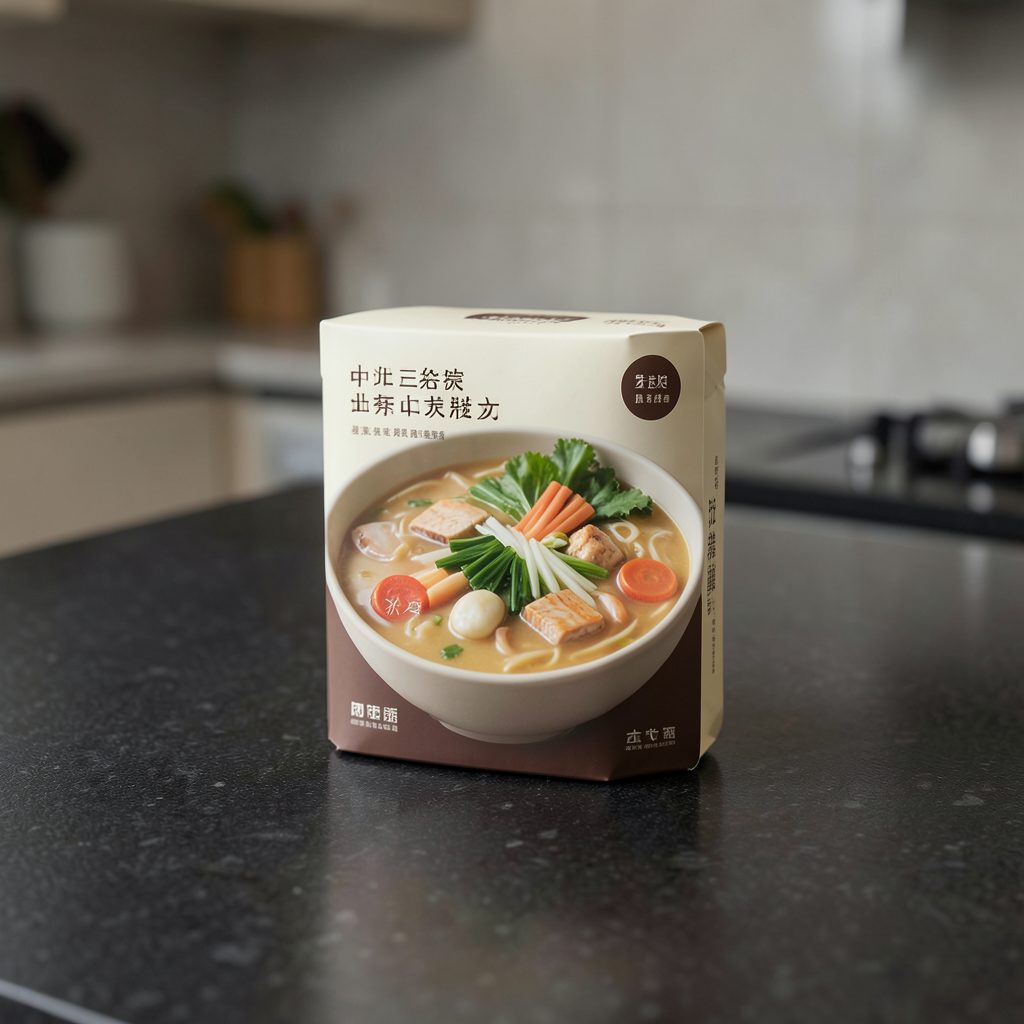
本事滿足鍋物 Personal Pot Base
NT$ —
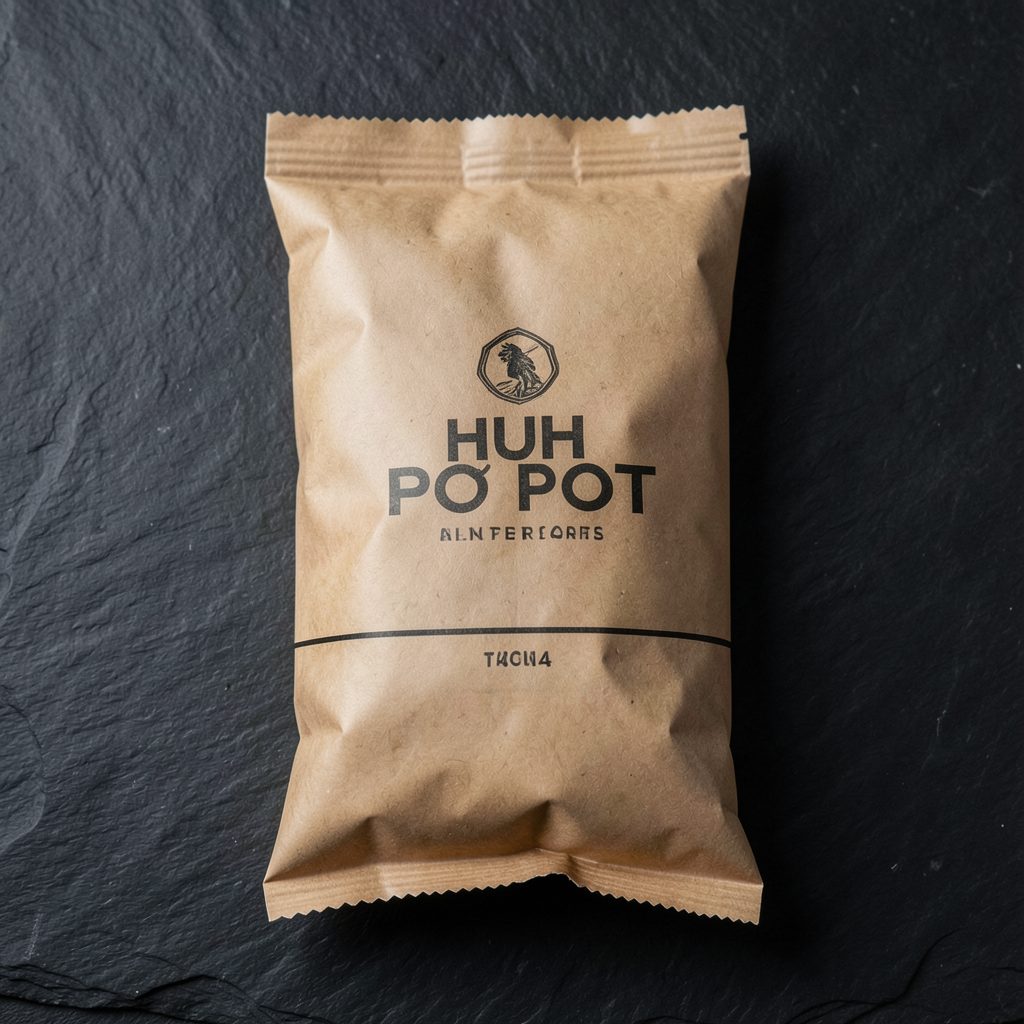
蛤?! Dry Noodles
NT$ —
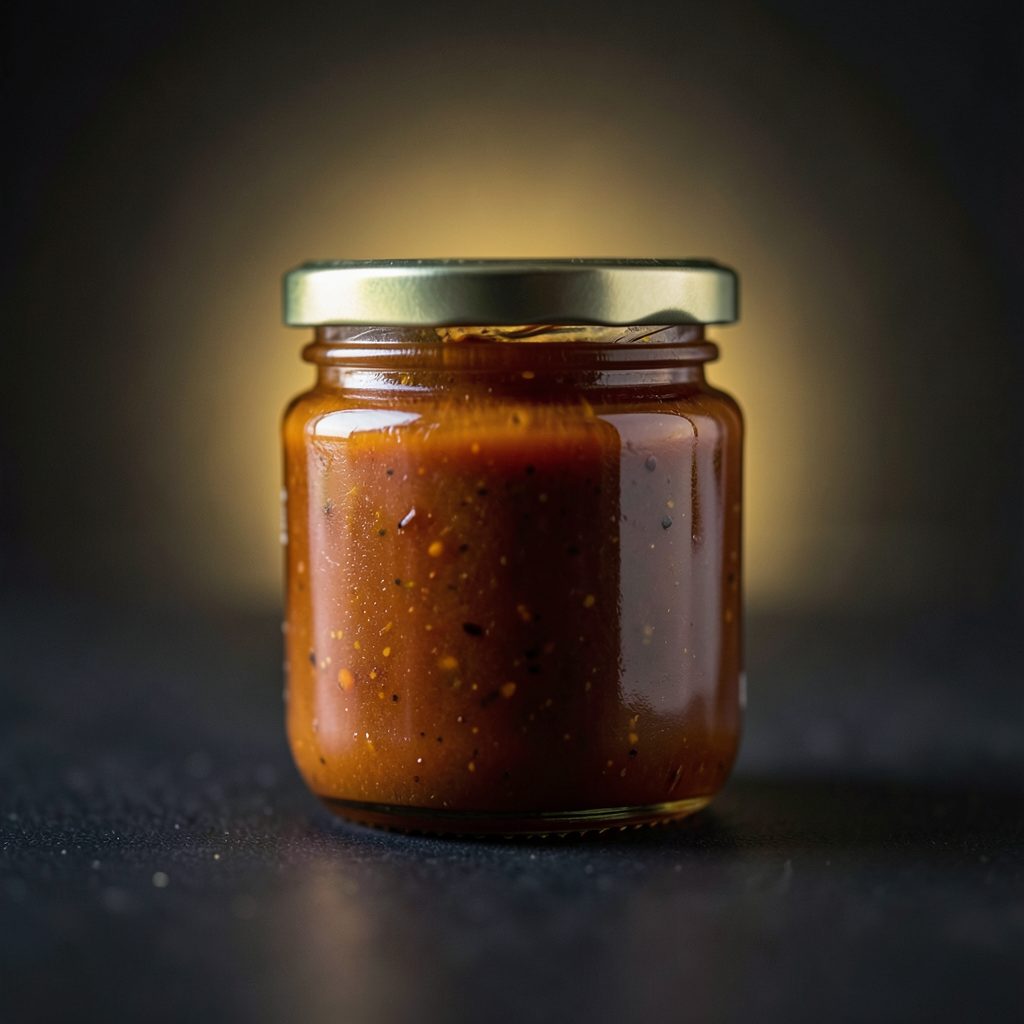
Signature Sauce
NT$ —
New Arrivals
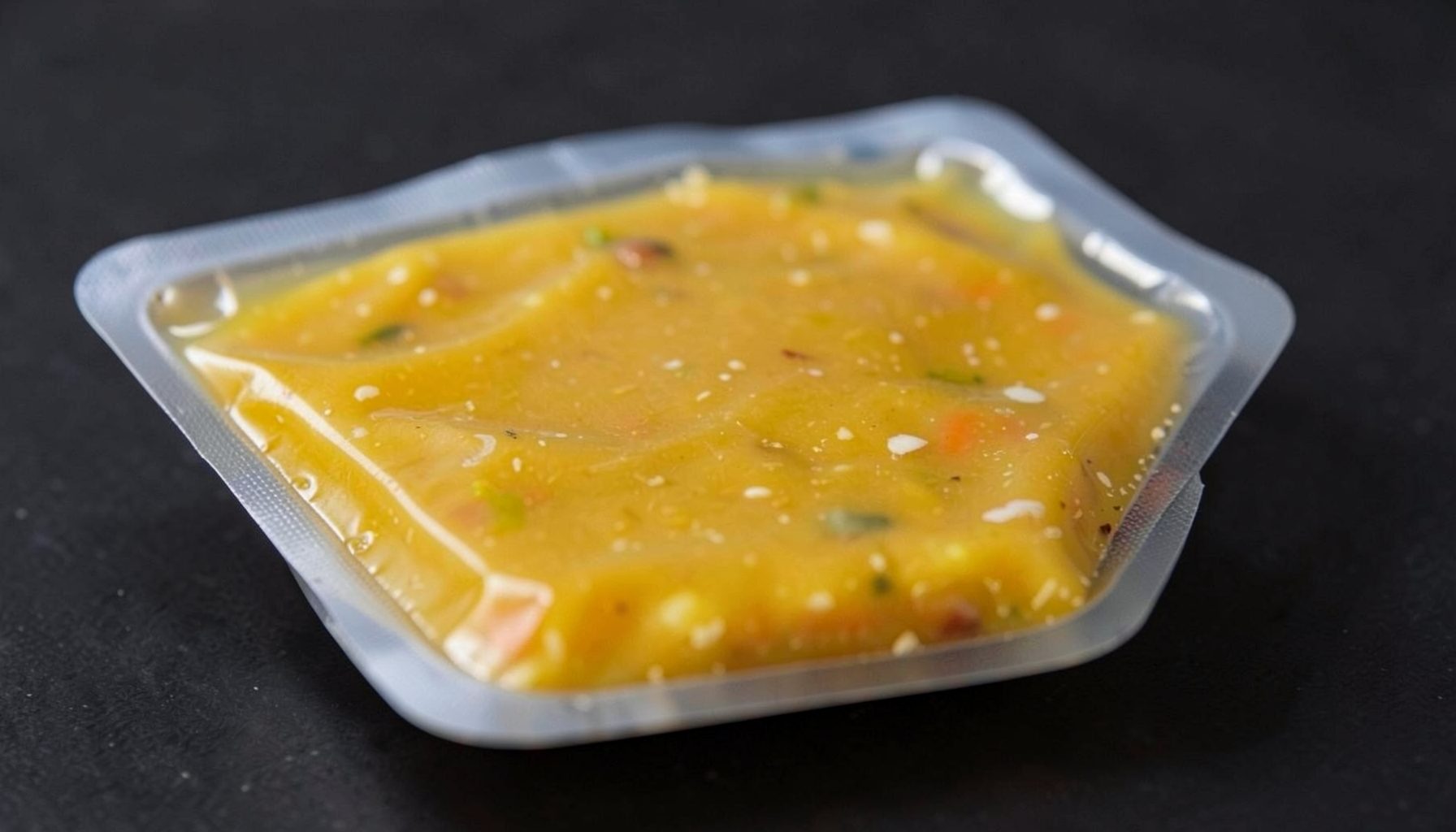
蛤?! Golden Clam Broth — New Batch
NT$ —
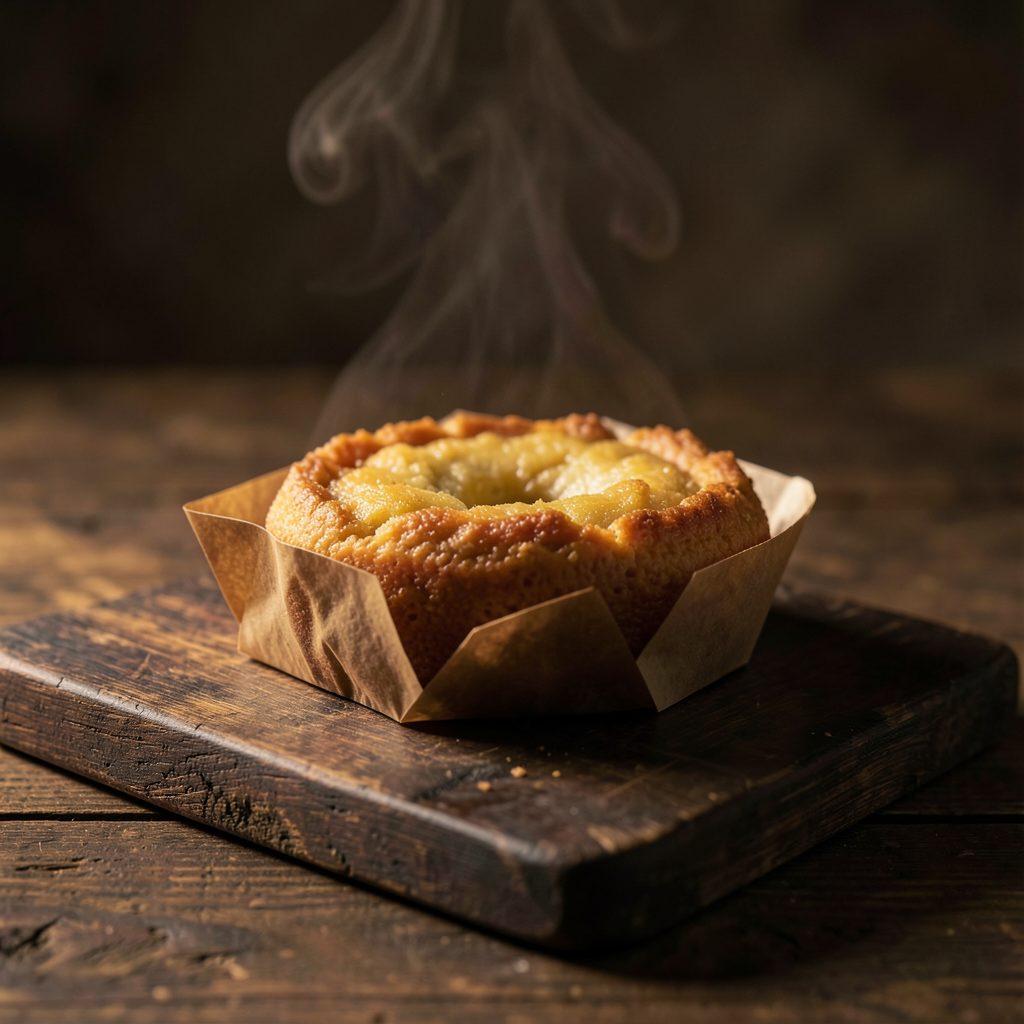
Radish Cake —蘿蔔糕精神
NT$ —
Duo Soup Base Set
NT$ —
Hot Pot Essentials Bundle
NT$ —
About 蛤?! Huh Pot
蛤?! Huh Pot is a Cantonese-style hot pot brand known for its signature clam-based broth —卜卜蜆 — made with rich old-hen stock and generous portions of fresh clams. The brand also encompasses 本事滿足鍋物, a personal hot pot concept, bringing the same depth of flavor to individual servings.
Through MoneyCome Mart, these restaurant-quality soup bases, dry noodles, radish cakes, and signature sauces are available for home delivery across Taiwan. Restaurant locations in Taipei's Da'an District, Civic Boulevard, and Taichung's Gongyi Road also welcome guests for dine-in, with online reservations available.