How to store hot pot leftovers for tomorrow’s lunch
A Cantonese hot pot can easily become two meals, especially when you have extra soup base, vegetables, noodles, seafood or sliced meat left after dinner. With the right cooling and storage routine, yesterday’s feast can turn into a safe, satisfying lunch without losing its flavour or texture.
This is particularly useful in Australia, where a warm evening in Brisbane, a busy office day in Sydney or a long commute across Melbourne can make food safety more demanding. Treat leftover hot pot like any other cooked meal: cool it promptly, refrigerate it correctly and reheat it thoroughly before eating.
Cool the meal quickly after dinner
Start by separating the leftovers from the hot pot while they are still fresh. Remove seafood, meat, tofu, vegetables and noodles from the broth with clean utensils, then place them in shallow containers. A deep pot of soup holds heat for too long, which gives bacteria more opportunity to multiply.
Australian food safety guidance commonly uses the two-hour/four-hour rule. Food left between 5°C and 60°C for less than two hours can usually be refrigerated; between two and four hours, it should be eaten immediately rather than chilled for later; after four hours, discard it. Keep a practical eye on the time if dinner stretches late into the evening.
Allow steam to escape briefly, but do not leave the food sitting on the bench until it reaches room temperature. Once portioned, place the containers in the refrigerator, leaving a little space around them so cold air can circulate. Your fridge should be set at 5°C or below.
Store broth and ingredients separately
Soup base is best stored in its own sealed container. Strain out food particles if you want a cleaner broth, especially when the pot contained seafood or raw meat. Once chilled, any fat that rises to the top can be removed easily, although keeping it will preserve a richer taste.
Noodles, leafy greens and thinly sliced vegetables soften quickly when left submerged overnight. Keep them apart from the broth where possible, and store delicate ingredients in small portions. This makes the next day’s lunch easier to assemble and prevents everything from becoming watery.
Leftover dumplings, turnip cakes and fried items should also be separated from soup. Wrap them or place them in airtight containers with a paper towel underneath to absorb excess moisture. Products ordered from MoneyCome Mart, including frozen soup bases and prepared hot pot ingredients, should remain frozen until needed and follow the storage directions on the packaging.
Pack a safer lunch for work or study
For an office lunch in Sydney or a university day in Canberra, use a clean, leak-resistant container with a tight lid. Pack one serving rather than repeatedly opening a large container, which can warm the remaining food and introduce new bacteria. A separate container for noodles or cooked rice helps maintain a better texture.
If you are carrying lunch for more than a short trip, use an insulated bag with frozen gel packs. Do not rely on an ordinary tote bag, particularly during an Adelaide heatwave or while travelling on public transport in Perth. Keep the meal cold until it can go into a refrigerator at work.
When reheating soup, bring it to a vigorous simmer and make sure solid ingredients are steaming hot all the way through. A microwave works well if you stir halfway and allow for standing time. Food should reach approximately 75°C in the centre, and leftovers should be reheated only once.
Choose ingredients that reheat well
Broth-based leftovers usually hold their quality better than ingredients that were already overcooked. Beef slices, fish balls, tofu, mushrooms and firm vegetables can be gently reheated in the soup. Prawns and other seafood need extra care: chill them quickly and use them by the next day for the best quality and safety.
Leafy vegetables may become soft overnight, but they can still work in a noodle soup or quick rice bowl. Add fresh greens during reheating if available. This gives the lunch a brighter taste and avoids cooking fragile ingredients twice.
Cantonese sauces can be stored in small sealed tubs and added after reheating. A spoonful of chilli sauce, sesame sauce or soy-based dressing can refresh a mild broth without requiring a completely new meal. For serving inspiration beyond dinner, these hot pot brunch ideas show how adaptable soup bases and prepared ingredients can be.
Know when to refrigerate or freeze
Most cooked hot pot leftovers are best eaten within one to two days when kept at 5°C or below. Label each container with the date and contents, especially if several soup bases or ingredient portions are in the fridge. Follow the shortest use-by guidance when seafood, cooked rice or other delicate foods are involved.
Freezing is suitable for plain broth, cooked meat, tofu and some vegetables, although noodles and leafy greens may lose their original texture. Cool the food first, use freezer-safe containers and leave room for expansion. Defrost it in the refrigerator overnight or use the microwave’s defrost setting, then reheat until steaming hot.
Discard anything with a sour smell, unusual sliminess, mould, a swollen container or a long period at room temperature. Smell and appearance cannot always reveal harmful bacteria, so time and temperature are more reliable than taste-testing. A careful storage routine keeps a convenient next-day lunch enjoyable and safe.
Practical storage reminders
- Divide soup and solid ingredients into shallow, airtight containers.
- Refrigerate promptly and keep the fridge at 5°C or below.
- Carry lunch in an insulated bag with frozen gel packs.
- Reheat until steaming hot throughout, stirring soup or microwaved meals.
- Label portions with the date and discard food kept too long or left warm.
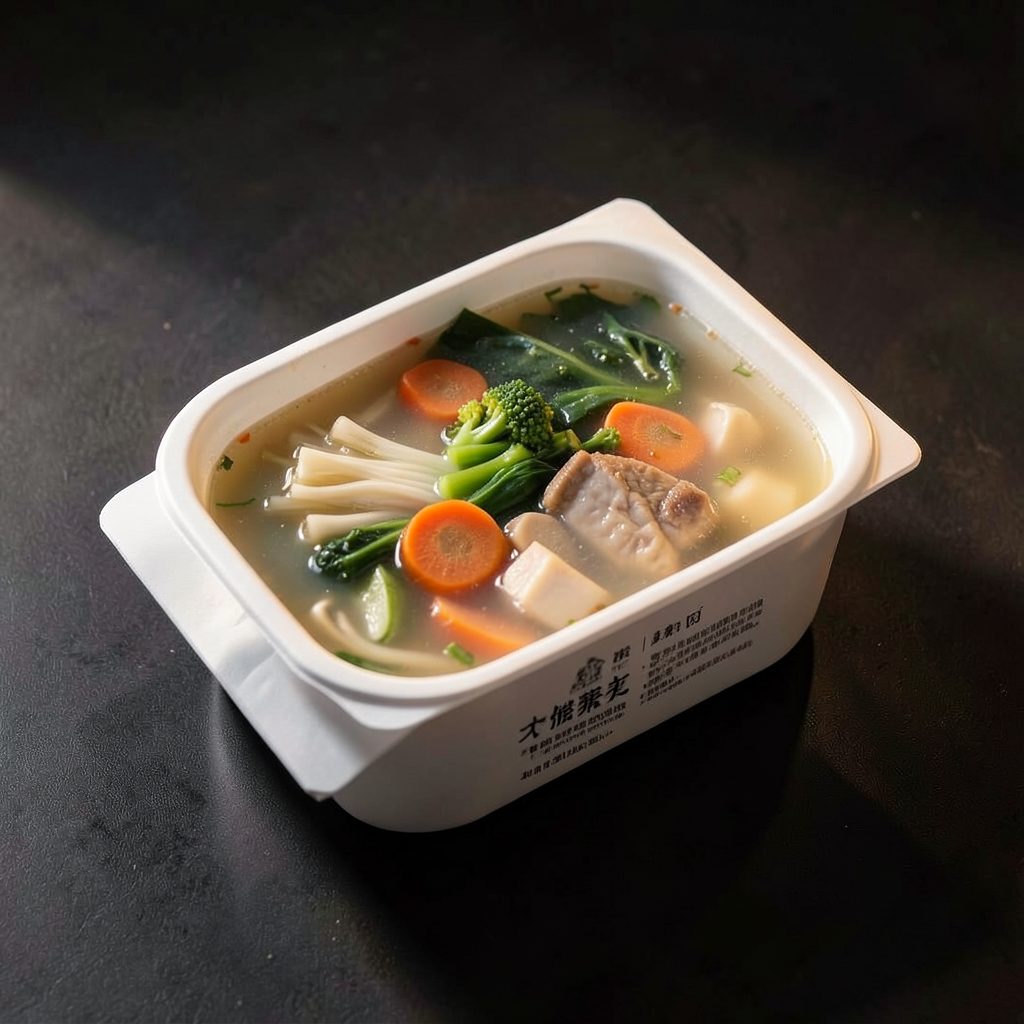
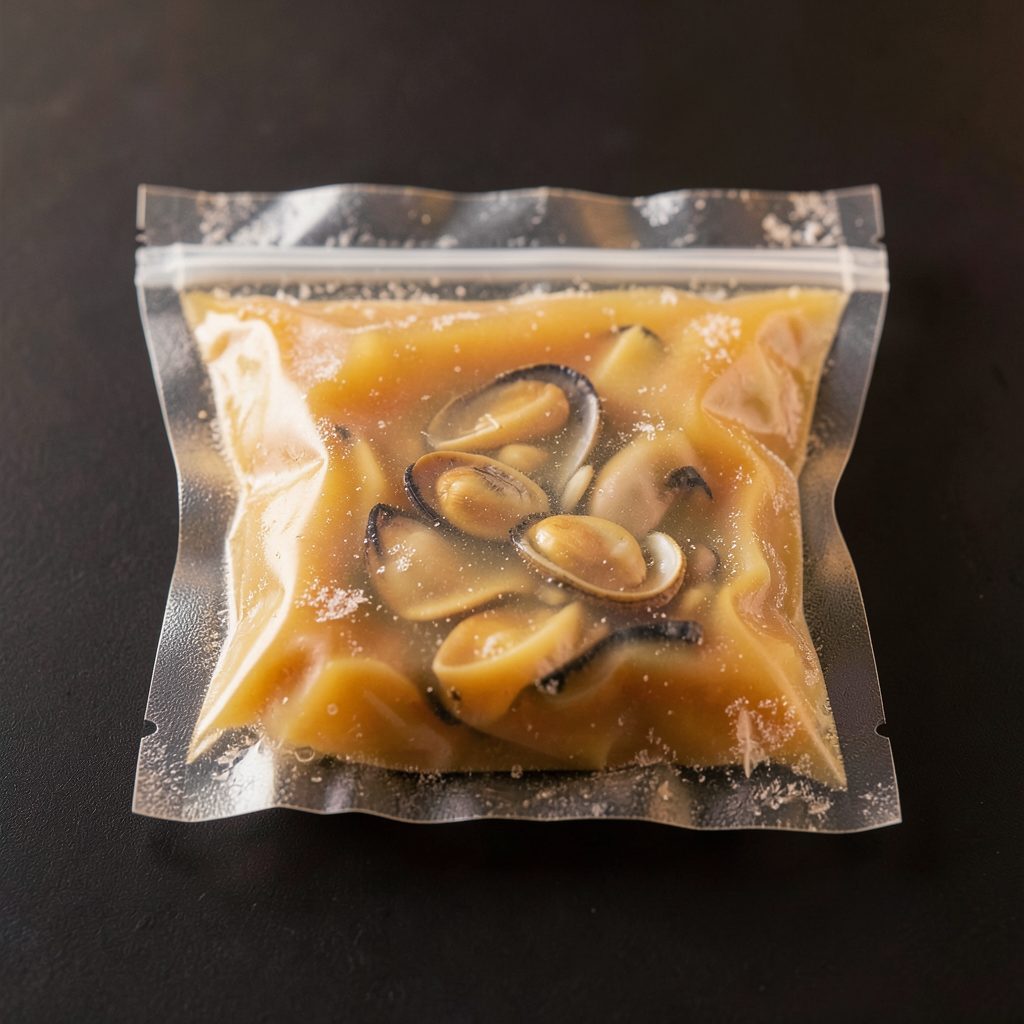
Best Sellers
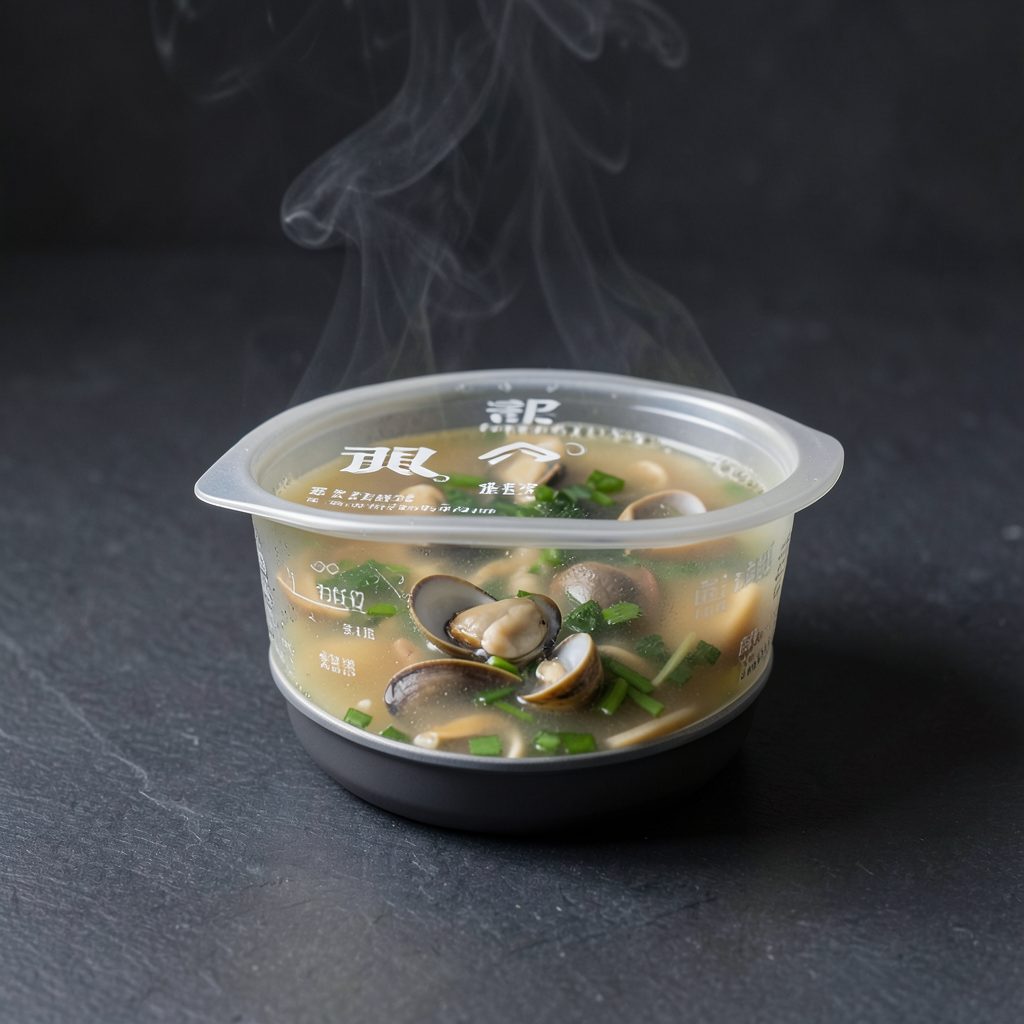
蛤?! Clam Soup Base —卜卜蜆
NT$ —
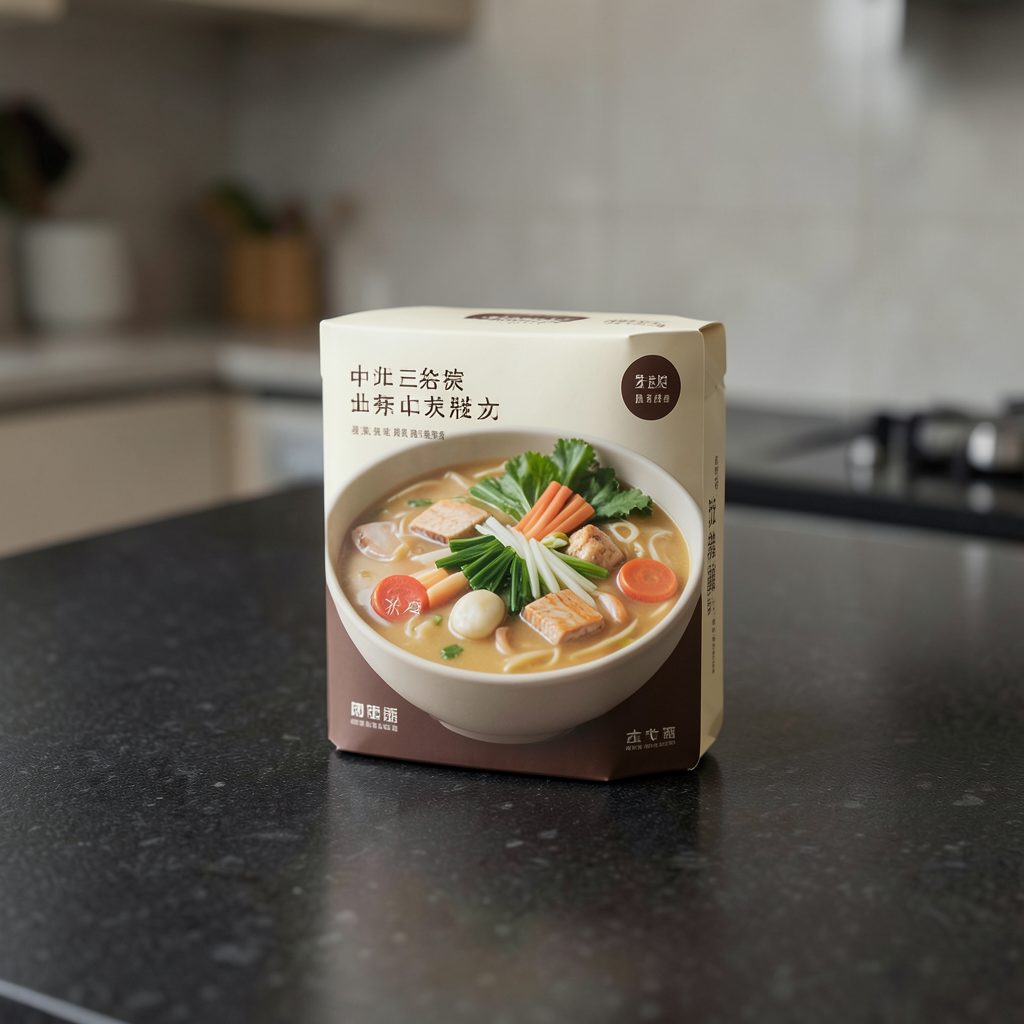
本事滿足鍋物 Personal Pot Base
NT$ —
蛤?! Dry Noodles
NT$ —
Signature Sauce
NT$ —
New Arrivals
蛤?! Golden Clam Broth — New Batch
NT$ —
Radish Cake —蘿蔔糕精神
NT$ —
Duo Soup Base Set
NT$ —
Hot Pot Essentials Bundle
NT$ —
About 蛤?! Huh Pot
蛤?! Huh Pot is a Cantonese-style hot pot brand known for its signature clam-based broth —卜卜蜆 — made with rich old-hen stock and generous portions of fresh clams. The brand also encompasses 本事滿足鍋物, a personal hot pot concept, bringing the same depth of flavor to individual servings.
Through MoneyCome Mart, these restaurant-quality soup bases, dry noodles, radish cakes, and signature sauces are available for home delivery across Taiwan. Restaurant locations in Taipei's Da'an District, Civic Boulevard, and Taichung's Gongyi Road also welcome guests for dine-in, with online reservations available.