Storing Leftover Noodles From a Hot Pot Meal
Many households finish a hot pot night with more noodles than they can comfortably eat. The broth keeps everything warm, and it is tempting to leave the noodles sitting in the pot until the next morning, but that almost always ends with a clumpy, waterlogged mess. A few simple steps right after dinner will keep your noodles firm, flavourful, and safe to enjoy the next day.
In Australia, where many people enjoy hot pot as a casual weekend ritual with friends gathered around the table in Sydney or Melbourne apartments, leftovers are common. The warm climate also means food safety matters more than it might in cooler regions, especially during a Brisbane summer when the kitchen stays balmy well past sunset. Taking ten minutes after the meal to handle your noodles properly saves you from wasting good ingredients and keeps your fridge tidy.
Storing noodles well is affordable and does not require any special equipment. Most Aussie pantries already have reusable containers, zip-lock bags, and basic kitchen tools that work perfectly. Whether you are using broths from huhpot or your own family recipe, the storage method remains the same.
Why Noodles Need Special Care After Hot Pot
Noodles absorb liquid continuously while they sit in hot pot broth. Unlike sauce-heavy pasta that holds its structure, thin wheat or egg noodles soak in broth until the starches swell and the strands stick together. If you leave them in the pot overnight, you will wake up to a solid block that tastes bland and has lost its springy bite.
The type of noodle matters too. Glass noodles made from mung bean starch behave differently from wheat-based varieties, and rice noodles can turn brittle if frozen incorrectly. Recognising what you are working with is the first step toward storing them well. Leafy vegetables and other hot pot add-ins require similar attention, and the care you give your noodles should extend to those ingredients as well.
Cooling Down Properly Before Storage
Never put hot noodles straight into the fridge. The steam raises the temperature inside your refrigerator, which can cause problems for other foods and encourages bacterial growth. In Australian homes, especially older Queenslander houses without modern insulation, this risk is amplified because the kitchen heats up faster during the cooling process.
Spread the noodles out on a clean tray or large plate first. A fan-assisted cooling method, similar to how many Melbourne restaurants prep for service the next day, speeds the process safely. Aim to bring the noodles to lukewarm within thirty minutes, then transfer them to storage. If you have a large batch, divide it into smaller portions rather than trying to chill one massive container.
Choosing the Right Storage Containers
Airtight containers are essential. Aussies often reuse takeaway containers from their local pho joint or weekend market, and these work brilliantly after a thorough wash. Glass containers from places like Howards Storage World or even repurposed jars keep noodles fresh longer than flimsy plastic bags, which can absorb odours from neighbouring foods.
For brothy noodles, consider separating the noodles from any remaining soup. Storing them together is fine for one night, but beyond that, the noodles will continue absorbing liquid and lose texture. If you have leftover clam broth or a rich bone broth, store it separately in a jar. If you want to know more about how broth pairs with other ingredients, this water spinach guide explains the flavour pairing in depth.
Refrigerator Versus Freezer Storage
The fridge is your best friend for noodles you will use within three days. Keep them in a sealed container at the back of the middle shelf, where the temperature stays most consistent. The door is warmer due to frequent opening, especially in busy household kitchens where kids are constantly grabbing snacks.
Freezing works well for longer storage, up to one month. Toss the cooled noodles with a tiny drizzle of oil to prevent clumping, then seal them in freezer bags with as much air pressed out as possible. Label the bag with the date so you do not lose them in the back of the freezer behind last summer's frozen berries. This trick is popular among home cooks who batch-prep for the week across Australian suburbs.
Reheating Without the Mushy Texture
The microwave is convenient but often turns noodles gummy. Instead, drop them into a pot of boiling water for thirty to sixty seconds, just long enough to warm them through. This works particularly well if you are adding them to a fresh hot pot broth the next day for a quick second meal. A splash of sesame oil stirred in at the end brings back the slippery texture.
For fried or crispy noodle dishes, a hot pan with a splash of oil brings back the original texture. Stir-fry briefly over high heat, and the noodles will regain some of their bite. Adding a handful of fresh greens, like the water spinach mentioned in the clam broth guide, makes a quick lunch out of last night's dinner with very little effort.
Turning Leftovers Into New Meals
Stale noodles are actually an asset. They hold up better than fresh noodles in stir-fries because they have lost some moisture and will not go limp as quickly. A quick fried noodle dish with a cracked egg, some sliced spring onion, and a dash of soy sauce transforms leftovers into a satisfying lunch the whole household will enjoy.
You can also fold them into an omelette, similar to the Cantonese-style noodle omelettes found in many suburban Sydney eateries. Or add them to a brothy soup the next day for a different flavour profile altogether. Many home cooks in Australia share these leftover ideas through local food connections and community groups, which is a handy way to pick up new tricks without leaving the kitchen.
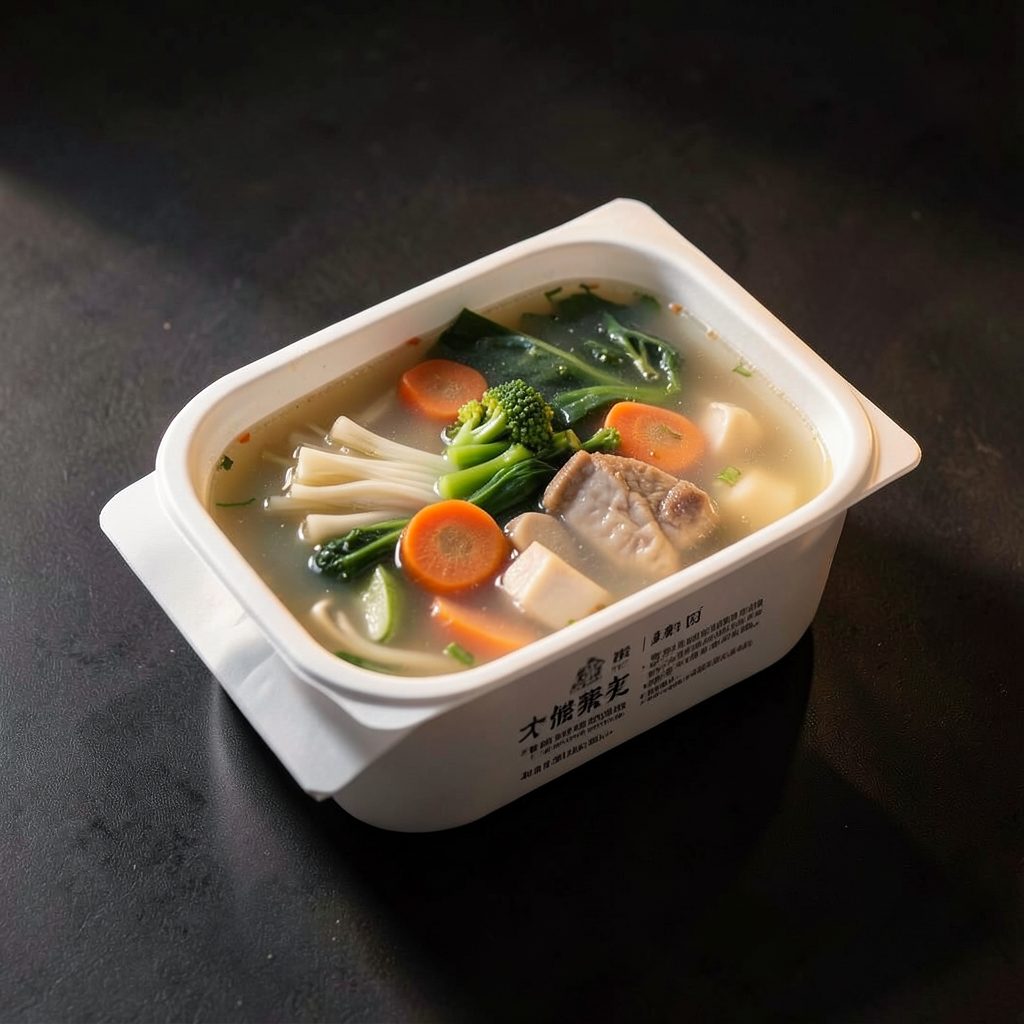
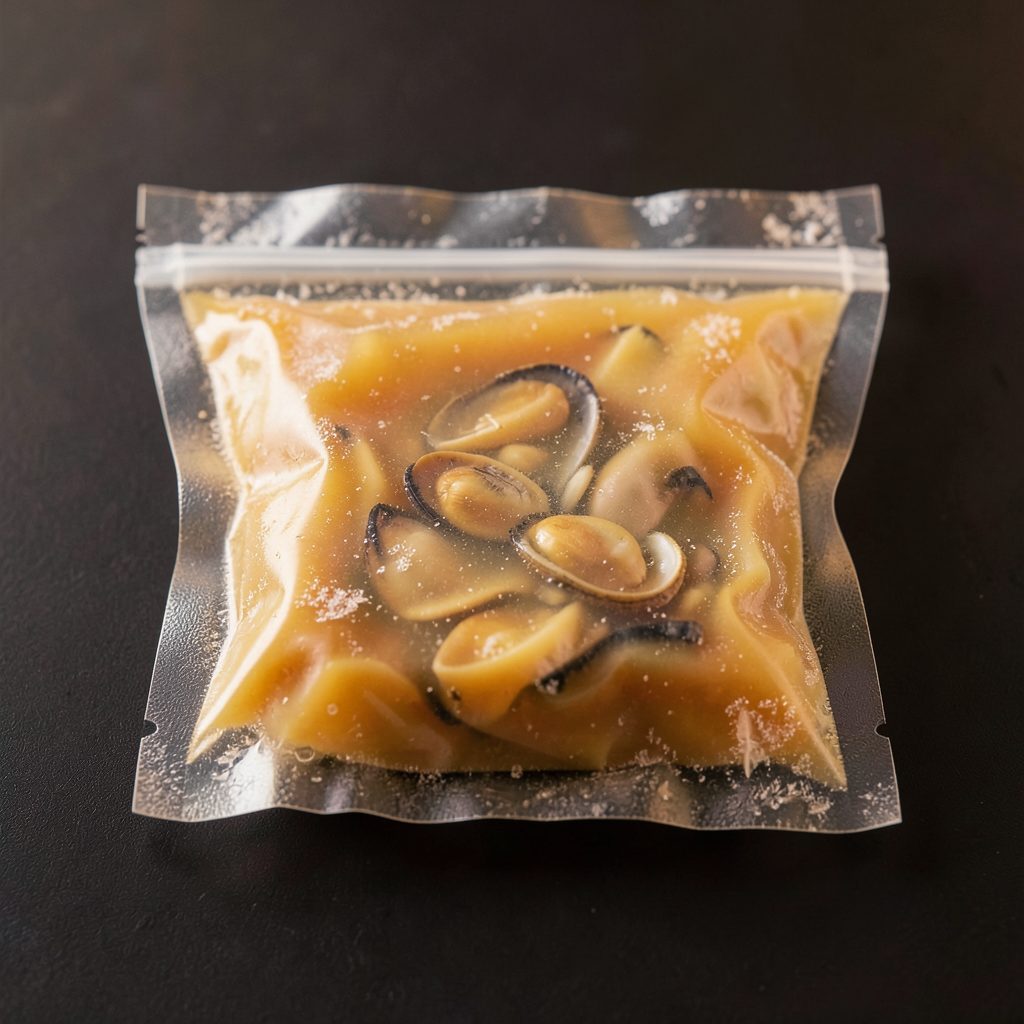
Best Sellers
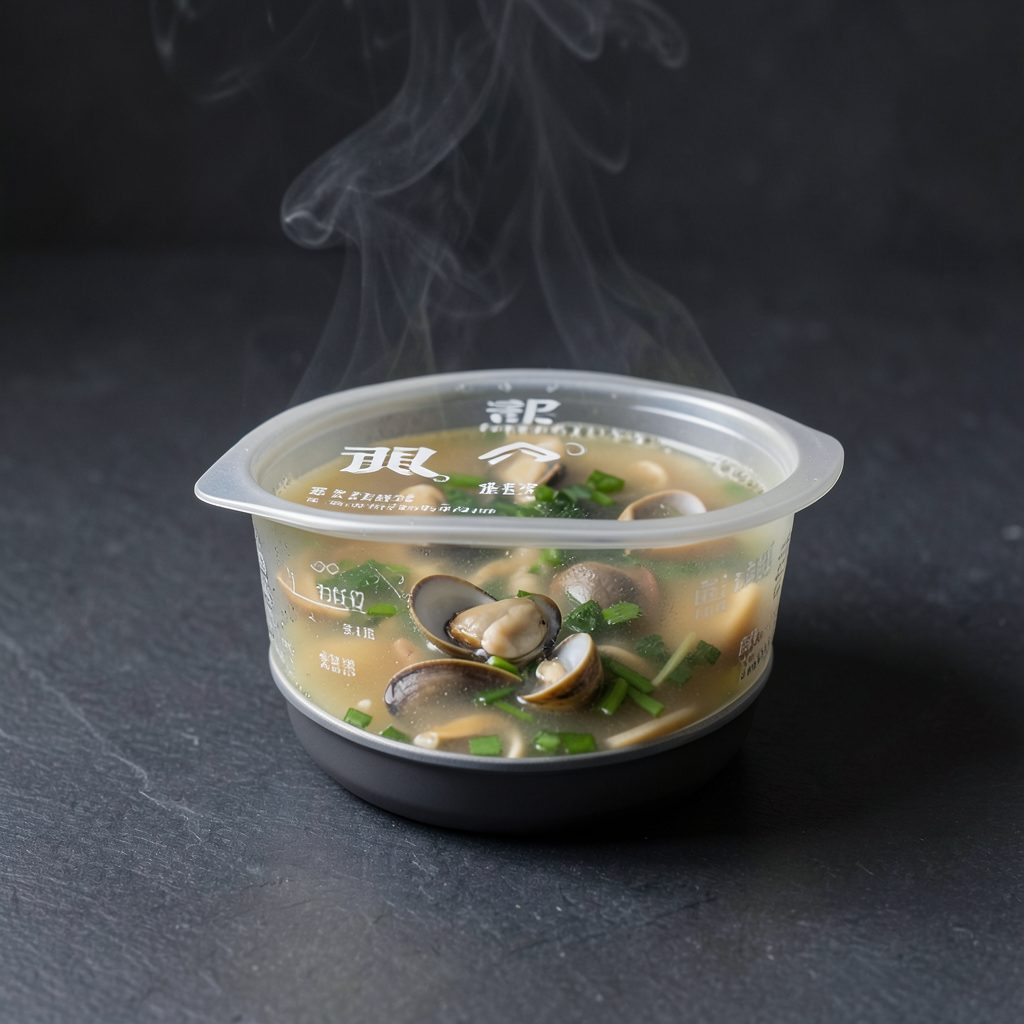
蛤?! Clam Soup Base —卜卜蜆
NT$ —
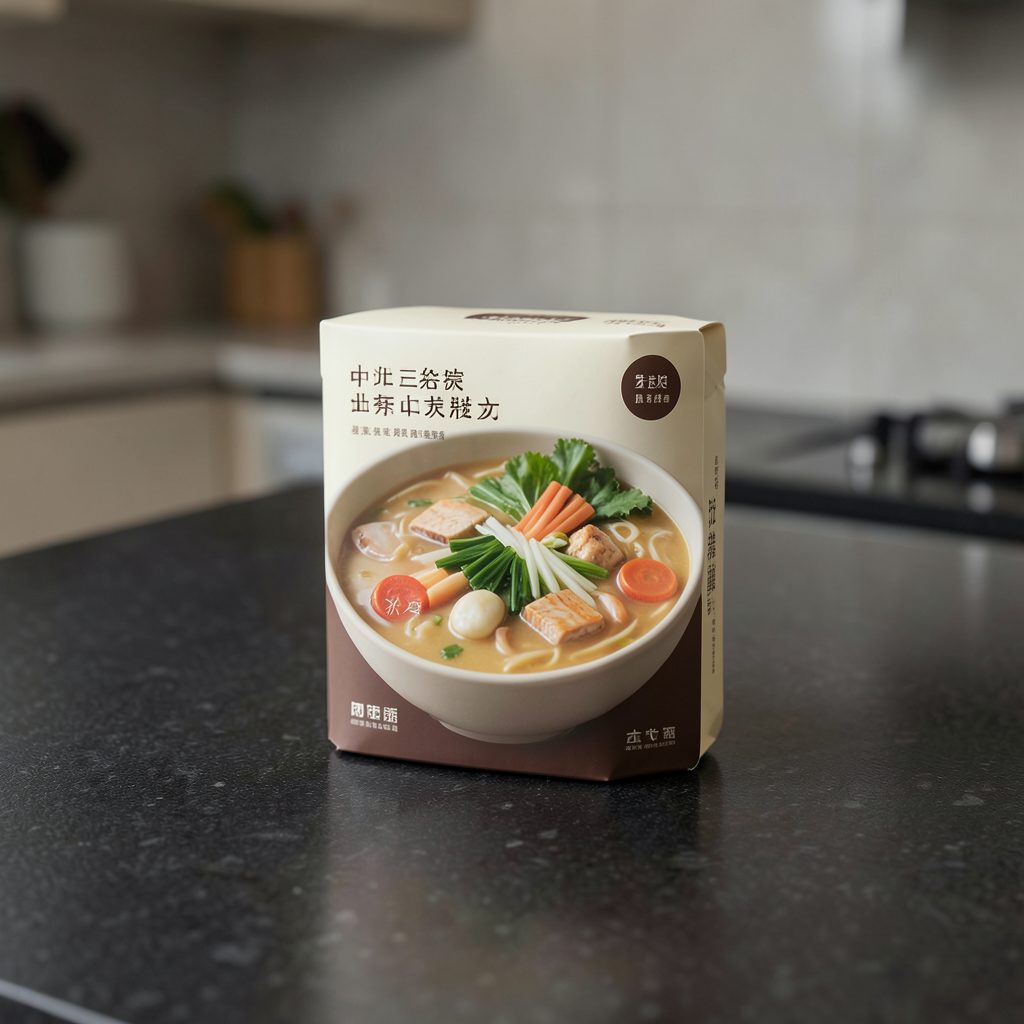
本事滿足鍋物 Personal Pot Base
NT$ —
蛤?! Dry Noodles
NT$ —
Signature Sauce
NT$ —
New Arrivals
蛤?! Golden Clam Broth — New Batch
NT$ —
Radish Cake —蘿蔔糕精神
NT$ —
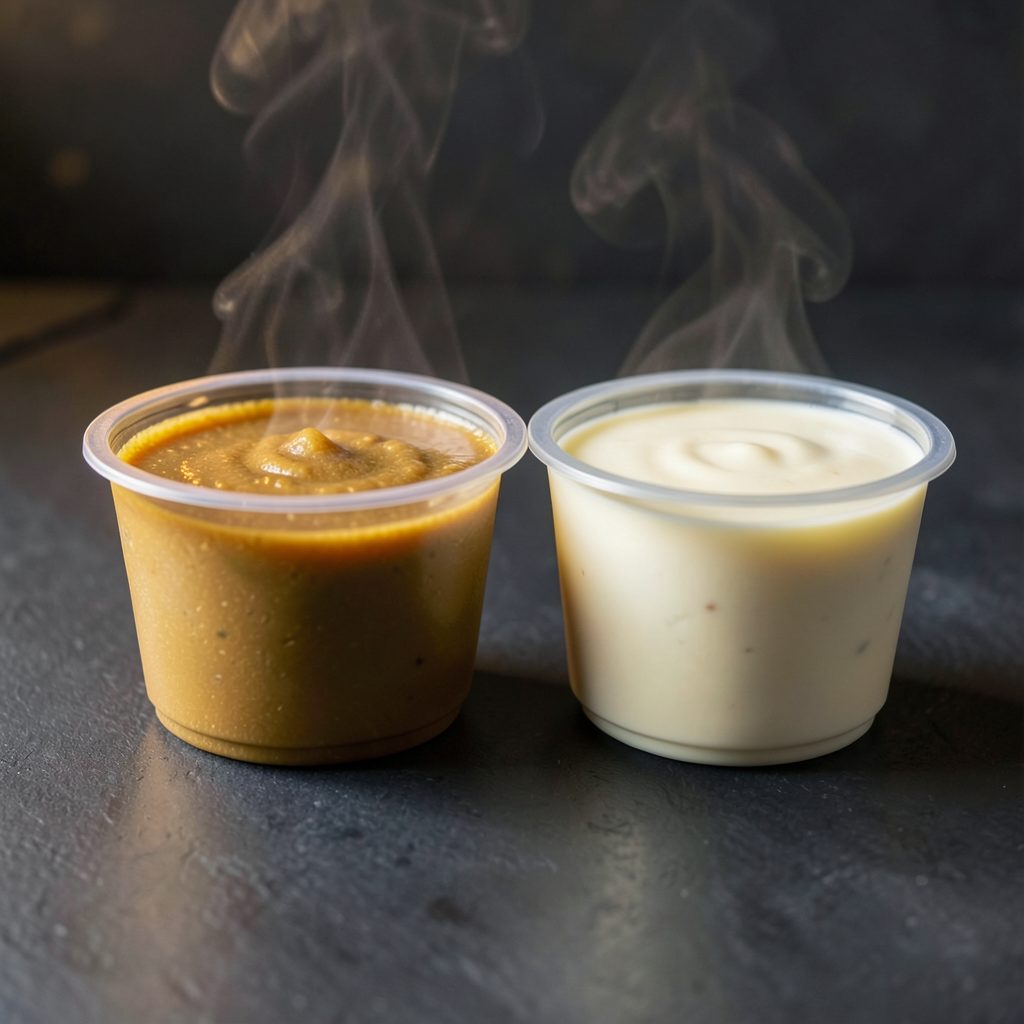
Duo Soup Base Set
NT$ —
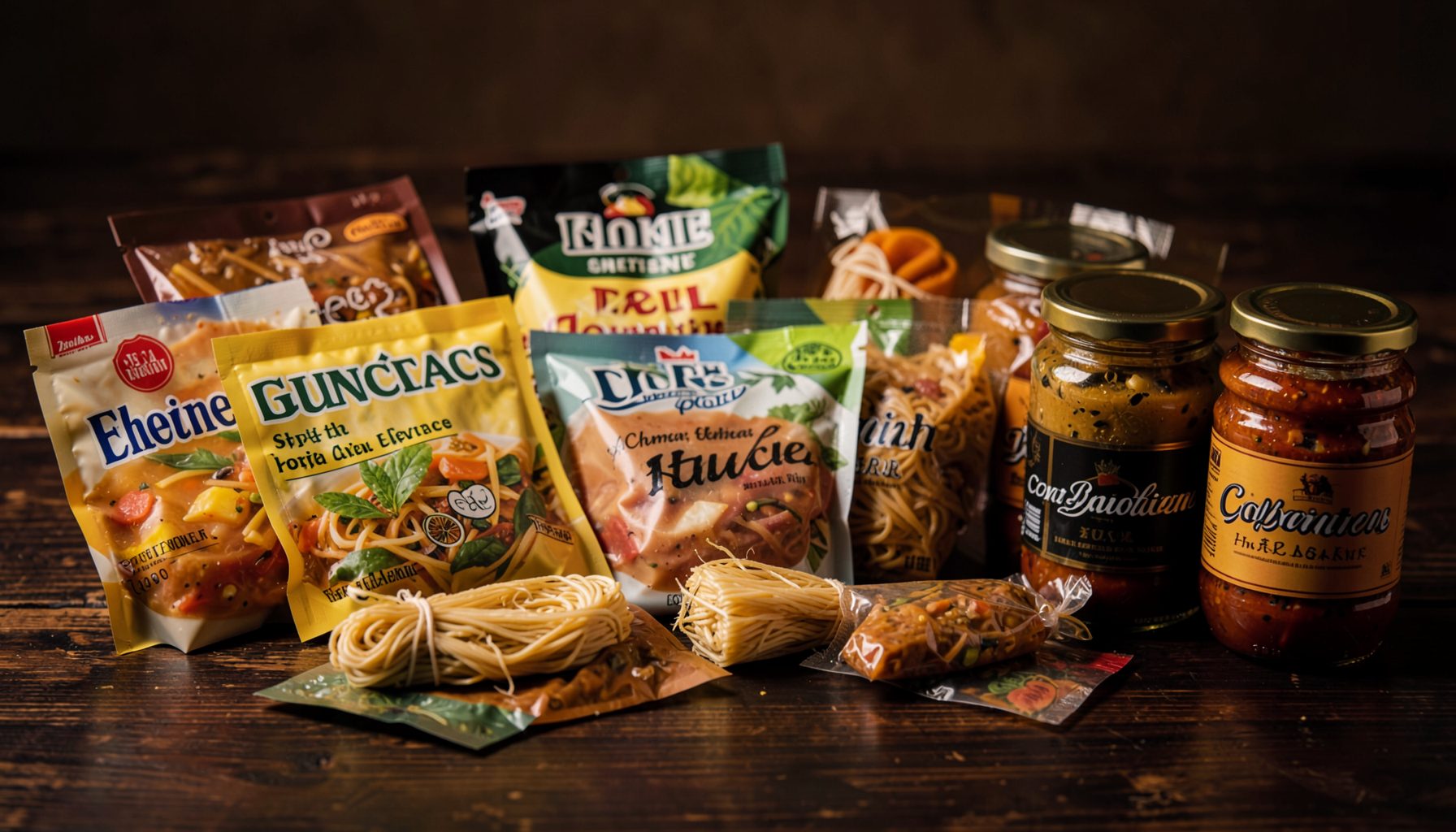
Hot Pot Essentials Bundle
NT$ —
About 蛤?! Huh Pot
蛤?! Huh Pot is a Cantonese-style hot pot brand known for its signature clam-based broth —卜卜蜆 — made with rich old-hen stock and generous portions of fresh clams. The brand also encompasses 本事滿足鍋物, a personal hot pot concept, bringing the same depth of flavor to individual servings.
Through MoneyCome Mart, these restaurant-quality soup bases, dry noodles, radish cakes, and signature sauces are available for home delivery across Taiwan. Restaurant locations in Taipei's Da'an District, Civic Boulevard, and Taichung's Gongyi Road also welcome guests for dine-in, with online reservations available.