How to store leftover hot pot broth for maximum flavor
A well-made hot pot broth can become the foundation for another satisfying meal, but its taste and safety depend on what happens after dinner. Cantonese soup bases, clam broths, and seasoned cooking liquids contain delicate aromatics that can fade quickly if they remain warm for too long.
With a few careful steps, leftover broth can retain its savory depth, clean seafood character, and balanced seasoning. The key is to separate solids, cool the liquid quickly, and choose the right storage method for when you plan to enjoy it again.
Why broth needs careful storage
Hot pot broth often contains meat juices, seafood proteins, vegetables, oils, and fermented or dried seasonings. These ingredients enrich the flavor, yet they also make the liquid more perishable than plain stock. Once serving utensils and raw ingredients have been introduced, the broth should be treated as cooked food that needs prompt refrigeration.
Leaving the pot at room temperature for an extended period can allow bacteria to multiply, especially in Taiwan’s warm and humid conditions. Refrigerate the broth within two hours of serving, or within one hour when the surrounding temperature is above 32°C. Do not rely on boiling later to correct careless storage.
Prepare the broth before chilling
Start by removing cooked ingredients, floating aromatics, and any remaining noodles. Strain the liquid through a fine sieve if it contains small particles or seafood residue. This creates a cleaner broth and prevents softened ingredients from continuing to break down during storage.
Divide the broth into shallow, heat-safe containers rather than placing a large, deep pot directly in the refrigerator. A wide container releases heat much faster. You can also set the container in an ice-water bath and stir occasionally, taking care not to let the cooling water enter the broth.
Once the steam has reduced and the broth is cool enough to handle, cover it and refrigerate it promptly. Labeling each container with the date makes it easier to use the oldest portion first and avoid guessing how long it has been stored.
Choose the right storage method
For the best flavor, keep only the amount you expect to use within a few days in the refrigerator. Store the broth on a lower shelf, where its temperature is more stable and any accidental leakage will not contaminate ready-to-eat food. Leave a little space beneath the lid if the liquid is still cooling, then seal it fully once chilled.
For home cooks ordering specialty soup bases or prepared hot pot ingredients, planning the delivery and storage timing also matters. Check the delivery details so frozen products can be received and transferred to suitable cold storage without unnecessary delay.
| Storage method | Best quality window | Suitable container | Main advantage |
|---|---|---|---|
| Refrigerator | 3–4 days | Sealed shallow container | Convenient for the next meal |
| Freezer | 2–3 months | Airtight freezer container or bag | Extends storage and reduces waste |
| Ice cube portions | 1–2 months | Silicone tray, then freezer bag | Easy to add small amounts to sauces or soup |
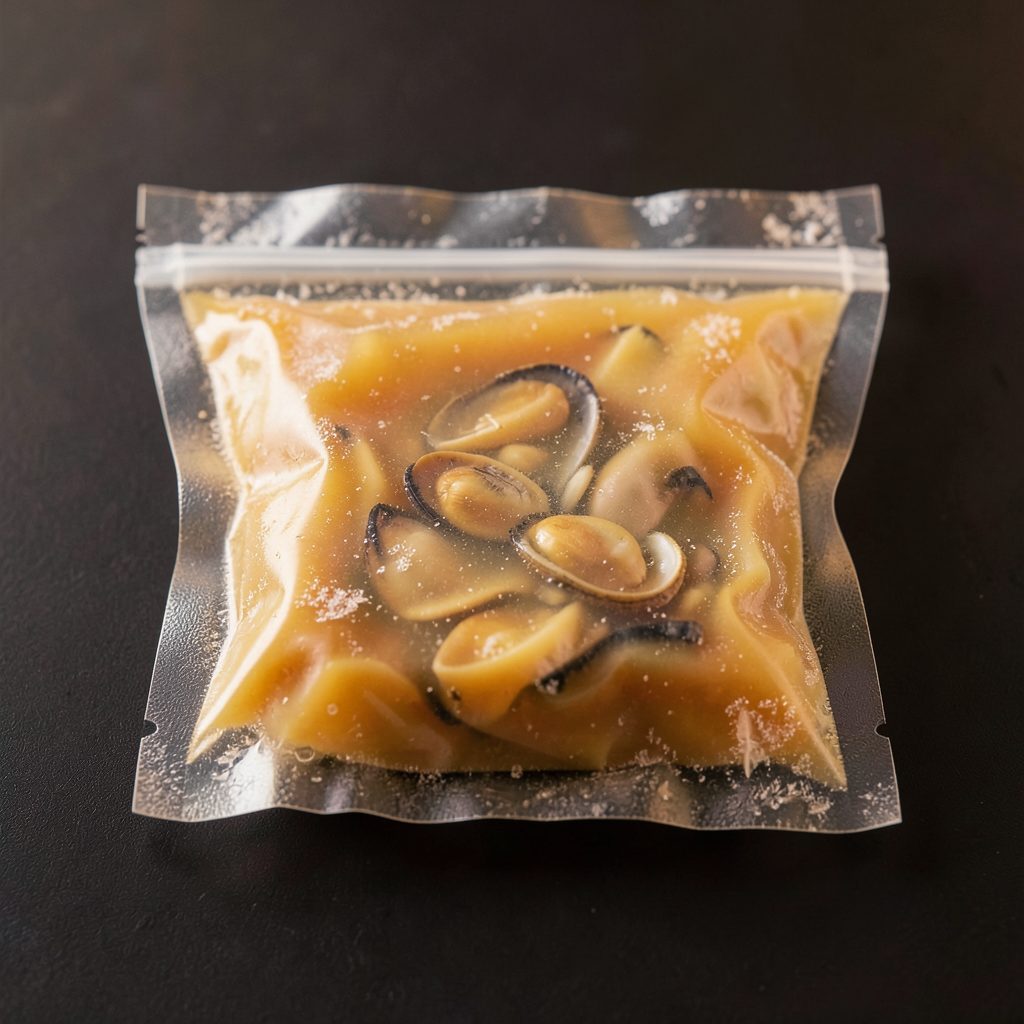
| Vacuum-sealed portion | Up to 3 months | Freezer-safe pouch | Limits air exposure and freezer burn |
Freeze broth without losing its character
Freezing is the better choice when you will not reuse the broth within three or four days. Before freezing, skim off excessive surface fat if the broth is very oily. A small amount of fat can protect flavor, but too much may become waxy or develop stale notes during extended storage.
Freeze the broth in meal-sized portions. Leave expansion space in rigid containers, or remove excess air from freezer bags and lay them flat for faster freezing. Once solid, flat portions can be stacked efficiently. Mark the date and the type of broth, since a clam-based soup and a spicy Cantonese base may look similar when frozen.
Avoid freezing noodles, leafy greens, tofu, or delicate seafood in the broth. Their texture usually becomes soft and watery after thawing. Freeze the seasoned liquid separately, then add fresh ingredients when reheating.
Reheat gently and safely
Thaw frozen broth overnight in the refrigerator whenever possible. If you need it sooner, place the sealed container in cold water and change the water regularly. Do not thaw broth on the kitchen counter. Once thawed, use it within one to two days and avoid refreezing it unless it has remained consistently cold and has not been reheated.
Bring refrigerated or thawed broth to a full simmer before serving. Stir from the bottom so concentrated seasonings are redistributed, then taste only after the liquid is hot. The broth may need a small splash of water if evaporation made it too salty, or a little fresh stock if the flavors became intense.
Reheat only the portion you need. Repeatedly warming and cooling the entire batch gradually dulls its aroma and increases food safety risk. Add fresh vegetables, noodles, sliced meat, or dumplings after the broth reaches a steady simmer so they cook cleanly without over-softening the soup.
Make storage part of the meal routine
A simple routine helps protect both flavor and food safety:
- Strain the broth as soon as the hot pot meal ends.
- Divide it into shallow, dated portions before refrigerating.
- Keep three to four days’ worth in the refrigerator and freeze the rest.
- Store noodles, vegetables, tofu, and seafood separately whenever possible.
- Reheat only the portion needed and bring it to a full simmer before serving.
These steps work for clam broth, mushroom soup, spicy bases, and richer meat-forward recipes. They also make leftovers more versatile: a reserved portion can become the base for congee, noodle soup, steamed rice dishes, or another hot pot meal with freshly prepared ingredients.
Give your leftover broth the same care as the original hot pot. Portion it promptly, chill it safely, and choose fresh ingredients when you reheat it so the next meal tastes as carefully prepared as the first.
Best Sellers
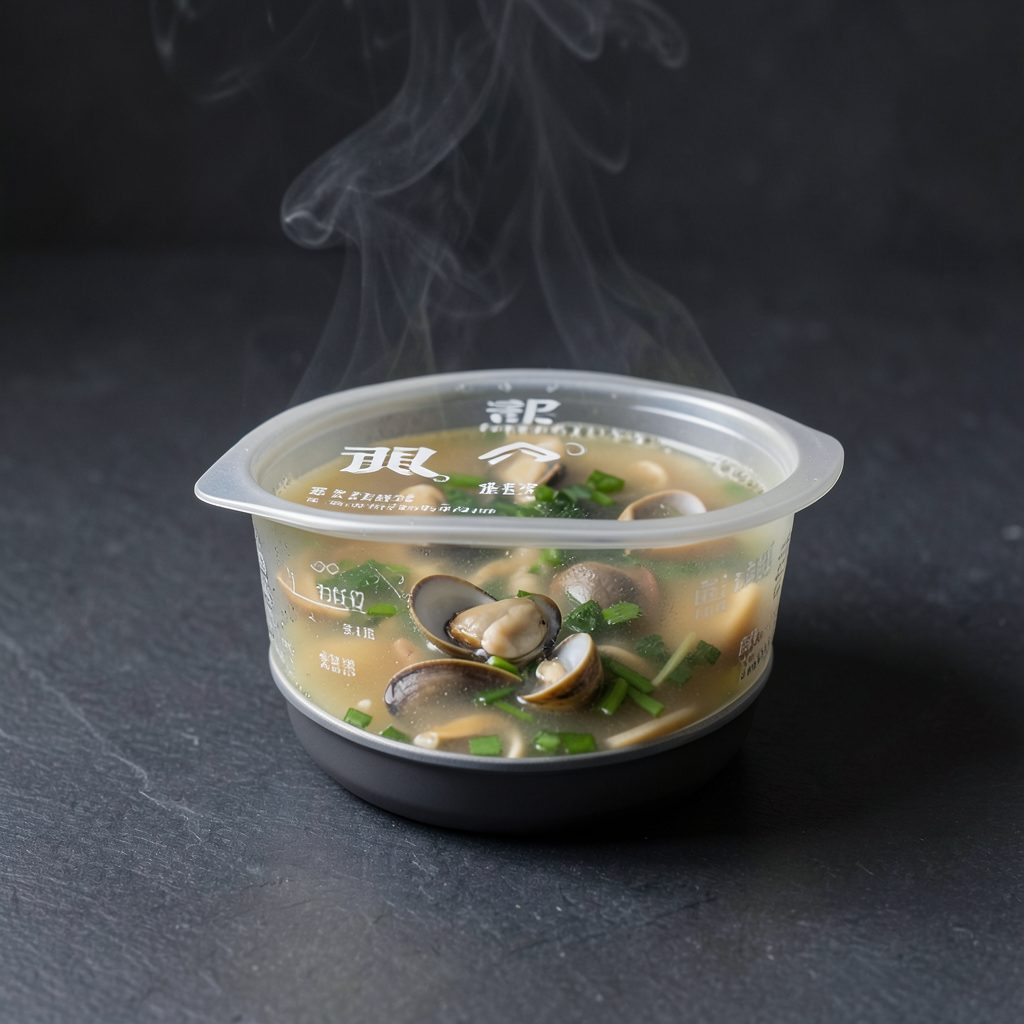
蛤?! Clam Soup Base —卜卜蜆
NT$ —
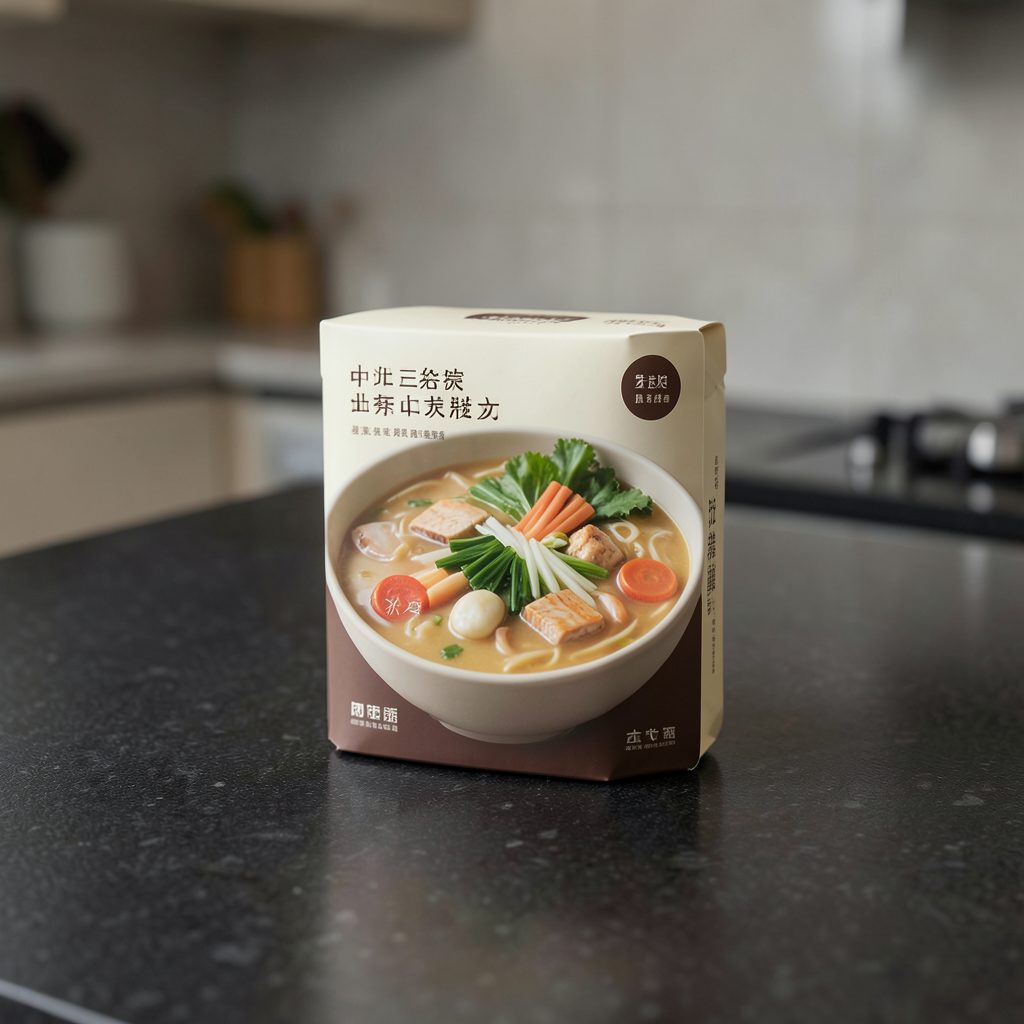
本事滿足鍋物 Personal Pot Base
NT$ —
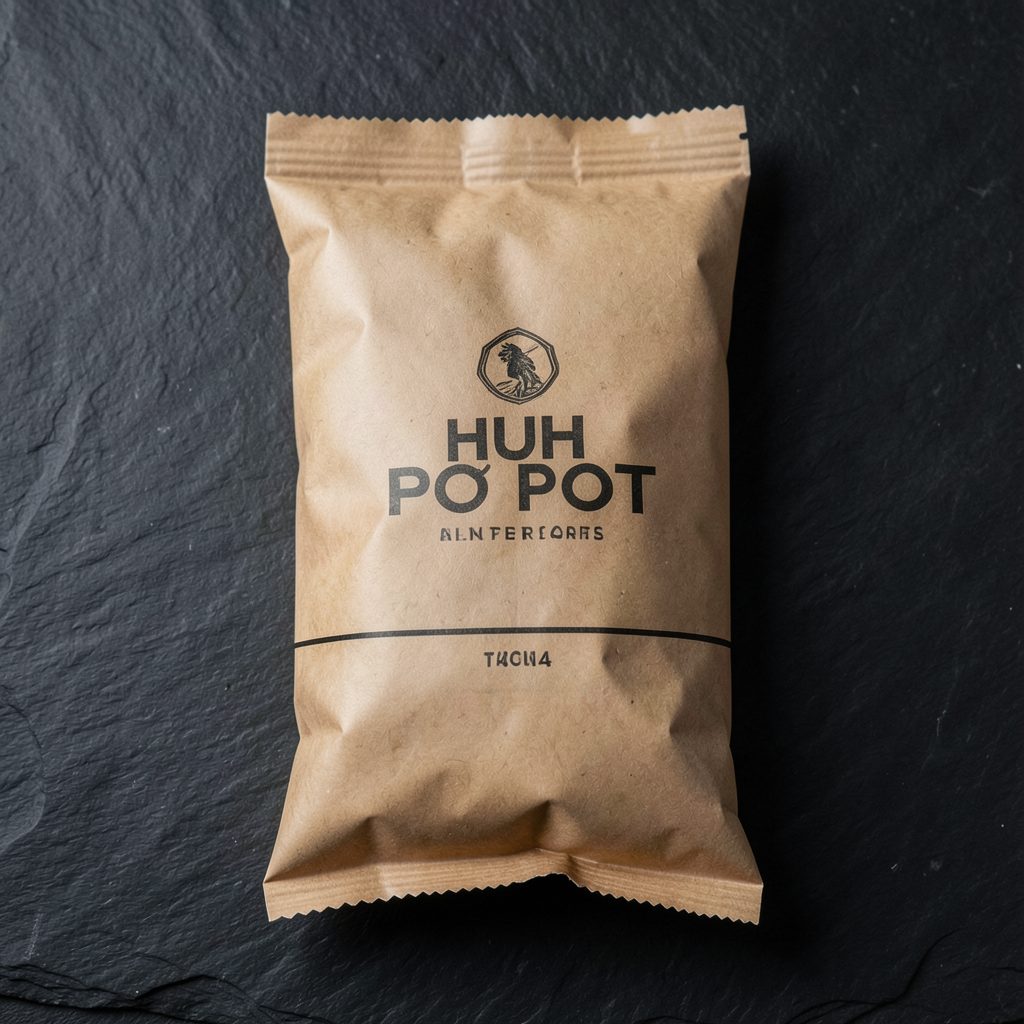
蛤?! Dry Noodles
NT$ —
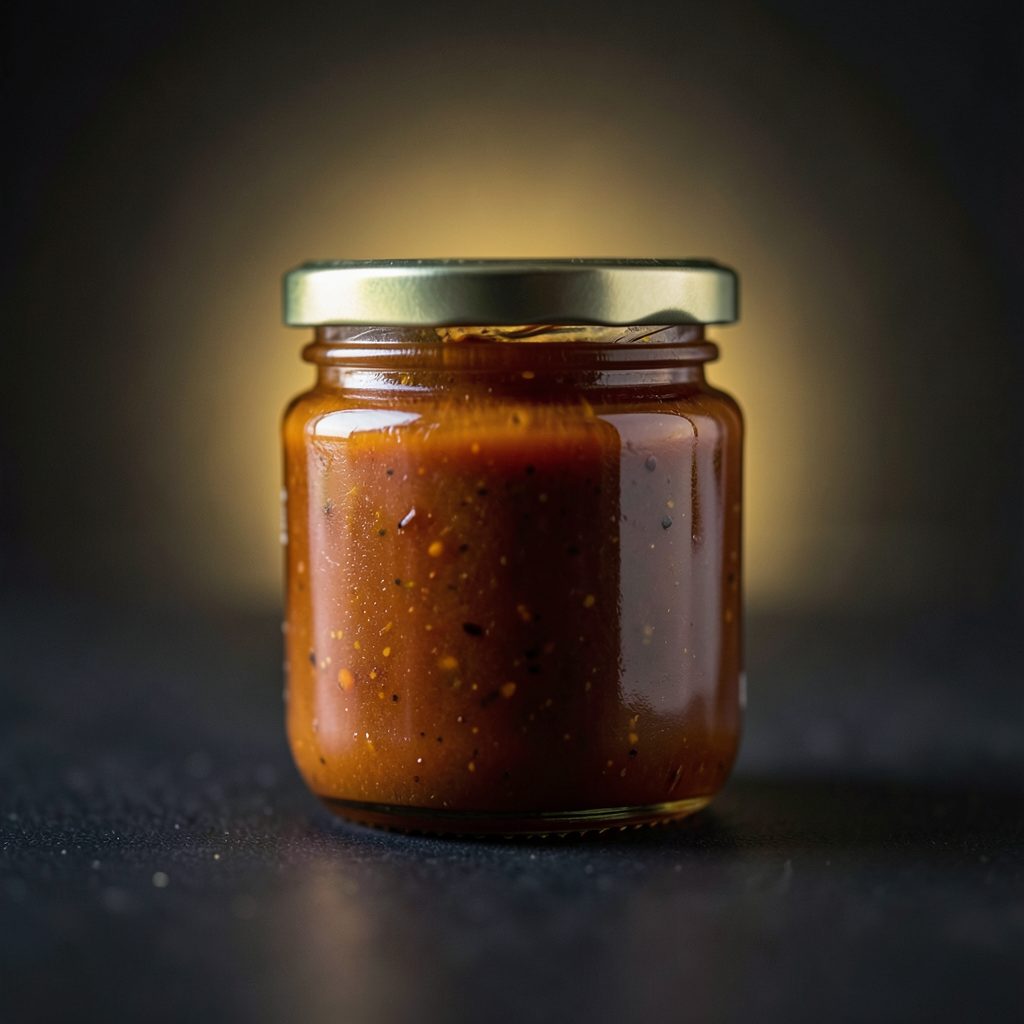
Signature Sauce
NT$ —
New Arrivals
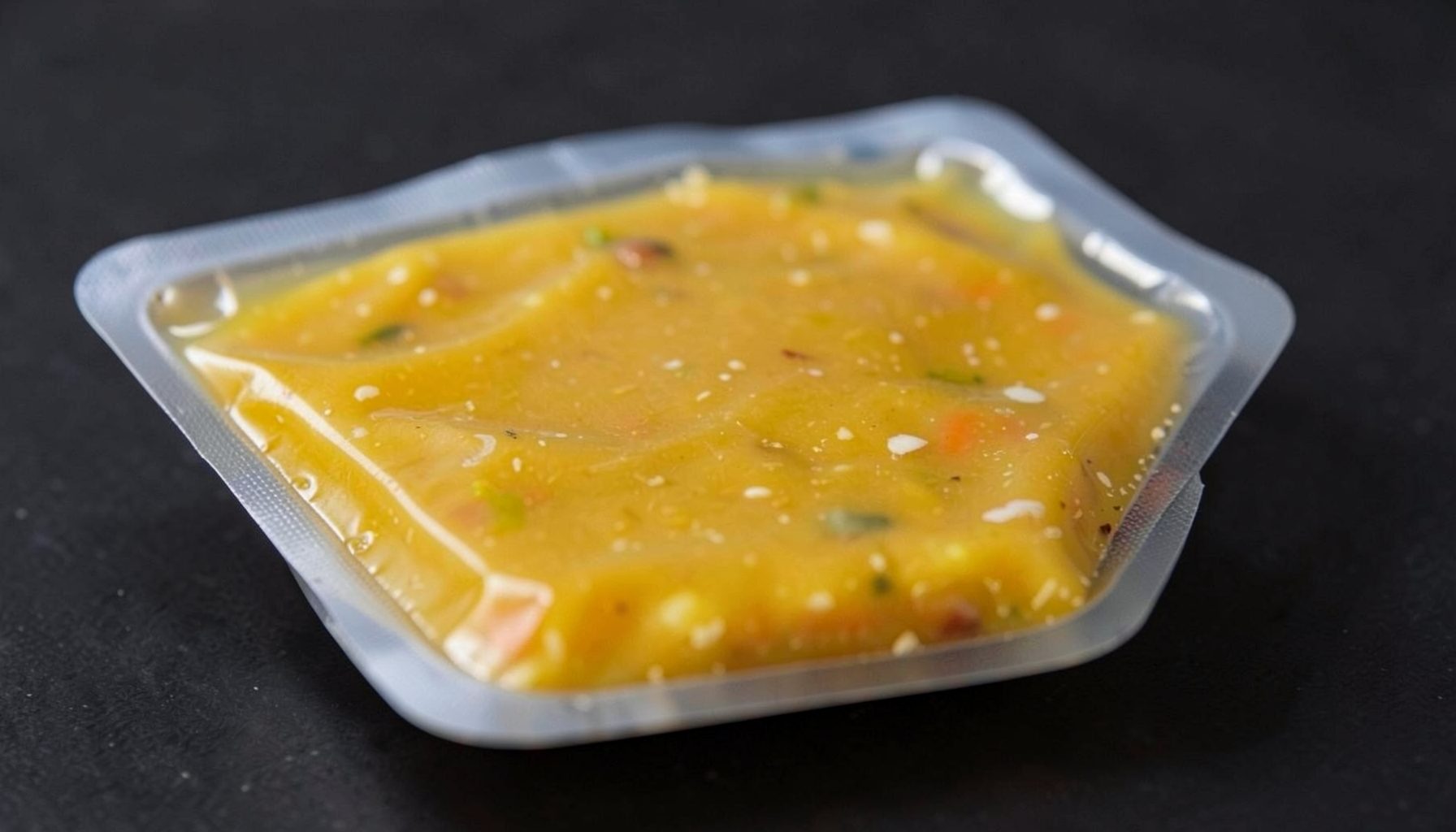
蛤?! Golden Clam Broth — New Batch
NT$ —
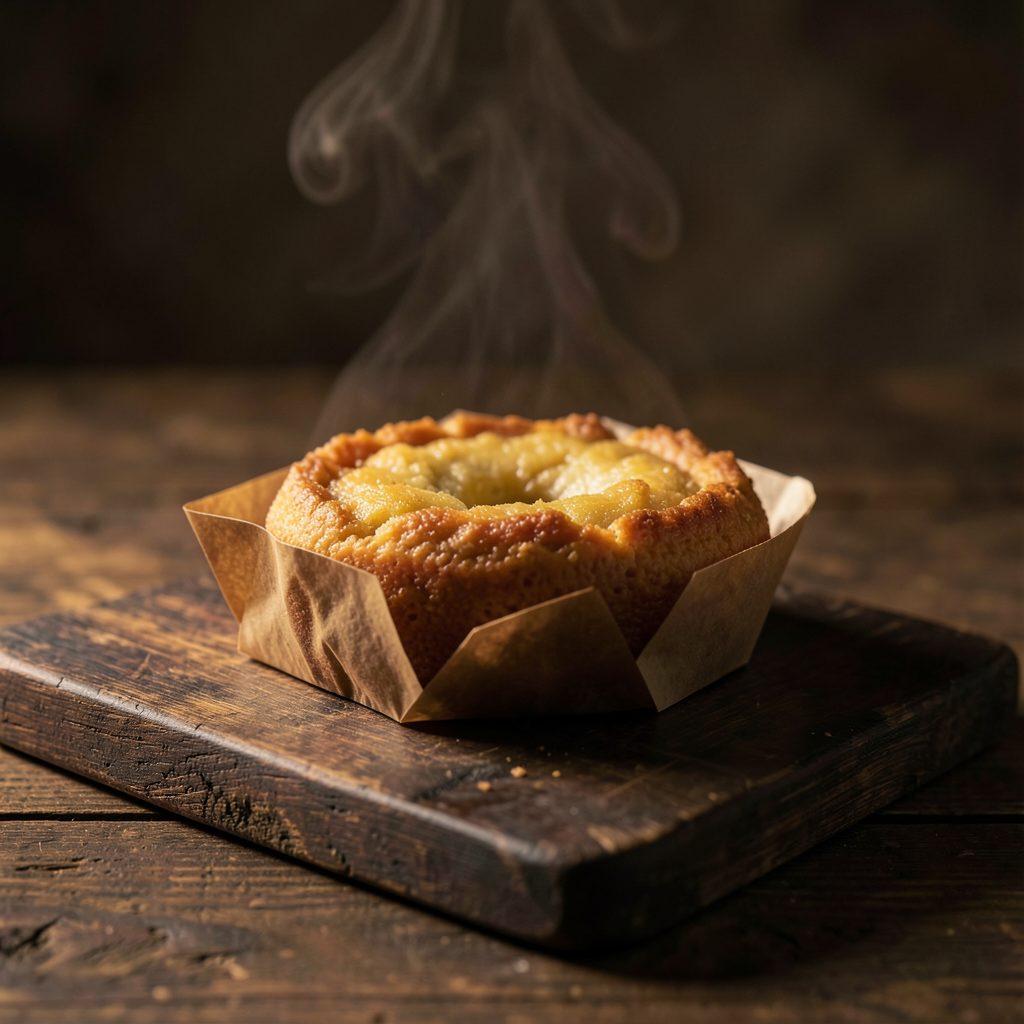
Radish Cake —蘿蔔糕精神
NT$ —
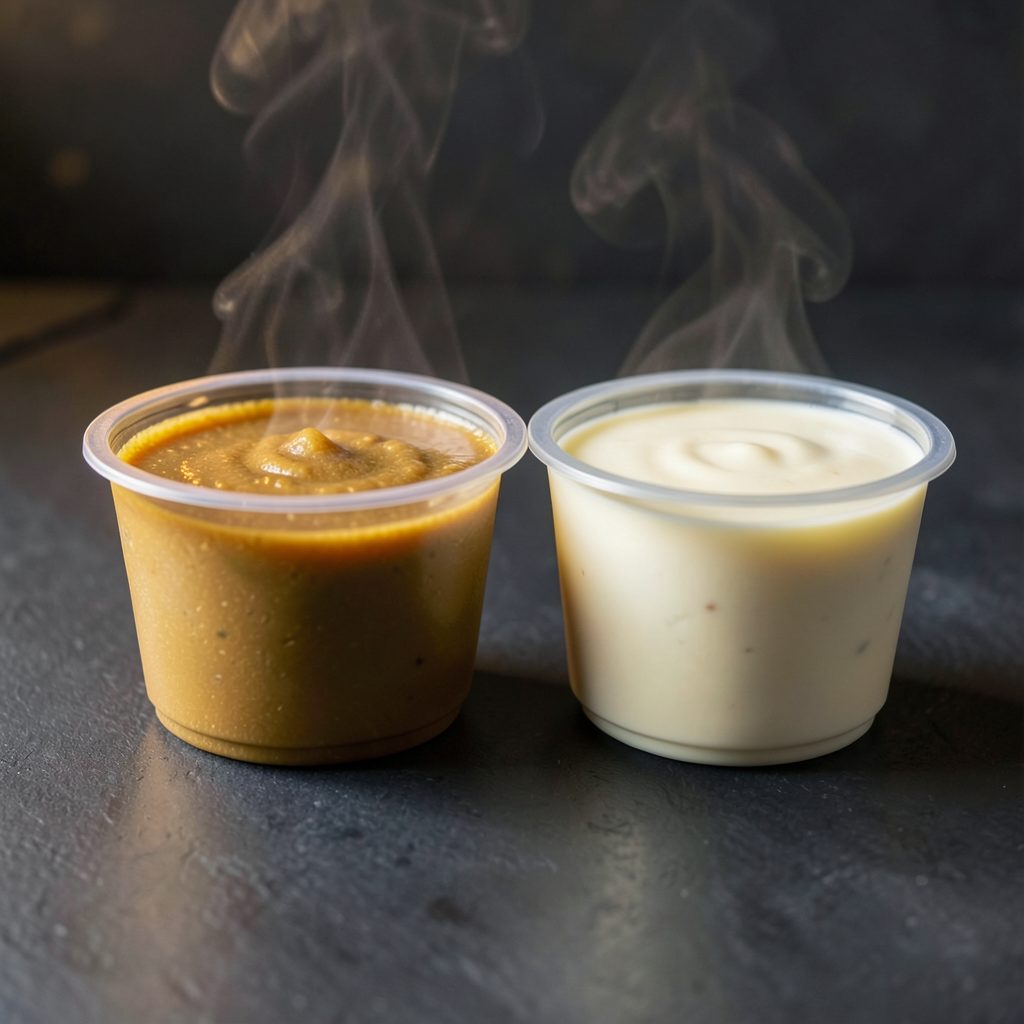
Duo Soup Base Set
NT$ —
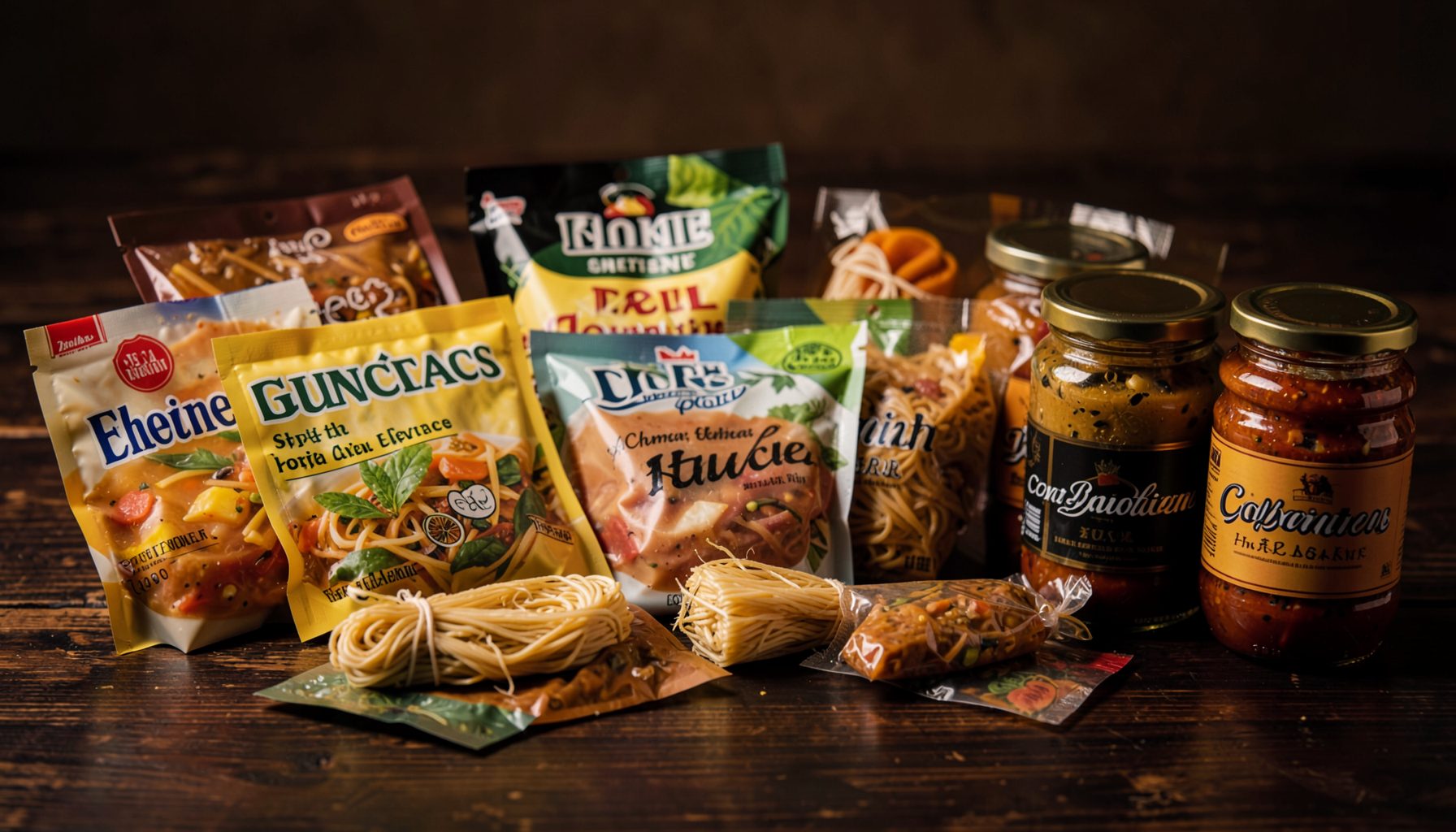
Hot Pot Essentials Bundle
NT$ —
About 蛤?! Huh Pot
蛤?! Huh Pot is a Cantonese-style hot pot brand known for its signature clam-based broth —卜卜蜆 — made with rich old-hen stock and generous portions of fresh clams. The brand also encompasses 本事滿足鍋物, a personal hot pot concept, bringing the same depth of flavor to individual servings.
Through MoneyCome Mart, these restaurant-quality soup bases, dry noodles, radish cakes, and signature sauces are available for home delivery across Taiwan. Restaurant locations in Taipei's Da'an District, Civic Boulevard, and Taichung's Gongyi Road also welcome guests for dine-in, with online reservations available.