How to store an opened sauce packet
An opened packet of chilli garlic, sesame, oyster or black pepper sauce can lose flavour faster than many people expect. Air enters through the torn corner, the oil may separate, and moisture introduced by a used spoon can encourage spoilage. Storing the packet correctly preserves the restaurant-quality taste you expect from a home hot pot.
Unopened products can stay in the pantry, refrigerator or freezer according to their labels. Once a packet has been opened, however, its original protective seal is gone. Cold-chain delivery from a specialist food store such as MoneyCome Mart protects products during transit, but refrigeration becomes the cook’s responsibility from that point onward.
Refrigerate it as soon as it is open
Treat opening a sauce packet as a break in its protective seal. Place it in the refrigerator even if only a small amount remains, and return it promptly after every meal. Keeping it at room temperature for later in the day gives moisture and airborne microbes more time to affect the sauce.
Hot weather makes this especially important in Australia. Brisbane and Darwin can experience intensely warm days, while Sydney and Melbourne often have humid summers. As a conservative rule, food should not remain unrefrigerated for more than two hours, or one hour when the temperature is above 32°C. Keep the refrigerator at 5°C or below, and remember the informal Australian instruction to “chuck it in the fridge” does mean the fridge rather than a cool pantry shelf.
Reseal the packet tightly
Remove excess air from the packet by gently pushing it toward the opening. Fold the top down, press out any remaining air and secure it with a small bag clip. A clean, food-safe resealable bag offers another option and prevents the packet from leaking onto other refrigerator items.
If the packet has split, been punctured or developed a sticky leak, transfer the sauce to a clean container with a tight-fitting lid. Do not try to repair it with ordinary sticky tape. Before reusing the sauce, check the manufacturer’s directions; the hot pot FAQ can also help clarify handling instructions for particular products.
Use a clean container for best protection
A small glass jar or rigid plastic container is usually more reliable than a folded sachet. Choose one that fits inside the refrigerator without being crushed, and wipe the rim clean before attaching the lid. Label the container with the date and time of opening so you can judge its use-by window without repeatedly checking the original packet.
Australian shoppers encounter plenty of choices in this area. The Asian aisles at Coles and Woolworths commonly stock dipping sachets and larger refill sauces, while specialist Asian grocers around Box Hill, Burwood, Cabramatta and other suburban shopping districts often provide bulk ingredients and practical storage containers. Reusing a suitable jar also reduces waste and makes it easier to keep the sauce separate from every other opened packet.
Keep cold chain conditions consistent
Place opened sauces on a stable refrigerator shelf rather than in the door, where the temperature changes whenever the door is opened. Keep them away from raw meat and from hot pots that will release steam. Once a sauce is open, it needs steadier temperature control than a sealed pantry product.
Cold-chain shopping habits matter on delivery day as well. When frozen soup bases and other chilled ingredients arrive from MoneyCome Mart, move them into the freezer or refrigerator promptly. Frozen items should still be solid or contain ice crystals; if they have thawed completely, follow the seller’s storage guidance. Thaw soup bases in the refrigerator, and refreeze them only when the label permits.
Plan small batches and short use windows
Refrigerated opened sauce is generally best used within two to three days, although the packet’s stated directions take priority. A sauce touched by serving utensils during a meal should be used immediately and discarded rather than returned to storage. This prevents the remaining sauce from acquiring the salt, moisture and bacteria carried by a used utensil.
Small-batch planning also makes an office lunch easier to manage. While a small hot pot simmers, the method for brewing strong CTC tea can produce a bold companion drink for the desk. Keep the sauce refrigerated until everyone sits down to eat, and open only the number of packets needed for that session.
Spot spoilage before the sauce reaches dinner
A healthy opened packet may have slightly separated oil, particularly when it contains sesame or chilli oil. Stir it before checking its condition. Spoilage is more likely when there is mould, an unusual fizzy smell, a rancid odour, visible moisture inside an apparently clean packet or a swollen leaking sachet.
Never taste questionable sauce to test it. If its safety is uncertain, the Australian response is straightforward: chuck it. Keep packets away from children and label containers clearly. The same “use it or lose it” attitude that works for an opened jar of relish also prevents a marginal sauce from lingering in the refrigerator.
Make storage part of the hot pot routine
Begin on delivery day by checking the contents and separating frozen, chilled and pantry products. Put frozen ingredients away first, refrigerate opened or ready-to-use sauces and record the opening date. On cooking day, bring out only the packets needed for the meal.
After eating, seal each remaining packet immediately, return it to the refrigerator and discard any sauce contaminated during serving. Clean reusable containers regularly and keep them ready for the next batch. Cold storage, tight sealing and a short, visible use-by window are the three habits that keep opened hot pot sauce tasting fresh.
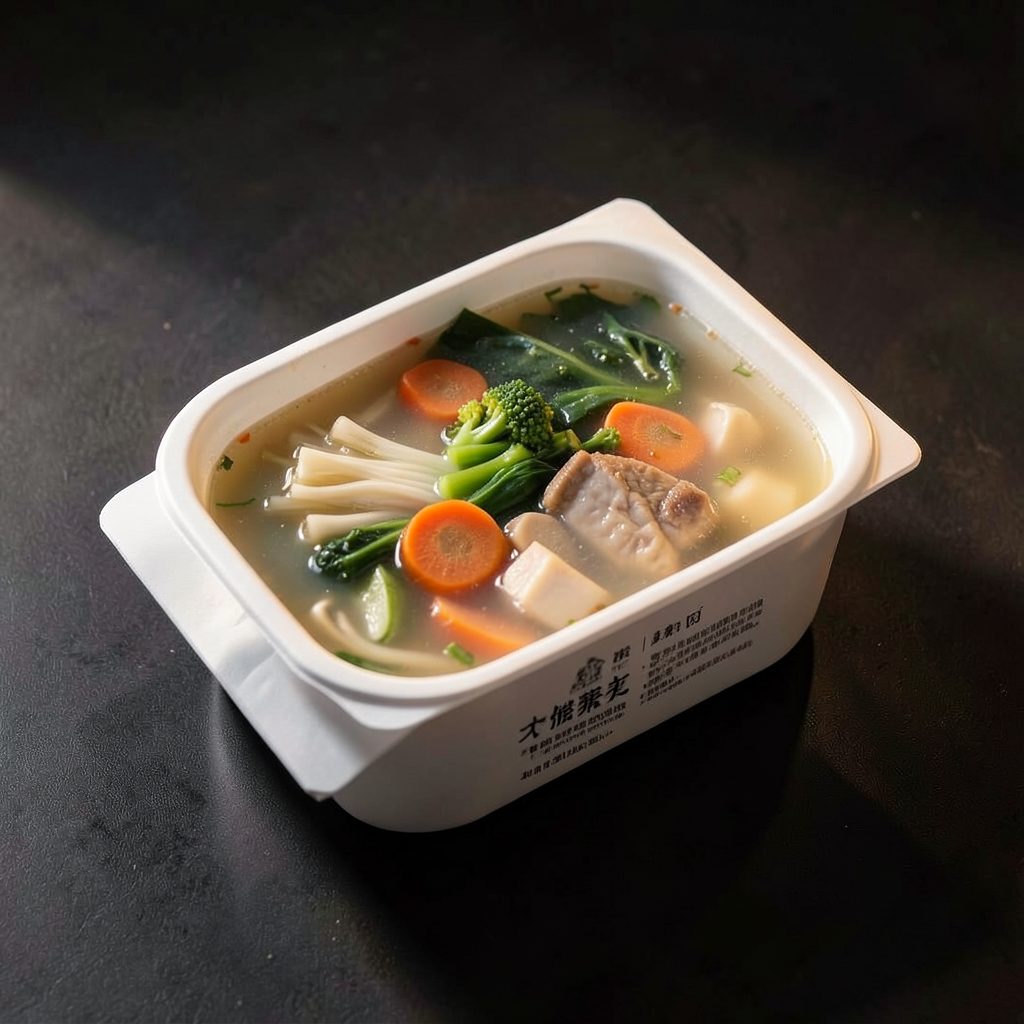
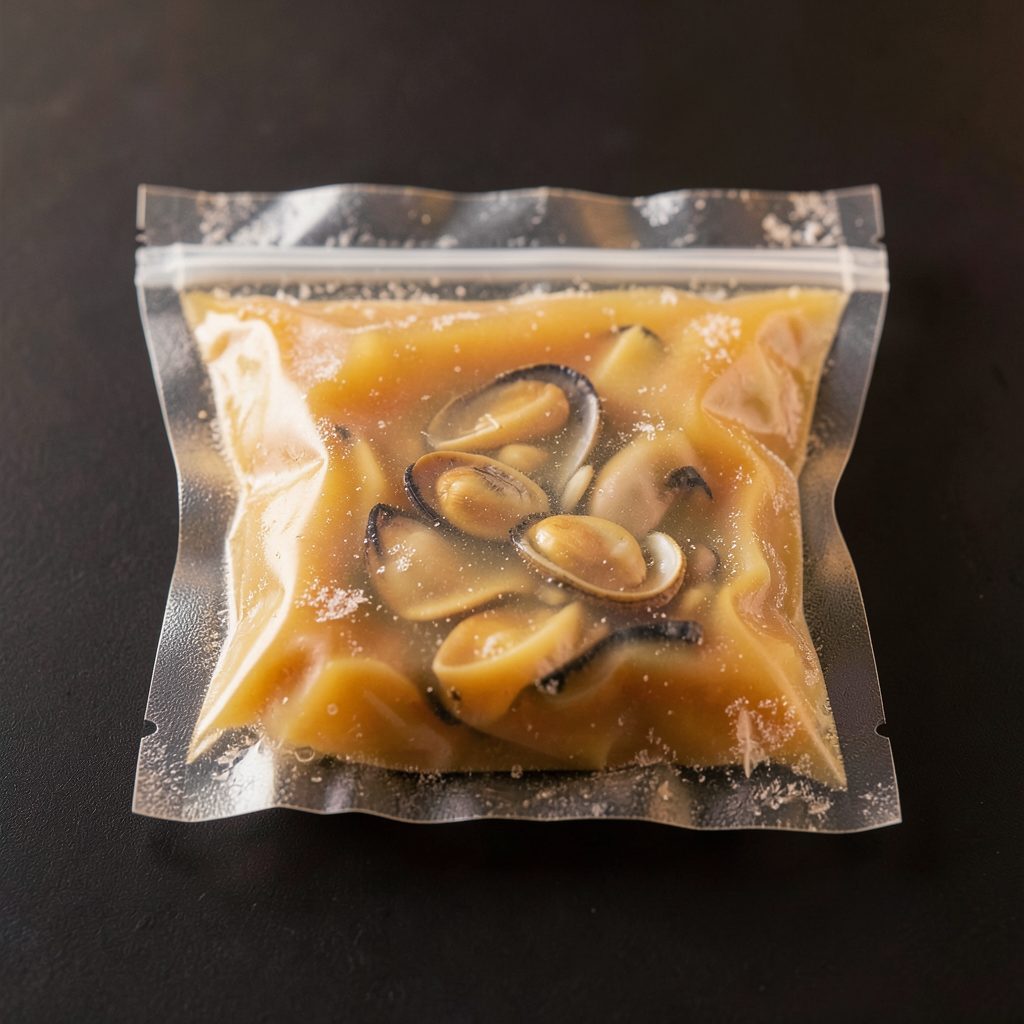
Best Sellers
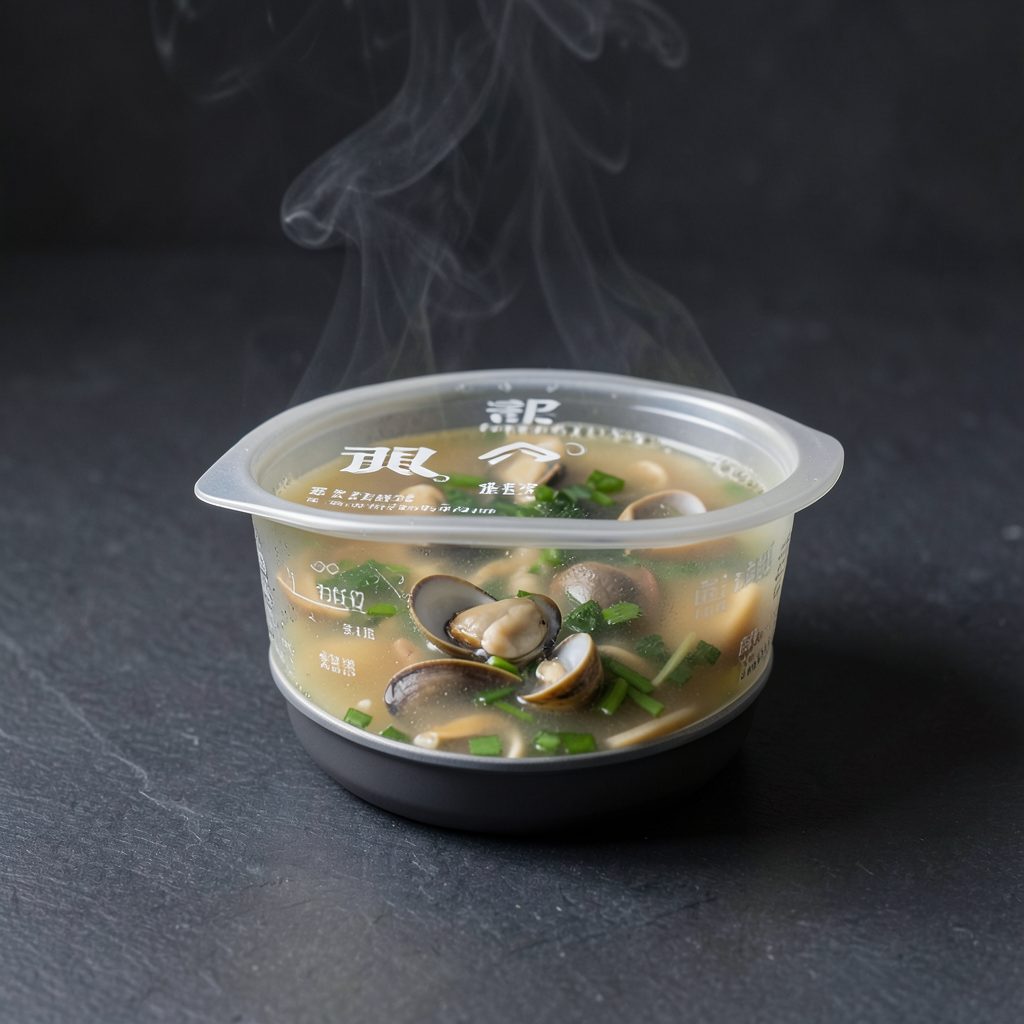
蛤?! Clam Soup Base —卜卜蜆
NT$ —
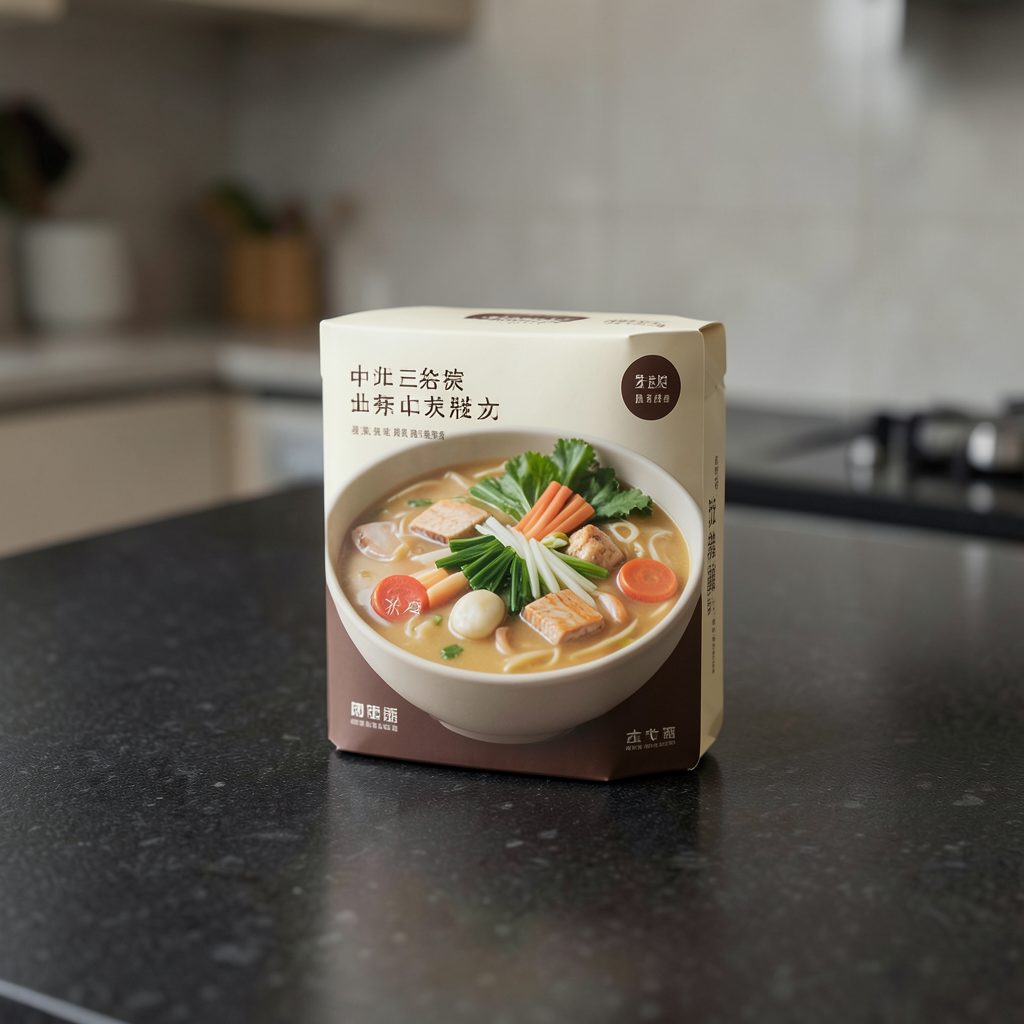
本事滿足鍋物 Personal Pot Base
NT$ —
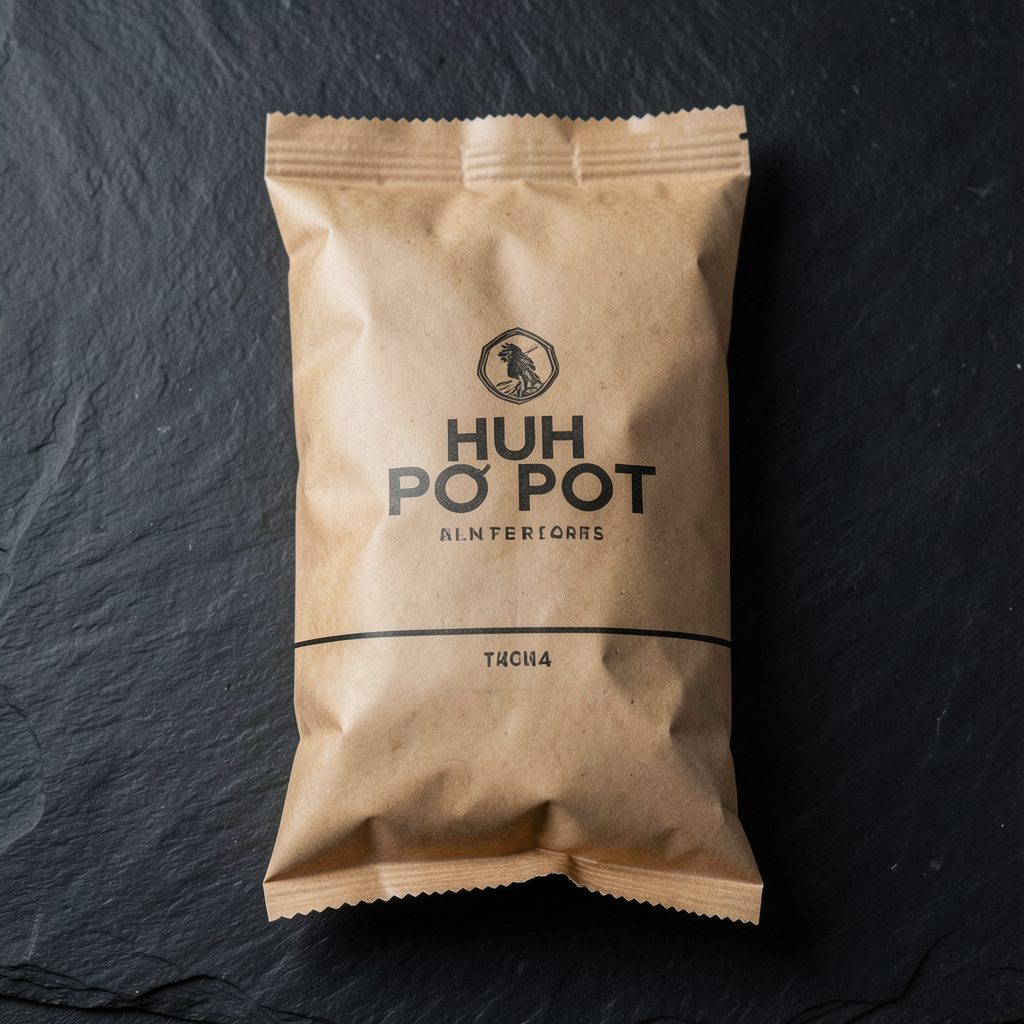
蛤?! Dry Noodles
NT$ —
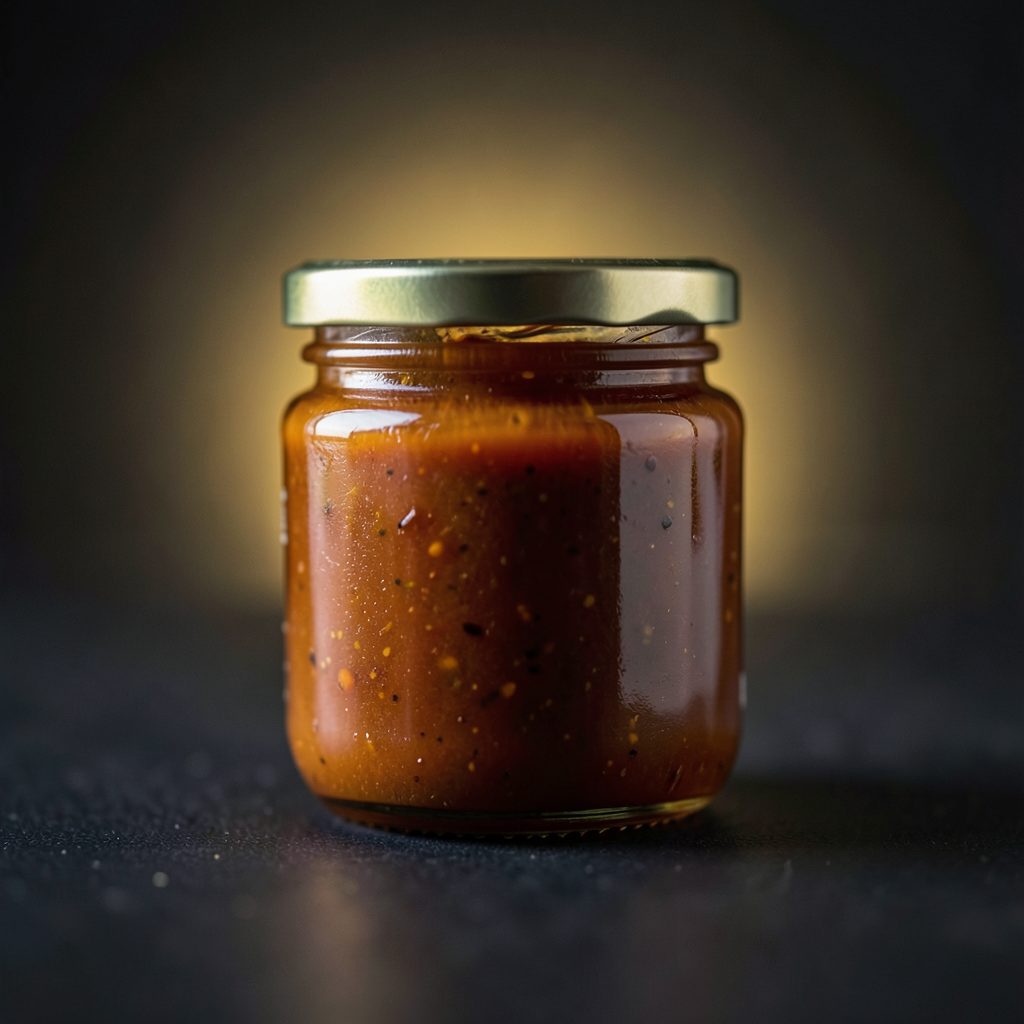
Signature Sauce
NT$ —
New Arrivals
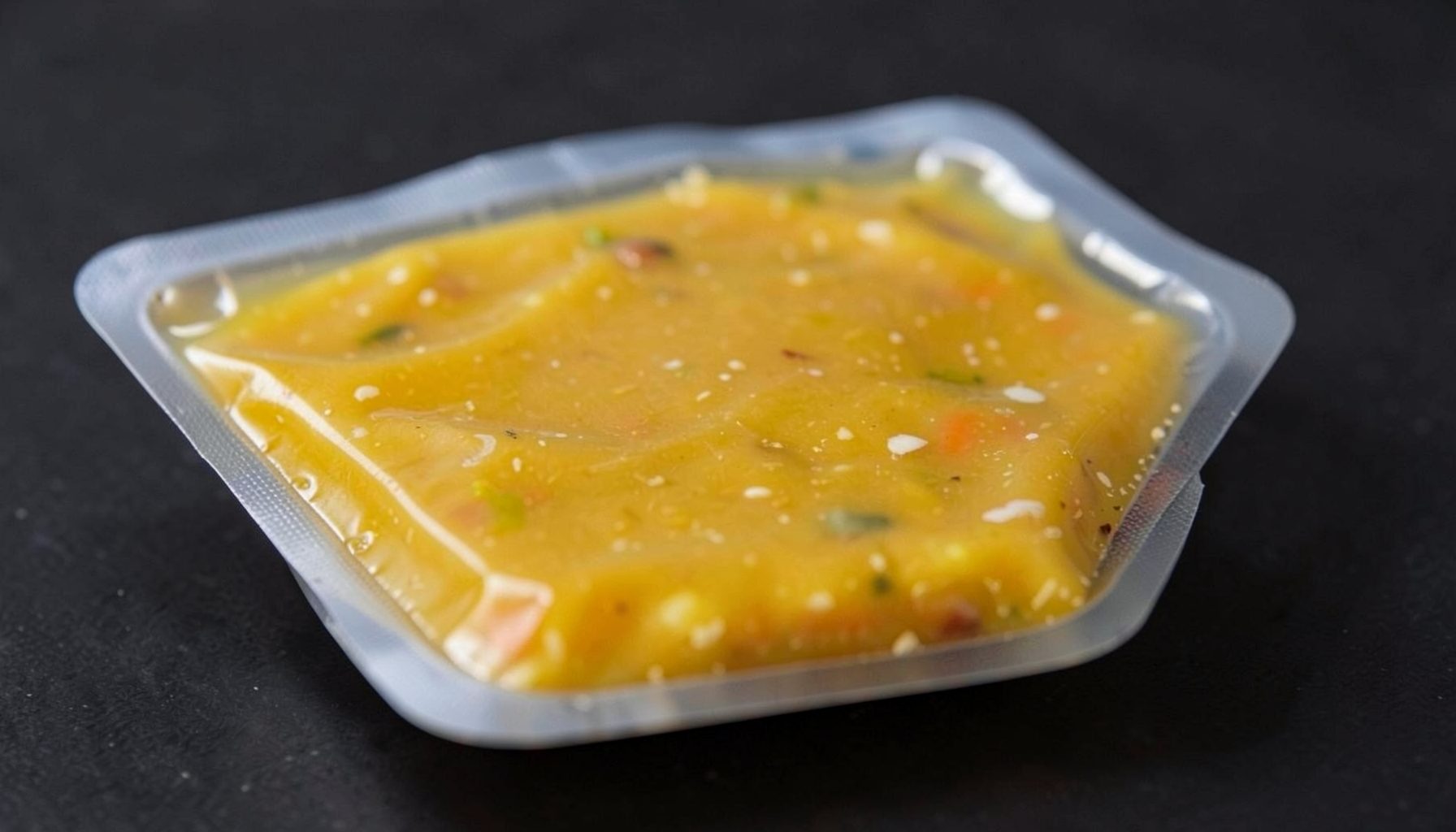
蛤?! Golden Clam Broth — New Batch
NT$ —
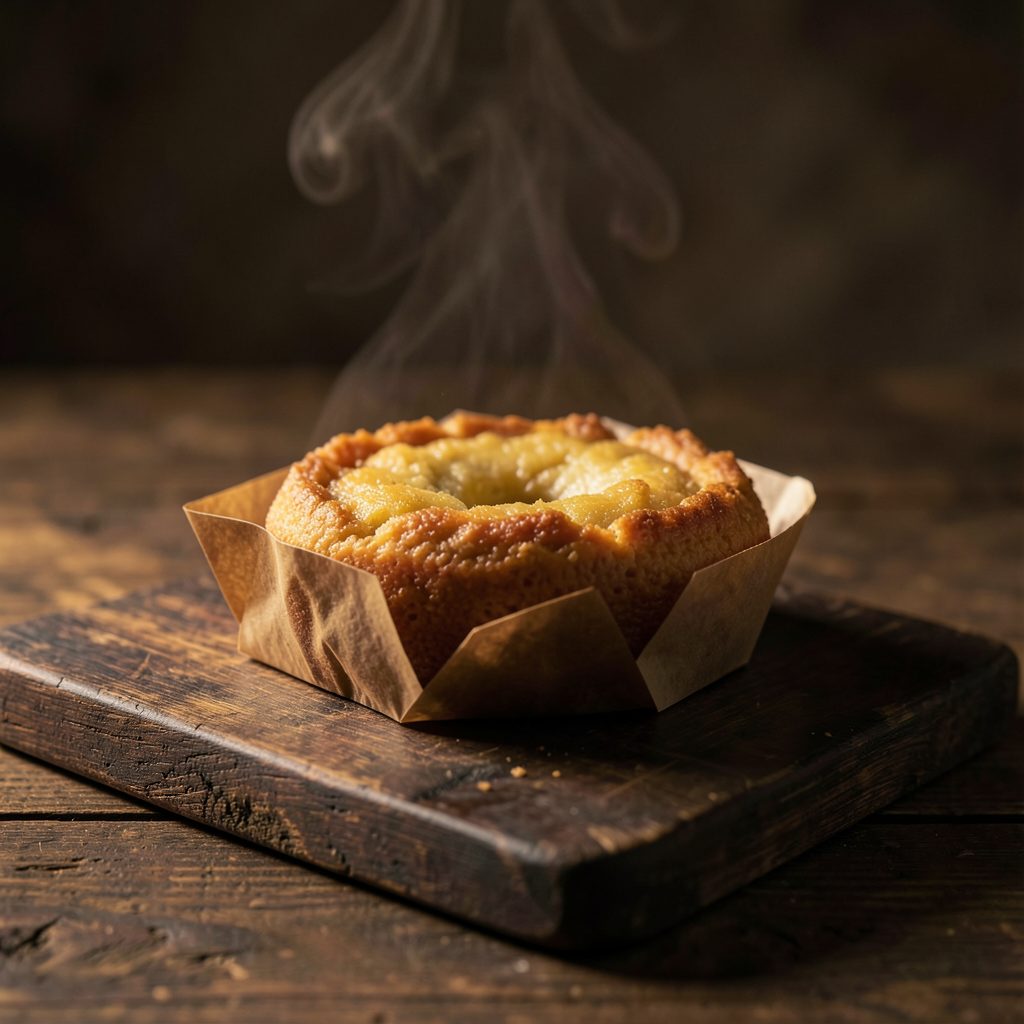
Radish Cake —蘿蔔糕精神
NT$ —
Duo Soup Base Set
NT$ —
Hot Pot Essentials Bundle
NT$ —
About 蛤?! Huh Pot
蛤?! Huh Pot is a Cantonese-style hot pot brand known for its signature clam-based broth —卜卜蜆 — made with rich old-hen stock and generous portions of fresh clams. The brand also encompasses 本事滿足鍋物, a personal hot pot concept, bringing the same depth of flavor to individual servings.
Through MoneyCome Mart, these restaurant-quality soup bases, dry noodles, radish cakes, and signature sauces are available for home delivery across Taiwan. Restaurant locations in Taipei's Da'an District, Civic Boulevard, and Taichung's Gongyi Road also welcome guests for dine-in, with online reservations available.