How to Store an Opened Frozen Soup Base Safely
A frozen soup base makes Cantonese hot pot preparation quick, but opening the package changes how it should be handled. Exposure to air, repeated temperature changes, and contact with utensils can affect both food safety and flavor.
Whether you are saving a clam broth, herbal stock, spicy soup base, or another hot pot concentrate, the best approach is to divide leftovers into practical portions. This lets you thaw only what you need for the next meal.
Proper storage also helps preserve the restaurant-style taste associated with MoneyCome Mart products. A few careful steps can keep the broth aromatic, clean-tasting, and convenient for future hot pot dinners at home.
Why Opened Soup Base Needs Care
A sealed frozen package is protected from air and outside contamination. Once opened, the surface can develop freezer burn, absorb odors from nearby foods, or become contaminated through repeated handling. Soup containing seafood, meat extracts, or dairy ingredients may also lose quality faster after thawing.
Temperature control is especially important in Taiwan’s warm and humid climate. Do not leave an opened soup base on the kitchen counter while preparing other ingredients. Transfer it to the refrigerator or freezer as soon as possible.
If the package arrived partially thawed, leaking, or with unusual damage, take photographs before discarding it and review the store’s return policy. A damaged package should be addressed separately from ordinary leftover storage.
Check the Package Before Storing
Start by reading the label for storage instructions, expiration dates, and any special advice about thawing. Some frozen soup bases are ready to pour, while others are concentrated and need water or stock added during cooking. The product instructions take priority over general storage guidance.
Look at the ingredients as well. Clam broth and seafood-based soup may have a shorter refrigerated life than a plain vegetable or mushroom base. If the package contains visible seafood pieces, treat it as highly perishable after thawing.
Record the date when you opened the package. A small piece of masking tape on the container can prevent uncertainty later, particularly when several soup flavors are stored together.
Cool and Portion It Safely
If the soup base is fully frozen, loosen only the amount required for the meal. Avoid leaving the entire package at room temperature to soften. Instead, place it in the refrigerator for gradual thawing or use a cold-water method while keeping the package sealed.
Once the soup base has thawed, pour leftovers into a clean, shallow, airtight container. Smaller containers cool more quickly and reduce the time the food spends in the temperature danger zone. Leave a little room for expansion if you plan to freeze the portions again.
Use clean, dry utensils and avoid dipping used chopsticks or ladles into the stored broth. If you have heated the full soup base, cool it promptly before refrigeration. Dividing hot liquid into several shallow containers is safer than placing a large, steaming pot directly into the refrigerator.
Storage Choices at a Glance
The best method depends on whether the soup base is still frozen, fully thawed, or already heated. Refrigeration is useful for short-term use, while portioned freezing provides greater flexibility and helps prevent repeated thawing.
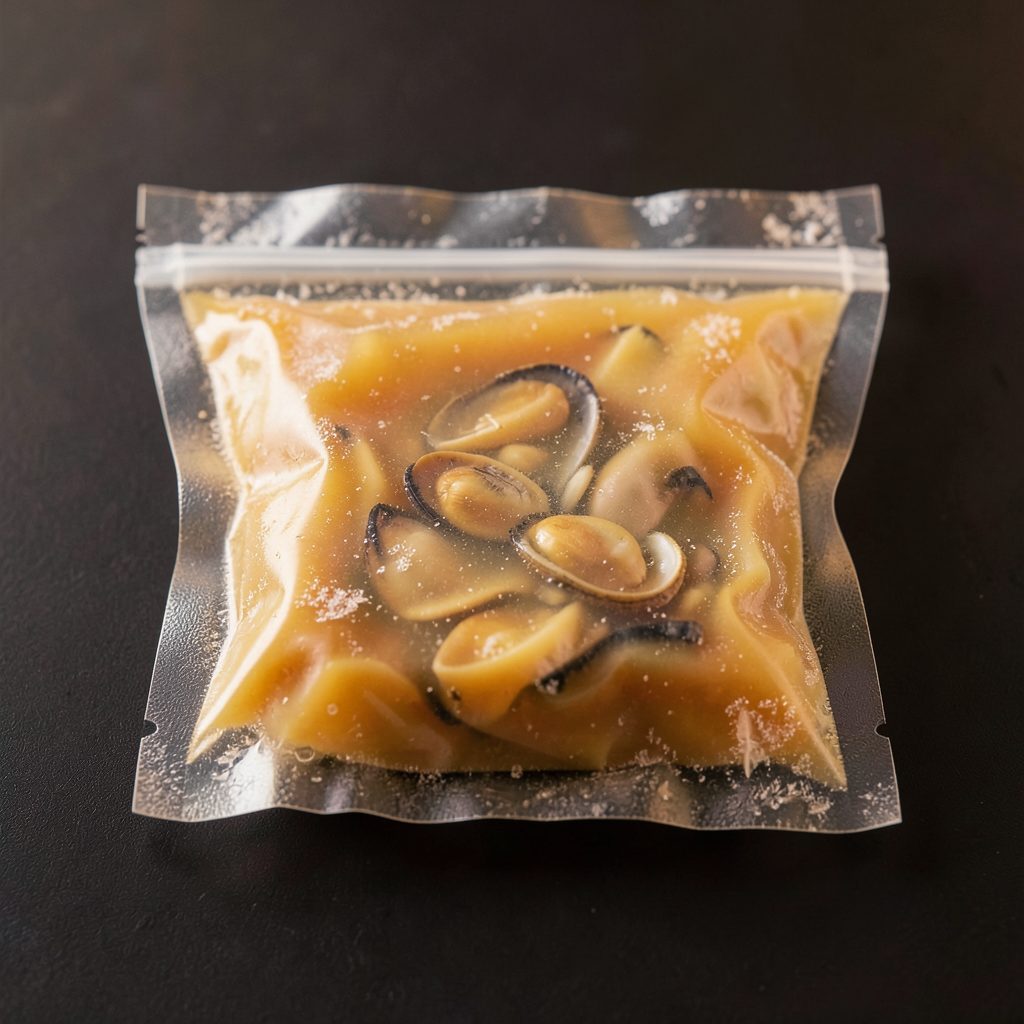
Airtight packaging is essential in both cases. Press excess air from a freezer bag, seal it securely, and place the bag flat so it freezes quickly and can be stacked neatly.
| Storage situation | Recommended container | Practical time frame | Main quality concern |
|---|---|---|---|
| Opened but still frozen | Resealable freezer bag or sealed box | Use by the original best-before date when possible | Freezer burn and odor absorption |
| Thawed in the refrigerator | Shallow airtight container | Preferably within 1–2 days | Seafood flavors and freshness decline |
| Cooked and cooled leftover broth | Small sealed containers | Within 1–2 days refrigerated | Slow cooling and repeated reheating |
| Portion prepared for later | Freezer-safe bag or container | Best quality within 1–2 months | Texture, aroma, and ice crystals |
These time frames are practical quality guidelines, not a replacement for the product label. When the soup smells sour, looks unusually cloudy, has a slimy texture, or shows signs of package damage, discard it rather than tasting it to test freshness.
Choose the Right Freezer Method
For regular hot pot meals, divide the soup base into single-meal portions before freezing. Silicone freezer trays work well for concentrated broth, while flat freezer bags are useful when you need larger portions. Label each serving with the flavor and storage date.
Keep the freezer at approximately -18°C or colder. Store the package away from the door if possible, since frequent opening causes temperature fluctuations. A stable rear or lower shelf is usually better for maintaining frozen quality.
Avoid freezing a large block of leftovers in one container. You may need to thaw the entire amount later, which creates unnecessary temperature changes. Individual portions are easier to measure, thaw, and combine with noodles, vegetables, dumplings, or other hot pot ingredients.
Thaw and Reheat With Care
The safest thawing method is to place a sealed portion in the refrigerator until soft. For faster preparation, use cold water and change the water as needed. Do not use warm water to speed up thawing, because the outer layer can become warm while the center remains frozen.
Heat the soup base until it reaches a full simmer before adding other ingredients. Stir concentrated products thoroughly so seasoning and oils are evenly distributed. If the broth has separated slightly after freezing, gentle heating usually restores its texture.
Try to reheat only the portion you expect to eat. Repeated cycles of thawing, boiling, cooling, and reheating can weaken flavor and increase food-safety risks. Leftover broth that has already been served at the table should not be returned to the original storage container.
Build a Simple Storage Routine
A consistent routine makes frozen soup base easier to manage and reduces waste. As soon as you open a package, portion it, label it, and place the servings in the correct storage area. Keep older portions toward the front so they are used first.
For the best results, follow these habits:
- Use a clean utensil every time you portion or serve the broth.
- Refrigerate thawed soup base promptly and use it within one to two days.
- Freeze leftovers in meal-sized, airtight portions rather than one large block.
- Write the opening or freezing date on every container.
- Discard broth with an off smell, strange texture, leaking package, or uncertain storage history.
These steps work for clam broths, spicy soup bases, mushroom stocks, and other frozen hot pot flavors. They also make it easier to prepare a quick meal without compromising the taste or texture of the ingredients.
Open your next MoneyCome Mart soup base with a storage plan ready: portion what you will not use, chill it quickly, label it clearly, and enjoy the remaining broth in a future Cantonese hot pot meal.
Best Sellers
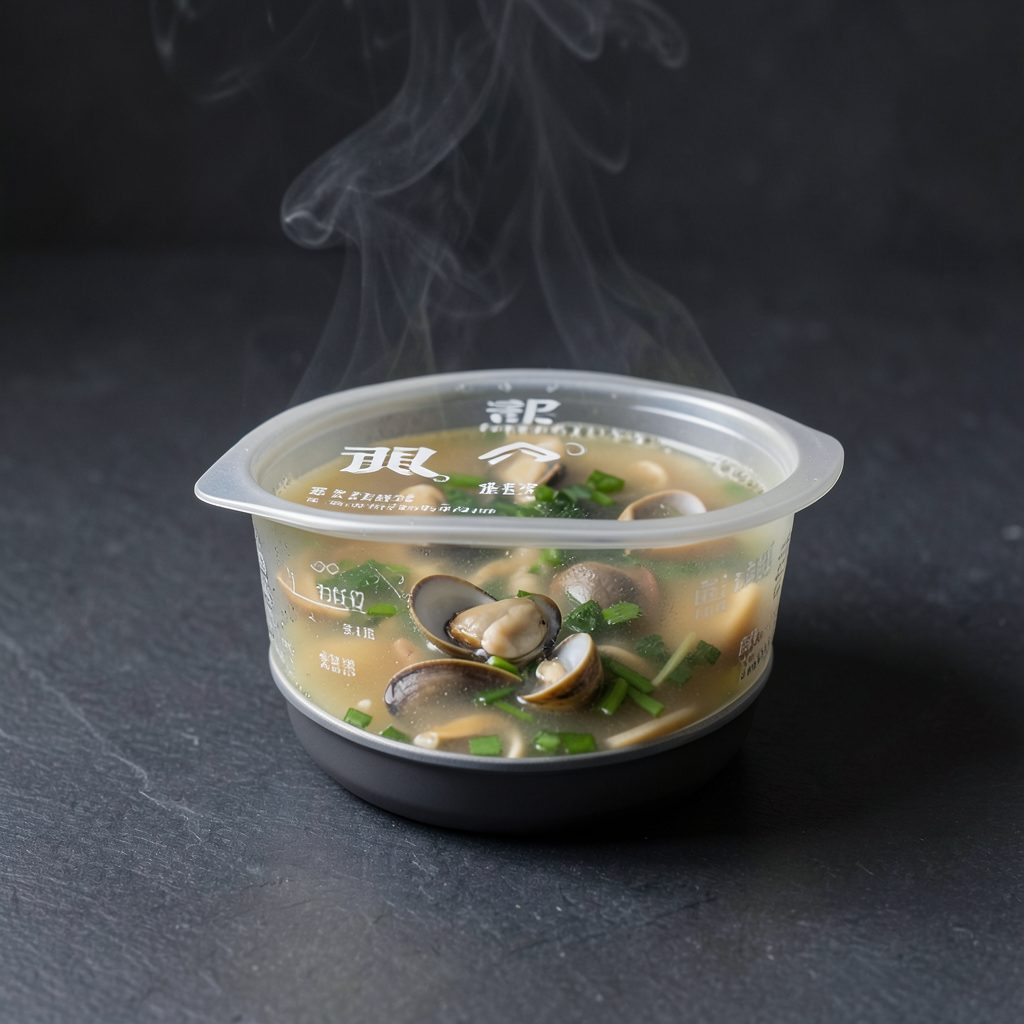
蛤?! Clam Soup Base —卜卜蜆
NT$ —
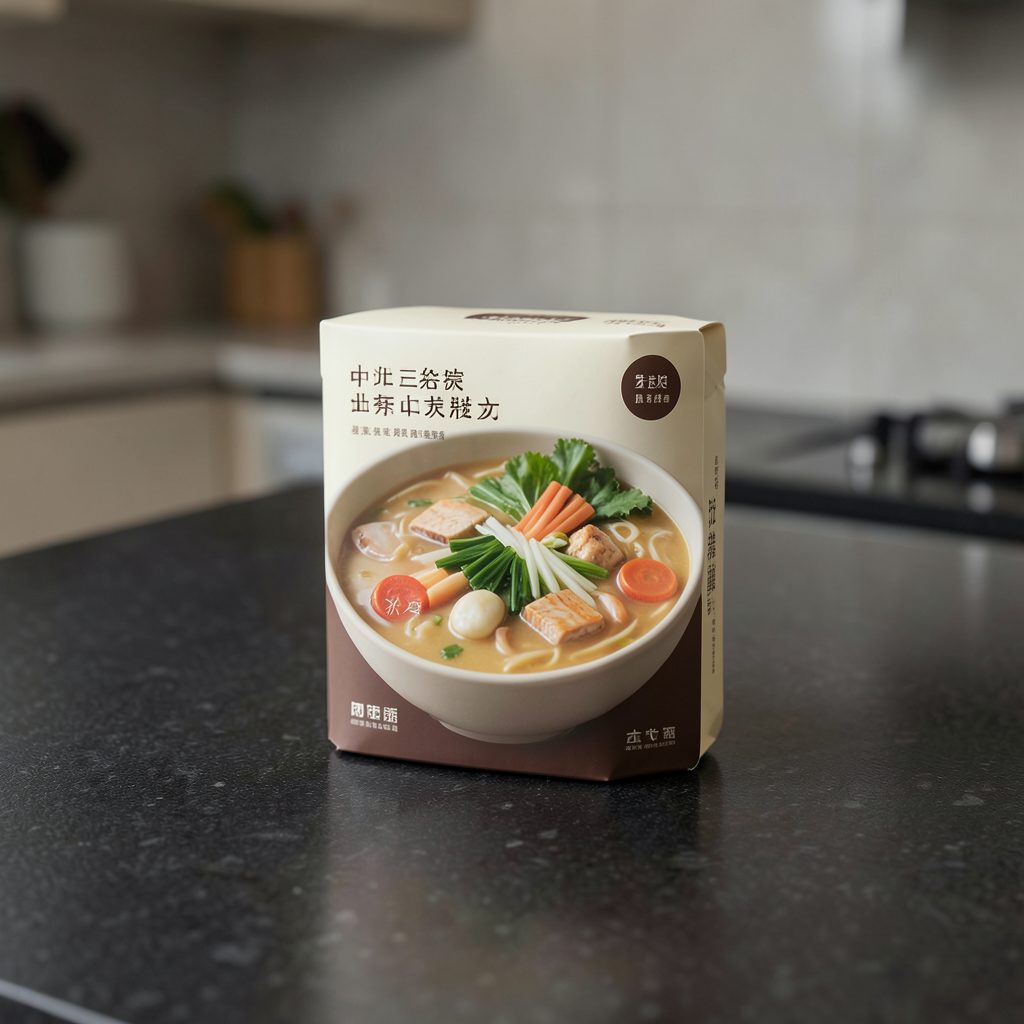
本事滿足鍋物 Personal Pot Base
NT$ —
蛤?! Dry Noodles
NT$ —
Signature Sauce
NT$ —
New Arrivals
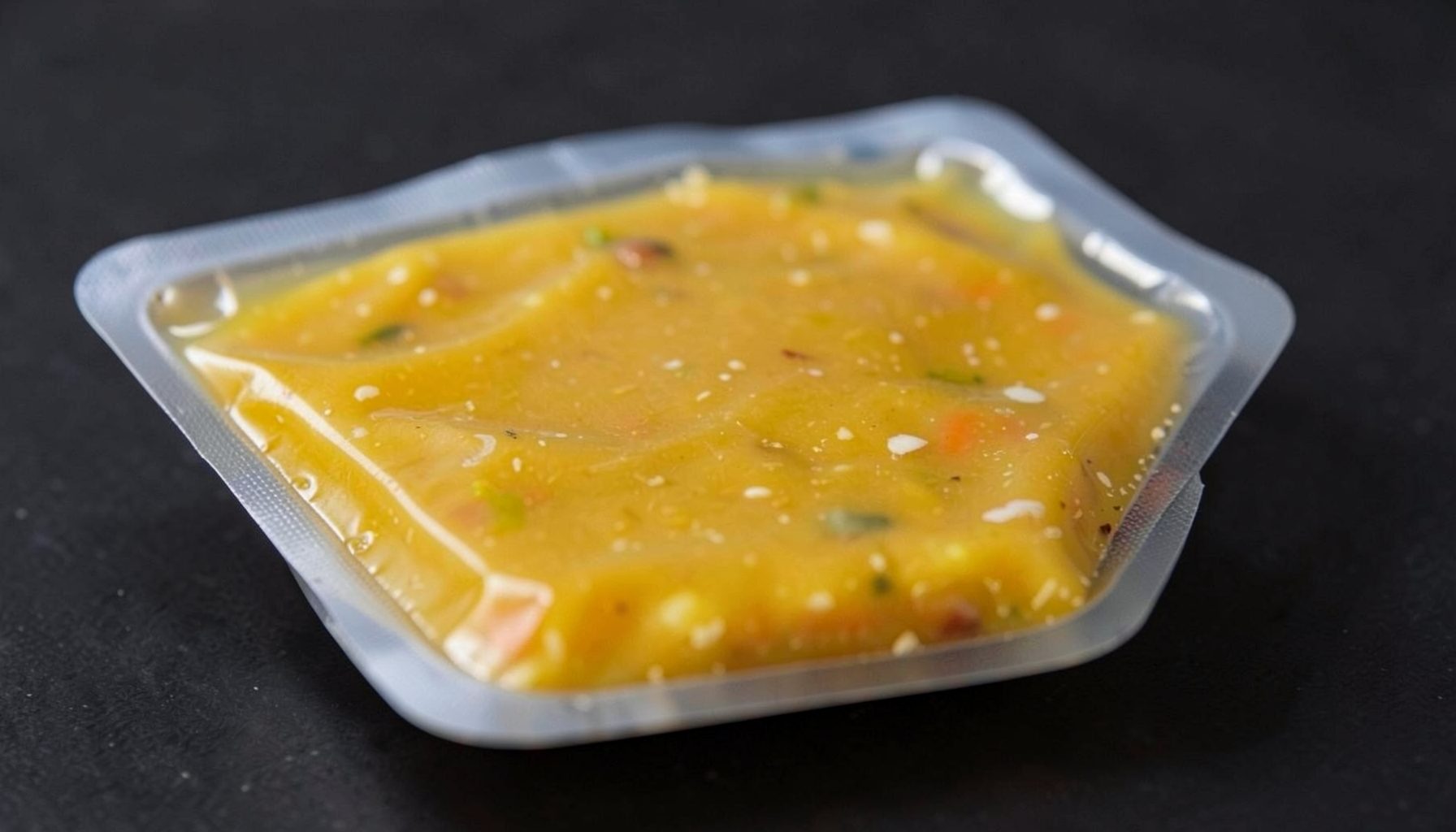
蛤?! Golden Clam Broth — New Batch
NT$ —
Radish Cake —蘿蔔糕精神
NT$ —
Duo Soup Base Set
NT$ —
Hot Pot Essentials Bundle
NT$ —
About 蛤?! Huh Pot
蛤?! Huh Pot is a Cantonese-style hot pot brand known for its signature clam-based broth —卜卜蜆 — made with rich old-hen stock and generous portions of fresh clams. The brand also encompasses 本事滿足鍋物, a personal hot pot concept, bringing the same depth of flavor to individual servings.
Through MoneyCome Mart, these restaurant-quality soup bases, dry noodles, radish cakes, and signature sauces are available for home delivery across Taiwan. Restaurant locations in Taipei's Da'an District, Civic Boulevard, and Taichung's Gongyi Road also welcome guests for dine-in, with online reservations available.