Setting Up an Individual Hot Pot Table at Home
Individual hot pots have changed how Australian households cook Asian food at home. Instead of one bubbling cauldron in the centre, every guest gets their own little pot, simmering with a broth they actually want to eat. The Cantonese tradition leans on clean, layered flavours: clam, pork bone, herbal, spicy. With the right setup, even a weeknight dinner in a Melbourne terrace or a Sydney apartment can feel like a proper yum cha hall.
The mechanics are simple once you know the parts. You need a burner per person, a compatible pot, small ladles, and ingredients within arm's reach. The trick is pacing yourself. Lay everything out before the first flame is lit, and you'll spend the evening chatting instead of scrambling around the kitchen.
Choosing the right burner and pot
Portable burners come in three main types: butane, induction, and ethanol gel. Butane burners are the loudest and most reliable for a true boil, and spare canisters from Bunnings keep the night rolling. Induction discs run quieter and safer around kids, but only work with steel or iron pots, so check the base before committing.
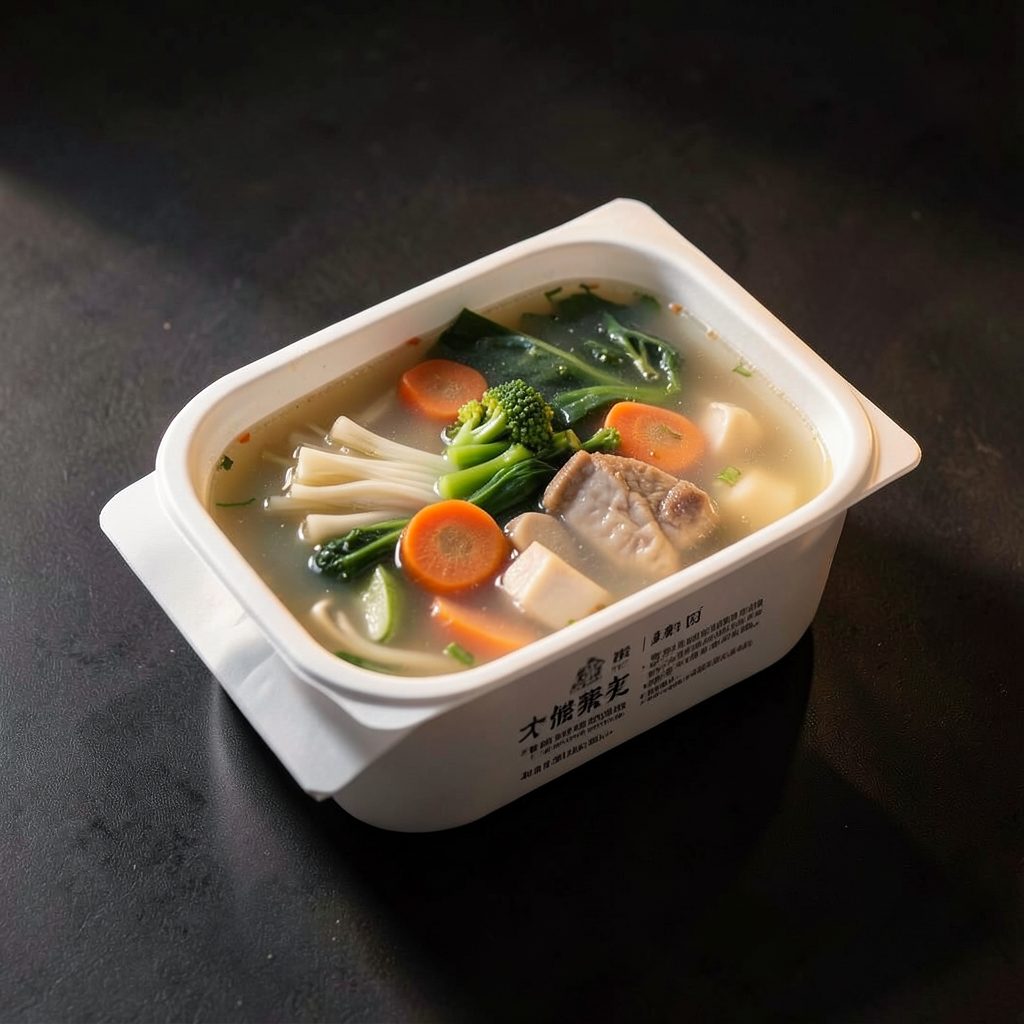
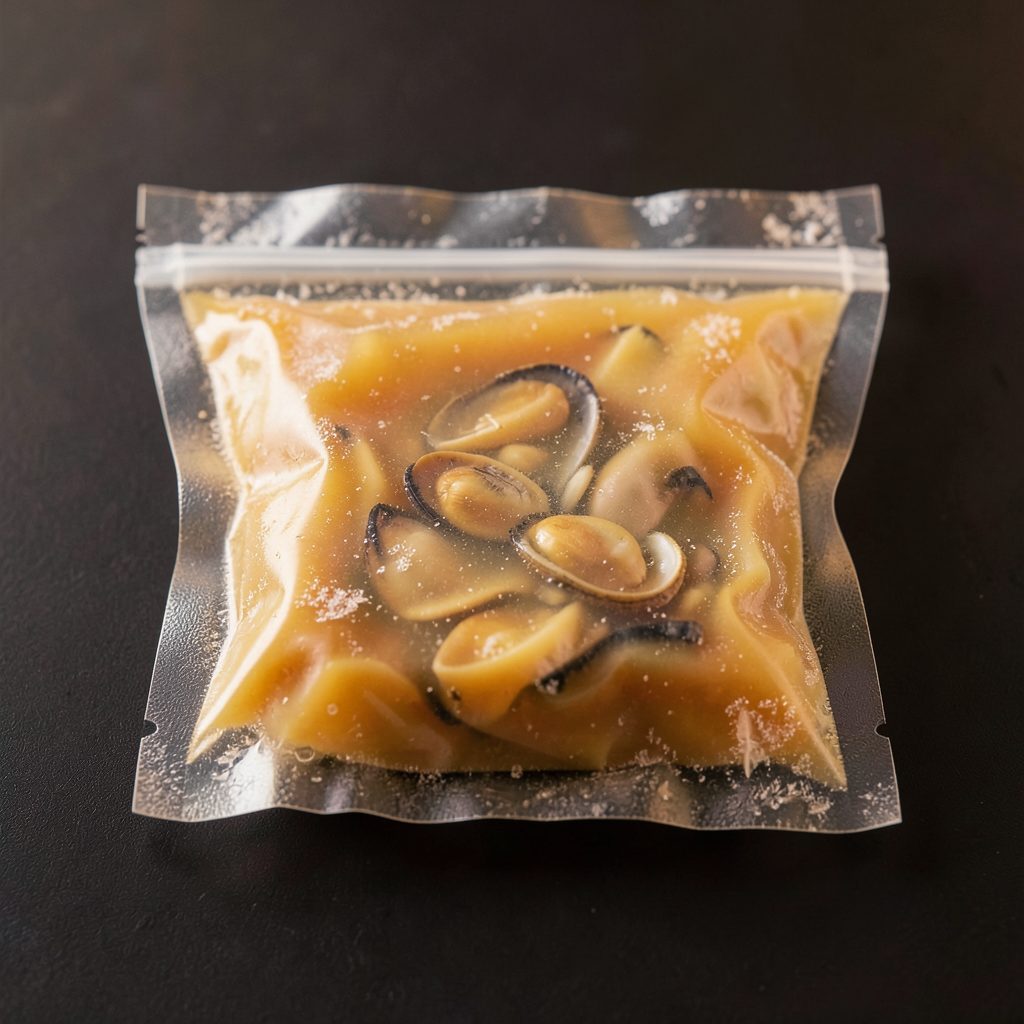
Pot size matters more than people realise. A 20-centimetre personal pot suits one hungry adult, while a 22-centimetre version handles seafood nights when prawns and pipis take up extra room. It's worth having spares so a chipped ceramic doesn't end the evening early. Packaged broth bases from MoneyCome Mart pair naturally with this setup, portioned for single-serve simmering.
Selecting soup bases for every guest
Matching each diner to a broth is the fun part. Some love the calming clarity of clam; others chase the numbing hum of Sichuan-style pots. Pork bone broths suit guests who don't want heat, while a satay or satay-peanut base covers anyone leaning sweeter and richer. First-timers default to one flavour, but rotation gives the table its rhythm.
Broths worth rotating through:
- Clam broth, light and slightly briny, pairs well with seafood
- Spicy mala, the bolder option for chilli-tolerant diners
- Pork bone, creamy and mild, suits most guests
- Satay-peanut, nutty and rich, balances soy-based dipping sauces
For the indecisive host, browsing seasonal limited edition broths gives the table a theme each season. Limited releases pair lighter bases like chrysanthemum with bolder stocks, letting guests drift between pots through the night.
Prepping proteins, vegetables and noodles
Cantonese hot pot tradition keeps proteins thin and quick-cooking. Sliced beef rolls, fish fillet, prawns, and thinly cut pork belly are the staples. Frozen items like dumplings, fish tofu, and turnip cakes thaw in cold water in twenty minutes and hold their shape better than fresh alternatives. A wide tray in the centre of the table holds raw proteins and stays cool until the last second.
Vegetables belong in a separate bowl: baby bok choy, Chinese cabbage, enoki mushrooms, lotus root slices. Noodles get their own dry bowl so egg noodles, vermicelli, and ramen blocks don't get soggy before cooking. Pre-portioning at the start keeps the table from looking chockers by the second round.
Building the table layout
The right layout matters more than the spread. Place each burner at the front of every seat with the pot already in position and a ladle resting in it. Sauce bowls sit just behind the burner so guests don't reach across the flame. A central platter for shared items keeps the action balanced, and small plates off to the side catch meat and veg before they hit the broth.
Table layouts by room size:
- Studio apartment: drop-leaf table, one burner per side, sauces shared
- Standard dining room: four-burner line down the centre, platters at each end
- Long narrow room: two parallel rows of pots facing each other
- Outdoor patio: trestle setup with wipeable mats underneath
If you're hosting around Chatswood or Box Hill, the trick is a narrow oblong table with burners lined along the middle. Larger households can spread onto two tables pushed together, leaving a foot of clear space between diners so splatters stay contained. A small bin near the table holds raw seafood shells, and a wet towel stays within arm's reach.
Managing splashes and spills while you eat
Hot pots bubble. They spit, hiss, and splash the moment cold meat hits boiling broth. Lay a wipeable mat or old newspaper under each burner before the first pot comes out. Wooden tables soak up oil quickly, so a layer of butcher paper or silicone sheeting buys you hours of breathing room.
Ladle etiquette stops most accidents before they happen. Hold the ladle over the pot when serving, never over the table, and never wave it around mid-conversation. If things get messy mid-meal, a few tidy hot pot table moves clean things up without slowing the dinner down.
Cooking order, timing and etiquette
Heat-sensitive items go in first so they finish in time. Leafy greens wilt in forty seconds, fish slices in one minute, and beef rolls barely need thirty. Dense items like meatballs, fish tofu, and dumplings want two to three minutes. Noodles go in last so they soak up the now-concentrated broth and don't cloud the pot.
A few etiquette tips save the night. Don't double-dip chopsticks into shared sauce bowls, and use the slotted side of the ladle to retrieve cooked items rather than fishing blindly. If a dining companion wants to swap broths mid-meal, swapping pots is cleaner than swapping the contents, and makes the change feel deliberate. Aussies keep things relaxed, so let people graze freely.
Wrapping up the meal
Once the last noodle is slurped, slide pots off burners and let them cool in the kitchen before washing. Strain any leftover broth through a fine sieve if you want to keep it for tomorrow's noodle soup. A simple dessert of sliced mango, grass jelly, or a few scoops of black sesame ice cream closes the night lightly.
A tidy end-of-meal routine keeps everyone cheerful for next time. Wrap leftovers in the fridge within two hours, jot down which bases ran out fastest, and consider doubling the order next round. Hot pot nights become rituals faster than most hosts expect, especially once friends start asking when the next one's on.
Best Sellers
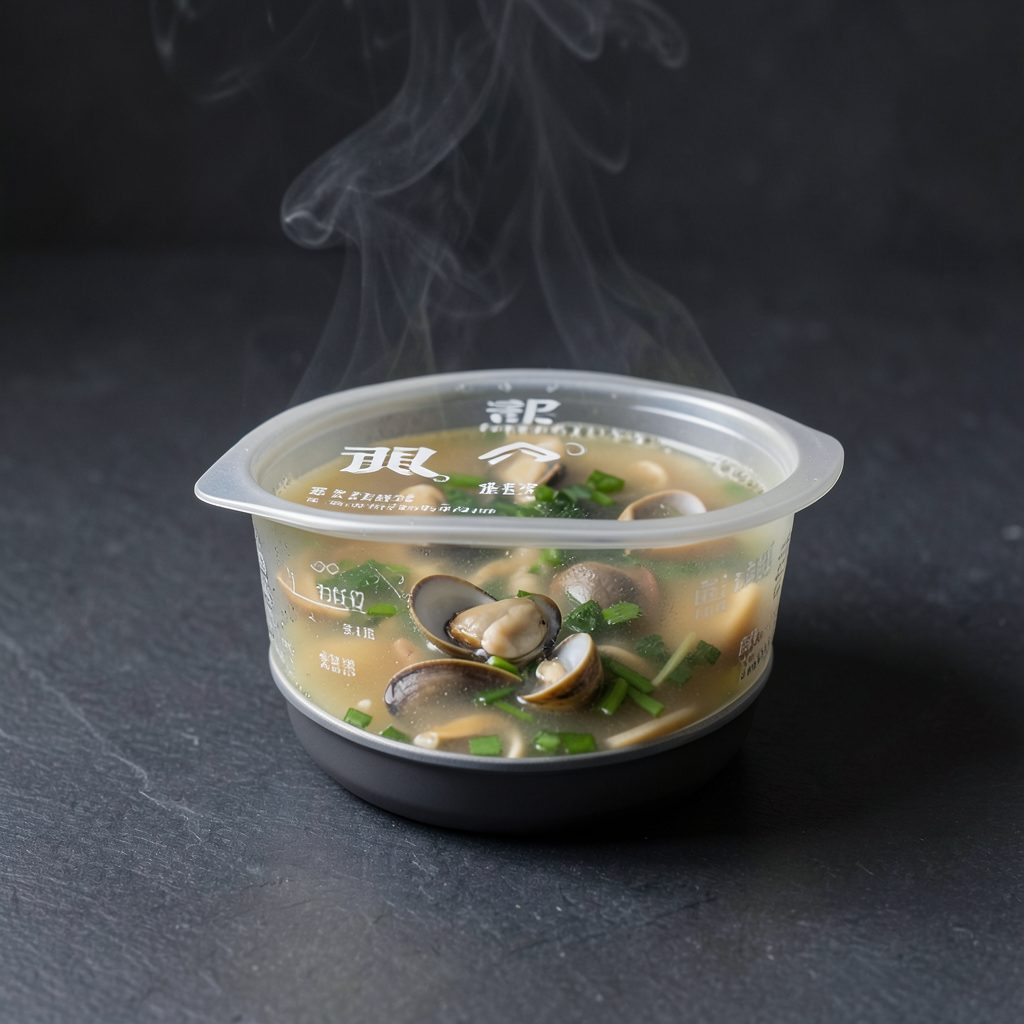
蛤?! Clam Soup Base —卜卜蜆
NT$ —
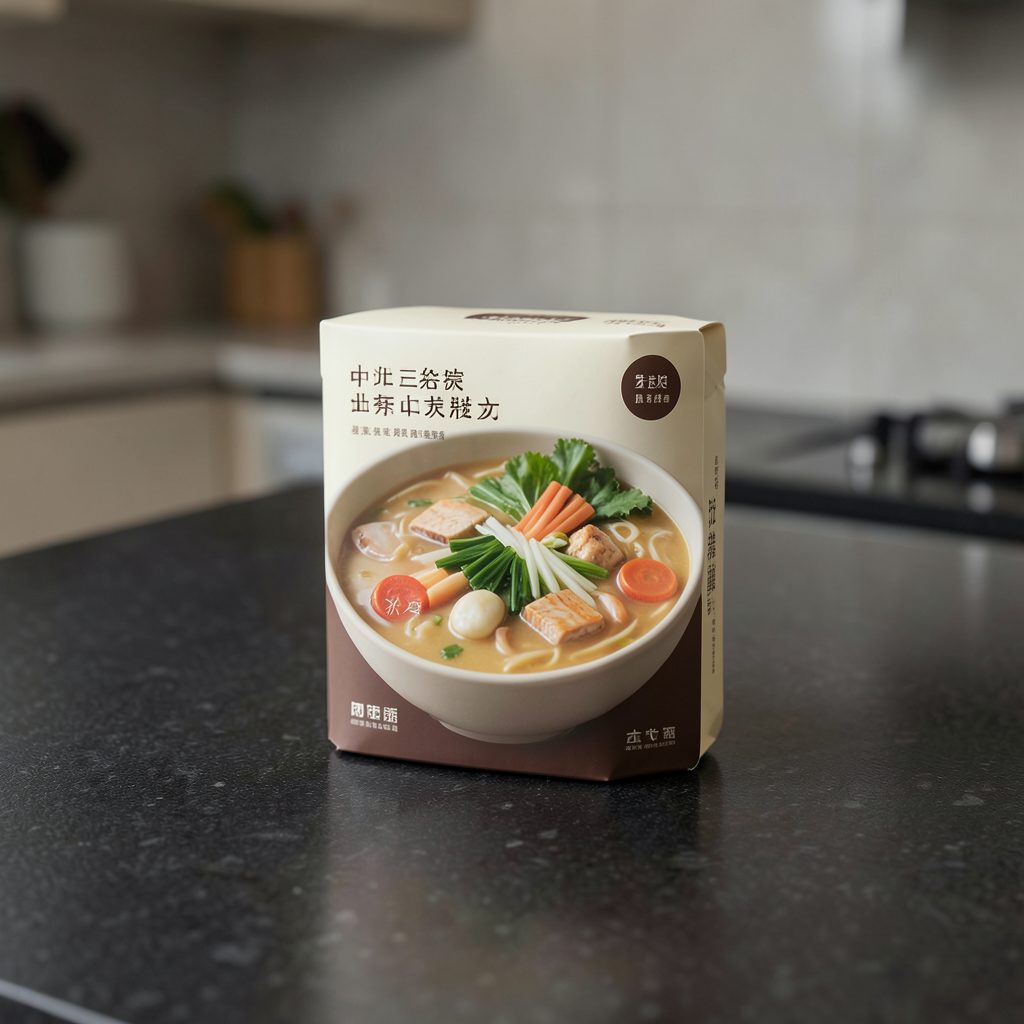
本事滿足鍋物 Personal Pot Base
NT$ —
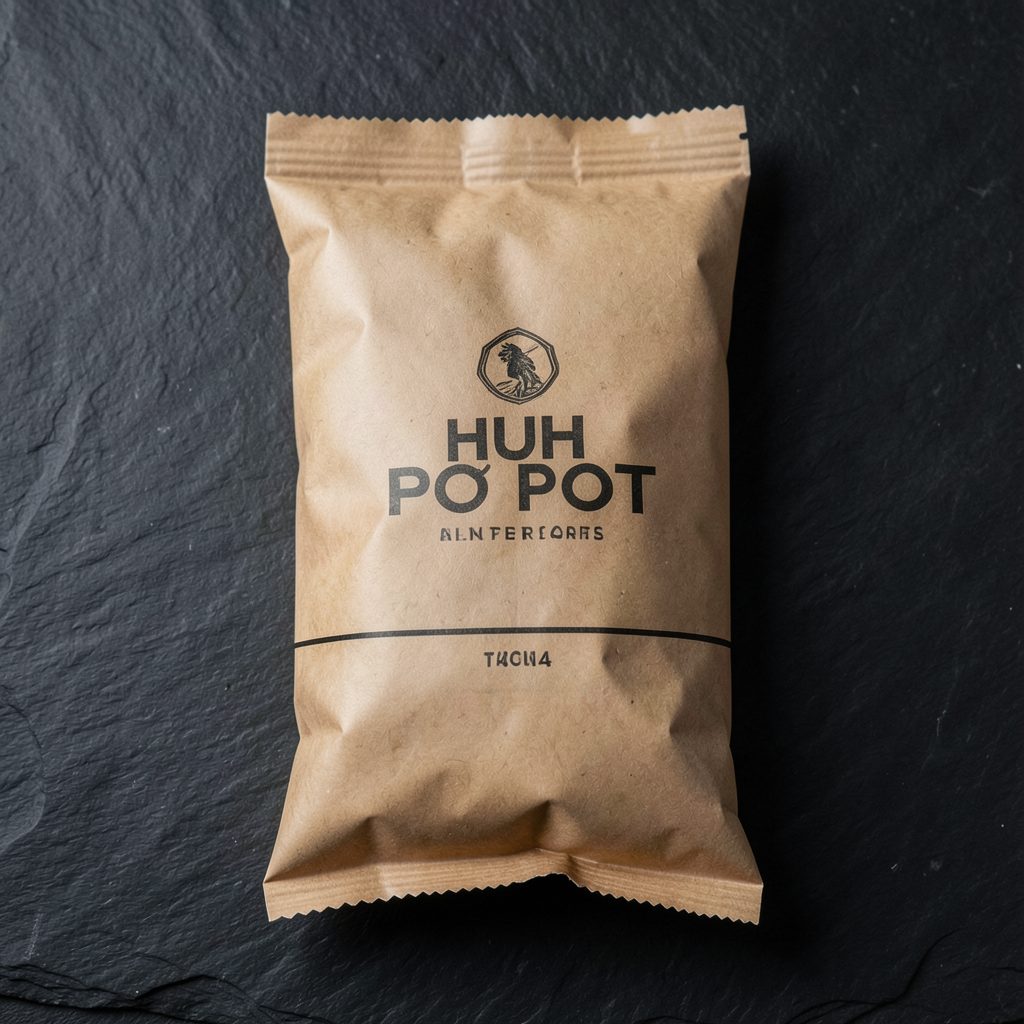
蛤?! Dry Noodles
NT$ —
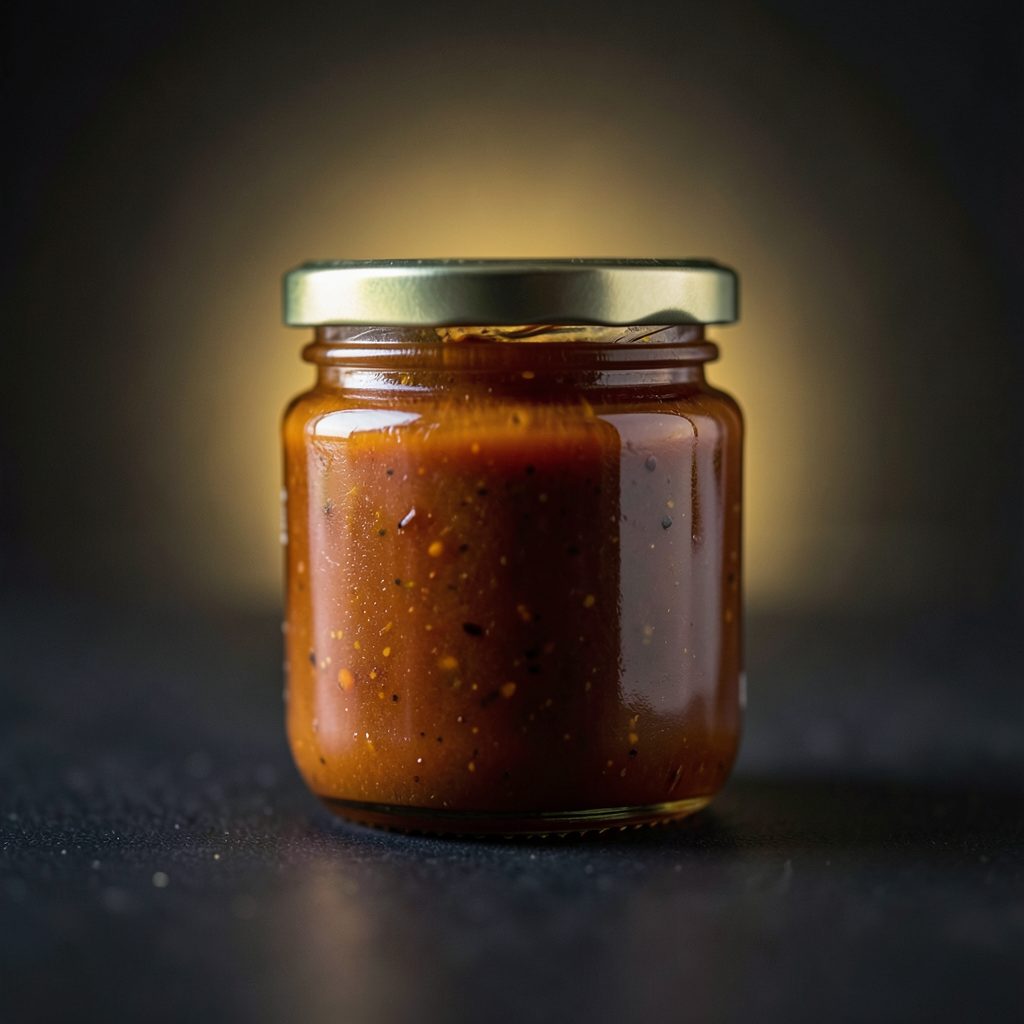
Signature Sauce
NT$ —
New Arrivals
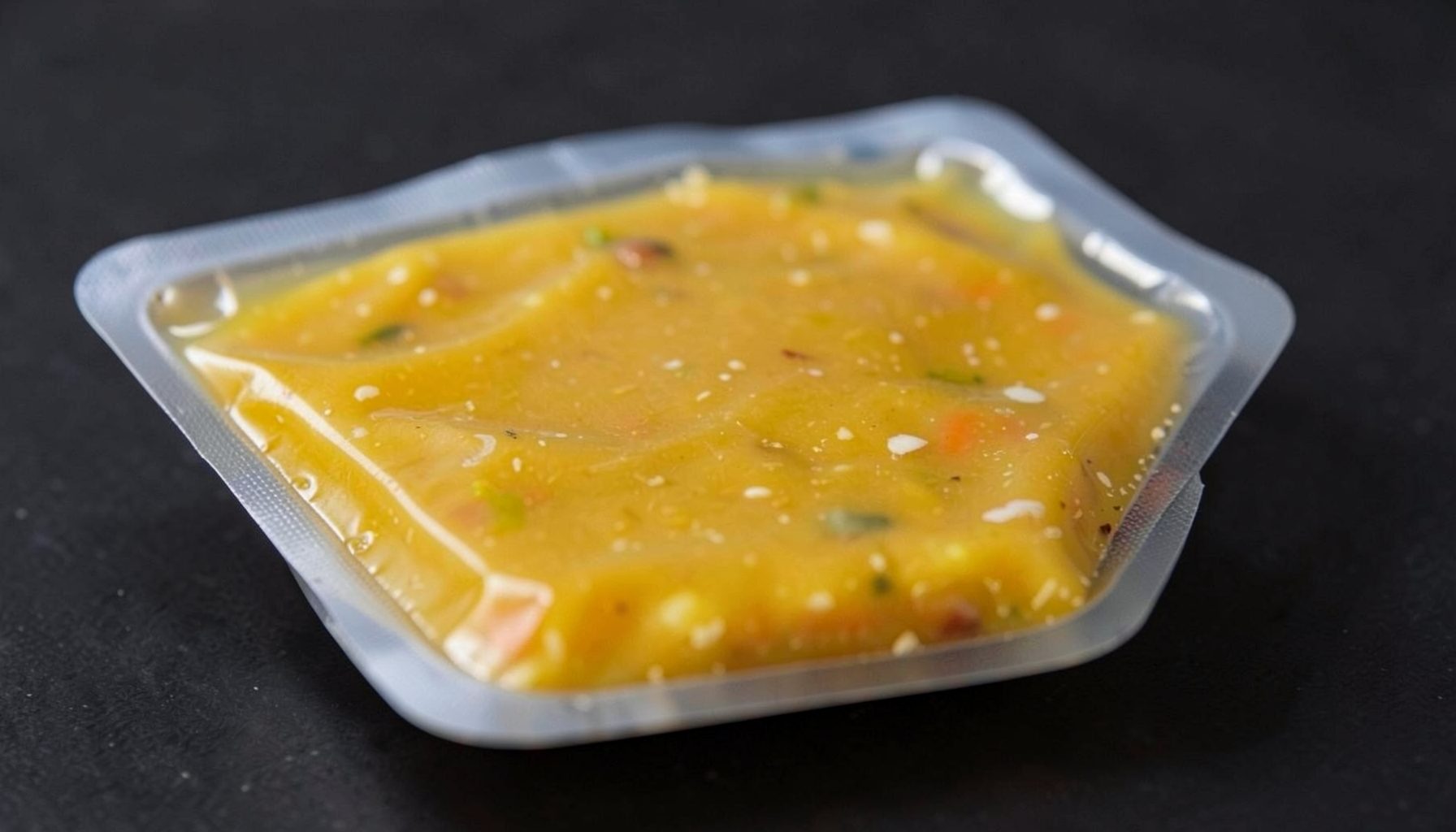
蛤?! Golden Clam Broth — New Batch
NT$ —
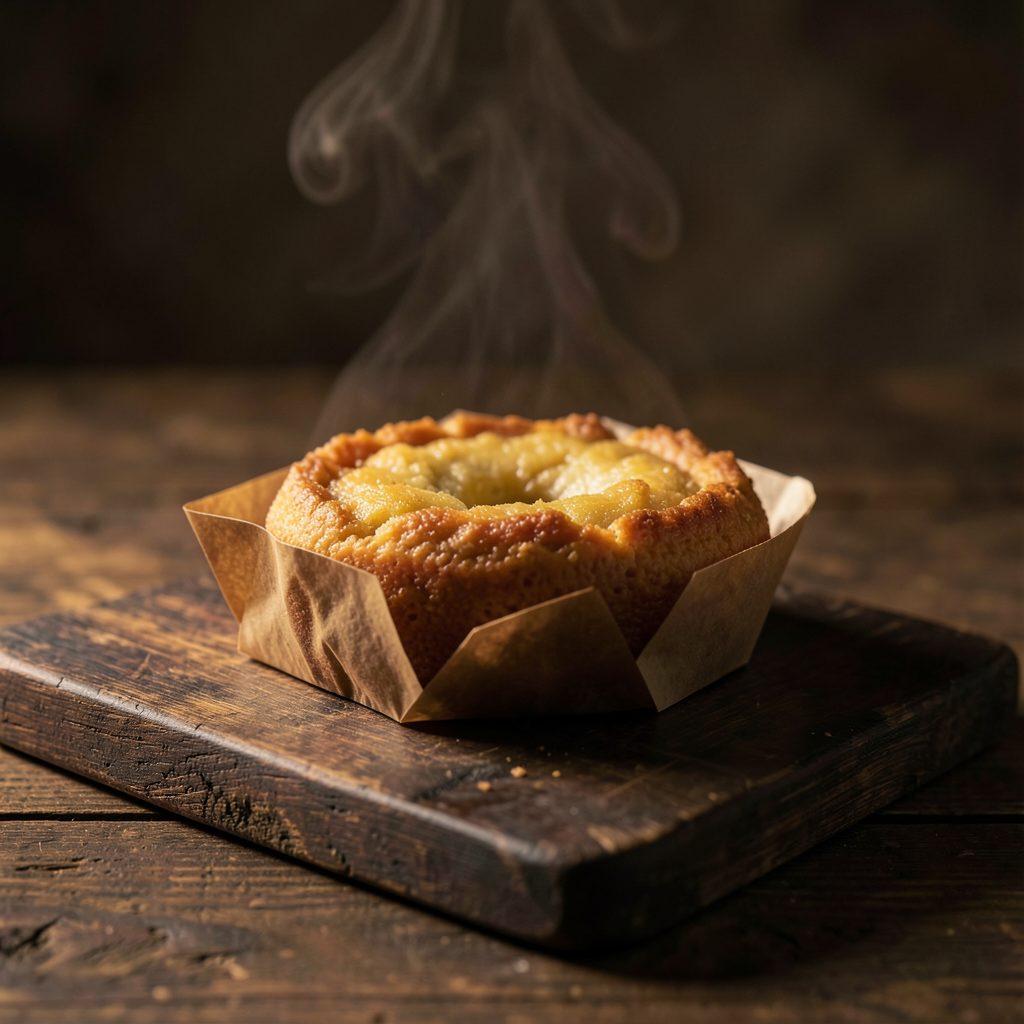
Radish Cake —蘿蔔糕精神
NT$ —
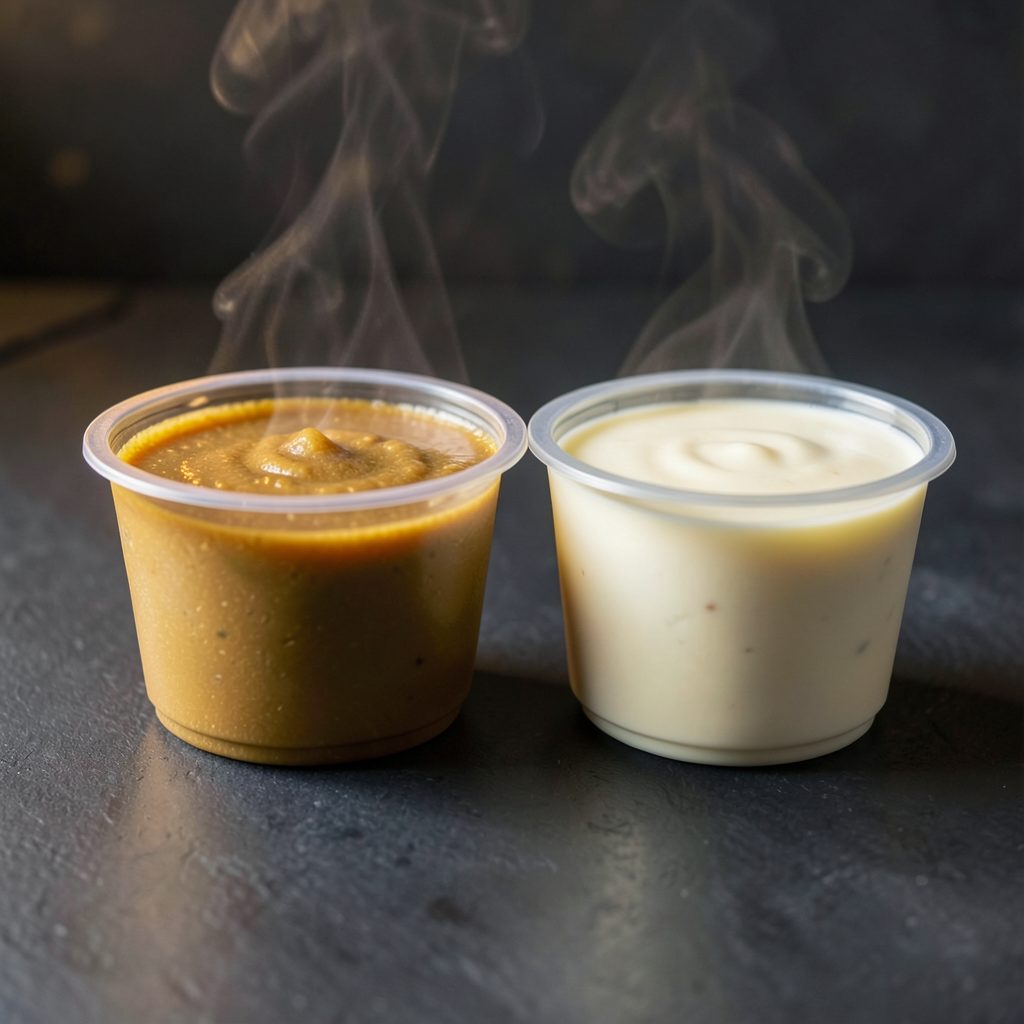
Duo Soup Base Set
NT$ —
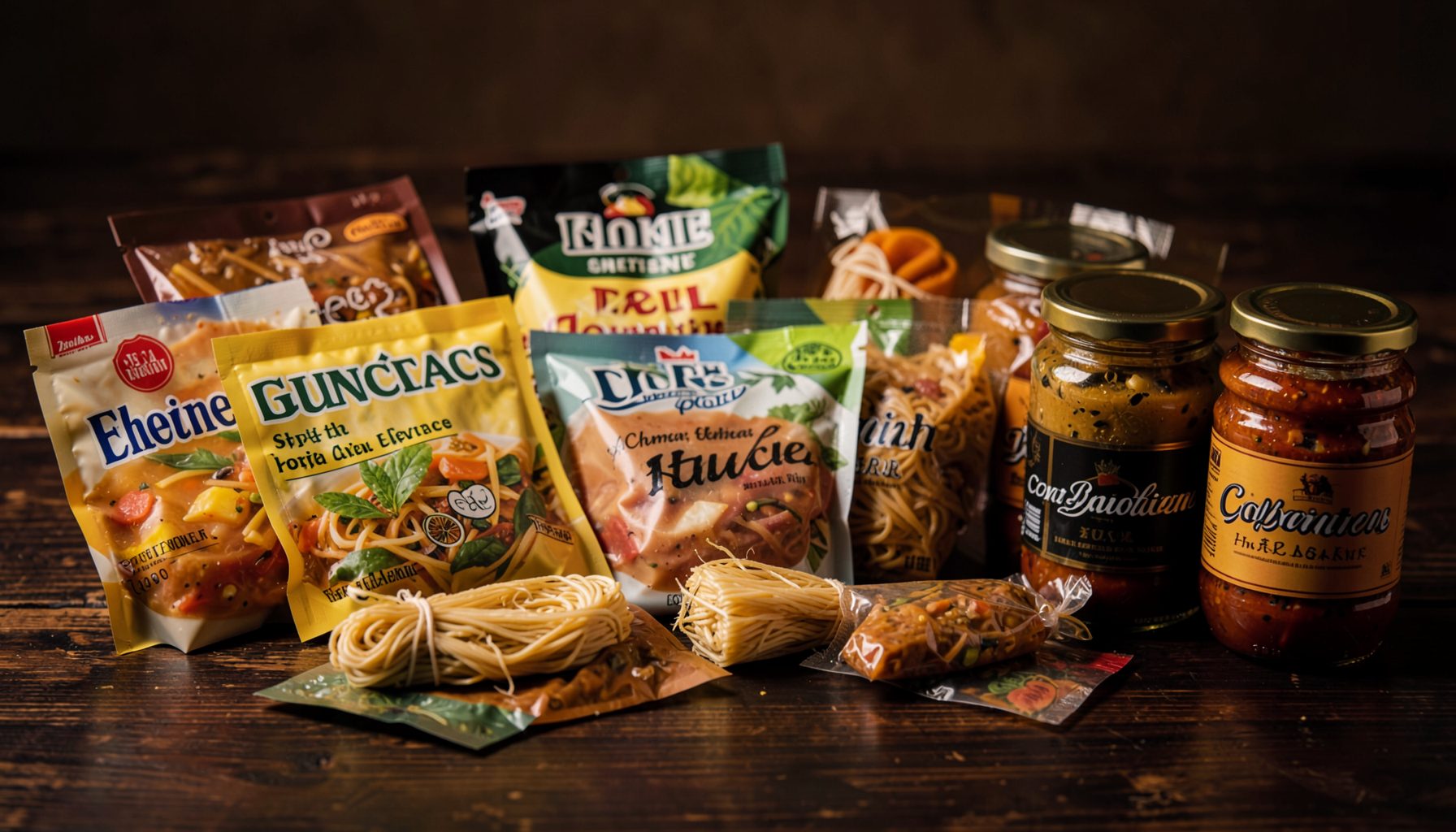
Hot Pot Essentials Bundle
NT$ —
About 蛤?! Huh Pot
蛤?! Huh Pot is a Cantonese-style hot pot brand known for its signature clam-based broth —卜卜蜆 — made with rich old-hen stock and generous portions of fresh clams. The brand also encompasses 本事滿足鍋物, a personal hot pot concept, bringing the same depth of flavor to individual servings.
Through MoneyCome Mart, these restaurant-quality soup bases, dry noodles, radish cakes, and signature sauces are available for home delivery across Taiwan. Restaurant locations in Taipei's Da'an District, Civic Boulevard, and Taichung's Gongyi Road also welcome guests for dine-in, with online reservations available.