Seasoning Turnip Cakes With Garlic and Soy Sauce at Home
Turnip cakes have quietly moved from yum cha trolleys to the freezer aisles of homes across Australia. With more families in Sydney, Melbourne and Brisbane recreating Cantonese comfort food in their own kitchens, the arrival of restaurant-quality radish cakes through cold-chain delivery has changed weeknight dinners. The 蛤?! Huh Pot and 本事滿足鍋物 ranges from MoneyCome Mart arrive ready to slice and sear, leaving home cooks free to focus on flavour.
Seasoning these cakes with garlic and soy sauce is a simple way to turn a humble slice into something memorable. A few cloves of Australian-grown garlic, a splash of light soy, and a drizzle of dark soy create the kind of glossy, savoury crust that pairs beautifully with tea. The method below works whether you are cooking for one on a quiet weeknight or feeding a crowd before a footy match.
Picking the Right Turnip Cake for the Pan
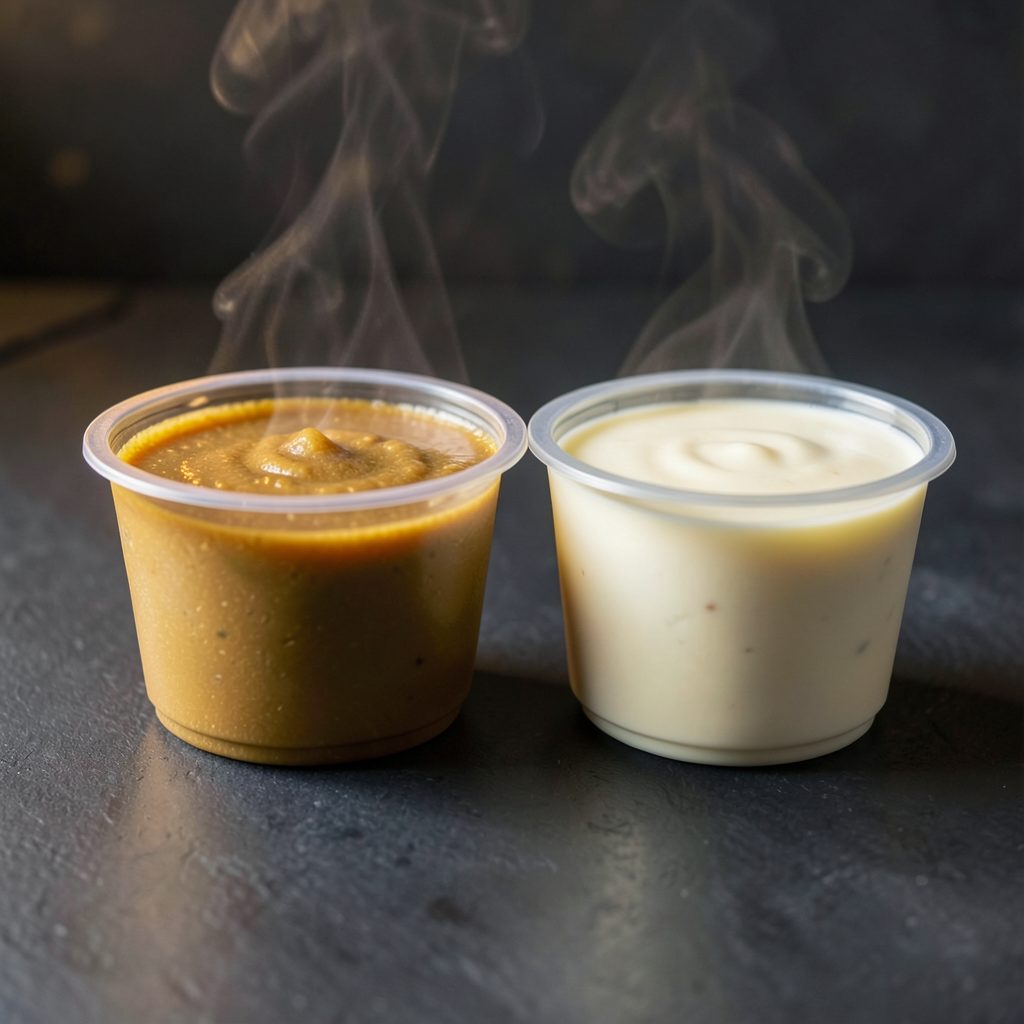
A good result starts with the cake itself. Look for one that feels dense but not rubbery, with visible shreds of daikon rather than a uniform paste. Products from MoneyCome Mart are made with real radish and minimal fillers, which means they hold their shape when fried and crisp up without turning greasy. When shopping in person at Asian grocers in Chatswood, Box Hill or Sunnybank, check the ingredient list for daikon or radish near the top. Discerning shoppers in Melbourne and Sydney often weigh their options the way they would when reading a side-by-side comparison of two similar products, noting each detail before committing.
If you are ordering online, frozen cakes shipped under proper cold-chain standards keep their texture far better than ambient versions. Once thawed in the fridge overnight, the cake should slice cleanly with a sharp knife and feel slightly springy to the touch.
Preparing Garlic, Shallots and Aromatics
Fresh Australian garlic is the backbone of this seasoning. Peel three or four cloves and slice them thin so they cook quickly without burning. Many Sydney and Melbourne cooks also add a finely chopped shallot for sweetness and a small knob of ginger for warmth. If you prefer a cleaner flavour, stick to garlic alone. The goal is to build a fragrant base that perfumes the oil before the cake ever touches the pan.
Keep your aromatics ready in a small bowl so the frying step moves quickly. Once the garlic hits hot oil, it only takes a few seconds to turn golden, and distracted cooks often end up with bitter, burnt bits instead of the sweet, nutty flavour they were after.
Mixing the Soy Sauce Seasoning
For the seasoning, combine two tablespoons of light soy sauce, one teaspoon of dark soy sauce and half a teaspoon of sugar. The light soy brings salt and umami, while the dark soy adds colour and a mild molasses note. In Australia, widely available brands such as Kikkoman, Lee Kum Kee and Pearl River Bridge all work well, and Food Standards Australia New Zealand requires clear allergen labelling on every bottle, so check for wheat if you are cooking for someone with a gluten sensitivity.
Some home chefs add a teaspoon of oyster sauce or a splash of Shaoxing wine for extra depth. Both are optional, but they round out the soy blend and help the sauce cling to the surface of the cake. Stir the mixture until the sugar dissolves, then set it beside the stove.
Pan-Frying for a Golden Crust
Heat a tablespoon of neutral oil in a non-stick or well-seasoned cast-iron skillet over medium heat. Lay the slices in a single layer, leaving a little space between each one. Fry for three to four minutes on the first side, then flip once the underside is deep gold. Add the sliced garlic and shallot to the pan around the edges so they toast in the oil, and pour the soy mixture over the top.
Let the sauce bubble for thirty seconds so it reduces and coats each slice. Avoid the temptation to move the cakes too early. A patient hand rewards you with that signature crackling crust that defines a well-made turnip cake.
Finishing Touches and Garnishes
Once the slices come off the heat, scatter over thinly sliced spring onions and a few toasted sesame seeds. A light dusting of white pepper adds gentle heat without overwhelming the dish. For friends who like a sharper kick, a small dish of chilli oil or freshly sliced red chilli lets everyone adjust the heat to their own taste.
A handful of crisp lettuce leaves on the side gives the plate a fresh contrast and turns a few slices into a light lunch. Many Australian cooks now serve turnip cakes this way during weekend brunches, especially in Adelaide and Perth where slow mornings lend themselves to grazing plates.
Serving Suggestions for a Full Meal
These seasoned cakes slide easily into a broader Cantonese spread. Pair them with a pot of jasmine or oolong tea, or serve alongside stir-fried greens, steamed fish, or a simple bowl of congee. For a casual dinner in Brisbane or Hobart, lay the cakes out with cold poached chicken, sliced cucumber and a bowl of steamed rice. The garlicky, soy-rich flavour holds its own against milder dishes.
Leftover slices also work well tucked into a sandwich the next day, much like a vegetarian hash brown. A quick reheat in a dry pan brings back the crisp edges.
Storing and Reheating Safely
Refrigerate any leftover seasoned cakes within two hours of cooking, as recommended by Food Standards Australia New Zealand. Store them in a sealed container for three to four days, or freeze them for up to a month. Reheat straight from the fridge in a hot pan with a splash of oil, or warm them through in a 180°C oven for eight minutes. If you have questions about storage, allergens or shipping, the frequently asked questions page covers the essentials.
Avoid microwaving the cakes if you can. They turn soft and lose the contrast between the crisp outside and the tender centre. For best results, treat the leftovers like a brand new slice and give them another quick sear.
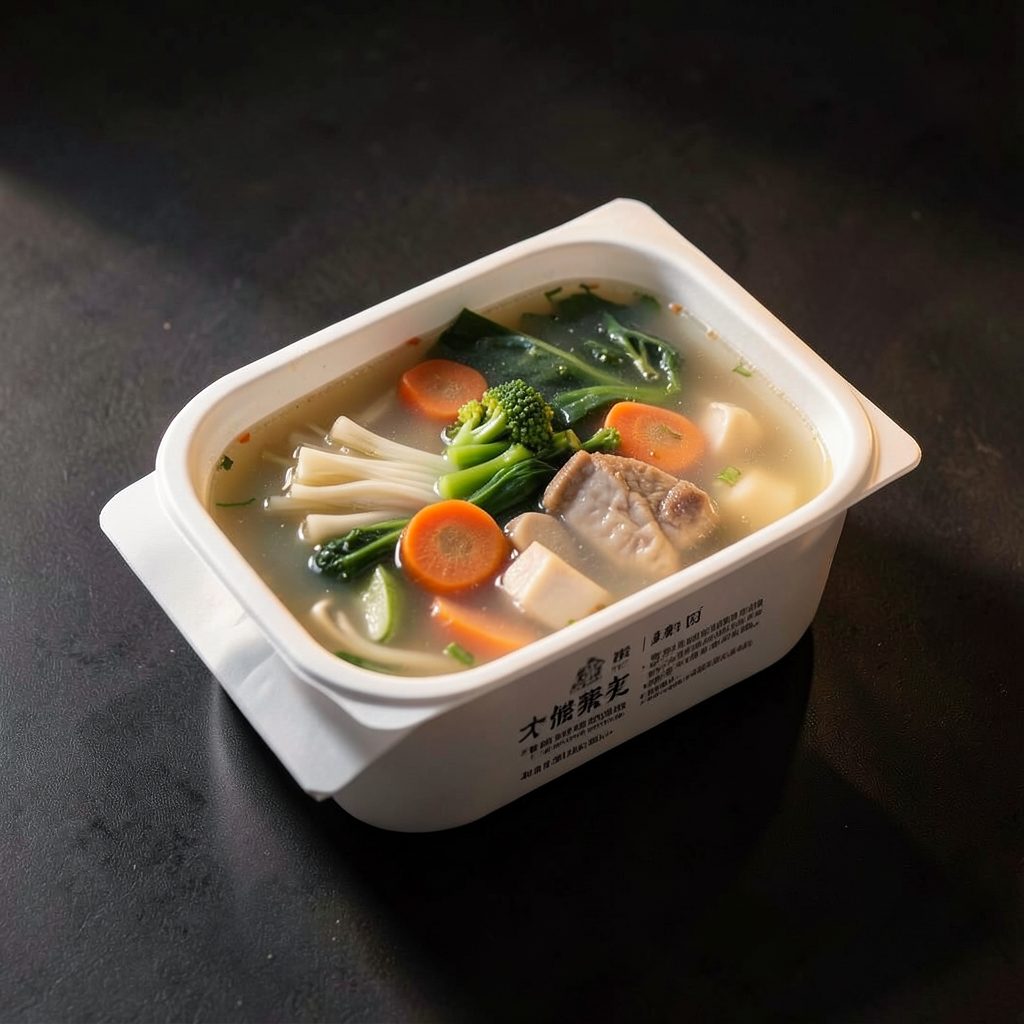
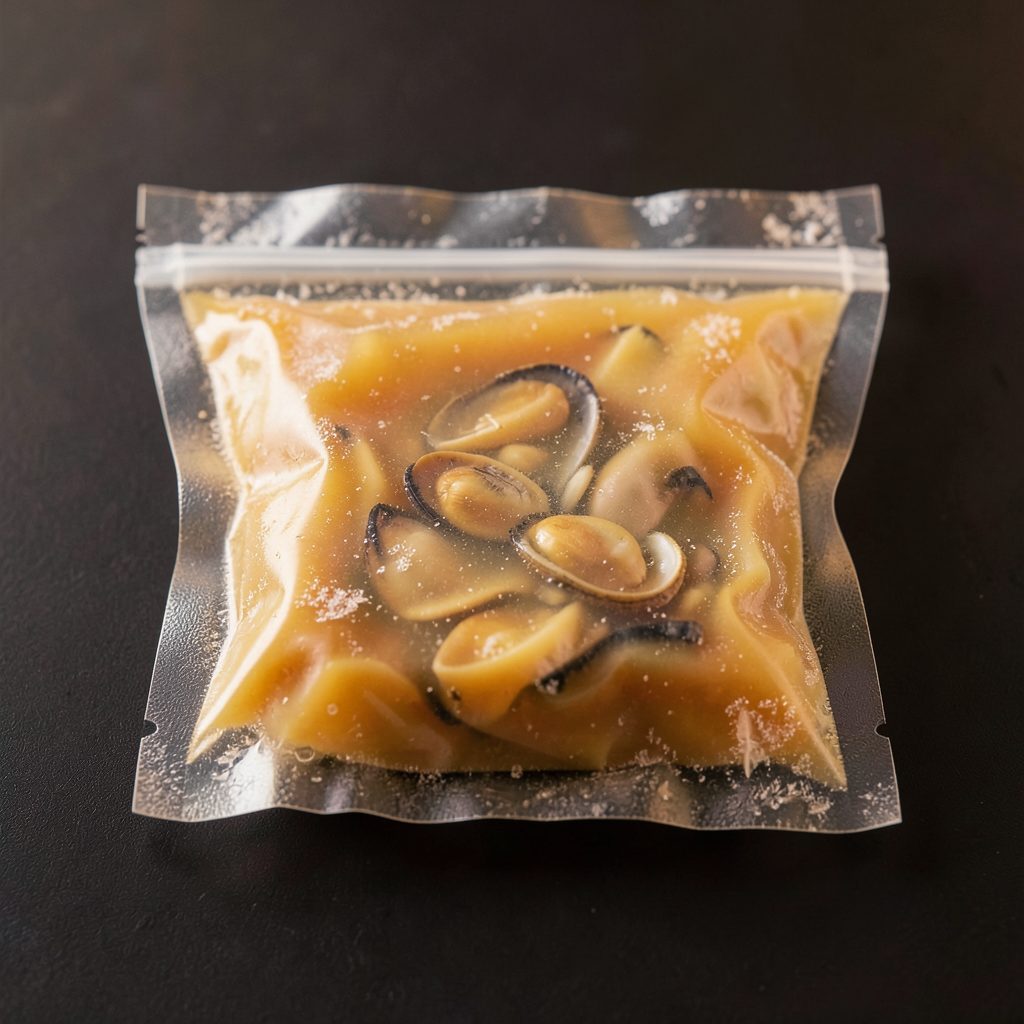
Best Sellers
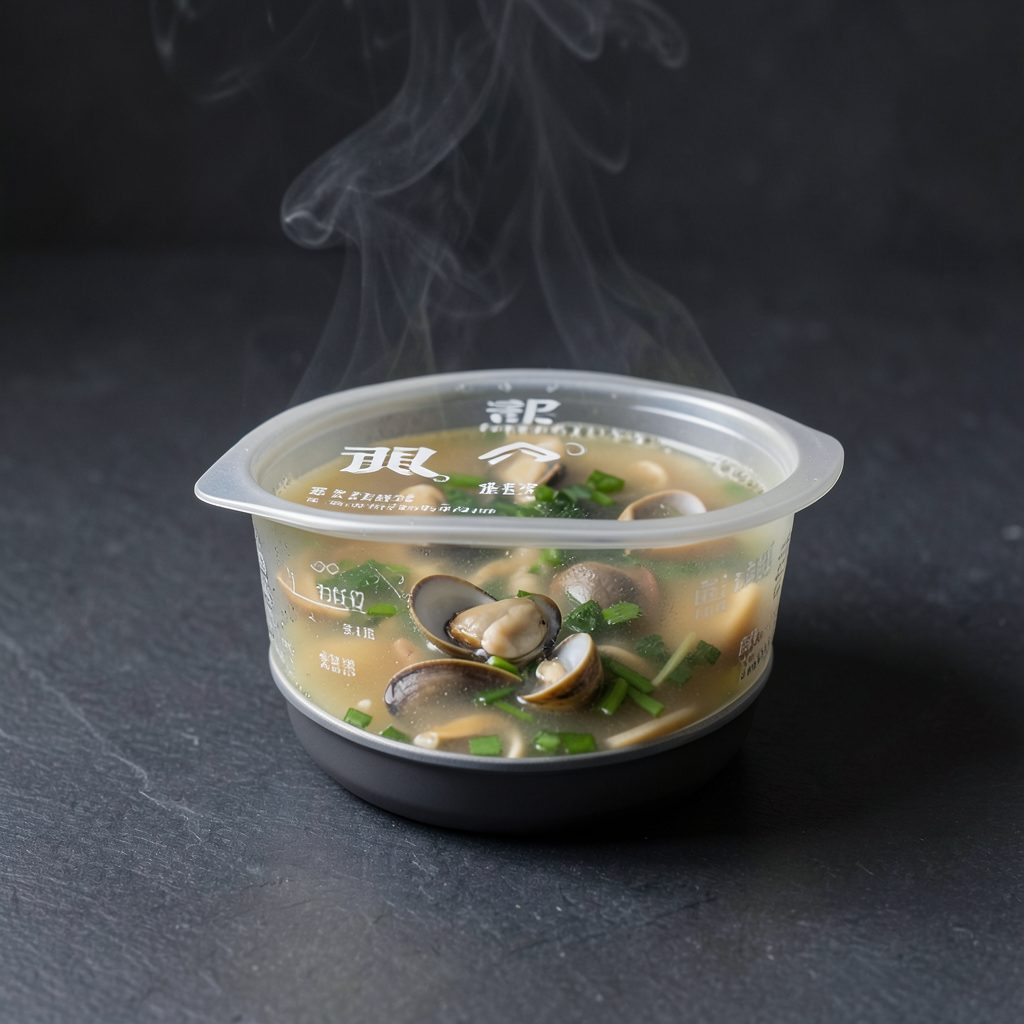
蛤?! Clam Soup Base —卜卜蜆
NT$ —
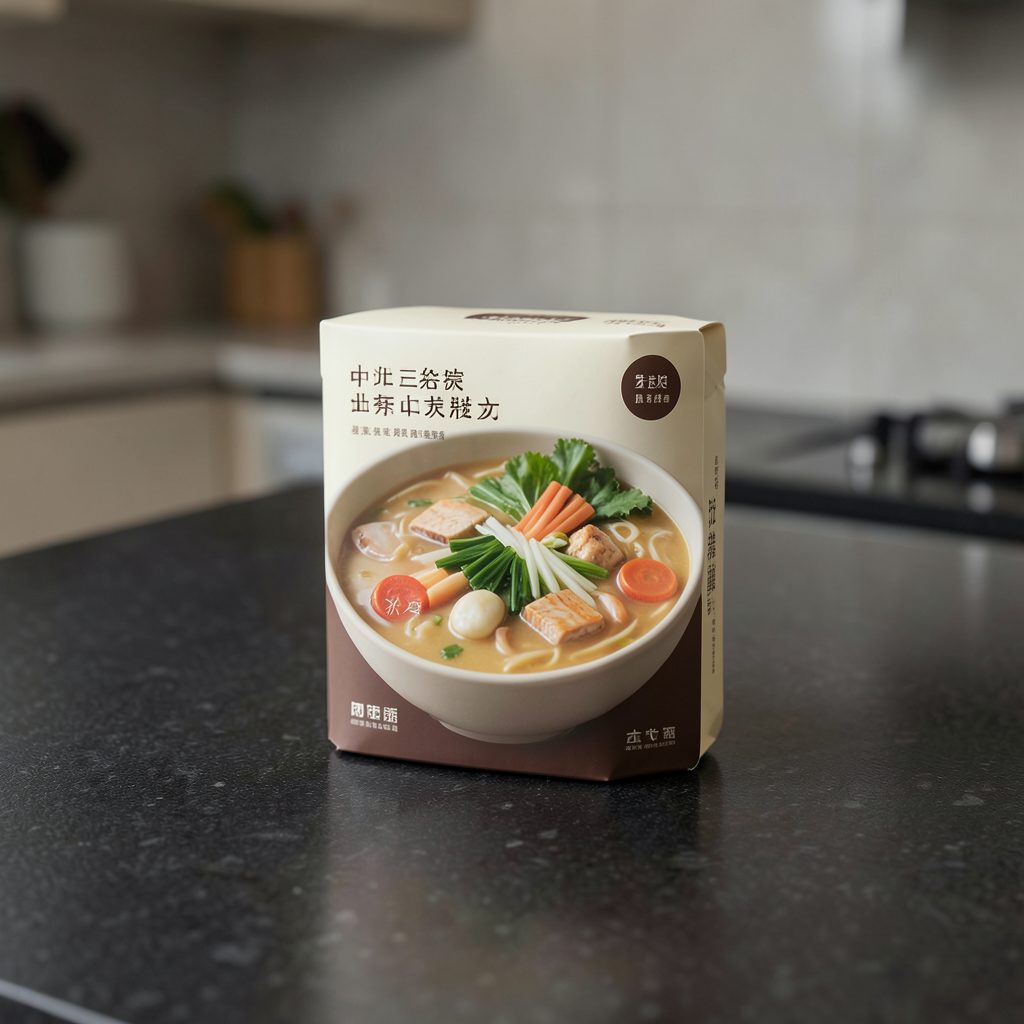
本事滿足鍋物 Personal Pot Base
NT$ —
蛤?! Dry Noodles
NT$ —
Signature Sauce
NT$ —
New Arrivals
蛤?! Golden Clam Broth — New Batch
NT$ —
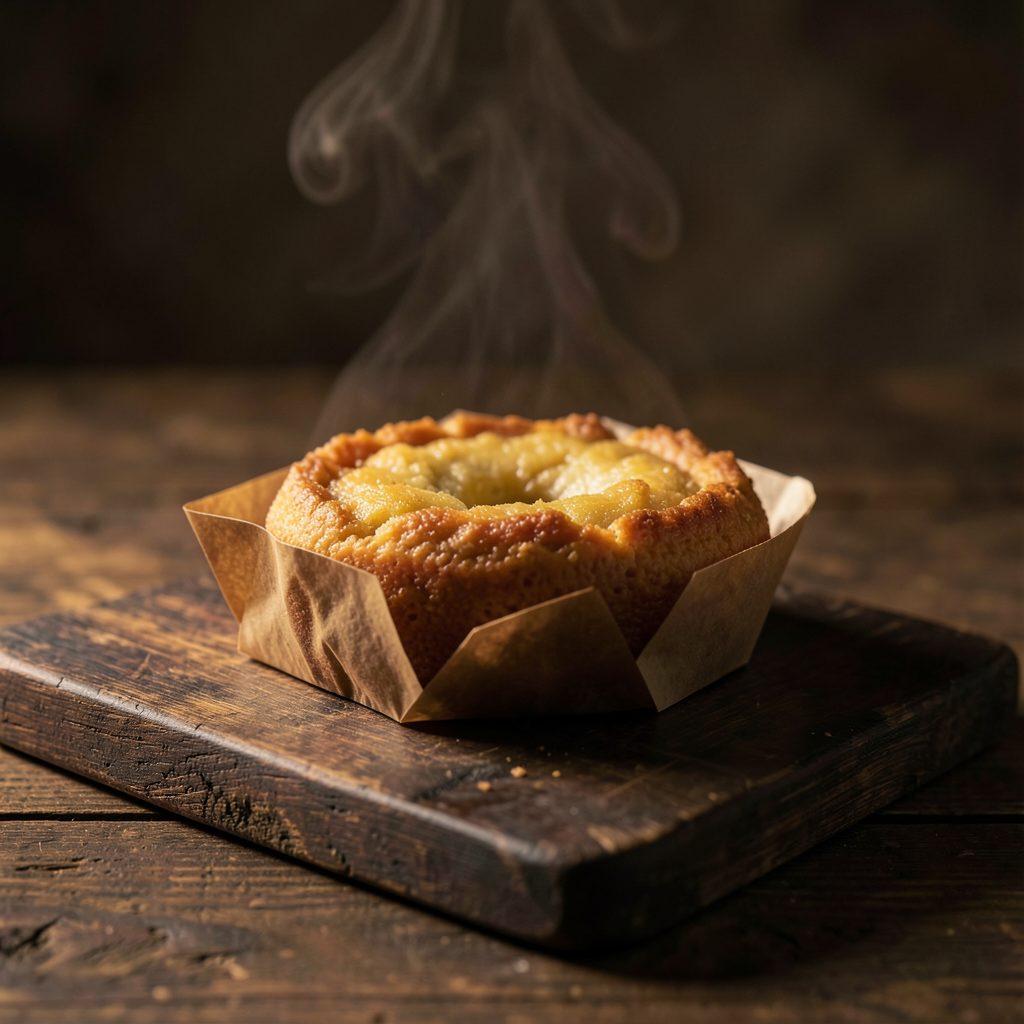
Radish Cake —蘿蔔糕精神
NT$ —
Duo Soup Base Set
NT$ —
Hot Pot Essentials Bundle
NT$ —
About 蛤?! Huh Pot
蛤?! Huh Pot is a Cantonese-style hot pot brand known for its signature clam-based broth —卜卜蜆 — made with rich old-hen stock and generous portions of fresh clams. The brand also encompasses 本事滿足鍋物, a personal hot pot concept, bringing the same depth of flavor to individual servings.
Through MoneyCome Mart, these restaurant-quality soup bases, dry noodles, radish cakes, and signature sauces are available for home delivery across Taiwan. Restaurant locations in Taipei's Da'an District, Civic Boulevard, and Taichung's Gongyi Road also welcome guests for dine-in, with online reservations available.