How to season a new hot pot before first use
Seasoning a new hot pot before first use is mainly a question of material, not a ritual for every pot. Stainless-steel hot pots generally need cleaning and sometimes a simple burn-off, while bare carbon steel benefits from a thin, even oil film.
Cantonese hot pots reward a clean surface because clam broths, chilli oil and dipping sauces should taste of the ingredients, not the cookware. The aim is to remove factory residue, prevent rust and prepare any surface that genuinely requires curing.
Australian kitchens also shape the method: induction cooktops are common in Sydney, Melbourne and Brisbane apartments, supermarkets carry several neutral oils, and hard water can leave mineral marks. Allow about 30 minutes for the initial preparation.
Identify the pot’s surface
Start with the maker’s instructions and the pot’s construction. If the maker has already cured carbon steel, keep that finish rather than stripping it. A stainless-steel pot with an aluminium or magnetic sandwich base may work on induction, while an all-stainless base may not. Check for a flat base, secure handles and stated heat limits.
Stainless steel does not usually need traditional seasoning. Washing away machining oils and, where the manufacturer allows it, simmering a little plain water for five to ten minutes is usually enough to clear soluble factory residue.
Bare carbon steel is different and should receive a light oil film. Enamelled cast iron and nonstick coatings must not be seasoned; heating them empty can damage the coating or warp the vessel. An anodised aluminium or vegetable-braising wok needs its manufacturer-specific method rather than this treatment.
Clean and dry it thoroughly
Remove stickers, foam and adhesive pads before washing. Use warm water, a soft sponge and mild dish detergent; stainless steel can tolerate normal detergent, while untreated carbon steel should be washed gently and dried promptly before seasoning. Avoid steel wool on polished surfaces.
Rinse well and dry completely over low heat or with a clean towel. A short plain-water simmer is useful for stainless steel when the maker permits it, but vinegar and other acidic cleaners can dull or etch the finish. In hard-water areas around Adelaide, wiping mineral deposits away immediately helps keep the surface clear.
Apply the right oil
For untreated carbon steel, use a high-smoke-point oil. Canola, sunflower, avocado and rice bran oil are readily available at Coles, Woolworths and specialist Asian grocers across Australia. Avoid butter and extra-virgin olive oil for the initial high-heat seasoning; they can scorch or smoke.
Put about one teaspoon (5 mL) of oil on a paper towel and wipe it over the base and inner walls. The metal should look almost dry, not glossy. Buffing with a second clean towel removes pooled oil; any oily residue can become bitter, smoky and difficult to remove.
Heat slowly and safely
Heat the oiled carbon-steel pot gradually on a medium burner, following any temperature guidance from the maker. Hold it there until the surface looks evenly darkened, then turn off the heat and wipe it with a clean towel. A second very thin coat over the whole surface improves uniformity.
Keep the range hood running and never leave the pan unattended. If the oil smokes heavily, remove it from the heat and let it cool before wiping; the goal is a stable film, not a cloud of fumes. Do not apply this treatment to enamel, aluminium or nonstick cookware.
For an electric hot pot intended for Australian use, check that it carries a valid Australian Regulatory Compliance Mark and is rated for the local 230 V, 50 Hz supply. A familiar Australian plug does not make an overseas voltage design safe or suitable, especially on an induction base.
Cook with a gentle first broth
When the surface is ready, use a mild broth for the first meal. Unsalted chicken stock or a gentle clam broth lets you judge the pot and seasoning without salt or chilli hiding their condition. Let the broth reach a lazy simmer rather than a hard boil, and add noodles and turnip cakes once its flavour has set.
MoneyCome Mart’s catalogue includes products associated with the Huh Pot range, including broths and prepared accompaniments suited to this style of meal. Thaw frozen soup bases in the refrigerator, add a little liquid to the pot, and bring the temperature up gradually so the metal and broth change gently.
Protect the food and the pot
Cold-chain handling matters from the market to the pot. The FSANZ Food Standards Code requires potentially hazardous food to be kept at 5°C or below in food businesses, and that is a sound home refrigerator limit too. Keep frozen bases frozen, or thaw them under refrigeration, and follow the package’s temperature instructions after purchase.
Use separate boards for raw meat and seafood, refrigerate perishables within two hours, or within one hour when the ambient temperature exceeds 40°C. Keep ladles and chopsticks clean, add raw proteins only to the simmering broth, and avoid dipping cooked food back into the pot.
Clean and store it properly
Let the pot cool before washing it, because a hot base can warp when shocked by cool water. Wash stainless steel with warm soapy water and a non-abrasive pad, then dry it at once. For bare carbon steel, wash promptly, avoid prolonged soaking and dry over low heat before applying a very thin film of fresh oil.
Store the pot completely dry, leaving the lid ajar until all trapped moisture has evaporated. Acidic tomato broths can be used, but clean the carbon-steel surface soon afterwards rather than leaving it to simmer for hours. A thin oil layer after drying protects the cured finish between meals.
Presentation matters as much as the vessel: the restaurant-style ideas from Ledrive Verdi show how broth, sauces and small dishes work together. A dry, evenly seasoned pot gives the first dinner a dependable base and keeps later Cantonese hot-pot meals consistent.
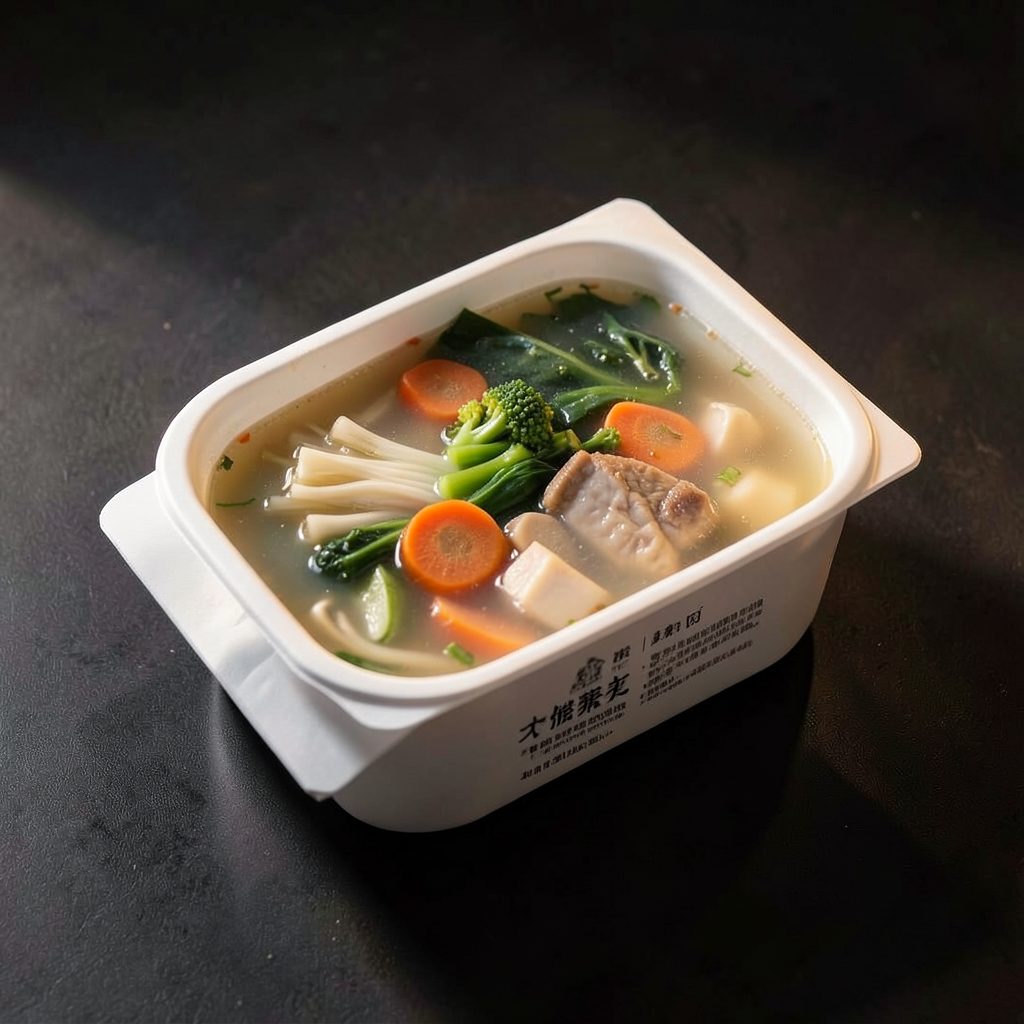
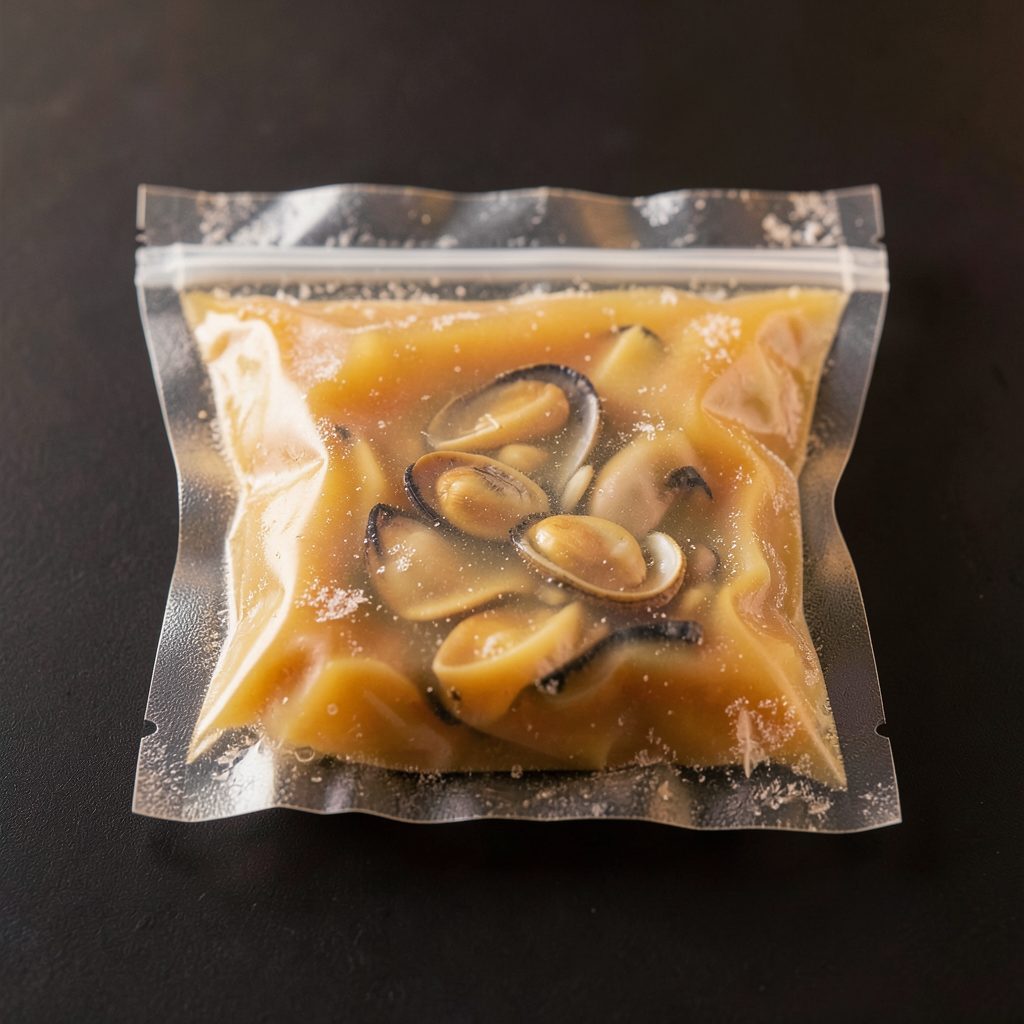
Best Sellers
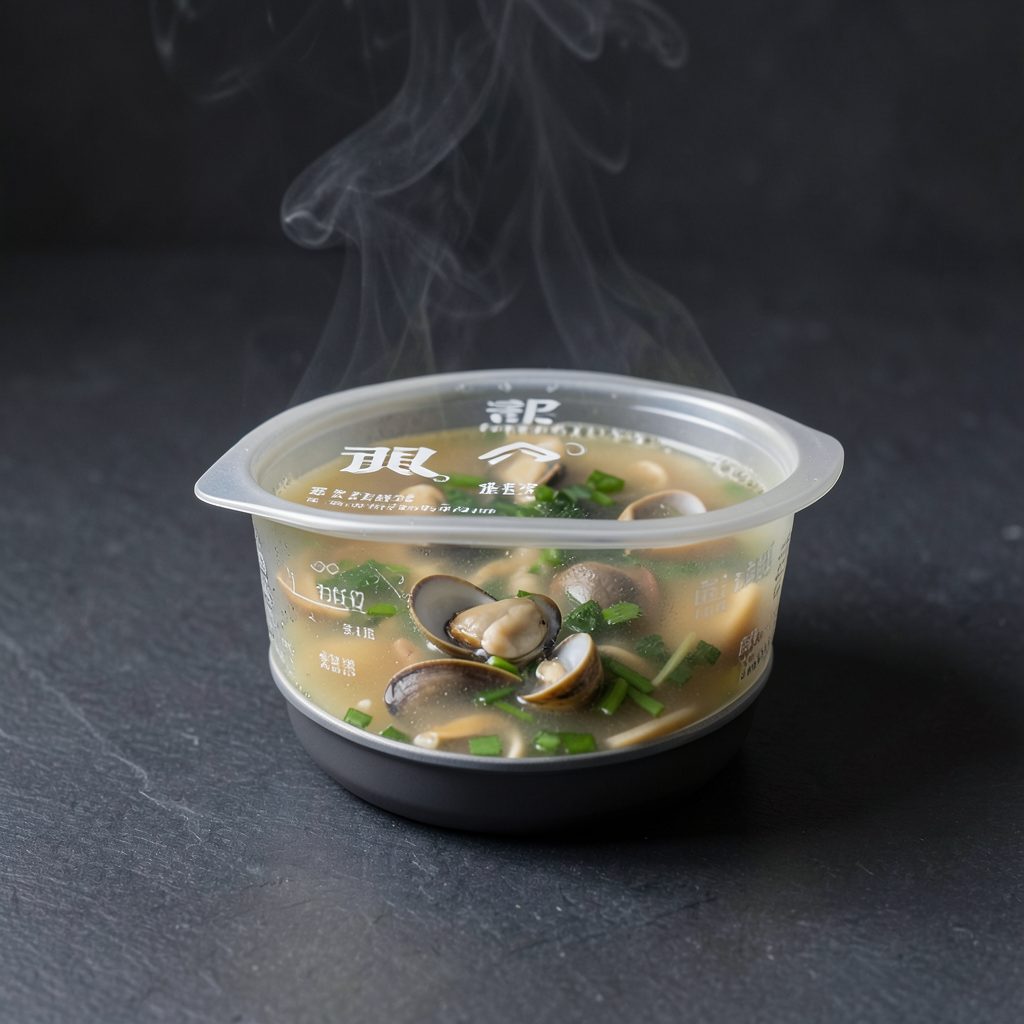
蛤?! Clam Soup Base —卜卜蜆
NT$ —
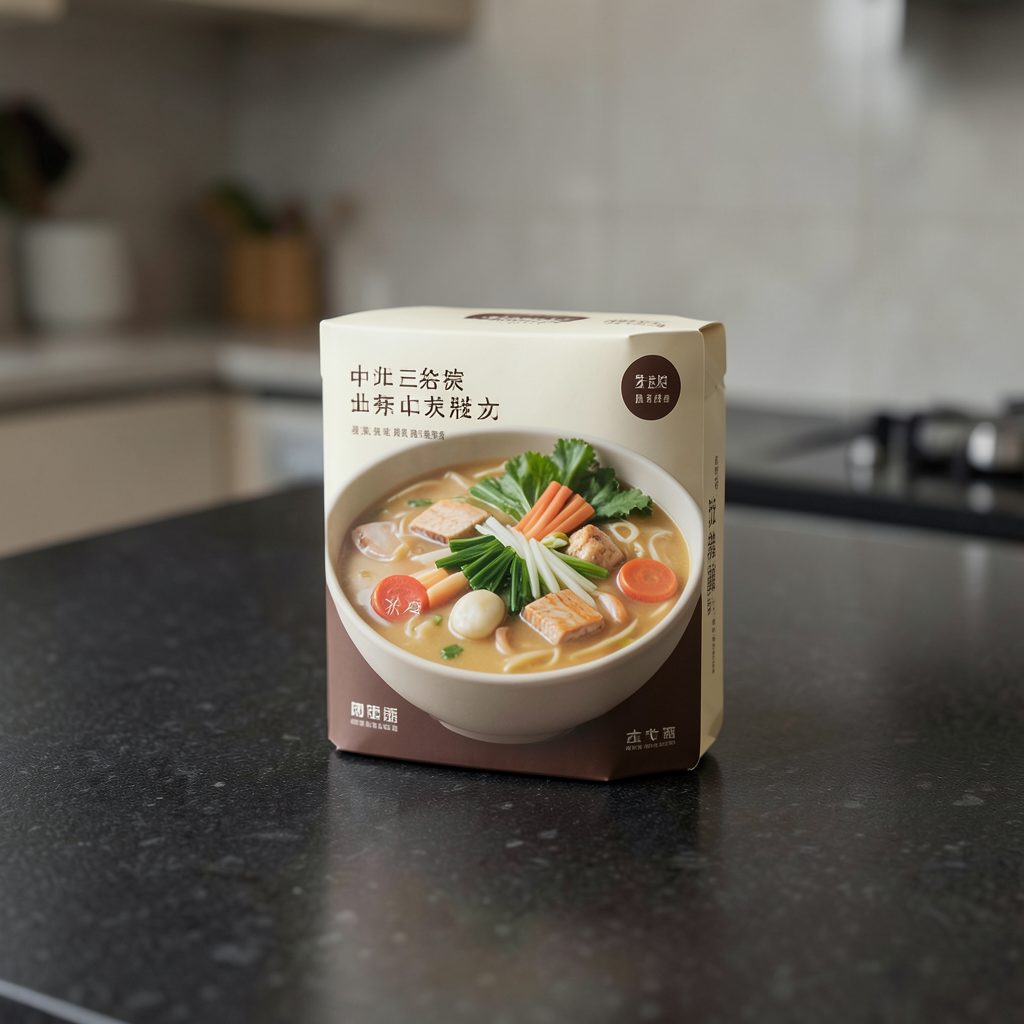
本事滿足鍋物 Personal Pot Base
NT$ —
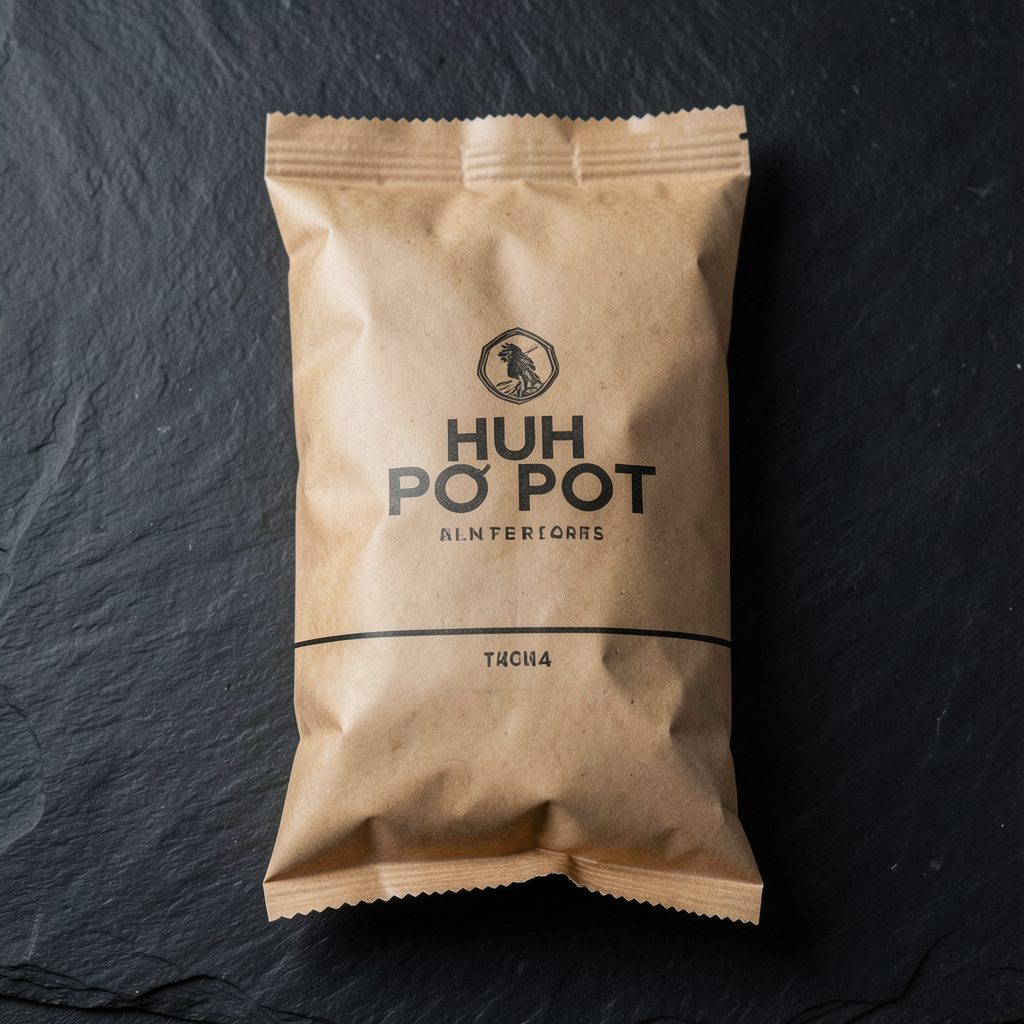
蛤?! Dry Noodles
NT$ —
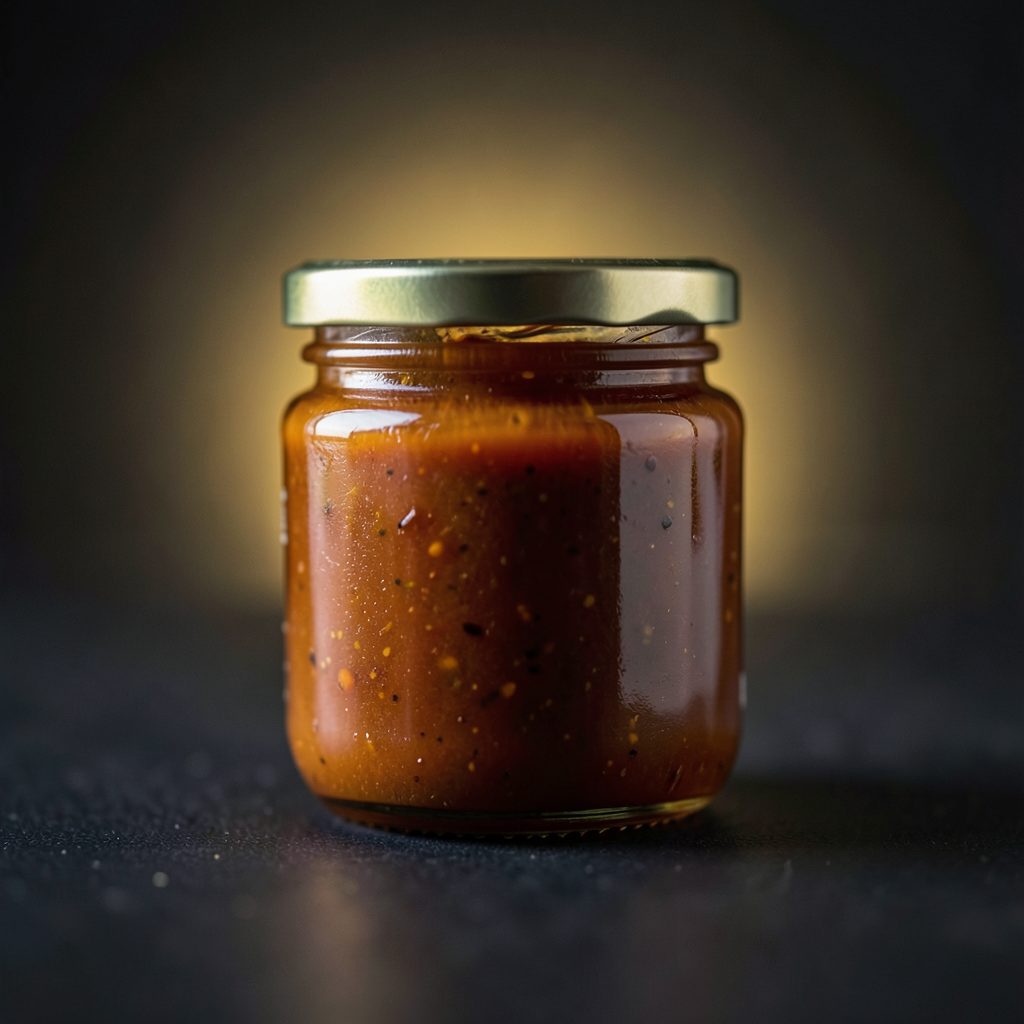
Signature Sauce
NT$ —
New Arrivals
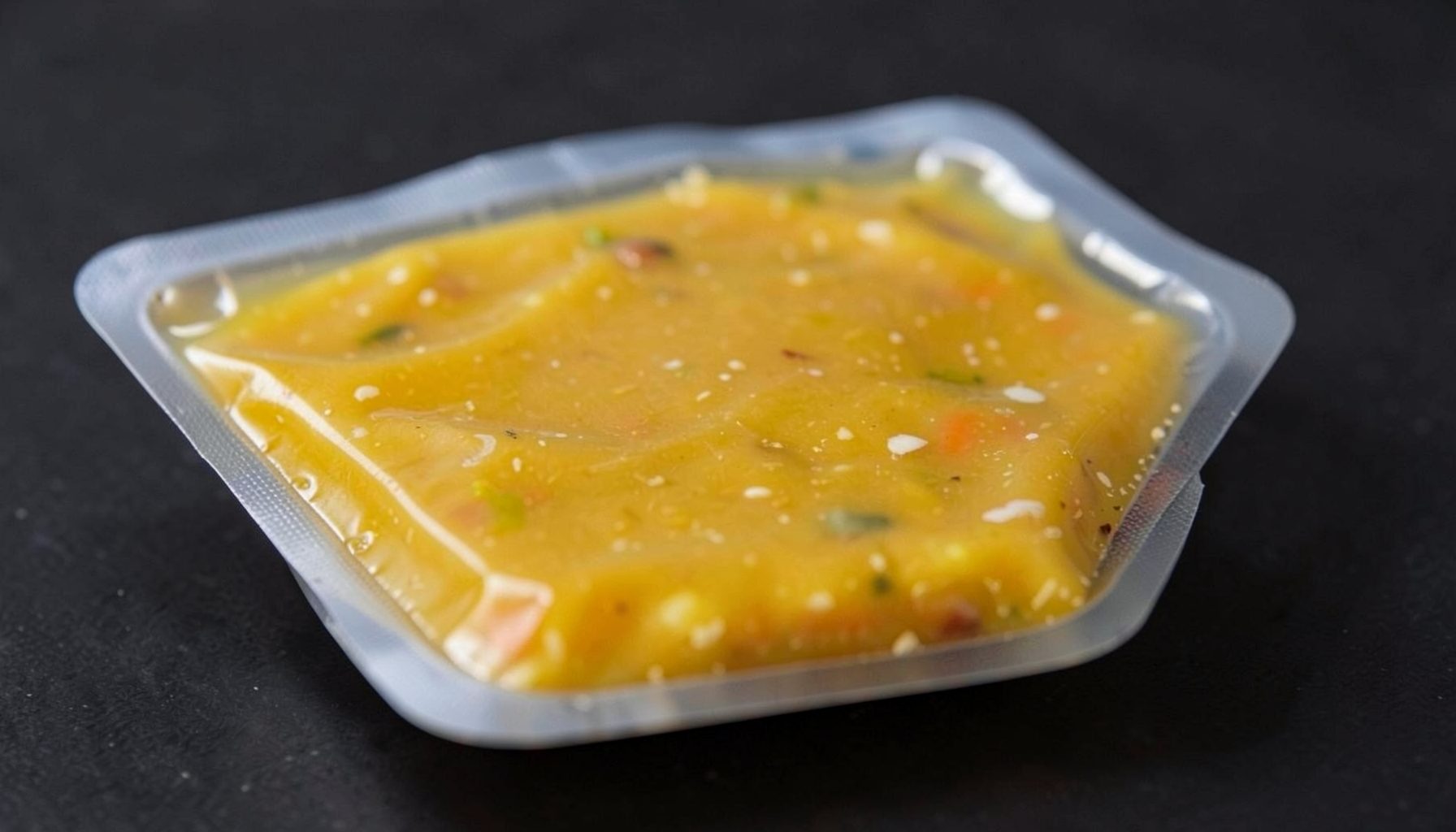
蛤?! Golden Clam Broth — New Batch
NT$ —
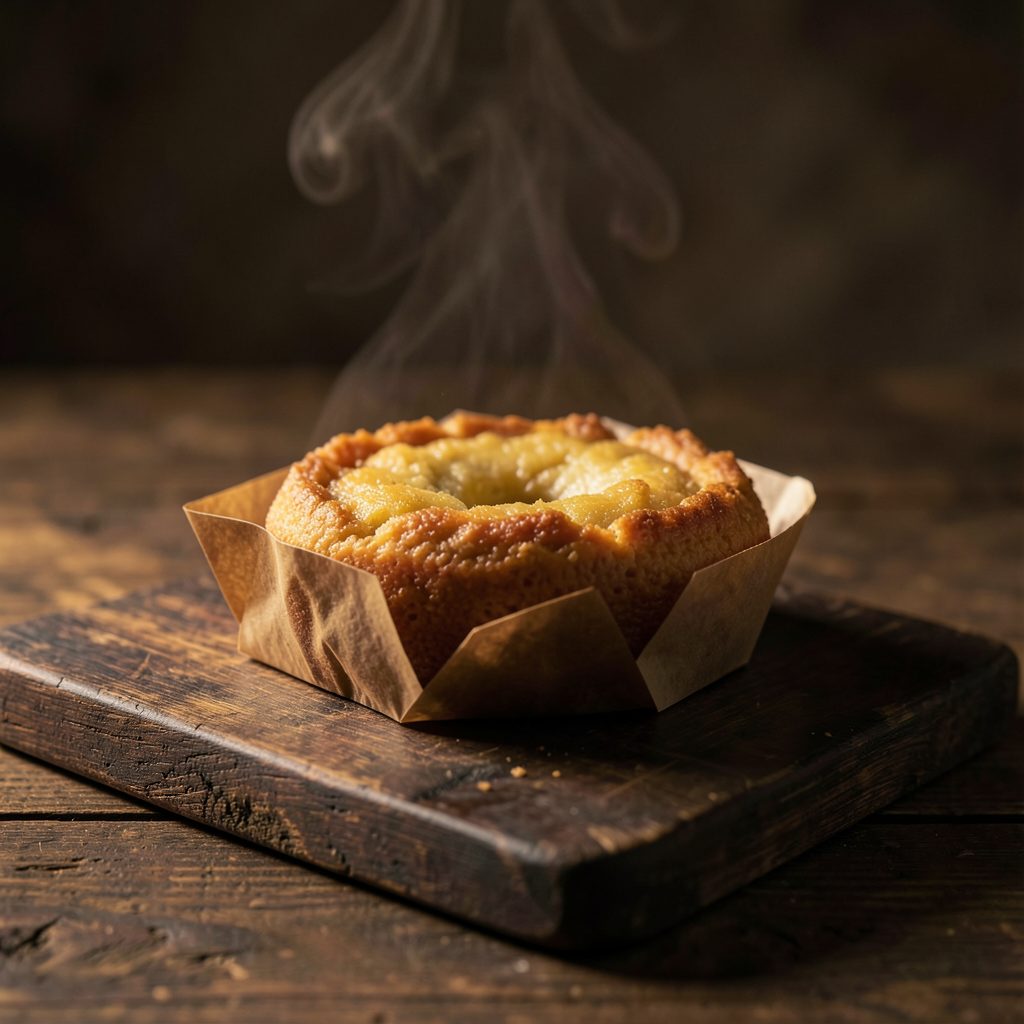
Radish Cake —蘿蔔糕精神
NT$ —
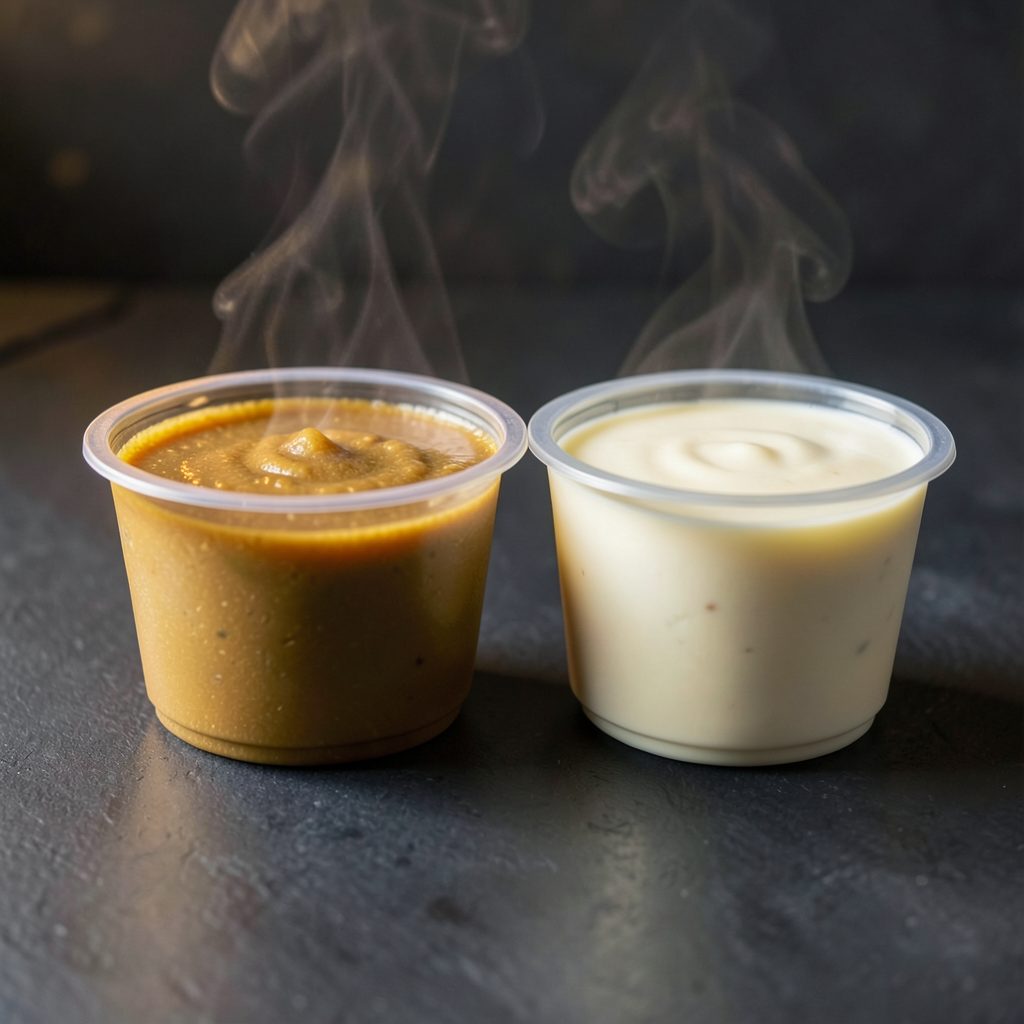
Duo Soup Base Set
NT$ —

Hot Pot Essentials Bundle
NT$ —
About 蛤?! Huh Pot
蛤?! Huh Pot is a Cantonese-style hot pot brand known for its signature clam-based broth —卜卜蜆 — made with rich old-hen stock and generous portions of fresh clams. The brand also encompasses 本事滿足鍋物, a personal hot pot concept, bringing the same depth of flavor to individual servings.
Through MoneyCome Mart, these restaurant-quality soup bases, dry noodles, radish cakes, and signature sauces are available for home delivery across Taiwan. Restaurant locations in Taipei's Da'an District, Civic Boulevard, and Taichung's Gongyi Road also welcome guests for dine-in, with online reservations available.