Seasoning a brand new clay pot for rich Cantonese broths at home
A new clay pot often arrives dry, pale and faintly dusty, ready to be coaxed into the dependable workhorse your Sunday night soup deserves. Once seasoned, a good vessel holds heat gently, releases it back into the broth slowly, and adds a whisper of earthiness that no stainless-steel pot can copy. Hot pot lovers in Brisbane, Sydney and Melbourne have long known this — many keep a dedicated clay pot on the lowest shelf of the kitchen for almost nothing but simmering broth.
The first few hours of a pot's life matter far more than people think. Skip the seasoning and you risk cracking on the stove, leaching a chalky taste into a delicate clam broth, or worse, splitting clean through during a winter dinner with friends. A little patience now means years of confident simmering later, whether you are reheating a frozen soup base from your pantry or building a clear broth from scratch.
This guide walks through each step with the focus you might put into prepping for a Christmas-in-July braai or a Lunar New Year gathering in your local community hall. The routine is simple, the rewards very noticeable, and most of what you need is already in the cupboard.
Why clay changes the flavour of hot pot
Clay is porous where metal is not. As your broth simmers, micro-pores in the seasoned wall absorb fats, salts and aromatics, building up a faint memory of past meals. Tomorrow's daikon and pork bone soup tastes faintly of last week's satay broth — in a good way. Over months, a clay pot becomes its own seasoning, much like a well-loved cast-iron pan that has cooked hundreds of Aussie brunches.
Uneven heating is a feature rather than a flaw. Hot pots are usually cooked at a gentle rolling simmer rather than a fierce boil, so the gentle warmth creeping outward from the base keeps tofu tender and sliced beef rosy without toughening it. The material also tolerates the long, slow reduce that Cantonese-style broths rely on, much like the long, slow cook on a weekend barbecue in suburban Adelaide.
Because the pot holds heat, your table-side burner stays on a lower gas mark, and your liquefied petroleum gas bill quietly thanks you. It is an old-school efficiency that suits modern Australian expectations around safe indoor cooking appliances and tidy kitchen ventilation.
Choosing the right pot and giving it a first clean
Match the size to the burner you actually use. A 22–26 cm pot suits most two-person dinners, while a 30 cm model feeds a houseful in Perth or Hobart. If your stove is induction, check the base is flat and ferrous, or accept that you will cook on a gas or halogen ring instead.
New pots often carry a faint cement or kiln smell, and sometimes a fine powdery residue. Rinse under warm tap water, scrub gently with a soft bamboo brush, and resist the urge to use dishwashing liquid. Strong detergents would strip the very pores you want to keep open. Pat dry with a clean tea towel, then leave it uncovered on a wire rack for an hour so any remaining moisture evaporates.
Inspect the rim and base for hairline cracks. Hold the pot up to a window and look for light creeping through any hairline. A sound pot should feel solid when you tap its side with a knuckle — a clear, ringing tone rather than a dull thud.
The first water soak and gentle cure
Many seasoned cooks in Melbourne's Box Hill and Sydney's Haymarket swear by a plain water cure before anything flavourful touches the pot. Fill the vessel with cool tap water, set it over the lowest possible gas flame, and bring it up to just below simmering. Hold that gentle heat for about thirty minutes, topping up with hot water as needed so the level never drops below two-thirds of the pot's height.
Drain, rinse, and repeat with fresh water once more. The goal is to settle the clay, drive out any residual grit, and let the pores drink their first long drink. Skip this step and a brand-new pot sometimes gives off an earthy, almost peaty note during the first cook — pleasant to some, distracting to others.
After the second drain, dry the pot slowly on the lowest element or atop a warm (not hot) oven door. Sudden swings in temperature are what crack clay, and an Australian summer afternoon in Darwin followed by a cold rinse can be just as risky as a winter's chill. Patience keeps the pot intact.
Building flavour with oil, ginger and scallion
The classic Cantonese cure uses neutral oil, smashed ginger and roughly torn scallion whites. Warm two tablespoons of rice bran or peanut oil, add the aromatics, and stir for a minute until the kitchen smells like a yum cha kitchen in Brisbane's Sunnybank. Pour the fragrant oil over the entire inside surface of the cool, dry pot, swirling to coat the rim too.
Tip out any pooled oil, then wipe the pot with a paper towel. You want a film, not a slick. Let the pot rest overnight so the oil can settle into the pores before its first real cook. The next day, rinse briefly with hot water and dry it again before pouring in your broth.
If your diet avoids certain allergens or you cook for someone who does, consider matching the cure to the gluten-free turnip cake guide approach: use only pure oils, fresh aromatics and no soy during seasoning. This keeps the pot's later life neutral, so it never flavours an allergen-free dish with traces of an old cook.
Everyday care and a pot that lasts decades
Always warm a cold pot before adding hot liquids, and never set a hot pot onto a cold stone benchtop. Sudden temperature changes are the main reason clay fails, and Australia's habit of cooking outdoors on winter evenings, then retreating inside, is exactly the kind of change that cracks pots.
Wash only by hand, with warm water and a soft brush. Skip the dishwasher, skip the soap, and never leave the pot to soak overnight. After each wash, dry it thoroughly on the stove or in a low oven, then store in a dry cupboard with the lid ajar so air circulates.
If questions come up — about which burner suits a particular base, or whether a chipped rim is safe to keep using — the store's common questions page covers the practical details.
Treat the pot well and it will outlast the induction stove, the apartment lease and probably the mortgage. A clay pot seasoned today will simmer winter broths for children who are not yet born, and that quiet continuity is what makes the slow Sunday ritual worthwhile.
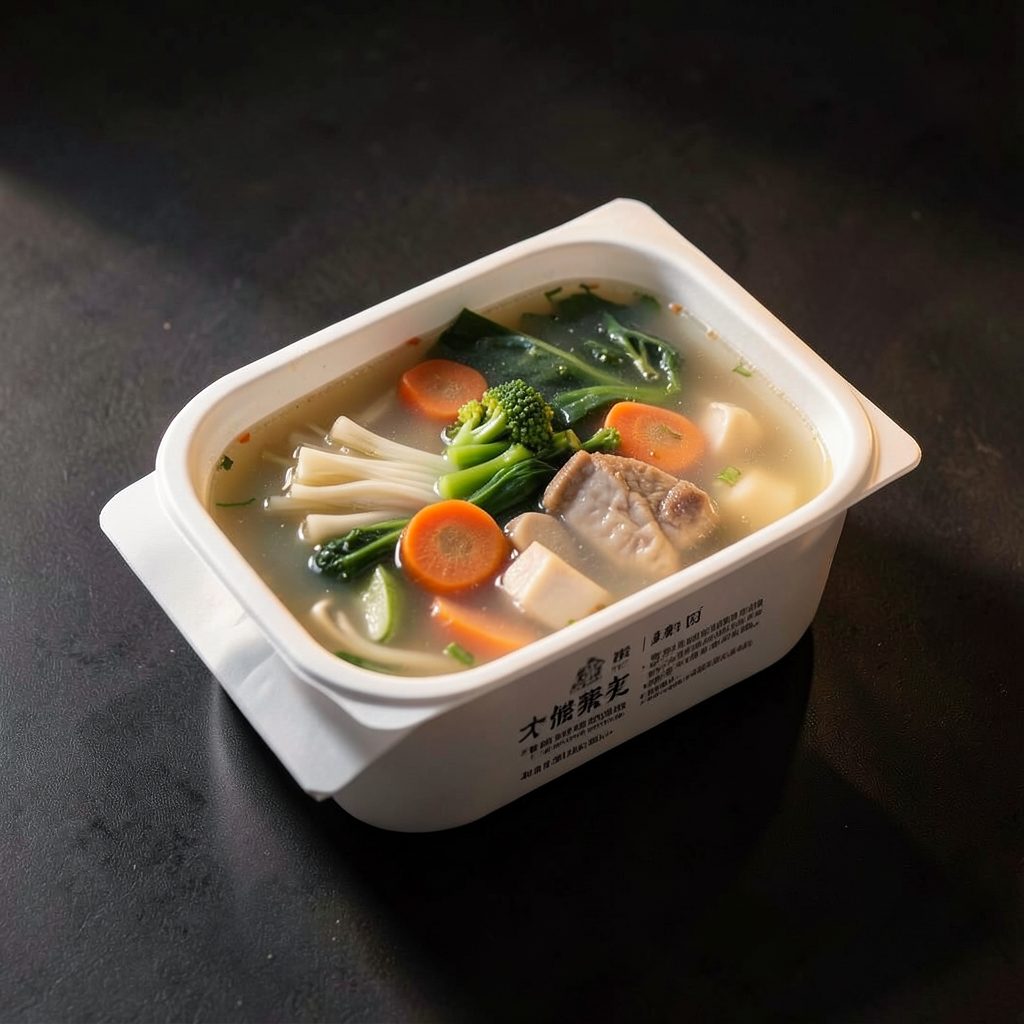
Best Sellers
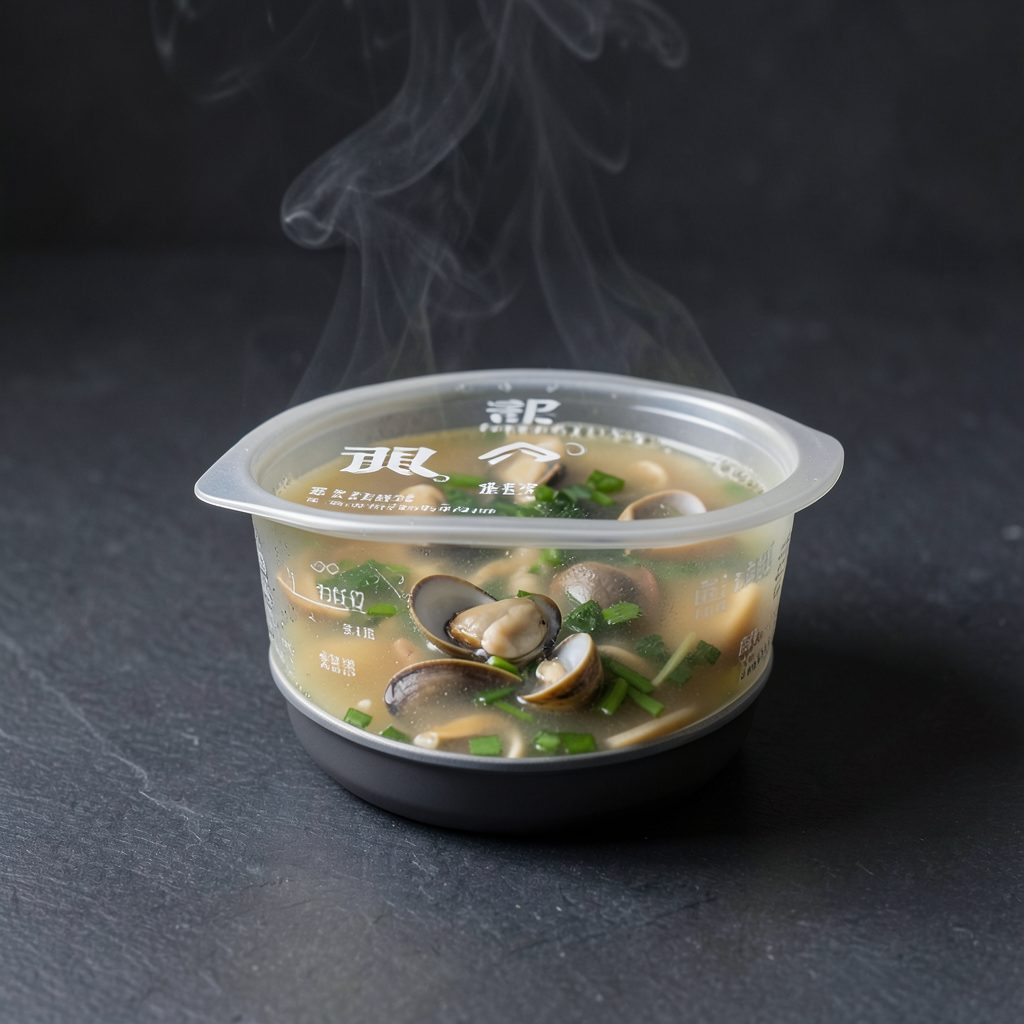
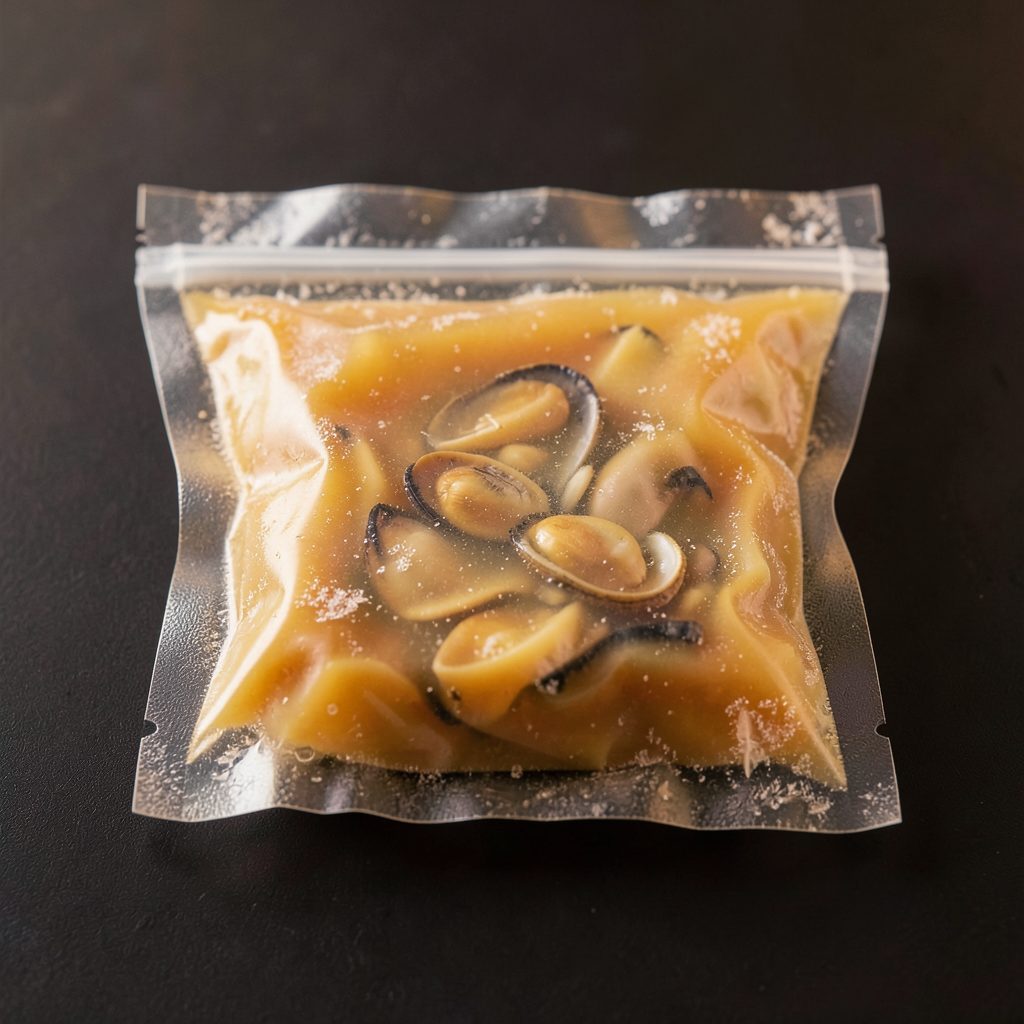
蛤?! Clam Soup Base —卜卜蜆
NT$ —
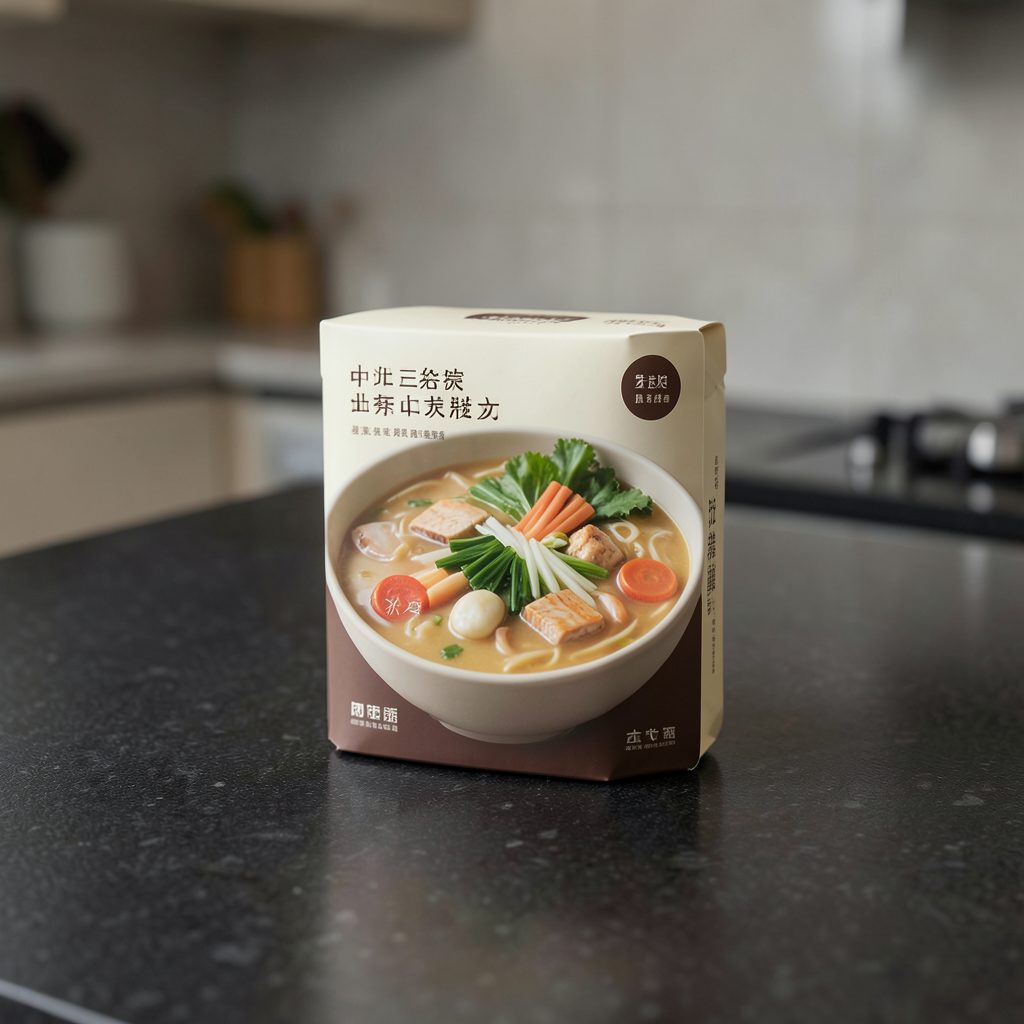
本事滿足鍋物 Personal Pot Base
NT$ —
蛤?! Dry Noodles
NT$ —
Signature Sauce
NT$ —
New Arrivals
蛤?! Golden Clam Broth — New Batch
NT$ —
Radish Cake —蘿蔔糕精神
NT$ —
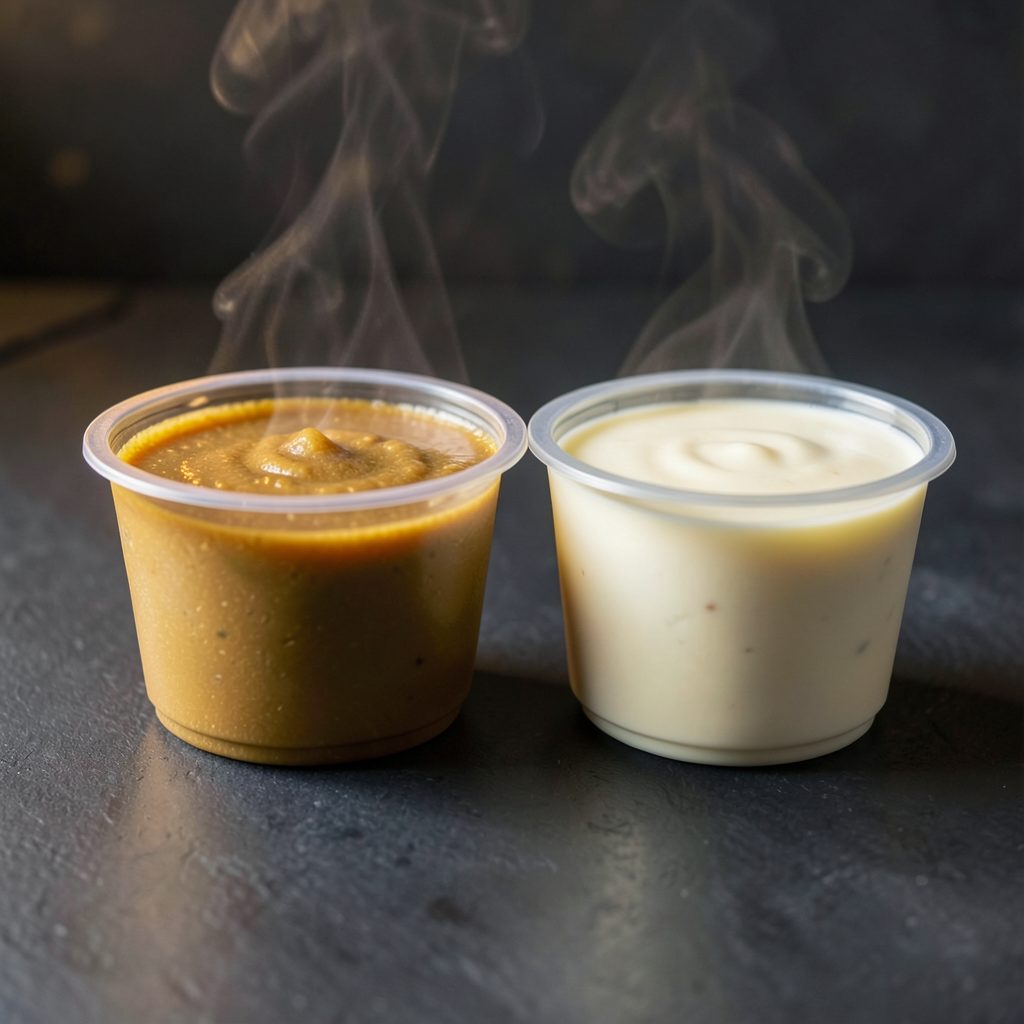
Duo Soup Base Set
NT$ —

Hot Pot Essentials Bundle
NT$ —
About 蛤?! Huh Pot
蛤?! Huh Pot is a Cantonese-style hot pot brand known for its signature clam-based broth —卜卜蜆 — made with rich old-hen stock and generous portions of fresh clams. The brand also encompasses 本事滿足鍋物, a personal hot pot concept, bringing the same depth of flavor to individual servings.
Through MoneyCome Mart, these restaurant-quality soup bases, dry noodles, radish cakes, and signature sauces are available for home delivery across Taiwan. Restaurant locations in Taipei's Da'an District, Civic Boulevard, and Taichung's Gongyi Road also welcome guests for dine-in, with online reservations available.