Drawing deeper sweetness from our soup base with corn
A good Cantonese soup base carries the soul of the hot pot: dried scallops, pork bones, aged ginger, sometimes a whisper of Chinese ham, all coaxed into something layered and quietly rich. Across Taiwanese homes and Sydney kitchens alike, that broth is the centrepiece, and people spend real effort on it. Corn is one of the simplest ways to coax more out of what you have already brewed.
Adding fresh corn to a simmering broth is a trick older than most cookbooks. The kernels release natural sugars and a gentle vegetal backbone that softens sharper notes, while the cob itself contributes a subtle, milky body. If your base tastes close to perfect but a touch flat, a few pieces of corn can carry it across the line without overpowering the original recipe.
In Australia, where multicultural cooking is a daily habit in suburbs from Footscray to Hurstville, the corn-and-broth idea slips easily into weeknight dinners. The trick is choosing the right corn, cutting it well, and knowing exactly when to drop it into the pot.
What corn does to a simmering broth
Corn behaves like a sweetener, but a quiet one. The sugars in the kernels are mostly sucrose, and when they simmer slowly with collagen-rich bones or concentrated seafood stocks, the result is a rounder mouthfeel and a faintly honeyed aroma. Many home cooks in Melbourne notice this immediately when they switch from plain chicken stock to a broth finished with corn on the cob.
The cob itself matters too. Once stripped of kernels, the cob can be returned to the pot to release pectin and a soft starchy quality that thickens the broth naturally, almost like a vegetable collagen. If you prefer a clearer soup, simmer the cob alone and remove it before the final stage.
For those keeping a tin of seafood-flavoured broth on the shelf, the same logic applies. A short note on clam broth with greens explains how briny bases benefit from gentle vegetable additions, and corn fits that same principle just as well.
Choosing corn that suits Australian kitchens
Supermarkets in Brisbane and Adelaide now stock Australian-grown sweet corn almost year-round, with peak sweetness between November and March. Look for firm, bright green husks and silks that have only just begun to brown. Each cob should feel heavy for its size; lightness usually means the kernels have started to dry.
If you shop at Asian grocers in suburbs such as Box Hill, Cabramatta, or Springvale, you will also find smaller, more intensely flavoured cobs that are popular in Cantonese cooking. These are excellent when you want sweetness without diluting the broth with too much starch.
Preparation is straightforward. Cut the cob into 3 cm coins if you like the visual drama of corn floating in the pot, or slice the kernels off with a sharp knife for a more discreet sweetness. Some cooks split the cob lengthwise to expose the inner core, which speeds up extraction during a shorter simmer.
Timing the simmer for maximum extraction
Drop corn in too early and the broth turns cloudy and starchy. Add it too late and you will barely taste it. The sweet spot for most Cantonese bases is the last 15 to 25 minutes of simmering, once the bones have already given up most of their flavour.
Keep the heat at a gentle, rolling simmer rather than a hard boil. Aggressive boiling drives off the volatile aromatics and can make even the best broth taste flat. If you are using a portable gas burner on a balcony in Perth, dial the flame down the moment the surface starts to tremble.
For seafood-flavoured bases, cut the timing back to roughly 10 minutes. Delicate broths lose their character quickly when overcooked, and corn that simmers too long in a seafood pot can turn the flavour slightly soapy.
Proteins and sides that round out the pot
A corn-enriched broth welcomes a range of proteins without overwhelming them. Think of it as a sweet foundation that flatters almost anything you add.
- Thinly sliced beef brisket, lamb shoulder, or pork neck
- Squid rings, prawn halves, and skin-on fish fillets
- Tofu puffs, fried beancurd sheets, or a handful of dried tofu sticks
- Glass noodles, wide rice noodles, or fresh egg noodles
Vegetables play their usual supporting role. Leafy greens should go in at the very end, just as the clam broth guide suggests, so they keep their colour and a faint crisp bite.
Pantry swaps and Asian grocery finds
For Australian home cooks who do not want to source a dozen specialty items, a few simple swaps keep the pot honest.
- Substitute fresh corn with frozen kernels in winter, but add them straight from the freezer to avoid waterlogging the broth
- Reach for canned creamed corn when you need a stronger, almost dessert-like sweetness in a quick weekday broth
- Use corn flour slurry as a finishing thickener for hot pot styles that lean toward a Hong Kong-style congee base
- Keep a backup of restaurant-style concentrated broth in the pantry so a single cob of corn can transform a small portion into a full meal
MoneyCome Mart ships its frozen soup bases, clam broths, sauces, and prepared ingredients across Taiwan, and the same flavour principles travel well to Australian kitchens wherever a hot pot evening is on the cards.
Best Sellers
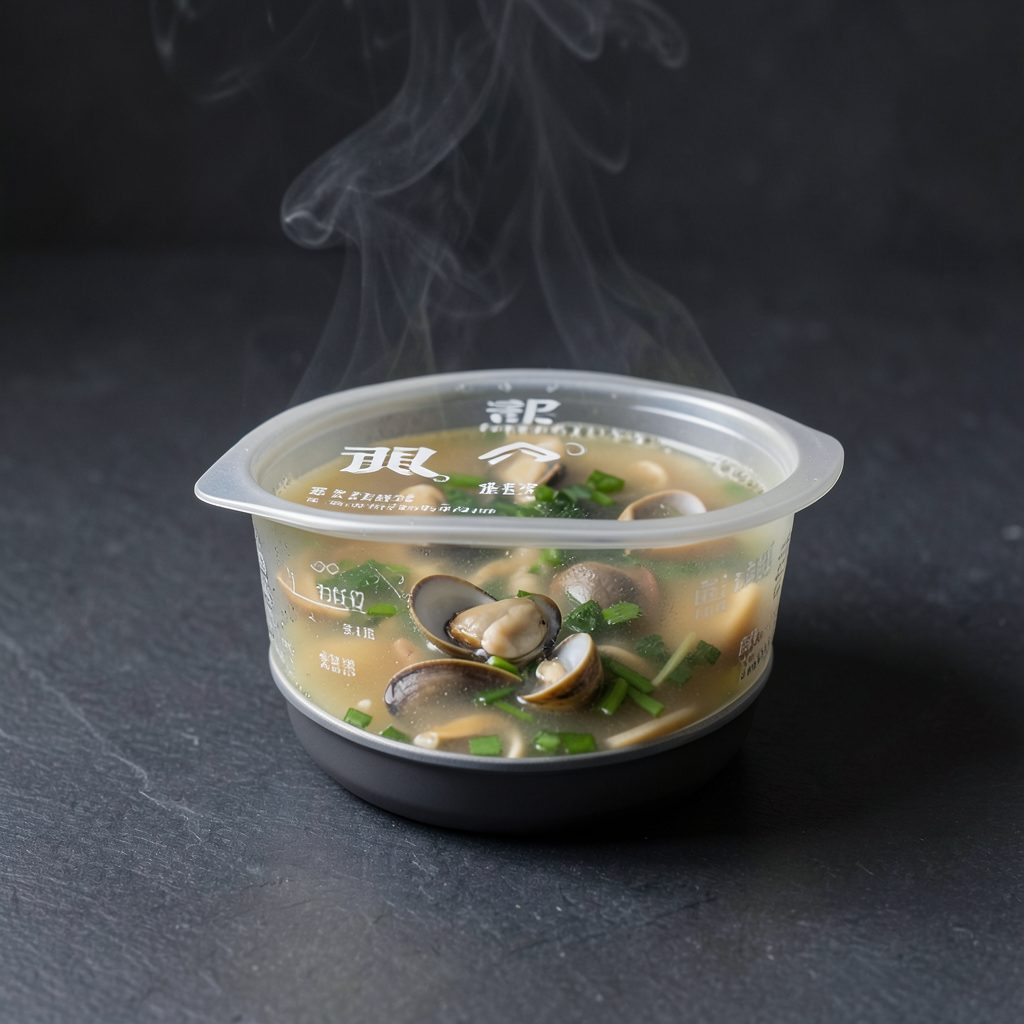
蛤?! Clam Soup Base —卜卜蜆
NT$ —
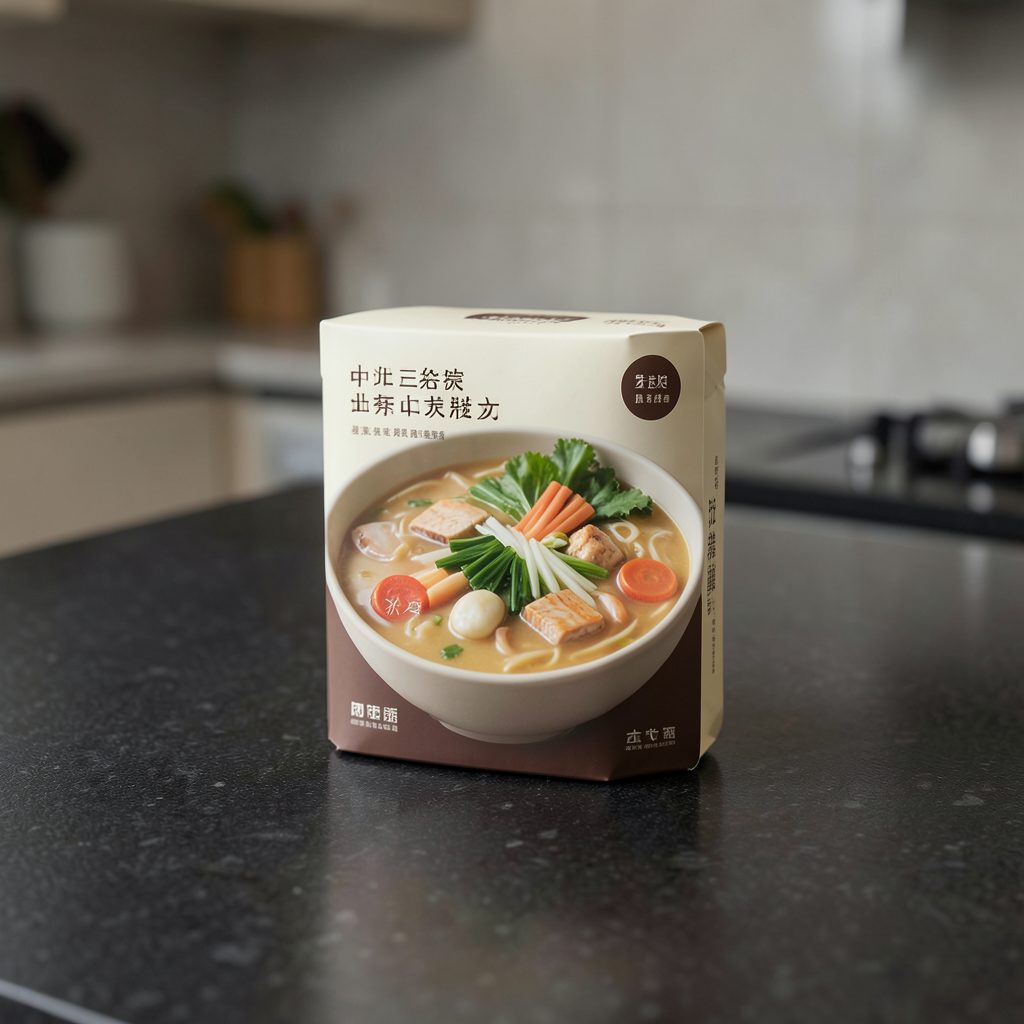
本事滿足鍋物 Personal Pot Base
NT$ —
蛤?! Dry Noodles
NT$ —
Signature Sauce
NT$ —
New Arrivals
蛤?! Golden Clam Broth — New Batch
NT$ —
Radish Cake —蘿蔔糕精神
NT$ —
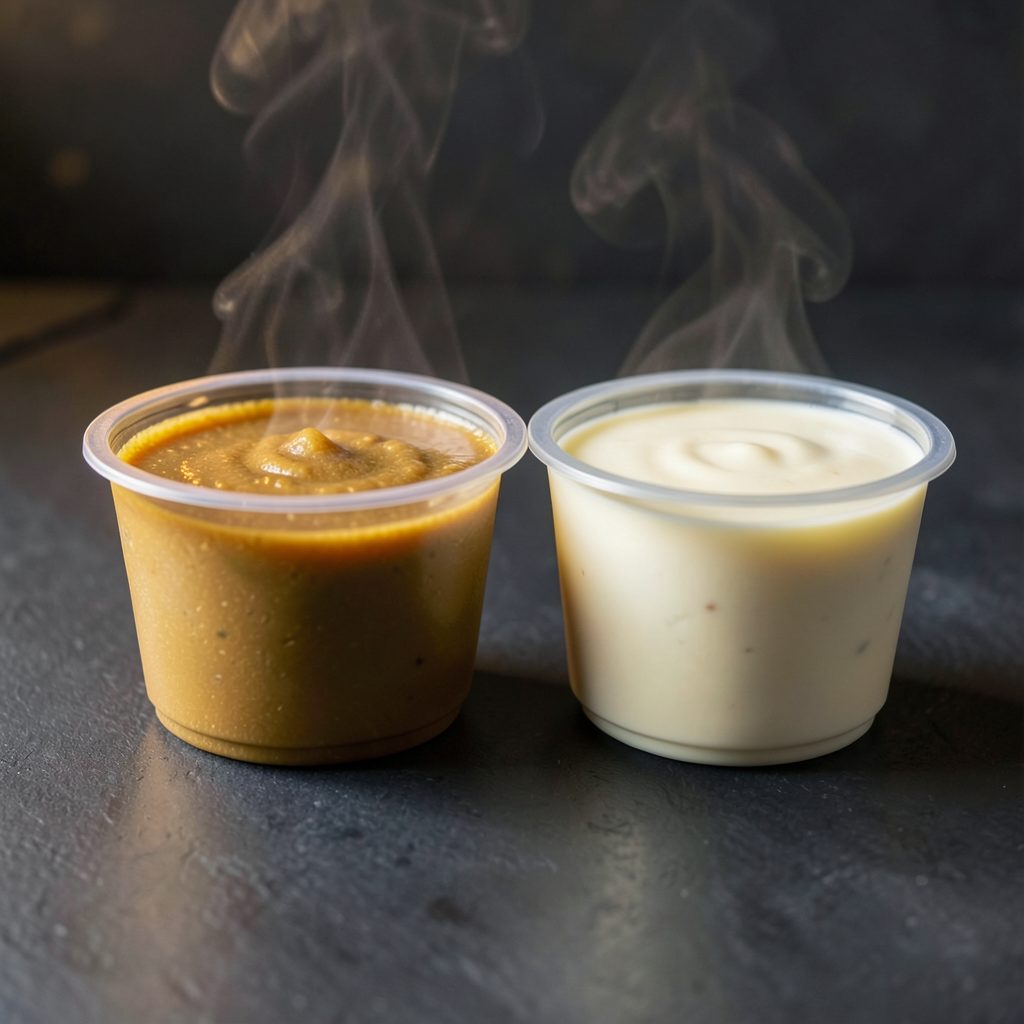
Duo Soup Base Set
NT$ —

Hot Pot Essentials Bundle
NT$ —
About 蛤?! Huh Pot
蛤?! Huh Pot is a Cantonese-style hot pot brand known for its signature clam-based broth —卜卜蜆 — made with rich old-hen stock and generous portions of fresh clams. The brand also encompasses 本事滿足鍋物, a personal hot pot concept, bringing the same depth of flavor to individual servings.
Through MoneyCome Mart, these restaurant-quality soup bases, dry noodles, radish cakes, and signature sauces are available for home delivery across Taiwan. Restaurant locations in Taipei's Da'an District, Civic Boulevard, and Taichung's Gongyi Road also welcome guests for dine-in, with online reservations available.