Gentle Heat for a Better Hot Pot
A Cantonese hot pot is built around a fragrant soup base, so reheating it carefully matters. High heat can flatten delicate aromas, split a rich broth, or reduce the liquid before the first slice of beef reaches the pot. The goal is to warm the soup evenly until it is steaming and ready for ingredients, without letting it roll into a full boil.
This approach suits Australian kitchens, whether you are preparing dinner in a compact Melbourne apartment, hosting friends on a Brisbane balcony, or setting up a winter spread in Hobart. MoneyCome Mart soup bases are designed to make restaurant-style hot pot easier at home, and gentle reheating helps preserve the flavour packed into each frozen pouch or container.
Start With Safe Thawing
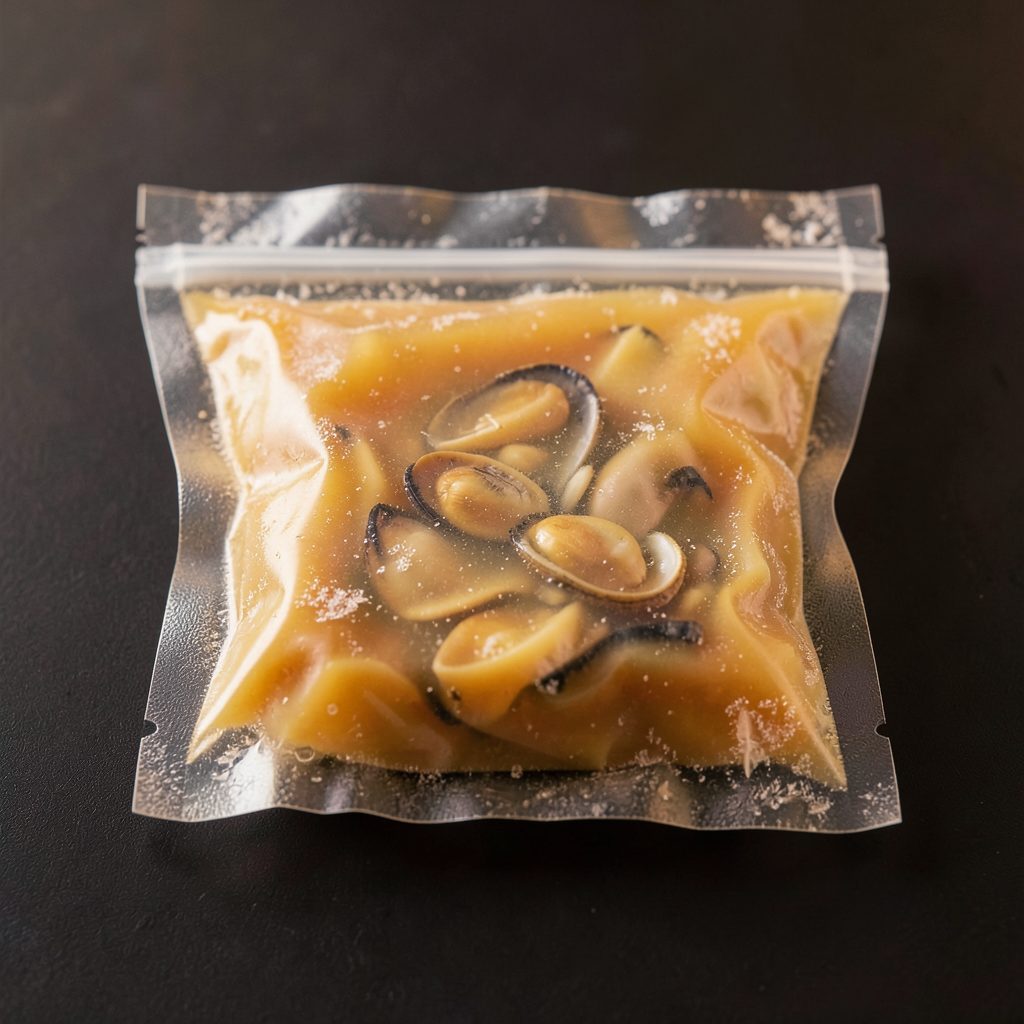
Move a frozen soup base from the freezer to the refrigerator the day before you plan to use it. Place the sealed pack in a shallow dish to catch leaks, especially if it will sit overnight. Slow thawing keeps the broth cold while allowing the block to soften evenly.
If you are short on time, keep the soup base sealed and place it in a bowl of cold water. Change the water when it becomes very cold or icy. Avoid leaving the pack on the kitchen bench during a busy arvo, since Australian food-safety guidance treats the range between 5°C and 60°C as the temperature danger zone.
Use Low, Even Heat
Pour the thawed soup base into a heavy saucepan or hot pot and set the cooktop to low or low-medium. Stir from the bottom every minute or so, as concentrated seasonings can settle while the liquid is chilled. A wide pan helps the broth warm evenly without creating a hot spot in the centre.
An induction cooktop is particularly useful in modern Australian flats because it responds quickly when the heat needs to be lowered. With gas, keep the flame small and centred beneath the pan. The soup should release steady steam and show gentle movement around the edges, rather than large bubbles breaking across the surface.
Know When It Is Ready
For a ready-to-serve broth, aim for approximately 75°C to 85°C. A kitchen thermometer gives the clearest result, but visual signs work too: the soup should be hot, fragrant, and lightly steaming, with no vigorous bubbling. Once it reaches that point, switch the heat to low or use the keep-warm setting.
Do not wait for a rolling boil. Boiling drives off aromatic notes, concentrates salt, and can make some broths taste sharper. It may also cause oil and emulsified ingredients to separate. A gentle reheat keeps the soup base balanced so the flavour develops as diners add meat, seafood, vegetables, tofu, and noodles.
Microwave Small Portions Carefully
Microwaving works well when you need one or two serves rather than a full family hot pot. Transfer the thawed soup base to a microwave-safe jug or bowl, leaving room at the top. Cover it loosely to reduce splatter, then heat at medium power in 45- to 60-second intervals.
Stir thoroughly between each interval so the edges do not become much hotter than the middle. Stop when the broth is steaming and evenly warm. Never microwave a sealed pouch, and take extra care with ceramic bowls, which can feel cool while the liquid inside is very hot.
Build the Table After Reheating
Warm the soup base first, then bring the pot to the table on a portable burner. Keep it just below a simmer while guests cook their ingredients. In a Sydney terrace or a family kitchen in Perth, this staged approach gives everyone time to eat without the broth boiling hard between servings.
Add ingredients according to cooking time. Begin with items such as corn, pumpkin, mushrooms, and fish balls, then add thinly sliced meat, leafy greens, noodles, and delicate seafood closer to serving. If you are using frozen fish, follow these frozen fish mistakes guidelines so the seafood cooks safely and does not become waterlogged.
Avoid Common Reheating Problems
If the soup becomes too concentrated, add a small amount of hot water rather than cold water. Add it gradually and taste after each adjustment. Cold water drops the temperature suddenly and can extend the time the broth spends warming through.
If the broth separates slightly, gentle stirring usually brings the texture back together. Avoid vigorous whisking, which can make a clear clam broth cloudy. Keep a clean ladle for serving and separate raw seafood, raw meat, and cooked ingredients to prevent cross-contamination.
Store Any Leftover Broth Properly
After the meal, cool leftover soup promptly in a shallow container and refrigerate it within two hours. If the room is particularly warm, such as during a humid summer evening in Darwin, refrigerate it sooner. Do not leave the pot sitting on the table until bedtime, even if the burner has been switched off.
Use refrigerated leftovers within a couple of days and reheat only the amount required. The next time, warm it gently using the same low-temperature method, checking the centre of the broth before serving. MoneyCome Mart’s common questions can also help with product-specific storage and preparation details.
A soup base that is hot, steaming, and below a rolling boil is ready for the table. This measured heat protects the Cantonese flavour profile, keeps the texture pleasant, and gives everyone more time to enjoy a relaxed hot pot gathering.
Best Sellers
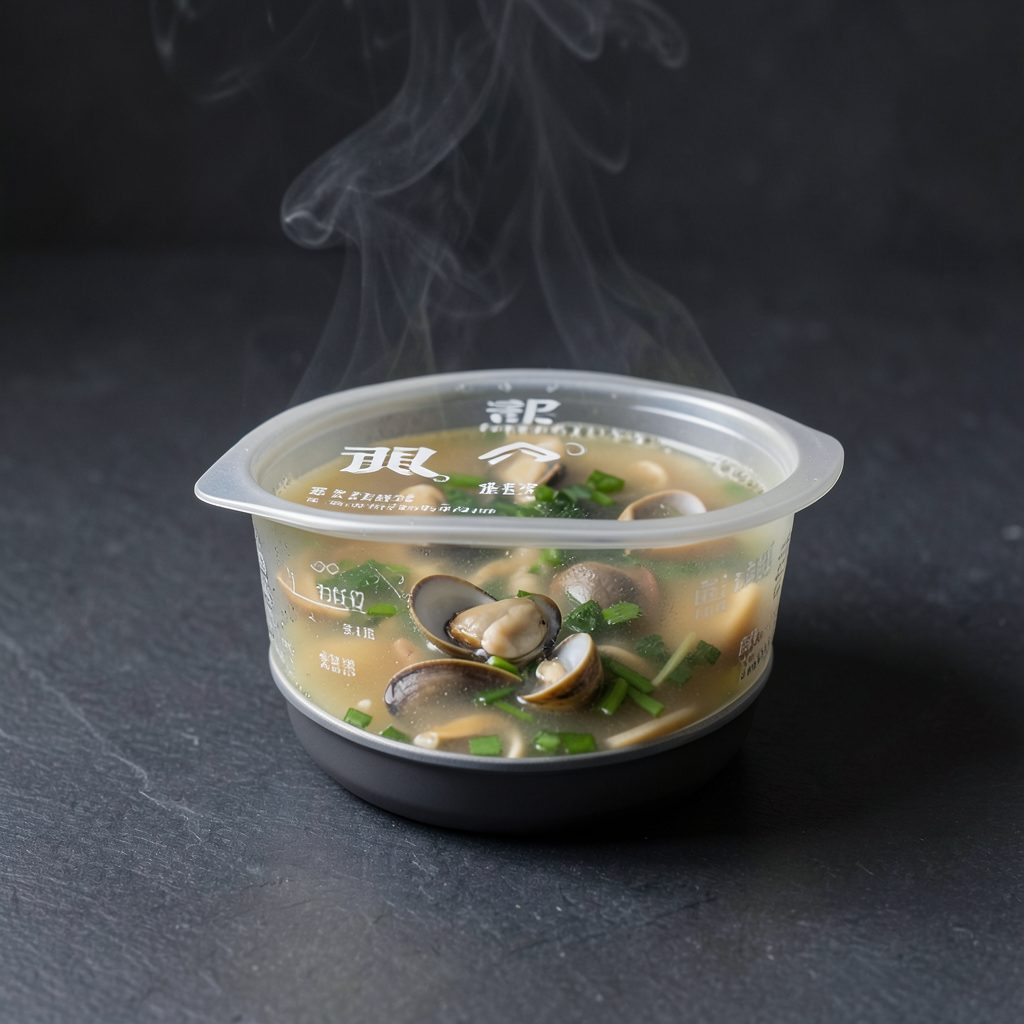
蛤?! Clam Soup Base —卜卜蜆
NT$ —
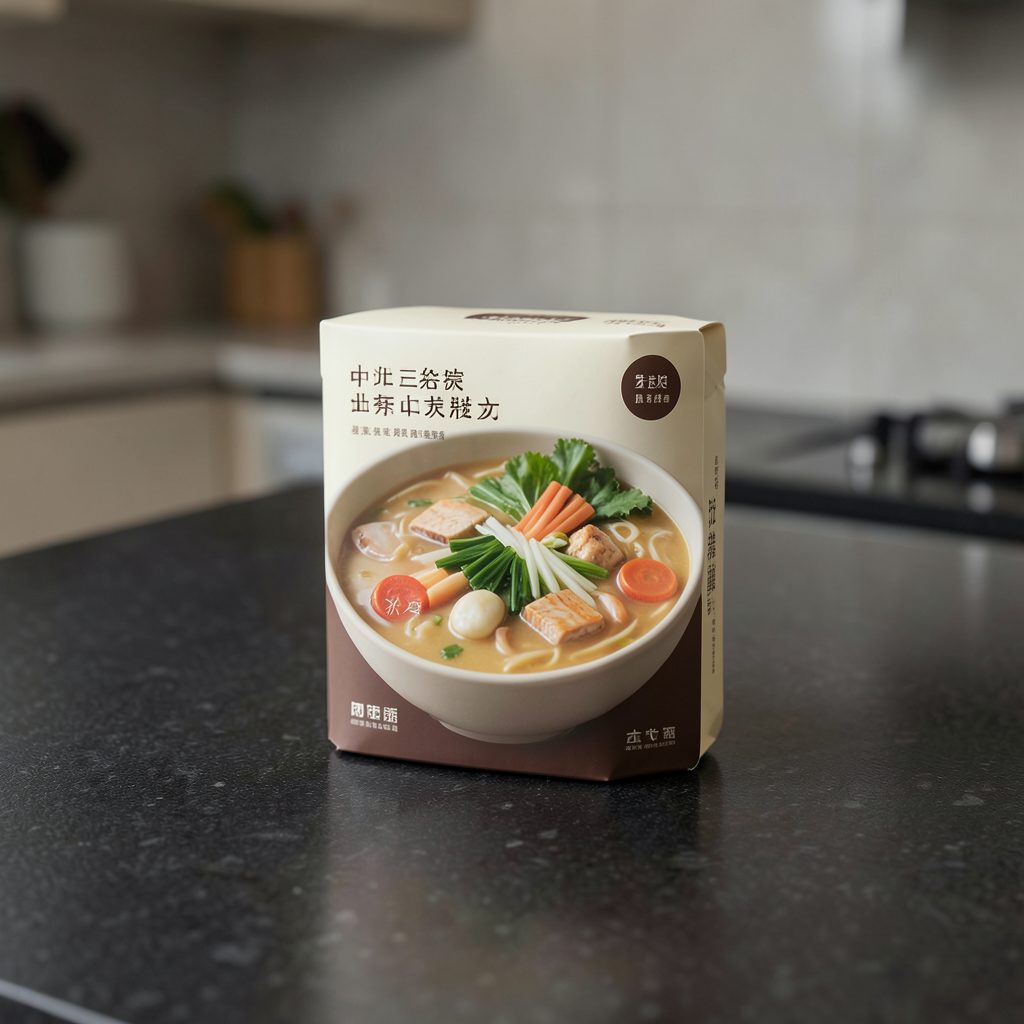
本事滿足鍋物 Personal Pot Base
NT$ —
蛤?! Dry Noodles
NT$ —
Signature Sauce
NT$ —
New Arrivals
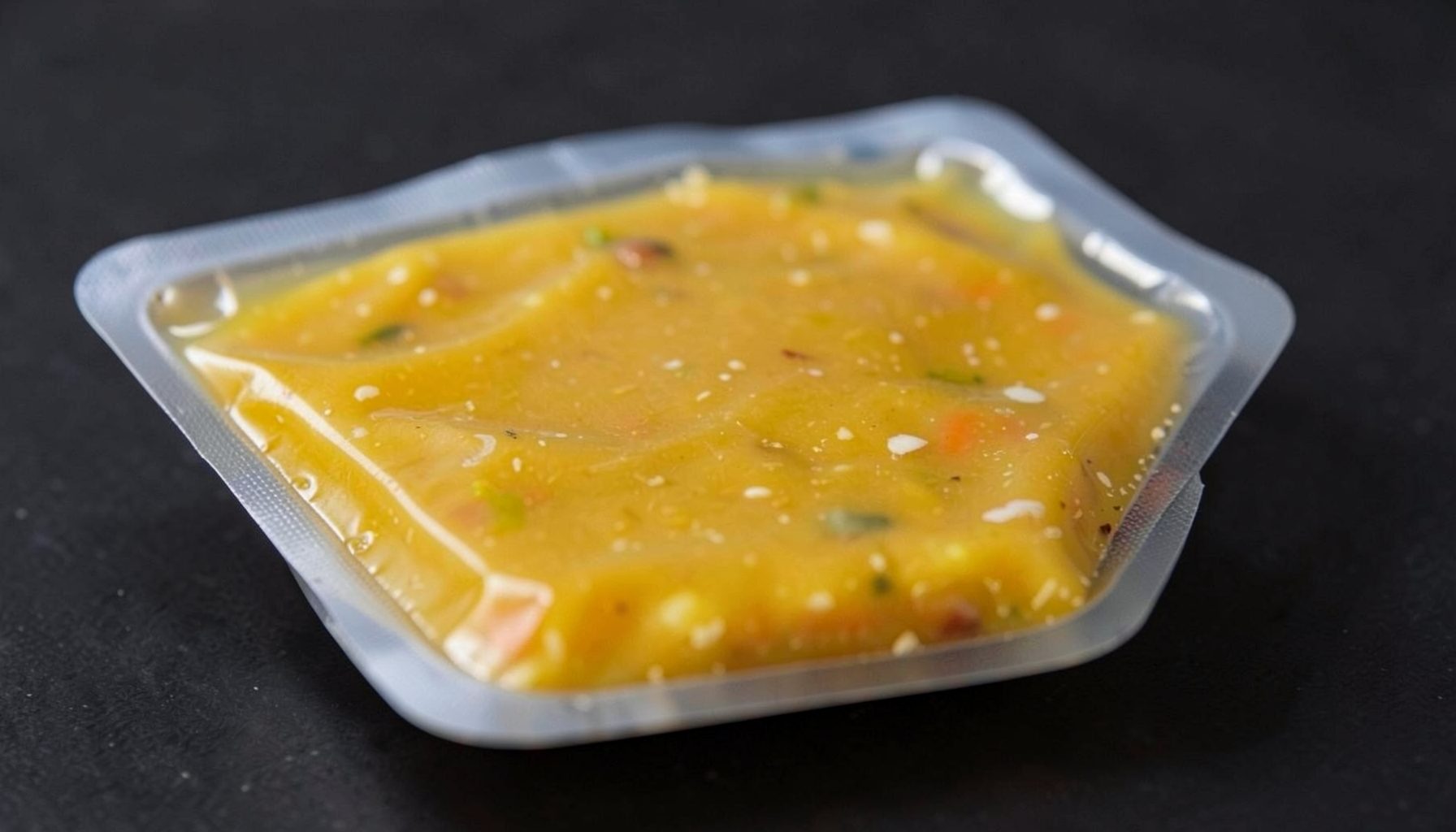
蛤?! Golden Clam Broth — New Batch
NT$ —
Radish Cake —蘿蔔糕精神
NT$ —
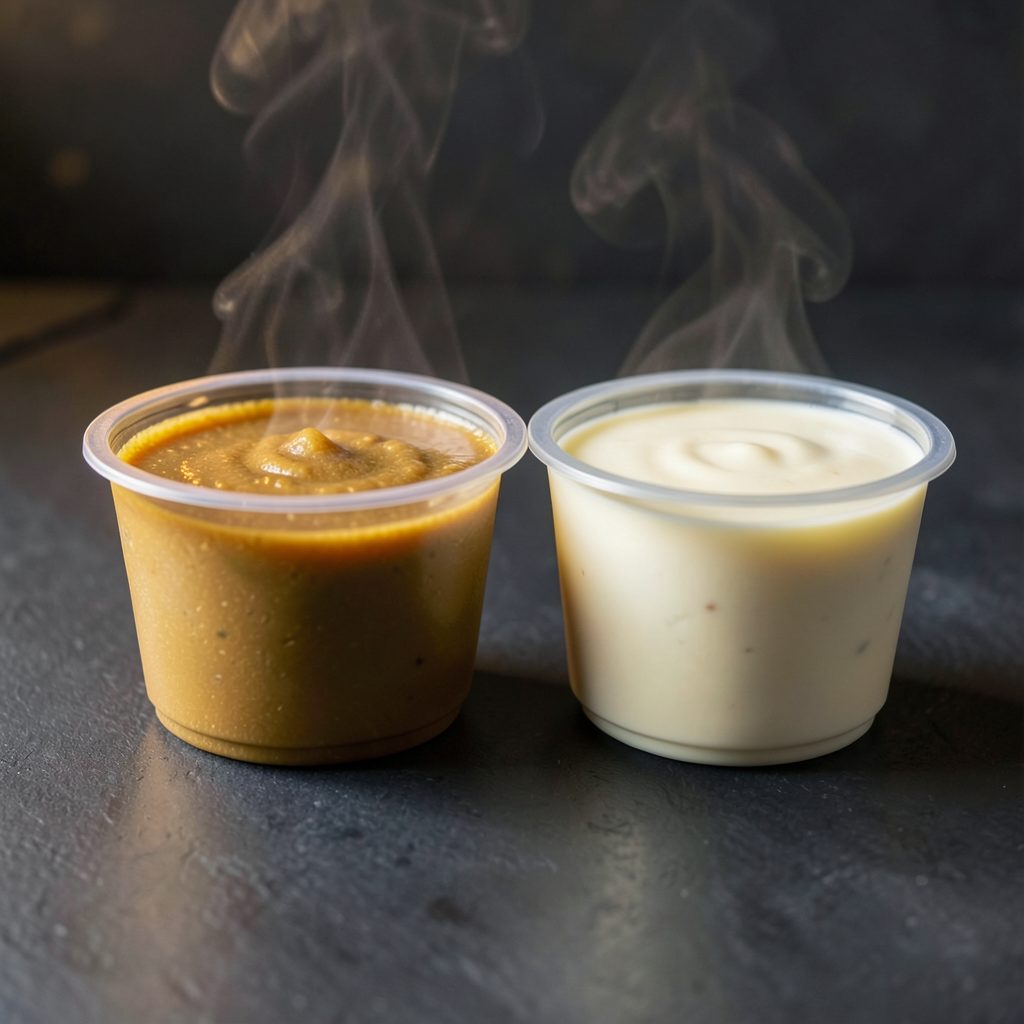
Duo Soup Base Set
NT$ —

Hot Pot Essentials Bundle
NT$ —
About 蛤?! Huh Pot
蛤?! Huh Pot is a Cantonese-style hot pot brand known for its signature clam-based broth —卜卜蜆 — made with rich old-hen stock and generous portions of fresh clams. The brand also encompasses 本事滿足鍋物, a personal hot pot concept, bringing the same depth of flavor to individual servings.
Through MoneyCome Mart, these restaurant-quality soup bases, dry noodles, radish cakes, and signature sauces are available for home delivery across Taiwan. Restaurant locations in Taipei's Da'an District, Civic Boulevard, and Taichung's Gongyi Road also welcome guests for dine-in, with online reservations available.