How to reheat frozen soup bases without losing flavor
A good hot pot broth should taste layered, fragrant, and balanced from the first ladle to the last. Reheating it too quickly can flatten those qualities, especially when the base contains seafood, aromatics, fermented seasonings, or concentrated stock.
MoneyCome Mart’s frozen soup bases are designed for convenient home preparation, but the final result still depends on how you thaw, heat, and season them. Gentle reheating helps preserve the original aroma while giving the broth enough time to become smooth and evenly blended.
The method below works well for Cantonese-style hot pot broths, clam soup bases, and other frozen soup products. Always check the package instructions first, since water ratios, pouch materials, and storage guidance may differ between flavors.
Start with safe thawing
The most reliable method is to move the frozen soup base from the freezer to the refrigerator several hours before your meal. Slow thawing keeps the ingredients at a safer temperature and reduces the chance of scorching the outside while the center remains frozen.
If you need to cook immediately, place the sealed pouch in cool or lukewarm water to loosen the contents. Avoid using boiling water for this step, as sudden heat can affect the packaging and warm the broth unevenly. Never place a package in water unless its label confirms that the material is suitable for that use.
Do not leave a thawing soup base at room temperature for a long period. Once opened, pour it into a clean pot and refrigerate any unused portion promptly, following the storage directions printed on the product.
Choose the right pot and heat level
A heavy-bottomed saucepan or hot pot vessel distributes heat more evenly than a thin pan. Pour in the soup base, then add the recommended amount of water or stock. Starting with too little liquid can make the broth overly salty as it heats and evaporates.
Use low to medium heat and stir every few minutes. The goal is a gradual simmer, not a rolling boil. High heat can drive off delicate aromas, cause oil and water to separate, and concentrate the salt before the broth is ready to serve.
When the soup base is still partly frozen, cover the pot for a short time to retain heat. Once it begins to loosen, uncover it and stir from the bottom so concentrated seasonings do not settle or stick.
Preserve aroma and texture
Aromatics such as garlic, ginger, scallion, dried seafood, and fermented bean ingredients release their best fragrance when the broth warms gradually. If the surface begins bubbling aggressively, lower the heat immediately. A few gentle bubbles around the edge are usually enough.
For clam-based or seafood-forward broths, avoid prolonged boiling before adding the hot pot ingredients. Long, forceful cooking may make seafood flavors taste sharper and can reduce the clean character of the stock. Heat the base until it is fully steaming, then add ingredients in stages.
If you see a light layer of oil on top, stir gently rather than skimming it away automatically. That oil often carries aroma. Remove only excess foam or impurities that affect the appearance of the broth.
Adjust the broth after heating
Frozen soup bases are usually formulated as concentrates or ready-to-use broths, so taste the liquid only after it has fully warmed and been diluted according to the label. Cold broth can seem less aromatic and more intensely seasoned than it will taste at serving temperature.
If the flavor is too strong, add hot water a little at a time. Adding cold water can interrupt the simmer and make it harder to judge the final balance. If the broth tastes too mild, allow it to simmer gently for a few minutes before adding salt or other seasonings.
Fresh ingredients also change the flavor. Cabbage, mushrooms, tofu, fish balls, noodles, and leafy greens release water as they cook, gradually mellowing the soup. For that reason, avoid heavily seasoning the pot before the main ingredients have been added.
Match the method to the soup base
Different broths respond to heat in slightly different ways. A rich or spicy base may need frequent stirring because oils and seasonings settle more readily. A clear clam broth benefits from gentle heating and a shorter time at the simmer.
| Soup base style | Best reheating approach | What to watch for |
|---|---|---|
| Clear clam or seafood broth | Warm over low to medium heat and stir gently | Avoid vigorous boiling and overcooking |
| Spicy or oily broth | Heat gradually with frequent stirring | Prevent oil separation and sticking |
| Creamy or rich broth | Use low heat and add liquid as directed | Do not scorch the bottom |
| Concentrated stock | Dilute before or during heating according to the label | Taste only after it is fully hot |
| Ready-to-use broth | Warm until steaming, then maintain a gentle simmer | Avoid reducing it too far |
For the available range of soup bases, sauces, noodles, and prepared hot pot ingredients, browse the frozen soup selection and check each product’s preparation notes before cooking.
Reheat only what you plan to serve
The best flavor usually comes from heating the amount needed for one meal. Repeated cooling and reheating can gradually weaken fresh aromas and create a thicker, saltier broth as evaporation continues.
If you have leftover broth, strain out solid ingredients before storing it. Cool it promptly in a shallow container, refrigerate it according to food-safety guidance, and reheat it only once more until steaming hot throughout. Do not mix newly heated broth with an older portion unless both have been stored safely.
For a group meal, keep the hot pot at a gentle simmer while serving rather than letting it boil continuously. Add noodles and quick-cooking vegetables near the end, while dense items such as radish, corn, or meatballs can go in earlier.
Simple habits for a better bowl
- Thaw the soup base in the refrigerator when time allows.
- Use low to medium heat and stir from the bottom of the pot.
- Add water or stock gradually, following the package directions.
- Taste after the broth is hot and after moisture-rich ingredients are added.
- Keep the finished hot pot at a gentle simmer instead of a rolling boil.
With careful reheating, a frozen soup base can retain the savory depth, seafood fragrance, and balanced seasoning expected from a restaurant-style hot pot. Prepare the broth gently, add ingredients in the right order, and let each serving stay warm without excessive boiling.
Choose a soup base that suits your next gathering, follow the product instructions, and make your home hot pot the centerpiece of the meal.
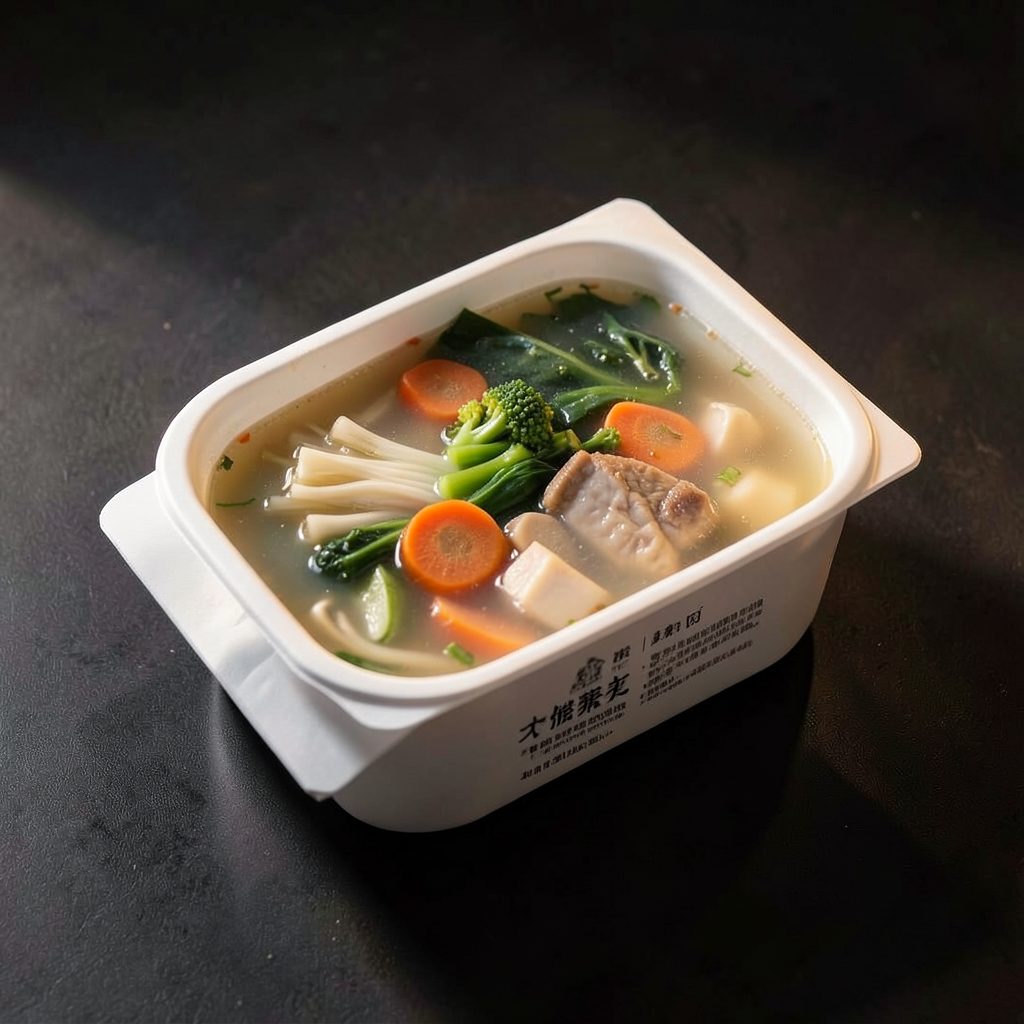
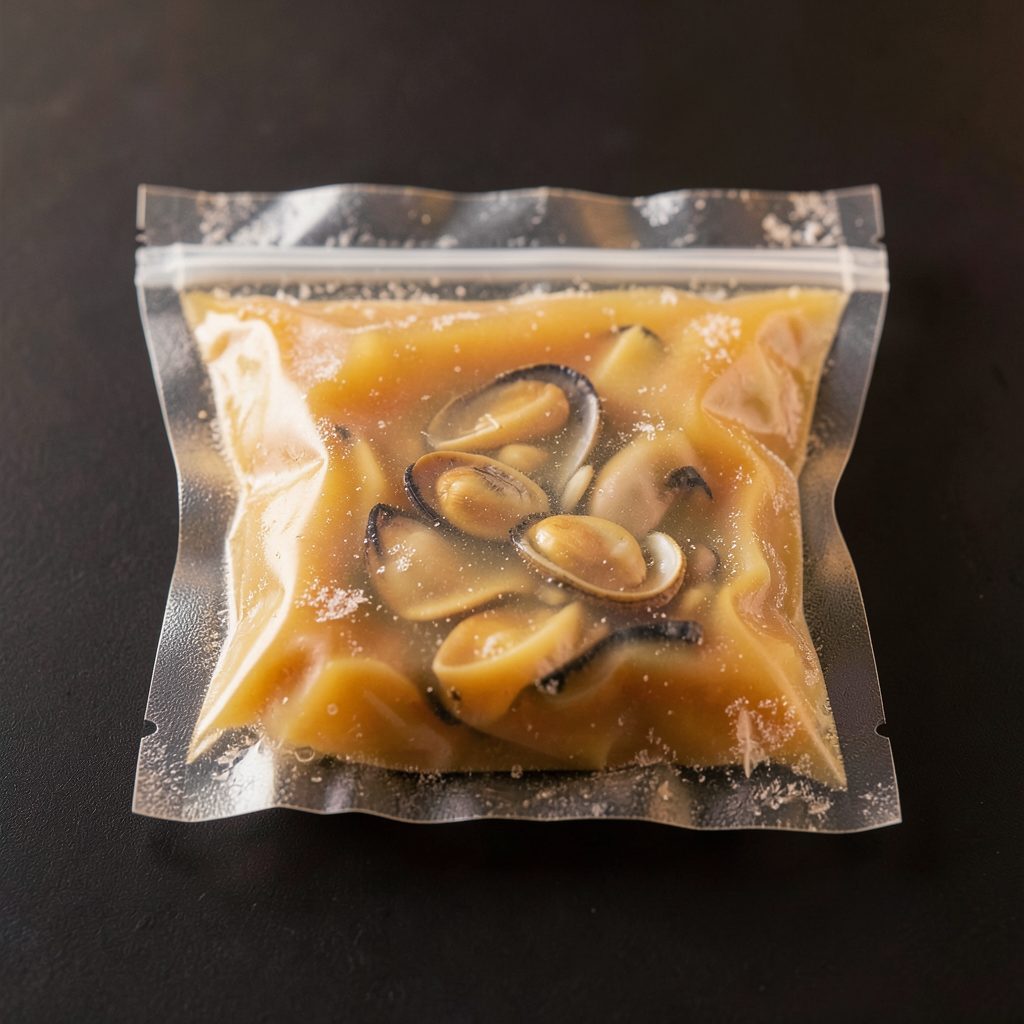
Best Sellers
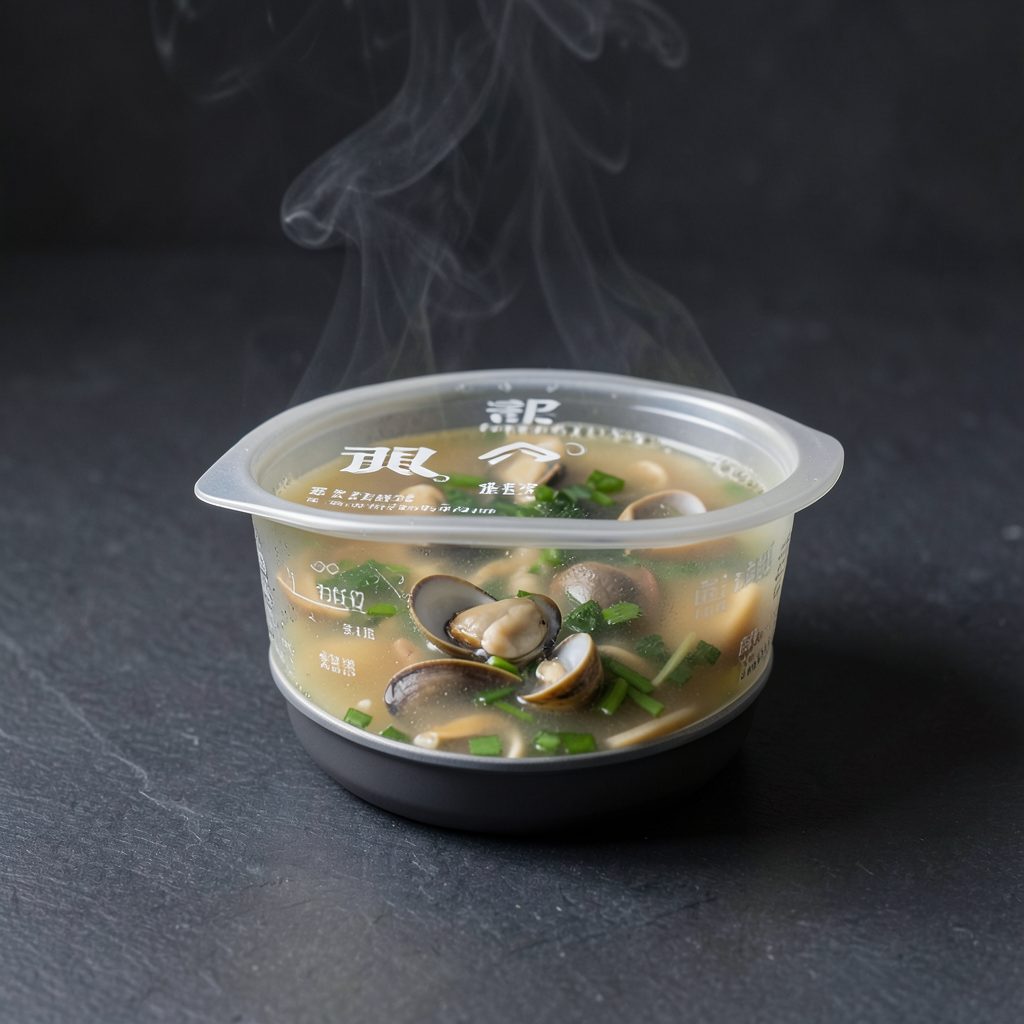
蛤?! Clam Soup Base —卜卜蜆
NT$ —
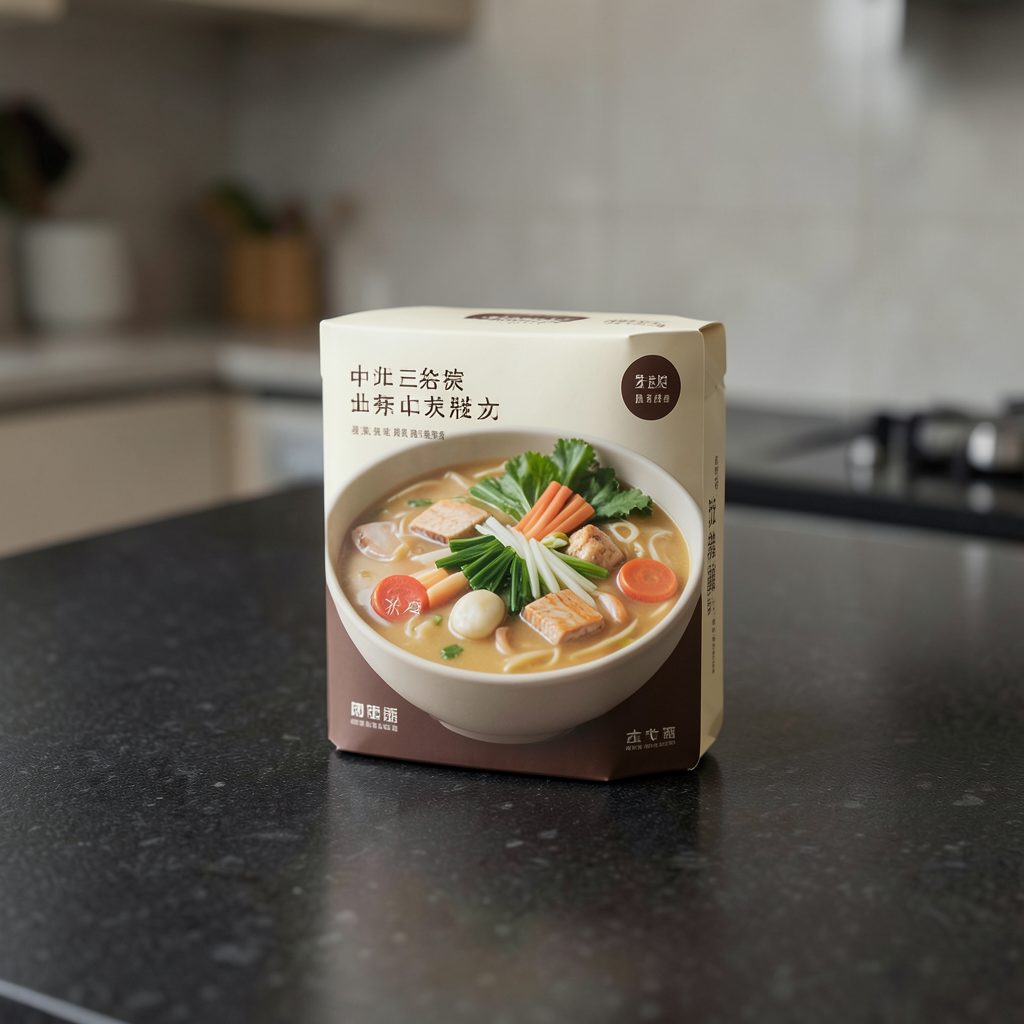
本事滿足鍋物 Personal Pot Base
NT$ —
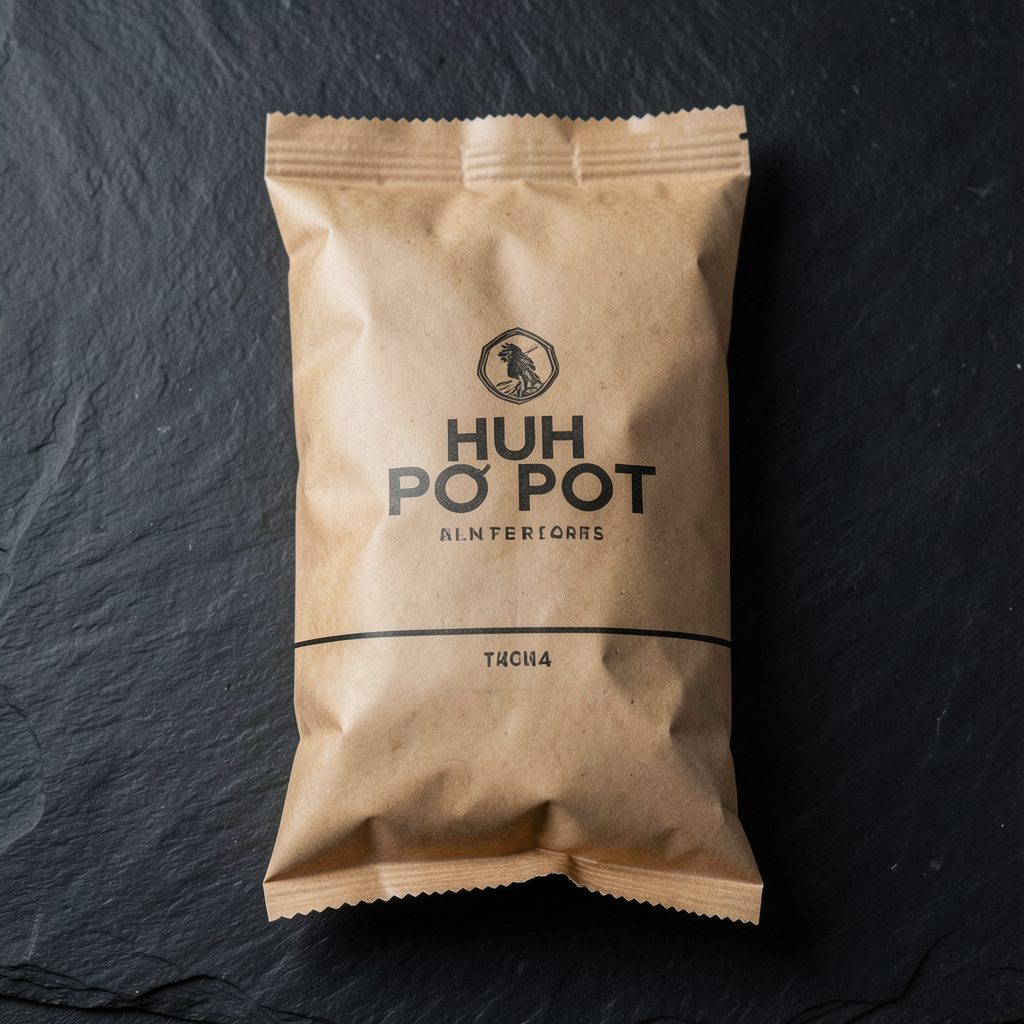
蛤?! Dry Noodles
NT$ —
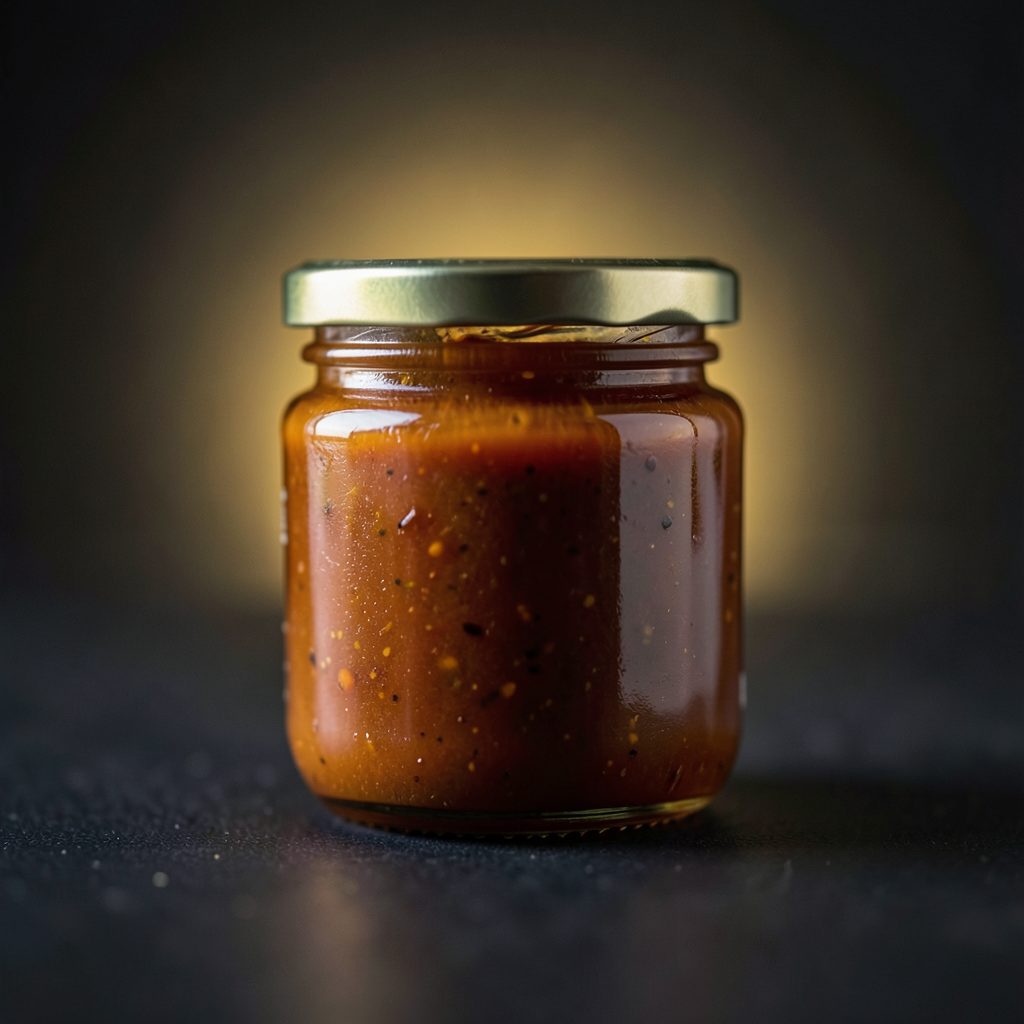
Signature Sauce
NT$ —
New Arrivals
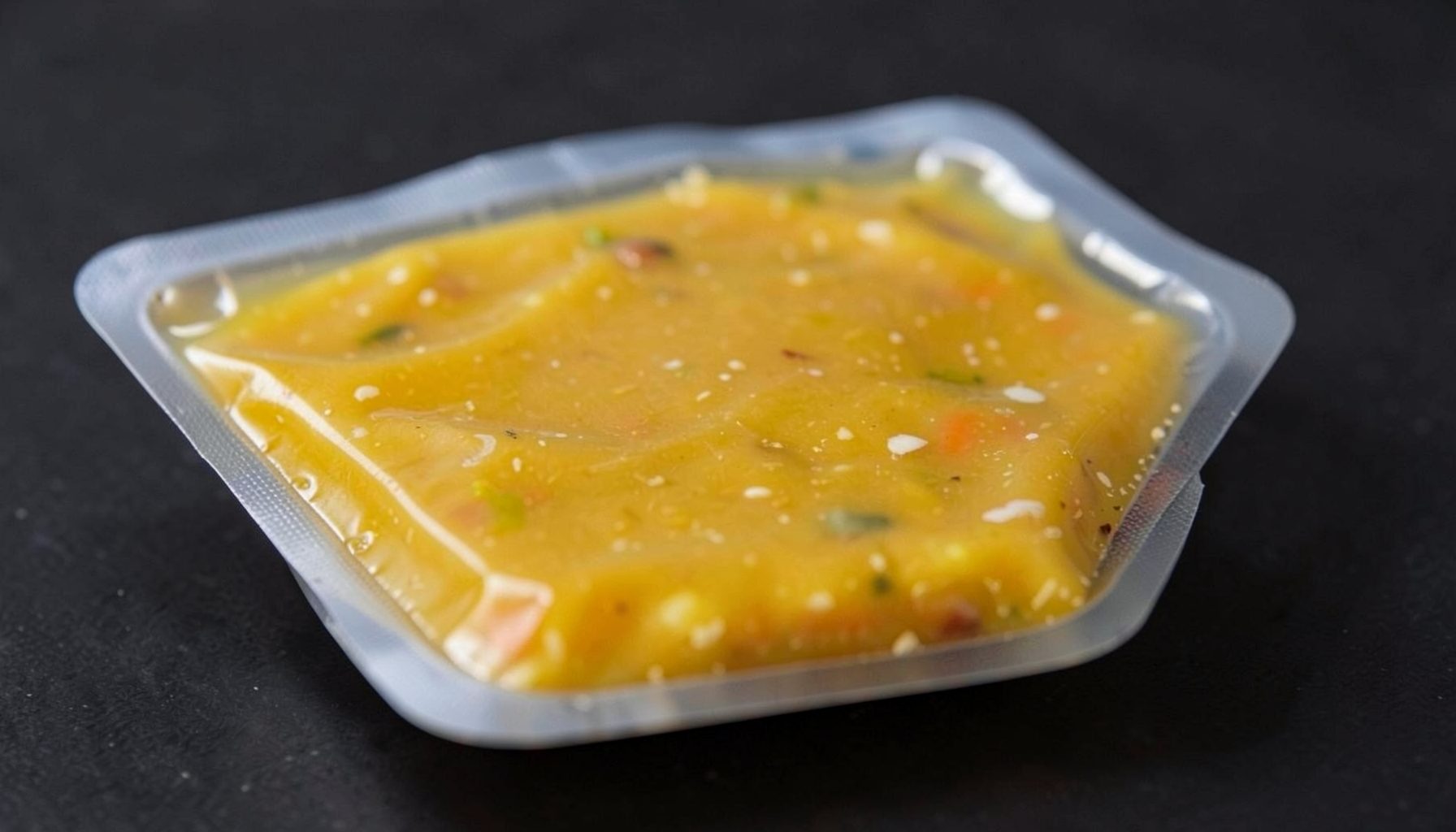
蛤?! Golden Clam Broth — New Batch
NT$ —
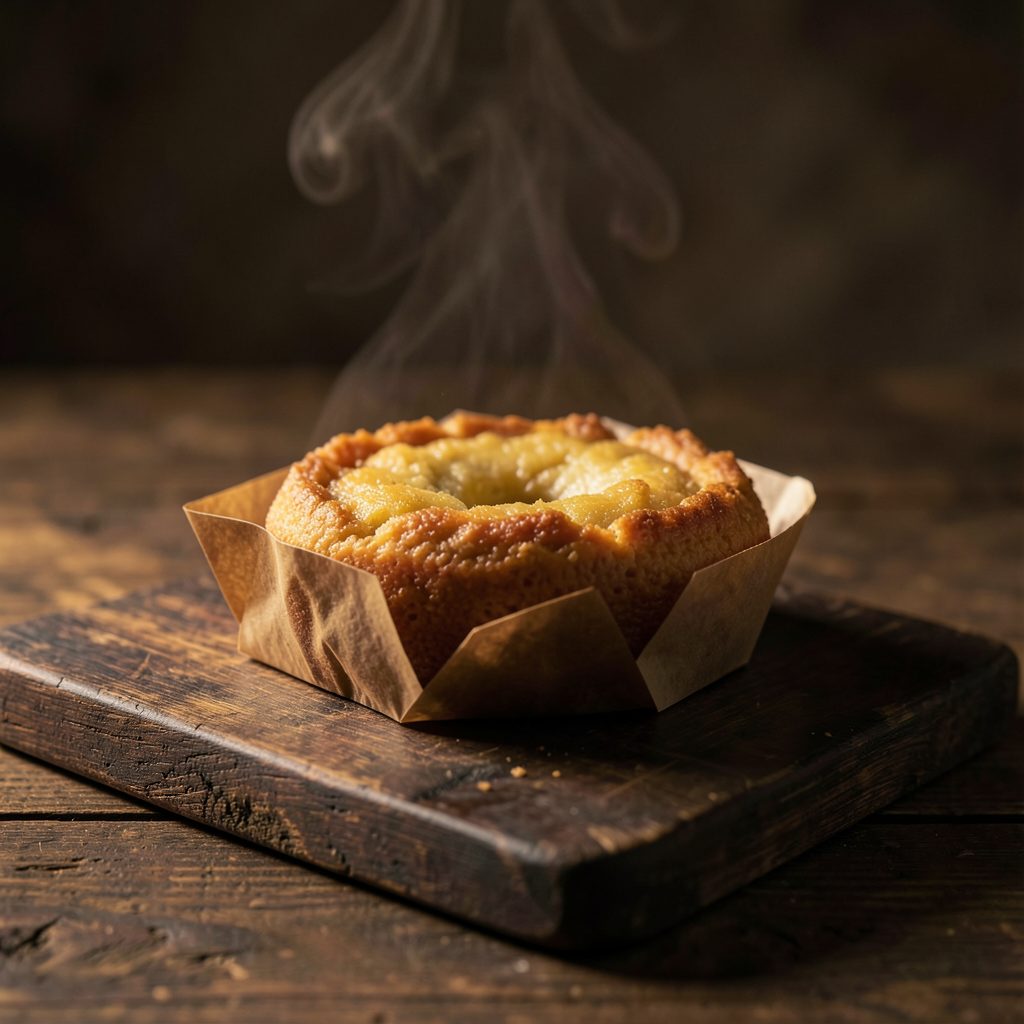
Radish Cake —蘿蔔糕精神
NT$ —
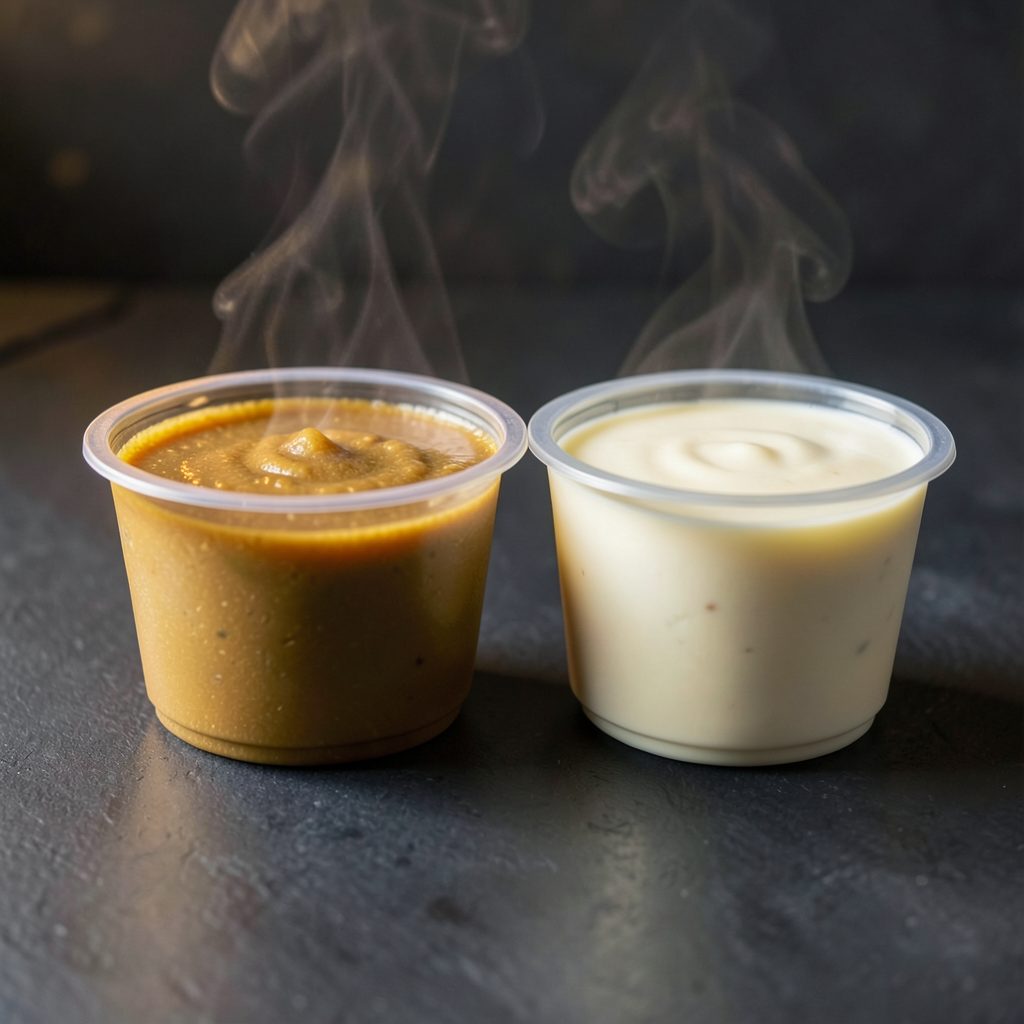
Duo Soup Base Set
NT$ —
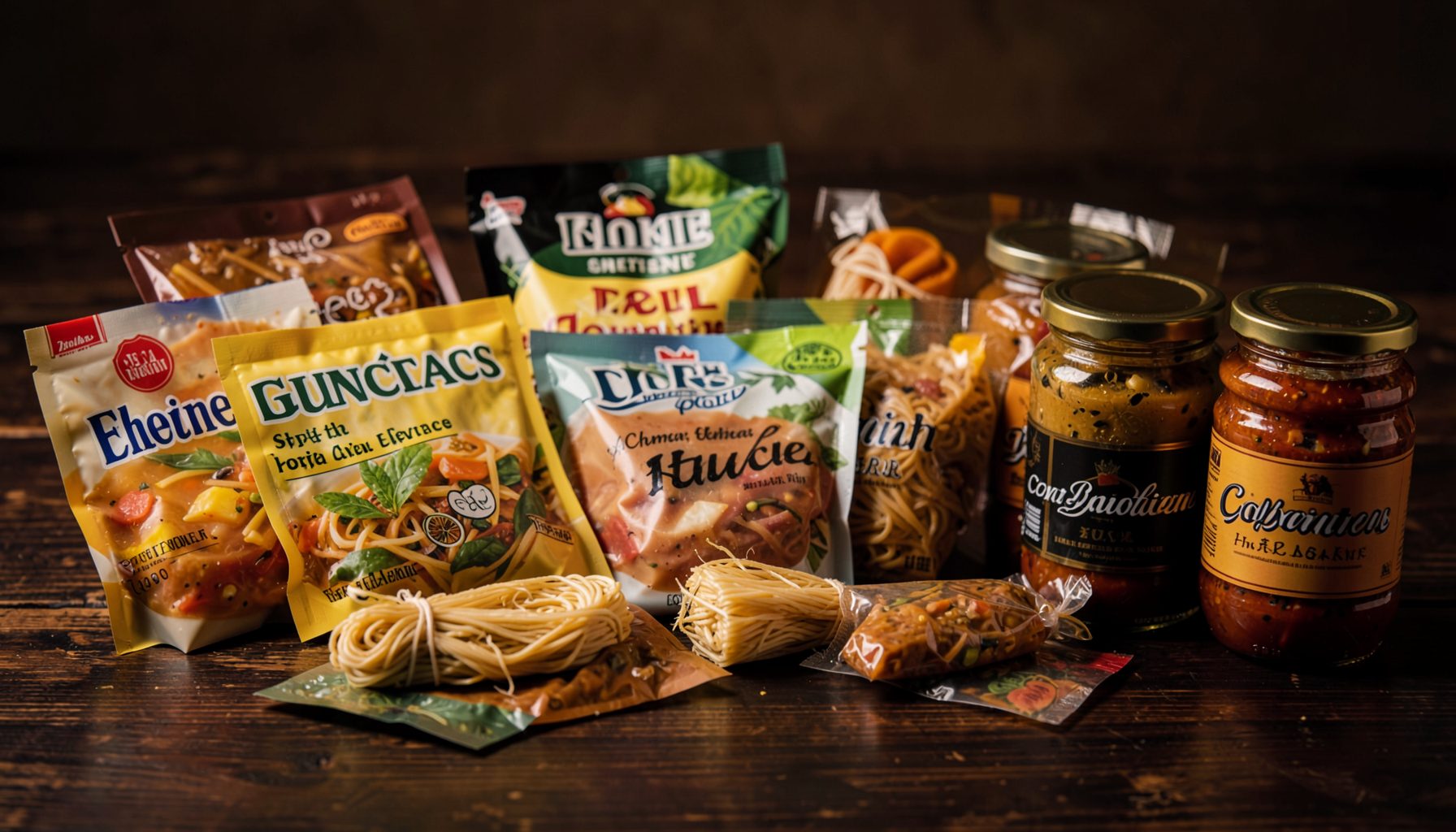
Hot Pot Essentials Bundle
NT$ —
About 蛤?! Huh Pot
蛤?! Huh Pot is a Cantonese-style hot pot brand known for its signature clam-based broth —卜卜蜆 — made with rich old-hen stock and generous portions of fresh clams. The brand also encompasses 本事滿足鍋物, a personal hot pot concept, bringing the same depth of flavor to individual servings.
Through MoneyCome Mart, these restaurant-quality soup bases, dry noodles, radish cakes, and signature sauces are available for home delivery across Taiwan. Restaurant locations in Taipei's Da'an District, Civic Boulevard, and Taichung's Gongyi Road also welcome guests for dine-in, with online reservations available.