How to Reheat Frozen Soup Bases Without Losing Flavor
A good hot pot broth should taste rounded, aromatic, and full-bodied after reheating. Poor heating can flatten delicate seafood notes, scorch concentrated seasonings, or leave the soup unevenly diluted. The goal is to restore the base gently while preserving its original balance.
Frozen Cantonese soup bases are especially convenient for home meals in Taiwan. They bring restaurant-style flavor to the table with little preparation, provided the broth is thawed safely and warmed at a controlled temperature.
Whether you are preparing clam broth, a rich herbal base, or a spicy soup concentrate, small details make a noticeable difference. The right pan, heat level, and finishing adjustments can turn a frozen portion into a satisfying hot pot soup.
Start With Safe Thawing
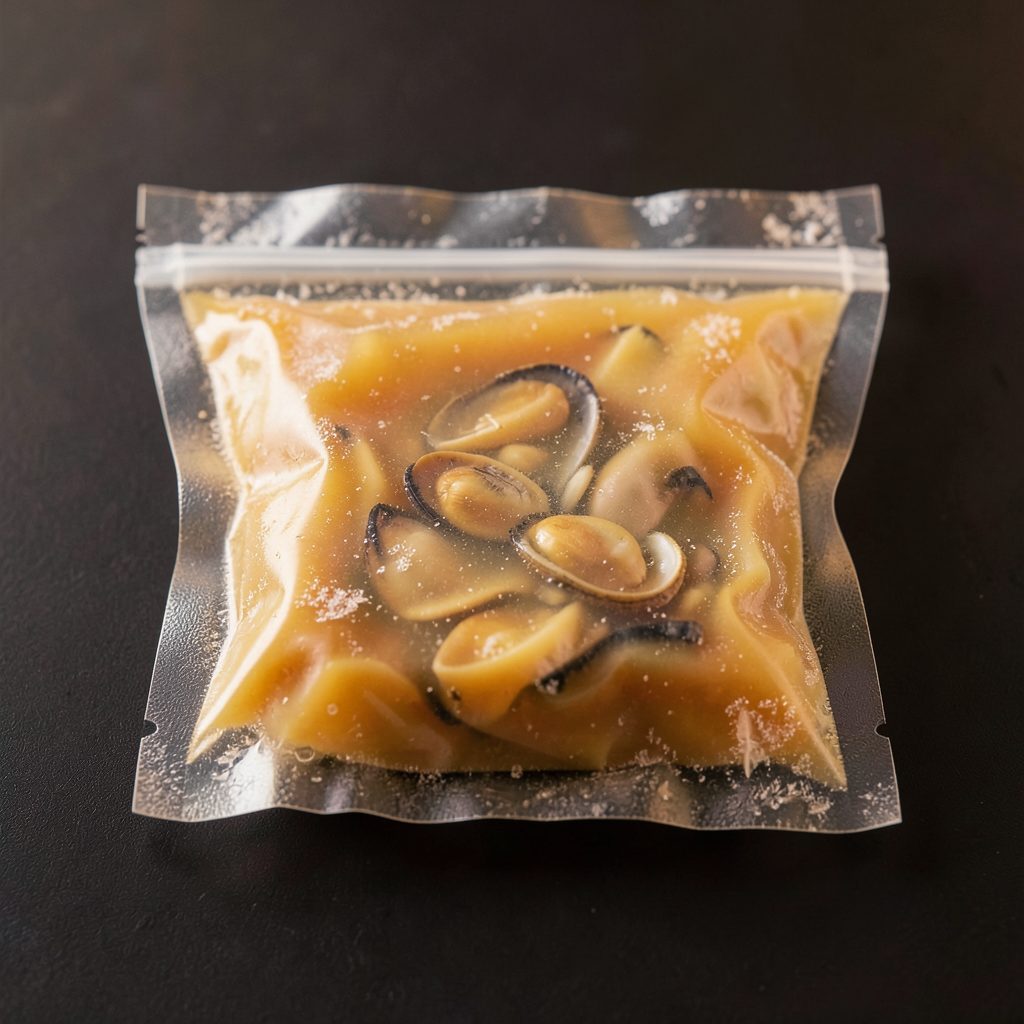
The safest method is to move the frozen soup base from the freezer to the refrigerator several hours before cooking. Overnight thawing works well for larger packs, while smaller portions may soften within four to six hours. Keep the package sealed during this process to prevent drips and protect the broth from other foods.
When time is limited, place the unopened container in a bowl of cold water and change the water periodically. Avoid leaving the soup base at room temperature for extended periods. Slow, cold thawing helps preserve the texture of ingredients and reduces the risk of uneven warming later.
Use Gentle, Even Heat
Transfer the thawed broth to a heavy saucepan or hot pot and warm it over low to medium heat. Stir from the bottom as the liquid loosens, especially if seasonings or fats have settled during freezing. Gentle reheating allows the aromatics to open gradually without burning concentrated ingredients.
A rolling boil is usually unnecessary. Excessive heat can make seafood-based broths taste harsh and can cause saltiness to become more pronounced as water evaporates. Stop when the soup is fully hot and lightly steaming, then maintain a low simmer only if you are adding ingredients immediately.
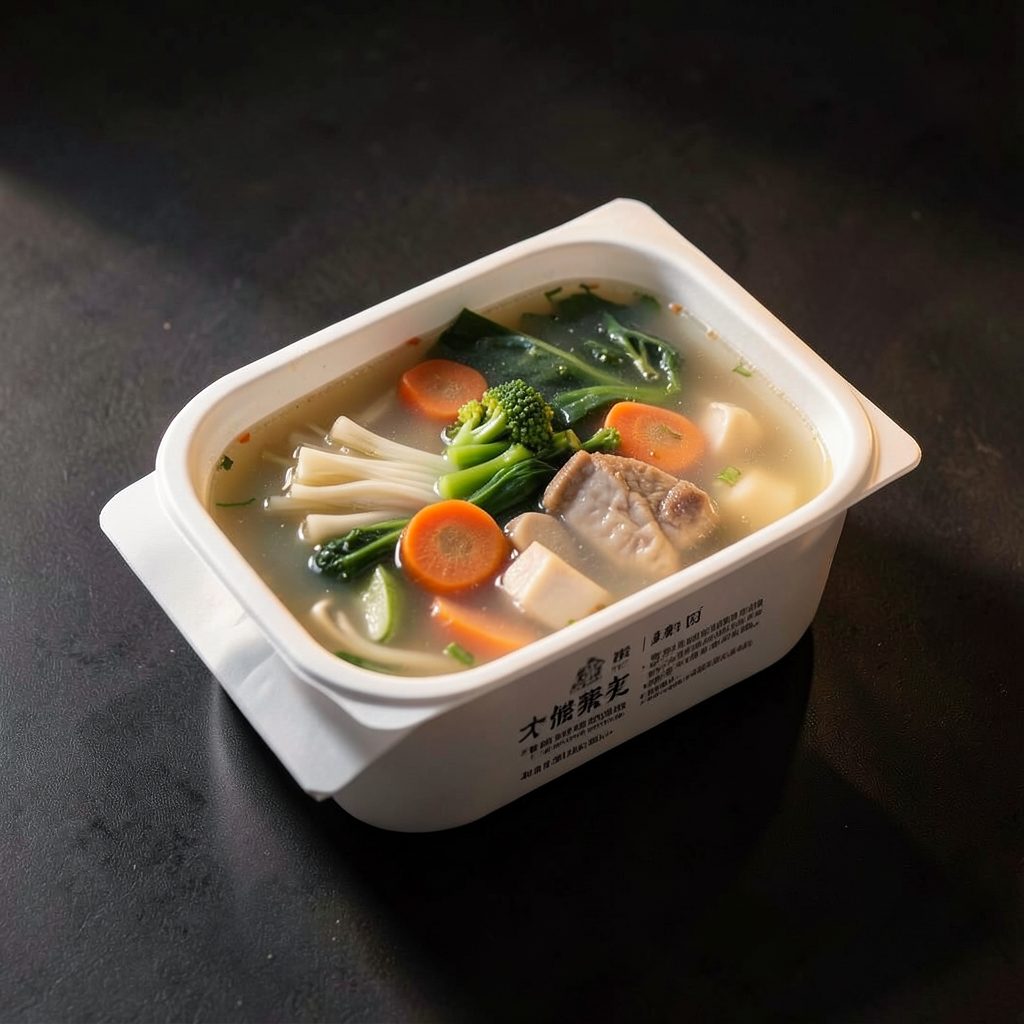
For a convenient reference when choosing your next meal, explore these frozen soup bases, which are designed for simple preparation and cold-chain delivery.
Restore the Broth’s Balance
Freezing may slightly change the way salt, oil, and aromatic flavors are perceived. Taste the soup after it has warmed completely, rather than seasoning it while it is still partially frozen. If the flavor seems too concentrated, add a small amount of hot water or unsalted stock.
If the broth tastes muted, add flavor in small increments. A few drops of sesame oil, a little white pepper, sliced scallion, or fresh ginger can brighten the soup without covering its original character. For clam or seafood broths, use light additions so the natural briny flavor remains clear.
Do not add large amounts of cold water directly to a hot pot. It can interrupt the heating process and make the broth taste thin. Warm any extra liquid first, then incorporate it gradually while stirring.
Match the Method to the Soup
Different soup bases respond to heat in different ways. Clear seafood broths benefit from a shorter, gentler warming period, while thicker or oil-rich bases may need more stirring to blend the ingredients evenly. A spicy or heavily seasoned broth should be checked frequently because its salt and chili intensity can increase as it simmers.
| Soup base style | Best reheating approach | Flavor adjustment |
|---|---|---|
| Clear clam or seafood broth | Low heat with gentle stirring | Add hot water only if concentrated |
| Herbal or medicinal broth | Warm slowly and avoid vigorous boiling | Finish with scallion or ginger |
| Spicy soup base | Use medium-low heat and stir often | Balance with unsalted stock |
| Thick, oil-rich broth | Loosen gradually in a saucepan | Mix thoroughly before tasting |
Microwave reheating is possible for individual servings, but use a microwave-safe container with room at the top. Cover it loosely, heat in short intervals, and stir between each interval. This prevents hot spots and helps the surface oils blend back into the soup.
Add Ingredients at the Right Time
Wait until the broth is fully reheated before adding noodles, dumplings, vegetables, or sliced meats. Frozen ingredients can release water and lower the temperature, which may leave the soup unevenly seasoned. Bringing the base to a gentle simmer first creates a better cooking environment.
Place ingredients in stages according to cooking time. Fish balls, mushrooms, and root vegetables may need longer cooking, while leafy greens, tofu, and thin-sliced meat can be added later. This keeps the broth from becoming cloudy or overcooked while preserving each ingredient’s texture.
Noodles deserve particular care. Cook them separately when possible, especially if they release starch quickly. Adding cooked noodles directly to the serving bowl helps keep the soup clear and prevents them from absorbing too much broth.
Keep Reheated Portions Fresh
Only warm the amount you expect to serve. Repeated cycles of cooling and reheating can reduce flavor quality and create unnecessary food-safety concerns. If extra soup remains, cool it promptly in a shallow container, refrigerate it, and reheat it thoroughly for the next meal.
Use clean utensils when serving and avoid returning cooked ingredients to the storage container. A separate ladle for the communal hot pot also helps maintain better hygiene and keeps the remaining broth suitable for later use.
Practical Ways To Preserve Flavor
- Thaw the soup base in the refrigerator whenever possible.
- Use low to medium heat instead of a hard boil.
- Stir gently from the bottom as the broth loosens.
- Taste before adding salt, soy sauce, water, or stock.
- Add noodles and delicate vegetables after the broth is fully hot.
A carefully reheated soup base gives you a stronger foundation for a relaxed home hot pot. Choose a portion that fits your group, warm it slowly, and finish the meal with fresh ingredients that complement its Cantonese character. Browse MoneyCome Mart’s prepared hot pot selections and bring restaurant-quality broth to your next gathering.
Best Sellers
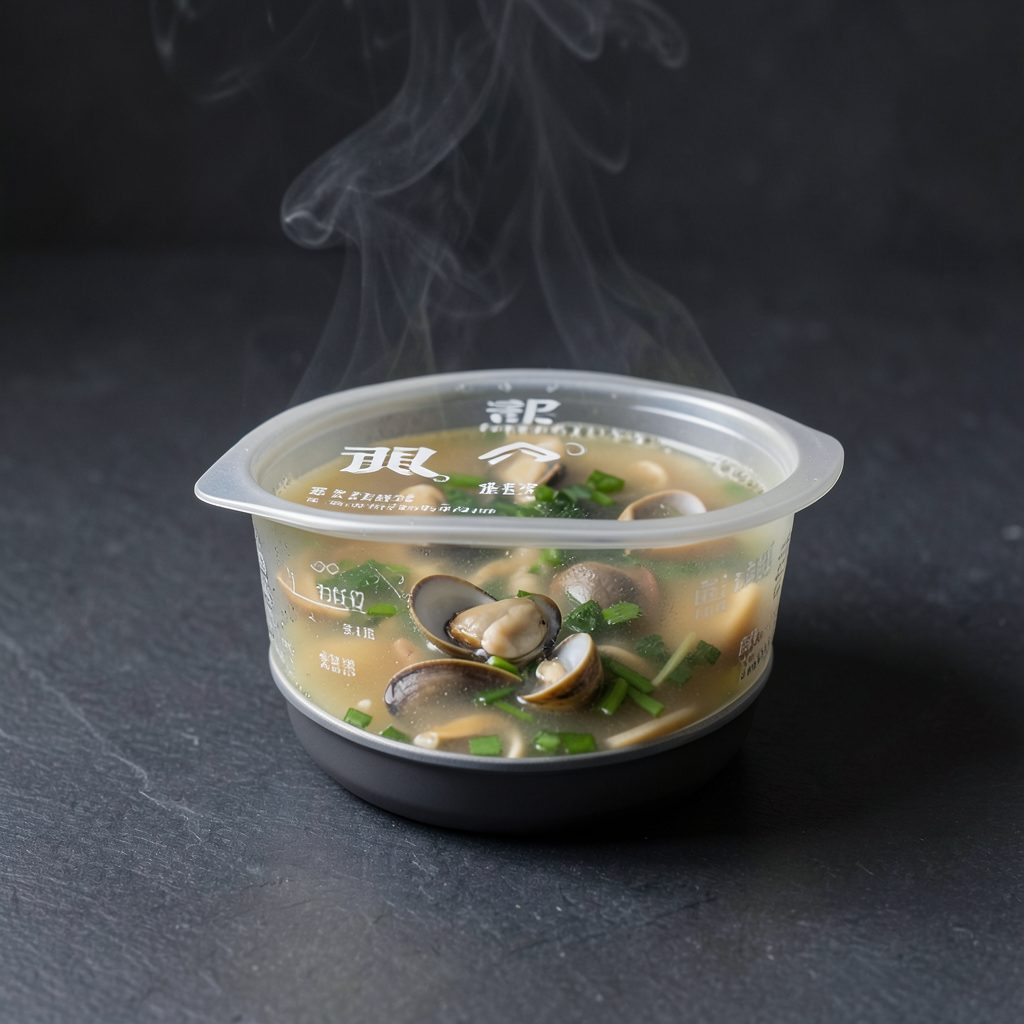
蛤?! Clam Soup Base —卜卜蜆
NT$ —
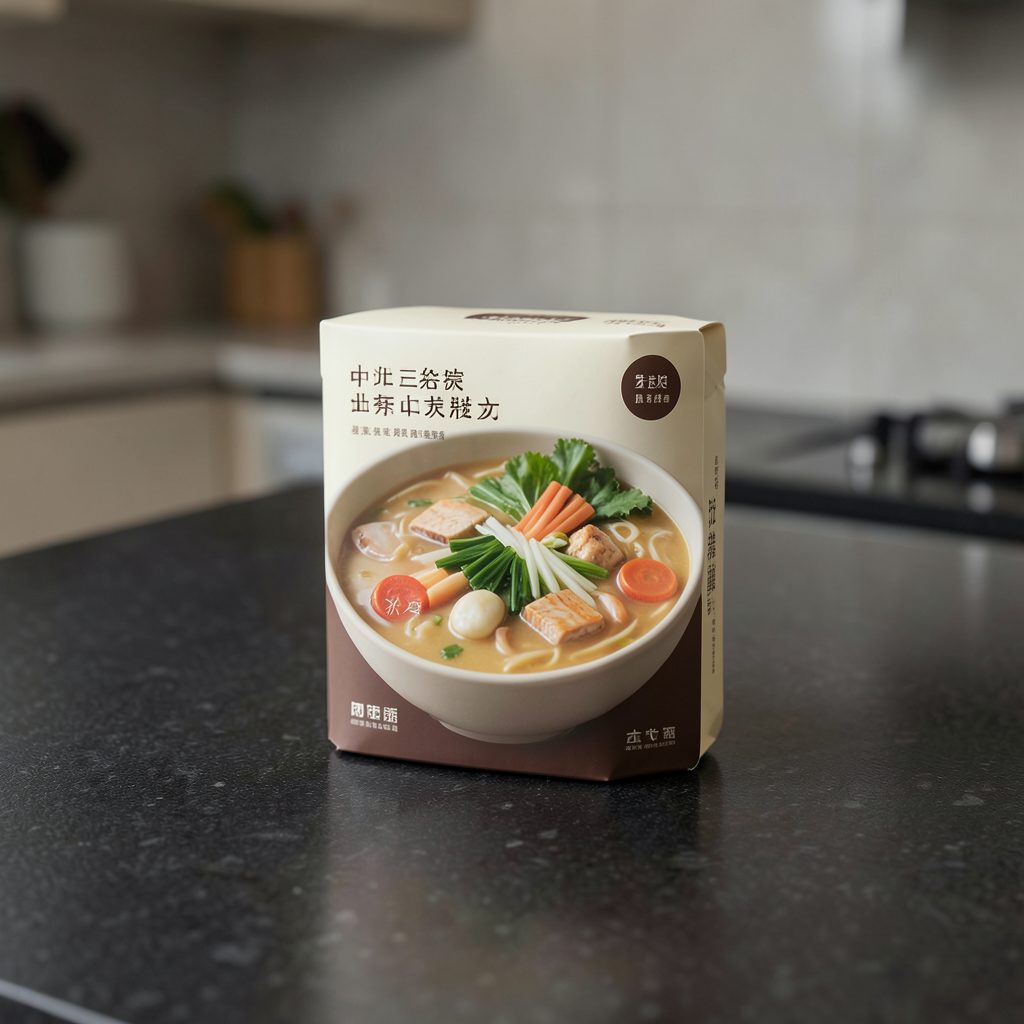
本事滿足鍋物 Personal Pot Base
NT$ —
蛤?! Dry Noodles
NT$ —
Signature Sauce
NT$ —
New Arrivals
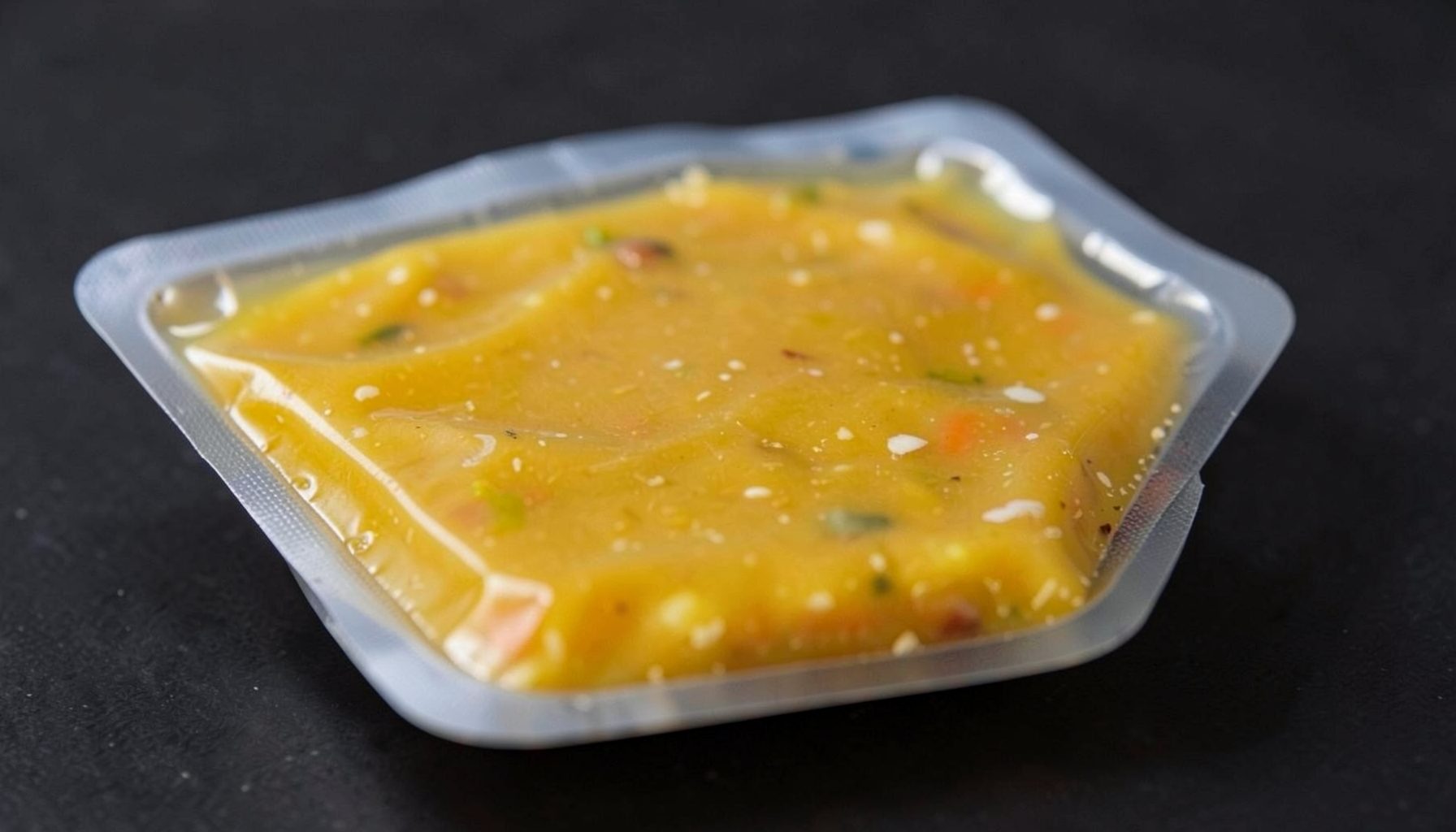
蛤?! Golden Clam Broth — New Batch
NT$ —
Radish Cake —蘿蔔糕精神
NT$ —
Duo Soup Base Set
NT$ —
Hot Pot Essentials Bundle
NT$ —
About 蛤?! Huh Pot
蛤?! Huh Pot is a Cantonese-style hot pot brand known for its signature clam-based broth —卜卜蜆 — made with rich old-hen stock and generous portions of fresh clams. The brand also encompasses 本事滿足鍋物, a personal hot pot concept, bringing the same depth of flavor to individual servings.
Through MoneyCome Mart, these restaurant-quality soup bases, dry noodles, radish cakes, and signature sauces are available for home delivery across Taiwan. Restaurant locations in Taipei's Da'an District, Civic Boulevard, and Taichung's Gongyi Road also welcome guests for dine-in, with online reservations available.