A Lunar New Year hot pot menu for Australian homes
How to Put Together a Hot Pot Menu for a Lunar New Year Gathering is mostly an exercise in balance: enough food to feel generous without turning the host into a full-time cook. For an Australian summer gathering, plan a late lunch or early dinner, set out small plates, and let the table move at its own pace.
A Cantonese-style hot pot works well because the broth supplies the identity. MoneyCome Mart’s Taiwanese range for 蛤?! Huh Pot and 本事滿足鍋物—frozen soup bases, clam broths, sauces, noodles and prepared ingredients—shows the intended style, although its home delivery service covers Taiwan rather than Australia. Hosts in Sydney, Melbourne, Brisbane or Adelaide should start with a Chinese or Asian supermarket and use Woolworths or Coles for missing basics.
Set the format before you shop
First, choose a single broth-led format rather than planning several unrelated cuisines. Cantonese hot pot can cover the table with one pot and a few add-ins, which suits a relaxed gathering where conversation matters more than a fixed courses menu. Ask about dietary needs when guests RSVP, but keep the final choices simple.
Set small serving bowls, chopsticks, soup spoons and one small plate for each person. Each diner can place cooked food in a personal bowl, leaving the shared pot uncluttered and making it easier to replenish. Because the lunar date changes each year, confirm the occasion with guests and order frozen stock several days ahead.
Choose broths for broad Australian palates
Choose one main broth and, at most, one contrasting pot. A clear chicken or seafood broth suits diners who prefer clean, delicate flavours, while a chilli or herbal base can serve adventurous guests without forcing everyone into the same bowl. It also prevents the spread from becoming unnecessarily expensive.
Clam broth is a natural centrepiece for a Cantonese-style meal, especially with mushrooms, greens and thinly sliced meat. If using a packaged soup base, follow its salt level before adding soy sauce. Australian supermarkets often stock larger, milder formats, while specialist Asian stores carry concentrated bases and specialty sauces for a more restaurant-style result.
Build a generous but balanced ingredient line
Divide the ingredients across meat, seafood, vegetables and noodles. For meat, offer two textures, such as thin beef and sliced chicken, rather than six overlapping plates. Seafood can include prawns and fish, while tofu, leafy greens, mushrooms and root vegetables keep the menu accessible to different preferences.
Use turnip cake as one prepared specialty rather than making it the only feature. It adds texture and a familiar festive note without requiring much work at the table. For the Taiwanese context behind the style, the background of 蛤?! Huh Pot is available in the brand story, which helps explain the soup-and-ingredient format the store presents.
Balance sauces, vegetables and noodles
Build the flavour lineup in two groups: dips for the table and ingredients for the pot. Keep each option distinct so guests can compose their own bites rather than swimming everything through one heavy sauce.
- Light soy sauce with rice vinegar and sesame oil for a familiar dip
- Chilli oil for heat, served in a separate bowl
- Fried garlic and shallots for a fragrant spoonful
- Chilli-garlic sauce with vinegar for a sharper alternative
The pot itself needs enough bulk to become a meal rather than a snack. Choose fresh greens, mushrooms and tofu alongside the seafood and meat, then add noodles or pan-fried turnip cake near the end so they do not overwhelm the broth.
- Bok choy, napa cabbage and winter greens
- Enoki, shiitake and other quick-cooking mushrooms
- Frozen prawns, fish fillets or thin beef slices
- Egg noodles, udon and turnip cakes
Allow one item from each category, but buy modest quantities of expensive seafood. Extra noodles and greens can be added later, whereas an overfilled table loses the generous, organised feel that makes hot pot inviting.
Buy locally and protect the cold chain
Frozen broths, seafood and meat should stay frozen from purchase to cooking. Bring an insulated bag and gel packs, then put those items into the freezer before collecting chilled or fresh ingredients. In a warm Australian kitchen, this short separation matters more than leaving everything in one outdoor bag. Cold-chain handling is also central to MoneyCome Mart’s delivery service across Taiwan.
Check the destination of every online link when comparing seasonal offers: a search for a Lunar New Year bundle can also surface unrelated pages such as daily jackpot bonuses, which have no bearing on the ingredients or quantities you need. Compare prices, pack sizes and cold-chain promises directly with Asian grocers instead.
Set up the table and cooking order
A portable induction ring is useful if the host has a clear surface and access to a nearby outlet; check the appliance’s voltage and wattage before the day. Keep the control area away from broth splashes and give the induction ring enough ventilation. Where a built-in gas burner is already suitable, a stockpot can offer more capacity for a larger group.
Bring the broth to a simmer first, then cook vegetables and firm ingredients before meat and seafood. Add noodles near the end and keep a separate plate for raw proteins. This order reduces the need for several sauce choices and prevents delicate items from sitting in hot broth while everyone eats.
Serve smoothly and handle leftovers
Call out each stage as it is ready, beginning with broth and greens, followed by meat, seafood and noodles. Let everyone build their own bowls, then top up the pot with fresh broth if the liquid reduces too quickly. A simple “help yourself” sign fits the informal tone many Australian hosts use for shared lunches.
Plan storage before the gathering starts. Refrigerate cooked meat and seafood promptly, and use cooked vegetables and noodles within a safe short period. Food Standards Australia New Zealand advises refrigerating leftovers within two hours, or within one hour when the ambient temperature is above 40°C. Refrigerate broth separately if it contains seafood, and reheat portions rather than repeatedly reheating the whole pot.
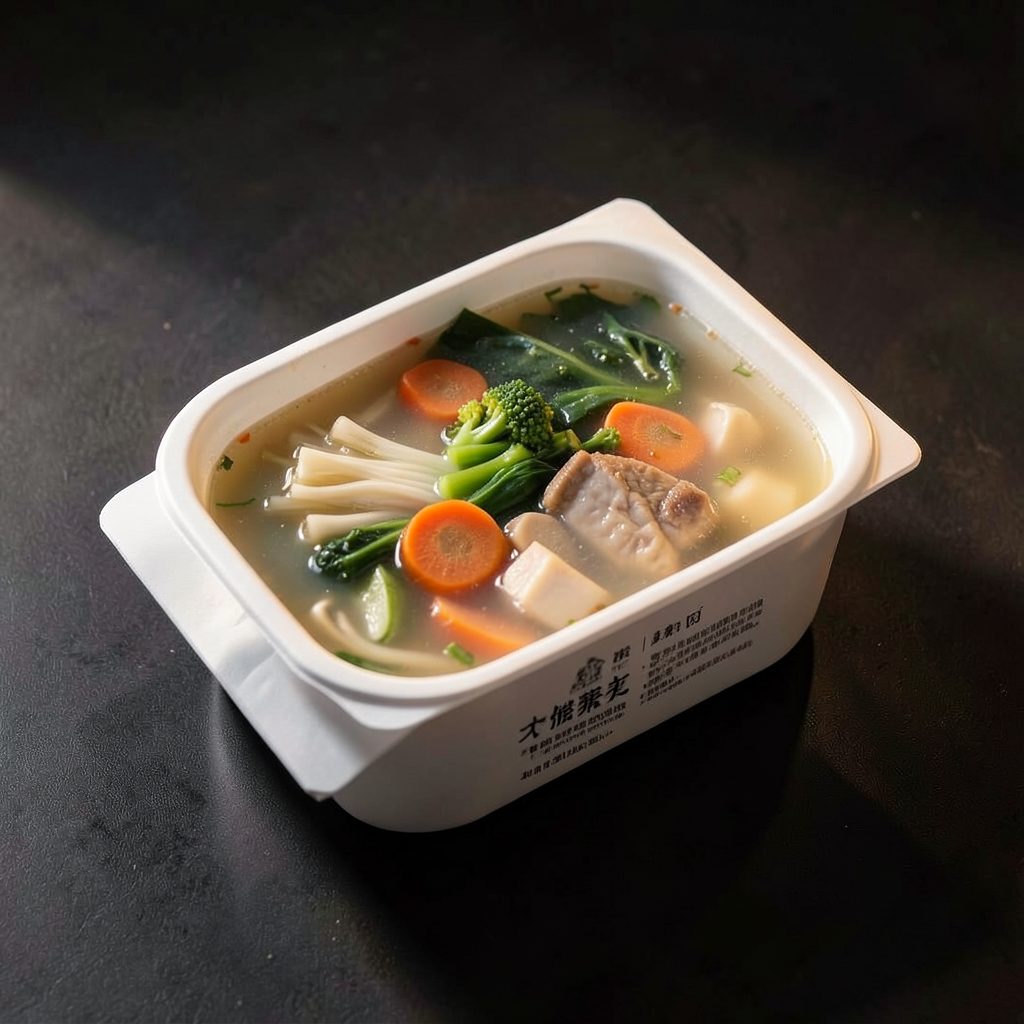
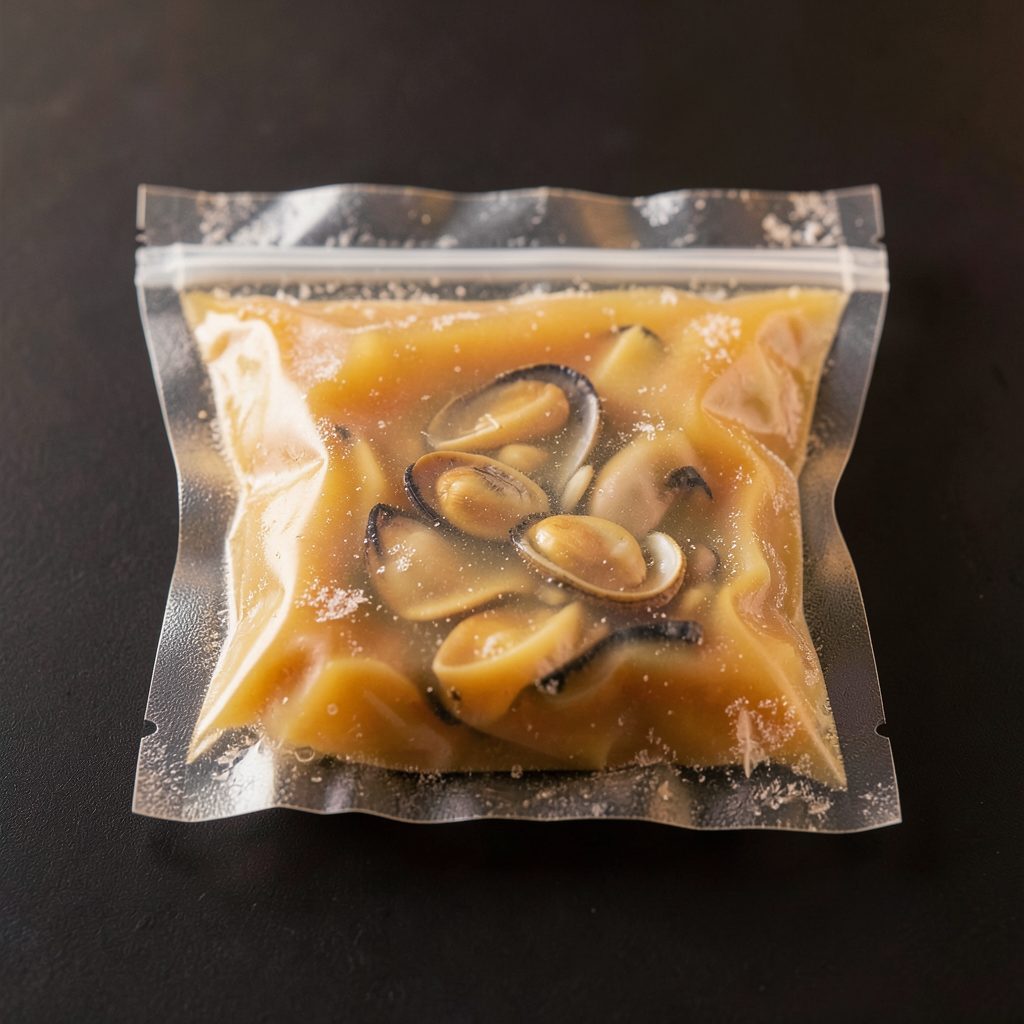
Best Sellers
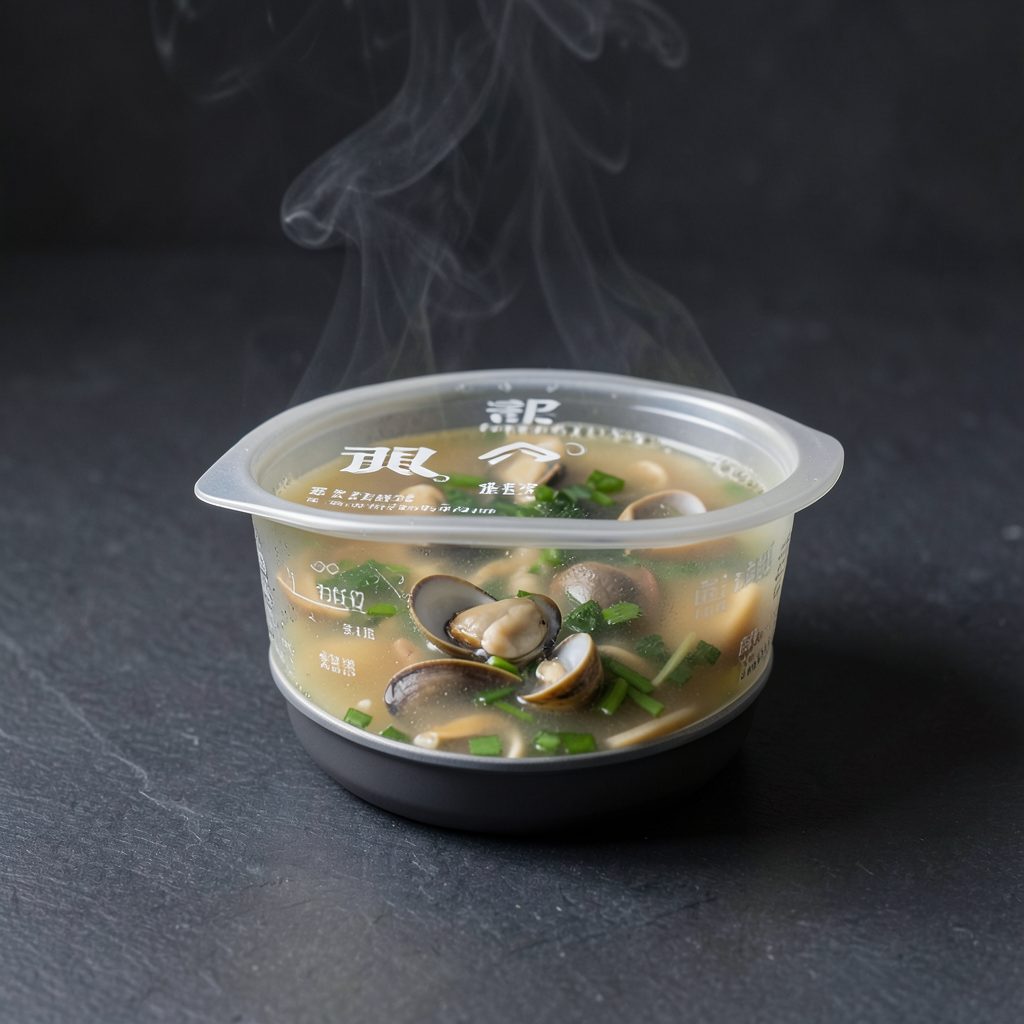
蛤?! Clam Soup Base —卜卜蜆
NT$ —
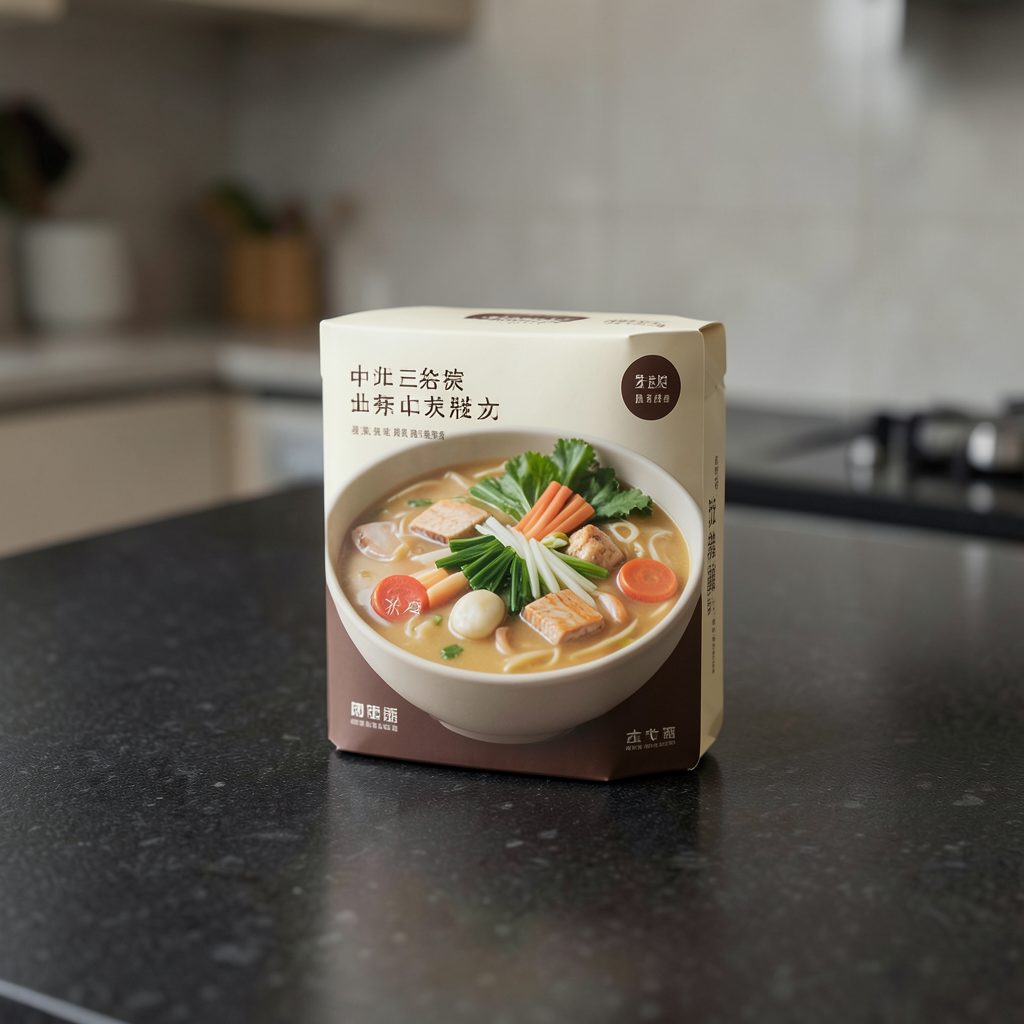
本事滿足鍋物 Personal Pot Base
NT$ —
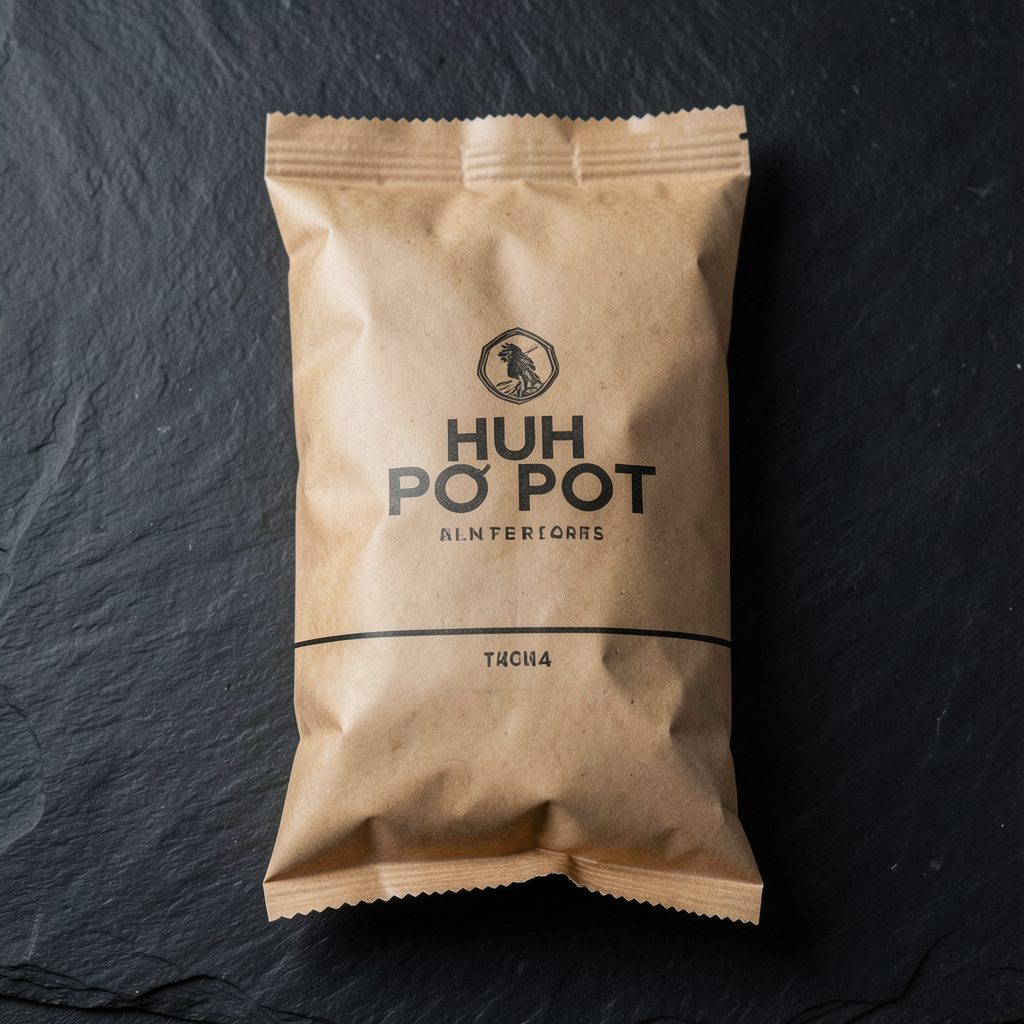
蛤?! Dry Noodles
NT$ —
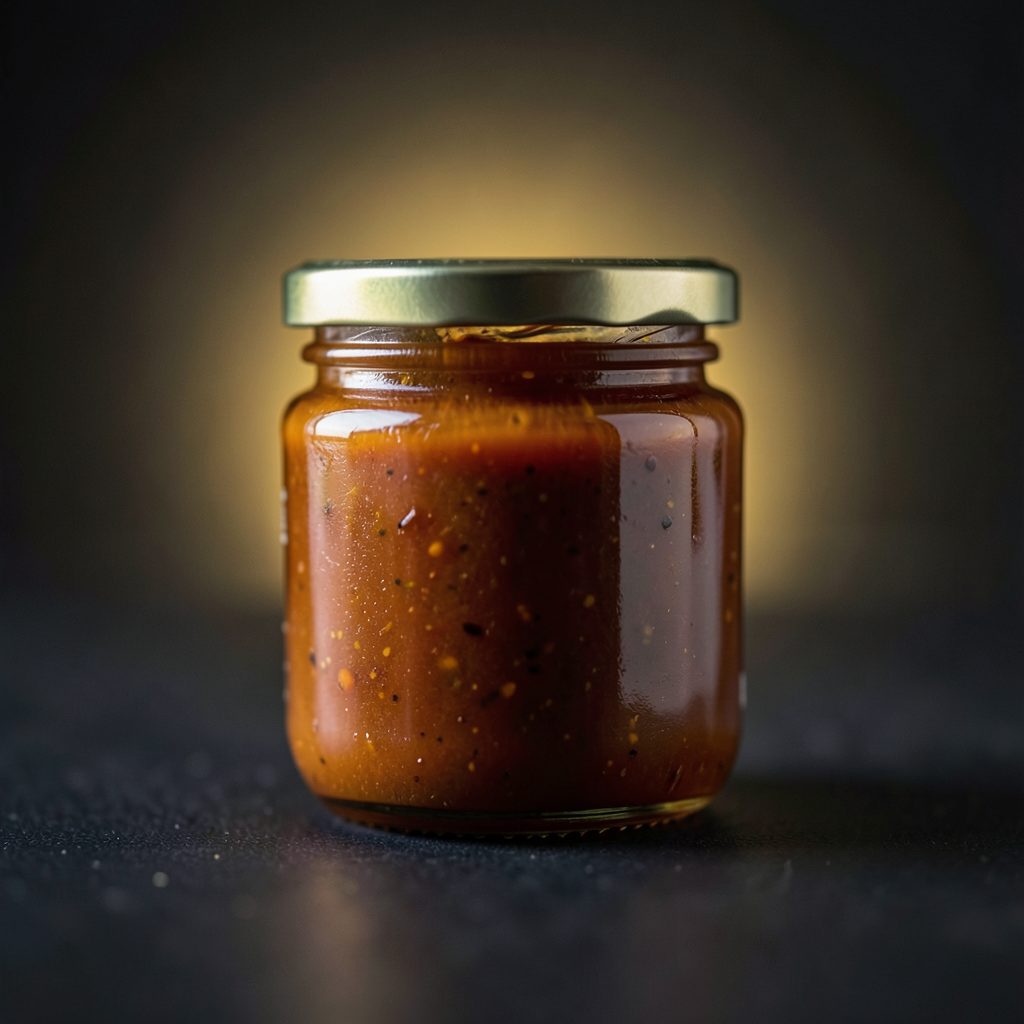
Signature Sauce
NT$ —
New Arrivals
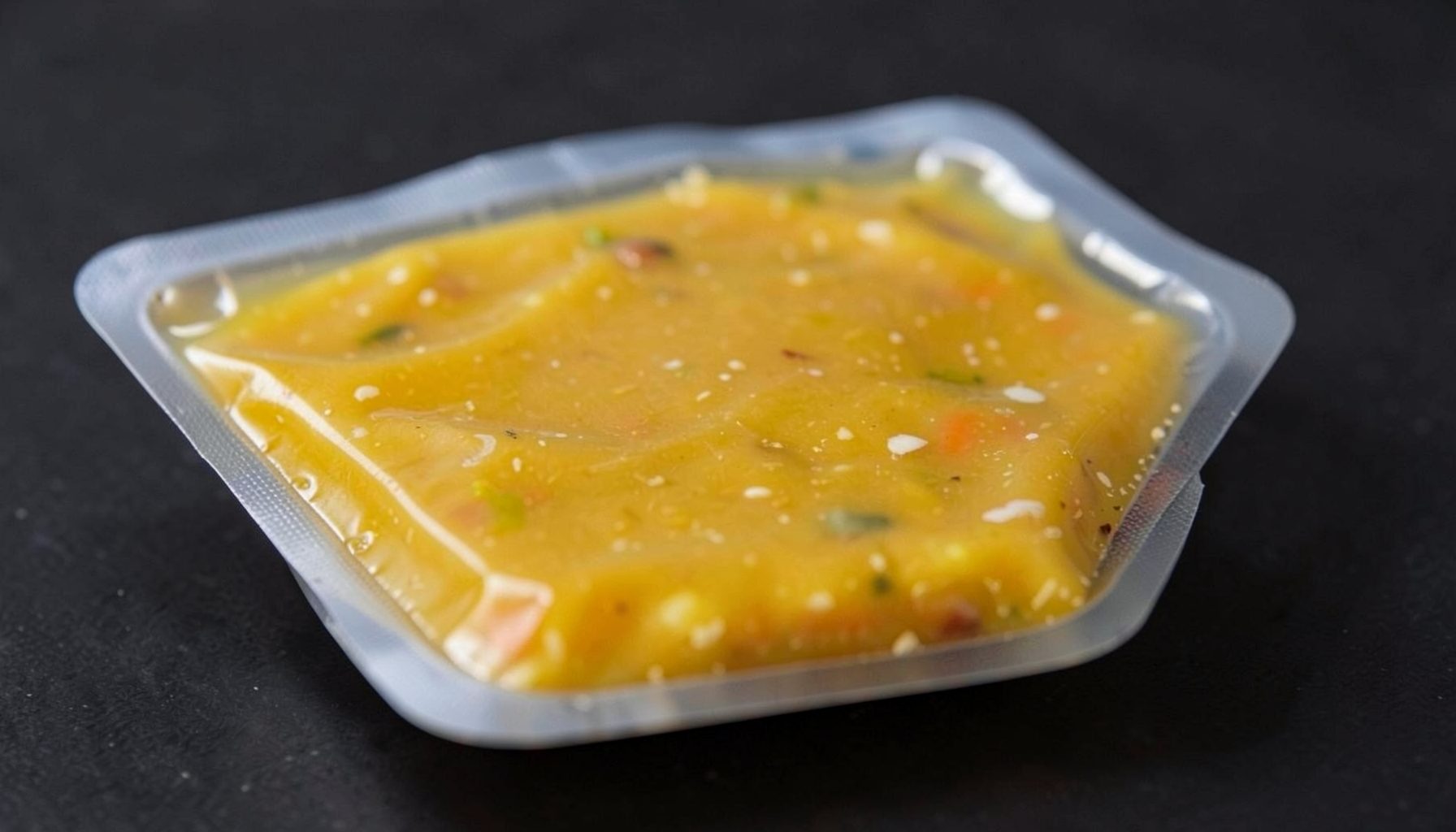
蛤?! Golden Clam Broth — New Batch
NT$ —
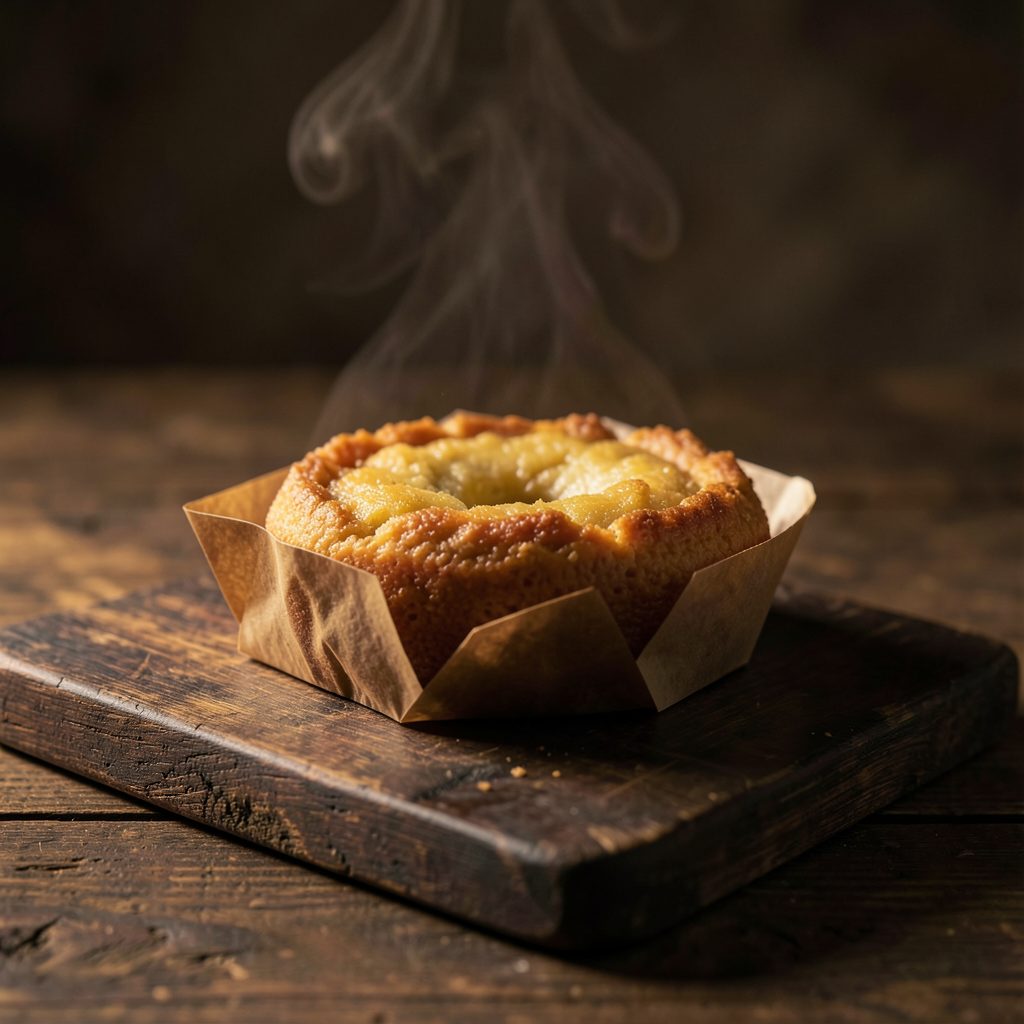
Radish Cake —蘿蔔糕精神
NT$ —
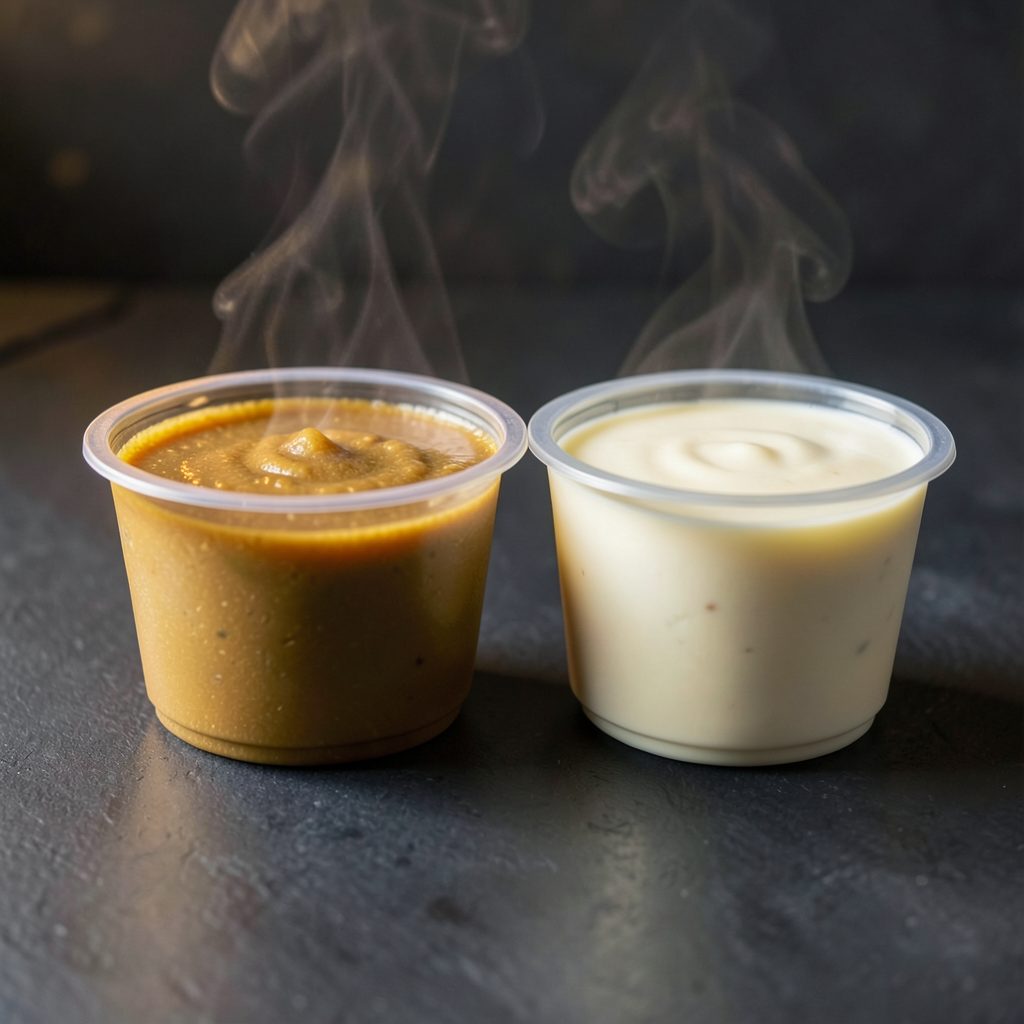
Duo Soup Base Set
NT$ —
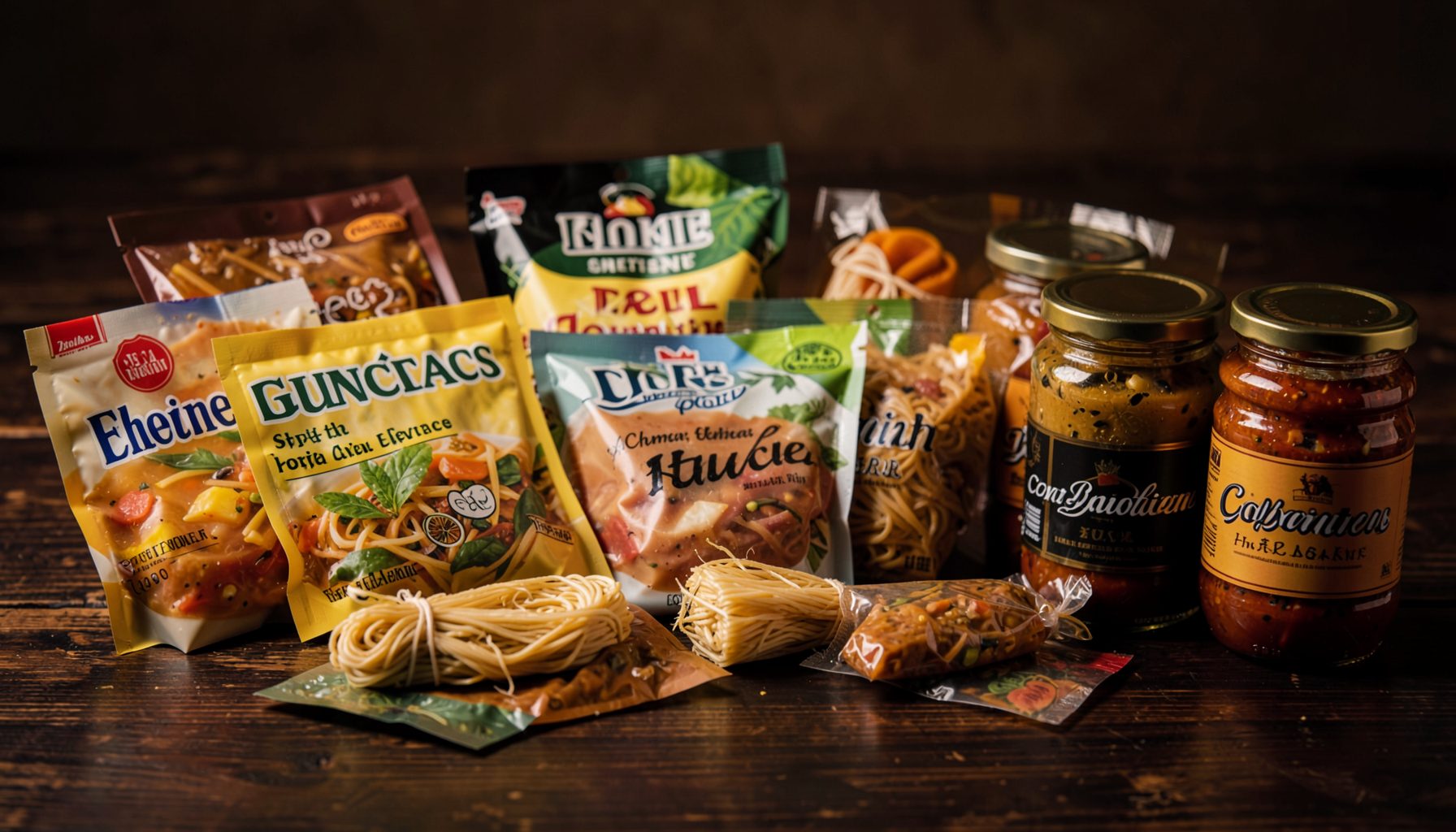
Hot Pot Essentials Bundle
NT$ —
About 蛤?! Huh Pot
蛤?! Huh Pot is a Cantonese-style hot pot brand known for its signature clam-based broth —卜卜蜆 — made with rich old-hen stock and generous portions of fresh clams. The brand also encompasses 本事滿足鍋物, a personal hot pot concept, bringing the same depth of flavor to individual servings.
Through MoneyCome Mart, these restaurant-quality soup bases, dry noodles, radish cakes, and signature sauces are available for home delivery across Taiwan. Restaurant locations in Taipei's Da'an District, Civic Boulevard, and Taichung's Gongyi Road also welcome guests for dine-in, with online reservations available.