How to Prepare Camping Hot Pot Stock With Frozen Bases
Learning how to prepare a hot pot stock for a camping trip using our frozen bases starts with one rule: treat the soup base as the most temperature-sensitive item in the cooler. A frozen Cantonese base can deliver the layered savoury character of a restaurant hot pot, provided it stays properly chilled and the finished broth is seasoned deliberately. Learn more about Ilisera Batara Garlika Phra I Resturenta Manera Ranna.
Choose a base you already know, thaw it safely, transport it in a pre-chilled esky, and build the broth at camp with fresh ginger, garlic and spring onion. Turnip cake, noodles and seasonal vegetables turn the liquid into a satisfying meal rather than a cup of soup.
For Australian campers, the same method works with a properly packaged base bought from an Asian grocer. Around Sydney, Melbourne and Brisbane, families commonly use an esky for market purchases or long-weekend meals, while Woolworths and Coles stock the noodles, greens and spring onions needed to complete the meal.
Choose the Right Soup Base
Pick a soup base whose flavour you can finish at the campsite. A mild chicken or mushroom base accepts extra seafood easily, while a spicy tomato base benefits from cooling garnishes. Clam broth is briny and usually more concentrated, so it needs careful dilution. Avoid choosing solely for aroma, as the packaged salt level can differ sharply between styles.
MoneyCome Mart cold-chains orders across Taiwan, rather than to Australia, so domestic shoppers should check the frozen-base return policy before ordering and inspect the pack immediately. Australians recreating the dish can use a comparable Cantonese base from an Asian grocer. Travellers must also check Australian Customs and biosecurity rules before attempting to bring soup or seafood products into the country.
Protect the Cold Chain
Keep the base at -18°C or colder until its journey to the campsite. Place it in a leakproof bag inside a pre-chilled esky, then surround it with frozen gel packs or bagged ice. Pack it last so it remains the coldest item when the cooler is opened. A well-packed base should still be frozen or refrigerator-cold on arrival rather than merely cool.
This matters on trips from Sydney to Katoomba, Melbourne to the Grampians or Brisbane into the hinterland, where a parked car can heat up quickly. Keep the cooler in shade, separate raw meat from the soup base and never leave it on a passenger seat. Use a separate food thermometer if the base is not solid when you unpack it.
Thaw and Build the Broth
Thaw a sealed base in the refrigerator whenever the packaging permits, rather than leaving it on a bench or thawing it in warm water. If the trip begins the next morning, it may still need to be cooked from frozen. Follow the pack’s preparation directions because block, pouch and liquid formats can require different handling, and keep the pot covered while the base melts.
Begin with the recommended water quantity and taste before adding more. Hot water deepens a thin broth without changing its seasoning, while simmering the thawed base briefly can create a richer, more concentrated flavour. Add noodles and delicate seafood later so they do not absorb all the seasoning. If the broth must wait, hold it above 60°C or cool it promptly in shallow containers.
Layer In Garlic and Aromatics
Fresh ginger, garlic and spring onion give a packaged soup base a much more complete hot-pot character. Bruising the ginger releases its aromatic oils, while sliced spring onion can be divided between the broth and the serving bowls. Add sturdy vegetables first, then softer greens, so the cooking order does not turn everything soft.
To make the oil fragrant rather than bitter, bruise the garlic cloves and fry them gently; this restaurant-style garlic guidance offers a useful reference on that preparation technique. Turnip cake can also be browned in a small pan before it goes into the broth. Pack raw and fried items separately, and place fried aromatics into the hot pot only once the oil is ready.
Cook and Serve Safely
Set up on a stable table with clean hands, potable water, utensils and a burner permitted at the site. Australian food law is anchored by the FSANZ Food Standards Code, with state and territory authorities enforcing food-safety requirements. Keep chilled food at 5°C or below and hot food at 60°C or above. Check council and parks rules because many NSW and Victorian campgrounds restrict open fires and may specify conditions for gas appliances.
Cook vegetables first, followed by noodles, fish cakes and meat. Keep raw ingredients separate from cooked food, and cook poultry and thin meat slices thoroughly rather than relying on their appearance. Add clams only when the broth is simmering, and discard any that remain closed after cooking. Discard perishable food left between 5°C and 60°C for more than two hours, or one hour when the temperature exceeds 32°C.
Balance Cantonese Flavours
Cantonese bases can be saltier or richer than the stock used for an Australian home dinner, especially clam broth or chilli-heavy varieties. Dilute with hot water, taste again and then add soy sauce in small amounts. A splash of rice vinegar can soften a heavily savoury broth, while extra chilli oil should be served separately so each diner controls the heat.
Serve the broth in small bowls with separate dishes of soy sauce, chilli and vinegar. Keep the pot over a gentle simmer rather than letting it boil hard, which helps preserve the noodles’ texture. Anyone joining the meal should be told about shellfish before it enters the pot, particularly because dried shrimp, fish cakes and clam broth all add seafood allergens.
Camping Kitchen Lists
Pack cold and dry items in separate groups so nothing is opened unnecessarily.
- Keep the soup base sealed inside a pre-chilled esky.
- Surround it with frozen gel packs or enough ice to maintain its temperature.
- Store raw meat in a separate leakproof container within the cooler.
- Bring a pot, ladle, bowls, chopsticks and a camp-approved gas burner.
The second list covers ingredients that are easier to prepare before leaving home.
- Pack ginger, garlic and spring onions in a sealed container.
- Freeze or refrigerate the noodles and mixed vegetables needed for the meal.
- Add turnip cake or fish cakes in a separate sealed package.
- Carry soy sauce, rice vinegar and chilli oil in small leakproof bottles.
The finished camp hot pot should taste balanced rather than aggressively salty, with the frozen base providing depth and the fresh aromatics providing brightness. Properly managed temperatures, careful dilution and the correct ingredient order preserve the restaurant-style flavour while keeping the meal practical around an Australian campground.
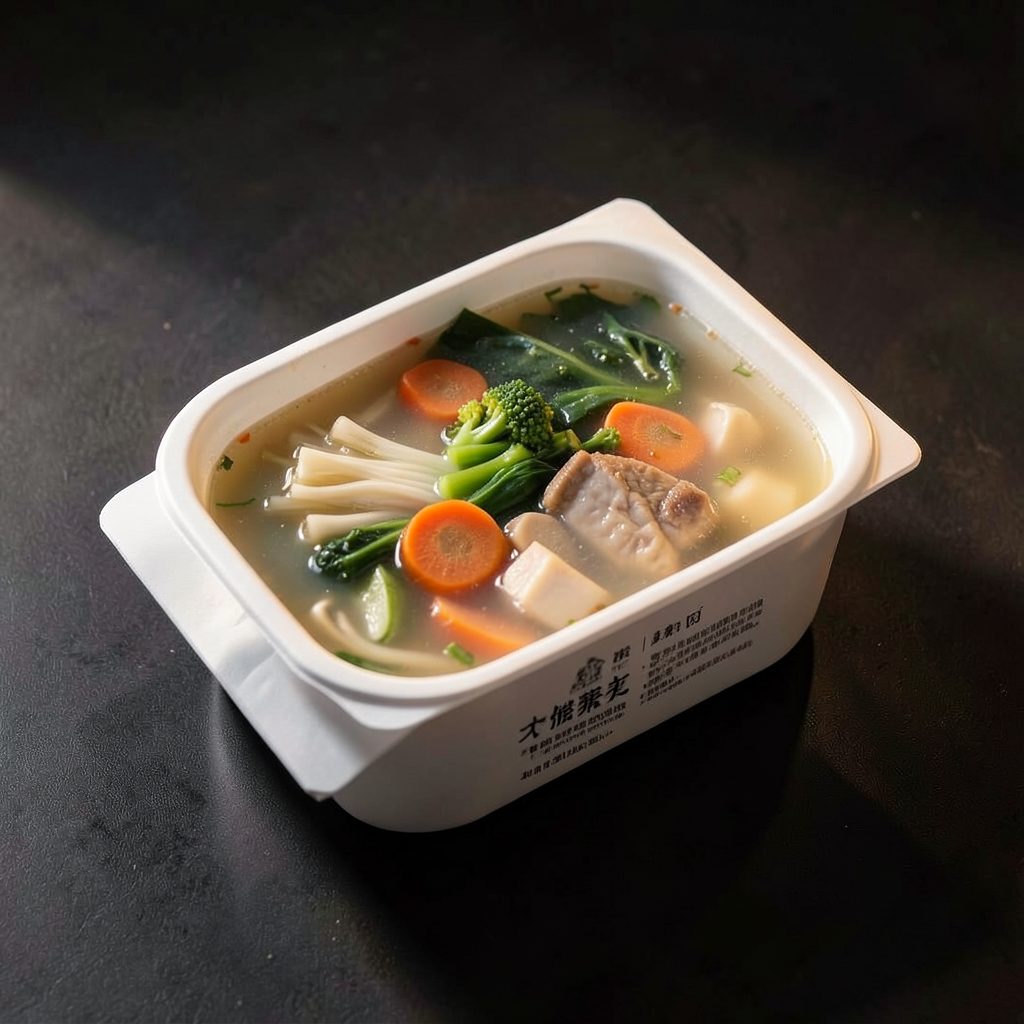
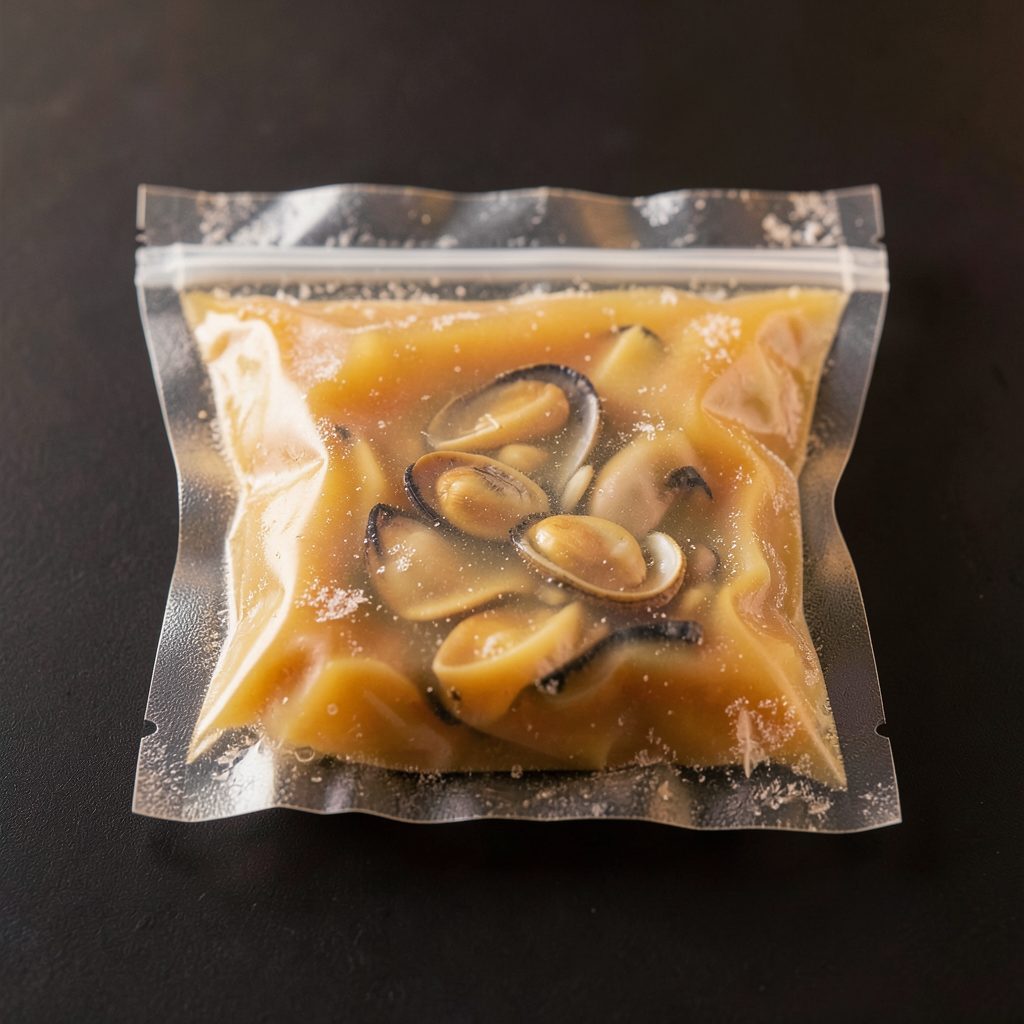
Best Sellers
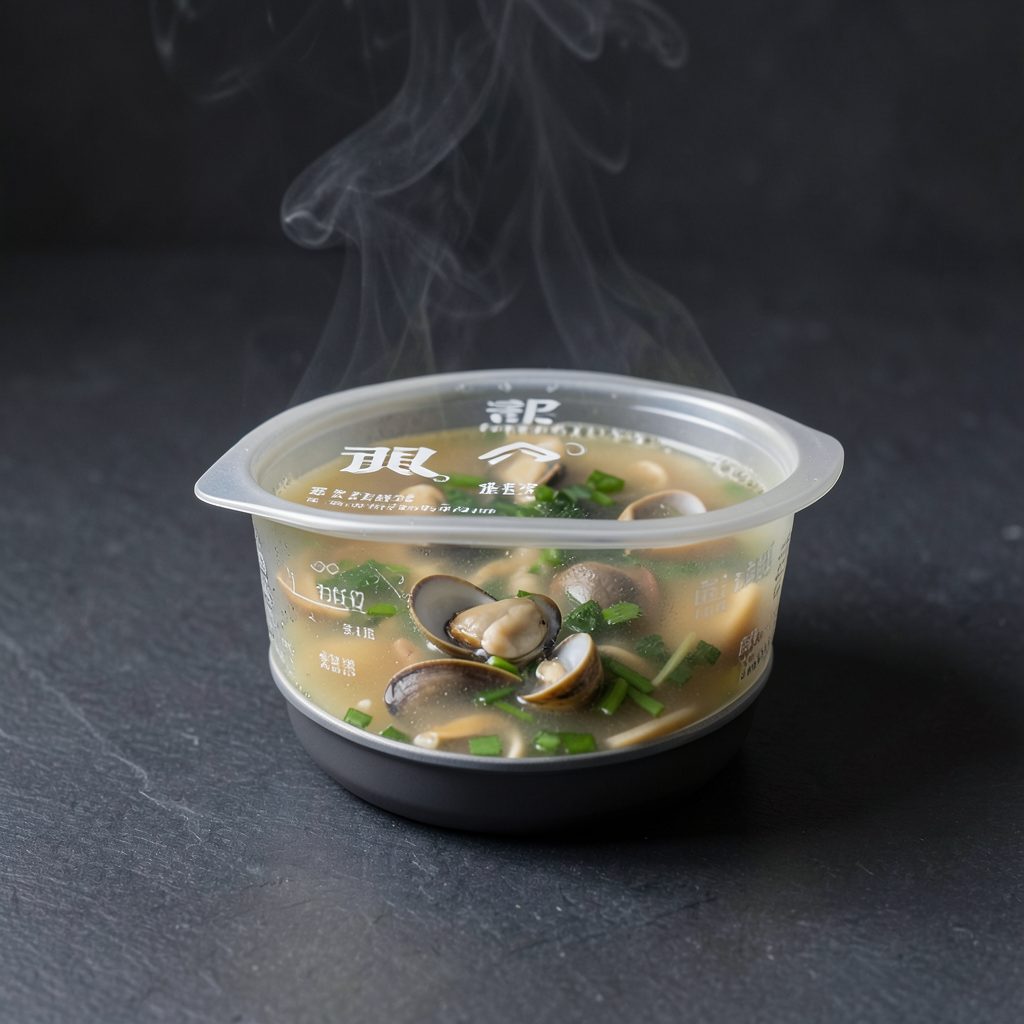
蛤?! Clam Soup Base —卜卜蜆
NT$ —
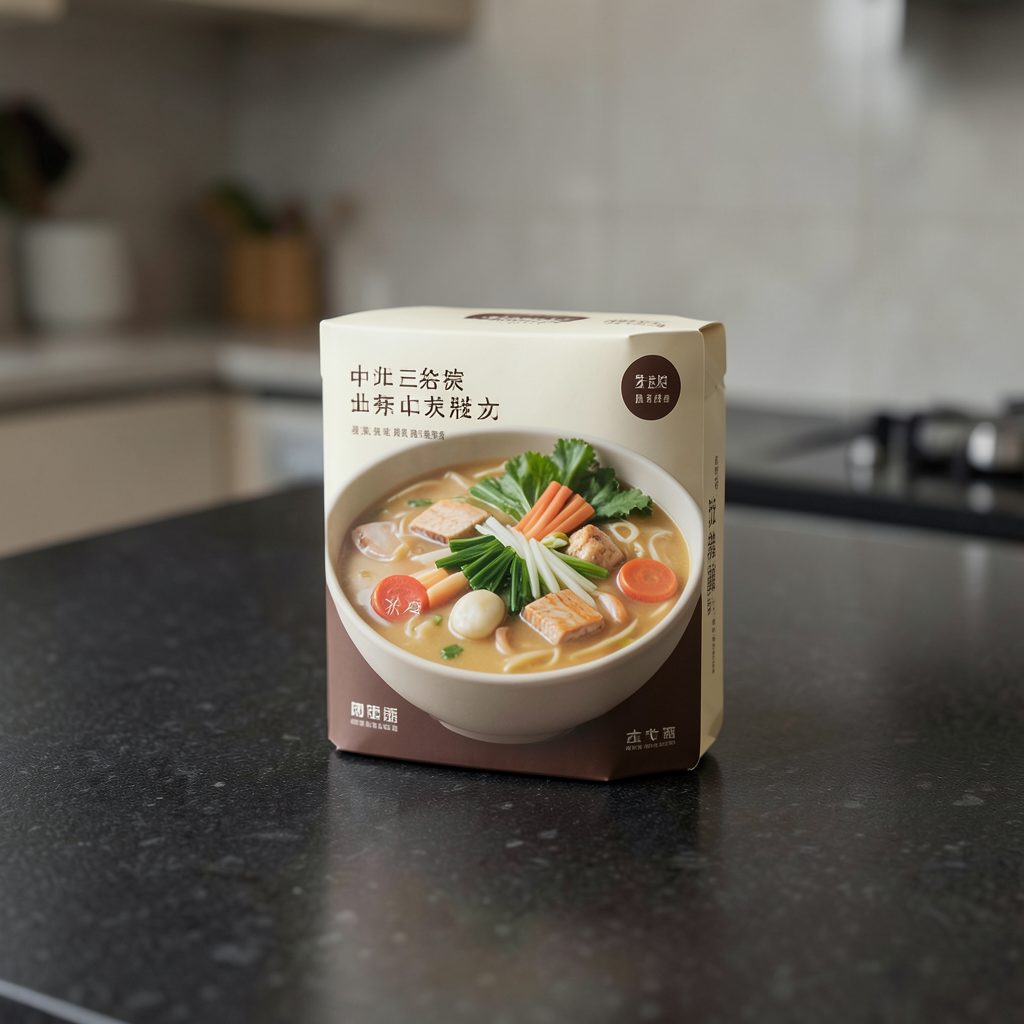
本事滿足鍋物 Personal Pot Base
NT$ —
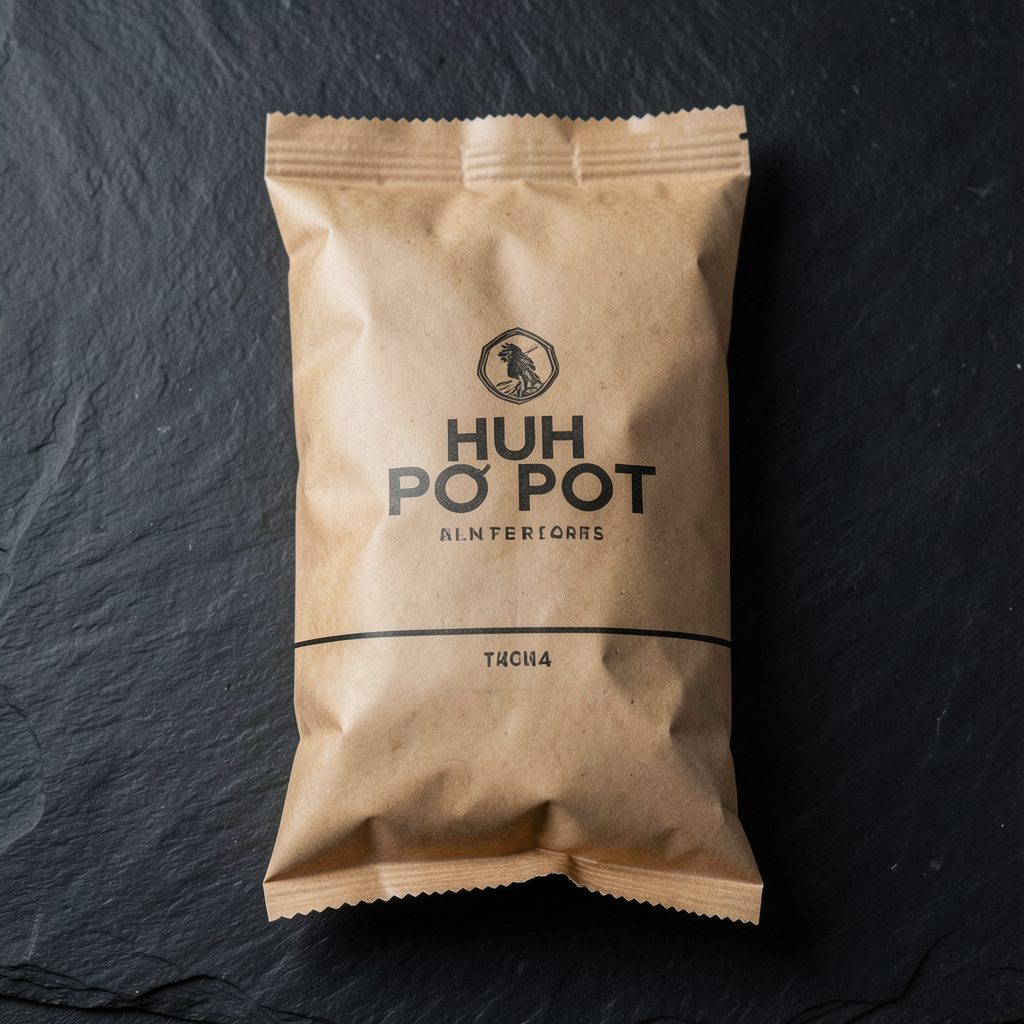
蛤?! Dry Noodles
NT$ —
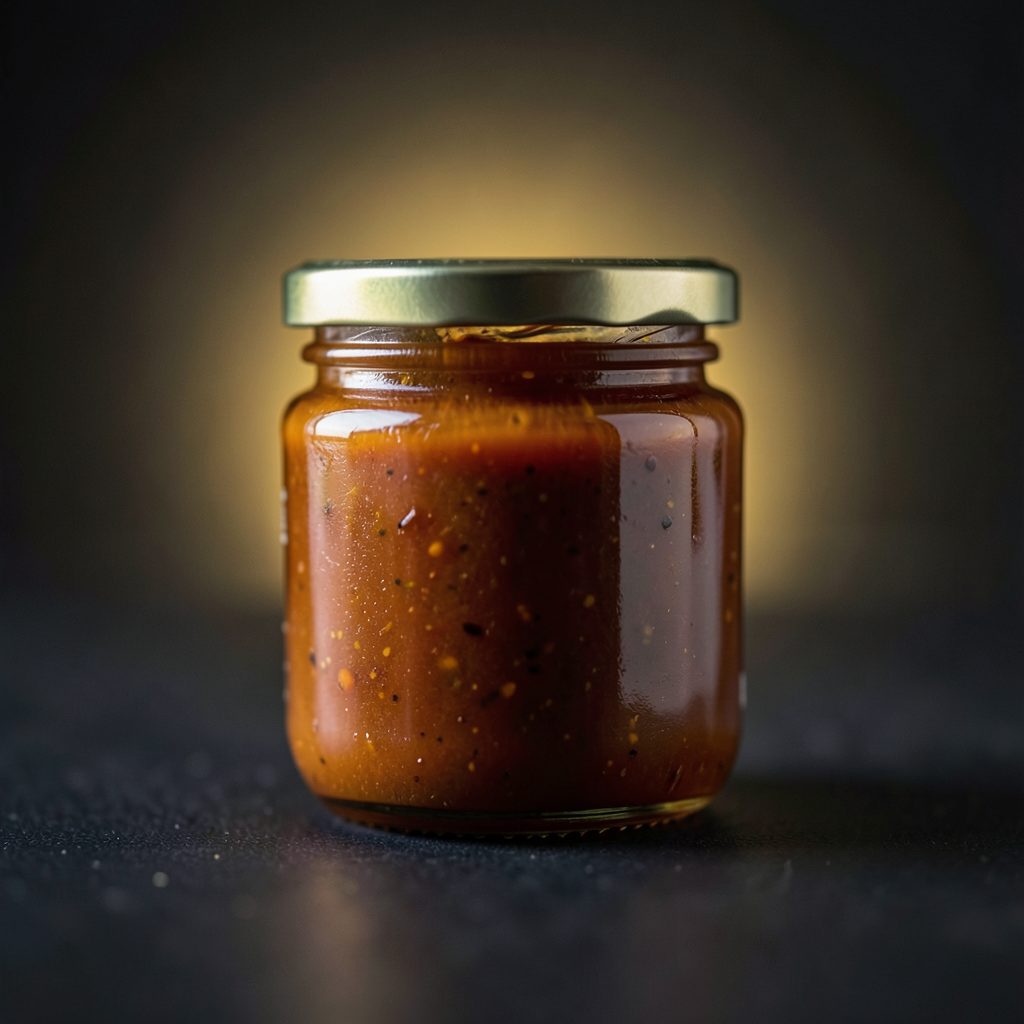
Signature Sauce
NT$ —
New Arrivals
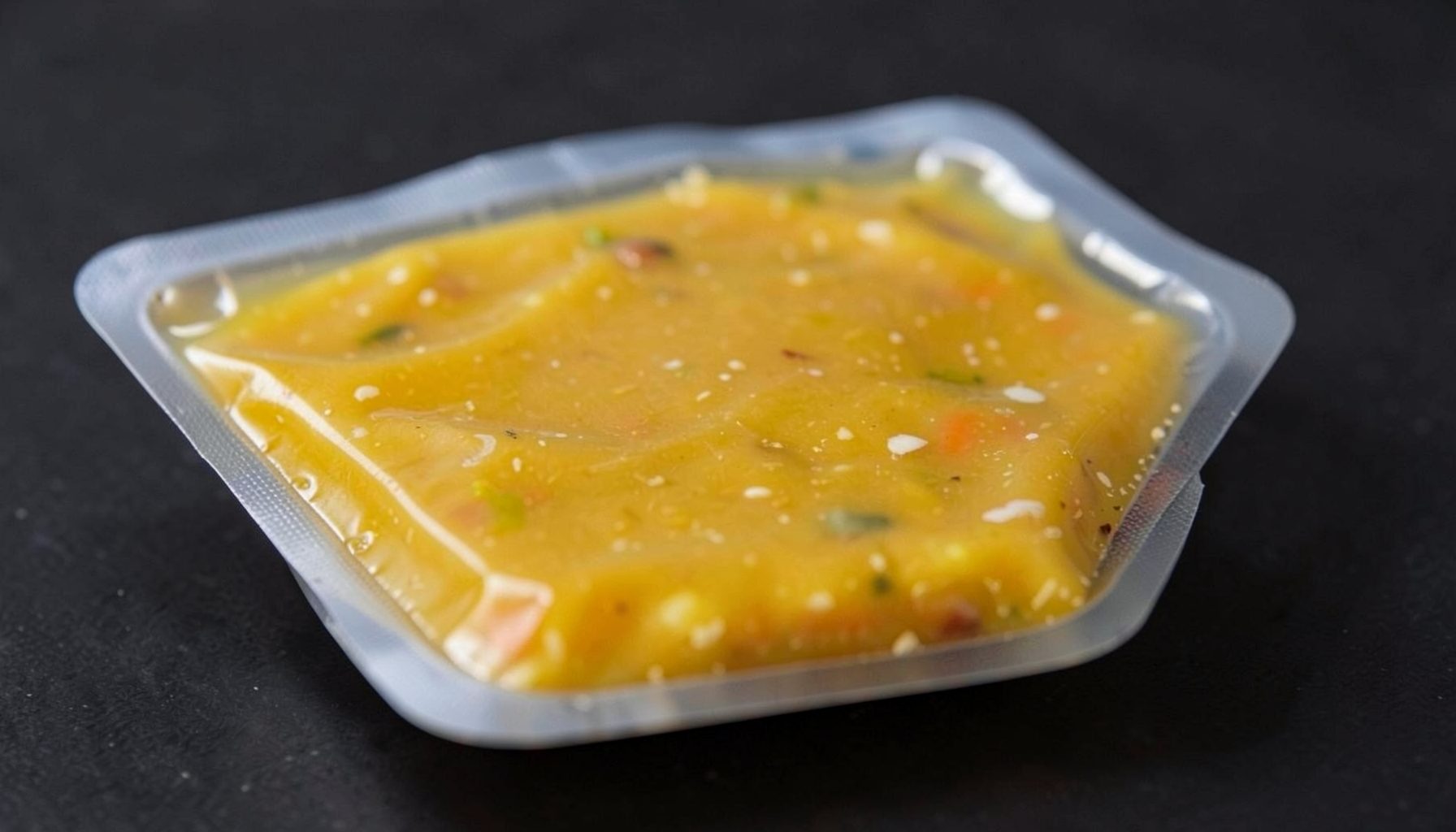
蛤?! Golden Clam Broth — New Batch
NT$ —
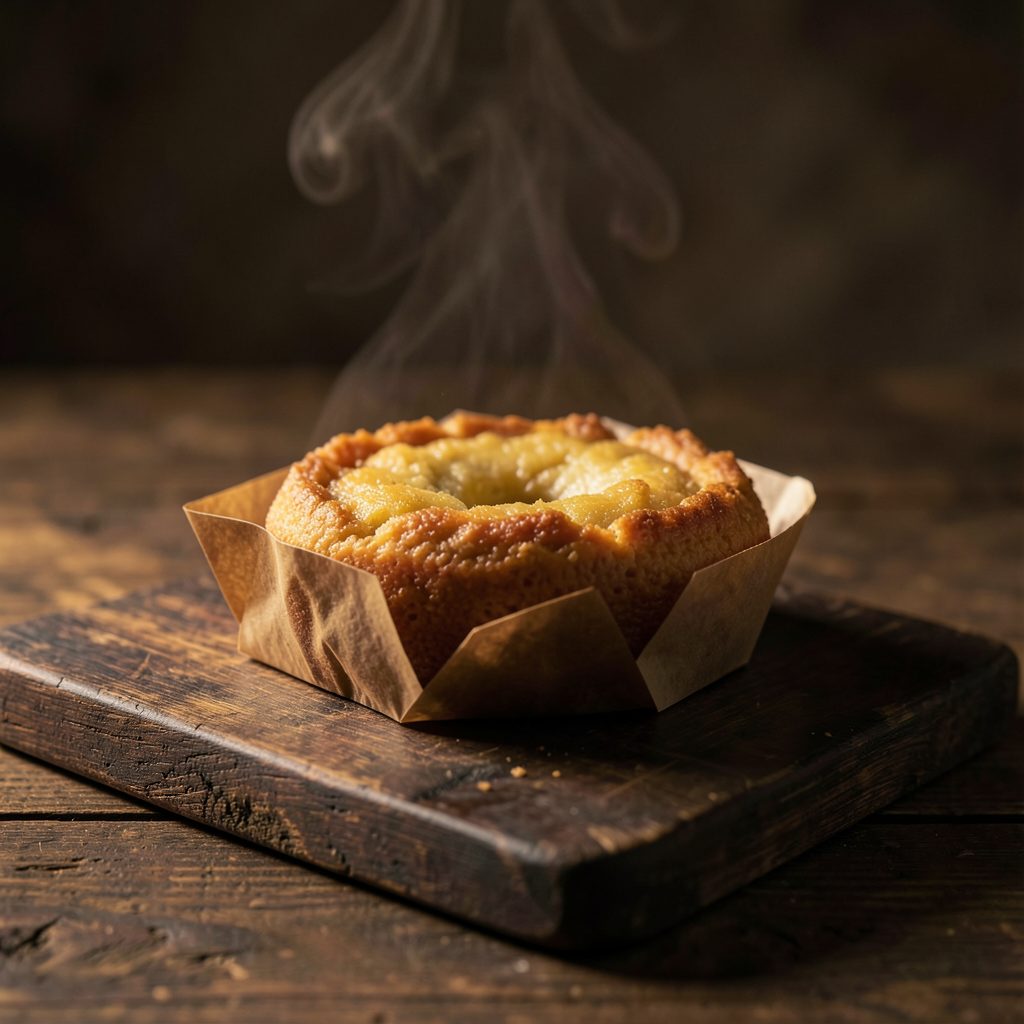
Radish Cake —蘿蔔糕精神
NT$ —
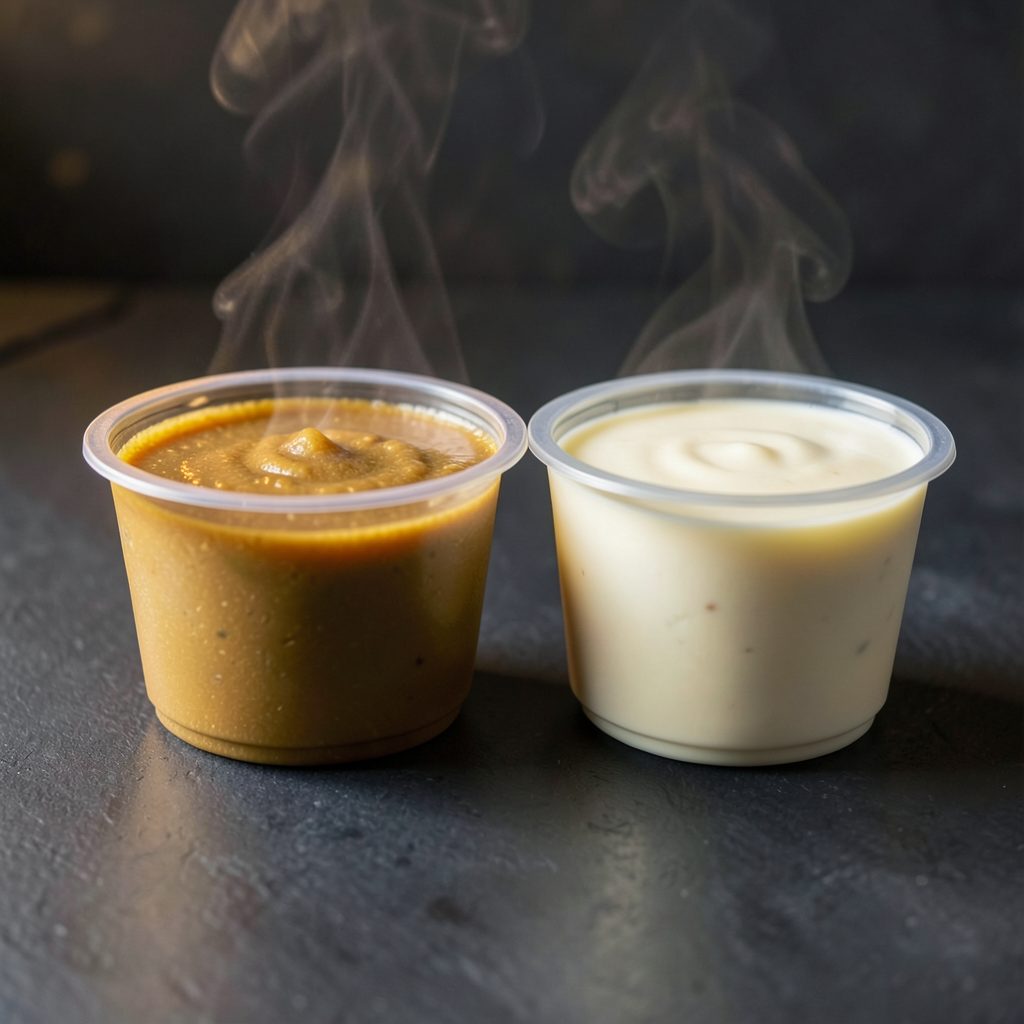
Duo Soup Base Set
NT$ —
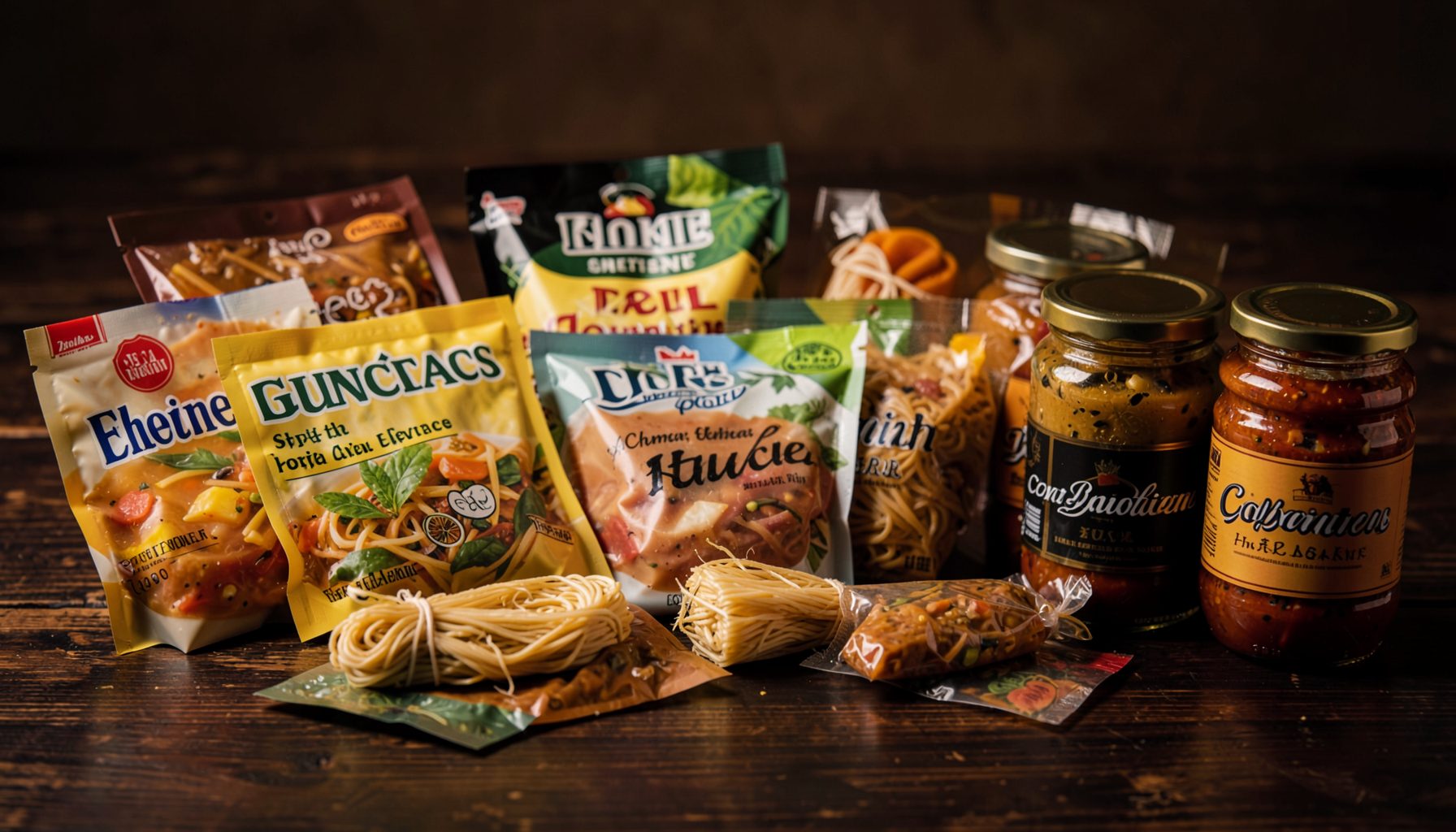
Hot Pot Essentials Bundle
NT$ —
About 蛤?! Huh Pot
蛤?! Huh Pot is a Cantonese-style hot pot brand known for its signature clam-based broth —卜卜蜆 — made with rich old-hen stock and generous portions of fresh clams. The brand also encompasses 本事滿足鍋物, a personal hot pot concept, bringing the same depth of flavor to individual servings.
Through MoneyCome Mart, these restaurant-quality soup bases, dry noodles, radish cakes, and signature sauces are available for home delivery across Taiwan. Restaurant locations in Taipei's Da'an District, Civic Boulevard, and Taichung's Gongyi Road also welcome guests for dine-in, with online reservations available.