Hosting an allergy-friendly hot pot night for Aussie guests
A bubbling pot in the middle of the table has become one of the easiest ways to entertain in Australian homes, especially during the colder months from June through August when Sydneysiders and Melburnians alike crave something warming. Hot pot suits the relaxed, share-style eating culture that Aussies love, but it also piles multiple ingredients into one cooking vessel, which is exactly what makes it risky for guests with allergies. A thoughtful setup turns this concern into an opportunity to host a genuinely inclusive evening.
The challenge is real because Cantonese hot pot traditionally leans on shellfish, soy, sesame, peanuts, and gluten-heavy items such as wheat noodles and fish balls. Roughly one in twenty Australian adults reports a food allergy, and the country has some of the strictest allergen disclosure rules in the world through Food Standards Australia New Zealand. Building an allergy-conscious hot pot station is less about restricting the menu and more about smart separation, honest labels, and a few clever swaps.
Ahead, a practical walkthrough covers which allergens to watch for, how to lay out the table, what to buy for broths and add-ins, and the small details on the day that keep everyone safe from the first dipper to the last slurp of noodles.
Common allergens hiding in a traditional hot pot
Most commercial hot pot kits contain a surprisingly long list of potential triggers. The biggest offenders in Cantonese-style broths are shellfish, particularly prawns and clams, plus soy in both regular and dark varieties, sesame oil drizzled at the table, and peanuts sprinkled over dipping sauces. Wheat shows up in egg noodles, fish balls, and meat pastes that use breadcrumbs or flour as binders. Dairy is uncommon but cross-contamination from other prepared foods on the bench can be a sneaky problem.
Australians planning a mixed group should ask guests in advance, and ideally in writing, about specific triggers rather than vague "intolerances." The distinction matters because anaphylactic reactions require an EpiPen on hand and zero shared utensils, while a gluten or lactose issue is usually manageable with separate pots and clear markings. Allergy & Anaphylaxis Australia recommends hosts treat every disclosure as serious, even if a guest describes their condition as mild.
Laying out the hot pot station for safe cooking
The single most useful decision is choosing between a shared central pot and individual single-serve pots. For mixed groups, dual-burner setups with one large pot and two small personal pots remove almost all cross-contamination worries. Place each burner on its own trivet at opposite ends of the table, and assign a clearly different coloured ladle, strainer, and chopsticks to each one.
Indoor and outdoor entertaining in Australia often means a long table or a bar cart setup on the deck, so spacing matters. Keep raw proteins on one tray well away from ready-to-eat vegetables and herbs, and use separate cutting boards that stay on the bench rather than passing through the shared zone. A small printed card at each seat naming the diner's allergens saves the awkward "which broth is mine?" moment and keeps things flowing through the arvo.
Picking bases, sauces, and dipping condiments
Start with broths that have short, readable ingredient lists. Plain mushroom or tomato bases are safe for most people, while a chicken bone broth suits those avoiding shellfish and most nuts. For something closer to classic Cantonese flavour without the usual triggers, the range of frozen soup bases and clam broths at MoneyCome Mart's hot pot collection gives hosts a head start, with most labels listing every component clearly.
On the sauce front, build a DIY station rather than serving a pre-mixed bowl. Lay out small dishes of soy-free tamari, rice vinegar, chilli oil made without sesame, fresh garlic, spring onion, and coriander so each guest assembles their own. Skip the peanut satay and the sesame-heavy gomadare unless you know the table is fine with them, and put any nut-based condiments in clearly marked sealed jars at the far end of the spread.
Proteins, noodles, and vegetables that play nicely
For proteins, plain sliced beef, lamb, chicken thigh, and firm tofu are the easiest wins. They cook fast, take on broth flavour well, and rarely trigger reactions when bought unmarinated. Avoid fish balls, surimi, and processed dumplings unless the package specifically confirms the absence of wheat, egg, and shellfish derivatives, which is something Woolworths and Coles both label clearly under Australian disclosure rules.
Noodles deserve a careful look. Rice vermicelli, glass noodles made from mung bean starch, and shirataki are naturally gluten-free and a good swap for wheat-based options. Vegetables are mostly straightforward, though lotus root and some pre-cut mixes can be blanched in shared water that has touched allergens, so a quick rinse under the tap before serving is a sensible habit for any shared broth.
Labeling, timing, and day-of logistics
Clear signage is the unsung hero of an allergy-friendly spread. Printed tent cards for each pot, sauce, and protein tray cost almost nothing at any Officeworks and stop guests from asking the same five questions all night. Use colour-coded toothpicks or mini skewers so people can fish their ingredients out of shared pots without fishing out someone else's allergens too.
Timing wise, get the broths simmering an hour before guests arrive so the table is calm when people walk in. Australians love a slow arvo build, so having tea, sparkling water, and a few non-alcoholic options ready avoids anyone rushing into the food before labels are read. Keep a bin, serving spoons, and a stack of small bowls close by so used utensils never wander back into clean zones during the meal.
Smart hosting moves for a smooth allergy-friendly hot pot night
- Send a quick message a week ahead asking guests to list their specific allergens in writing.
- Offer at least one broth that is free from the top nine allergens for anyone who wants a guaranteed safe option.
- Use individual pots whenever the group includes anyone with a severe allergy, even if it feels like extra fuss.
- Buy processed proteins and noodles from local supermarkets where FSANZ labelling is consistent and reliable.
- Set up separate chopping boards, ladles, and tongs for each allergen profile and never mix them mid-service.
- Keep an EpiPen within reach if anyone at the table has ever had an anaphylactic reaction, and let the guest know where it lives.
- Label every pot, sauce, and protein tray with a printed card so guests can serve themselves confidently.
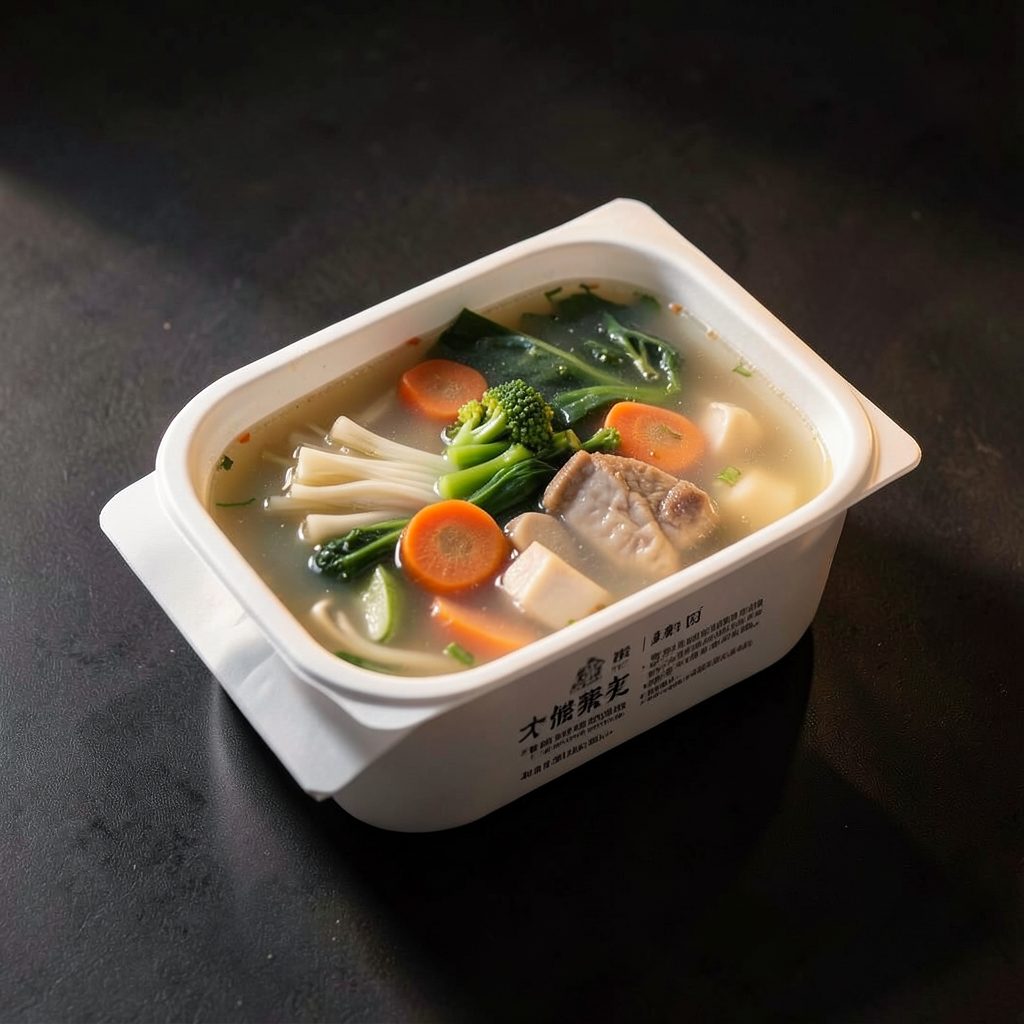
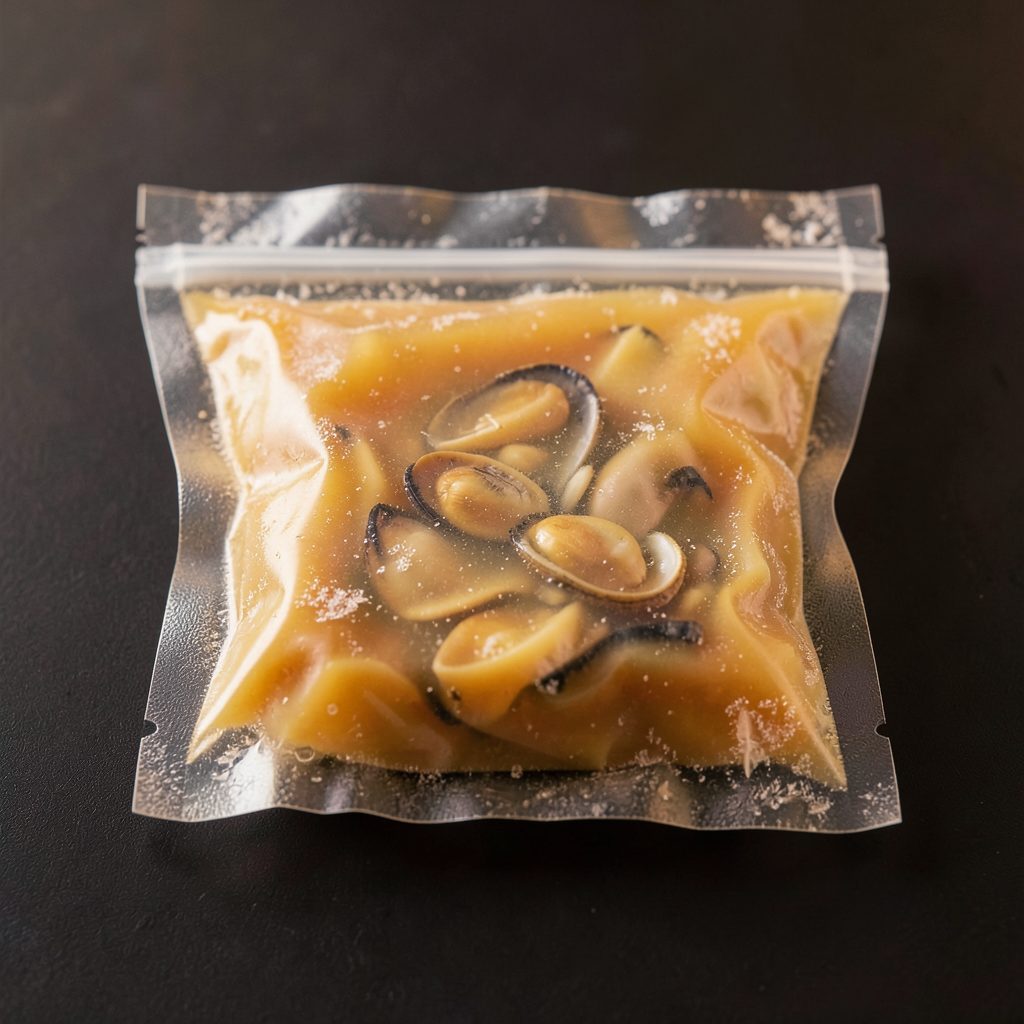
Best Sellers
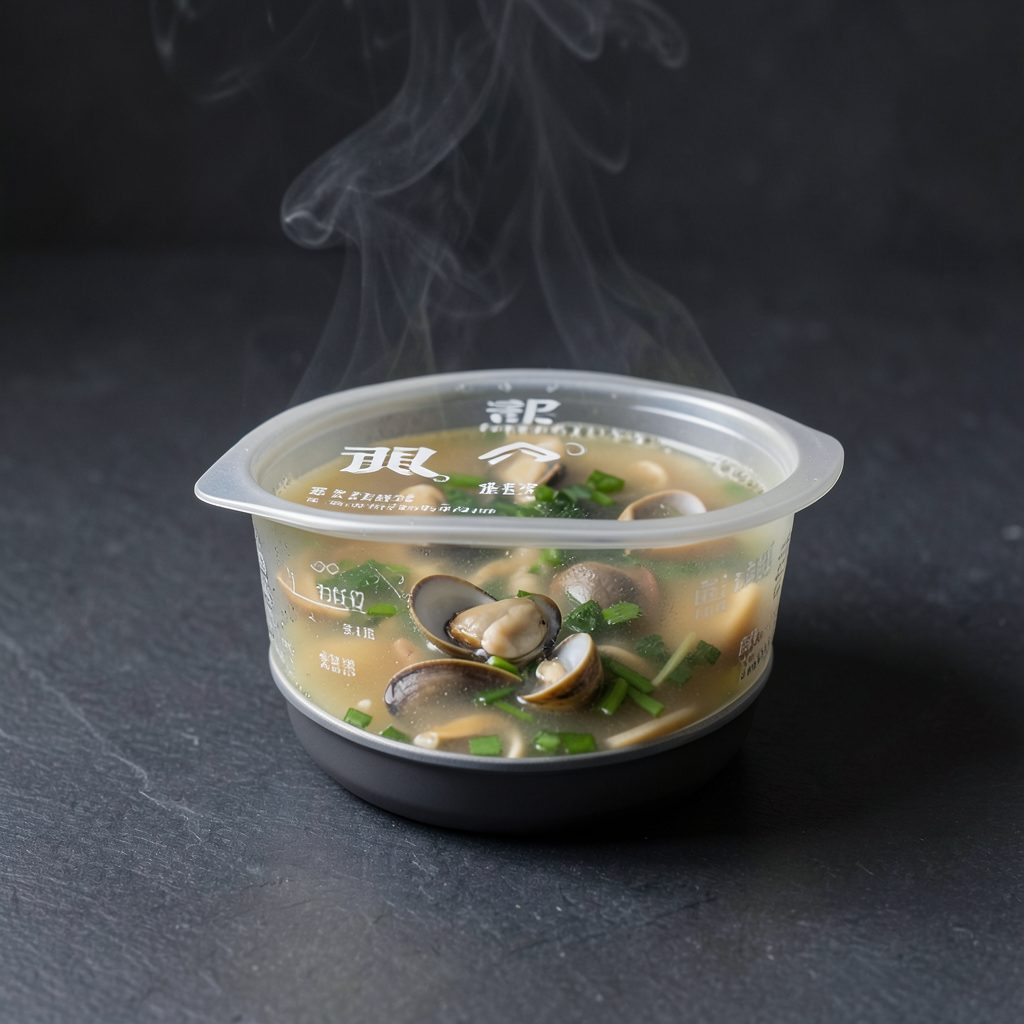
蛤?! Clam Soup Base —卜卜蜆
NT$ —
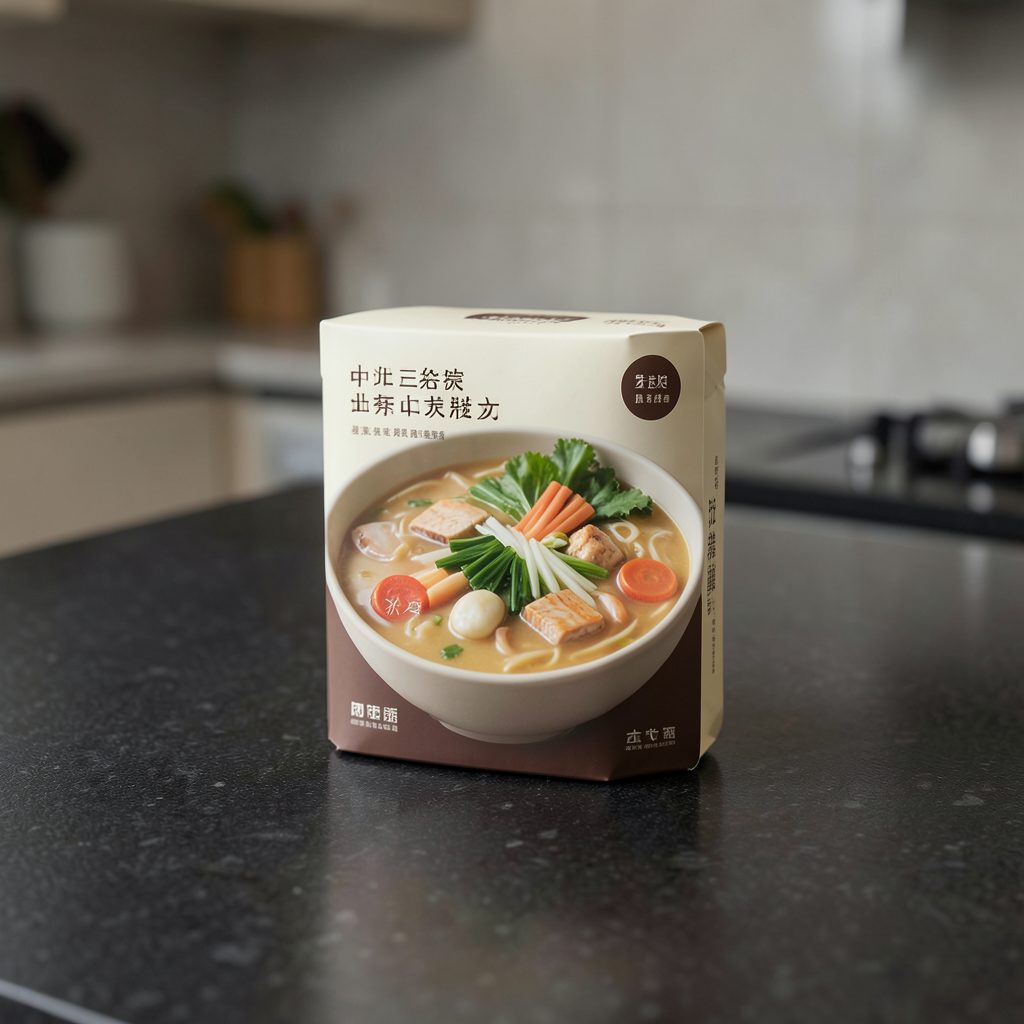
本事滿足鍋物 Personal Pot Base
NT$ —
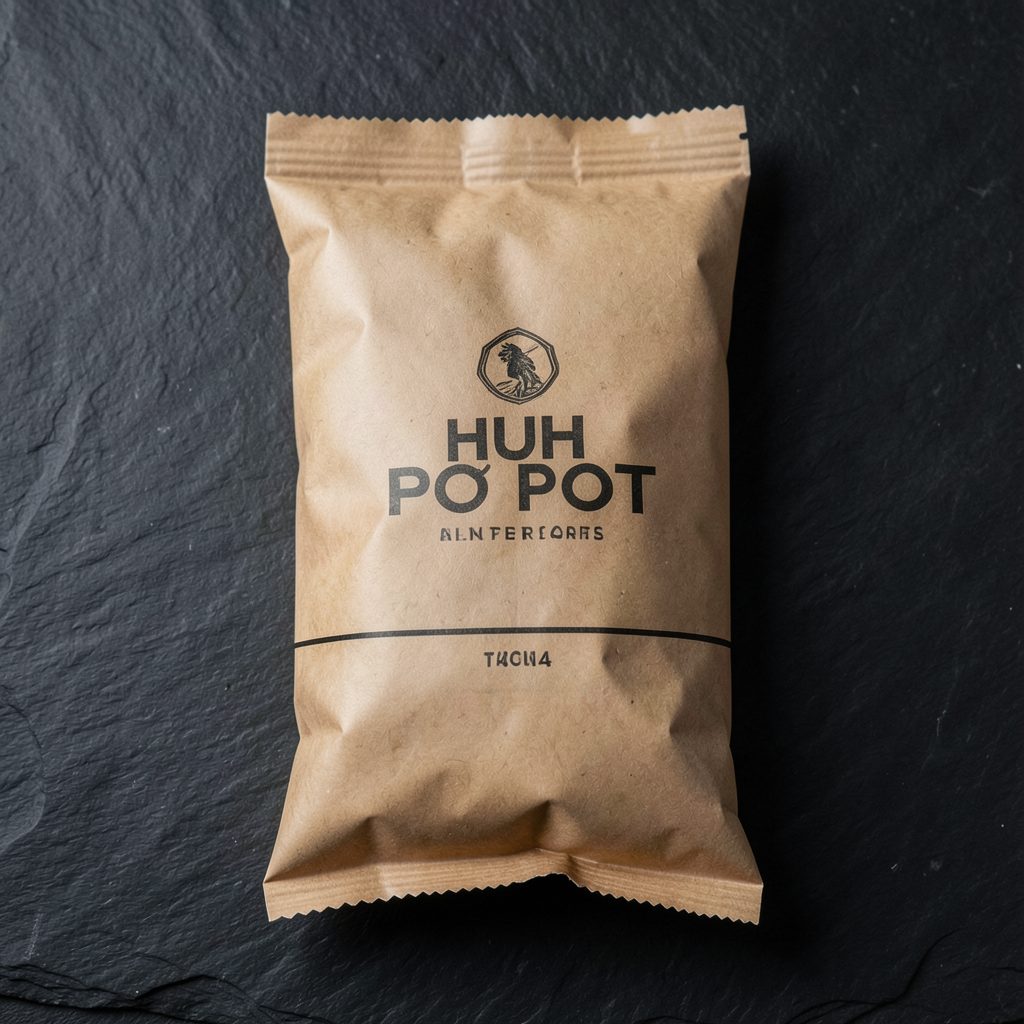
蛤?! Dry Noodles
NT$ —
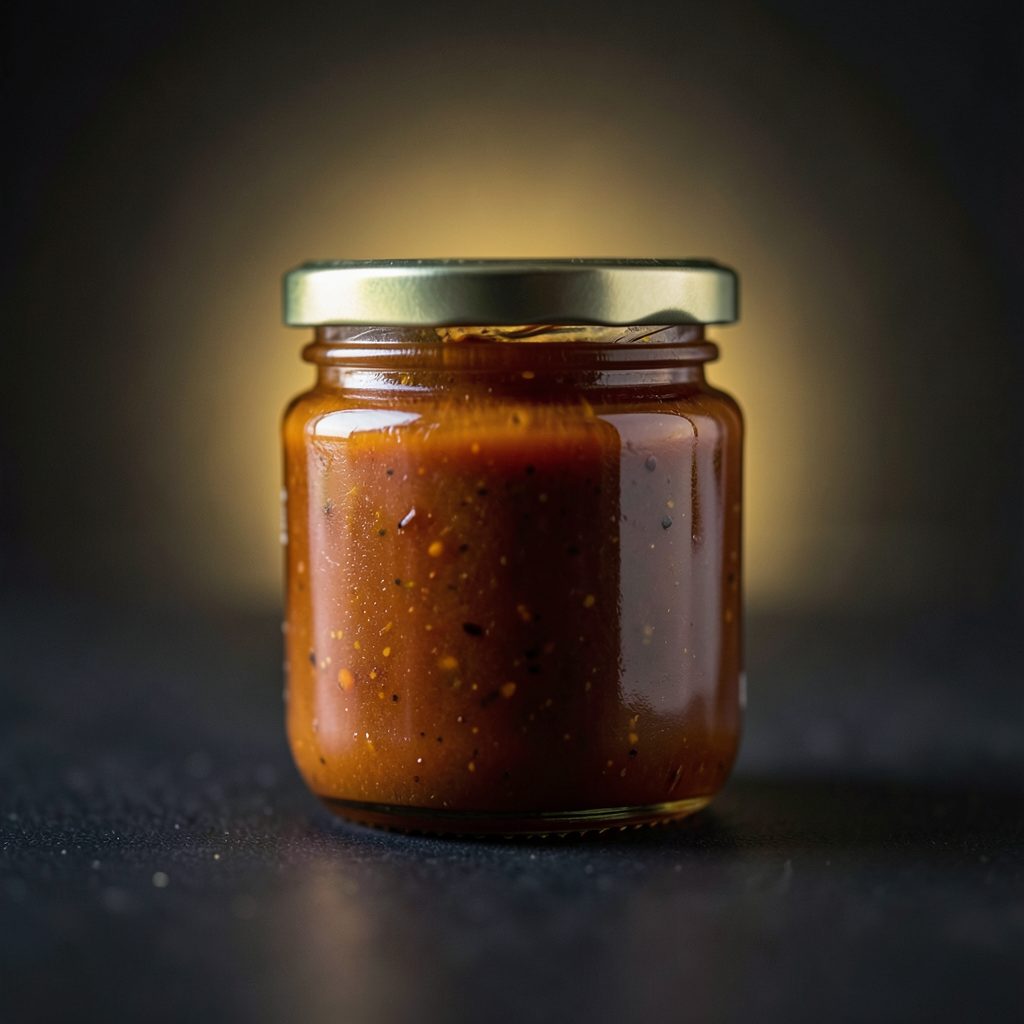
Signature Sauce
NT$ —
New Arrivals
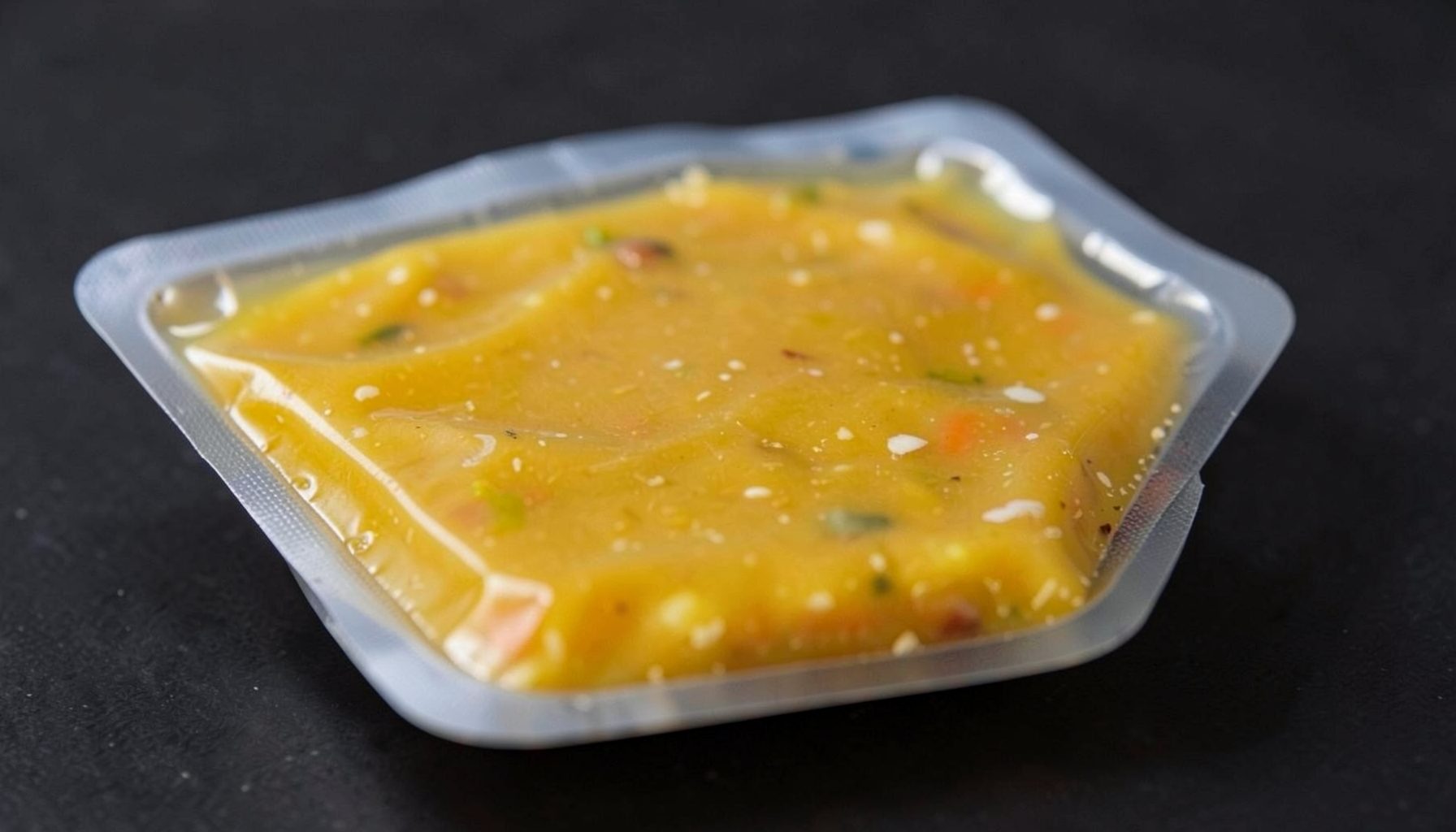
蛤?! Golden Clam Broth — New Batch
NT$ —
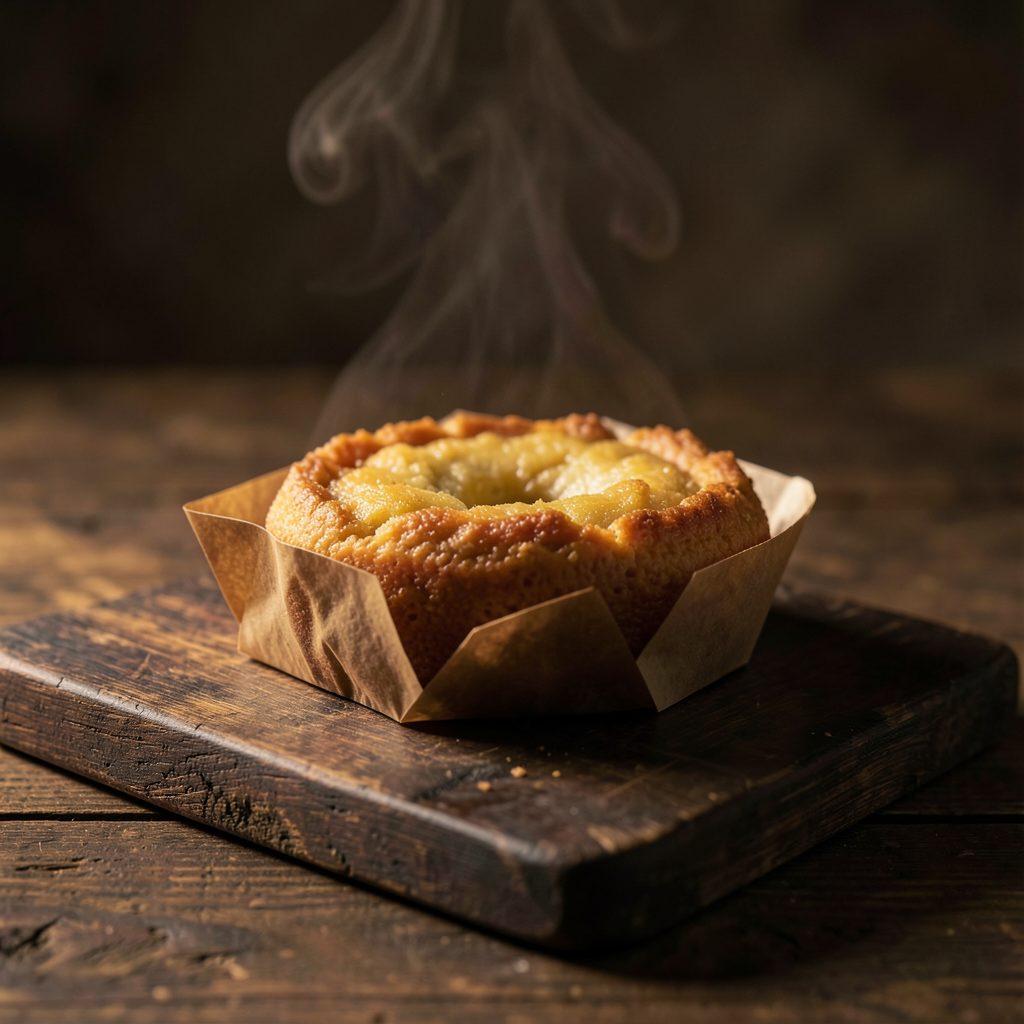
Radish Cake —蘿蔔糕精神
NT$ —
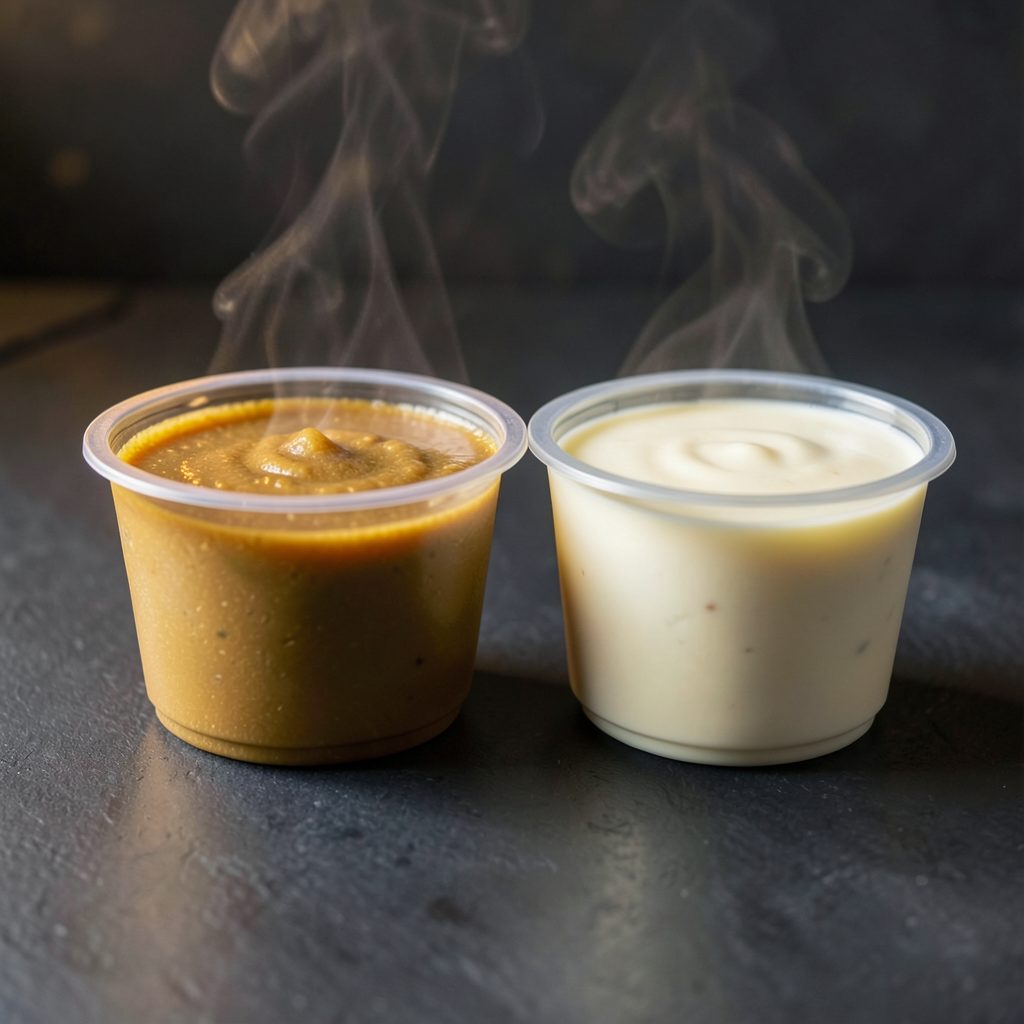
Duo Soup Base Set
NT$ —
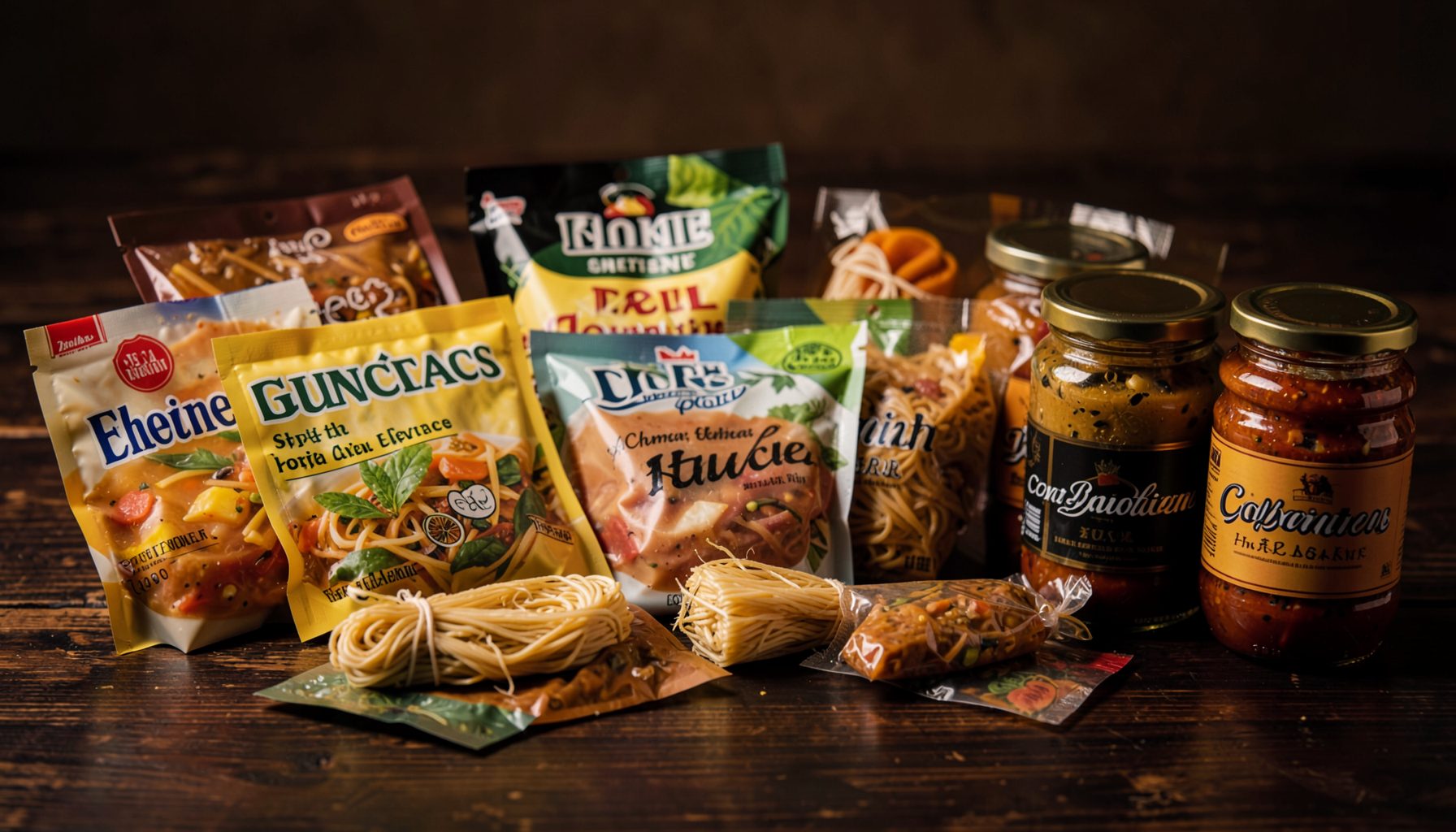
Hot Pot Essentials Bundle
NT$ —
About 蛤?! Huh Pot
蛤?! Huh Pot is a Cantonese-style hot pot brand known for its signature clam-based broth —卜卜蜆 — made with rich old-hen stock and generous portions of fresh clams. The brand also encompasses 本事滿足鍋物, a personal hot pot concept, bringing the same depth of flavor to individual servings.
Through MoneyCome Mart, these restaurant-quality soup bases, dry noodles, radish cakes, and signature sauces are available for home delivery across Taiwan. Restaurant locations in Taipei's Da'an District, Civic Boulevard, and Taichung's Gongyi Road also welcome guests for dine-in, with online reservations available.