Pair Cantonese hot pot soup bases with the right noodles and rice
A well-chosen soup base can turn a home hot pot into a complete meal, but the starch you add matters just as much. Rice and noodles absorb broth differently: some soften quickly and carry delicate flavors, while others stay pleasantly chewy in a rich or spicy soup.
MoneyCome Mart makes it easy to build a Cantonese-inspired hot pot at home with frozen soup bases, clam broths, sauces, noodles, and prepared ingredients. With the right pairing, each bowl can balance the savory depth of the broth without becoming too salty, heavy, or bland.
The best match depends on three qualities: the intensity of the soup, the texture you want, and whether the starch will be cooked in the pot or served separately. These simple guidelines can help you choose confidently for a family dinner, a quick solo meal, or a larger gathering.
Start with the flavor and richness of the broth
Light seafood and clam broths work beautifully with thin rice vermicelli. The noodles absorb the natural briny flavor while keeping the bowl delicate and easy to eat. They are also a good choice when your hot pot includes vegetables, tofu, mushrooms, and leafy greens.
For a richer soup base, select a starch with more body. Udon and thick wheat noodles can stand up to concentrated savory flavors without disappearing into the broth. Their springy texture also makes them satisfying when the soup contains sliced meat, fish cakes, or other hearty ingredients.
Spicy or strongly seasoned bases benefit from neutral starches. Plain white rice, short-grain rice, or mild wheat noodles can soften the impact of chili, pepper, and aromatics. Avoid adding too much sauce at the beginning; let the soup provide most of the seasoning.
Match noodle shape with cooking time
Thin noodles cook quickly and are best added in smaller portions near the end of the meal. Rice vermicelli and other fine noodles can become soft if left in a simmering pot for too long, especially when they are pre-soaked. Add them only when the broth is hot, then serve as soon as they reach the desired texture.
Udon and thicker noodles are more forgiving. They can be rinsed, loosened, and warmed in the soup for a few minutes without losing their chew. This makes them convenient for shared hot pots where ingredients are added gradually and guests eat at different times.
Egg noodles bring a richer wheat flavor and pair well with savory, aromatic soup bases. If the noodles are coated with flour, briefly blanching or rinsing them first can help prevent excess starch from clouding the broth.
Choose rice for absorption and balance
Steamed jasmine rice is a reliable companion for almost any soup base. Its separate grains make it ideal for spooning broth, meat, and vegetables over the top, while its mild fragrance complements seafood and lighter Cantonese flavors.
Short-grain white rice creates a softer, more cohesive bite. It works especially well with a rich broth because the grains hold onto the soup and create a comforting, almost porridge-like finish. Keep the rice in a separate bowl rather than cooking it directly in the hot pot, so the broth remains easier to control.
Brown rice adds a nutty flavor and firmer texture. Use it with deeply savory or spicy bases that can match its stronger character. Because brown rice is less delicate, it is also practical for meal preparation when the soup and rice will be packed separately.
| Soup base style | Best rice pairing | Best noodle pairing | Why it works |
|---|---|---|---|
| Light clam or seafood broth | Jasmine rice | Rice vermicelli | Keeps the seafood flavor clear and delicate |
| Rich savory broth | Short-grain white rice | Udon | Adds body and holds onto a full-flavored soup |
| Spicy or aromatic broth | Steamed white rice | Egg noodles | Softens heat while preserving a satisfying texture |
| Vegetable-forward broth | Brown rice | Wheat or rice noodles | Adds substance without overpowering fresh ingredients |
| Creamy or thick soup | Plain white rice | Thick noodles | Provides a clean contrast to the dense broth |
Build a seafood-friendly bowl
Clam broth has a natural affinity with rice vermicelli, thin wheat noodles, and jasmine rice. These options allow the briny character to remain noticeable while giving the soup enough substance to serve as a main course. Add the starch after shellfish and vegetables have released their juices into the pot.
If you prefer rice, serve a modest portion on the side and spoon broth over it just before eating. This approach prevents the grains from absorbing too much liquid and becoming overly salty. It also lets diners adjust the ratio of broth to rice according to their preference.
For more texture, combine a small amount of vermicelli with leafy greens, tofu, and mushrooms. The fine noodles catch the broth, while the vegetables keep each bite fresh and varied.
Use preparation technique to protect texture
Frozen soup bases should be heated gently and evenly before the ingredients are added. Following a reliable reheating guide helps preserve the intended aroma and prevents the edges of the broth from reducing too quickly.
Once the soup is simmering, cook noodles in batches instead of placing the entire package into the pot. This keeps the broth from becoming excessively starchy and makes it easier to remove each portion at its ideal texture. Rice should generally be cooked separately and added to individual bowls.
For exact storage, heating, or product-handling details, the store’s common questions can provide useful guidance. A clean, steady simmer is usually better than a rolling boil, particularly for delicate seafood soup bases and thin noodles.
Make the pairing work for the whole meal
A shared hot pot often includes guests with different preferences, so it helps to offer one neutral starch and one more distinctive option. Jasmine rice is broadly appealing, while udon or rice vermicelli gives the meal a different texture without requiring a second soup base.
Keep sauces separate when the broth is already seasoned. A small dipping dish allows each person to add sesame, chili, garlic, or soy-based flavors without changing the balance of the main pot. This is especially useful when pairing one soup base with both rice and noodles.
Simple pairing choices for your next order
- Choose rice vermicelli for clam, seafood, or light vegetable broth.
- Choose udon when the soup is rich, savory, or packed with hearty ingredients.
- Choose jasmine rice for a flexible side that works with nearly every soup style.
- Choose short-grain rice when you want a softer, broth-soaked bowl.
- Choose brown rice with spicy or deeply seasoned bases that can match its nutty flavor.
Explore MoneyCome Mart’s soup bases, noodles, sauces, and prepared hot pot ingredients to create a combination that suits your table. Pick one broth, add a complementary rice or noodle, and enjoy restaurant-style Cantonese hot pot at home with the convenience of cold-chain delivery across Taiwan.
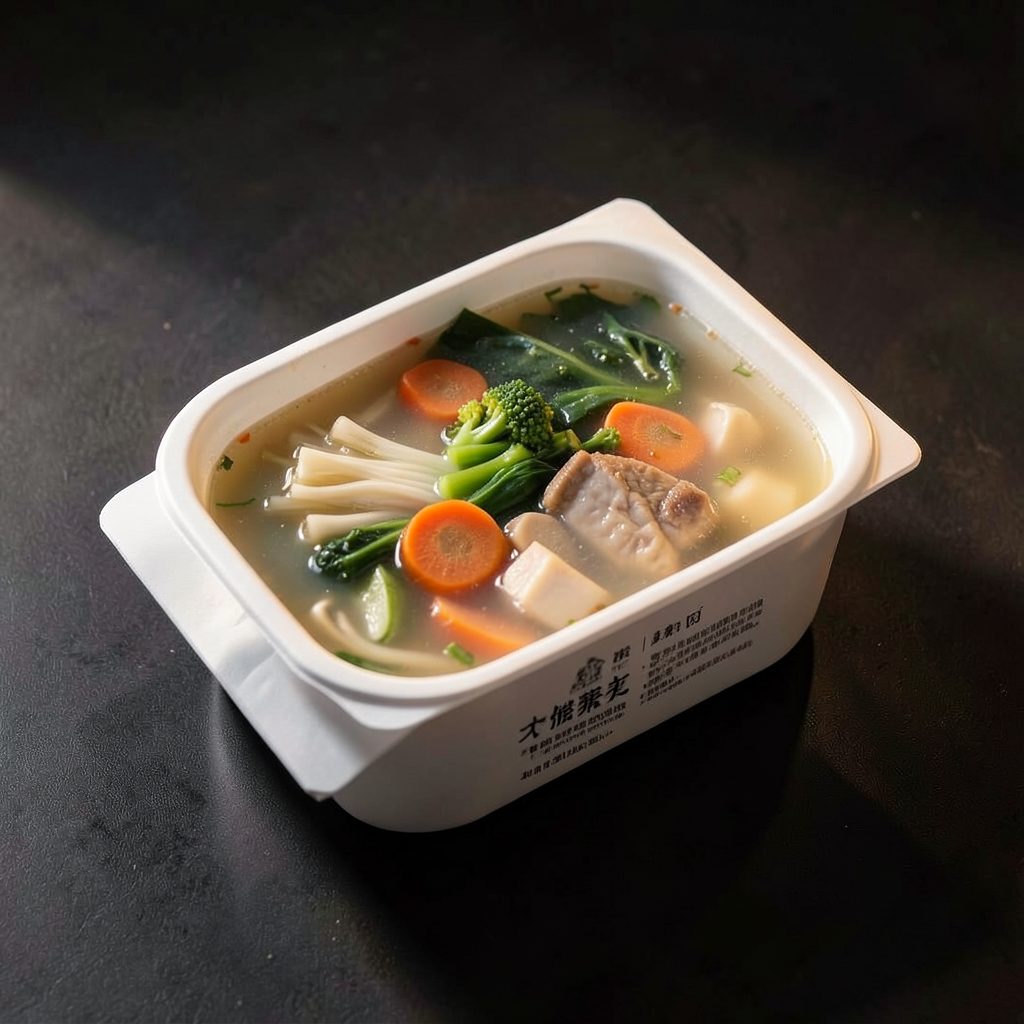
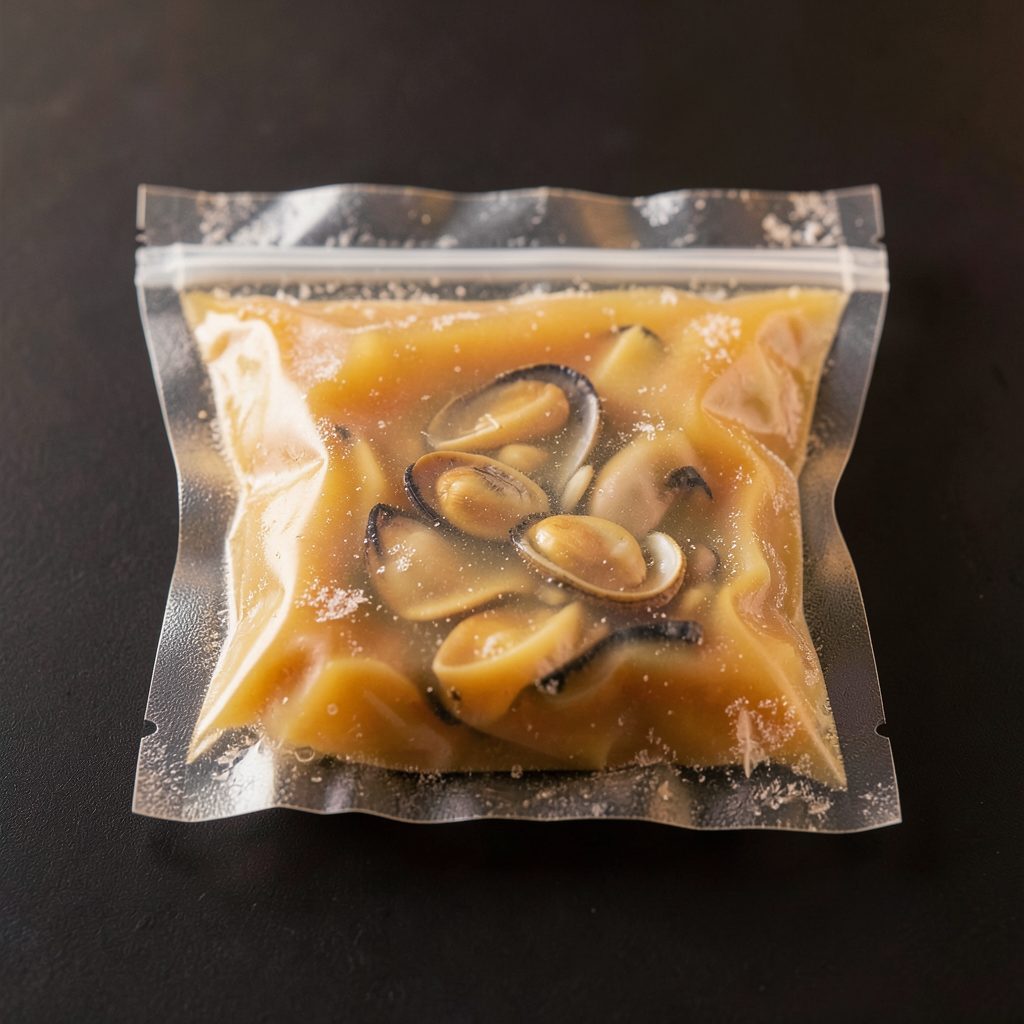
Best Sellers
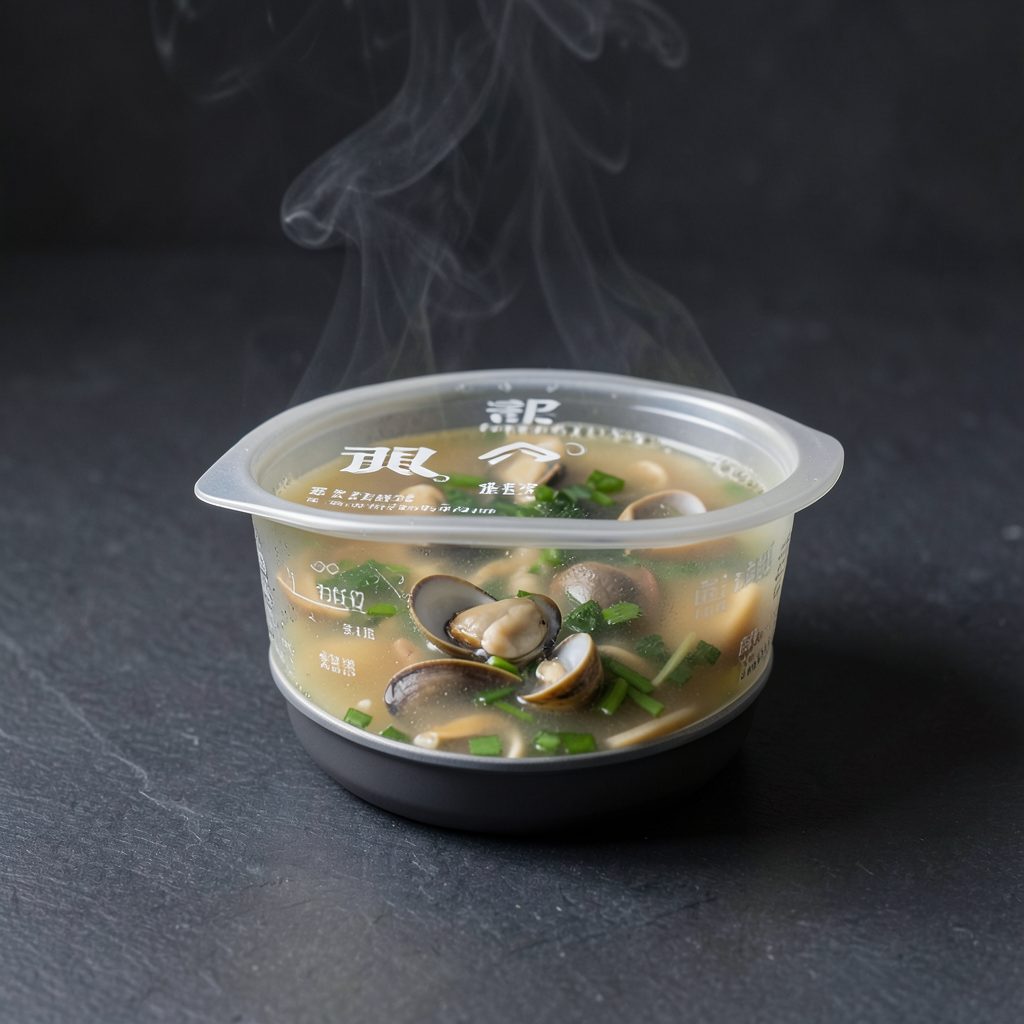
蛤?! Clam Soup Base —卜卜蜆
NT$ —
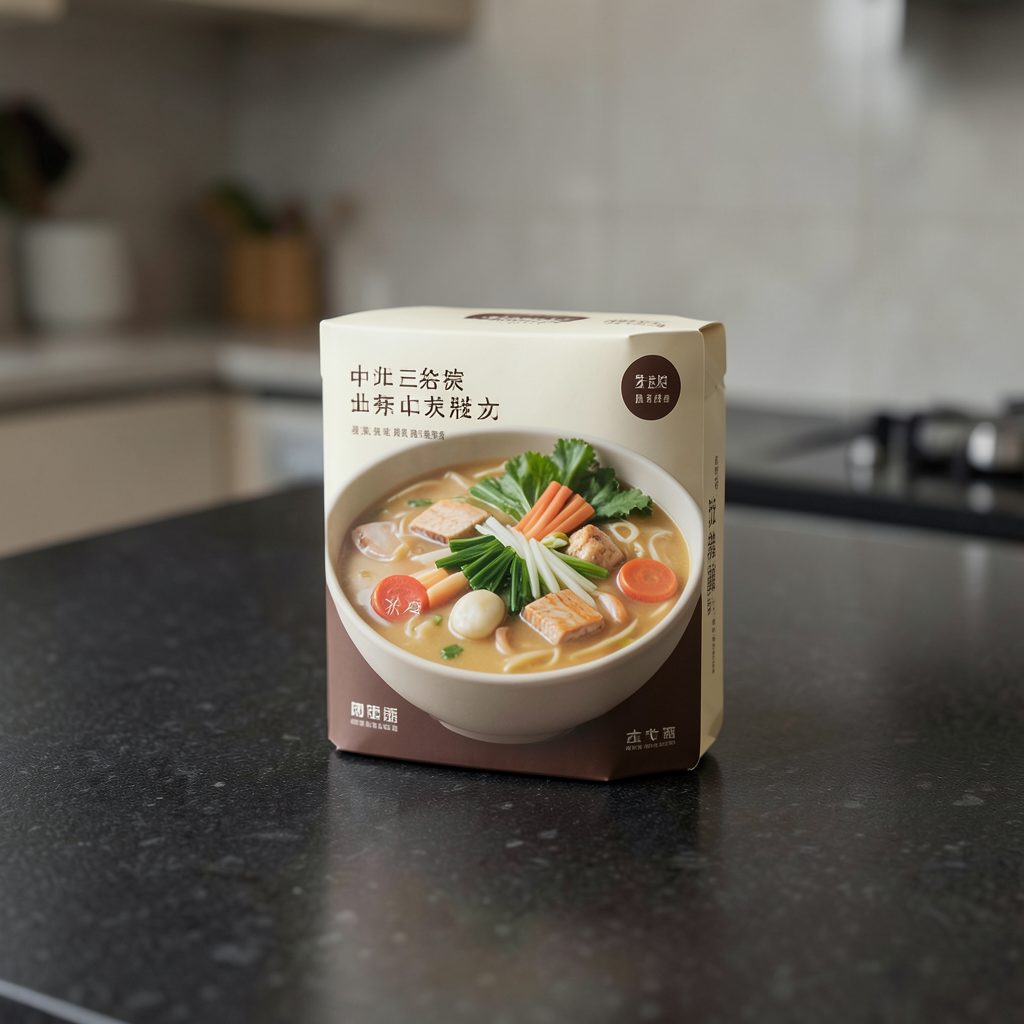
本事滿足鍋物 Personal Pot Base
NT$ —
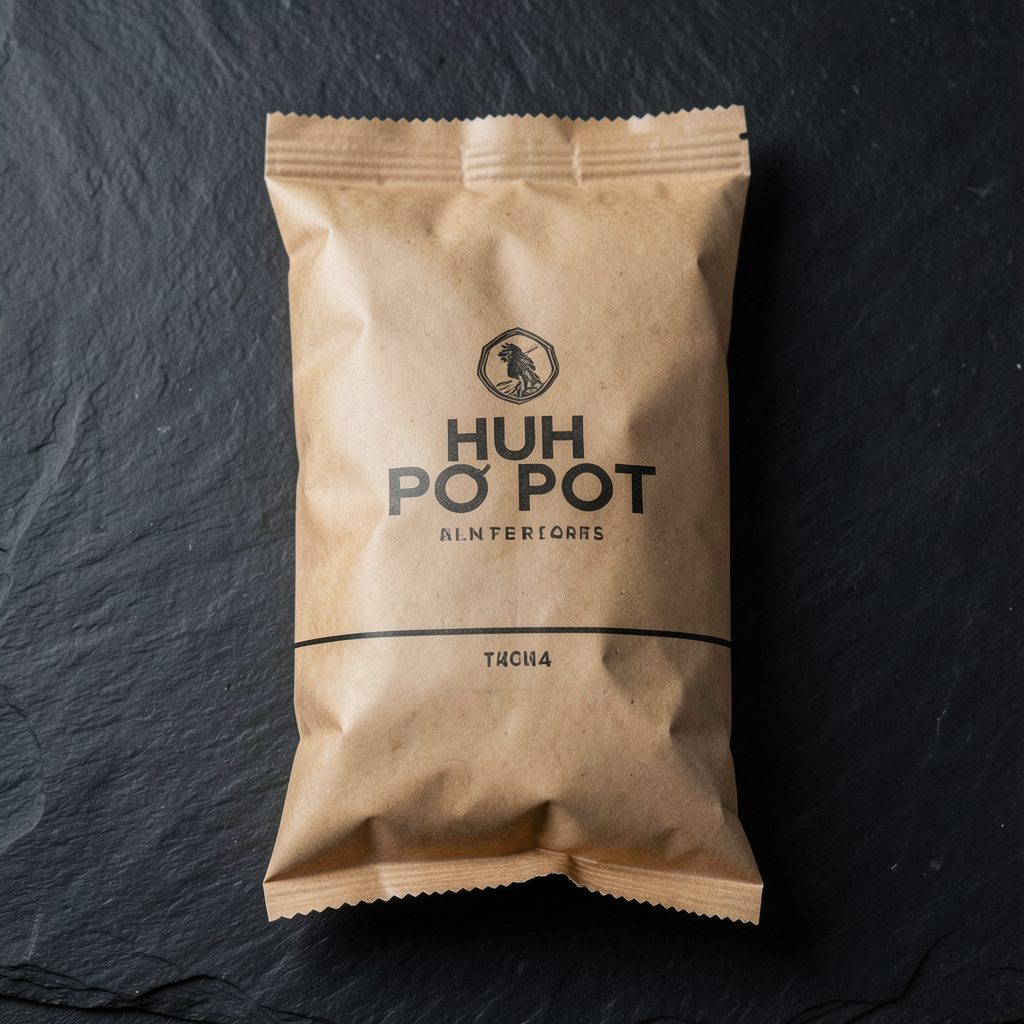
蛤?! Dry Noodles
NT$ —
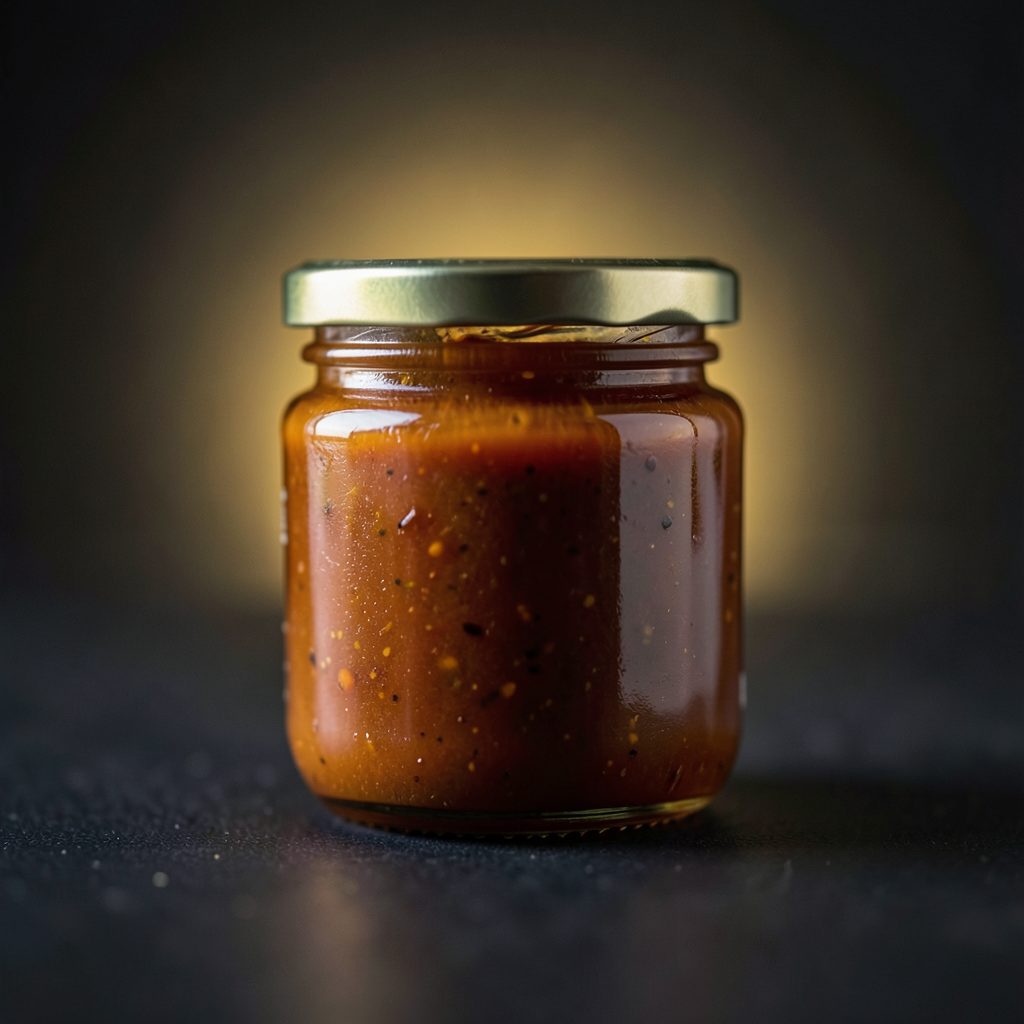
Signature Sauce
NT$ —
New Arrivals
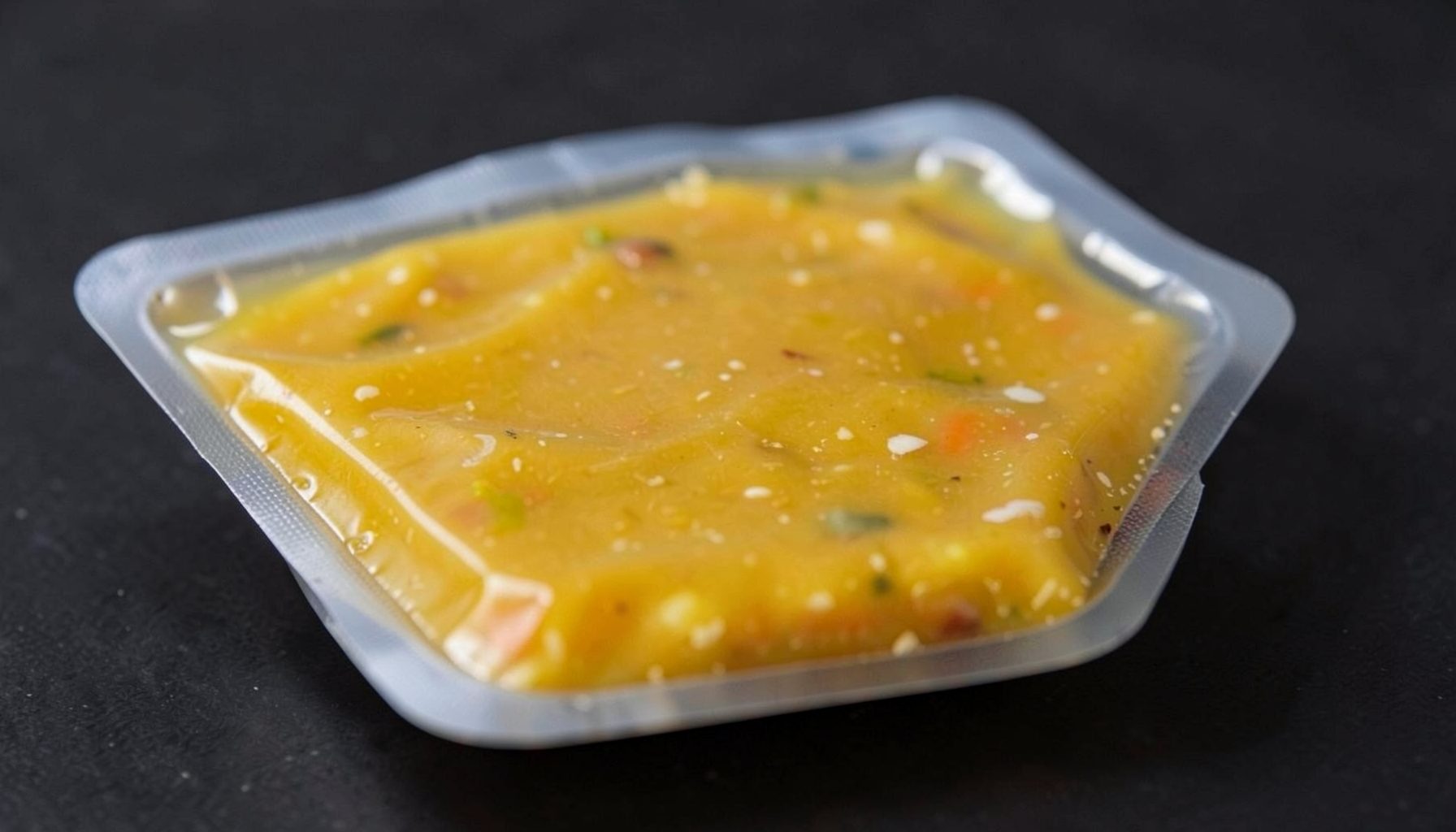
蛤?! Golden Clam Broth — New Batch
NT$ —
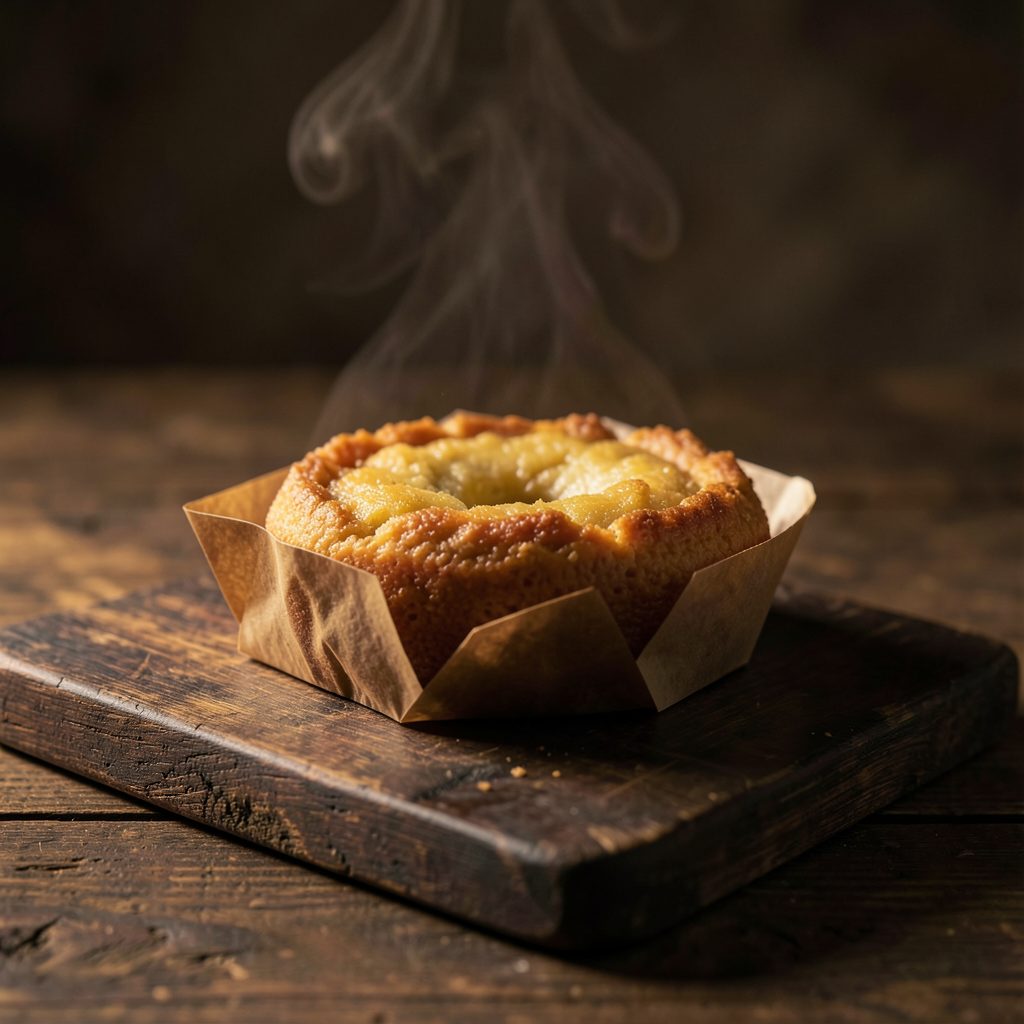
Radish Cake —蘿蔔糕精神
NT$ —
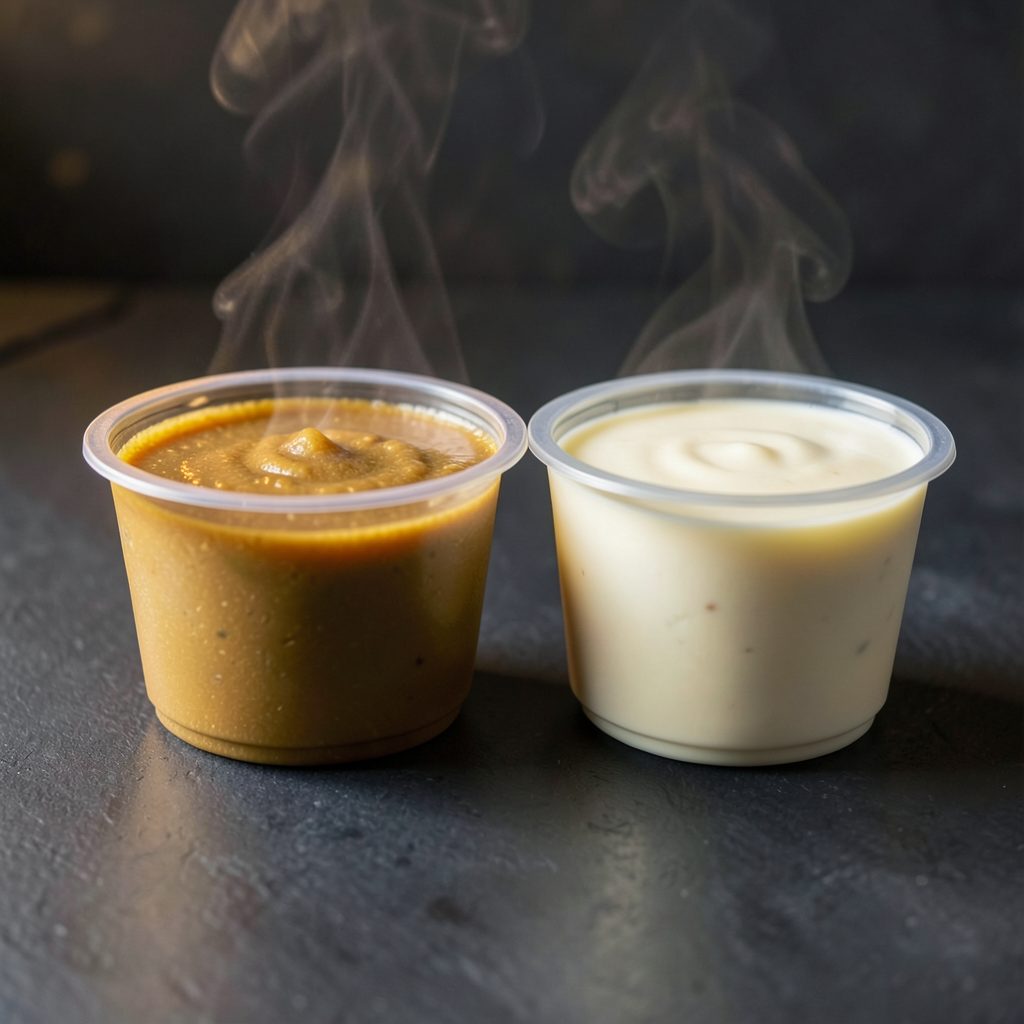
Duo Soup Base Set
NT$ —
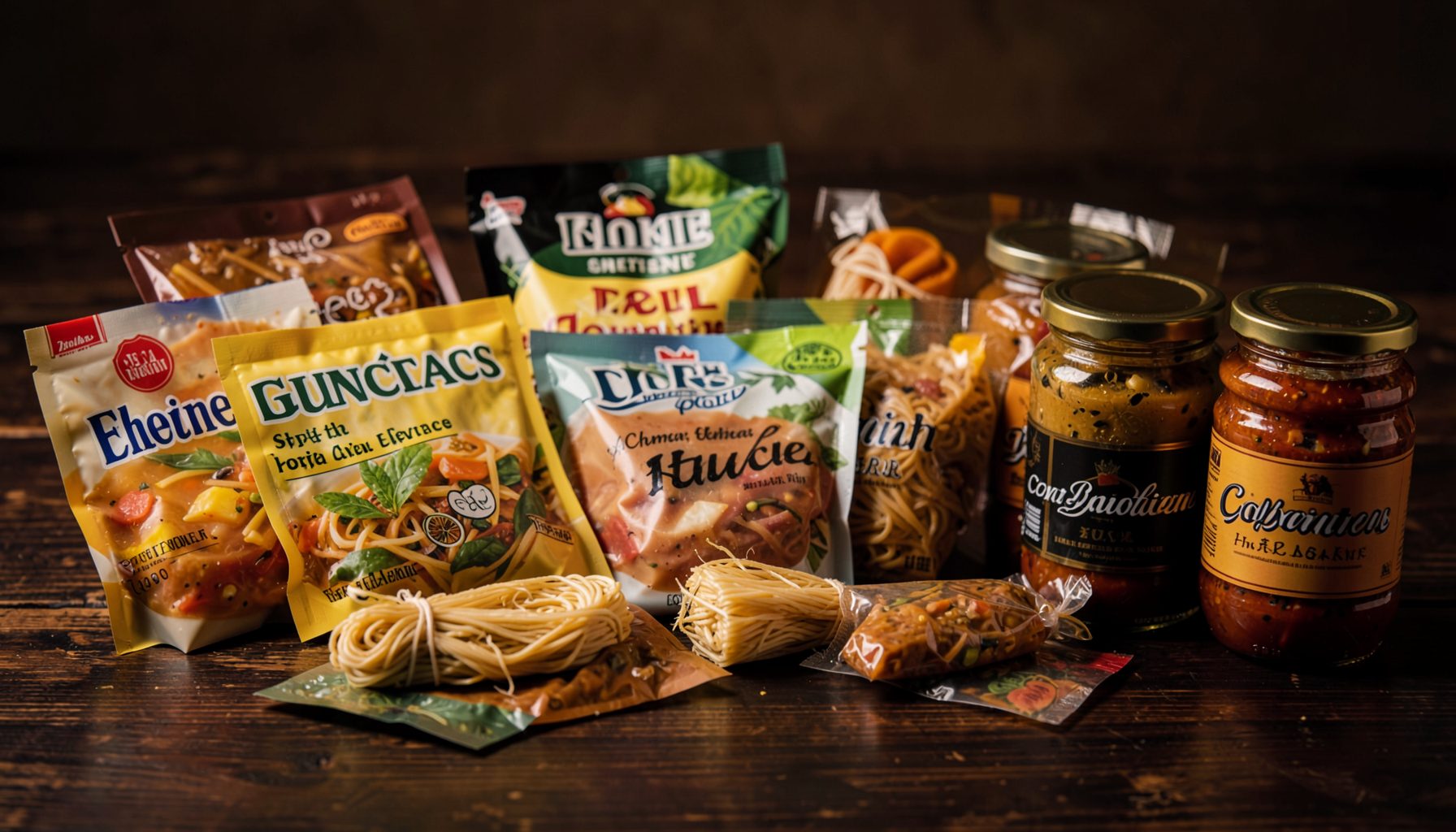
Hot Pot Essentials Bundle
NT$ —
About 蛤?! Huh Pot
蛤?! Huh Pot is a Cantonese-style hot pot brand known for its signature clam-based broth —卜卜蜆 — made with rich old-hen stock and generous portions of fresh clams. The brand also encompasses 本事滿足鍋物, a personal hot pot concept, bringing the same depth of flavor to individual servings.
Through MoneyCome Mart, these restaurant-quality soup bases, dry noodles, radish cakes, and signature sauces are available for home delivery across Taiwan. Restaurant locations in Taipei's Da'an District, Civic Boulevard, and Taichung's Gongyi Road also welcome guests for dine-in, with online reservations available.