How to Make a Low-Sodium Hot Pot with Our Bases
A Cantonese hot pot can be deeply satisfying without relying on a heavily salted broth. The key is to choose a flavorful soup base, dilute it thoughtfully, and let fresh ingredients bring natural sweetness, aroma, and texture to the pot.
MoneyCome Mart makes home preparation easier with frozen soup bases, clam broths, sauces, noodles, turnip cakes, and prepared ingredients connected with the 蛤?! Huh Pot and 本事滿足鍋物 brands. With cold-chain delivery across Taiwan, you can create a restaurant-style meal while controlling the amount of sodium in every serving.
A low-sodium hot pot does not have to taste plain. Aromatic vegetables, mushrooms, seafood, lean proteins, and carefully chosen dipping sauces can build layers of flavor while keeping the broth balanced.
Choose A Flavorful Starting Point
Begin by selecting a soup base with a clear flavor profile. A clam broth can provide briny depth, while a Cantonese-style herbal or savory base may offer warmth and fragrance before you add any seasoning. Read the package instructions first, then decide whether the recommended water volume suits your taste.
For a lighter broth, add extra water gradually rather than diluting the base all at once. Start with about 10–20 percent more water than the package suggestion, taste after simmering, and adjust only if needed. This preserves the character of the stock while reducing its concentration.
When ordering, review the shipping FAQ for cold-chain delivery details so frozen products arrive ready for safe storage and preparation.
Add Natural Umami And Aroma
Fresh ingredients can make a reduced-sodium broth taste fuller. Napa cabbage, daikon, corn, onions, tomatoes, and pumpkin release sweetness as they cook. Mushrooms contribute earthy umami, while ginger, garlic, scallions, and cilantro provide fragrance without needing extra salt.
Seafood such as clams, shrimp, fish slices, and squid can enrich the soup naturally. Add delicate seafood near the end so it remains tender and does not make the broth overly concentrated. If using processed fish balls, dumplings, or other seasoned items, balance them with plenty of fresh vegetables because these ingredients may already contain sodium.
Noodles, tofu, and leafy greens also help spread the flavor across the meal. Cook ingredients in smaller batches, allowing the broth to remain clear and preventing a large amount of seasoning from clinging to every ingredient at once.
Compare Base Styles And Cooking Approaches
Different soup bases suit different low-sodium strategies. A naturally aromatic broth may need little adjustment, while a bolder base benefits from extra water and fresh ingredients. Use the package directions as a starting point, then taste the broth before adding sauces or condiments.
| Base Style | Flavor Character | Low-Sodium Approach | Ingredients That Pair Well |
|---|---|---|---|
| Clam broth | Briny, savory, lightly sweet | Dilute slightly and add vegetables | Clams, napa cabbage, tofu, mushrooms |
| Herbal or Cantonese broth | Fragrant, warming, layered | Keep seasoning minimal and use aromatics | Chicken, daikon, greens, noodles |
| Spicy broth | Hot, rich, strongly seasoned | Use a smaller portion with extra stock or water | Beef, mushrooms, bean curd, cabbage |
| Mild savory broth | Balanced and adaptable | Let fresh ingredients provide most of the flavor | Seafood, pork, dumplings, corn |
Keep a spoon nearby for tasting. The broth can seem mild at the beginning but become saltier as ingredients release moisture and the liquid reduces. Topping up with hot water during the meal is a simple way to maintain a comfortable flavor level.
Build A Balanced Ingredient Tray
A well-planned ingredient tray makes the hot pot feel abundant without depending on salty prepared foods. Include two or three vegetables, one or two protein options, tofu, mushrooms, and a starch such as noodles or turnip cake. This mix creates contrast and keeps each bite interesting.
For protein, choose fresh chicken, lean pork, beef slices, shrimp, fish, or tofu. If you are serving dumplings, fish balls, crab sticks, or marinated meats, use smaller portions and pair them with unsalted or lightly seasoned ingredients.
The store’s hot pot range can help you combine frozen soup bases with convenient noodles, sauces, and ready-to-cook items. Check individual packaging when managing sodium closely, since recipes and serving sizes vary.
Keep Dipping Sauce Under Control
Dipping sauce can add more sodium than the broth, particularly when it contains soy sauce, fermented bean paste, chili oil, or packaged seasoning blends. Serve sauces in small individual dishes instead of placing a large bowl beside the pot. This makes it easier to control each bite.
Create a lighter dip with fresh chili, garlic, scallions, cilantro, rice vinegar, sesame paste, or a small amount of low-sodium soy sauce. A squeeze of lime or a splash of vinegar can sharpen flavors and reduce the urge to add more seasoning.
You can also dip ingredients briefly rather than coating them heavily. For children or guests following a restricted diet, offer plain broth, sesame paste, herbs, and vinegar separately so everyone can adjust their own bowl.
Cook In Stages For Better Flavor
Start with ingredients that need time to soften, such as daikon, corn, mushrooms, and firm tofu. Once the broth develops more aroma, add meat and seafood in manageable portions. Finish with leafy greens and noodles, which cook quickly and can absorb a great deal of liquid.
Avoid keeping the pot at a vigorous boil for the entire meal. A gentle simmer reduces evaporation and helps prevent the broth from becoming concentrated. Skim foam when necessary, and add hot water before the liquid level drops too far.
Serve smaller bowls throughout the meal instead of filling one large bowl at once. This keeps the temperature pleasant, makes portions easier to manage, and allows you to enjoy the changing flavors of the broth.
Simple Steps For A Lighter Hot Pot
Use these practical habits when preparing your meal:
- Dilute the soup base slightly and taste before adding any extra seasoning.
- Fill the pot with vegetables, mushrooms, tofu, and fresh proteins before adding processed items.
- Keep dipping sauce portions small and brighten them with vinegar, citrus, garlic, or herbs.
- Add delicate seafood, leafy greens, and noodles near the end of cooking.
- Refill with hot water during the meal to prevent the broth from reducing too far.
A low-sodium hot pot is easiest to enjoy when flavor comes from variety rather than excess salt. Choose a flavorful MoneyCome Mart base, add fresh ingredients in stages, and customize each bowl with a light dipping sauce. Browse the available bases and hot pot ingredients, then plan a comforting Cantonese-style meal for delivery across Taiwan.
Best Sellers
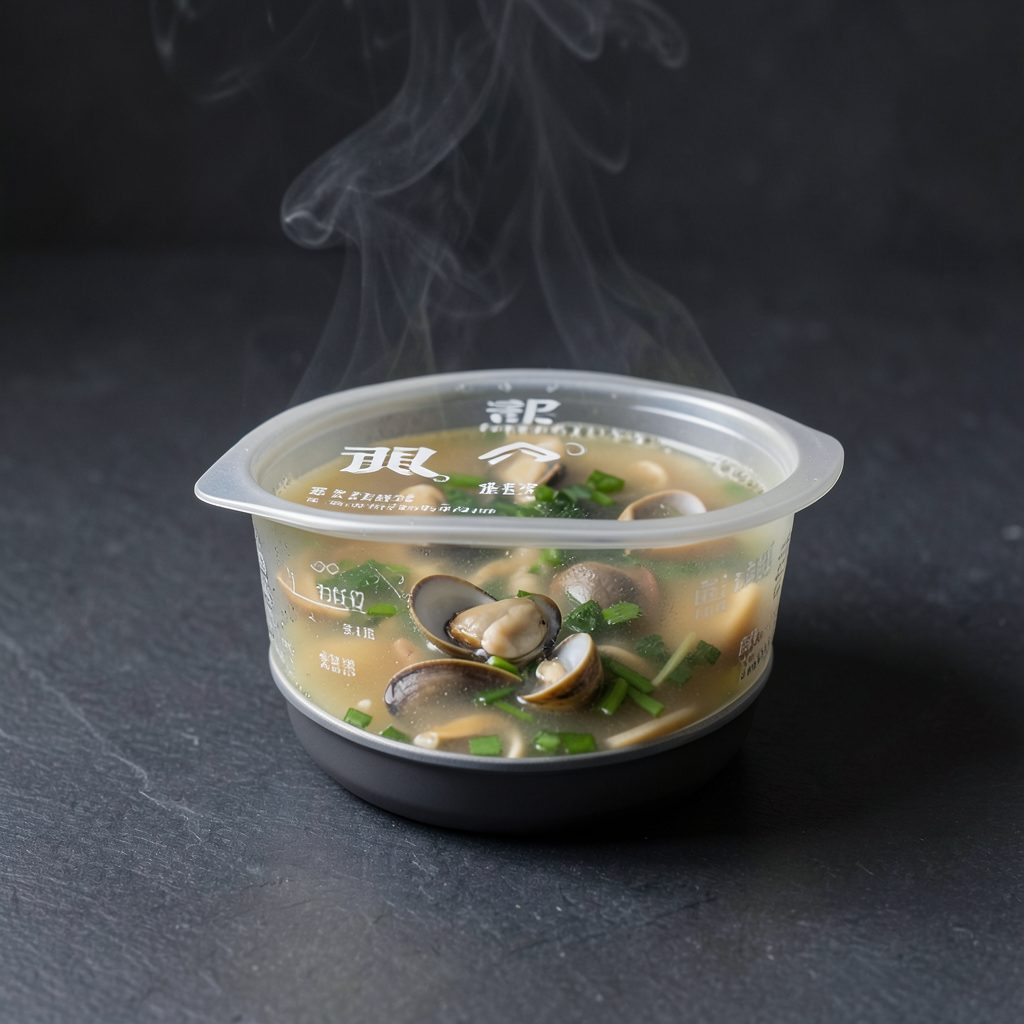
蛤?! Clam Soup Base —卜卜蜆
NT$ —
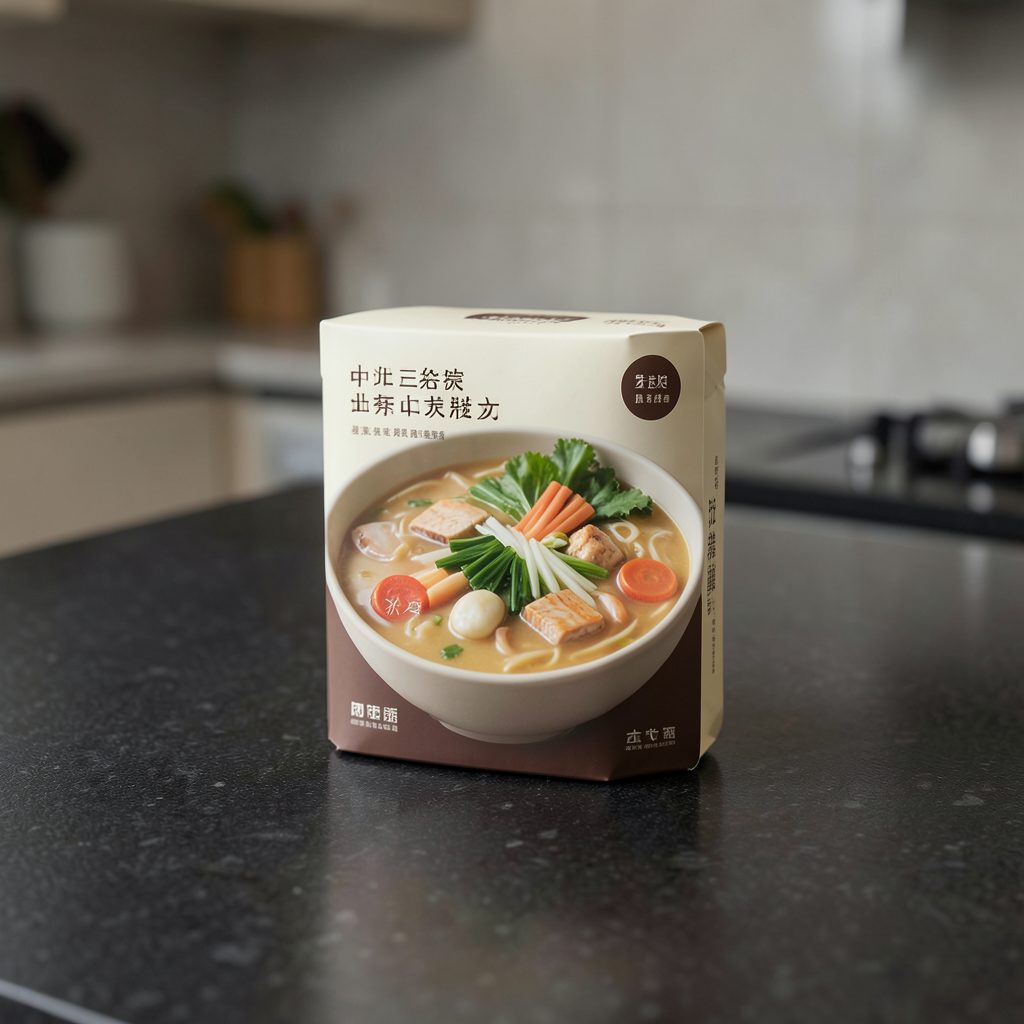
本事滿足鍋物 Personal Pot Base
NT$ —
蛤?! Dry Noodles
NT$ —
Signature Sauce
NT$ —
New Arrivals
蛤?! Golden Clam Broth — New Batch
NT$ —

Radish Cake —蘿蔔糕精神
NT$ —
Duo Soup Base Set
NT$ —
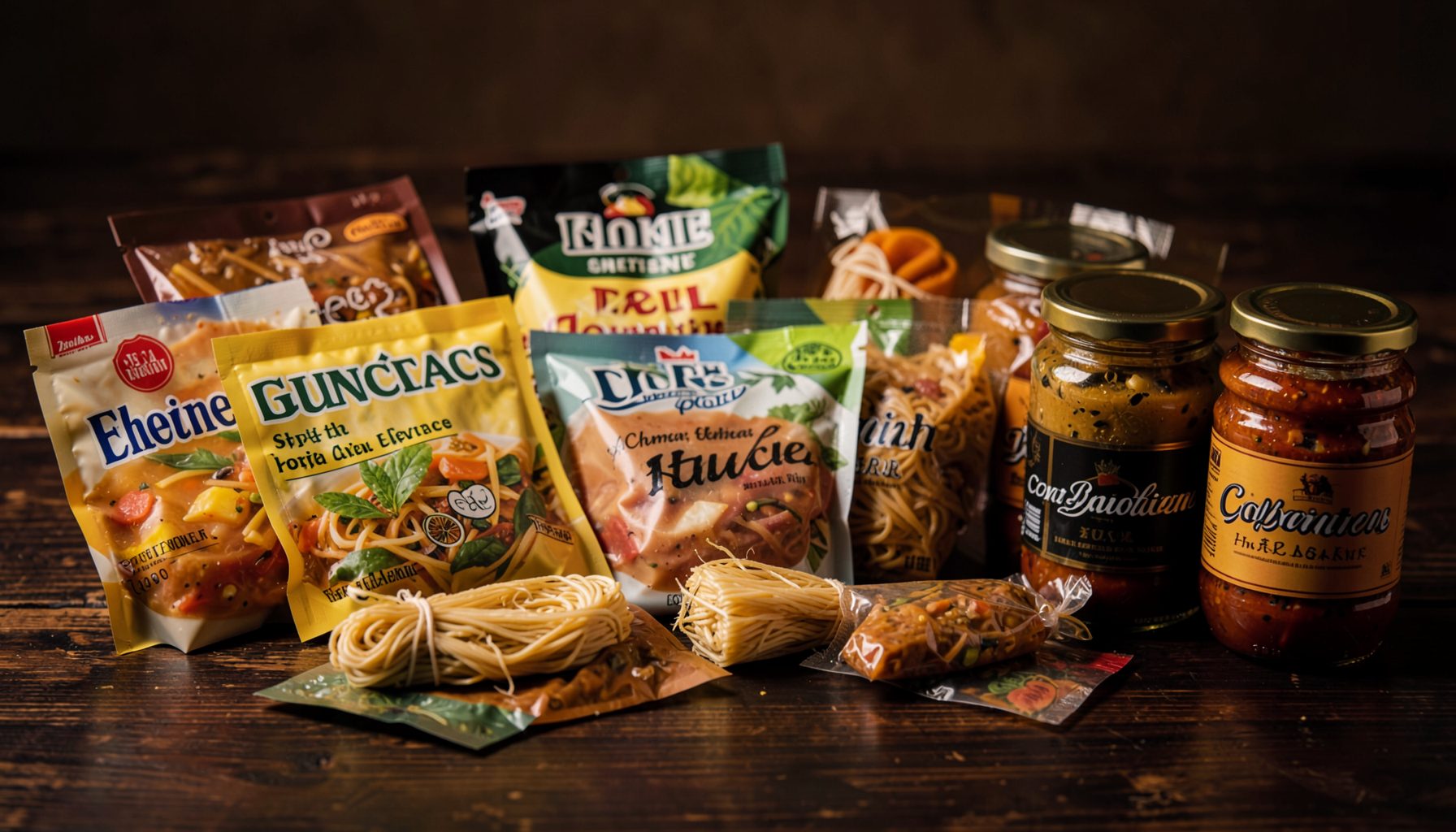
Hot Pot Essentials Bundle
NT$ —
About 蛤?! Huh Pot
蛤?! Huh Pot is a Cantonese-style hot pot brand known for its signature clam-based broth —卜卜蜆 — made with rich old-hen stock and generous portions of fresh clams. The brand also encompasses 本事滿足鍋物, a personal hot pot concept, bringing the same depth of flavor to individual servings.
Through MoneyCome Mart, these restaurant-quality soup bases, dry noodles, radish cakes, and signature sauces are available for home delivery across Taiwan. Restaurant locations in Taipei's Da'an District, Civic Boulevard, and Taichung's Gongyi Road also welcome guests for dine-in, with online reservations available.