Turning leftover hot pot broth into savoury focaccia at home
A steaming pot of Cantonese-style broth brings family and friends together across Australian dining tables, from Sydney apartments to Perth family homes. After the last slice of meat and the final leafy green have been pulled through the bubbling soup, a surprising amount of flavourful liquid remains. Instead of tipping it down the sink, home cooks can transform that golden broth into a soft, aromatic focaccia that carries the essence of the night before.
Reducing food waste has become a quiet priority for many Australian households, especially as grocery prices climb and landfill levies push councils to encourage composting. Stretched broth into bread is one of those clever kitchen hacks that feels both thrifty and indulgent. It also suits the relaxed weekend rhythm of Australian entertaining, where Saturday night hot pot often spills into a slow Sunday bake.
The technique borrows from Italian tradition but welcomes a salty, umami-rich twist. By replacing plain water or milk in the dough with a reduced hot pot broth, bakers create a loaf that tastes like a cross between a rustic Italian pane and a deeply savoury Asian pastry. It pairs beautifully with a crisp Australian chardonnay or a pot of jasmine tea.
Storing leftover broth the safe way
Before the dough even gets mixed, the broth needs careful handling. According to Food Standards Australia New Zealand guidance, cooked liquid left at room temperature should be cooled and refrigerated within two hours to prevent bacterial growth. Strain the broth through a fine sieve to remove scallion stalks, chilli seeds, and any meat fragments, then chill it overnight in a sealed container.
Freezing is the practical option for many families who only run hot pot every few weeks. Portion the strained broth into reusable silicone tubs or ice-cube trays, label with the date, and stash it in the freezer for up to three months. This habit works well for busy Melbourne and Brisbane households juggling sport drop-offs, weekend cricket, or Saturday morning farmers' markets.
For those who buy their bases rather than simmer from scratch, browsing the online hot pot shop is a sensible starting point. Restaurant-quality clam broths and spicy mala bases can be portioned into small jars and frozen, giving bakers a ready supply of intensely flavoured liquid whenever the bread-baking mood strikes.
Mixing the dough with broth instead of water
A classic focaccia dough relies on flour, yeast, salt, a little sugar, and a generous splash of liquid. Replacing roughly half of the water with reduced broth introduces salt, ginger, garlic notes, and a faint Sichuan warmth, depending on which base was used the night before. The dough remains pillowy and slightly elastic, with a deeper golden hue once baked.
Australian plain flour or "00" flour from the supermarket baking aisle works beautifully, though a strong bread flour yields a chewier crumb. If humidity is high in cities like Darwin or coastal Queensland during the wet season, reduce the broth by a little more than usual before adding it in, since steamy kitchens can make the dough slack and sticky.
Knead the mixture for about ten minutes by hand or five in a stand mixer, then allow the first rise in a warm, draught-free spot. A switched-off oven with just the interior light on creates a reliable proving environment for homes without a dedicated bread proofer. The dough should roughly double in size within an hour.
Layering flavour through toppings
Once the dough has had its first rise and been pressed into an oiled tray, the toppings turn a good focaccia into a memorable one. The dimples that characterise this bread become little wells for extra flavour, so every bite should carry something interesting.
Some bakers lean into the Asian profile by pressing thinly sliced spring onion, toasted sesame seeds, and a whisper of chilli oil into the surface. Others prefer a hybrid approach, scattering shredded mozzarella, sliced black olives, and a few strips of sun-dried tomato alongside a light brush of soy glaze. A final drizzle of extra virgin olive oil helps the crust blister and crisp.
Popular Australian pantry finds for topping ideas include dukkah from Harris Farm, shaved parmesan from the deli counter, and pickled chilli from any of the Asian grocers dotted around suburbs like Cabramatta, Box Hill, and Sunnybank. A pinch of dried oregano or fennel seed can quietly bridge the Italian and Cantonese flavour profiles.
Combinations worth trying
- Spring onion, white sesame, and a brush of chilli oil for a purely Asian-leaning loaf.
- Shredded mozzarella, black olive, and sun-dried tomato with a light soy glaze for a hybrid Italian-Cantonese feel.
- Dukkah, shaved parmesan, and pickled chilli for a distinctly Australian pantry twist.
- Caramelised onion, grated ginger, and a scattering of toasted seaweed for a deeper umami finish.
Baking in a home oven
Most Australian ovens run a touch hotter than their stated temperature, so it pays to invest in a cheap oven thermometer for accurate baking. Preheat to around 220 degrees Celsius with a shallow tray of water on the lower rack, which mimics the steam injection of a professional deck oven and helps the focaccia develop a glossy, crackling crust.
Bake for roughly eighteen to twenty-two minutes, rotating the tray halfway through so the loaf colours evenly. The surface should turn a rich amber, and the base should sound hollow when tapped. If the top browns too quickly, tent loosely with foil for the final few minutes.
Those who entertain often might also enjoy reading about hosting compact hot pot gatherings in small kitchens, a guide packed with clever ideas for bench space and storage in apartments from Surry Hills to Fitzroy.
Serving, storing, and sharing
The finished focaccia is at its best on the day it is baked, ideally served warm so the interior stays tender. A small bowl of leftover dipping sauce from the broth can serve as an unconventional but delicious accompaniment on the side.
Ways to enjoy the loaf
- Serve warm as part of the next hot pot evening, torn into rough pieces for mopping up broth.
- Pair with soft-boiled eggs, butter, and a cup of strong Australian coffee for a weekend breakfast.
- Slice thickly and use as a base for open-faced sandwiches with leftover roast meats or cheese.
- Cube and toast leftovers into croutons for salads or soups during the week.
Storage is straightforward. Keep the loaf in a paper-lined container at room temperature for two days, or freeze slices in a zip-lock bag for up to a month. A quick ten-minute reheat in a hot oven restores the crust, while a brief microwave burst softens the crumb for those in a rush on a weekday morning.
This kind of broth-to-bread transformation suits the Australian appetite for relaxed entertaining, multicultural flavours, and gentle thrift. It turns one delicious evening into two, with very little extra effort and a wonderful sense of kitchen resourcefulness.
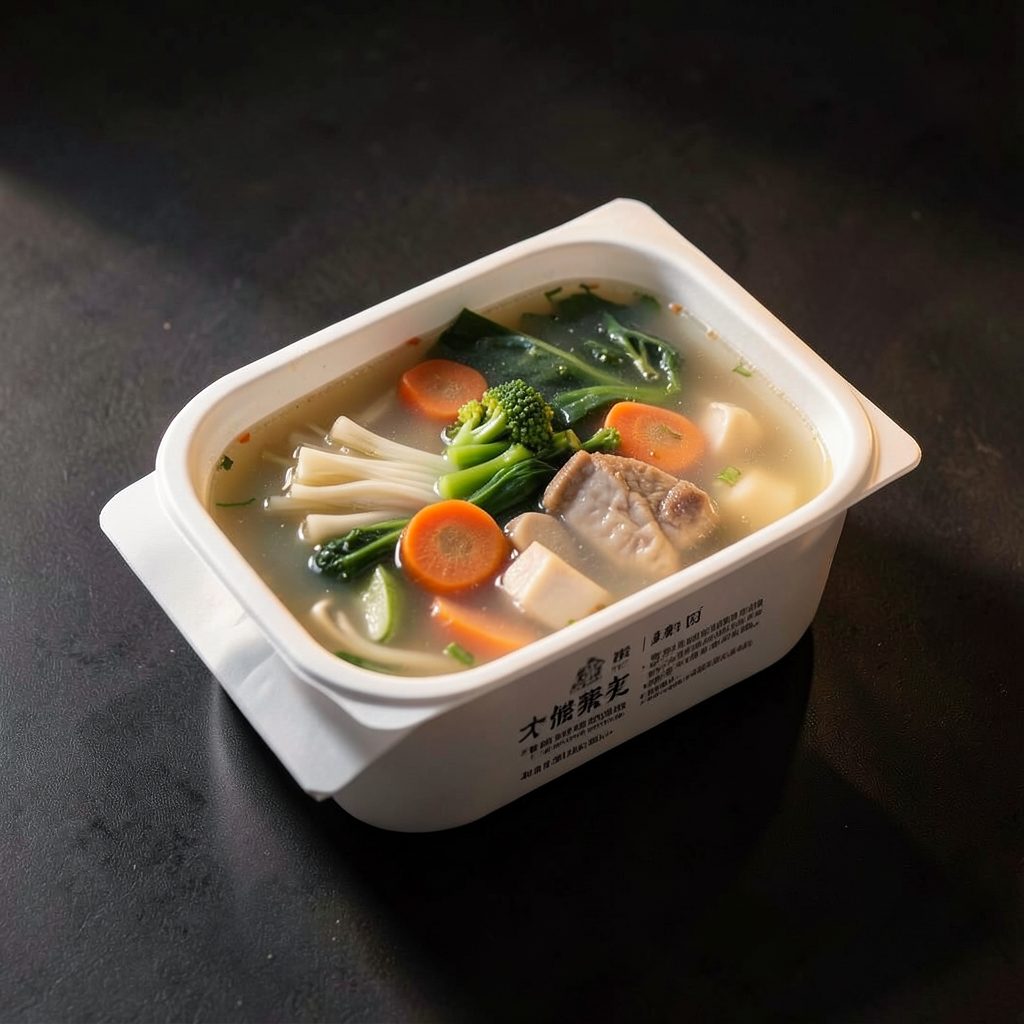
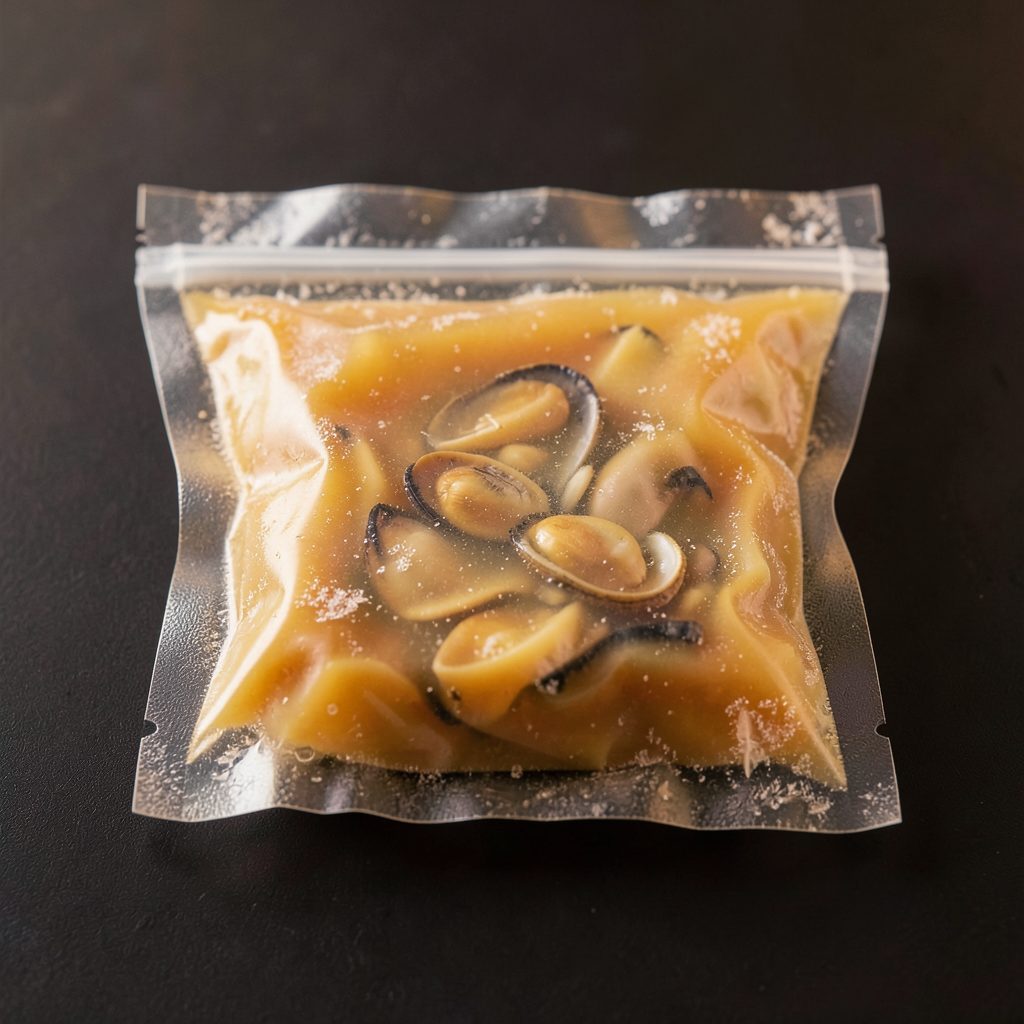
Best Sellers
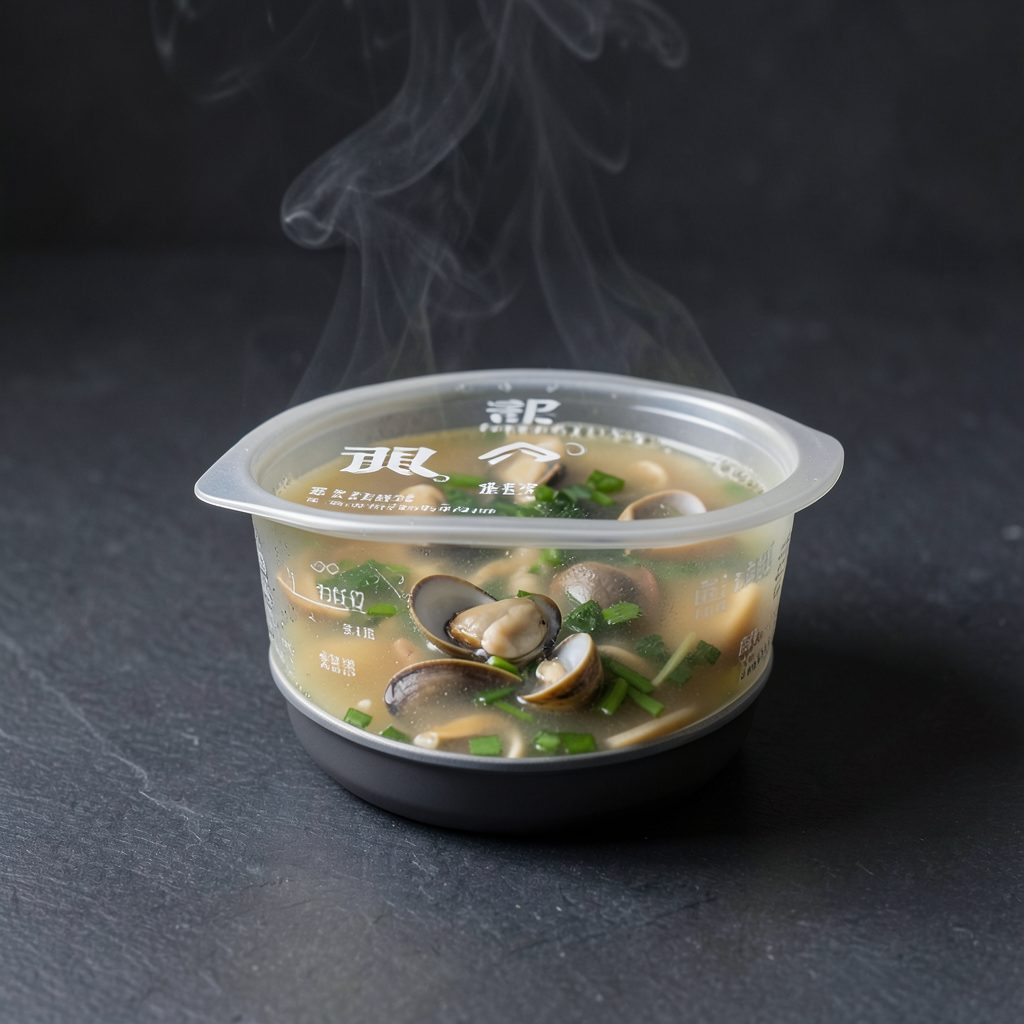
蛤?! Clam Soup Base —卜卜蜆
NT$ —
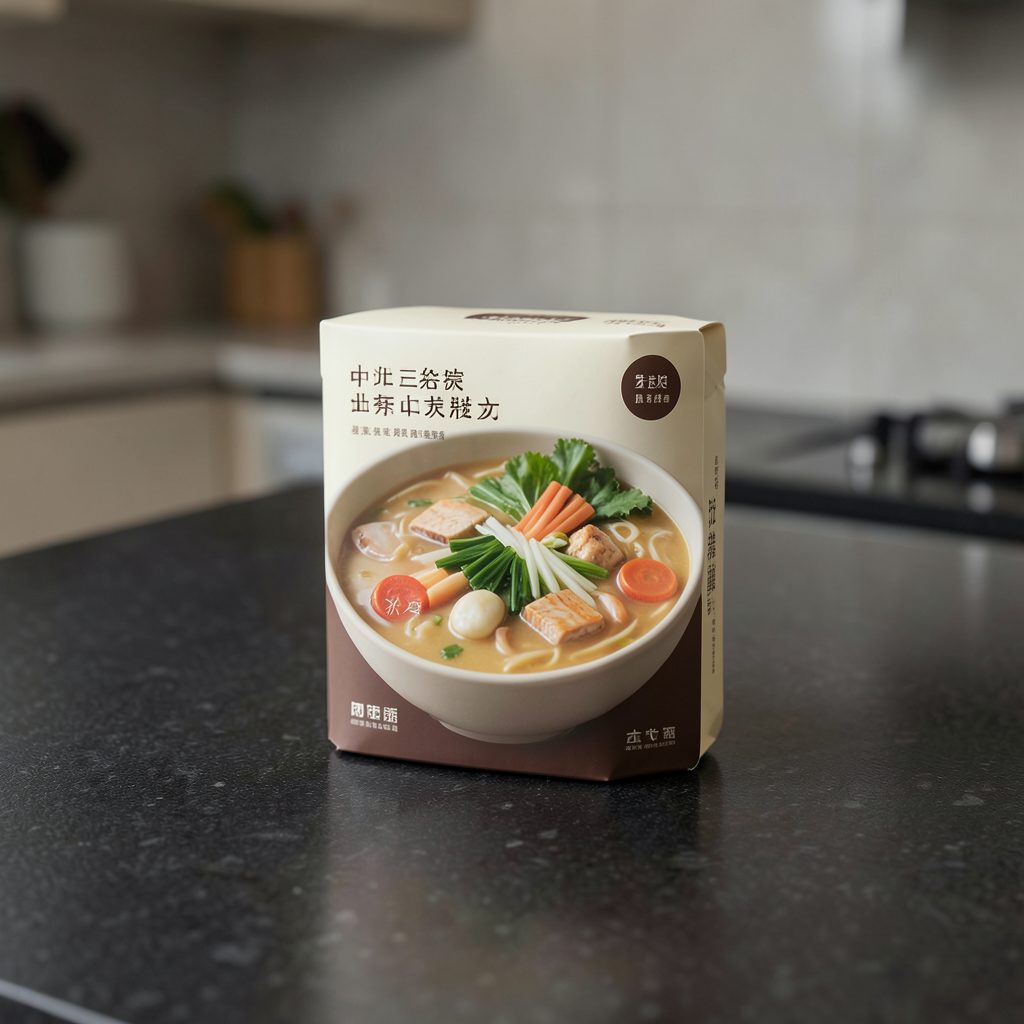
本事滿足鍋物 Personal Pot Base
NT$ —
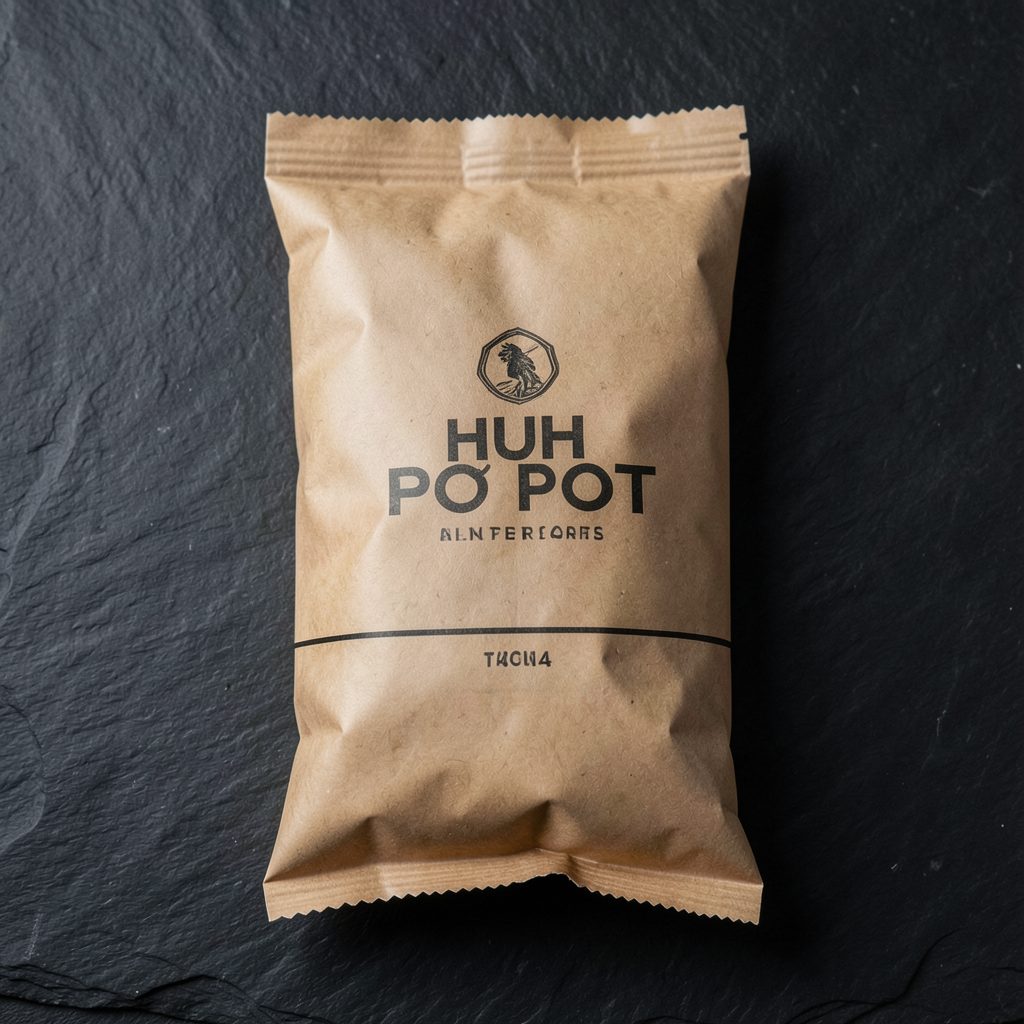
蛤?! Dry Noodles
NT$ —
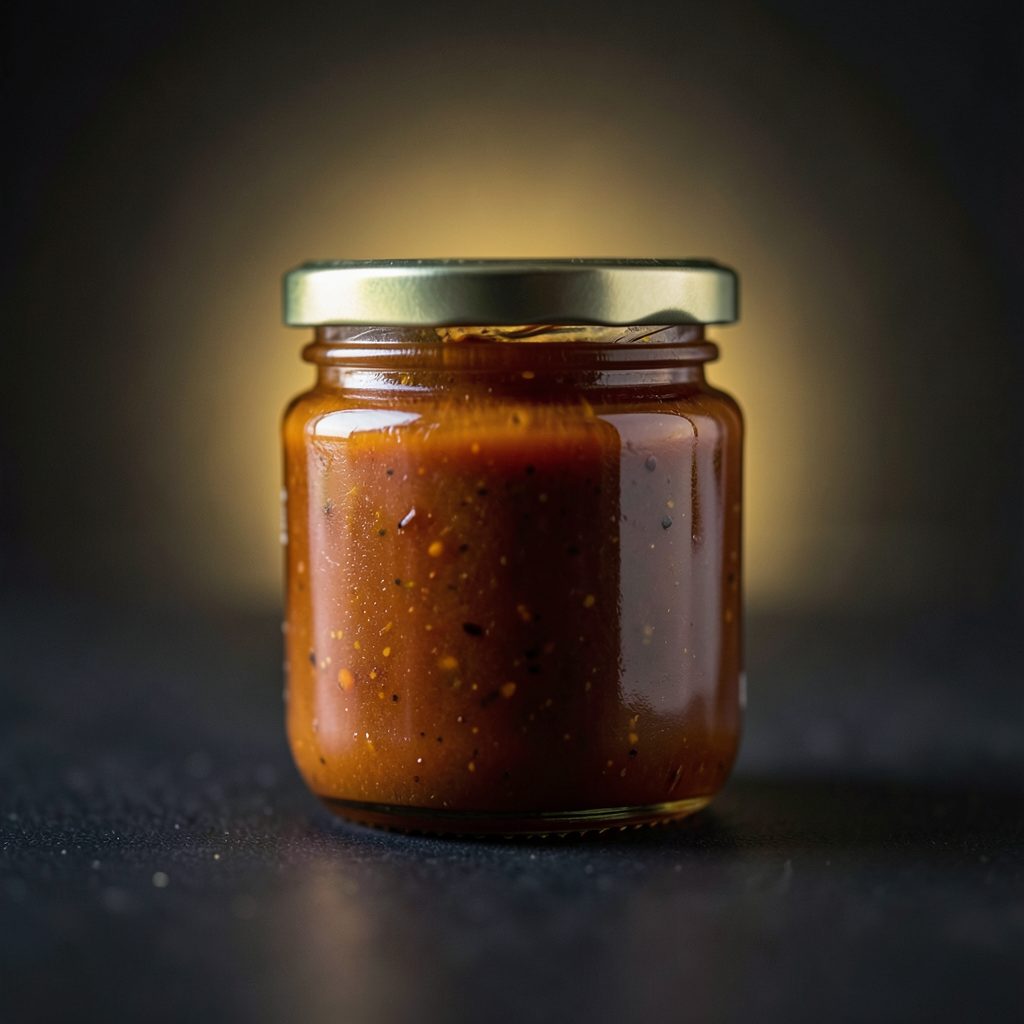
Signature Sauce
NT$ —
New Arrivals
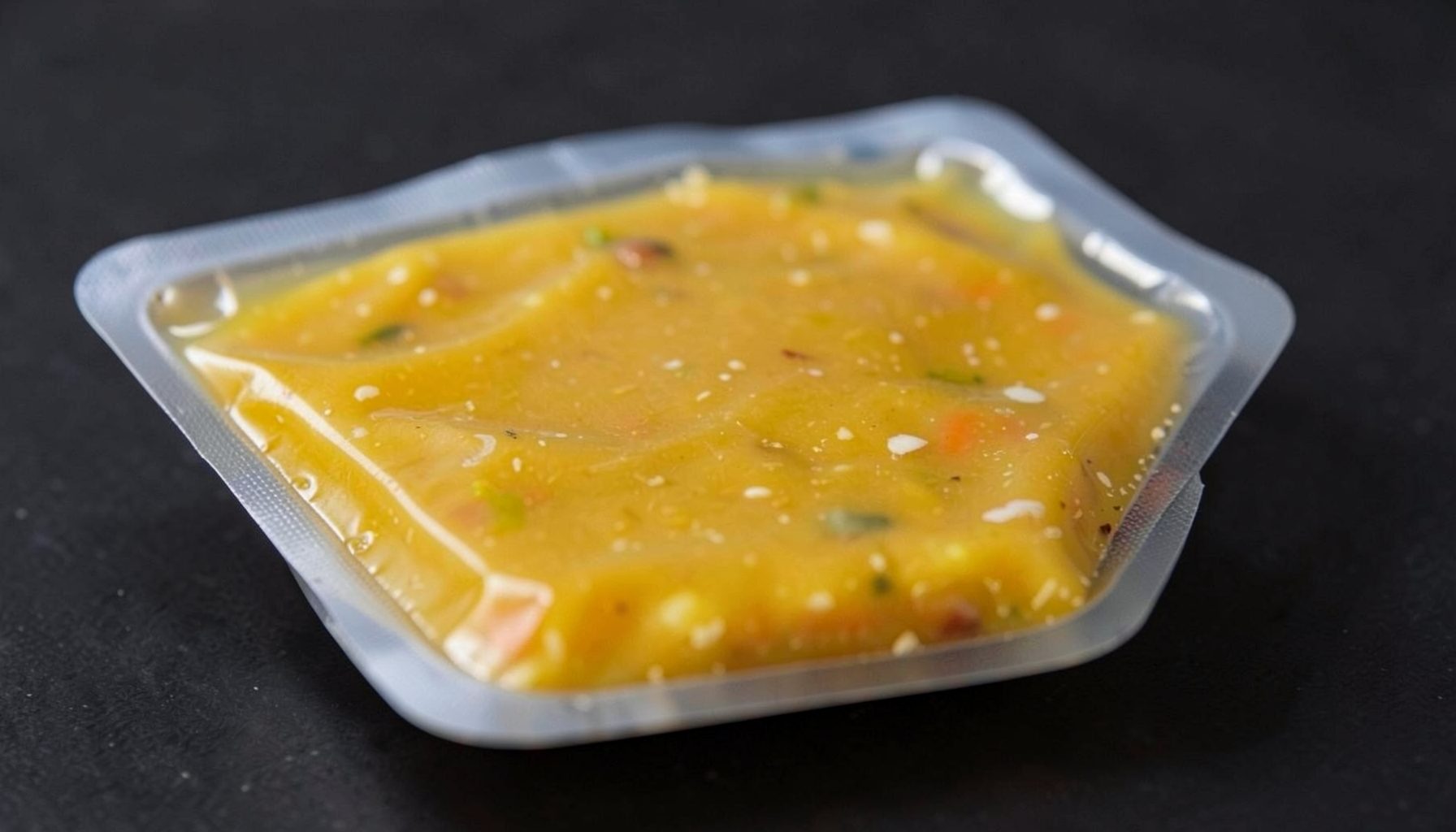
蛤?! Golden Clam Broth — New Batch
NT$ —
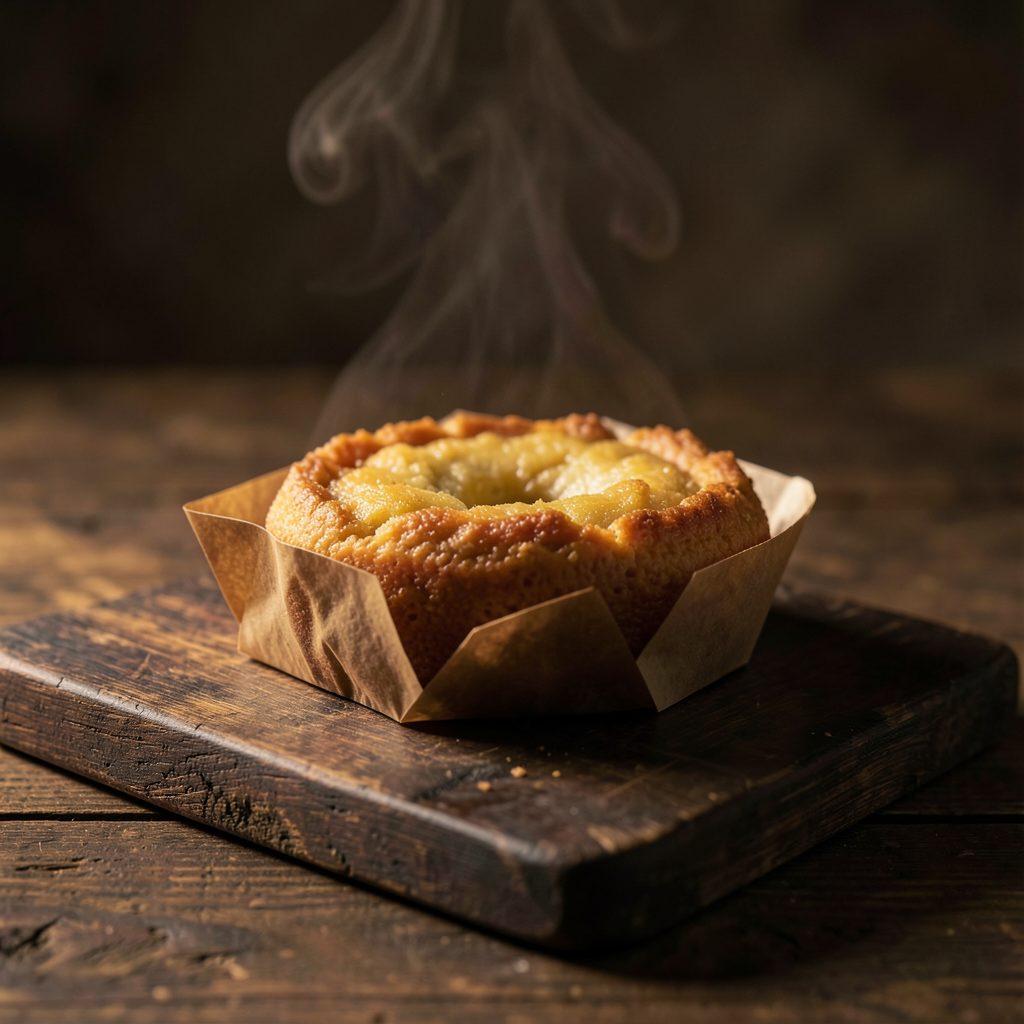
Radish Cake —蘿蔔糕精神
NT$ —
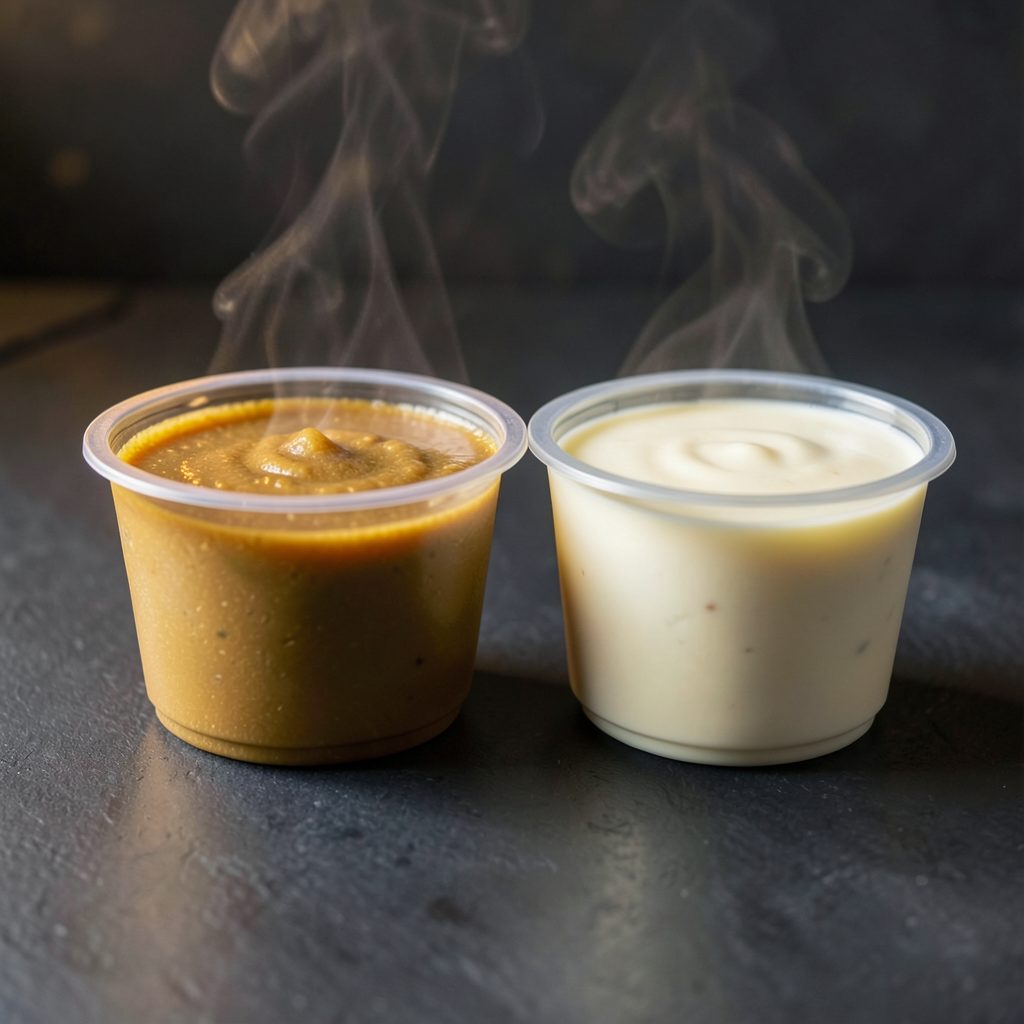
Duo Soup Base Set
NT$ —
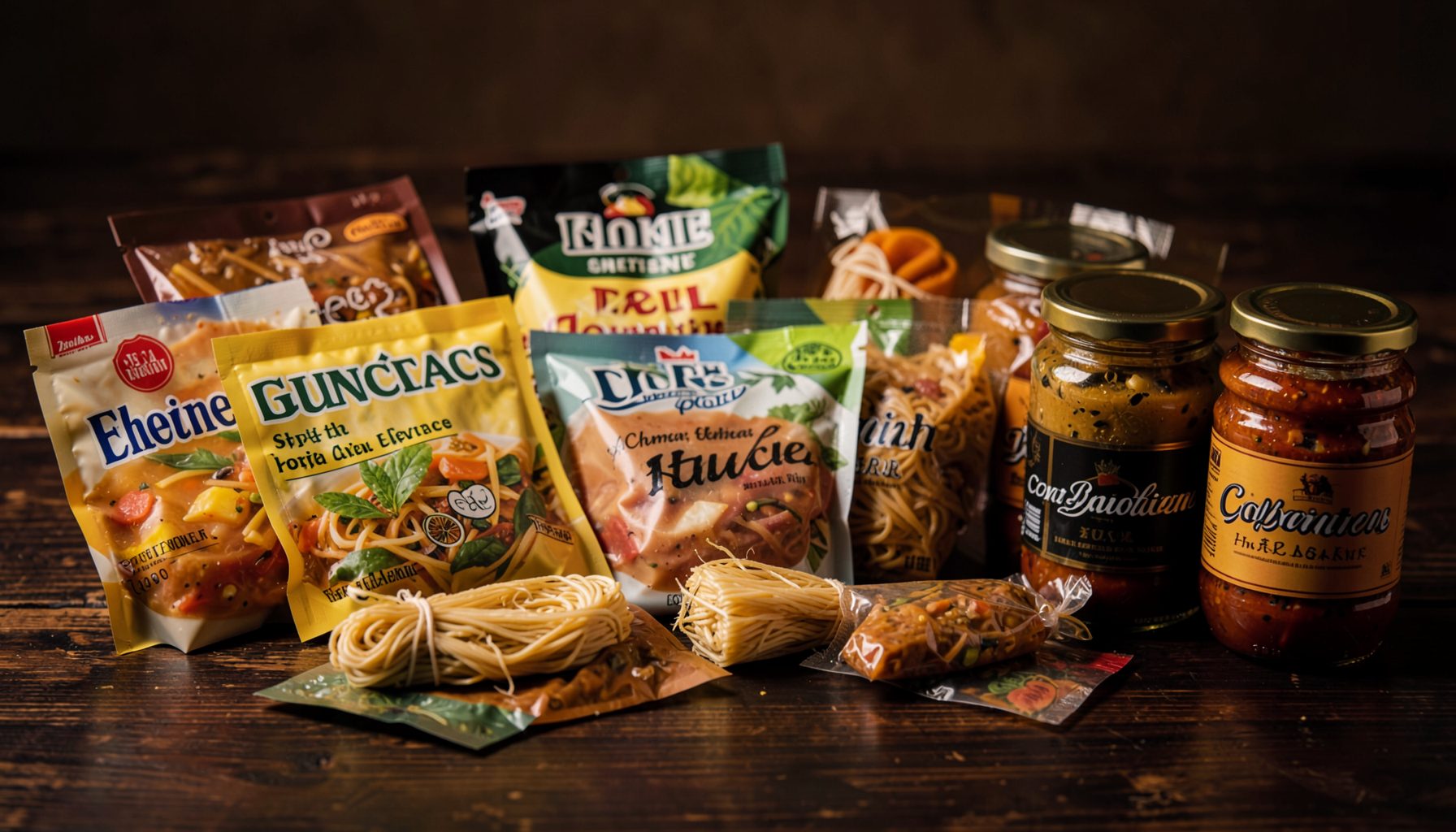
Hot Pot Essentials Bundle
NT$ —
About 蛤?! Huh Pot
蛤?! Huh Pot is a Cantonese-style hot pot brand known for its signature clam-based broth —卜卜蜆 — made with rich old-hen stock and generous portions of fresh clams. The brand also encompasses 本事滿足鍋物, a personal hot pot concept, bringing the same depth of flavor to individual servings.
Through MoneyCome Mart, these restaurant-quality soup bases, dry noodles, radish cakes, and signature sauces are available for home delivery across Taiwan. Restaurant locations in Taipei's Da'an District, Civic Boulevard, and Taichung's Gongyi Road also welcome guests for dine-in, with online reservations available.