Layering Hot Pot Ingredients for Maximum Flavor
A well-built hot pot is more than a collection of ingredients simmering together. The order in which food enters the pot affects the broth, cooking time, texture, and the way each bite carries seasoning. With a simple layering method, a home meal can develop the depth and balance of a Cantonese-style hot pot.
The best approach is to begin with ingredients that release flavor slowly, then add foods that cook quickly and are best enjoyed fresh. This keeps delicate items from becoming overcooked while allowing vegetables, seafood, noodles, and sauces to benefit from a richer stock.
For a convenient starting point, MoneyCome Mart’s frozen soup bases make it easy to create a restaurant-style foundation at home. Once the broth is hot, thoughtful ingredient placement does the rest.
Build Flavor from the Bottom Up
Start with the soup base, aromatics, and firm vegetables. Cantonese hot pot broth gains character from ingredients such as daikon, corn, napa cabbage, mushrooms, and tofu products. These foods can simmer for a while without losing their appeal, and they gradually contribute sweetness and savoriness to the liquid.
Place heavier, slower-cooking items toward the bottom or sides of the pot, where they receive steady heat. Turnip cake, thick slices of radish, and dense fish balls are good examples. Their flavors become more integrated as the broth continues to simmer.
Avoid filling the pot immediately. Leave enough open space for the liquid to circulate, and add ingredients in smaller batches. This maintains the temperature and prevents the broth from becoming cloudy or diluted.
Sort Ingredients by Cooking Time
Cooking time is the most practical guide for arranging a hot pot. Foods that need several minutes should go in first, while tender ingredients should be added just before serving. This preserves contrast between soft, springy, crisp, and delicate textures.
| Ingredient group | Examples | When to add | Main purpose |
|---|---|---|---|
| Slow-cooking foundations | Radish, corn, mushrooms, fish balls | Early | Sweeten and deepen the broth |
| Firm prepared foods | Turnip cake, tofu, meatballs | Early to middle | Add substance and absorb flavor |
| Thin proteins | Sliced beef, pork, lamb | Middle to late | Cook quickly while staying tender |
| Seafood | Clams, shrimp, fish slices | Late | Provide fresh savory notes |
| Leafy vegetables | Napa cabbage, bok choy, chrysanthemum greens | Late | Add freshness and fragrance |
| Noodles and starches | Rice noodles, wheat noodles, udon | Final stage | Carry the finished broth |
Thinly sliced meat should be swished through the broth in small portions rather than left floating in the pot. Seafood also benefits from short cooking, especially clams and fish slices, which can become tough if forgotten.
Use Broth as an Active Ingredient
Every addition changes the soup. Vegetables may add sweetness, seafood can bring briny depth, and meat releases savory richness. This is why the broth should be tasted throughout the meal instead of treated as a fixed sauce.
Begin with a clean, balanced flavor and season carefully as the pot develops. If the soup becomes too intense, add a little hot water. If it tastes flat, a small amount of broth concentrate, scallion, garlic, or dipping sauce can restore definition without overwhelming the ingredients.
Clam broth deserves special timing. Add clams after the base has developed but before delicate greens and noodles. Their juices will perfume the soup, while the shells provide a visual cue that the seafood is ready when they open.
Create Layers of Texture
Maximum flavor also depends on contrast. A hot pot filled entirely with soft ingredients can feel heavy, while a pot with too many firm foods may lack comfort. Combine ingredients with different textures in each serving: a tender meat slice, a chewy fish ball, a crisp vegetable, and a strand of noodles.
Napa cabbage and mushrooms absorb broth particularly well, making them useful bridges between the soup and the dipping sauce. Tofu products provide a porous texture that holds seasoning, while turnip cake brings a dense, satisfying bite.
Add leafy greens in modest amounts so they remain bright and aromatic. If too many greens enter at once, they can cool the broth and make the pot difficult to manage.
Protect Delicate Flavors
Some foods should be cooked in a separate basket, mesh strainer, or small portion of the pot. This is useful for seafood, noodles, dumplings, and ingredients with fragile surfaces. Separation prevents noodles from absorbing too much broth and keeps seafood flavors from dominating every later serving.
Noodles are best added after the broth has absorbed flavor from vegetables, proteins, and prepared ingredients. They should be cooked until just tender, then removed promptly. Leaving them in the pot can make the soup starchy and cause the noodles to lose their texture.
Dipping sauces should complement the broth rather than mask it. Sesame, soy, chili, garlic, scallion, and fermented bean flavors can be adjusted individually, allowing each diner to create a preferred balance.
Practical Habits for Better Results
A few serving habits make ingredient layering easier and help preserve the quality of the meal.
- Bring the soup to a steady simmer before adding food, rather than starting with a cold or lukewarm pot.
- Add ingredients in small batches so the broth remains hot and the cooking time stays predictable.
- Keep raw meat, seafood, cooked items, and dipping utensils separate during preparation.
- Taste the broth between ingredient groups and adjust with hot water or seasoning when needed.
- Reserve noodles and leafy greens for the final rounds, when the soup has reached its fullest flavor.
Arrange the meal in groups beside the pot so diners can see what should be added early, next, and last. This turns cooking into a smooth rhythm instead of a crowded scramble.
A flavorful hot pot is built gradually: establish the broth, simmer the sturdy ingredients, add proteins in measured portions, and finish with delicate vegetables and noodles. Choose quality Cantonese ingredients and let each layer contribute its own character. Shop MoneyCome Mart’s hot pot selection to prepare a balanced, convenient meal for your next gathering.
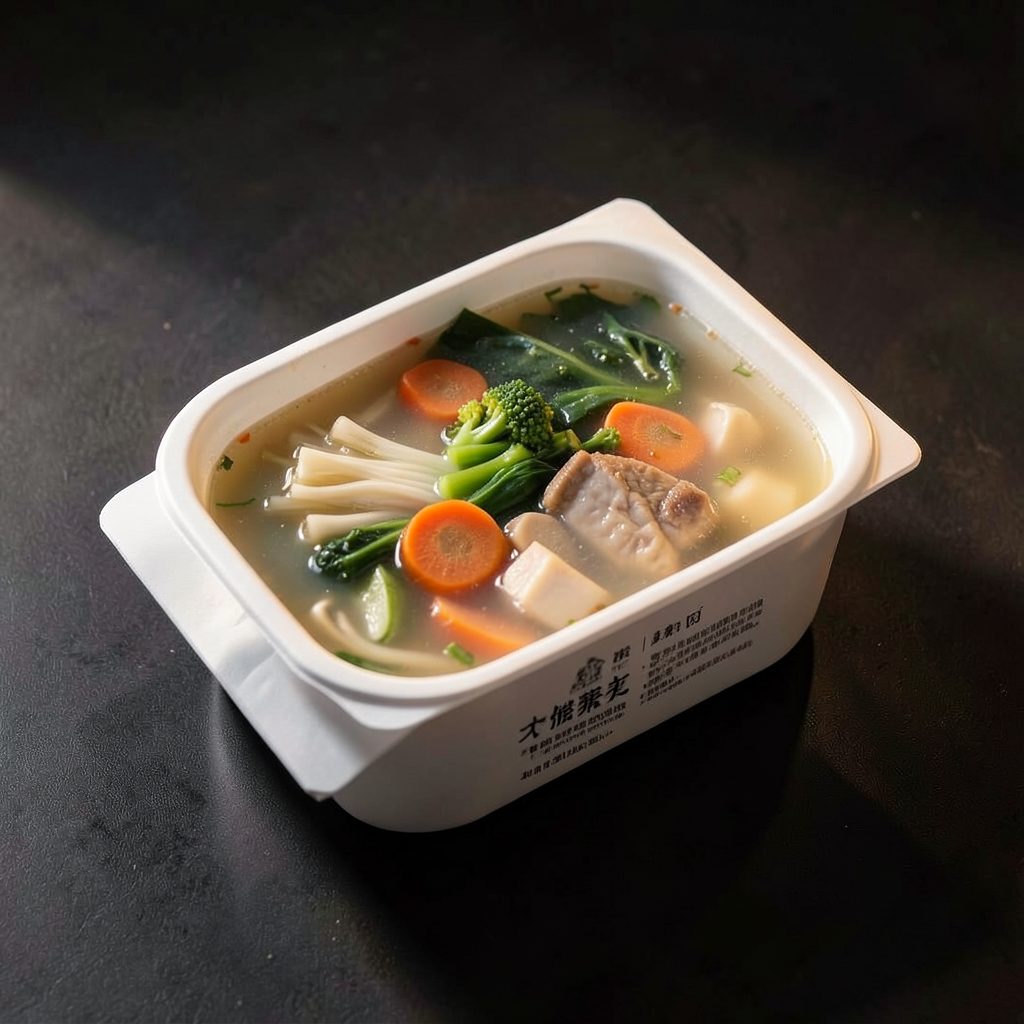
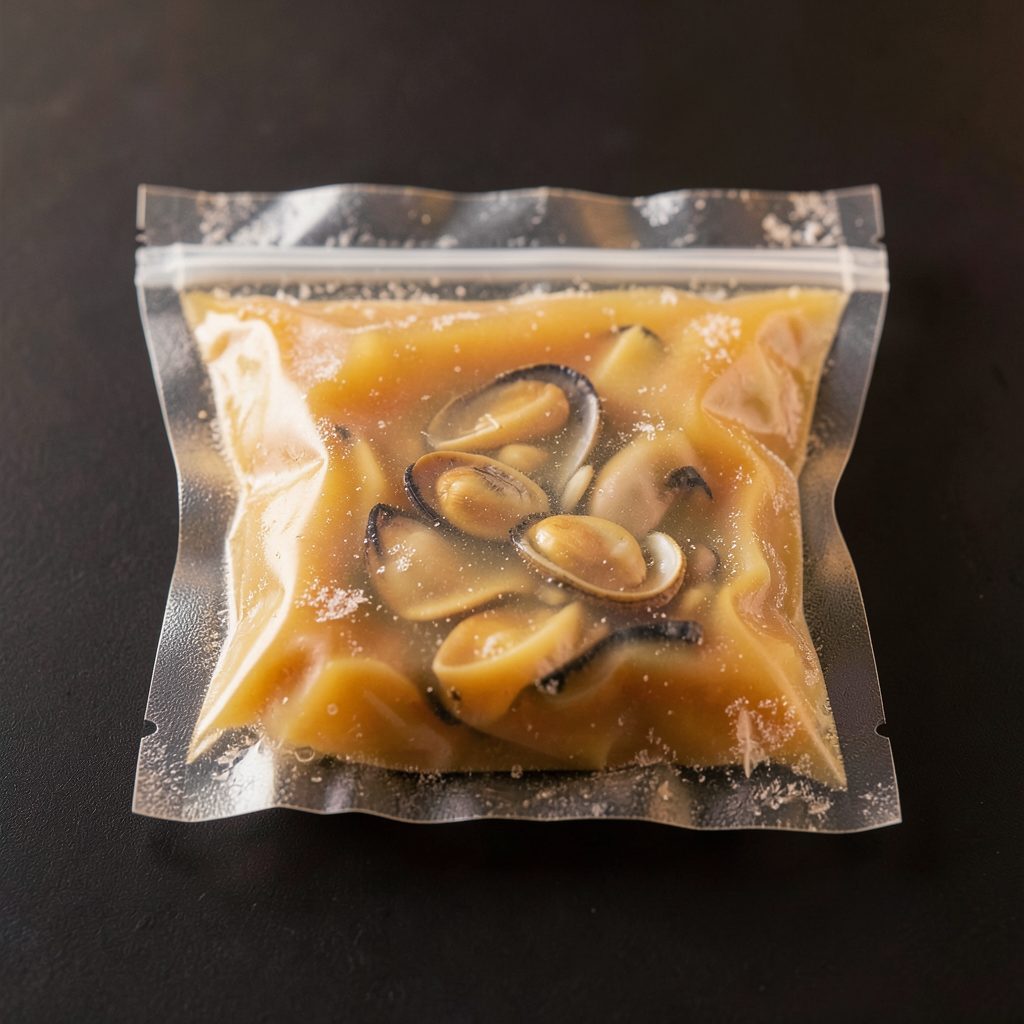
Best Sellers
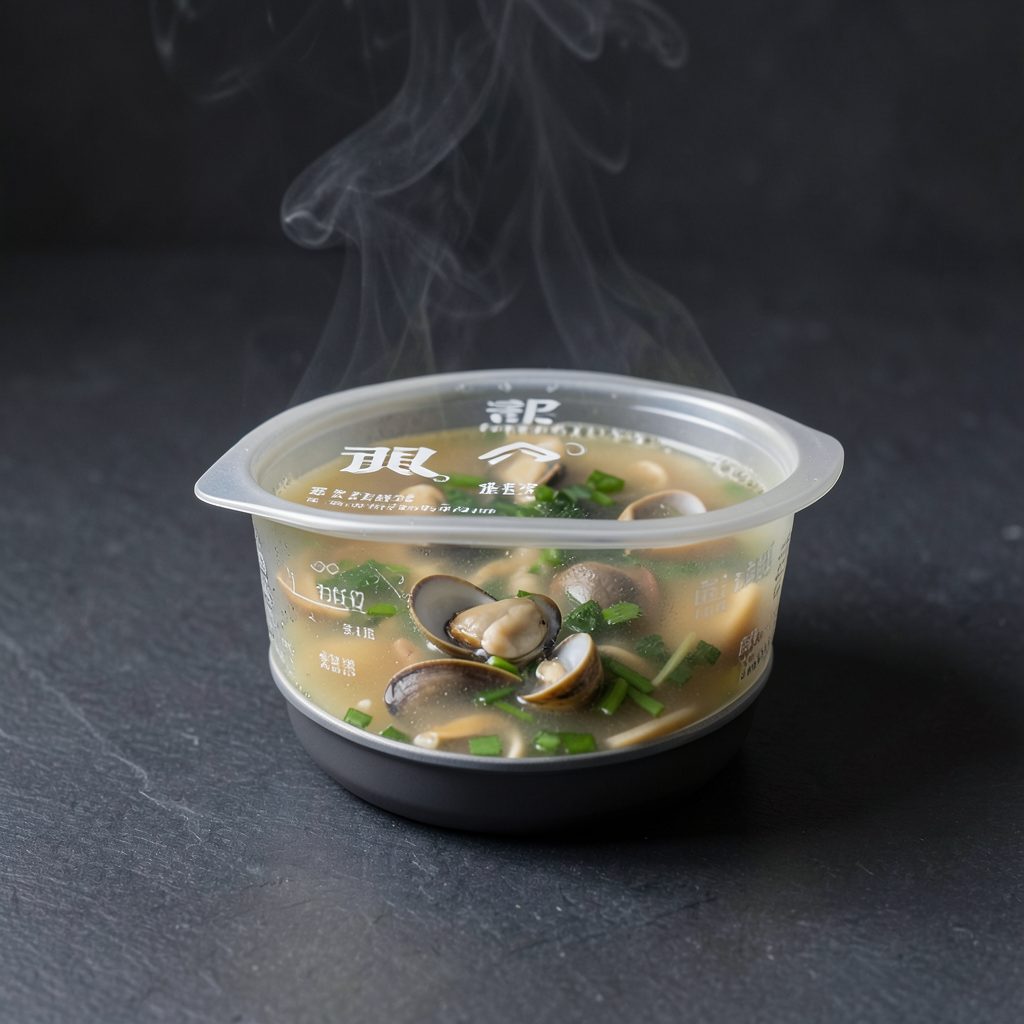
蛤?! Clam Soup Base —卜卜蜆
NT$ —
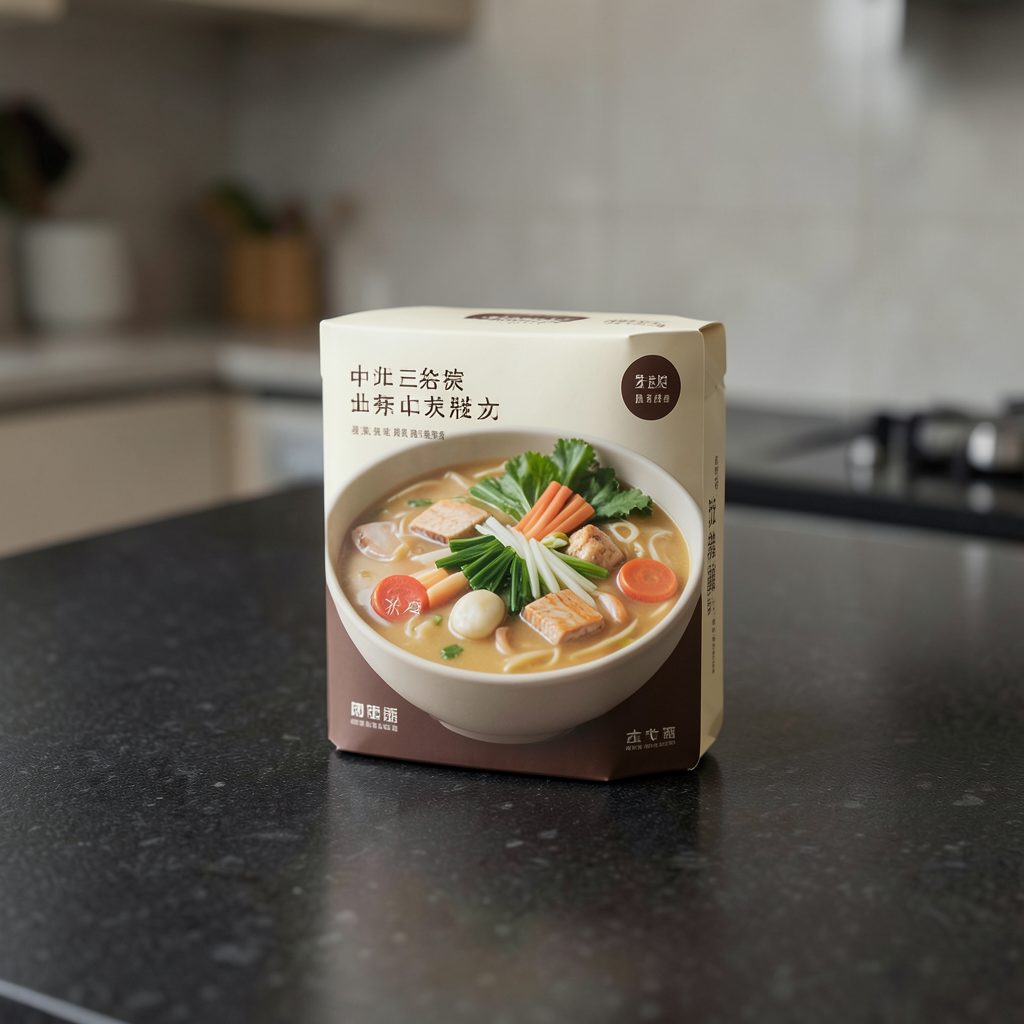
本事滿足鍋物 Personal Pot Base
NT$ —
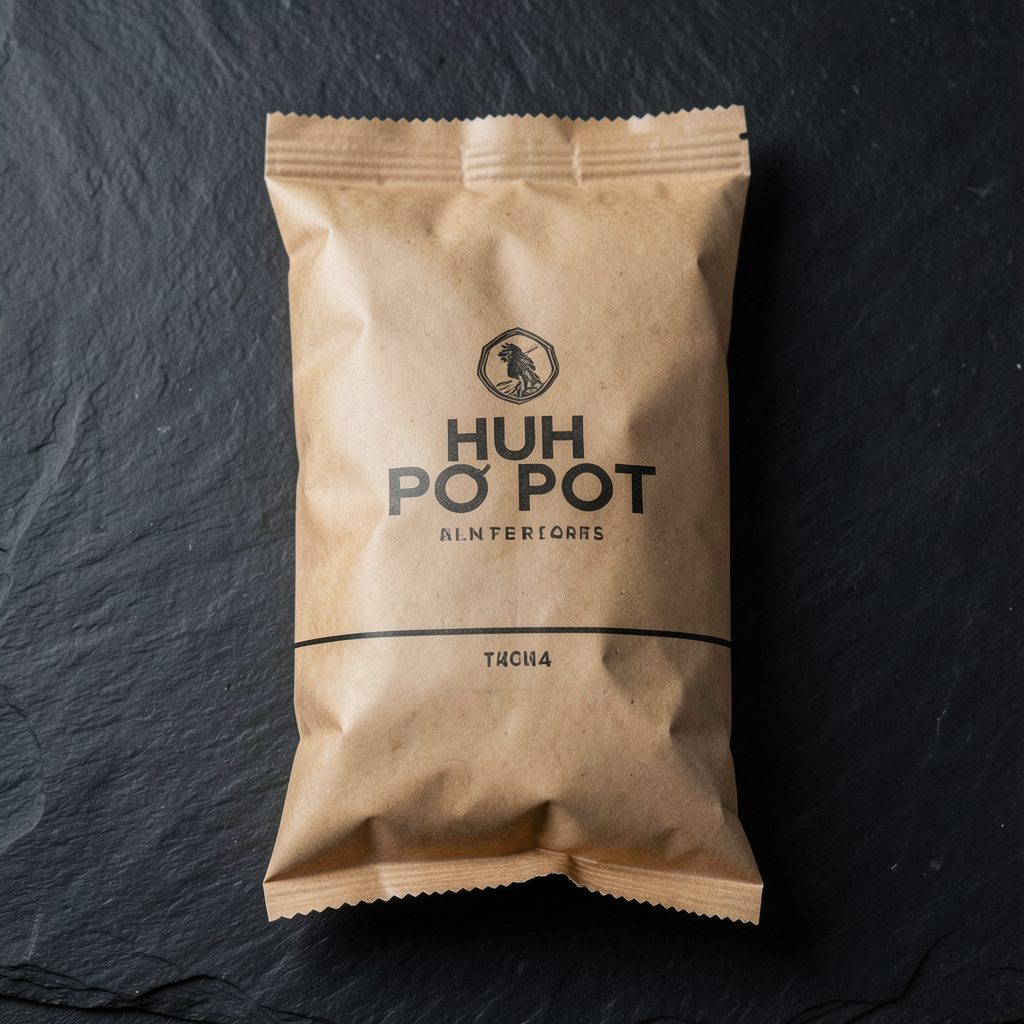
蛤?! Dry Noodles
NT$ —
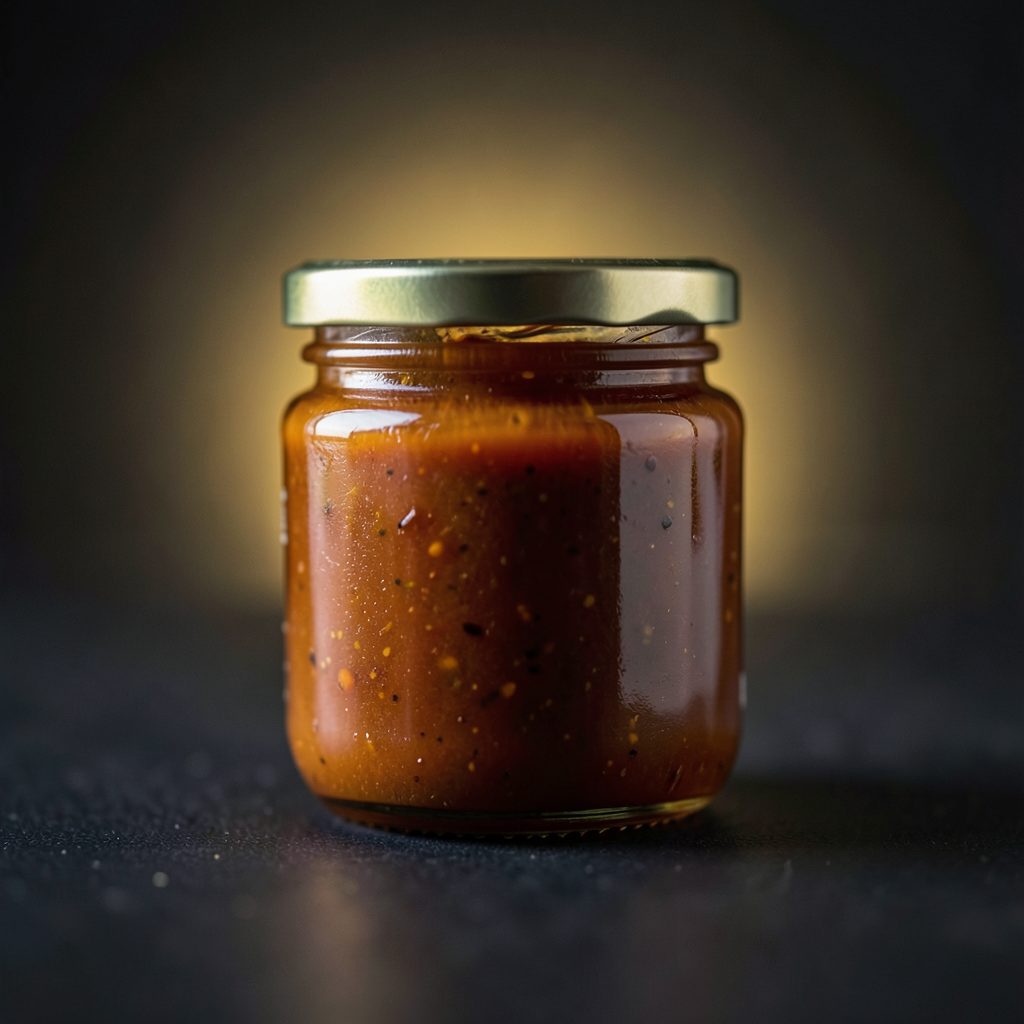
Signature Sauce
NT$ —
New Arrivals
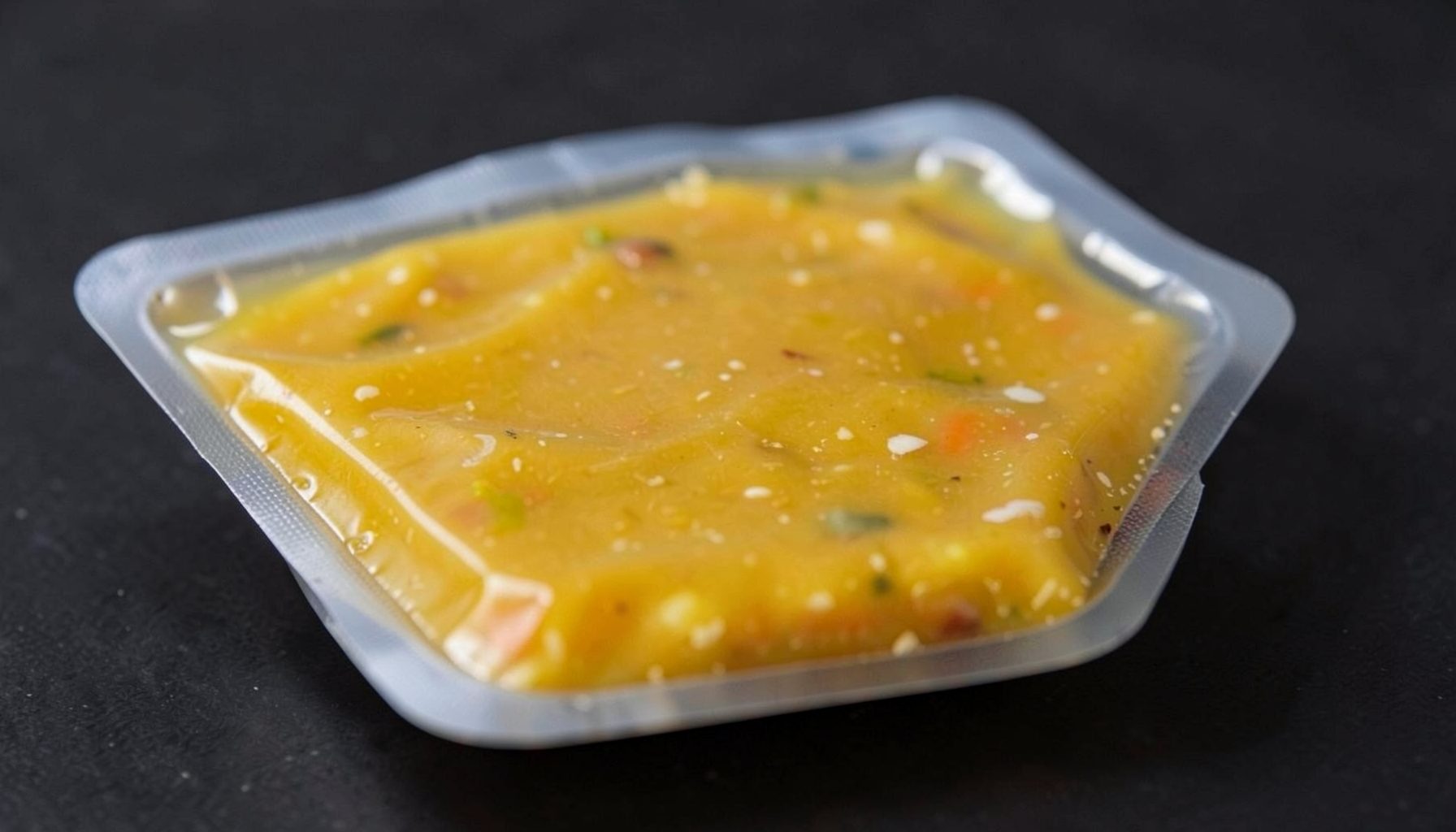
蛤?! Golden Clam Broth — New Batch
NT$ —
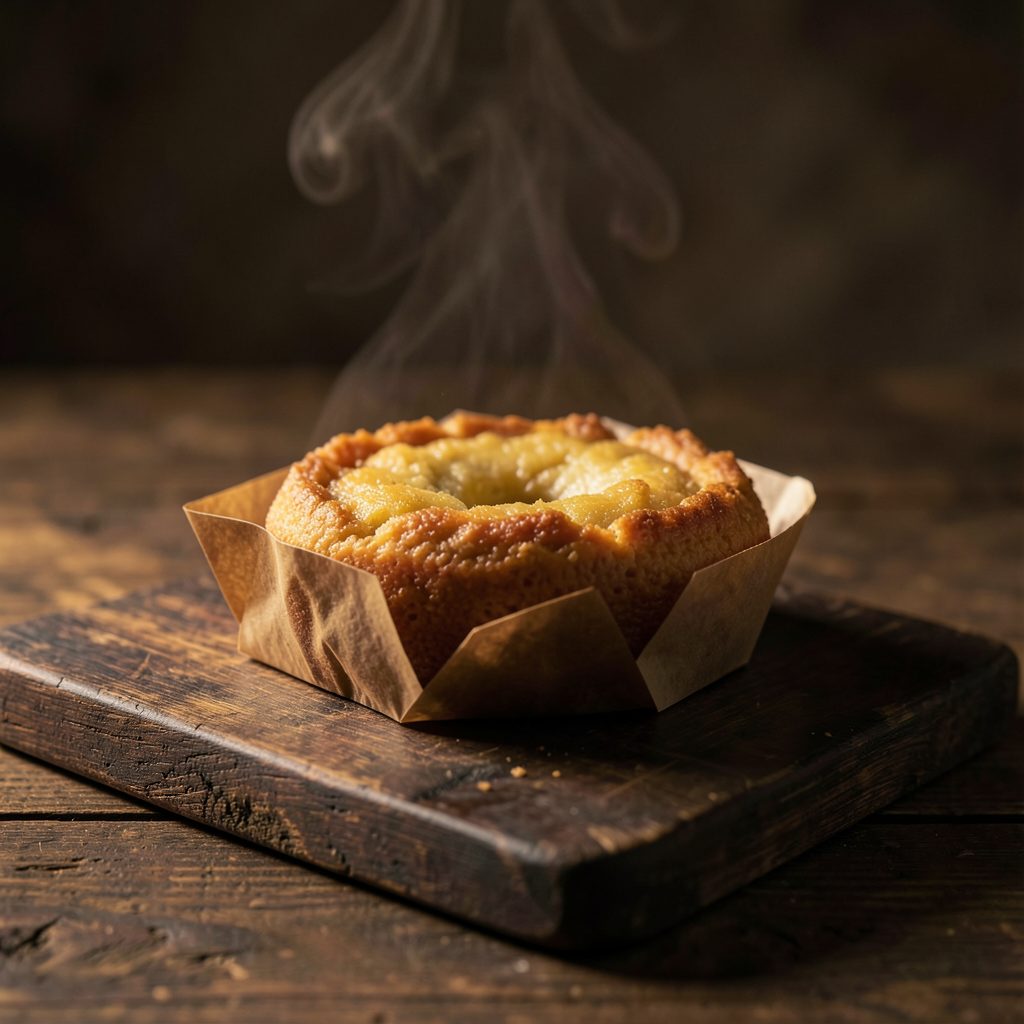
Radish Cake —蘿蔔糕精神
NT$ —
Duo Soup Base Set
NT$ —
Hot Pot Essentials Bundle
NT$ —
About 蛤?! Huh Pot
蛤?! Huh Pot is a Cantonese-style hot pot brand known for its signature clam-based broth —卜卜蜆 — made with rich old-hen stock and generous portions of fresh clams. The brand also encompasses 本事滿足鍋物, a personal hot pot concept, bringing the same depth of flavor to individual servings.
Through MoneyCome Mart, these restaurant-quality soup bases, dry noodles, radish cakes, and signature sauces are available for home delivery across Taiwan. Restaurant locations in Taipei's Da'an District, Civic Boulevard, and Taichung's Gongyi Road also welcome guests for dine-in, with online reservations available.