Turn Leftover Hot Broth Into Flavorful Cantonese Fried Rice
Leftover hot pot broth can become the most flavorful part of your next meal. Instead of pouring it down the drain, use the seasoned liquid to cook rice, loosen aromatics, or create a savory finishing glaze for fried rice.
Cantonese-style soup bases often contain layers of seafood, meat, vegetables, herbs, and aromatics. Once reduced and combined with chilled rice, those flavors create a satisfying one-pan dish with less need for bottled seasoning.
The key is controlling moisture. Fried rice needs enough liquid to add flavor, but too much broth will make the grains soft and sticky. With the right preparation, leftover soup becomes a useful ingredient rather than kitchen waste.
Why Hot Pot Broth Works So Well
Hot pot soup is already seasoned before it reaches the wok. A clam broth may add briny depth, while a richer meat-based soup base can contribute umami and a rounded savory taste. Mild vegetable broths work especially well with egg, mushrooms, tofu, and leafy greens.
The broth also carries aromatic notes that are difficult to recreate quickly at home. Garlic, scallions, ginger, pepper, dried seafood, and fermented seasonings can infuse the rice as it cooks. For more background on balancing concentrated soup bases, this Cantonese broth guide offers useful direction.
Taste the liquid before using it. If it is heavily salted, dilute it with water or use only a small amount. If it tastes mild, reduce it separately in a small pan so the flavor becomes more concentrated without soaking the rice.
Save And Prepare The Leftover Liquid
Strain the broth as soon as the hot pot meal is finished. Remove seafood shells, bones, vegetables, peppercorns, and other solids that could burn in the wok. If the broth contains a significant amount of oil, chill it and skim off some of the solidified fat for a cleaner fried rice.
Store the strained broth in a sealed container in the refrigerator and use it within a short period, following safe food-handling practices. You can also freeze it in small portions, such as ice cube trays or half-cup containers, making it easier to measure for future meals.
Before cooking, bring the broth to a gentle simmer or thaw it completely. Cold liquid added directly to a hot wok can lower the cooking temperature and create unevenly cooked rice.
Choose The Right Rice And Method
Day-old jasmine rice is ideal because refrigeration dries the surface of each grain. This helps the rice absorb broth without collapsing. Spread freshly cooked rice on a tray and chill it uncovered if you need a same-day substitute.
Use a wide wok or skillet and cook in stages. Scramble the eggs first, then remove them. Sauté aromatics and protein, add the cold rice, and toss until the grains separate. Pour in the broth gradually around the hot sides of the pan rather than flooding the center.
A small amount goes a long way. Start with one to two tablespoons of broth per serving, toss thoroughly, and add more only if the rice remains dry. Finish with the cooked egg, scallions, white pepper, and a few drops of toasted sesame oil.
Match The Broth To The Fried Rice
Different soup bases suit different combinations of ingredients. The chart below provides a quick guide for building a balanced dish without overpowering the rice.
| Leftover broth | Best additions | Seasoning approach | Finished character |
|---|---|---|---|
| Clam or seafood broth | Shrimp, squid, egg, peas, scallions | Use little or no fish sauce | Briny and aromatic |
| Chicken or pork broth | Char siu, roast pork, corn, cabbage | Add light soy sauce carefully | Rich and comforting |
| Mushroom or vegetable broth | Shiitake, tofu, carrots, bok choy | Finish with white pepper | Earthy and clean |
| Spicy broth | Egg, minced pork, bean sprouts, chives | Balance with plain rice and sugar | Warm and savory |
| Herbal broth | Chicken, mushrooms, napa cabbage | Keep extra spices minimal | Fragrant and mellow |
Build Layers Of Texture
Fried rice is more enjoyable when the broth contributes flavor without making every ingredient soft. Add firm vegetables such as diced carrots, corn, water chestnuts, or cabbage early enough to cook through. Keep delicate greens, bean sprouts, and scallions for the final minute.
Protein can come from leftovers already cooked in the hot pot. Slice beef, pork, fish cake, shrimp, or tofu into small pieces so each bite includes a little variety. Pat wet ingredients dry before they go into the wok, especially mushrooms and seafood.
For a Cantonese-inspired finish, include scrambled egg and a modest amount of light soy sauce. If the broth is already salty, use white pepper, scallions, garlic, or a few drops of sesame oil instead of adding more sauce.
Practical Ways To Improve The Result
Small details make the difference between fragrant fried rice and a wet, heavy skillet meal.
- Strain the broth carefully to remove solids and excess spice particles.
- Chill rice thoroughly before stir-frying so the grains stay separate.
- Add broth in teaspoons or tablespoons rather than pouring it all at once.
- Cook seafood briefly and add it near the end to protect its texture.
- Taste before adding soy sauce, oyster sauce, salt, or other salty condiments.
Work over medium-high heat, but reduce the temperature briefly if the broth causes splattering. Keep the ingredients moving so the liquid coats the rice evenly and evaporates quickly.
When the grains look glossy but remain distinct, turn off the heat. Let the fried rice rest for one minute before serving; this allows the remaining steam and seasoning to settle without creating a soggy texture.
Leftover hot pot broth can also become the base for a smaller second meal. Freeze measured portions from a future Cantonese hot pot night, then pair them with chilled rice, eggs, vegetables, and prepared ingredients for a quick home-cooked lunch. Browse MoneyCome Mart’s cold-chain soup bases and hot pot ingredients to keep restaurant-style flavor ready for your next skillet meal.
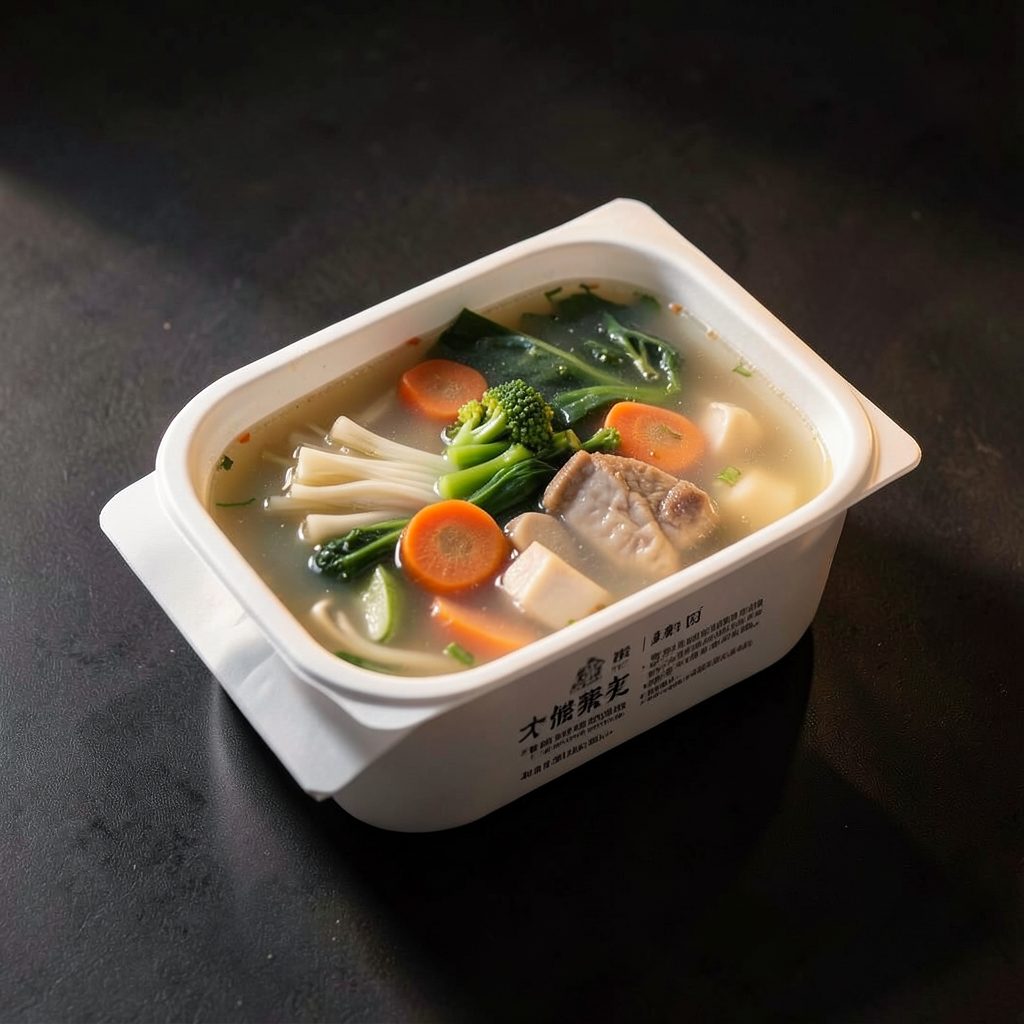
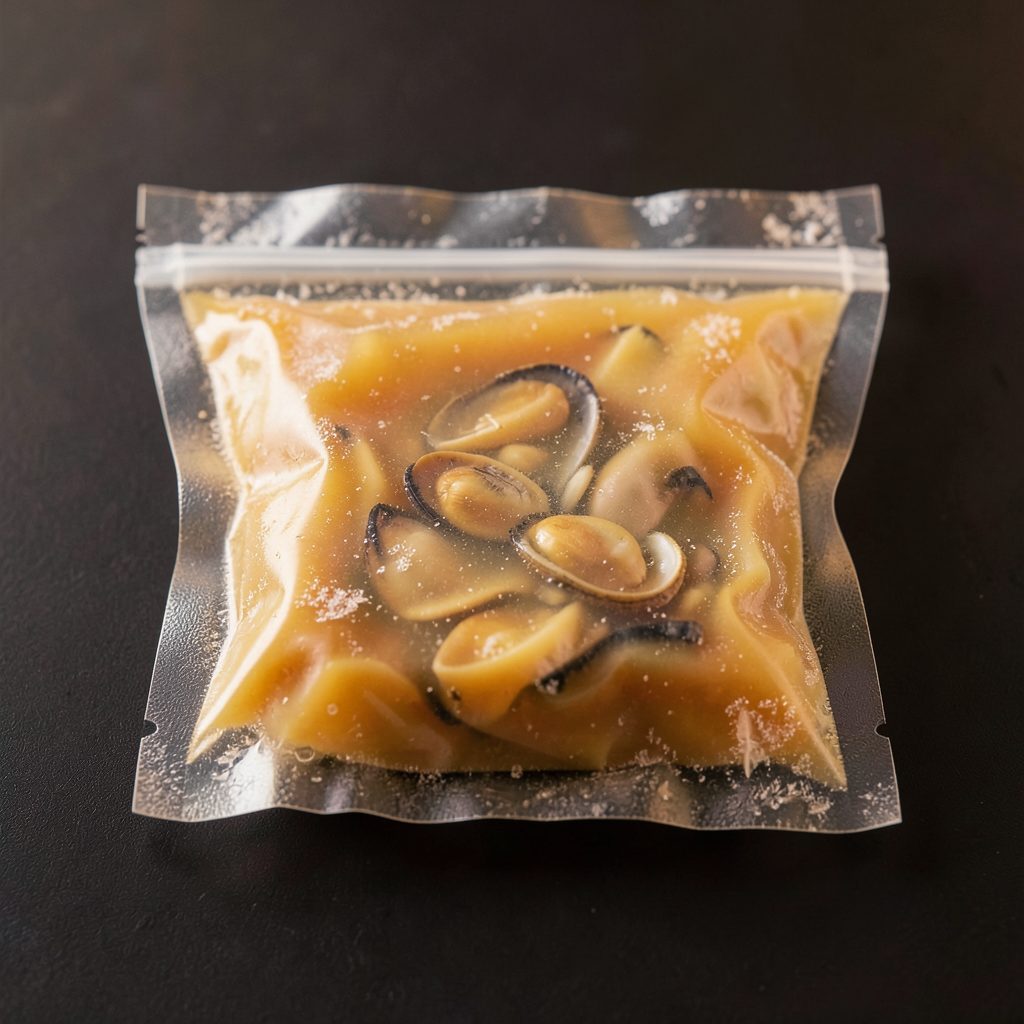
Best Sellers
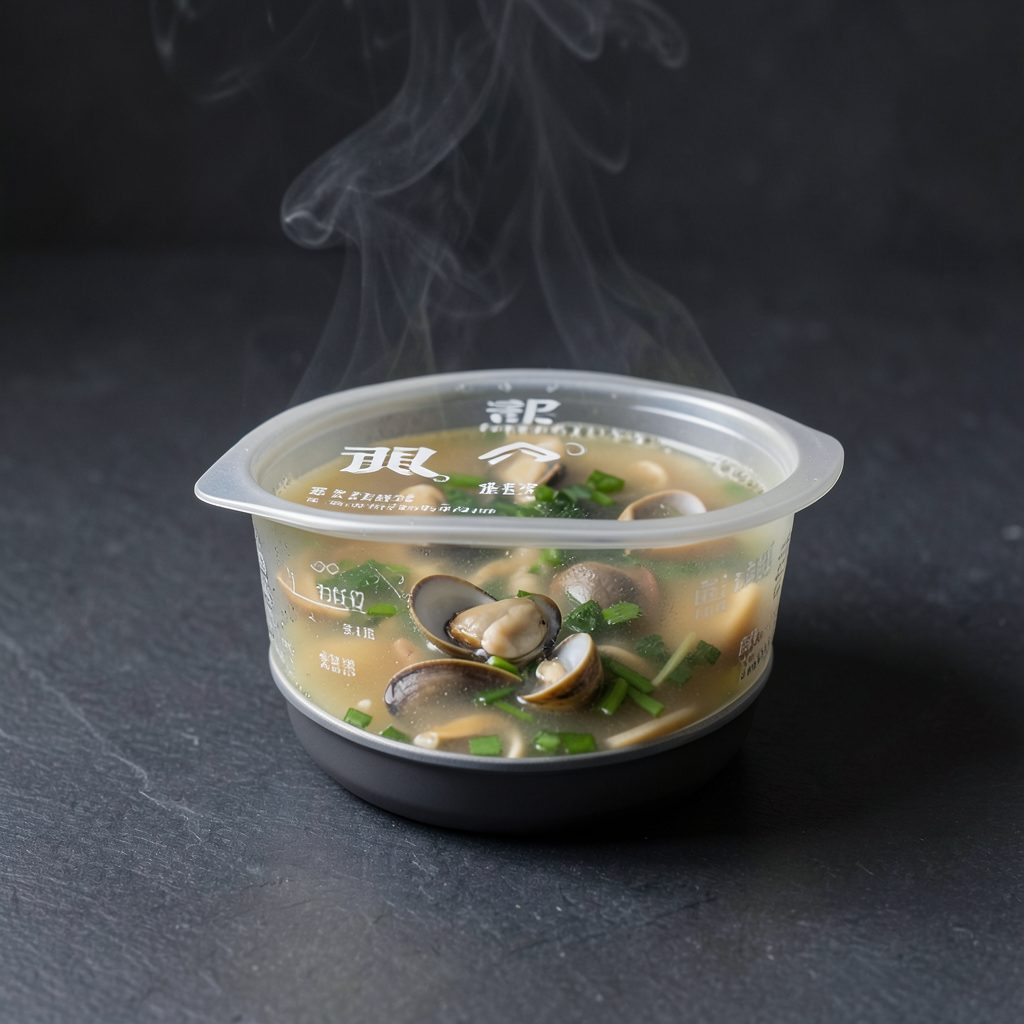
蛤?! Clam Soup Base —卜卜蜆
NT$ —
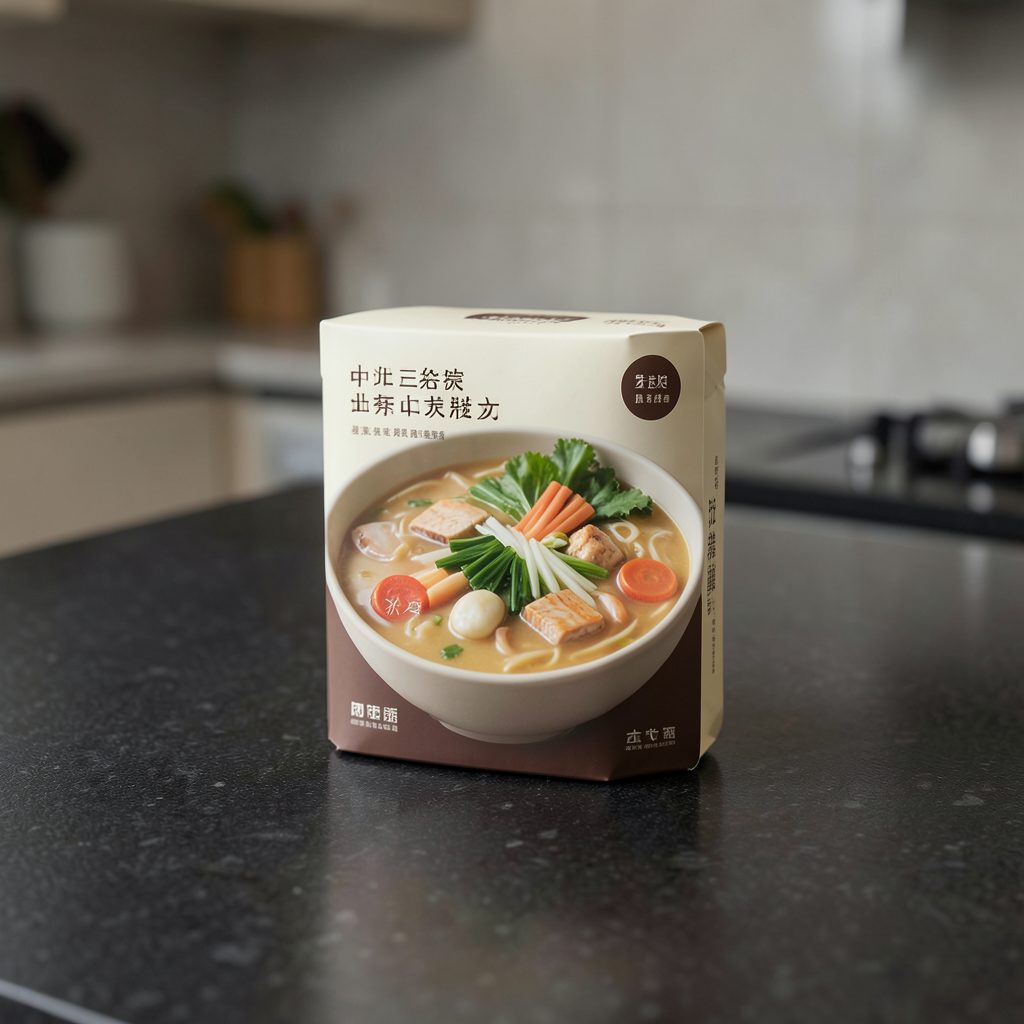
本事滿足鍋物 Personal Pot Base
NT$ —
蛤?! Dry Noodles
NT$ —
Signature Sauce
NT$ —
New Arrivals
蛤?! Golden Clam Broth — New Batch
NT$ —
Radish Cake —蘿蔔糕精神
NT$ —
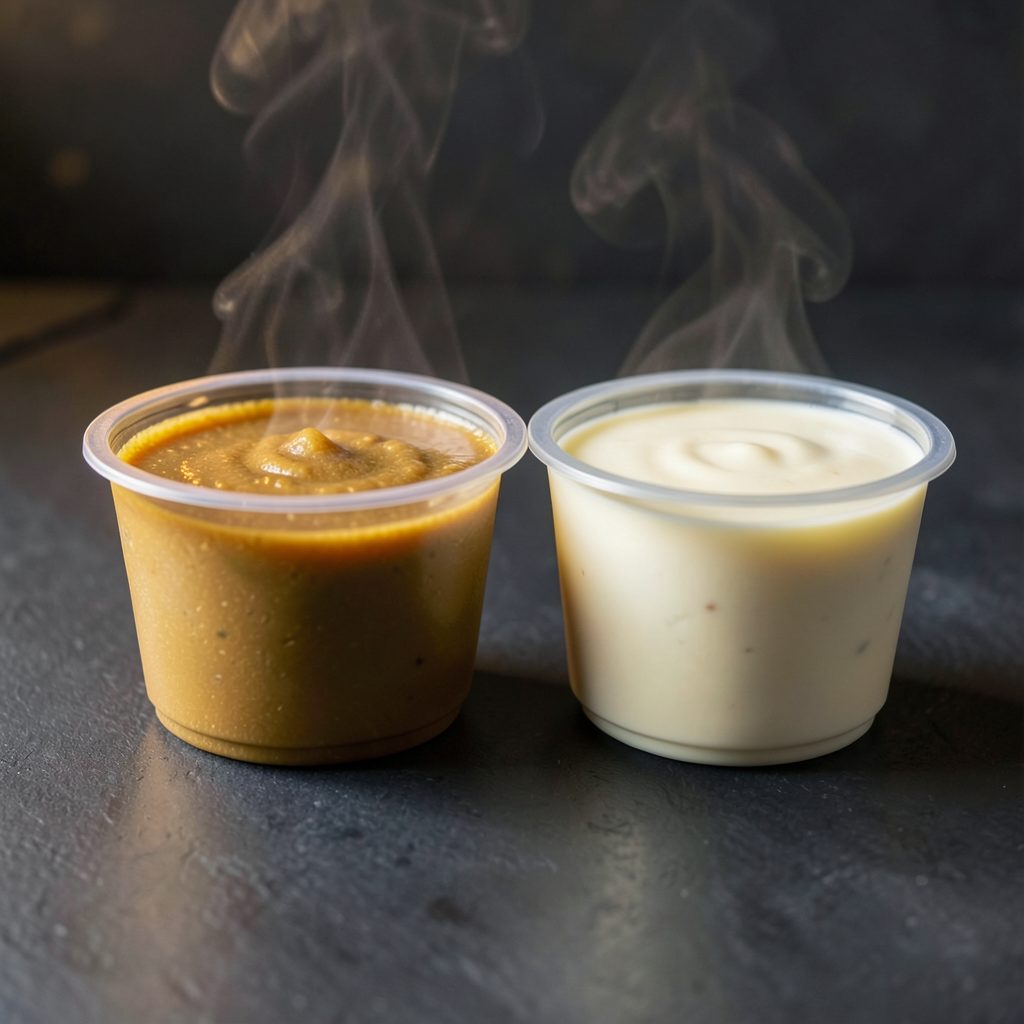
Duo Soup Base Set
NT$ —
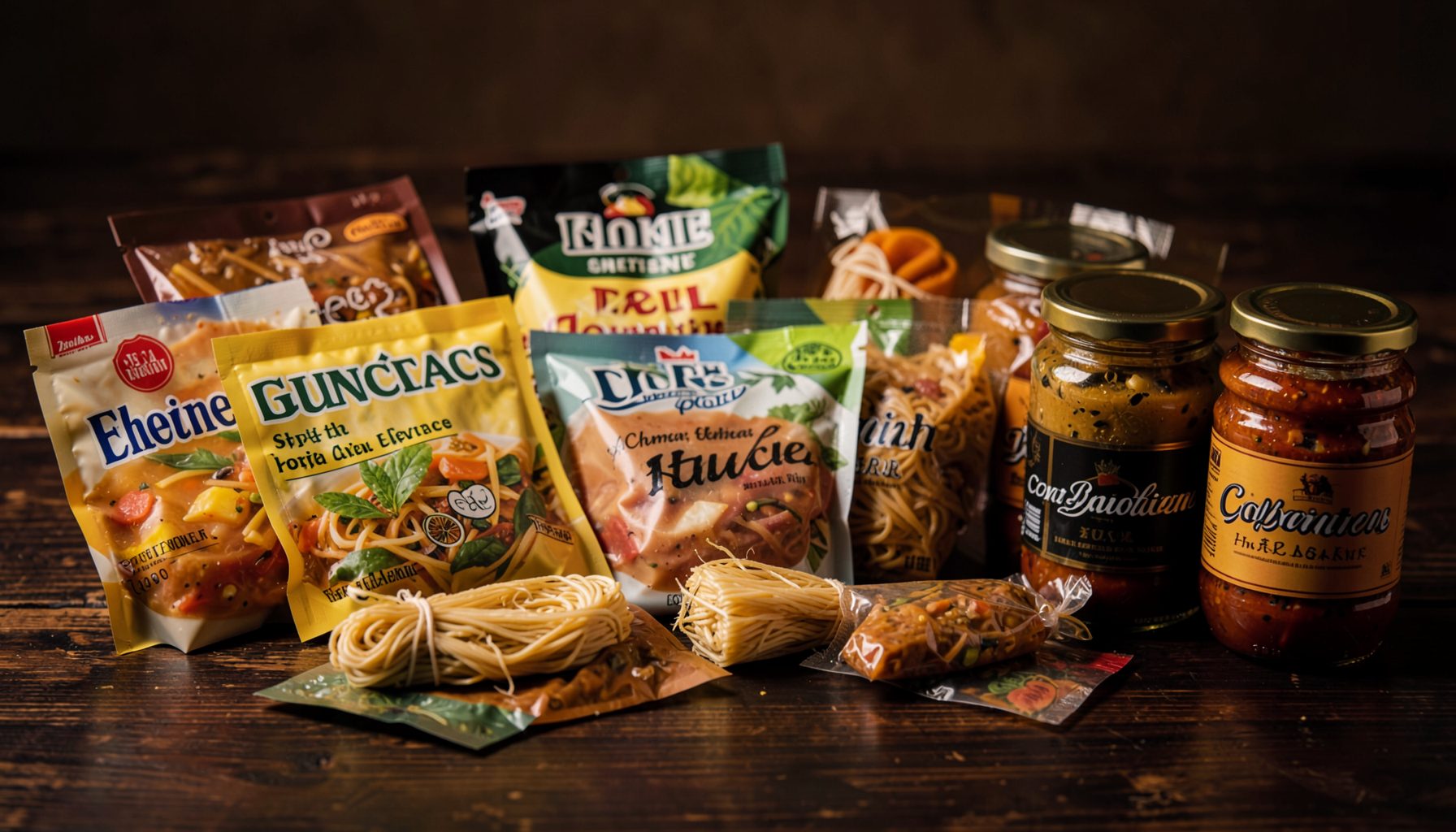
Hot Pot Essentials Bundle
NT$ —
About 蛤?! Huh Pot
蛤?! Huh Pot is a Cantonese-style hot pot brand known for its signature clam-based broth —卜卜蜆 — made with rich old-hen stock and generous portions of fresh clams. The brand also encompasses 本事滿足鍋物, a personal hot pot concept, bringing the same depth of flavor to individual servings.
Through MoneyCome Mart, these restaurant-quality soup bases, dry noodles, radish cakes, and signature sauces are available for home delivery across Taiwan. Restaurant locations in Taipei's Da'an District, Civic Boulevard, and Taichung's Gongyi Road also welcome guests for dine-in, with online reservations available.