How to Host a Hot Pot Dinner Without a Traditional Hot Pot
Hosting a hot pot dinner without a traditional hot pot pot is easier than it sounds. With the right saucepan, portable burner, or electric cooker, you can create a shared simmering meal that feels just as warm and interactive as a restaurant experience.
The key is to choose equipment that can hold a steady temperature, prepare ingredients before guests arrive, and divide cooking into manageable batches. A home setup can be especially convenient when your kitchen has limited counter space or you are serving a small group.
Cantonese-style soup bases, clam broths, dipping sauces, noodles, vegetables, and prepared foods such as turnip cakes make the meal simple to organize. Cold-chain delivery from MoneyCome Mart also helps you bring restaurant-quality flavors home while keeping frozen ingredients in good condition.
Choose A Suitable Cooking Vessel
A wide, shallow saucepan is the most practical substitute for a dedicated hot pot. It gives guests access from several sides and provides enough surface area for leafy greens, sliced meat, tofu, seafood, and noodles. A Dutch oven works well too, although its tall sides may make serving slightly less convenient.
For a small gathering, an electric skillet or induction-compatible sauté pan can provide excellent temperature control. If you use a portable gas burner, choose a stable, flat-bottomed pot and keep the flame away from tablecloths, paper napkins, and wooden decorations.
Avoid filling the vessel to the rim. Leave room for ingredients and bubbling broth so that stirring does not cause spills. A two-thirds fill is a safe starting point, with extra broth kept warm in a separate saucepan for topping up.
Prepare The Broth And Serving Station
Start heating the soup base before guests sit down. Frozen broth should be thawed according to its packaging instructions, then brought to a gentle simmer rather than a rapid boil. A clam-based broth, mushroom base, or spicy soup creates a flavorful foundation without requiring hours of preparation.
Arrange ingredients on separate plates or trays according to cooking time. Place firm vegetables, dumplings, and fish balls together; keep thinly sliced meat, seafood, leafy greens, and noodles in their own sections. This layout helps guests choose quickly and prevents delicate foods from being overcooked.
Set dipping sauces, chopsticks, slotted spoons, small bowls, and serving tongs within easy reach. A second pair of tongs for raw meat is useful for keeping cooked foods separate from uncooked ingredients.
Control Heat In Small Batches
A substitute setup works best when you cook a little at a time. Adding too many chilled ingredients can drop the broth temperature and make the meal feel slow. Small batches also keep the soup clearer and allow every guest to find ingredients easily.
Bring the broth back to a gentle simmer between additions. Thinly sliced beef and leafy vegetables may need only a few seconds, while corn, noodles, dumplings, and dense root vegetables require more time. Give guests a simple reminder to cook raw meat and seafood fully before eating.
If the pan becomes crowded, transfer cooked food to individual bowls and continue with the next batch. This creates a steady rhythm and keeps the main vessel from turning into an overfilled stew.
Match Equipment To The Group
The ideal setup depends on your guest count, table size, and the type of ingredients you plan to serve. A single pan may be enough for two to four people, while larger groups may be more comfortable with two cooking points or a backup saucepan.
| Home setup | Best suited for | Practical note |
|---|---|---|
| Wide saucepan | Two to four diners | Easy to place on a portable burner |
| Electric skillet | Small groups and apartment kitchens | Convenient temperature adjustment |
| Dutch oven | Rich broths and hearty ingredients | Retains heat well but has taller sides |
| Rice cooker | Keeping extra broth warm | Use as a secondary pot, not a crowded main vessel |
| Two small pans | Larger groups or different flavors | Allows mild and spicy broth at the same time |
A rice cooker can be helpful for warming extra soup or cooking noodles separately, but it should not be overloaded with raw ingredients. For a mixed group, two smaller vessels can be more useful than one large pot because guests can choose between different soup flavors.
Serve Ingredients In Cooking Order
Begin with foods that benefit from longer simmering, such as daikon, corn, fish balls, tofu puffs, and dumplings. Once the broth is seasoned and hot, add sliced meats, seafood, mushrooms, and greens in smaller portions. Noodles are best added near the end because they can absorb broth quickly and make the cooking vessel crowded.
Sauces give the dinner variety even when everyone shares one soup base. Offer sesame sauce, soy-based dipping sauce, chili, garlic, scallions, and fresh herbs in small dishes. Guests can adjust salt, spice, and richness without changing the broth.
Use wide plates for ingredients and small bowls for finished food. This arrangement is especially helpful when serving prepared Cantonese foods such as turnip cakes alongside raw ingredients. Crisp or pan-fried items can be cooked separately so they keep their texture.
Store Broth And Leftovers Carefully
If broth remains after the meal, strain out solid ingredients before storage. Let it cool promptly, transfer it to a shallow airtight container, and refrigerate it rather than leaving it at room temperature for an extended period. Label the container with the date and reheat only the amount you plan to eat.
For detailed guidance on preserving flavor and handling remaining soup, follow this leftover broth guide. Previously cooked meat, seafood, vegetables, and noodles should be stored separately when possible, since each ingredient has a different texture and storage life.
Reheat broth until it reaches a thorough simmer, and discard leftovers that have an unusual smell, appearance, or texture. Fresh ingredients should be purchased and delivered with cold-chain handling in mind, then kept chilled until preparation begins.
Make The Table Feel Complete
A successful home hot pot dinner depends as much on flow as equipment. Put the cooking vessel where everyone can reach it, but leave enough space for plates and bowls. A heat-resistant mat beneath the burner protects the table, while a nearby tray can hold used utensils and empty packaging.
Choose a few contrasting textures rather than buying too many ingredients. A broth, two proteins, tofu, mushrooms, leafy greens, noodles, and one prepared side can create a balanced meal. Seasonal bundles from MoneyCome Mart can reduce planning time while giving the table a coordinated selection.
- Use one wide, stable pan for a small gathering.
- Keep backup broth hot before the meal starts.
- Separate raw and cooked food utensils.
- Add noodles in small portions near the end.
- Prepare sauces and serving bowls before guests arrive.
A short preparation checklist makes the evening feel relaxed: thaw the soup base, wash and slice produce, arrange plates, test the burner, and clear space for hot cookware. These details allow guests to focus on sharing food rather than waiting for the kitchen.
Set out your preferred broth, sauces, noodles, and ready-to-cook ingredients, then create a warm communal meal with the equipment already in your kitchen. Shop MoneyCome Mart’s Cantonese hot pot selection and bring a convenient restaurant-style dinner to your home table.
Best Sellers
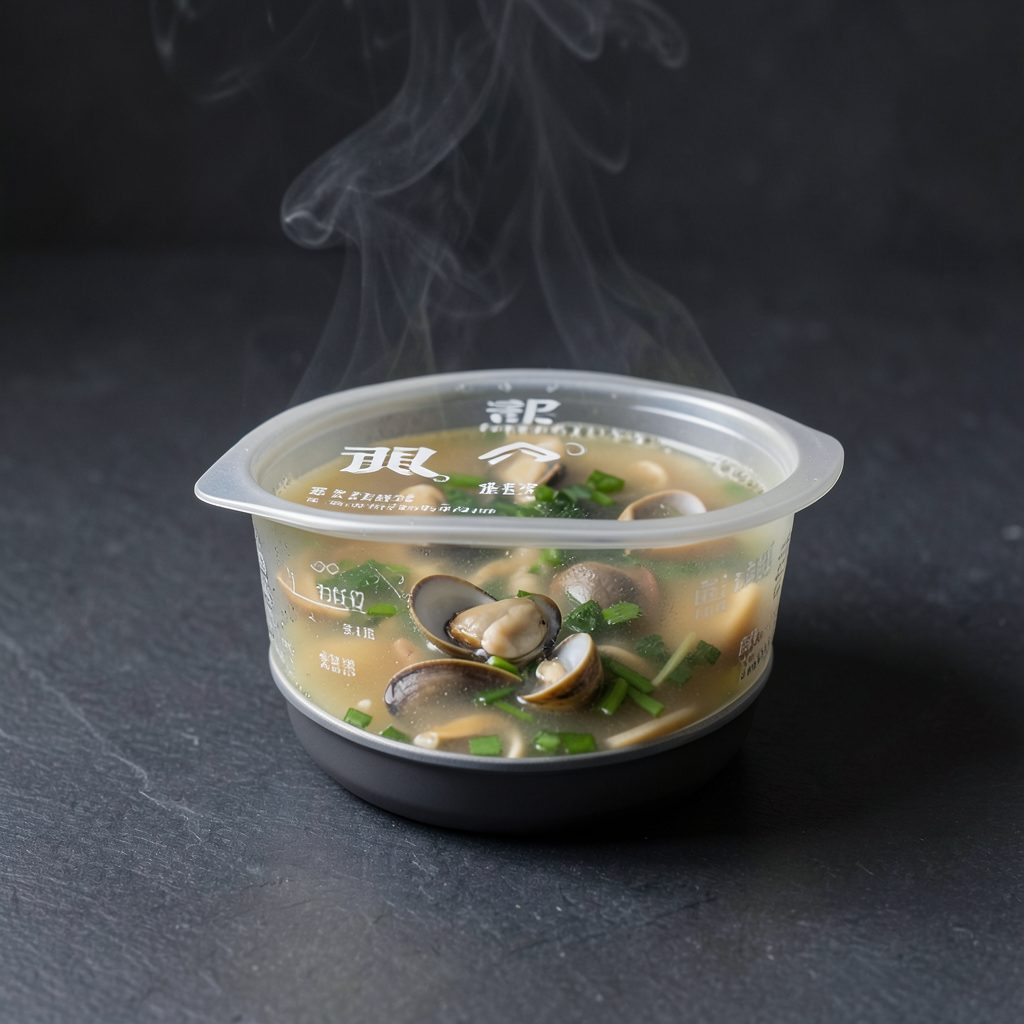
蛤?! Clam Soup Base —卜卜蜆
NT$ —
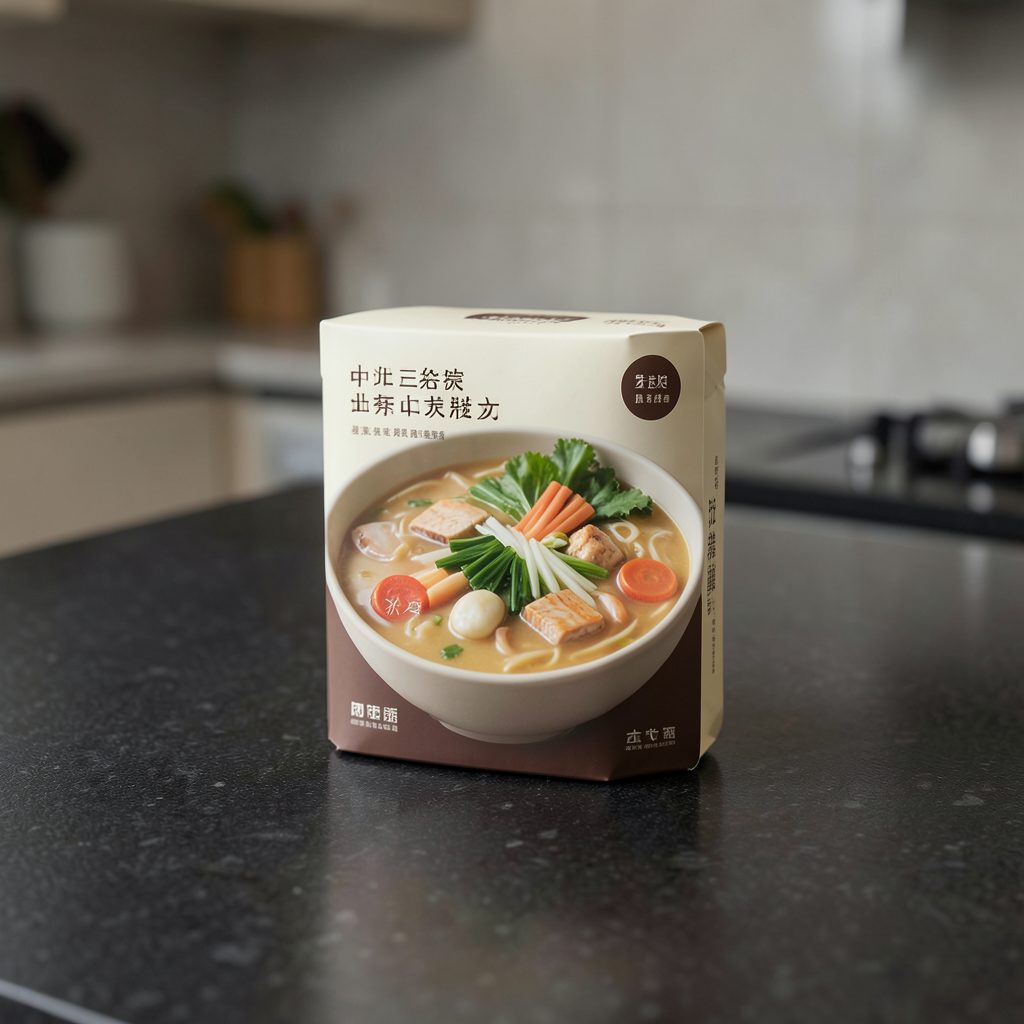
本事滿足鍋物 Personal Pot Base
NT$ —
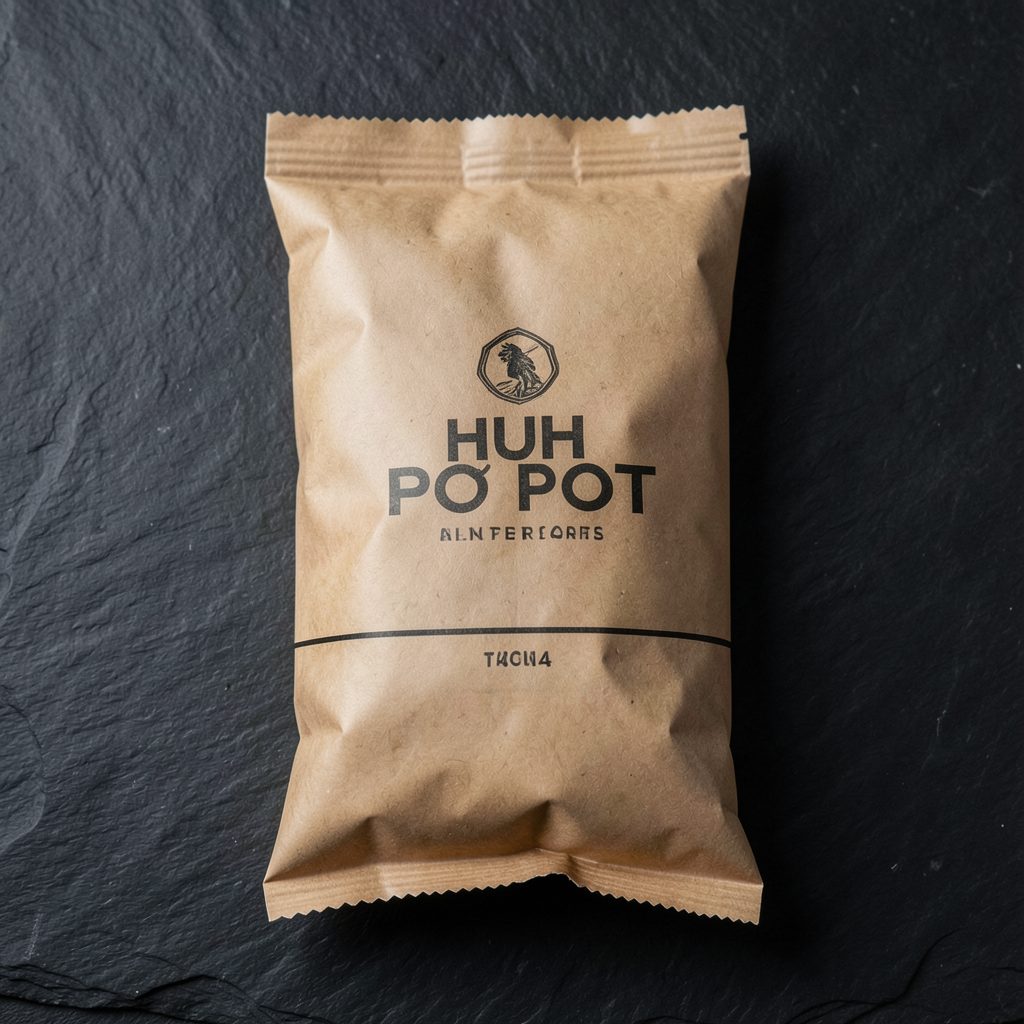
蛤?! Dry Noodles
NT$ —
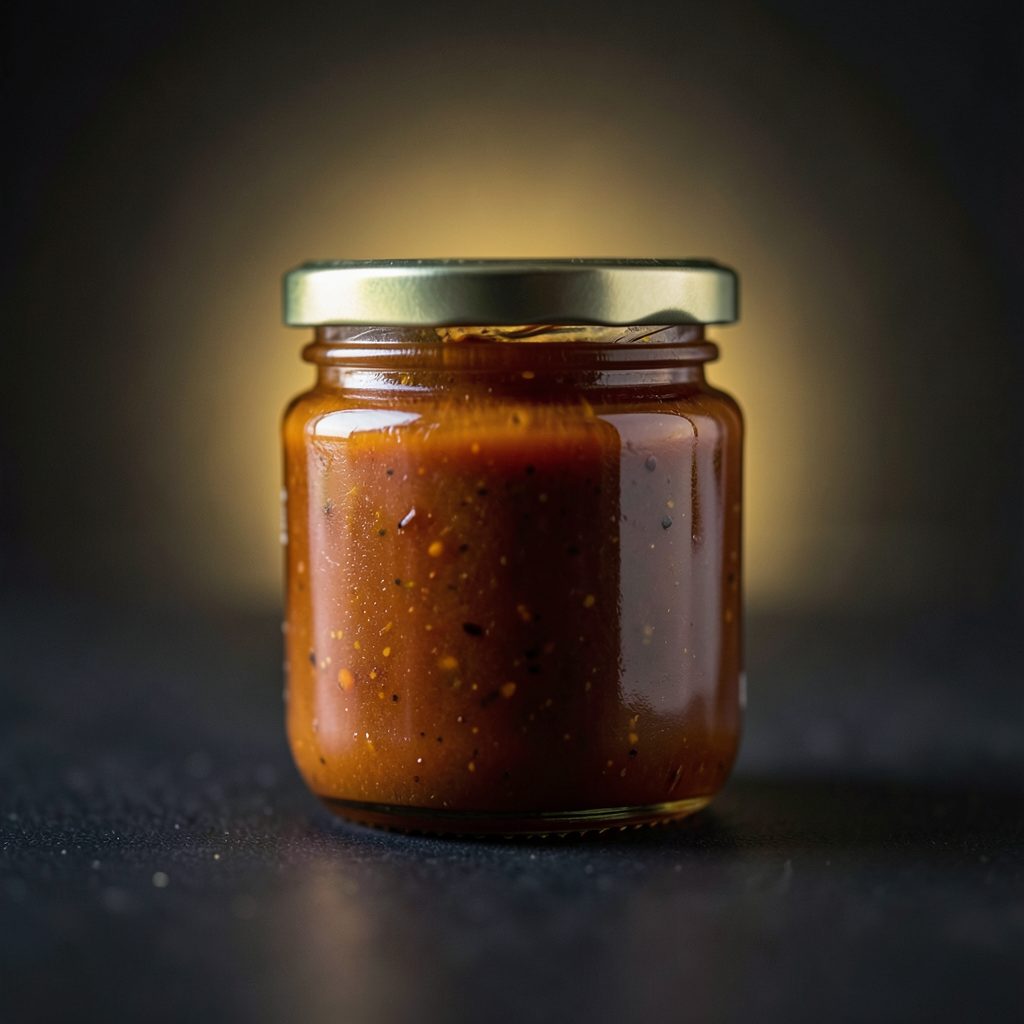
Signature Sauce
NT$ —
New Arrivals
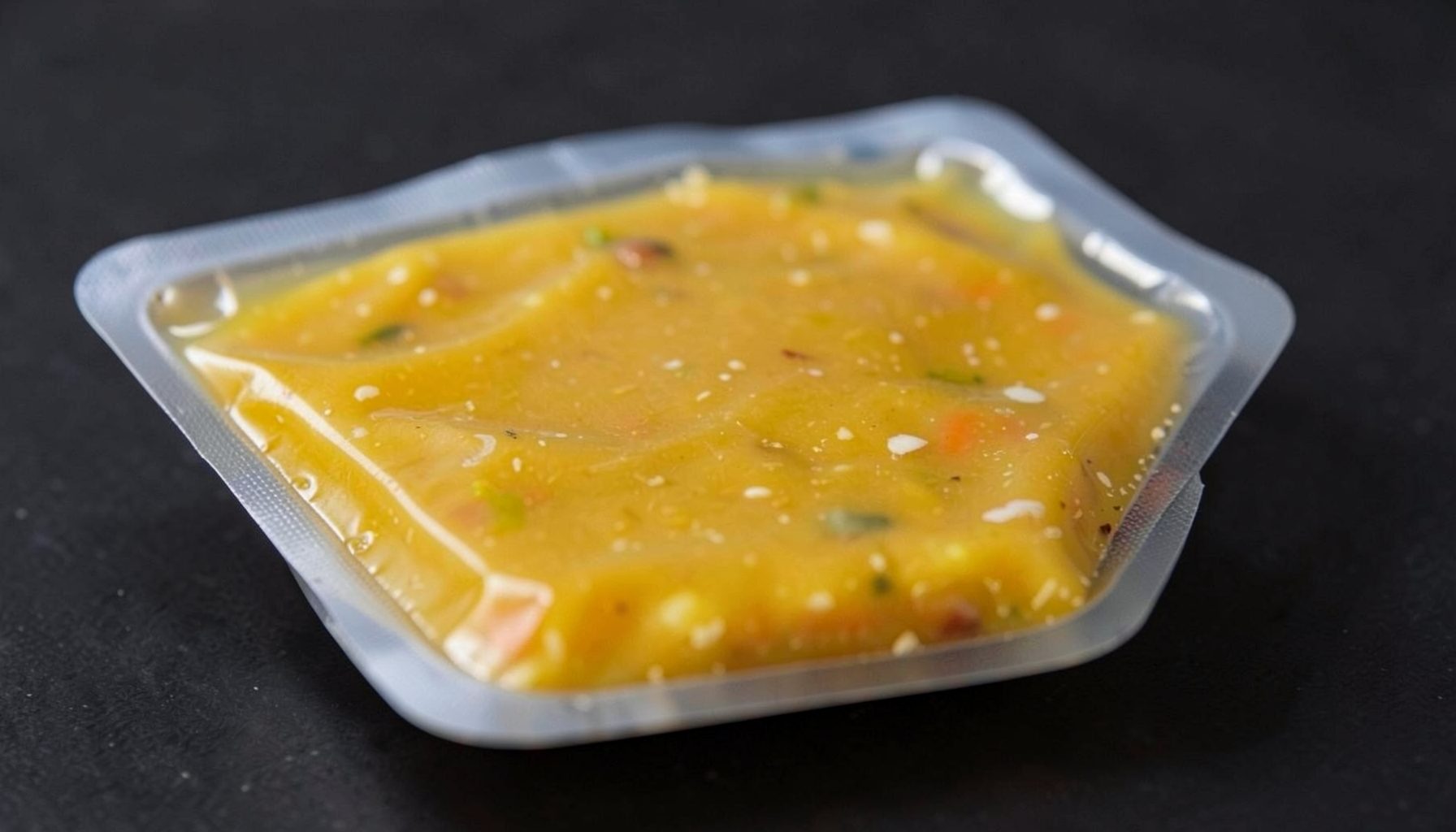
蛤?! Golden Clam Broth — New Batch
NT$ —
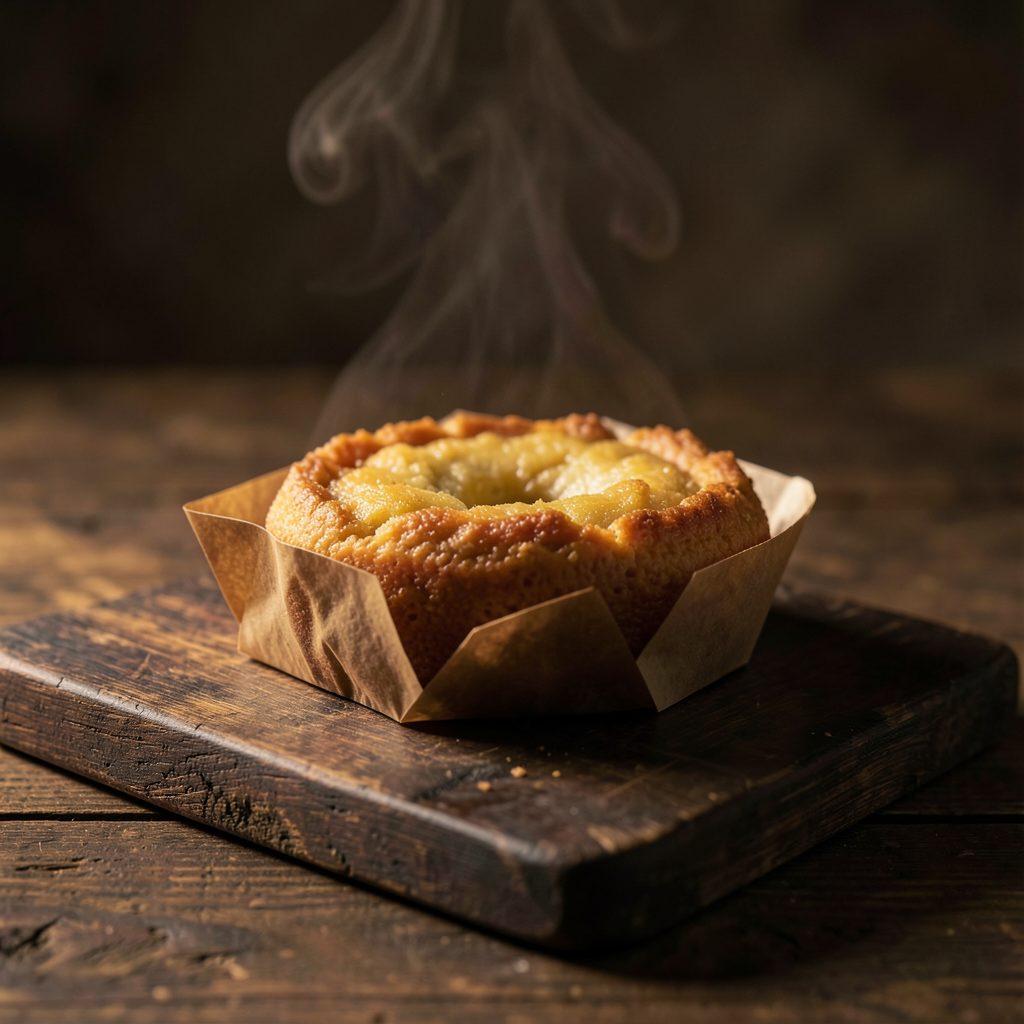
Radish Cake —蘿蔔糕精神
NT$ —
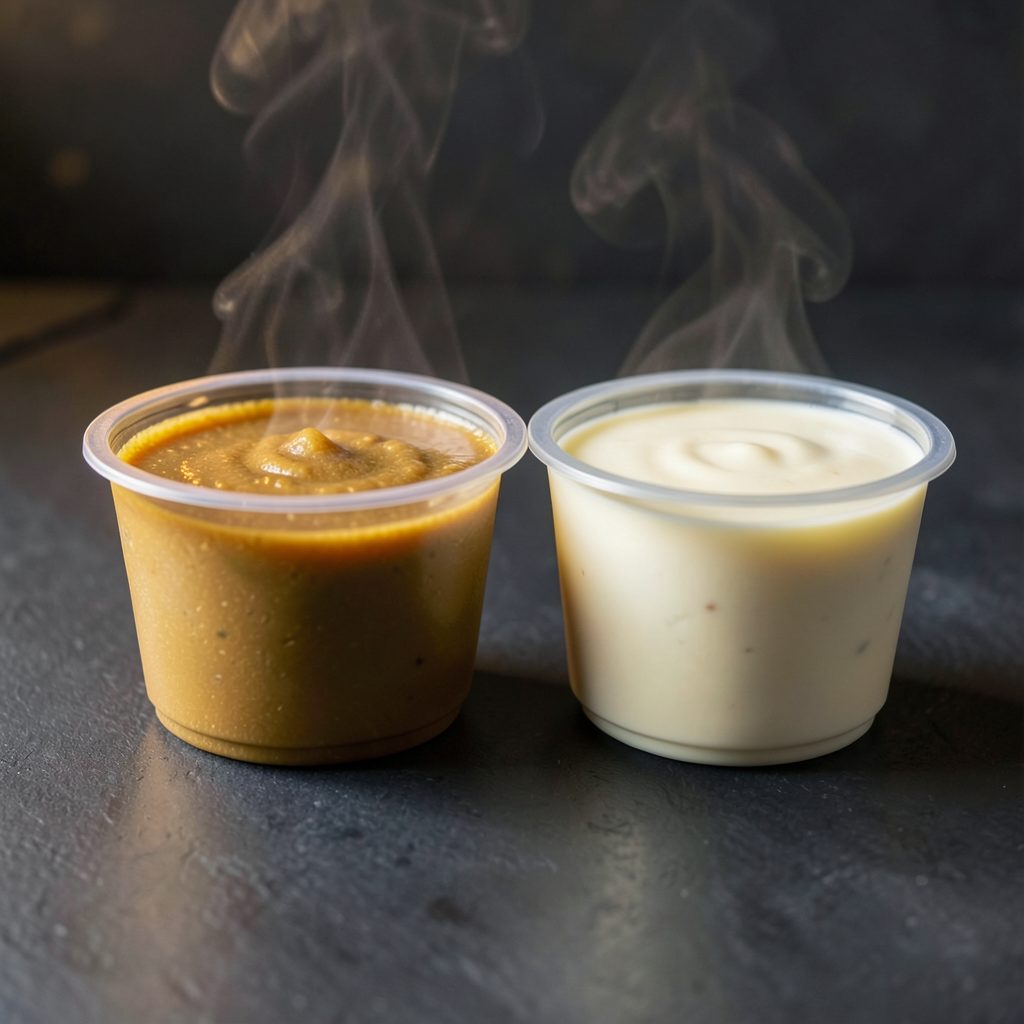
Duo Soup Base Set
NT$ —
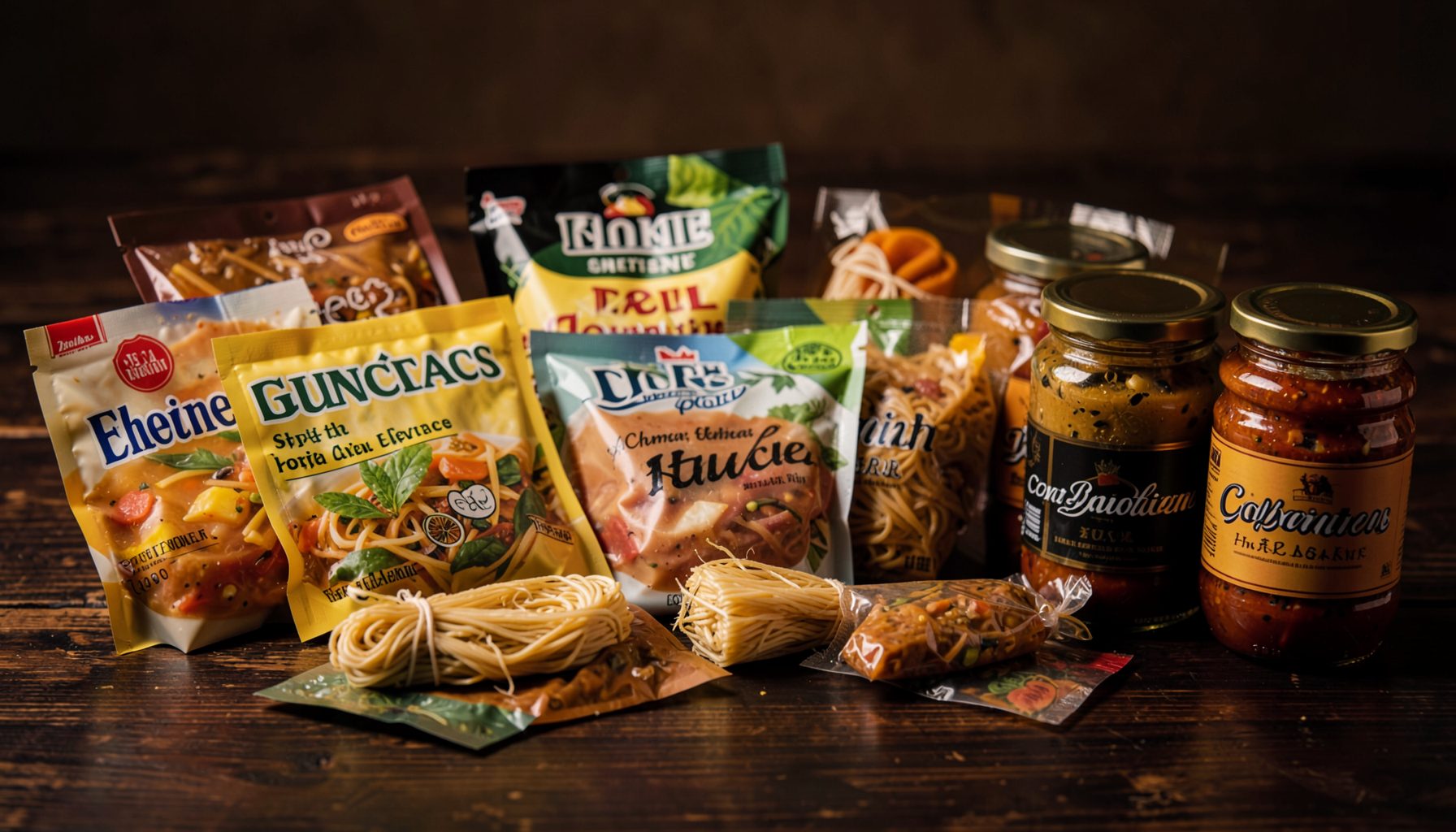
Hot Pot Essentials Bundle
NT$ —
About 蛤?! Huh Pot
蛤?! Huh Pot is a Cantonese-style hot pot brand known for its signature clam-based broth —卜卜蜆 — made with rich old-hen stock and generous portions of fresh clams. The brand also encompasses 本事滿足鍋物, a personal hot pot concept, bringing the same depth of flavor to individual servings.
Through MoneyCome Mart, these restaurant-quality soup bases, dry noodles, radish cakes, and signature sauces are available for home delivery across Taiwan. Restaurant locations in Taipei's Da'an District, Civic Boulevard, and Taichung's Gongyi Road also welcome guests for dine-in, with online reservations available.