A solo hot pot dinner with zero leftovers
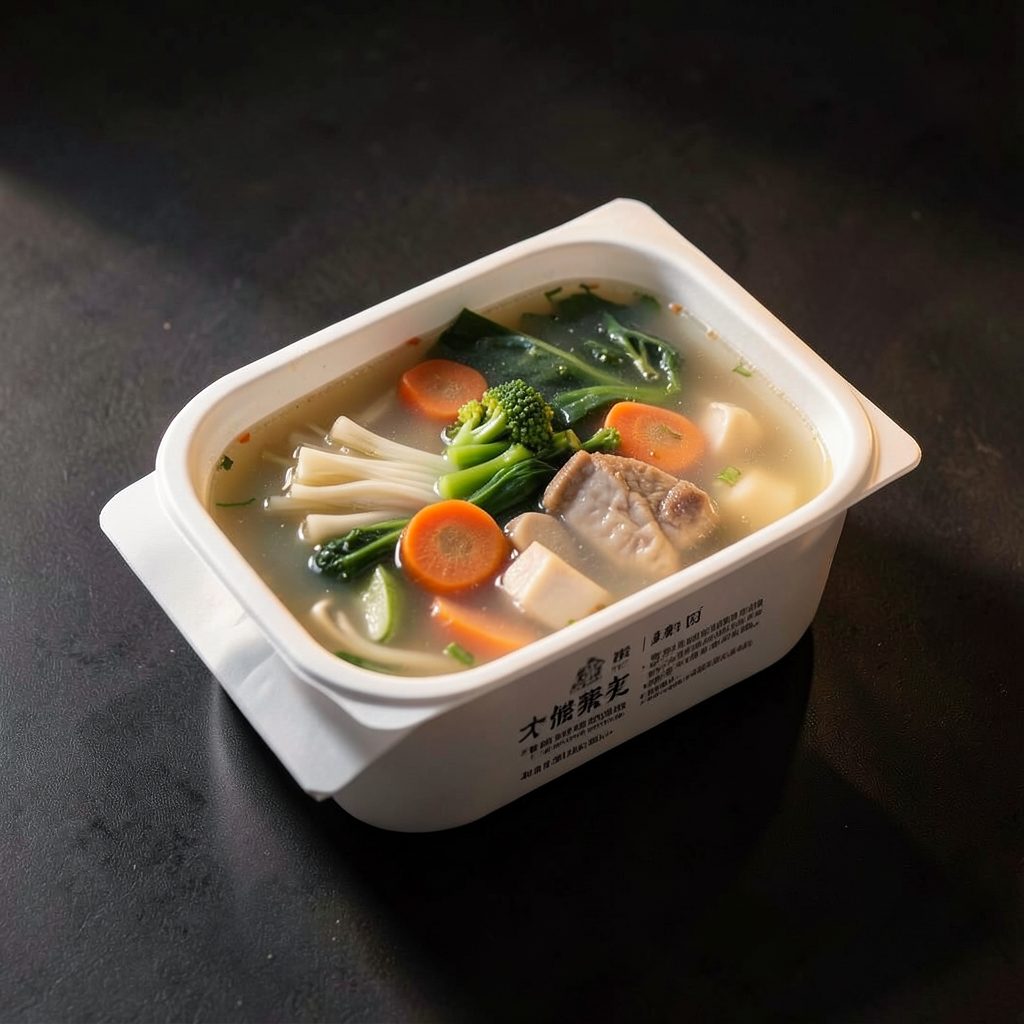
Cooking for yourself carries a quiet pleasure, particularly on a cool evening in Melbourne or Hobart when a bubbling pot feels more comforting than takeout. Hot pot suits this mood perfectly: you simmer a small pot of broth, dip ingredients one piece at a time, and eat at your own pace without coordinating with anyone else's appetite.
The challenge arrives the morning after. Half a bag of bok choy wilts in the crisper, three unused fish balls sit in their opened pouch, and the leftover broth turns cloudy in the fridge. With a few planning habits borrowed from how Australians shop for one, those leftovers never have to exist.
A single-person household in Australia now makes up roughly a quarter of all dwellings, which has quietly reshaped how grocers stock their shelves. Smaller pack sizes, ready-to-eat fresh cuts, and modular broth concentrates have all become easier to find at chains like Woolworths and Coles, as well as at Asian grocers in suburbs such as Chatswood, Box Hill, and Sunnybank. Solo hot pot fits this shift comfortably.
Choose a broth sized for one
A full 1.5-litre pot is built for two or three diners, so for a solo meal, a smaller 600 to 800 ml vessel works far better. Cantonese-style clam broths and clear herbal bases heat through quickly, hold flavour in smaller volumes, and reduce faster, meaning you actually finish the liquid rather than pouring it down the sink.
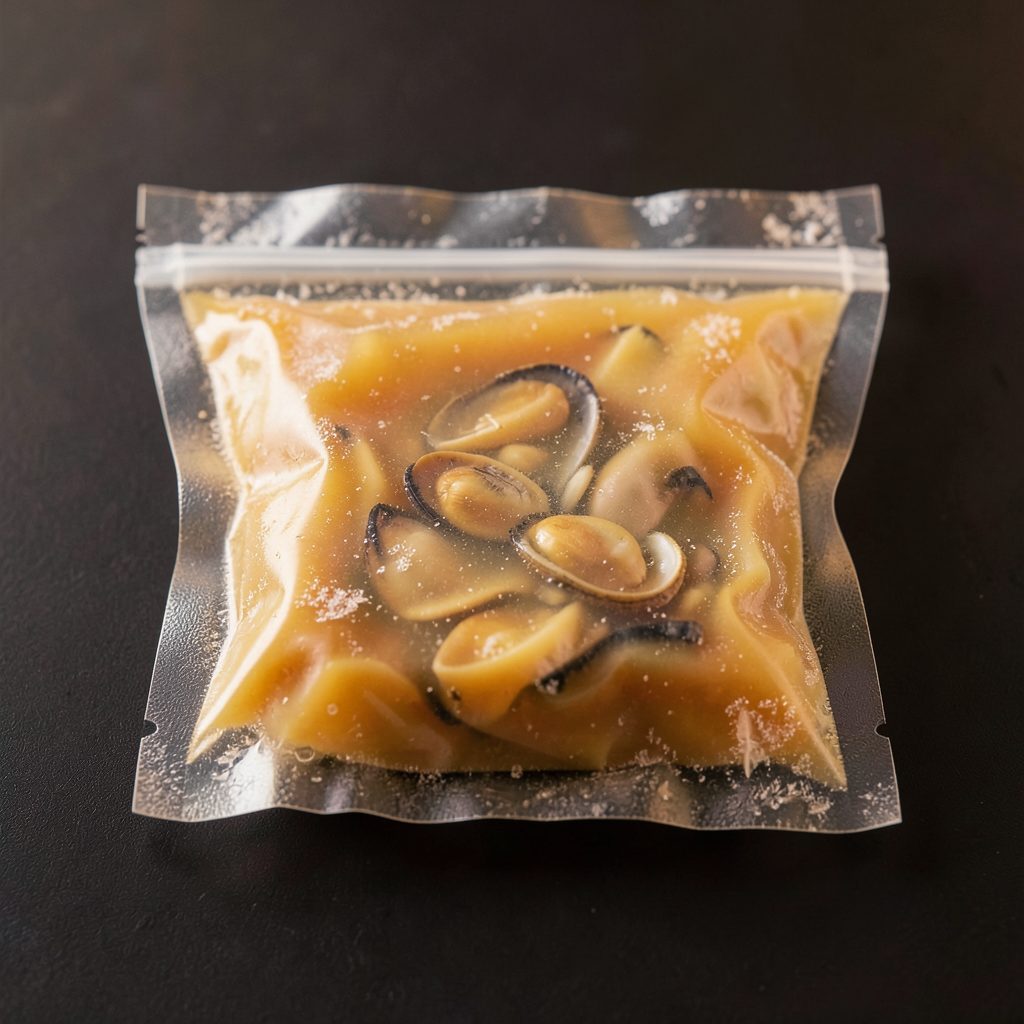
If you shop at an online Cantonese food store, look for single-serving frozen broth blocks that thaw in cold-chain packaging. They keep your fridge tidy and remove the guesswork of dividing a larger tub. Home delivery in insulated boxes has made it practical to order exactly what one meal requires.
Pick proteins by the piece, not the pack
Fish balls, sliced beef rolls, tofu puffs, and dumplings usually come in packs designed for families. The fix is simple: count what you want to eat before you order, then choose the smaller frozen bundle rather than the family tray. Most specialty stores now offer 150 to 200 g portions of sliced meats and seafood, which cook in under two minutes and leave nothing behind.
A practical rule is one protein per sitting, around 80 to 120 g in total. Sliced lamb, prawn wontons, or marinated chicken pieces each work well as the hero, with everything else playing supporting roles.
Vegetables in quick-cook portions
Leafy greens such as baby bok choy, choy sum, and Chinese cabbage cook in 30 to 45 seconds. Buy them as small heads rather than pre-cut bags, since the heads keep longer in the fridge and you can break off only the leaves you need. A single bunch of enoki or a small pack of shimeji mushrooms also disappears in one sitting without leftover odds and ends.
If you happen to be cooking during an Australian summer, lighter greens like spinach and Chinese lettuce suit the season and keep your meal refreshing rather than heavy. Adding a few slices of fresh tomato, common at local greengrocers, brings a gentle sweetness to the broth and uses up produce you might already have on hand.
Noodles and starches in sensible amounts
Hot pot noodles, rice vermicelli, and turnip cakes are satisfying but filling, so a small handful is plenty. Roughly 50 to 70 g of dry noodles per person finishes the meal comfortably, leaving room for the vegetables and protein to shine. Turnip cakes slice cleanly into two or three pieces, enough for one diner and simple to pan-fry the next day if you do have a slice spare.
If you are ordering a bundle, pick one that lets you portion things out rather than tying you to a fixed quantity of every item. Mixing a small amount of noodles with a few turnip cake slices adds variety without doubling the carb load.
Timing and temperature control
A solo meal often drifts, with phones and television pulling attention from the stove. Setting a small timer for the broth to come to a steady simmer prevents overcooking, and adding ingredients in a deliberate order, vegetables first, then noodles, then proteins at the end, keeps each element at its best texture.
Food Standards Australia New Zealand recommends keeping hot foods above 60 °C and refrigerating any cooled leftovers within two hours. With smaller portions, the fridge step rarely comes up at all, and the broth finishes inside the pot you cooked it in.
Store and reuse any rare leftovers
Sometimes a slice of fish ball or a few pieces of carrot remain. Keep them in a sealed container and stir-fry them the next day with a splash of soy sauce and a little rice, which is a common habit across Australian households looking to stretch ingredients. A small amount of cooled broth freezes well in an ice cube tray and becomes a base for the next week's noodles.
If you are unsure about storage or portion sizing, the FAQ page covers common questions about broth volume, ingredient pairing, and reheating, which is useful before your first attempt.
Plan before you click order
The simplest way to avoid leftovers is to plan the meal before placing the order. Write down the broth volume, count the vegetable stems, and choose proteins by piece. Treat the shopping list the way you would treat a restaurant order, fixed and intentional.
Browsing a dish such as grilled corn with compound butters for side inspiration, like this recipe for grilled corn, can also remind you how to think in small, balanced portions across cuisines.
Once the habit clicks, a solo hot pot becomes a regular weeknight ritual rather than an ambitious project, with a clean fridge to prove it.
Best Sellers
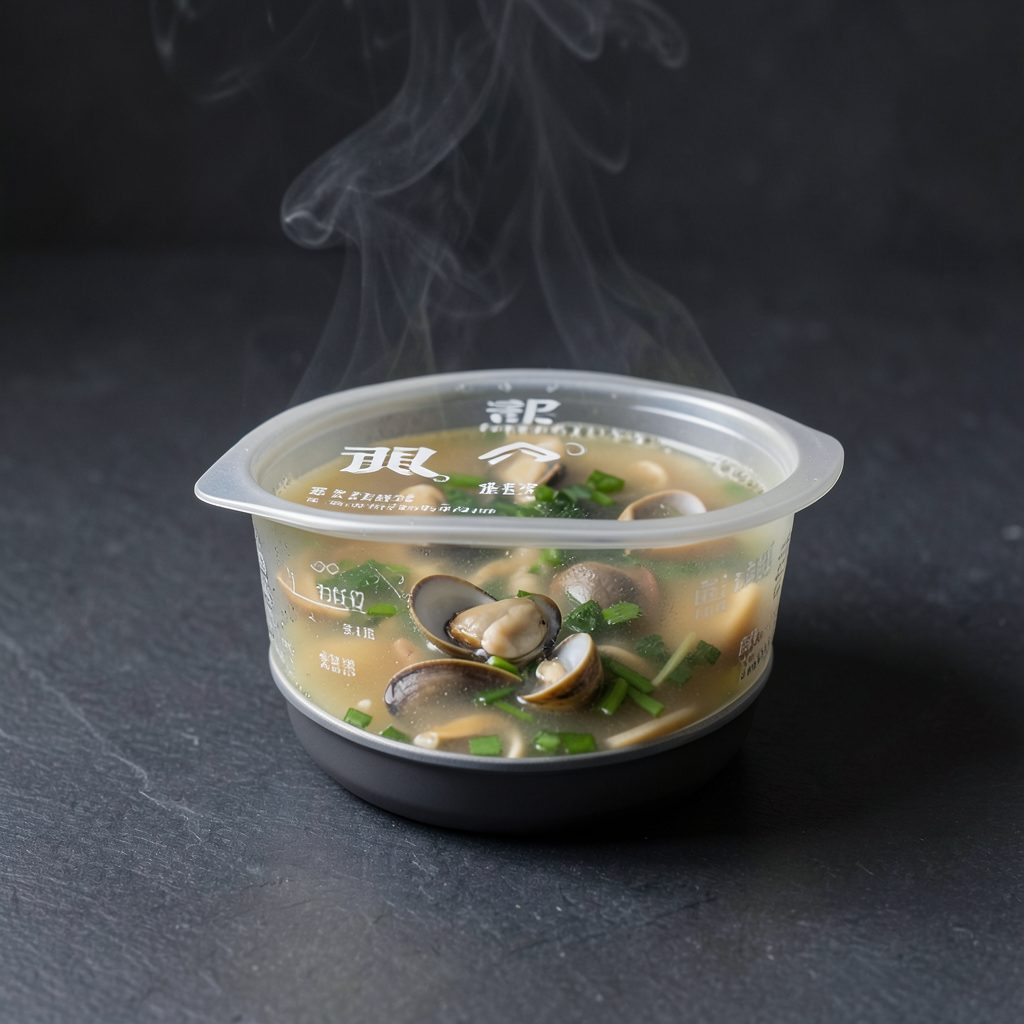
蛤?! Clam Soup Base —卜卜蜆
NT$ —
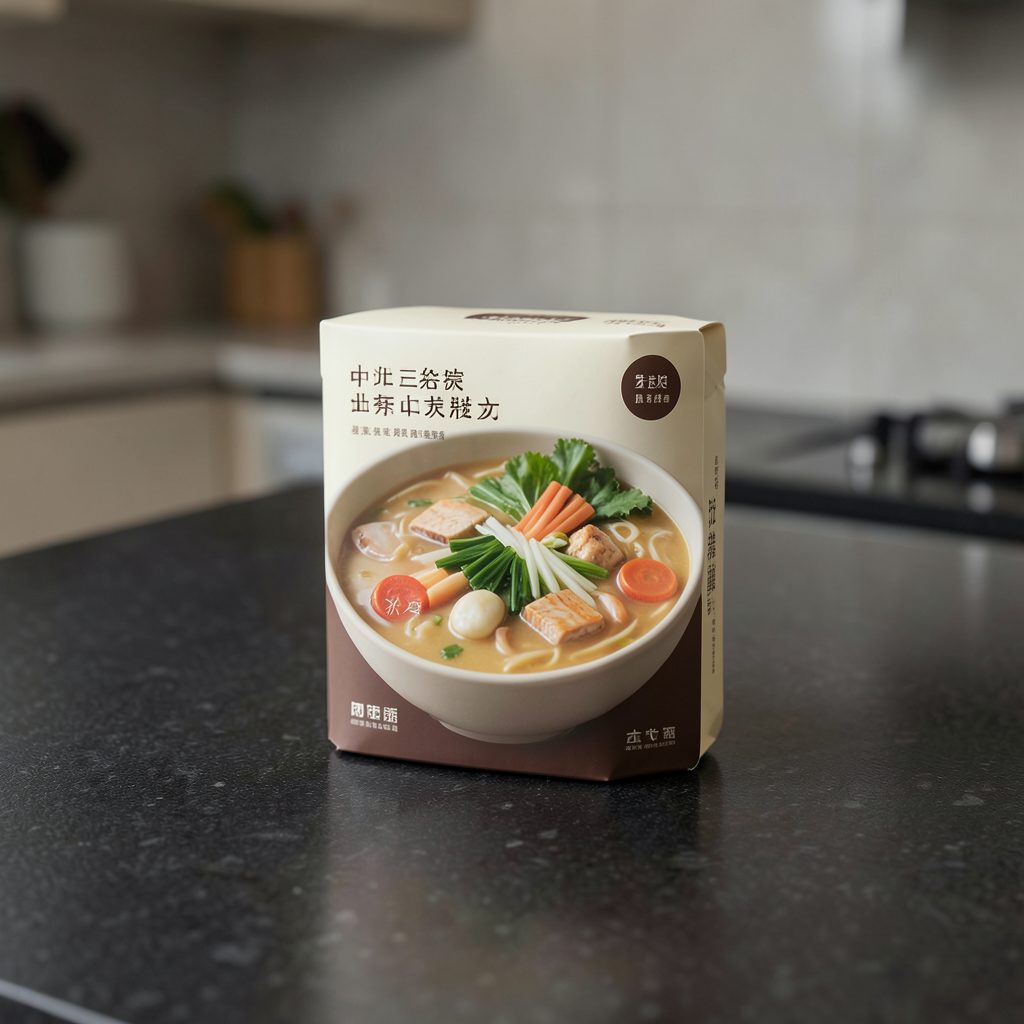
本事滿足鍋物 Personal Pot Base
NT$ —
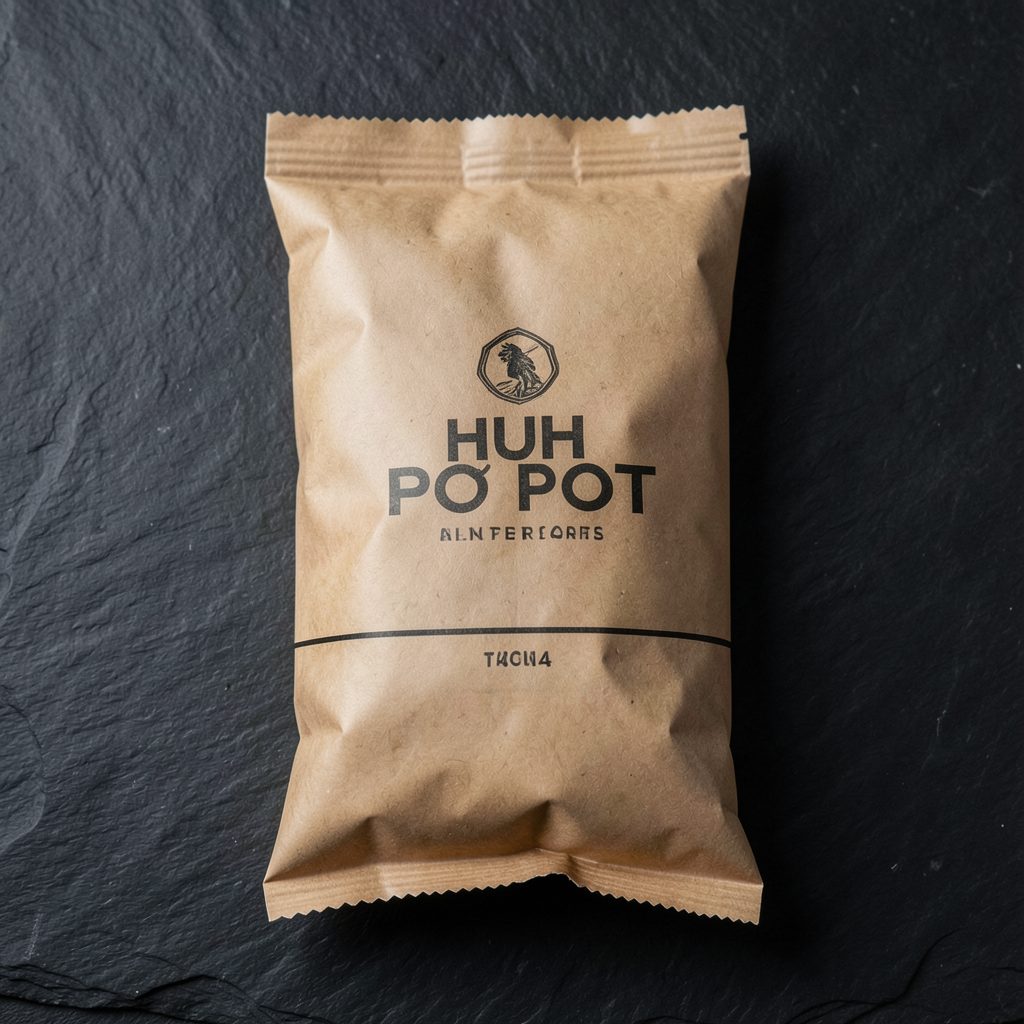
蛤?! Dry Noodles
NT$ —
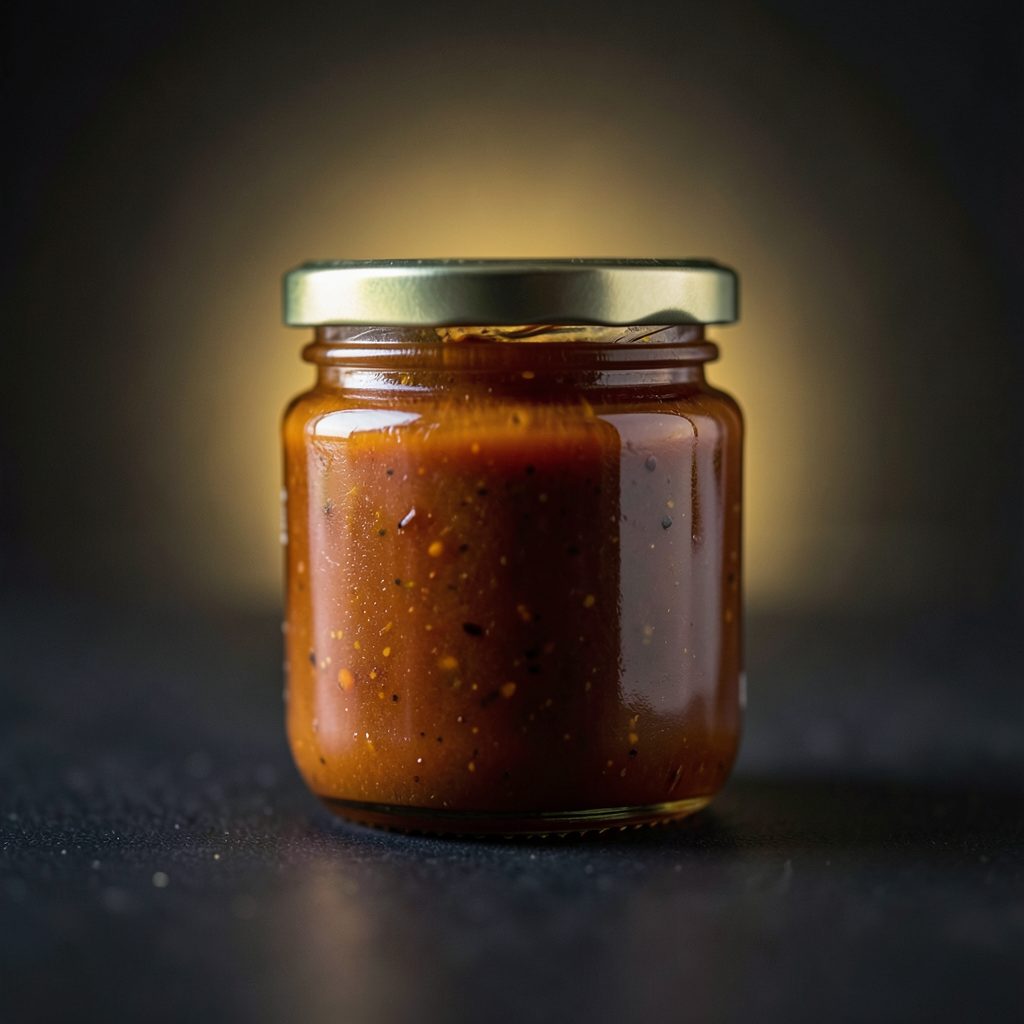
Signature Sauce
NT$ —
New Arrivals
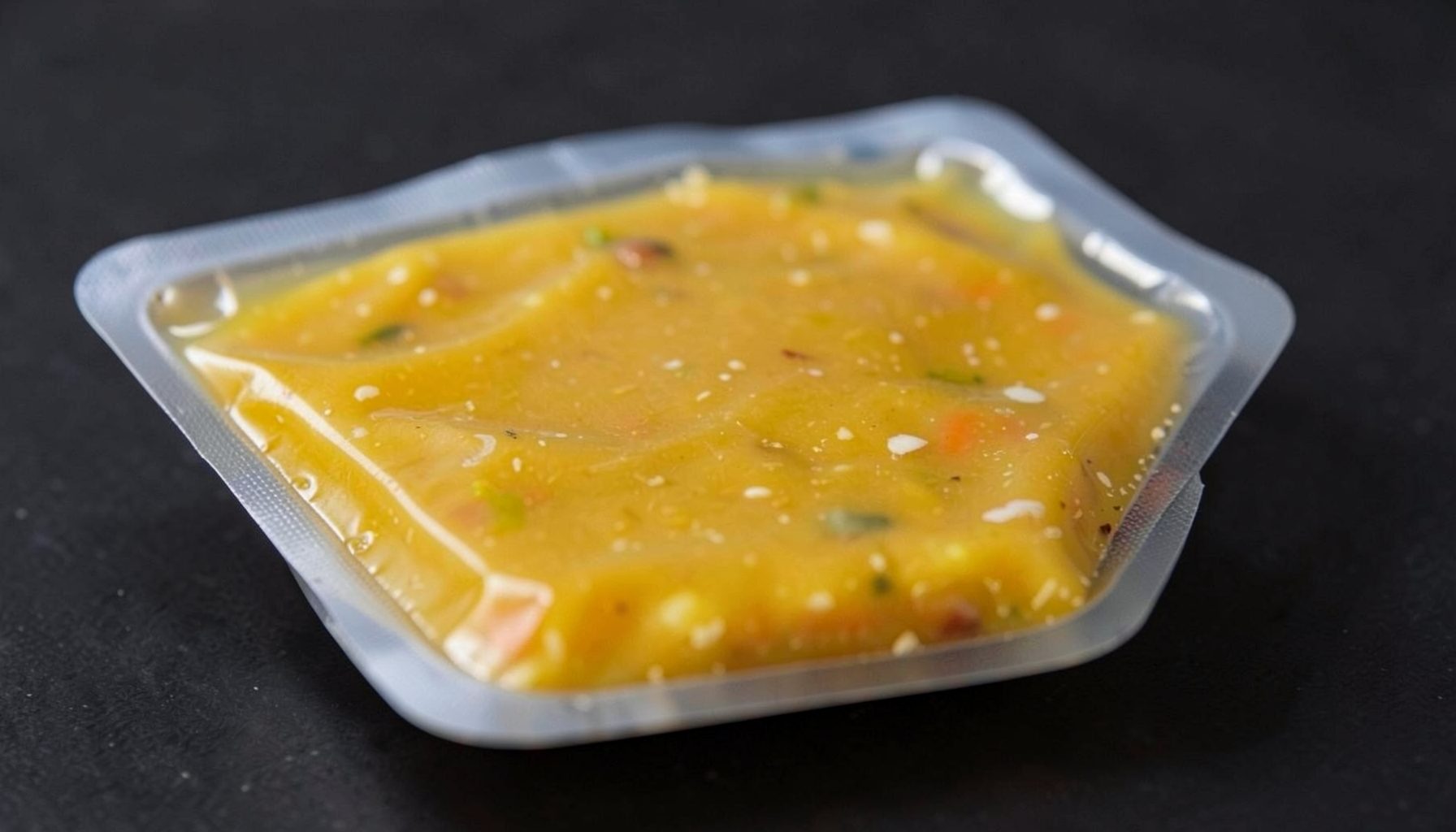
蛤?! Golden Clam Broth — New Batch
NT$ —
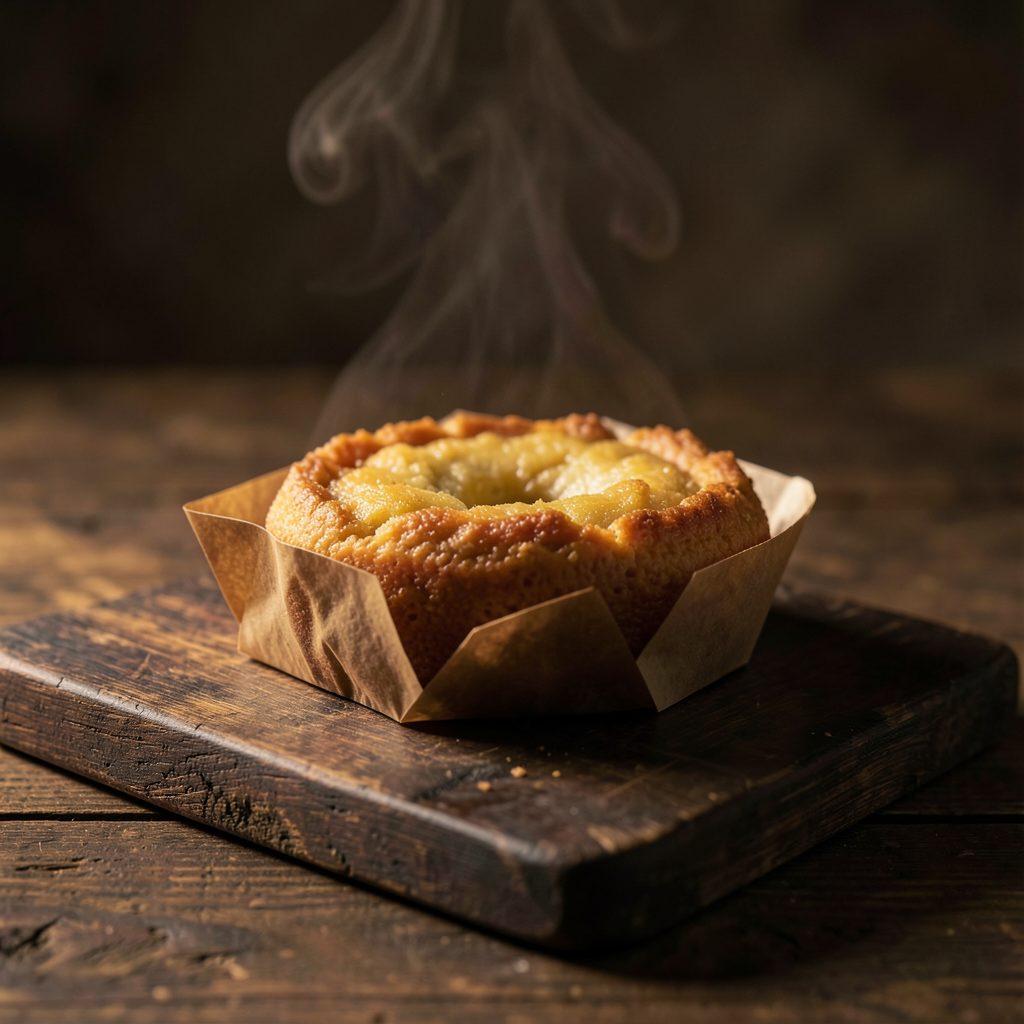
Radish Cake —蘿蔔糕精神
NT$ —
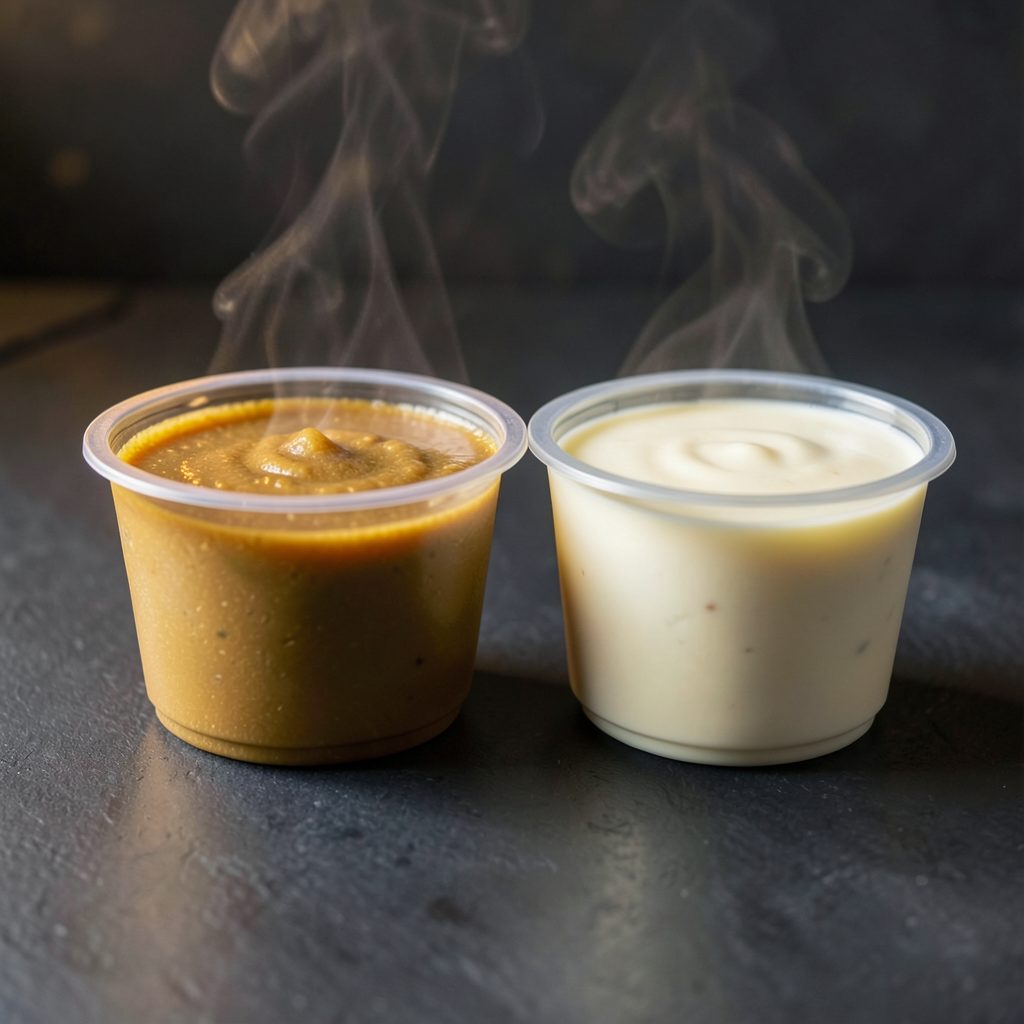
Duo Soup Base Set
NT$ —
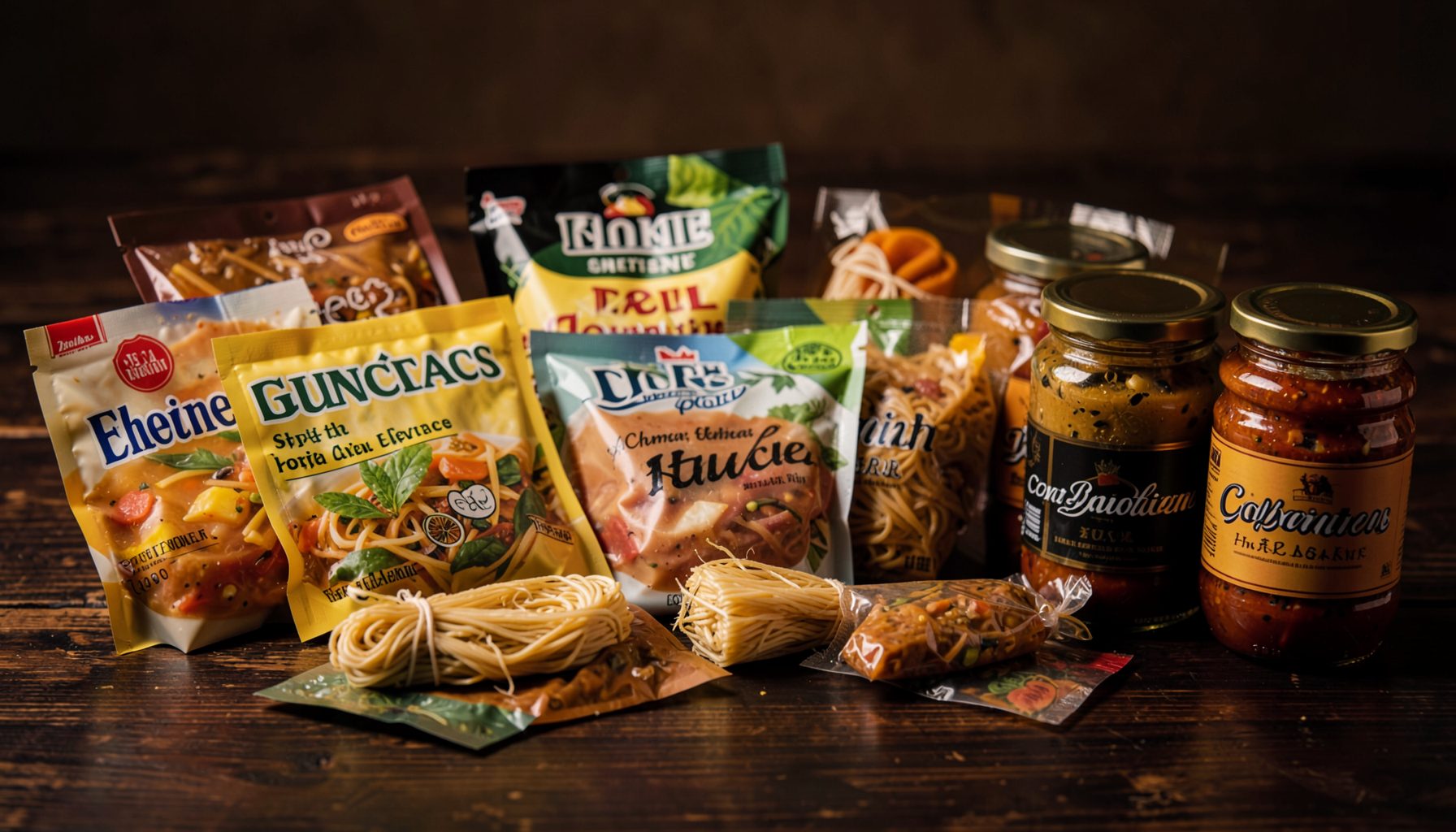
Hot Pot Essentials Bundle
NT$ —
About 蛤?! Huh Pot
蛤?! Huh Pot is a Cantonese-style hot pot brand known for its signature clam-based broth —卜卜蜆 — made with rich old-hen stock and generous portions of fresh clams. The brand also encompasses 本事滿足鍋物, a personal hot pot concept, bringing the same depth of flavor to individual servings.
Through MoneyCome Mart, these restaurant-quality soup bases, dry noodles, radish cakes, and signature sauces are available for home delivery across Taiwan. Restaurant locations in Taipei's Da'an District, Civic Boulevard, and Taichung's Gongyi Road also welcome guests for dine-in, with online reservations available.