How to Build an Inclusive Hot Pot Menu at Home
A well-planned hot pot meal lets everyone share the same cooking experience without forcing guests to compromise their dietary needs. The key is to organize the meal around clearly identified broths, dipping sauces, proteins, vegetables, and noodles rather than treating restrictions as last-minute substitutions.
Cantonese hot pot works especially well for flexible dining because ingredients are cooked in small portions at the table. With separate serving utensils, labeled products, and more than one soup base, you can create a welcoming spread for vegetarians, seafood-sensitive guests, people avoiding gluten, and diners watching their sodium intake.
MoneyCome Mart makes this approach convenient with frozen soup bases, clam broths, sauces, noodles, turnip cakes, and prepared hot pot ingredients delivered across Taiwan through cold-chain shipping. Restaurant-style flavors can become the foundation of a carefully customized meal at home.
Start With A Guest-Friendly Ingredient Check
Before choosing products, ask guests to share allergies, intolerances, religious dietary practices, and personal preferences. Clarify whether someone avoids an ingredient completely or simply prefers a smaller portion. This distinction helps you plan separate cookware and prevent accidental contact.
Pay close attention to hidden ingredients. A broth may contain seafood extracts, a dipping sauce may include wheat or shrimp paste, and processed fish balls may contain egg or soy. Read the product label for allergen information, and contact the supplier when an ingredient list is unclear.
It is useful to divide the menu into three groups: safe for everyone, suitable for selected guests, and optional items served separately. This simple system reduces confusion once the pot is bubbling and guests begin adding ingredients.
Offer Broths That Create A Safe Base
The soup base determines which guests can participate from the first bite. Prepare at least one broadly suitable broth, such as a vegetable, mushroom, or mild herbal base, alongside a richer seafood or meat-based option. If a guest has a serious allergy, use a separate pot rather than relying on a divided vessel.
Cantonese-style flavors can remain satisfying without heavy spice or excessive salt. Aromatics such as ginger, scallion, garlic, mushrooms, and daikon add depth to a lighter broth. For guests limiting sodium, serve salty sauces and concentrated seasonings on the side instead of adding them directly to the soup.
The story behind the brand story also reflects how a memorable hot pot identity can grow from shared dining culture. That same spirit works at home when the broth selection gives every diner a place at the table.
Separate Ingredients By Dietary Category
Build the ingredient platter in clear sections rather than mixing everything together. Place vegetables, tofu, mushrooms, and plant-based items on one tray; seafood, meat, and processed items on others. Use different tongs for each category and keep raw proteins away from ready-to-eat garnishes.
For vegetarian or vegan diners, include napa cabbage, leafy greens, lotus root, corn, winter melon, shiitake mushrooms, tofu, and glass noodles. Confirm that the broth and sauces contain no animal-derived ingredients. Turnip cakes and other prepared foods should also be checked individually, since recipes can include dried shrimp, lard, or egg.
Guests avoiding shellfish may still be comfortable with poultry or vegetables, but cross-contact matters. Keep clam broth, shrimp, squid, and shellfish-based products in their own pot or serving zone, with dedicated utensils that do not move between dishes.
Match Sauces And Noodles To Each Guest
Dipping sauces are easy to customize, making them one of the most useful parts of an inclusive menu. Set out small bowls of sesame sauce, soy-based seasoning, chili oil, scallions, garlic, cilantro, and fresh citrus separately. Guests can build flavor without changing the shared broth.
For gluten-free diners, verify whether soy sauce, chili bean paste, fish balls, dumplings, and noodles contain wheat. Rice vermicelli, mung bean noodles, and plain rice are possible alternatives, but packaged products still require label checks. Use gluten-free tamari only when the product is certified or clearly identified.
People with nut, sesame, soy, or seafood allergies need special attention because these ingredients often appear in sauces and condiments. Place allergen-free seasonings on a separate tray, and do not let shared ladles move from a sauce bowl back into the main containers.
A Practical Menu Framework
A balanced menu usually combines one inclusive broth, one specialty broth, several vegetables, two or three protein choices, a dedicated plant-based selection, and a small range of noodles. Avoid buying too many similar items; variety in texture often matters more than quantity.
Use this framework to compare common dietary needs with practical menu decisions:
| Dietary need | Menu choices | Items to verify | Serving practice |
|---|---|---|---|
| Vegetarian | Vegetables, tofu, mushrooms, plant-based dumplings | Broth, turnip cakes, sauces | Use a separate pot or broth compartment |
| Vegan | Vegetables, tofu, rice noodles, mushrooms | Egg, dairy, seafood, lard, honey | Keep animal-based items and utensils apart |
| Gluten-free | Rice, glass noodles, vegetables, plain meats | Soy sauce, dumplings, fish balls, marinades | Use dedicated tongs and clean bowls |
| Shellfish allergy | Poultry, beef, tofu, vegetables | Clam broth, shrimp paste, seafood balls | Prepare shellfish in a separate pot |
| Lower-sodium preference | Fresh produce, unsalted proteins, mild broth | Soup concentrates, sauces, processed foods | Add seasoning individually at the table |
A MoneyCome Mart bundle can help cover the convenient basics, while fresh vegetables and clearly labeled proteins fill out the spread. Choose products according to the strictest dietary requirement first, then add specialty items that can remain isolated.
Plan Cooking Order And Kitchen Safety
Cooking order can reduce cross-contact. Begin with the ingredients intended for guests with the strictest restrictions, using clean utensils and bowls. Cook shared vegetables next, then prepare meat and seafood. Never return partially cooked food to a communal serving tray.
Keep the hot pot at a steady simmer, but avoid overcrowding it. Small batches cook more evenly and make it easier to identify what is in the broth. Raw meat, seafood, and vegetables should remain chilled until needed, especially during longer meals.
Cold-chain delivery is particularly helpful when ordering frozen soup bases and prepared hot pot ingredients in Taiwan. Store products promptly after delivery, follow thawing instructions, and keep raw items refrigerated until they go into the pot.
Make The Menu Easy To Read
Clear labels can be as valuable as extra dishes. Mark each broth, sauce, noodle, and protein with short notes such as “vegan,” “contains wheat,” “seafood,” or “separate pot.” Use different colored tongs or serving spoons where possible.
- Choose one broth suitable for the widest group of guests.
- Confirm allergens and dietary labels before opening packages.
- Keep vegetarian, gluten-free, and allergy-sensitive items in separate zones.
- Offer sauces and salty seasonings individually.
- Cook restricted-diet portions first with clean utensils.
A thoughtful menu does not need to look clinical or complicated. With a few clearly separated choices, flavorful Cantonese soup bases, and careful preparation, everyone can enjoy the social rhythm of hot pot.
Browse MoneyCome Mart’s frozen broths, sauces, noodles, and prepared ingredients to assemble a personalized spread for your next home gathering in Taiwan. Select the products that fit your guests, organize them by dietary category, and let each person cook a bowl that feels made for them.
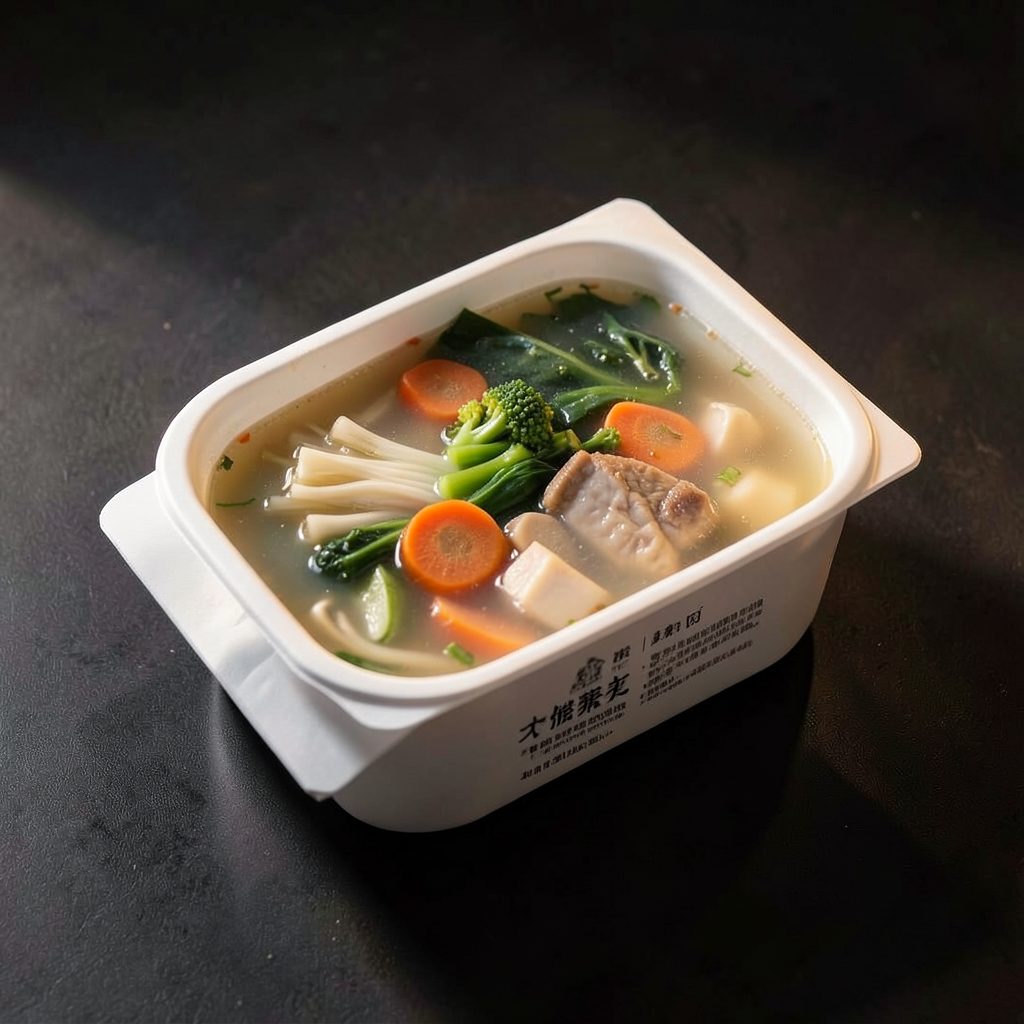
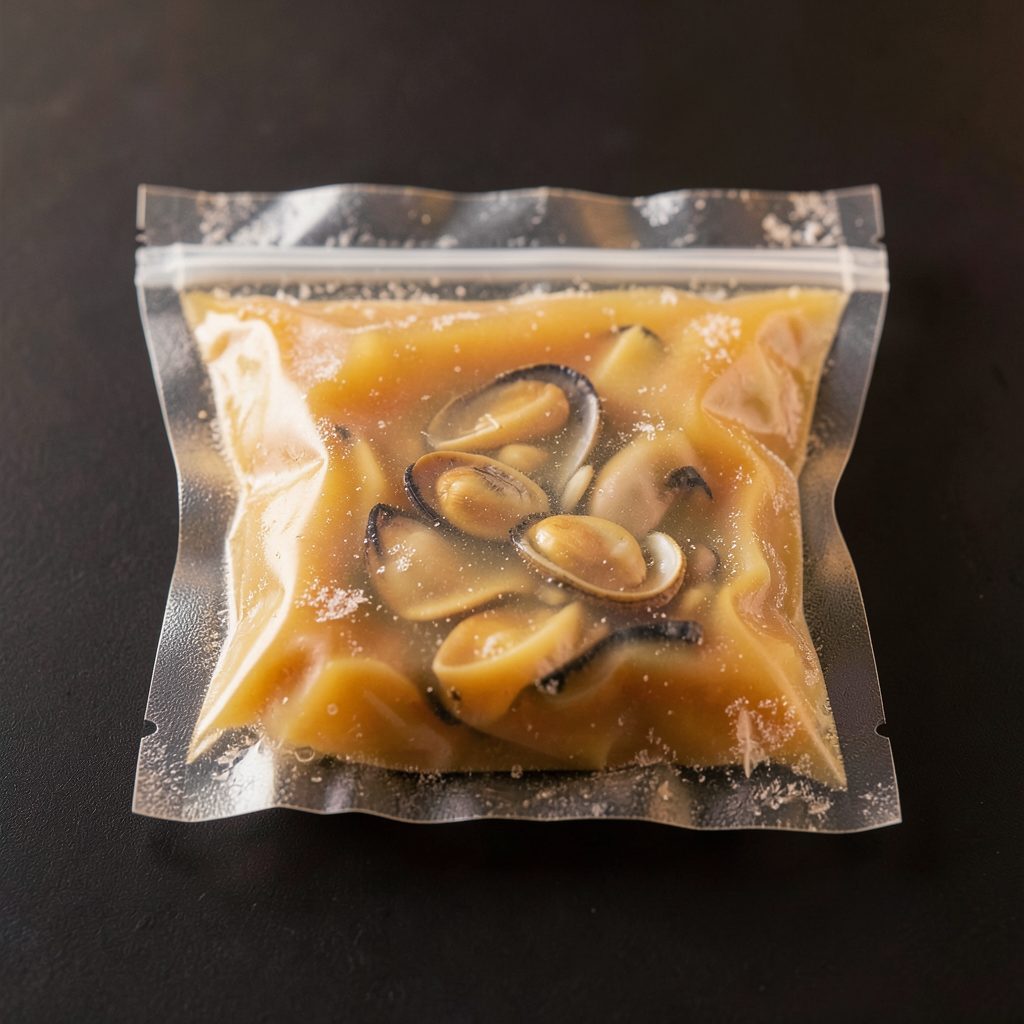
Best Sellers
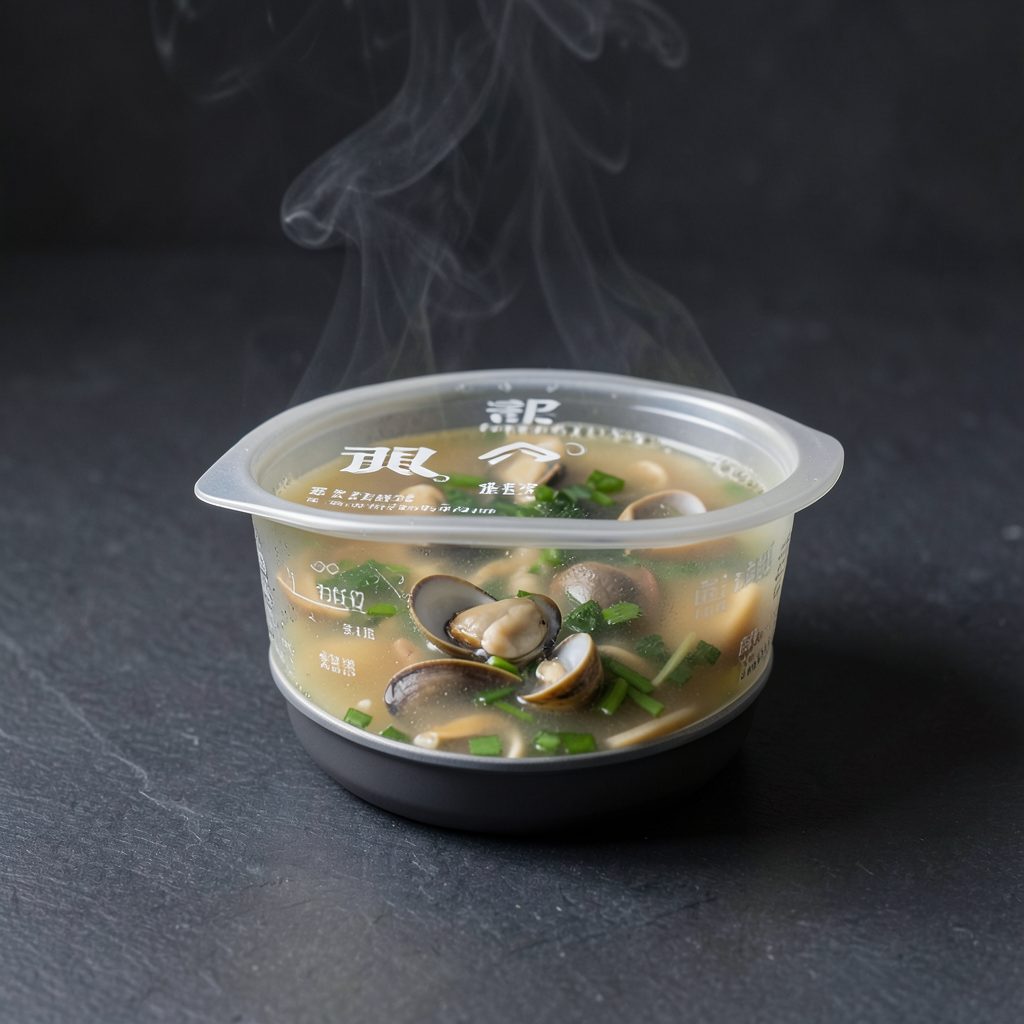
蛤?! Clam Soup Base —卜卜蜆
NT$ —
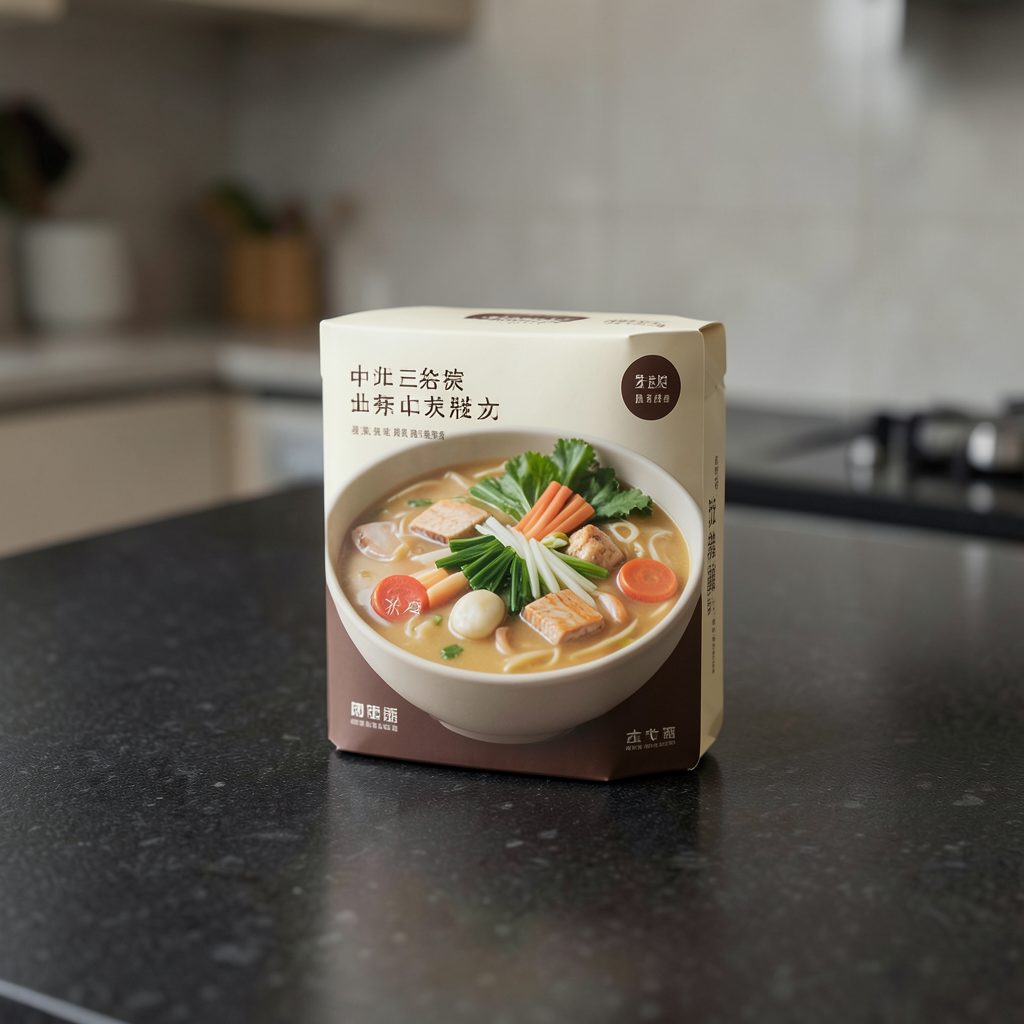
本事滿足鍋物 Personal Pot Base
NT$ —
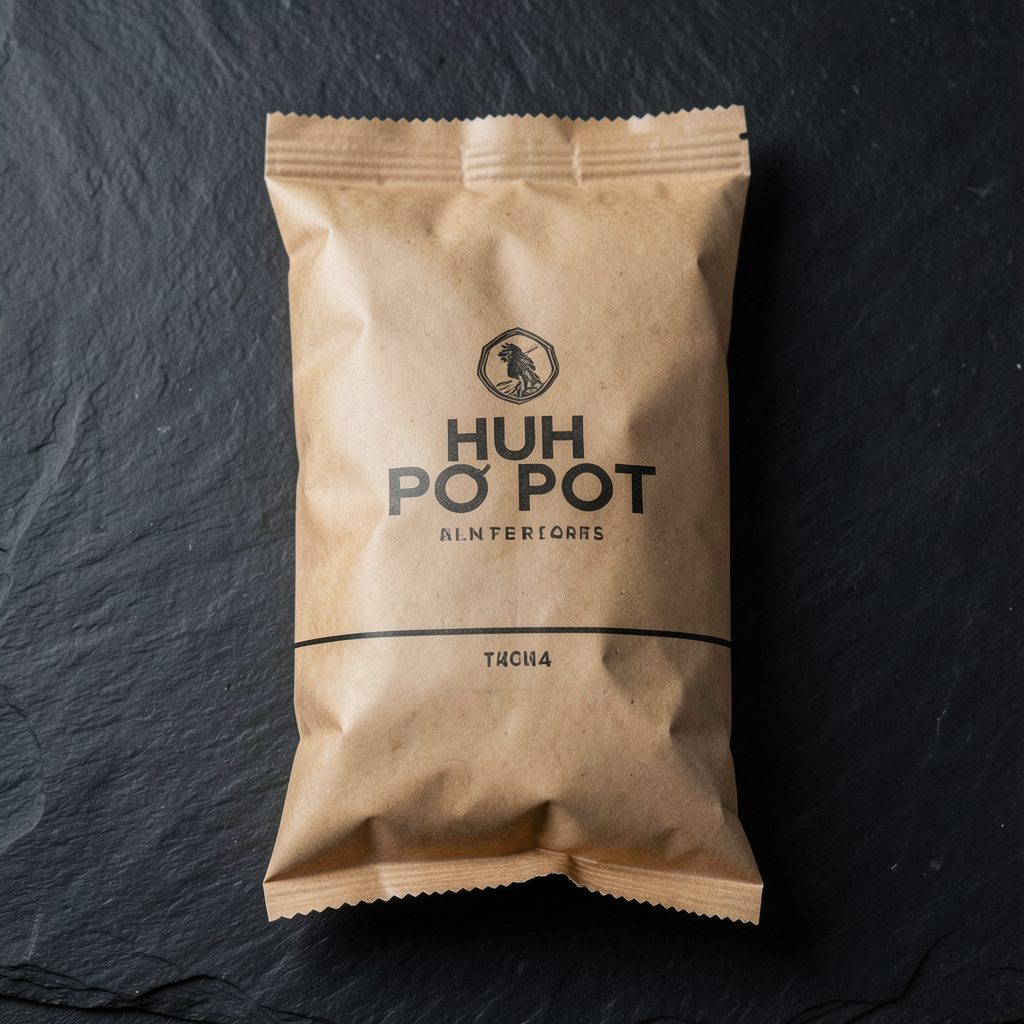
蛤?! Dry Noodles
NT$ —
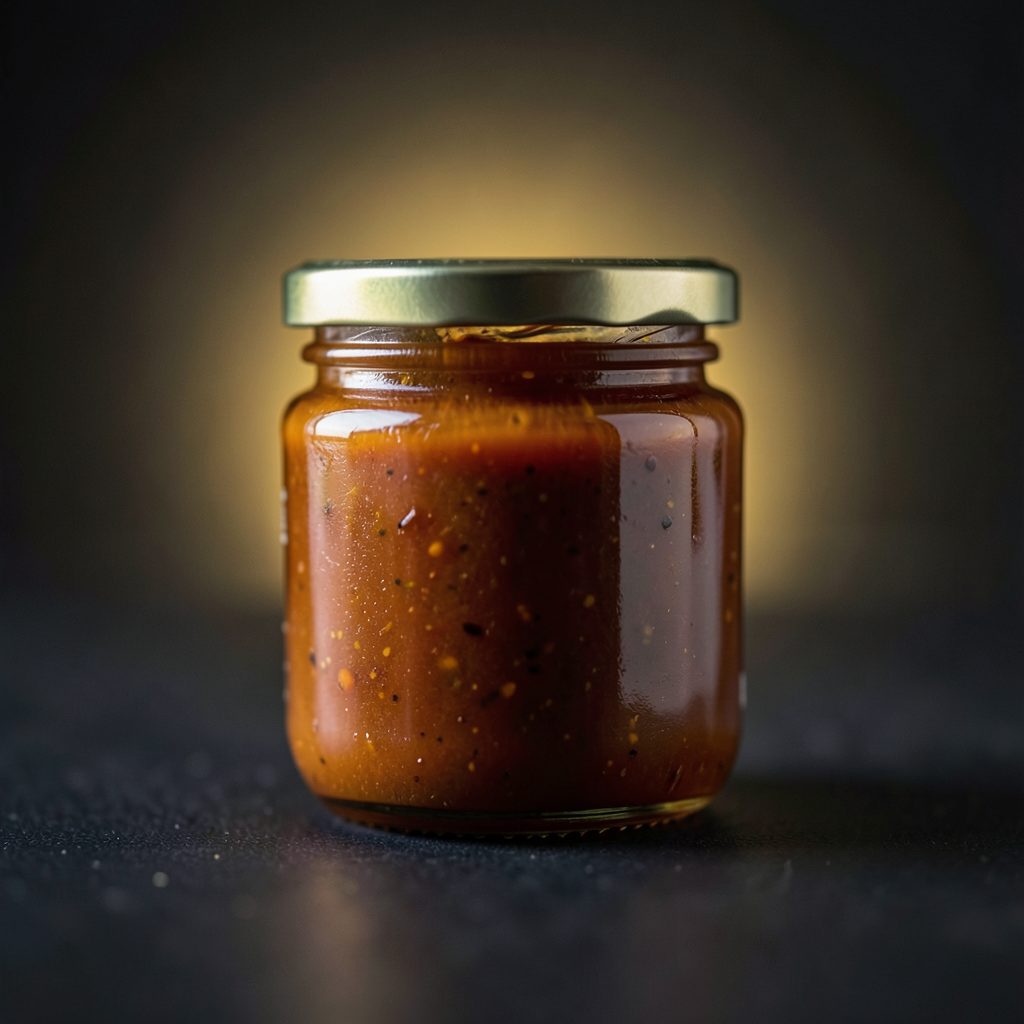
Signature Sauce
NT$ —
New Arrivals
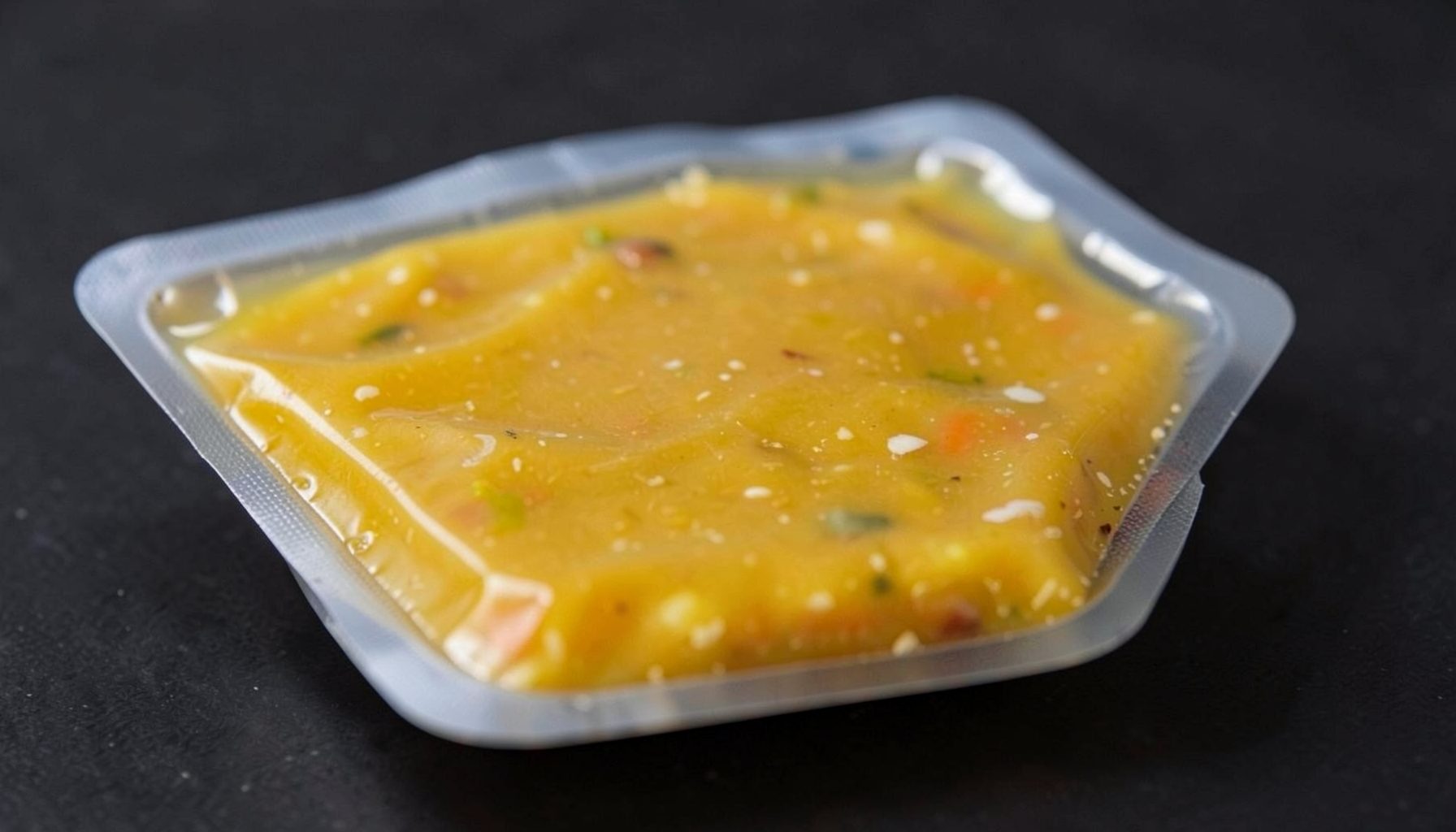
蛤?! Golden Clam Broth — New Batch
NT$ —
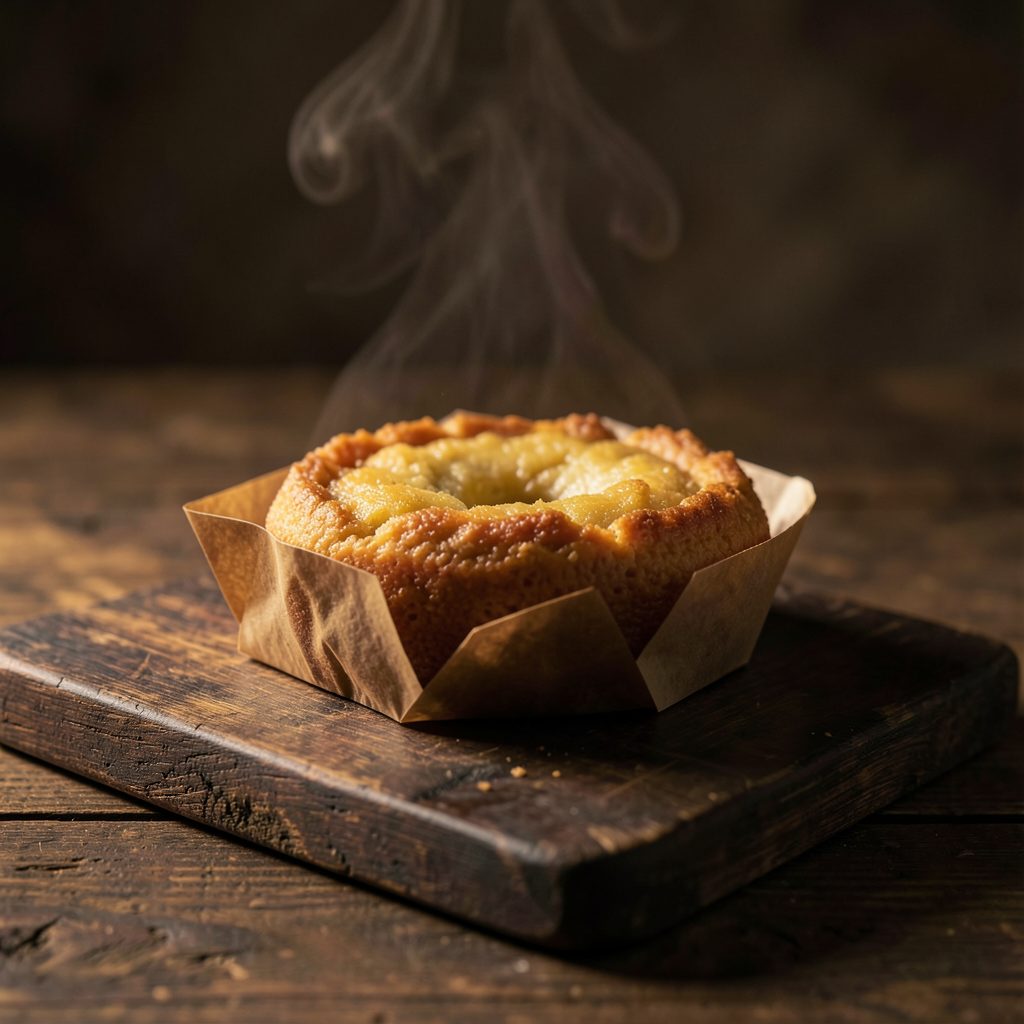
Radish Cake —蘿蔔糕精神
NT$ —
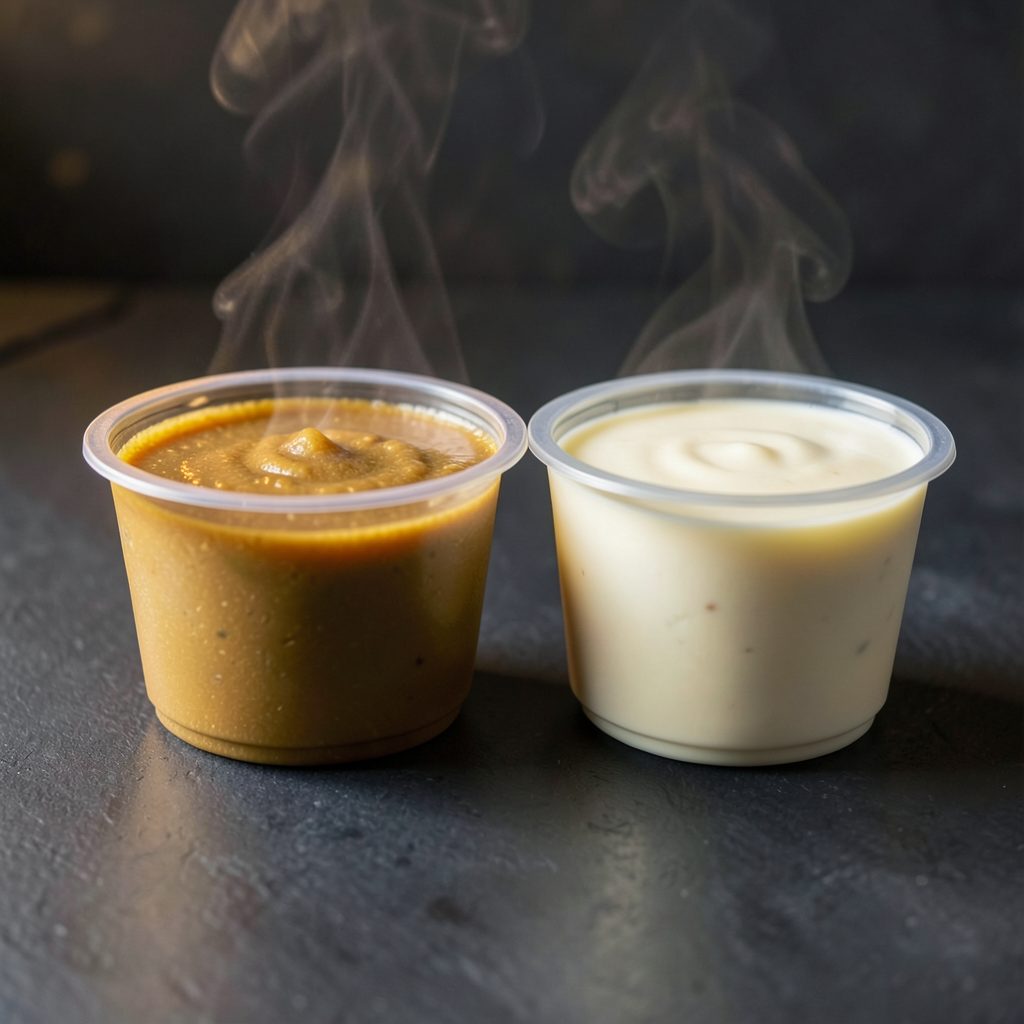
Duo Soup Base Set
NT$ —
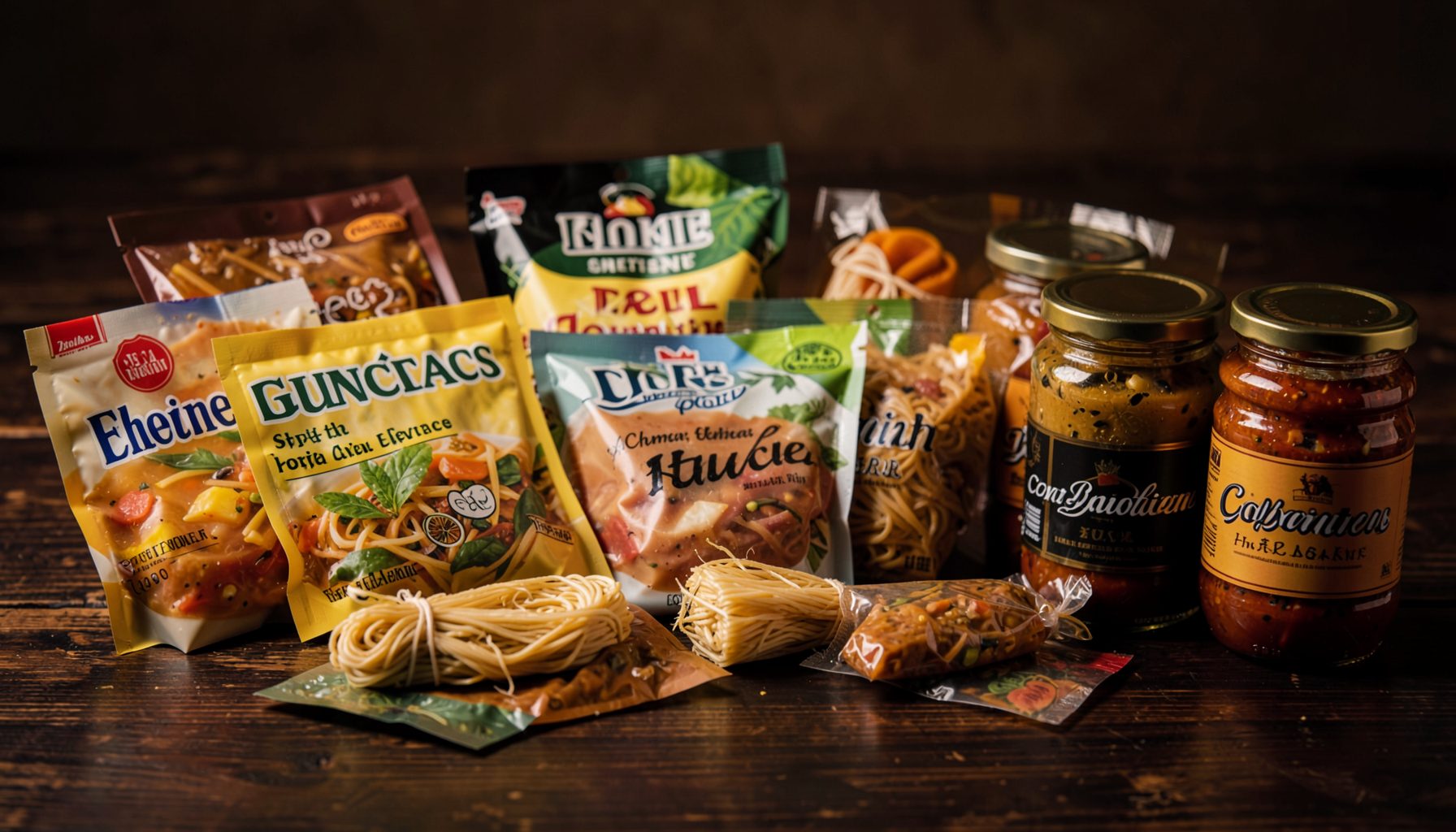
Hot Pot Essentials Bundle
NT$ —
About 蛤?! Huh Pot
蛤?! Huh Pot is a Cantonese-style hot pot brand known for its signature clam-based broth —卜卜蜆 — made with rich old-hen stock and generous portions of fresh clams. The brand also encompasses 本事滿足鍋物, a personal hot pot concept, bringing the same depth of flavor to individual servings.
Through MoneyCome Mart, these restaurant-quality soup bases, dry noodles, radish cakes, and signature sauces are available for home delivery across Taiwan. Restaurant locations in Taipei's Da'an District, Civic Boulevard, and Taichung's Gongyi Road also welcome guests for dine-in, with online reservations available.