How to Create a DIY Hot Pot Condiment Bar at Home
A DIY hot pot condiment bar turns a shared meal into an interactive experience. Instead of serving one fixed sauce, place small bowls of savoury, spicy, sweet and aromatic ingredients on the table so everyone can mix a dipping sauce that suits their taste.
This setup works especially well with Cantonese hot pot, where tender meat, seafood, vegetables, noodles and prepared snacks are cooked in a bubbling soup base. The table becomes both kitchen and dining room, which suits relaxed Australian entertaining, from a Melbourne apartment dinner to a long weekend gathering in Brisbane.
A well-planned condiment station also makes home hot pot easier to manage. Guests can prepare their bowls while the broth heats, and the host can focus on topping up ingredients rather than assembling every plate. With frozen soup bases, sauces and ready-to-cook items from the Cantonese hot pot range, restaurant-style flavour is within reach.
Start With A Balanced Sauce Selection
Begin with three flavour directions: savoury and nutty, fresh and aromatic, and hot and tangy. Soy sauce, sesame paste, black vinegar and sesame oil create a dependable foundation. Add chilli oil, chopped garlic, spring onion, coriander and toasted sesame seeds for guests who enjoy stronger flavours.
Include at least one mild option for children or spice-sensitive diners. A small bowl of soy sauce mixed with sesame oil and finely sliced spring onion is simple, while hoisin sauce, oyster sauce or a little honey can add sweetness. For a Cantonese-style condiment bar, keep the overall range balanced rather than relying entirely on chilli.
Choose Ingredients With Different Textures
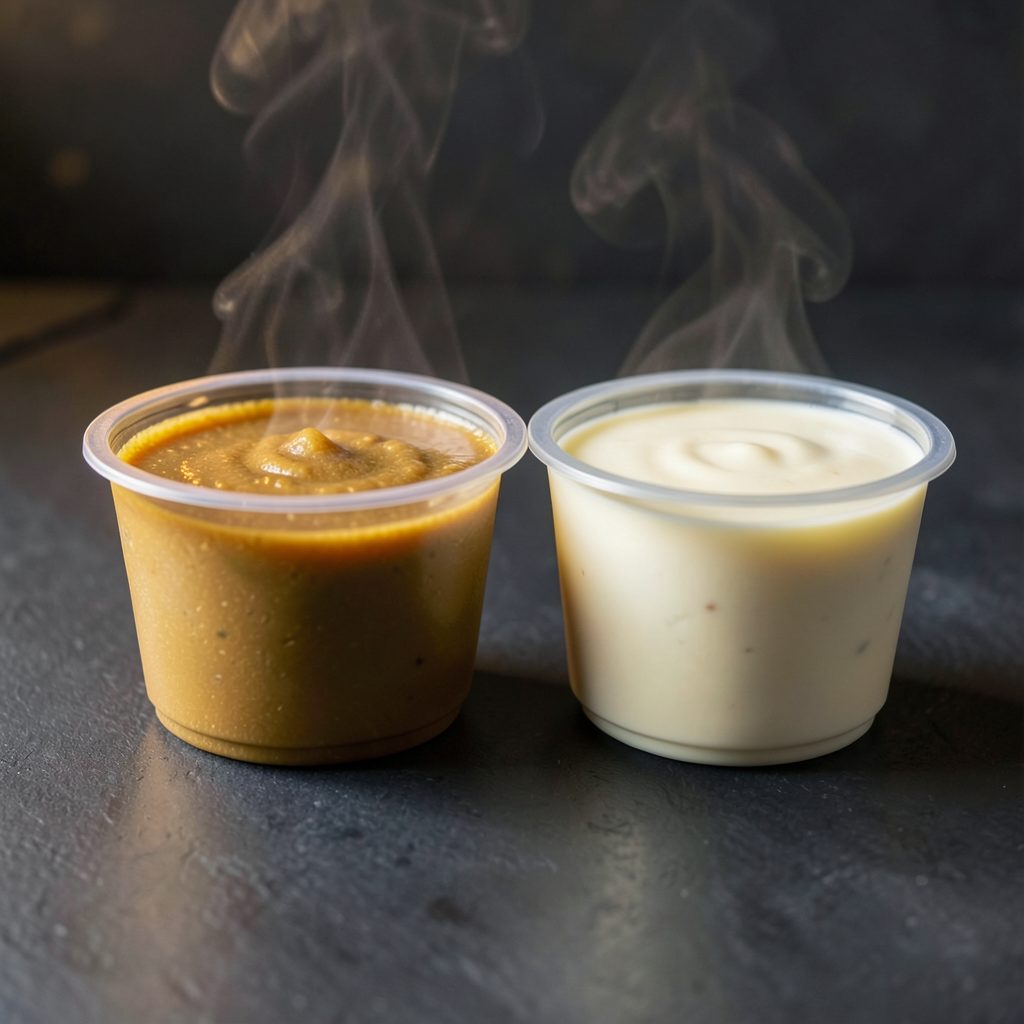
Texture makes a dipping sauce more interesting. Offer smooth ingredients such as sesame paste, peanut butter and fermented bean curd alongside crisp garlic, sliced shallots, toasted peanuts and fried shallots. Chopped coriander and spring onion provide freshness, while pickled mustard greens or finely diced preserved vegetables add salty crunch.
Use small serving bowls with individual teaspoons so flavours do not become mixed together. In Australia, Asian supermarkets in Sydney, Melbourne and Perth are useful places to find chilli crisp, shacha sauce, fermented tofu and regional vinegars. Mainstream supermarkets usually stock soy sauce, sesame oil, peanut butter, garlic and spring onions, making the condiment station easy to assemble without a specialist shop.
Build A Simple Mixing Formula
A practical starting ratio is two parts savoury sauce, one part aromatic or creamy ingredient, and a small amount of acid or heat. For example, combine soy sauce, sesame paste, black vinegar, chilli oil, garlic and spring onion. Taste the mixture with a piece of cooked vegetable before adjusting it.
Keep the components separate rather than premixing one large bowl. This lets guests create lighter or richer sauces and prevents one powerful ingredient from dominating the table. Place a few example combinations on small cards if the group includes first-time hot pot diners, using plain descriptions such as “garlic sesame”, “spicy vinegar” and “fresh herb”.
Match Condiments To The Hot Pot Menu
The soup base should guide the sauce choices. A rich beef, satay or spicy broth pairs well with black vinegar, coriander, garlic and a sharp chilli oil. A delicate clam broth or clear chicken base benefits from lighter combinations using soy, sesame oil, spring onion and fresh herbs.
Consider the ingredients going into the pot as well. Seafood works with ginger, coriander and citrus, while beef and lamb can handle sesame paste, fermented bean curd and chilli. Noodles, dumplings and turnip cakes are excellent with a slightly sweeter sauce. A small squeeze of lemon or lime can brighten rich flavours, especially during a warm Australian summer when a heavy meal may feel less appealing.
Arrange The Station For Easy Sharing
Place the condiment bar beside the hot pot but far enough away from steam and splashes. Put sauces at the back, dry toppings in the middle and fresh herbs or citrus at the front. Use labels for ingredients that may contain peanuts, sesame, gluten or seafood, and keep separate spoons for each bowl.
A long platter or wooden board creates a tidy presentation for a dinner party. Small ramekins are practical for an everyday family meal, while squeeze bottles work well for thick sauces. Keep hot pot utensils separate from eating chopsticks, and provide ladles, slotted spoons and small bowls so guests can cook safely and serve themselves comfortably.
Keep The Flavours Fresh And Flexible
Prepare the condiment bar shortly before serving. Chop garlic, spring onion and coriander close to mealtime, then store them chilled until the broth is ready. Opened sauces should be kept refrigerated according to their labels, and seafood or other perishable toppings should stay cold until they are needed.
Use this selection as a flexible framework rather than a fixed recipe:
- Soy sauce, black vinegar and sesame oil for a balanced savoury dip
- Sesame paste or peanut butter with garlic for a creamy, nutty sauce
- Chilli oil, fresh chilli and Sichuan pepper for layered heat
- Coriander, spring onion, ginger and lime for a bright aromatic blend
- Hoisin sauce, fermented bean curd or shacha sauce for deeper Cantonese flavour
A condiment bar also makes it easier to accommodate different dietary preferences. Offer gluten-free tamari where needed, keep peanut ingredients in a clearly marked bowl, and provide fresh herbs separately for diners who prefer a clean, mild taste. With a few contrasting sauces and thoughtful presentation, home hot pot becomes a relaxed shared meal suited to Australian kitchens, seasons and entertaining styles.
Best Sellers
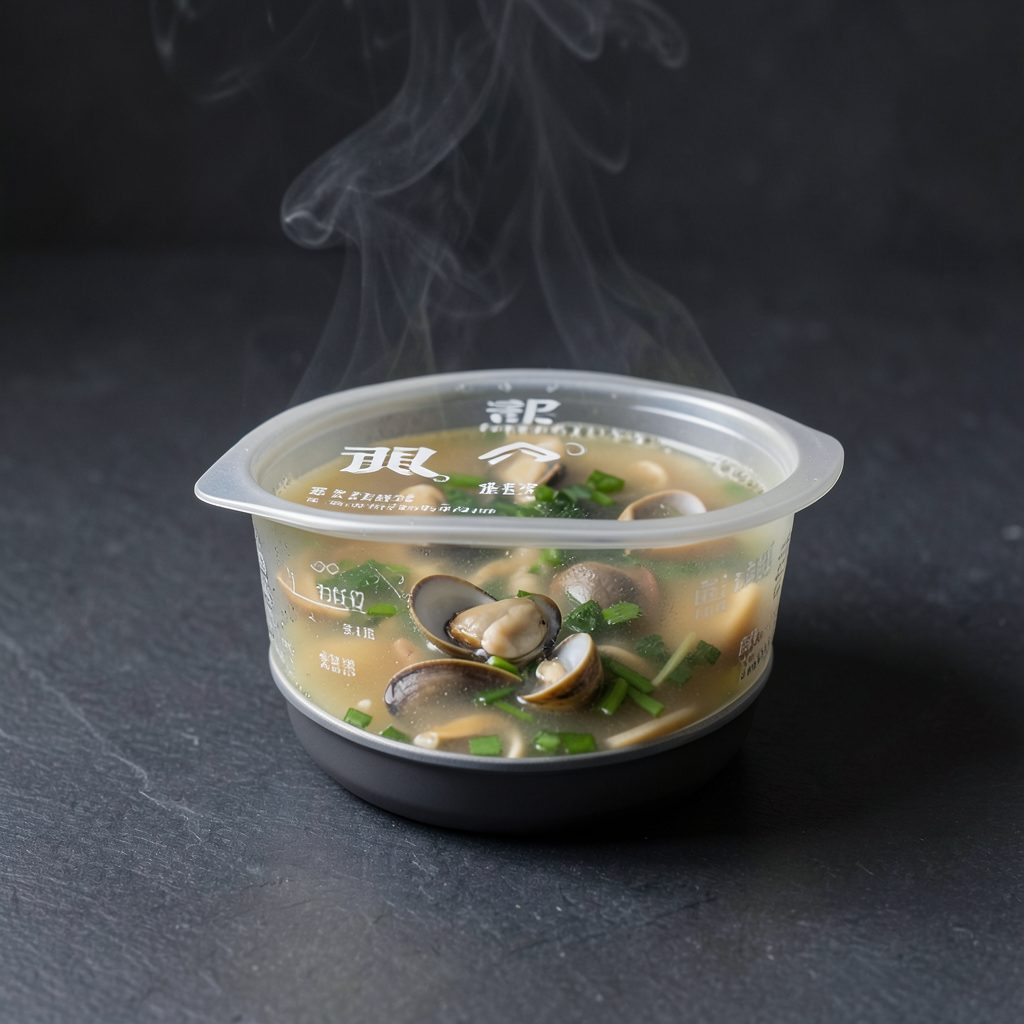
蛤?! Clam Soup Base —卜卜蜆
NT$ —
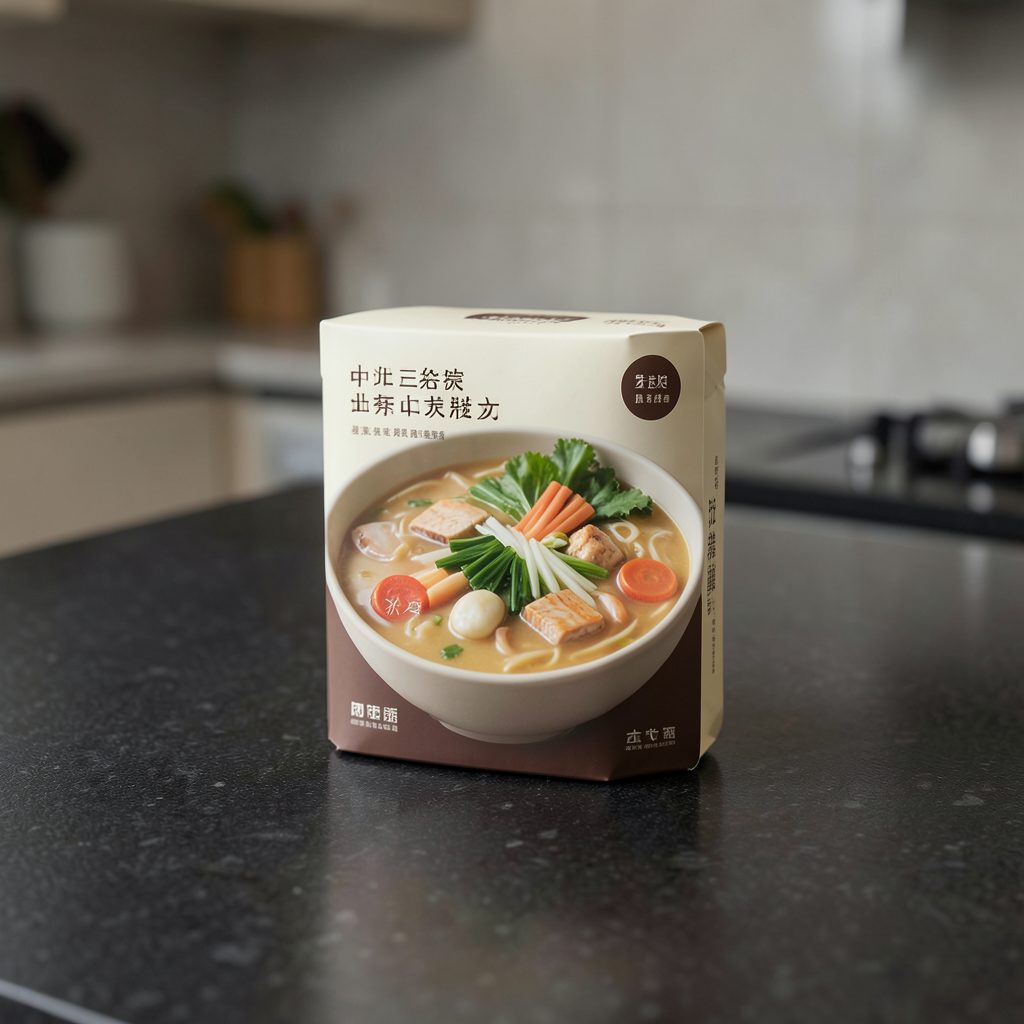
本事滿足鍋物 Personal Pot Base
NT$ —
蛤?! Dry Noodles
NT$ —
Signature Sauce
NT$ —
New Arrivals
蛤?! Golden Clam Broth — New Batch
NT$ —
Radish Cake —蘿蔔糕精神
NT$ —
Duo Soup Base Set
NT$ —
Hot Pot Essentials Bundle
NT$ —
About 蛤?! Huh Pot
蛤?! Huh Pot is a Cantonese-style hot pot brand known for its signature clam-based broth —卜卜蜆 — made with rich old-hen stock and generous portions of fresh clams. The brand also encompasses 本事滿足鍋物, a personal hot pot concept, bringing the same depth of flavor to individual servings.
Through MoneyCome Mart, these restaurant-quality soup bases, dry noodles, radish cakes, and signature sauces are available for home delivery across Taiwan. Restaurant locations in Taipei's Da'an District, Civic Boulevard, and Taichung's Gongyi Road also welcome guests for dine-in, with online reservations available.