Keep tofu skin rolls together: a Cantonese home cook guide
Tofu skin rolls, known as 腐皮捲 or fu zok gyun in Cantonese, are a staple addition to simmering broths in Hong Kong-style hot pot. The delicate sheets wrap around minced pork, fish paste, or a vegetarian medley of carrot, mushroom, and glass noodles, then get tied with a strip of spring onion or kan-ki straw before a quick poach. When prepared correctly the rolls stay intact, soak up the broth, and offer a satisfying contrast between the silky outer skin and the juicy filling.
Australian home cooks who frequent the Asian grocery hubs of Chatswood in Sydney or Box Hill in Melbourne often grab packs of frozen tofu skin rolls whenever they spot them on the shelves. The challenge is that these parcels can split open the moment they hit boiling water, leaving cloudy broth and disappointed diners. With a small shift in technique and a clear understanding of how the wrapper reacts to heat, anyone can land rolls that look exactly like the ones served at yum cha.
Why tofu skin splits during cooking
The wrapper is dried bean curd skin, sometimes labelled bean curd sheet or yuba in mainstream supermarkets such as Woolworths and Coles. During drying the protein fibres tighten, which is why a dry sheet feels almost papery. Once that sheet absorbs water, the fibres swell unevenly and the structural memory pulls the edges apart. When boiling broth slams against an already waterlogged roll, the filling acts as an internal pressure point and forces the seams open.
Australia's Food Standards Code requires manufacturers to declare allergens for soy-derived products, but it does nothing to control how the rolls behave in your pot. A roll that survives a gentle poach in a Sydney kitchen during a winter dinner party may still collapse in a Brisbane summer simmer, simply because the surrounding liquid is reaching a more aggressive rolling boil. Recognising that the wrapper needs gradual hydration is the first step toward rolls that stay neatly closed.
Rolling and securing each parcel
Take the sheets out of the packet about ten minutes before you plan to cook and let them soften at room temperature, still wrapped in their plastic. If you bought frozen rolls from an online Cantonese pantry such as MoneyCome Mart, defrost them overnight in the fridge on a wire rack so condensation does not pool under the parcels. Pat each sheet or roll dry with a clean tea towel because surface moisture is the enemy of a tight seal.
Lay the sheet flat in a diamond shape, place a tablespoon of filling slightly below the centre, fold the bottom point up over the filling, then fold the left and right points inward like an envelope. Roll upward into a tight cigar, pressing gently to expel trapped air, and finish with the seam facing down so it sits against the board. Tie each parcel with a single blanched spring onion strand or a short piece of food-safe cotton string, the same technique chefs use at banquet halls throughout Adelaide and Perth.
Refrigerating the tied rolls for twenty minutes firms up the wrapper and pre-seats the seam before they meet the broth. Some cooks brush a thin layer of cornflour slurry along the final fold for extra grip, an old dim sum house trick that also firms up the colour once cooked.
Managing the heat in your hot pot
Once the rolls are cold and firm, bring your broth to a gentle simmer rather than a vigorous boil. A broth that bubbles with lazy, broken bubbles at around 90 degrees Celsius cooks the filling through before the wrapper can unravel, while a hard rolling boil quickly explodes the seams. Use a thermometer if you have one, or judge by sight: the surface should shiver and release occasional puffs of steam.
Lower each roll into the pot using a slotted spoon or a small wire skimmer, so the broth cannot splash against the side of the parcel. Cook the pork and prawn fillings for roughly six minutes, and vegetarian versions for four, until the wrapper turns slightly translucent and feels bouncy to the touch. The same approach works for any dipping experience you build at home, and pairing the rolls with a DIY hot pot bar lets guests watch them hold together in real time.
Rest cooked rolls on a warmed plate for two minutes before serving, because carryover heat finishes the centre without drying the wrapper. A drizzle of sesame oil and a pinch of white pepper lift the flavour without overwhelming the delicate bean curd perfume that makes the dish so prized.
Common mistakes and easy fixes
Overfilling is the single biggest reason rolls burst. Stick to a level tablespoon of mixture, and never mound the filling into a log that bulges the sheet. Another frequent slip is adding frozen rolls straight from the freezer, which causes the outer wrapper to thaw faster than the centre cooks and pushes the filling outward in a split. Always defrost in the fridge, not on the bench, in line with the cold-chain habits required by FSANZ for retail frozen food sold across the country.
Australians entertaining in winter often forget that their kitchens run drier than Hong Kong apartments, and dry air tightens tofu skin on contact. Spraying the wrappers lightly with water and covering them with a damp cloth for the last few minutes of resting restores flexibility and seals any micro-cracks. Finally, resist the temptation to stir the pot constantly, because each stir bumps the rolls against one another and against the hot pot walls, so let the liquid do the work.
If a roll still splits despite your best efforts, fish it out quickly, let it cool, slice it into thick coins, and pan-fry the pieces in a little oil until both sides turn golden. Served with chilli oil and a splash of soy, those golden coins become a bonus starter rather than a casualty.
Keeping leftover rolls fresh for tomorrow
Refrigerate cooked rolls in a lidded container with a tablespoon of the cooking broth to keep the wrapper supple, and eat them within two days. Reheat by simmering gently in fresh broth for three minutes, not in a microwave, which toughens the skin. Uncooked tied rolls freeze well for up to one month when wrapped individually in plastic, then bagged and labelled with the date, fitting neatly into the standard freezer drawers found in most Australian family homes.
For households that order pantry staples from cold-chain delivery services, the same routine applies as for any frozen Chinese ingredient: keep parcels flat in the freezer, defrost in the original vacuum bag, and avoid temperature swings that cause ice crystals to puncture the wrapper. A quick simmer in any leftover hot pot broth or in a light chicken stock revives the texture, and the rolls can be sliced into coins and pan-fried for a next-morning brunch, a trick popular in Melbourne laneway cafes from Fitzroy to Brunswick.
Practical checklist before you start cooking
- Choose wrapper thickness based on filling; use double sheets for wet mixtures and single sheets for dry ones.
- Pat every sheet dry before rolling to remove extra moisture that causes splits.
- Tie each roll with a blanched spring onion strand for an edible, secure closure.
- Keep broth at a gentle simmer, around 90 degrees Celsius, instead of a hard boil.
- Lower rolls into the pot with a slotted spoon to avoid splashing hot liquid onto the seam.
- Rest cooked rolls for two minutes so carryover heat finishes the filling without drying the wrapper.
Best Sellers
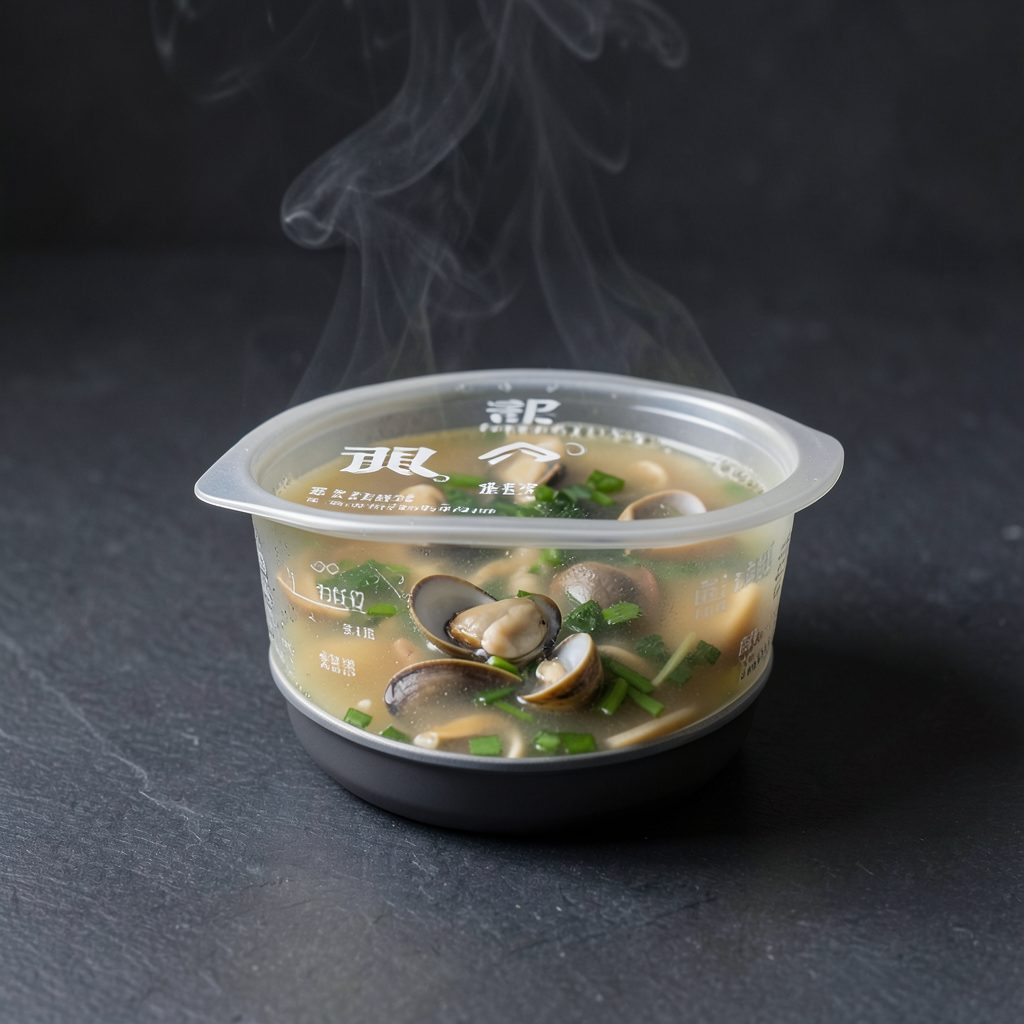
蛤?! Clam Soup Base —卜卜蜆
NT$ —
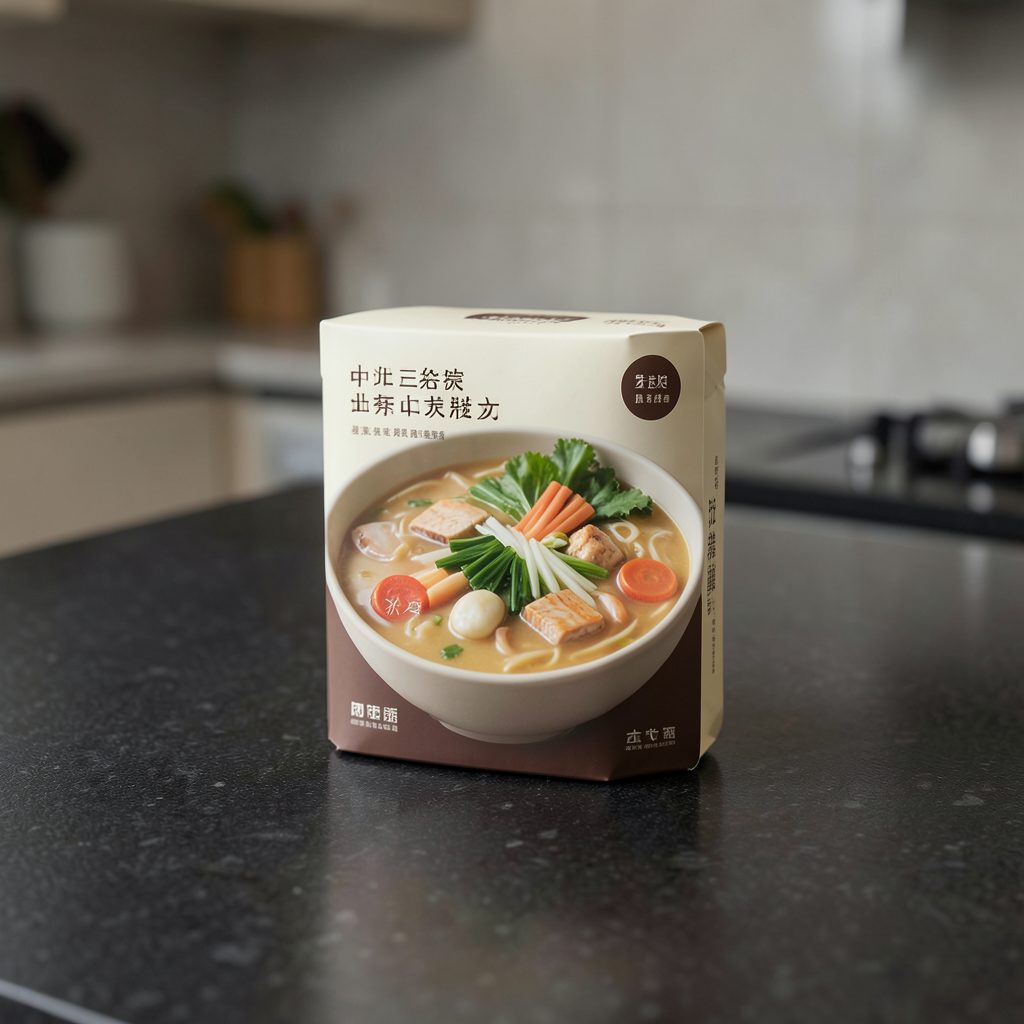
本事滿足鍋物 Personal Pot Base
NT$ —
蛤?! Dry Noodles
NT$ —
Signature Sauce
NT$ —
New Arrivals
蛤?! Golden Clam Broth — New Batch
NT$ —
Radish Cake —蘿蔔糕精神
NT$ —
Duo Soup Base Set
NT$ —
Hot Pot Essentials Bundle
NT$ —
About 蛤?! Huh Pot
蛤?! Huh Pot is a Cantonese-style hot pot brand known for its signature clam-based broth —卜卜蜆 — made with rich old-hen stock and generous portions of fresh clams. The brand also encompasses 本事滿足鍋物, a personal hot pot concept, bringing the same depth of flavor to individual servings.
Through MoneyCome Mart, these restaurant-quality soup bases, dry noodles, radish cakes, and signature sauces are available for home delivery across Taiwan. Restaurant locations in Taipei's Da'an District, Civic Boulevard, and Taichung's Gongyi Road also welcome guests for dine-in, with online reservations available.