How to Cook Rice Noodles to Keep Them Chewy in Hot Pot
Rice noodles are a favourite hot pot addition because they absorb Cantonese soup without overwhelming its flavour. The difficulty is timing: leave them in too long and they become soft, cloudy and prone to breaking. Cook them with a little planning and they can stay springy from the first serving to the last.
This approach works well for home hot pot in Australia, whether you are cooking in a Melbourne apartment, hosting friends in Sydney or using a portable induction cooker in Brisbane. It suits dried rice vermicelli, wider rice sticks and many chilled or frozen noodle products sold through Asian grocers and specialist online stores.
Choose The Right Rice Noodles
Thin rice vermicelli cooks quickly and is best soaked before it reaches the pot. Medium-width rice sticks and flat noodles usually tolerate a little more heat, while fresh noodles need very little preparation. Check the packet instructions because soaking times vary between brands, especially for imported products.
For a chewy texture, choose noodles that still have a firm centre before they enter the broth. A noodle that feels completely soft after soaking will lose its bite quickly in a bubbling soup. If you are ordering frozen ingredients, keep them frozen during delivery and storage. A reliable cold chain helps protect texture as well as food quality.
Prepare Noodles Before The Broth Heats
Soak dried noodles in room-temperature water rather than boiling water. Thin vermicelli may need only 5–8 minutes, while thicker rice sticks can take 15–25 minutes. Test a strand by bending it: it should be flexible but slightly firm in the middle. Drain it thoroughly and separate tangled portions with clean kitchen scissors or your fingers.
Avoid soaking noodles directly in the hot pot. Starch released into the soup can make the broth thick and reduce its clean Cantonese character. If the noodles are chilled or frozen, thaw them according to the package directions and drain away excess water before cooking.
Prepare individual handfuls before guests sit down. This makes it easier to add modest portions and prevents the noodles from forming one large mass. It is especially useful with a divided pot containing two soup bases, allowing diners to cook plain rice noodles in a lighter broth and stronger noodles in a spicy or coconut-based side.
Control Heat And Timing
Bring the soup base to a steady simmer before adding noodles. A vigorous boil can roughen the surface of rice noodles and break delicate strands, while a weak simmer may leave them sitting in warm liquid for too long. On an Australian induction cooktop, start on high heat to bring the stock up, then reduce it once ingredients begin cooking.
Add noodles near the end of each serving cycle, after firmer foods such as fish balls, dumplings or sliced vegetables have had time to cook. Thin noodles may need 30–60 seconds, while thicker varieties often need 1–3 minutes. Lift out a strand and taste it rather than relying only on the clock.
Keep the portion small enough to move freely through the broth. Too many noodles lower the temperature and release excess starch. A wire hot pot ladle or cooking basket makes it simple to remove them as soon as they reach a springy texture.
Quick Checks For Better Texture
Use these simple checks before cooking each portion:
- The noodles bend easily but still feel firm in the centre.
- The broth is simmering rather than violently boiling.
- The portion is loose and small enough to circulate.
- A clean bowl or basket is ready for quick removal.
During the meal, watch for these signs that the noodles need attention:
- Strands are becoming swollen or sticky.
- The broth looks noticeably cloudy from released starch.
- Noodles are gathering around the heating element.
- A tasting strand has lost its bounce.
Rice noodles continue softening in residual heat, so serve them immediately after lifting them out. If several people are eating at once, cook separate portions rather than adding the whole packet. This keeps each serving chewy and stops late diners receiving noodles that have been sitting in soup.
For a family meal, place cooked noodles in small bowls with a spoonful of broth, then add more soup at the table. That method works well when children or guests are eating slowly, and it prevents a communal noodle batch from becoming overcooked.
Build Flavour Without Overcooking
A Cantonese-style soup base gives rice noodles a savoury foundation, while a clam broth can add sweetness and depth. Keep the broth balanced because noodles absorb salt quickly. If the soup becomes concentrated during a long meal, top it up with hot water or unsalted stock instead of adding more seasoning immediately.
Sauce can be added after the noodles leave the pot. A light dipping mixture made from soy sauce, sesame oil, chilli or lime gives each serving a fresh finish without requiring extra cooking time. For a brighter option, follow this guide to make coconut lime sauce using a prepared sauce as the base.
Food safety matters when a hot pot stays on the table. In Australia, Food Standards Australia New Zealand guidance treats 5°C or colder as the safe cold-storage benchmark for potentially hazardous foods, while hot food should generally be kept at 60°C or hotter. Store noodles and other ingredients in the refrigerator until needed, follow package labels, and avoid leaving thawed products at room temperature throughout a long gathering.
With the right soak, a gentle simmer and quick removal, rice noodles can remain pleasantly chewy across the meal. Portioning them gradually also suits the way many Australian households shop: frozen soup bases and prepared ingredients can stay ready in the freezer, while noodles, greens and seafood are added fresh for a convenient dinner at home.
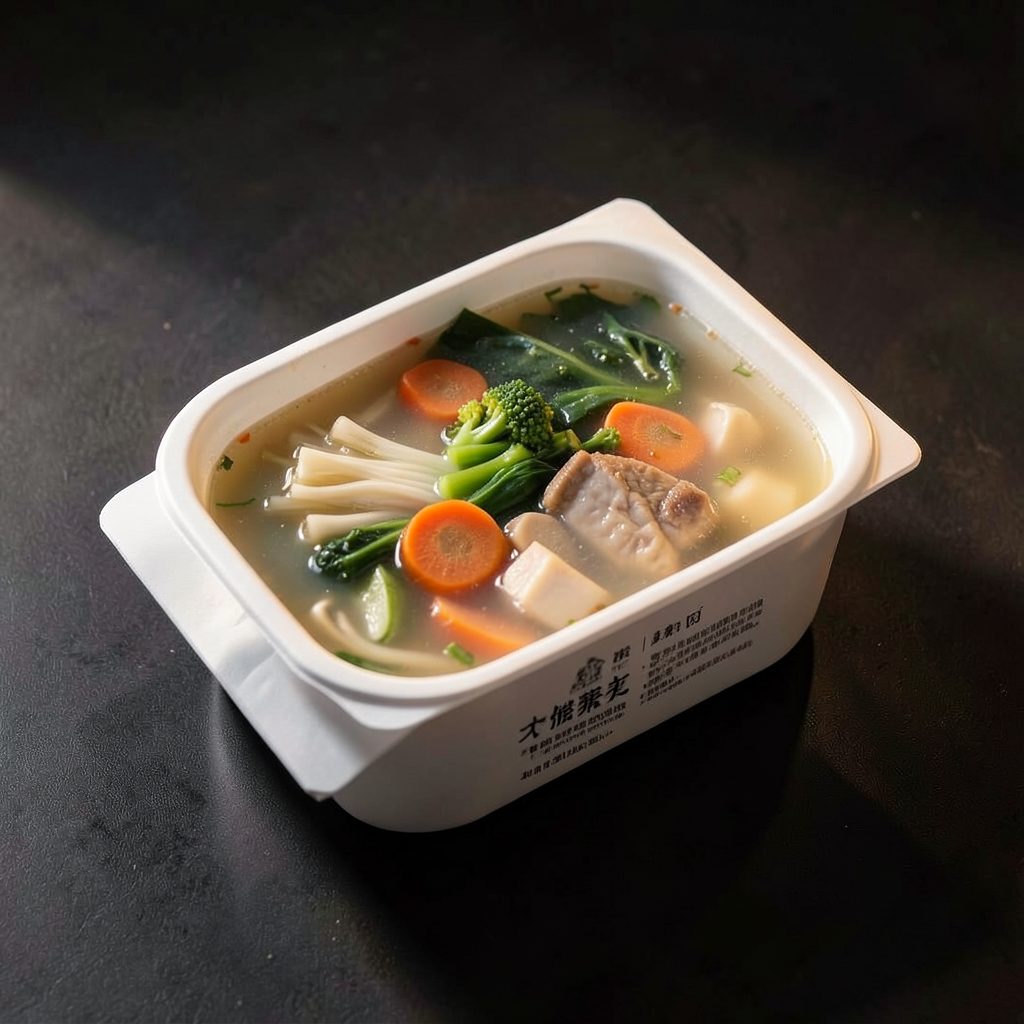
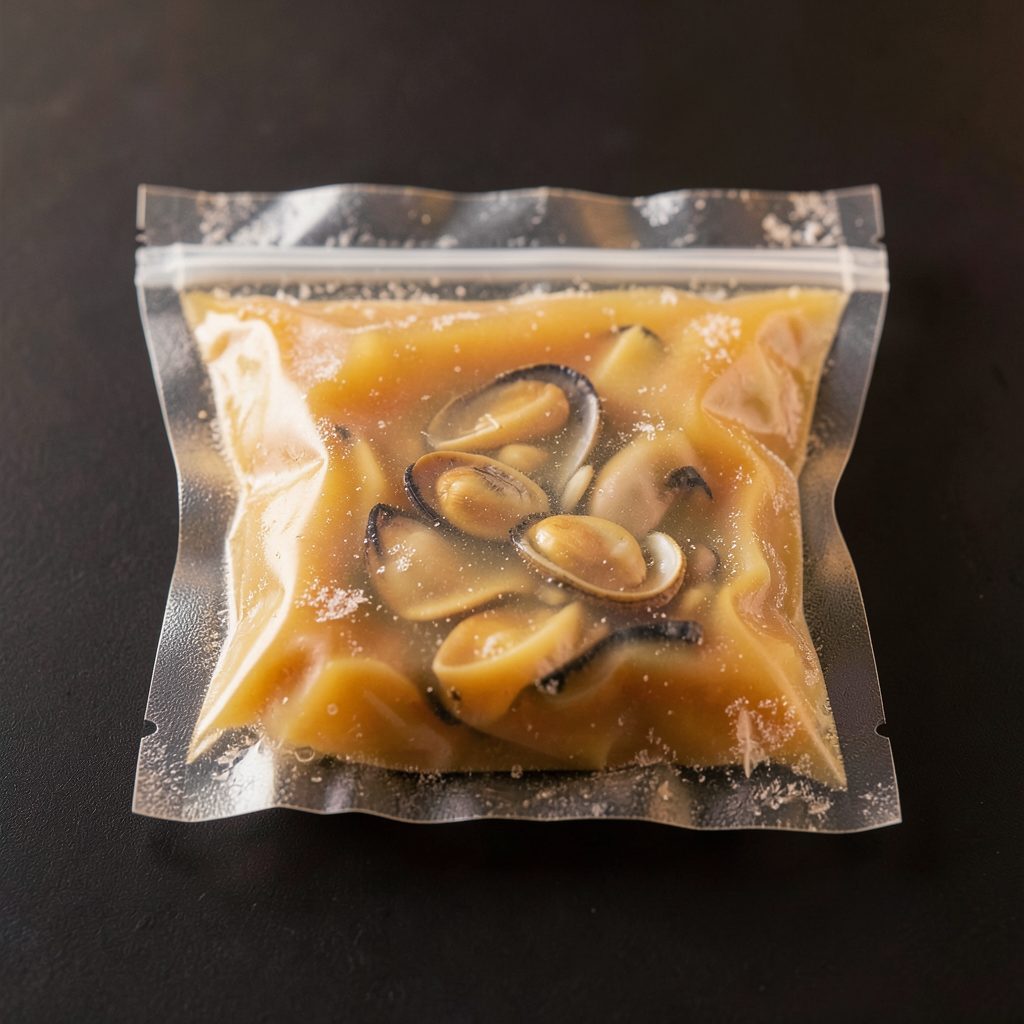
Best Sellers
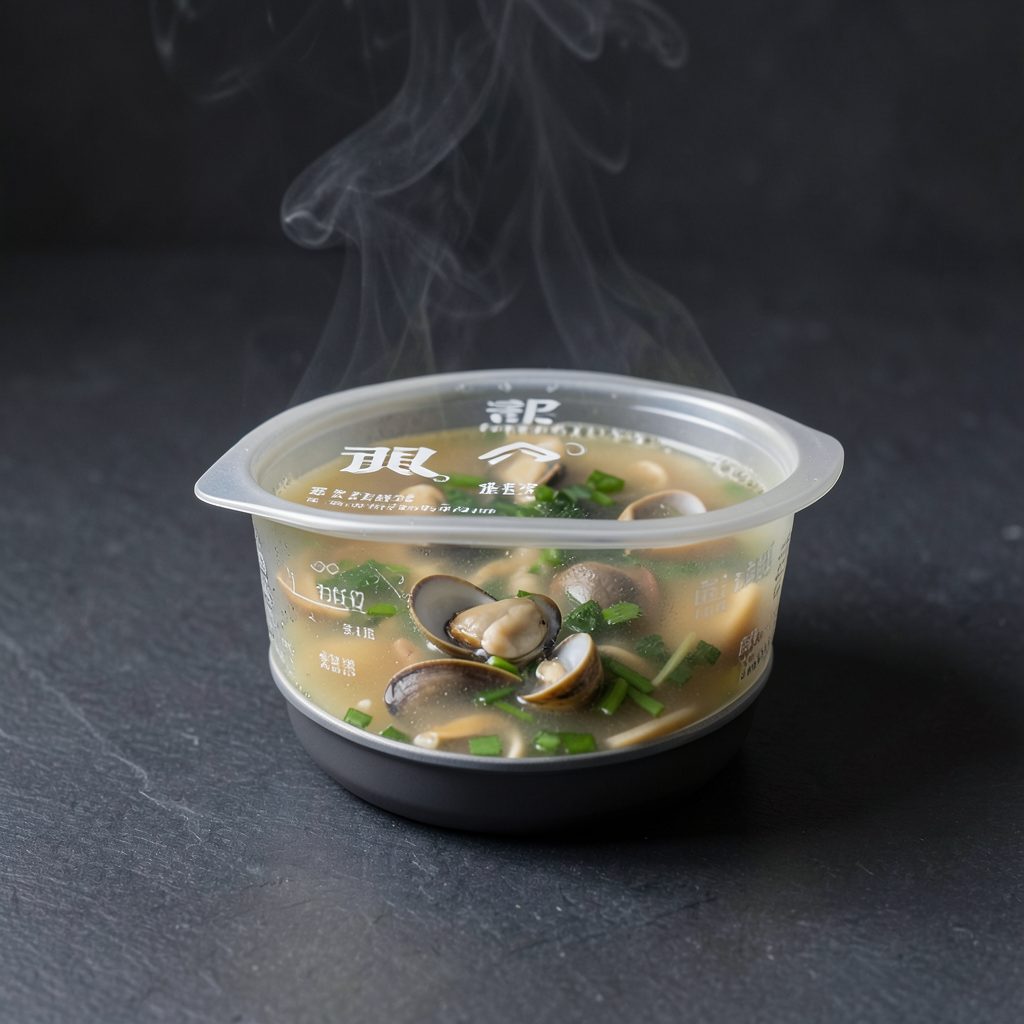
蛤?! Clam Soup Base —卜卜蜆
NT$ —
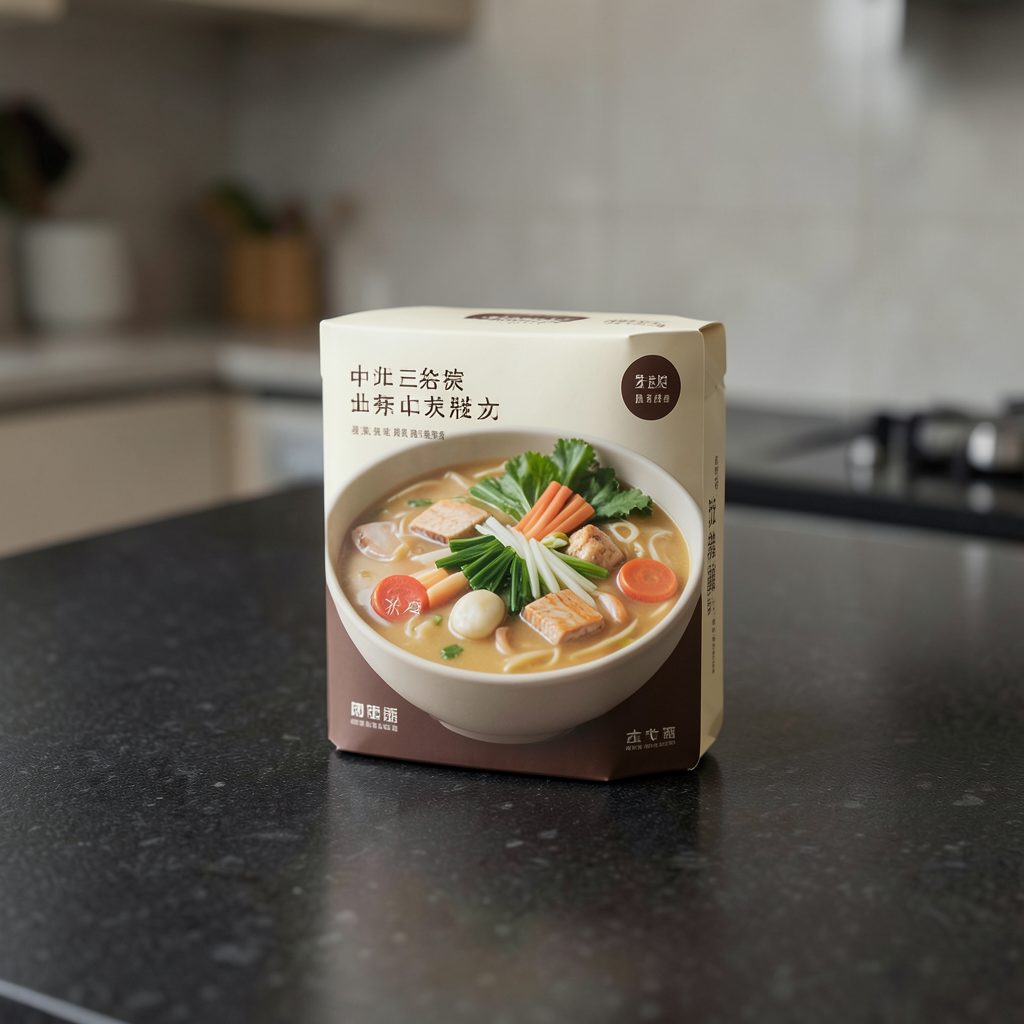
本事滿足鍋物 Personal Pot Base
NT$ —
蛤?! Dry Noodles
NT$ —
Signature Sauce
NT$ —
New Arrivals
蛤?! Golden Clam Broth — New Batch
NT$ —
Radish Cake —蘿蔔糕精神
NT$ —
Duo Soup Base Set
NT$ —
Hot Pot Essentials Bundle
NT$ —
About 蛤?! Huh Pot
蛤?! Huh Pot is a Cantonese-style hot pot brand known for its signature clam-based broth —卜卜蜆 — made with rich old-hen stock and generous portions of fresh clams. The brand also encompasses 本事滿足鍋物, a personal hot pot concept, bringing the same depth of flavor to individual servings.
Through MoneyCome Mart, these restaurant-quality soup bases, dry noodles, radish cakes, and signature sauces are available for home delivery across Taiwan. Restaurant locations in Taipei's Da'an District, Civic Boulevard, and Taichung's Gongyi Road also welcome guests for dine-in, with online reservations available.