How to cook frozen soup base directly in a cast iron Dutch oven
Frozen soup base brings the depth of a Cantonese hot pot to a home kitchen without a restaurant booking. The key is controlling the heat as a solid base melts, then adding noodles, seafood and vegetables in the right order.
A cast iron Dutch oven works well on a domestic stovetop and gives the broth steady, even heat. This method assumes the product is sold for cooking in a pot; if the packaging specifies boiling water, a microwave or prior thawing, follow those directions instead.
Choose the base for your meal
Choose a hot pot base from MoneyCome Mart’s Cantonese range, then read the pack before starting. Check the serving size, required liquid, dilution ratio and thawing instructions, since a clam broth concentrate and a meat-based hot pot base may behave differently. Keep the frozen product in your freezer until you need it.
A dedicated Asian grocer in Sydney or Melbourne is a good place to compare frozen bases, turnip cakes and chilli oils. Coles and Woolworths can fill in the gaps with leafy greens, tofu and everyday sauces, so a full hot pot meal does not require a specialist shop for every ingredient.
Prepare the pot and soften the base
Use a 4–5 litre enameled cast iron Dutch oven with a lid. It leaves space for a bubbling broth and shared plates without becoming too heavy to lift. Australian kitchens often have electric or induction cooktops, so check that an induction-compatible base sits flat on the burner. Cast iron pots are also available through Bunnings for cooks building a durable kitchen kit.
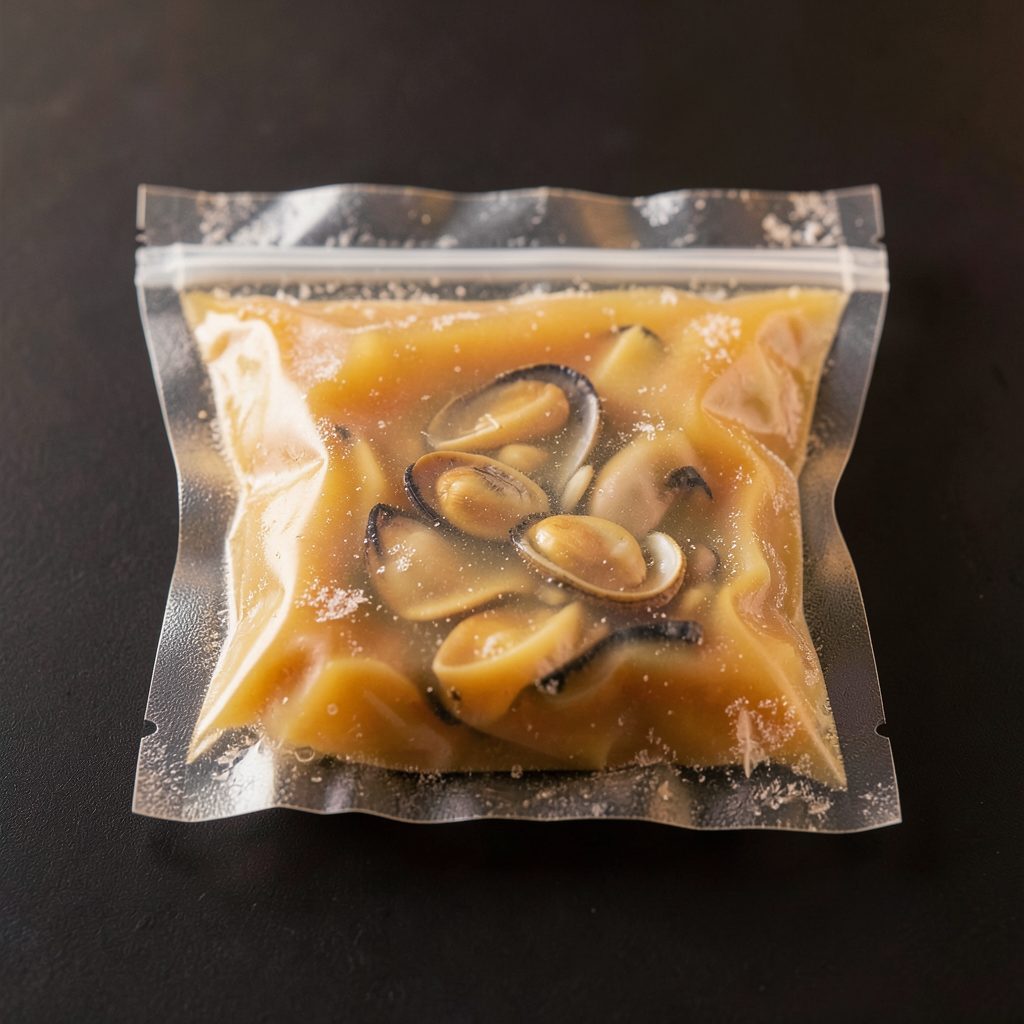
For a solid block, unwrap it and place it in the cold pot with the measured water listed on the pack. Let it stand for 10–15 minutes to take the chill off. If the label requires refrigeration thawing, do that in the fridge rather than on the bench. For a liquid frozen pouch, empty it into the cold pot and dilute it gradually.
Never heat a sealed packet, and avoid cutting into the frozen block with a knife against the cast iron. Starting with a cold pot protects the metal from thermal shock: pouring cold water into a scorching pot or dropping a rock-cold block into a hot one can crack an enamel coating or warp bare cast iron.
Melt the base and build the broth
Keep the heat low and stir with a silicone or wooden spatula as the edges soften. Break the block into smaller pieces and add liquid slowly if the mixture becomes thicker than cream. You want small bubbles, not a rolling boil, which helps delicate seafood stay tender and prevents the broth from scorching over the heavy pot.
A large block may need 25–40 minutes to melt, depending on its size and whether it contains seafood or other solids, so use the packet’s cooking time as your guide. Check every few minutes for hidden frozen pockets. Once the base is fully dissolved, taste before adding the remaining water. Concentrates are often salty, and extra liquid can weaken the flavour rather than improve it. Leave some room in the pot for ingredients.
Add noodles, seafood and vegetables
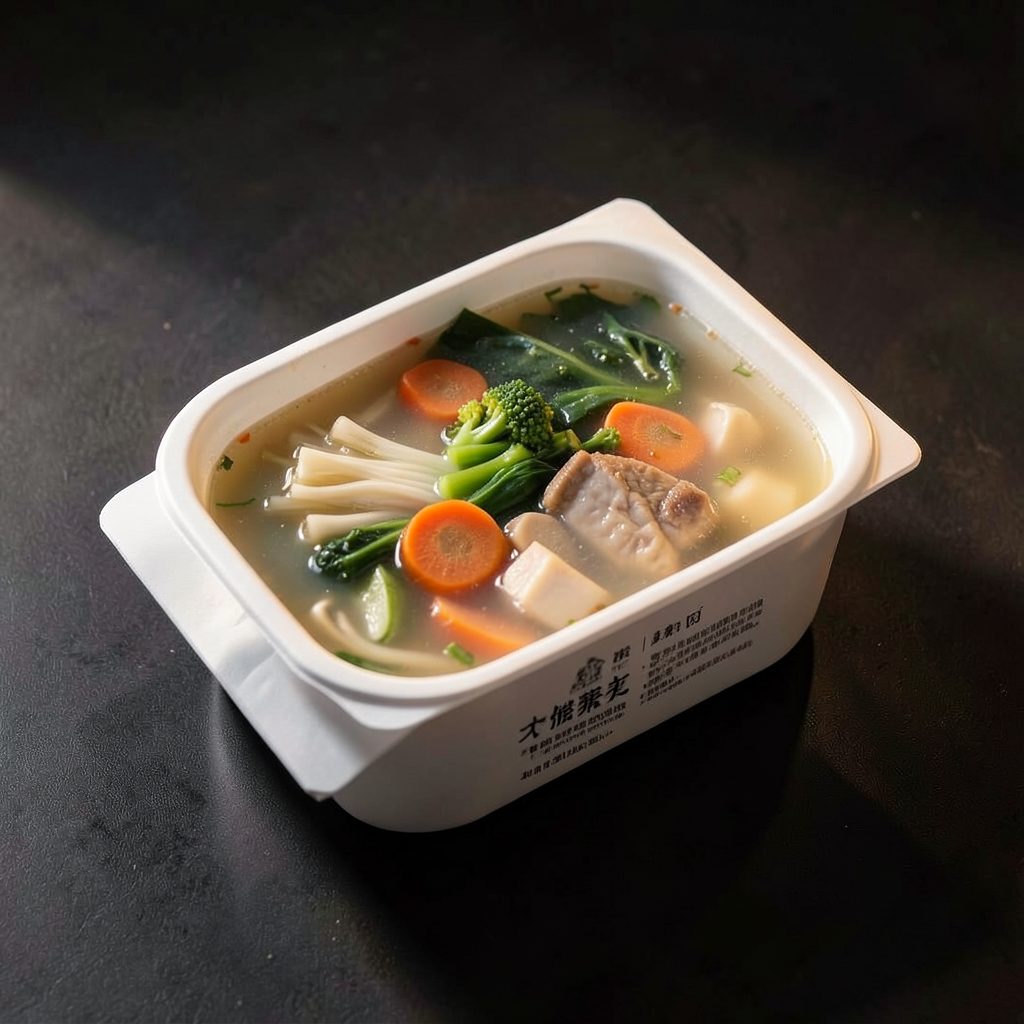
Add noodles according to their packet timing; fresh rice noodles soften quickly, while frozen wheat noodles can take longer. Put sturdy vegetables such as Chinese cabbage, corn and mushrooms into the simmering broth first. Add tofu and leafy greens near the end so they do not become mushy.
For clam broth, add frozen shellfish only when the broth is hot enough to cook it steadily, following any thawing instructions on the seafood pack. Keep raw meat and seafood on a separate plate until each diner is ready, since Cantonese hot pot usually involves cooking every item at the table.
Turnip cakes work well beside the broth, and a chilled piece added straight into the pot absorbs the broth’s seasoning. If gluten matters at the table, packaged versions can differ: review the turnip cake ingredients for the brand you buy and confirm the label before serving them to someone avoiding wheat. Chilli oil, black vinegar and a little soy sauce provide the finishing balance.
Finish the meal and care for the pot
Ladle the broth into warmed bowls and set out the cooked ingredients and condiments so everyone can build their own portions. The broth is ready when it smells fragrant and tastes balanced rather than aggressively salty. Serve it with rice for a more complete meal while the pot keeps bubbling.
Refrigerate leftover broth within two hours, or within one hour when the temperature is above 32°C. Use it within three to four days and reheat only the portion you need. Chilled turnip cake pieces can become crispy turnip cakes: press them into a thin layer, pan-fry until golden and serve alongside the broth.
After dinner, move the pot off the heat and let it cool before washing. Scrub with hot water and a brush, avoiding harsh detergent on bare seasoned cast iron. Dry it thoroughly, then wipe a thin film of cooking oil over the inside. Enameled versions need only drying, and the lid should remain ajar until all moisture has evaporated.
Best Sellers
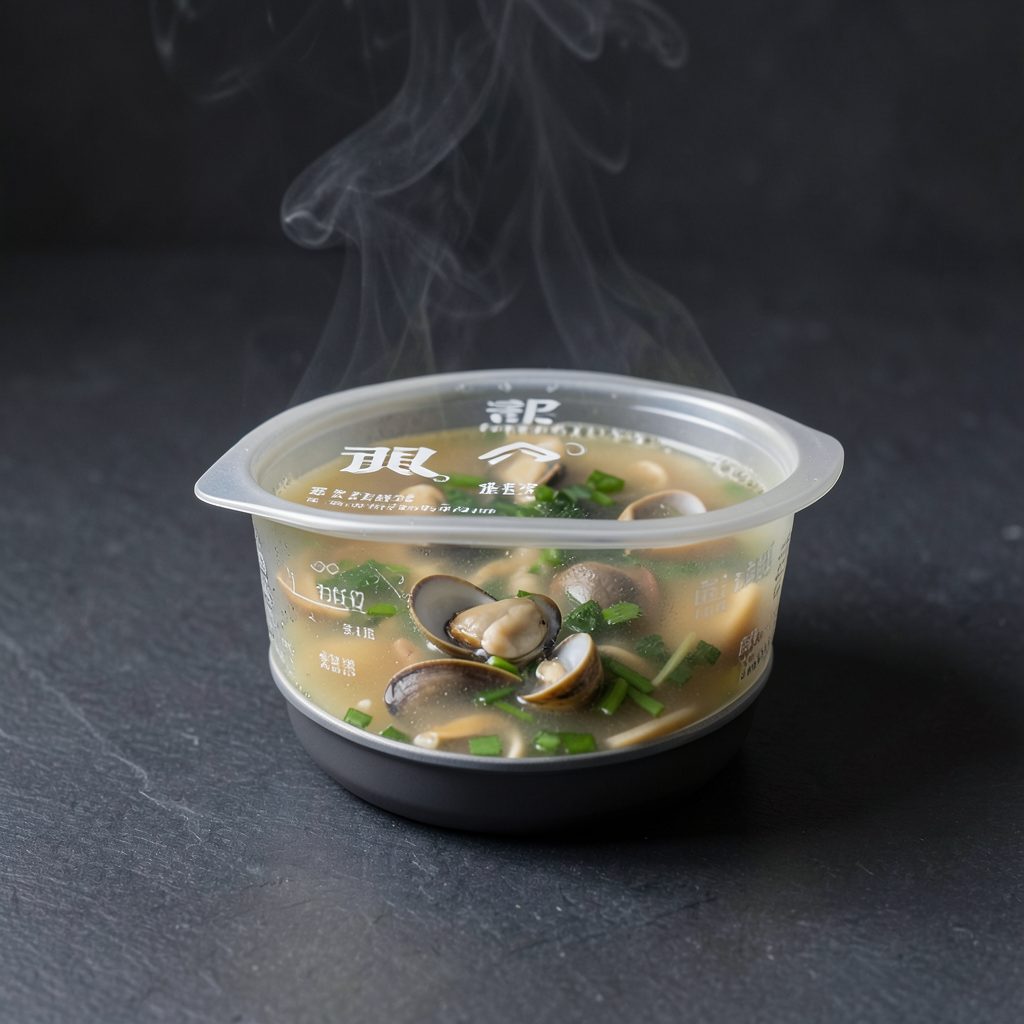
蛤?! Clam Soup Base —卜卜蜆
NT$ —
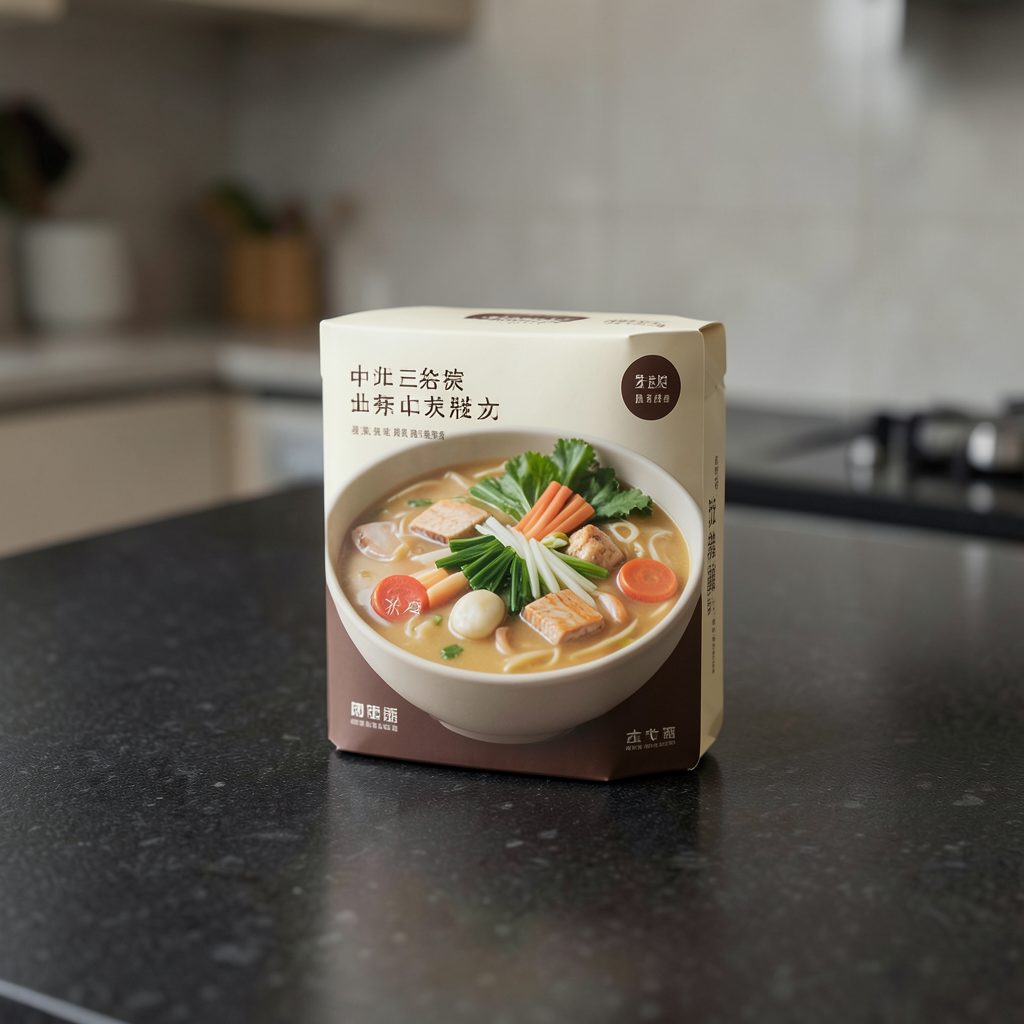
本事滿足鍋物 Personal Pot Base
NT$ —
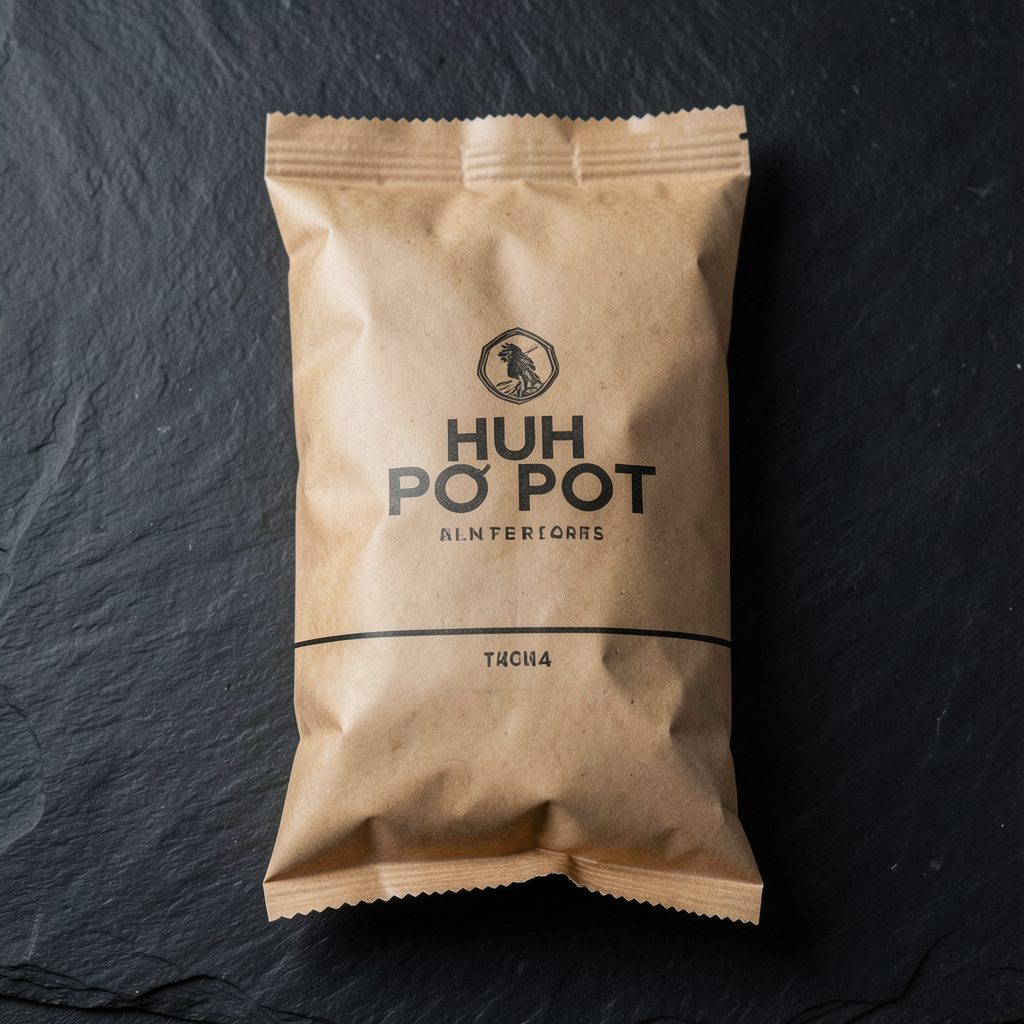
蛤?! Dry Noodles
NT$ —
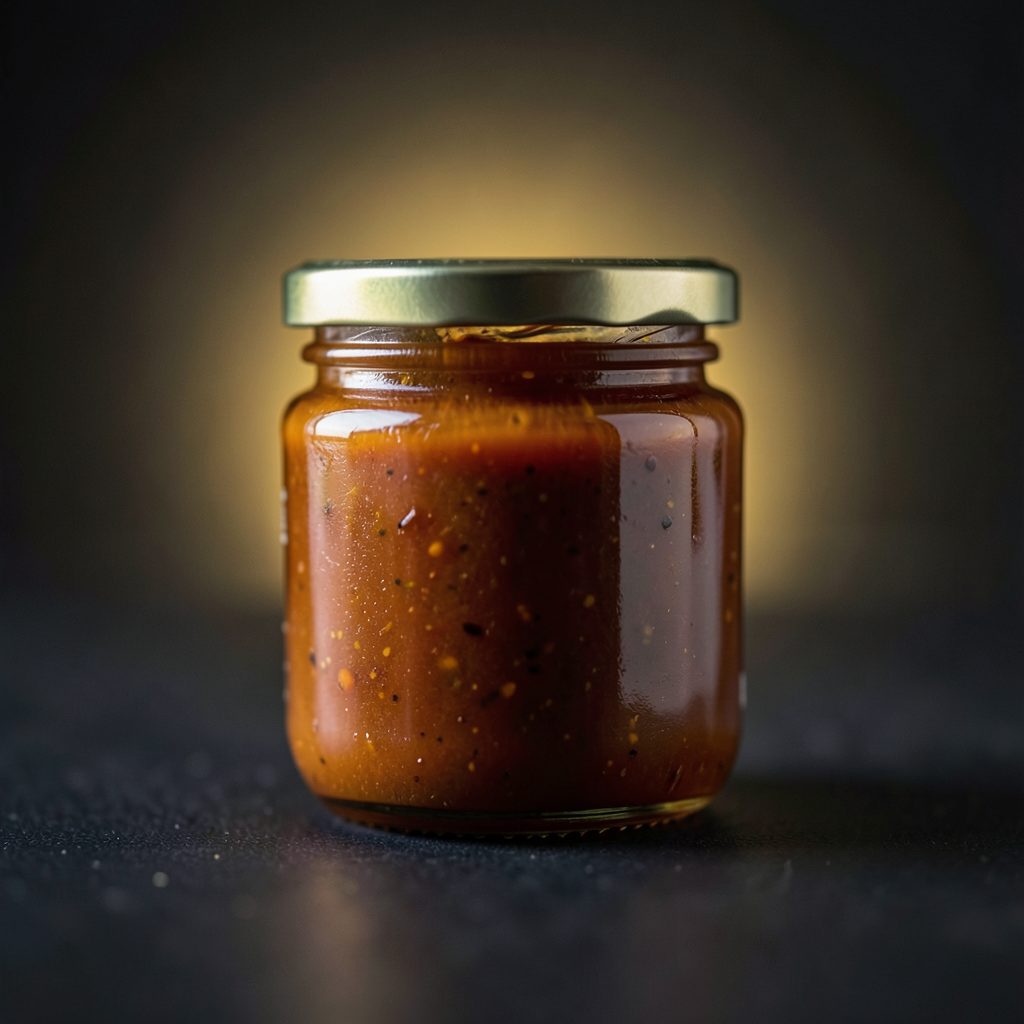
Signature Sauce
NT$ —
New Arrivals
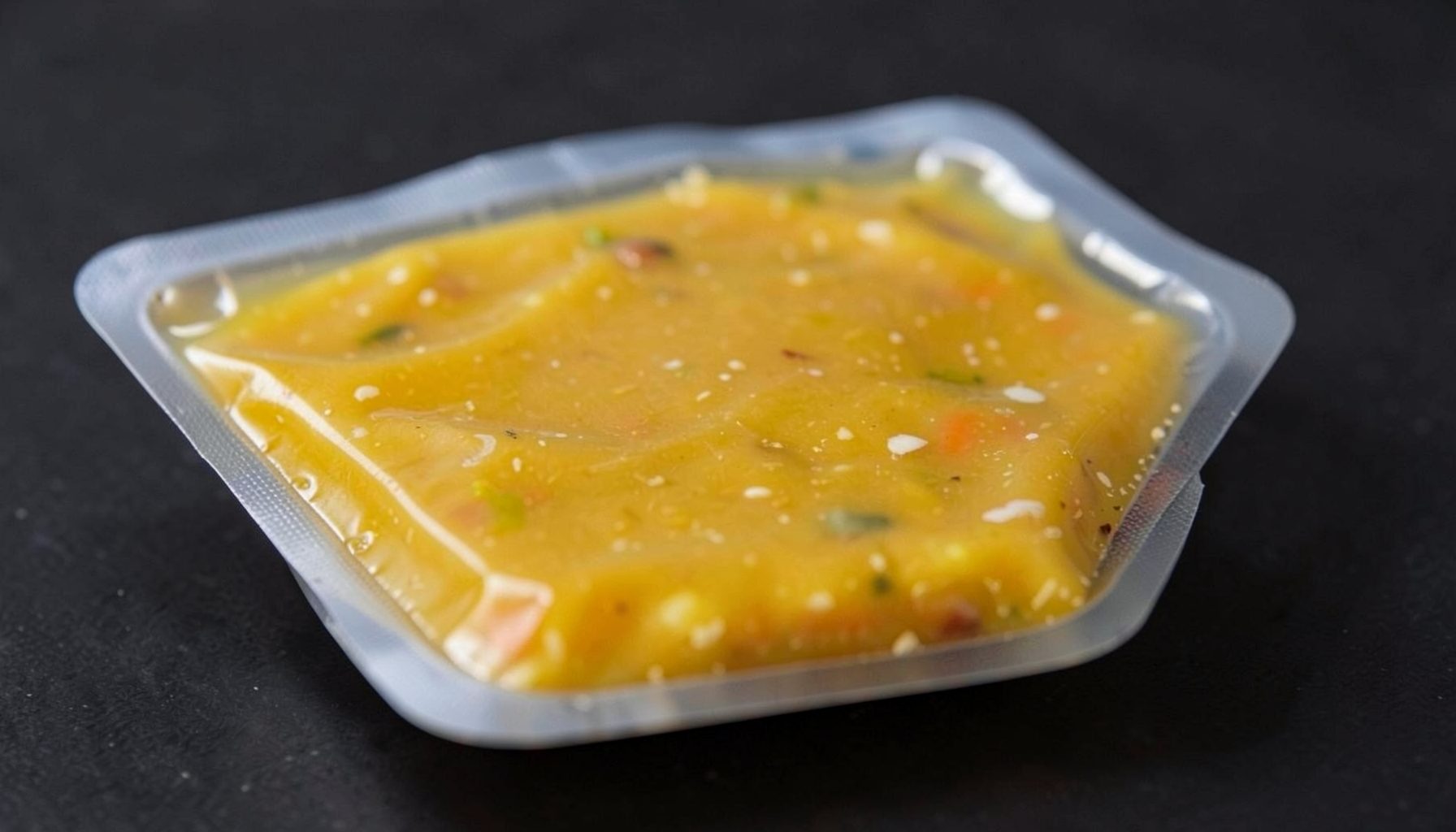
蛤?! Golden Clam Broth — New Batch
NT$ —
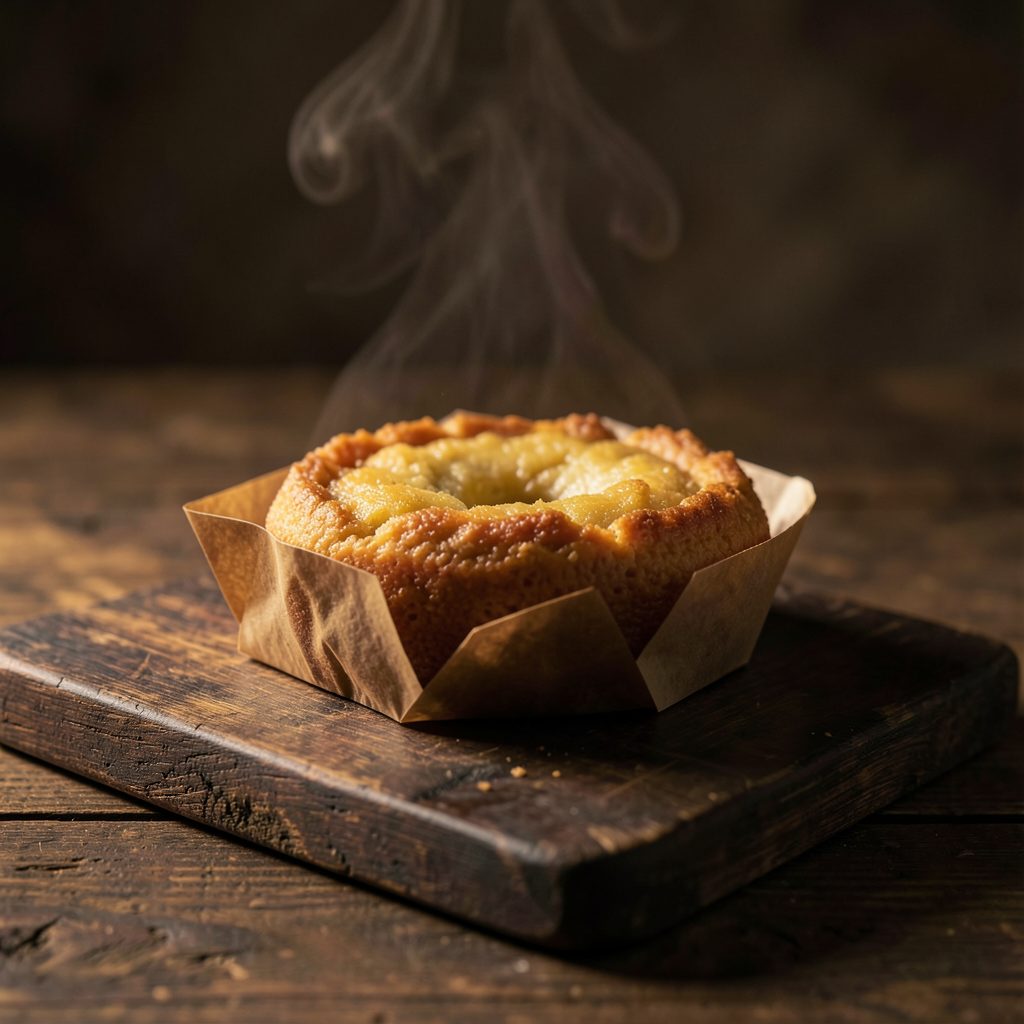
Radish Cake —蘿蔔糕精神
NT$ —
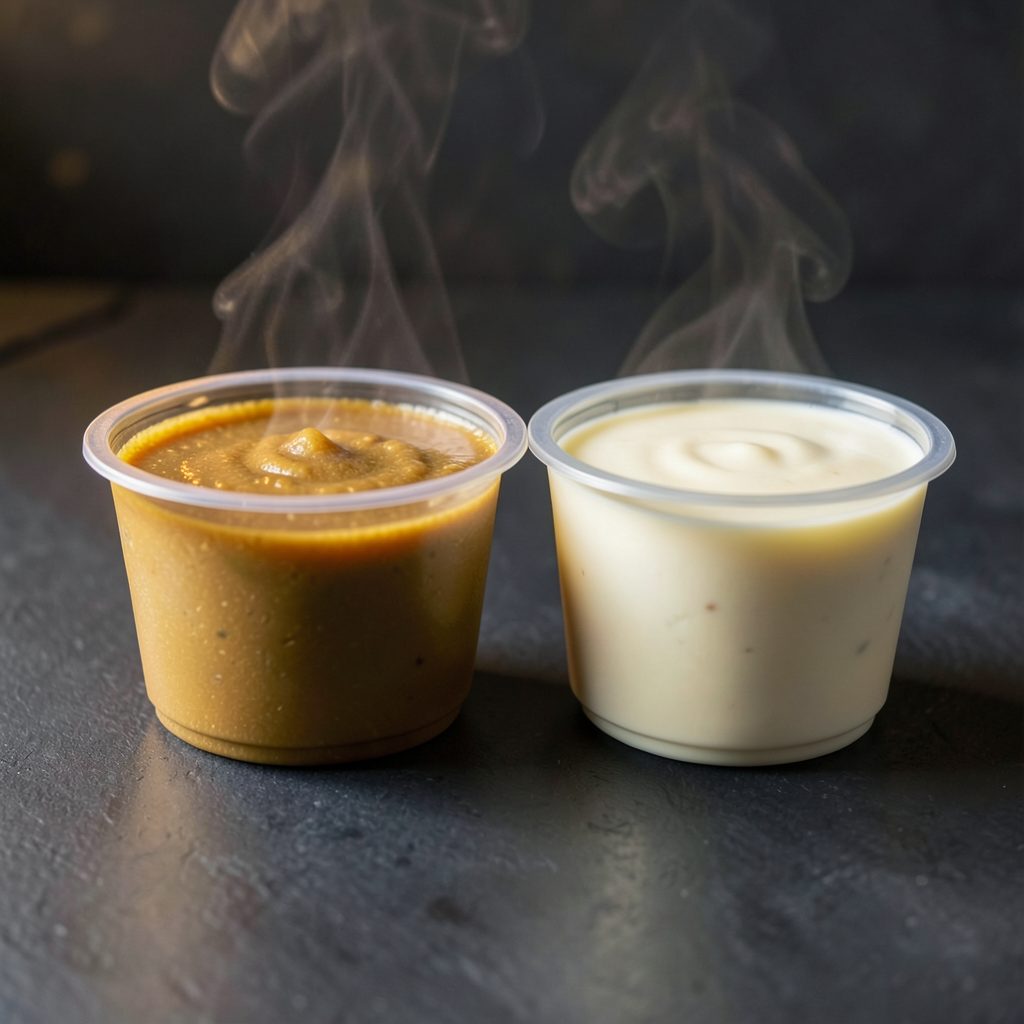
Duo Soup Base Set
NT$ —

Hot Pot Essentials Bundle
NT$ —
About 蛤?! Huh Pot
蛤?! Huh Pot is a Cantonese-style hot pot brand known for its signature clam-based broth —卜卜蜆 — made with rich old-hen stock and generous portions of fresh clams. The brand also encompasses 本事滿足鍋物, a personal hot pot concept, bringing the same depth of flavor to individual servings.
Through MoneyCome Mart, these restaurant-quality soup bases, dry noodles, radish cakes, and signature sauces are available for home delivery across Taiwan. Restaurant locations in Taipei's Da'an District, Civic Boulevard, and Taichung's Gongyi Road also welcome guests for dine-in, with online reservations available.